Category
page 1Philosophers of culture

Aristotle
Aristotle (; 384–322 BC) was an ancient Greek philosopher and polymath. His writings cover a broad range of subjects spanning the natural sciences, philosophy, linguistics, economics, politics, psychology, and the arts. As the founder of the Peripatetic school of philosophy in the Lyceum in Athens, he began the wider Aristotelian tradition that followed, which set the groundwork for the development of modern science.

Karl Marx
German-born philosopher (1818-1883)

Confucius
Confucius (), born Kong Qiu, was a Chinese philosopher of the Spring and Autumn period who is traditionally considered the paragon of Chinese sages. Much of the shared cultural heritage of the Sinosphere originates in the philosophy and teachings of Confucius. His philosophical teachings, called Confucianism, emphasized personal and governmental morality, harmonious social relationships, righteousness, kindness, sincerity, and a ruler's responsibilities to lead by virtue.

Leo Tolstoy
Russian author (1828–1910)

Jean-Jacques Rousseau
Genevan philosopher, writer, and composer (1712-1778)

Jorge Luis Borges
Argentine writer, essayist, poet and translator (1899–1986)

Francis Bacon
English philosopher and statesman (1561–1626)

Benedictus de Spinoza
Dutch philosopher (1632-1677)
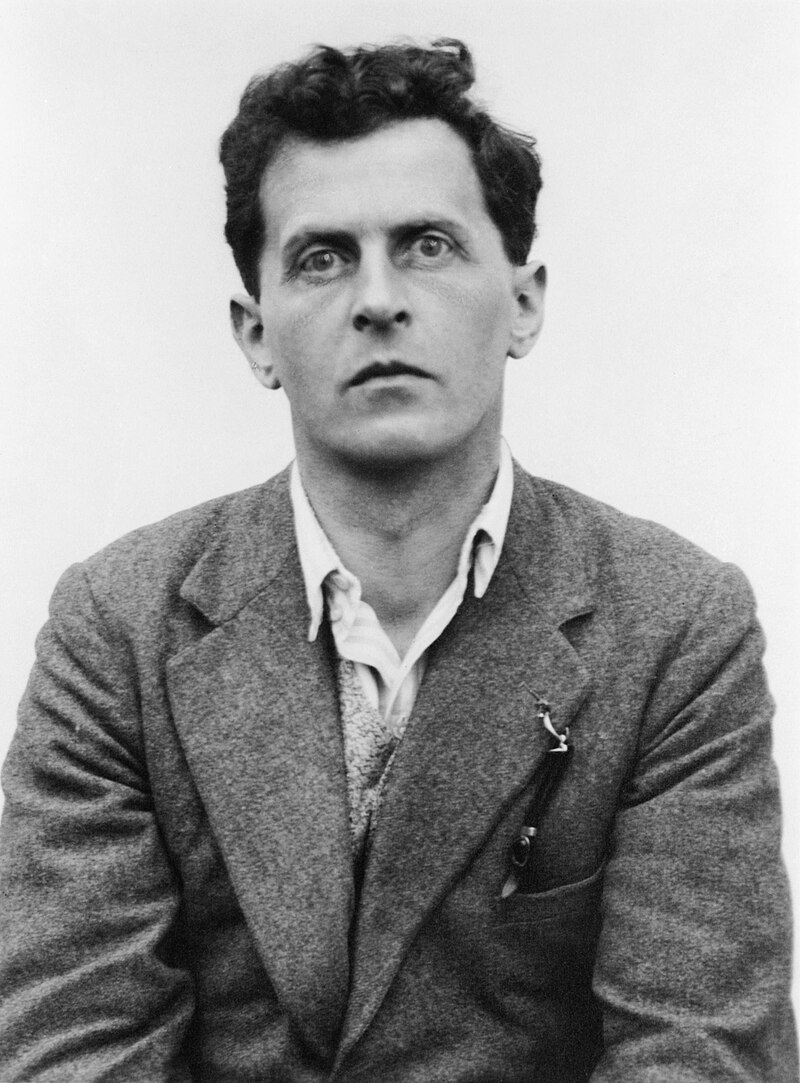
Ludwig Wittgenstein
Austrian philosopher and logician (1889–1951)
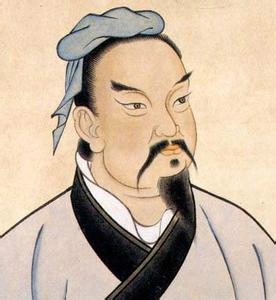
Sun Tzu
6th century BCE Chinese general and military strategist

Thomas Hobbes
English philosopher (1588–1679)

John Stuart Mill
British philosopher and political economist (1806–1873)

Václav Havel
Czech statesman, playwright, and former dissident, the last president of Czechoslovakia and the first president of the Czech Republic (1936–2011)

Mikhail Bakunin
Russian revolutionary anarchist and philosopher (1814–1876)

Averroes
Ibn Rushd (14 April 112611 December 1198), Latinized as Averroes, was an Andalusian polymath and jurist who was proficient in a variety of intellectual fields, including philosophy, theology, medicine, astronomy, physics, psychology, mathematics, neurology, Islamic jurisprudence and law, and linguistics. The author of more than 100 books and treatises, his philosophical works include numerous commentaries on Aristotle, for which he was known in the Western world as "The Commentator" and "Father of Rationalism".

Karl Popper
Austrian-British philosopher of science and social and política e falsificationism and for criticism of Plato, Hegel and Marx as totalitarian opponents of open society (1902-1994)

Hannah Arendt
German-American political theorist and philosopher (1906–1975)

Antonio Gramsci
Italian Marxist philosopher, writer, and politician (1891–1937)

Edmund Burke
Anglo-Irish statesman, political theorist and conservative philosopher (1729–1797)
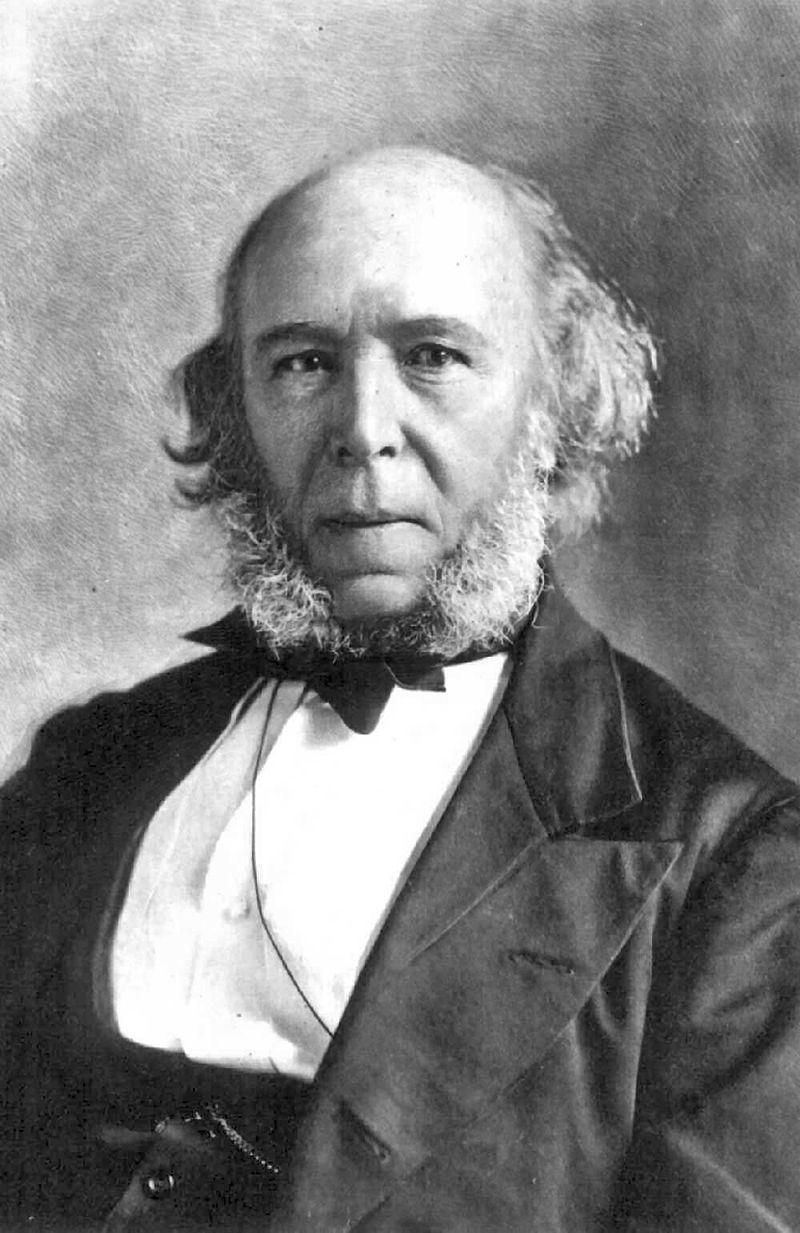
Herbert Spencer
English philosopher and political theorist (1820–1903)
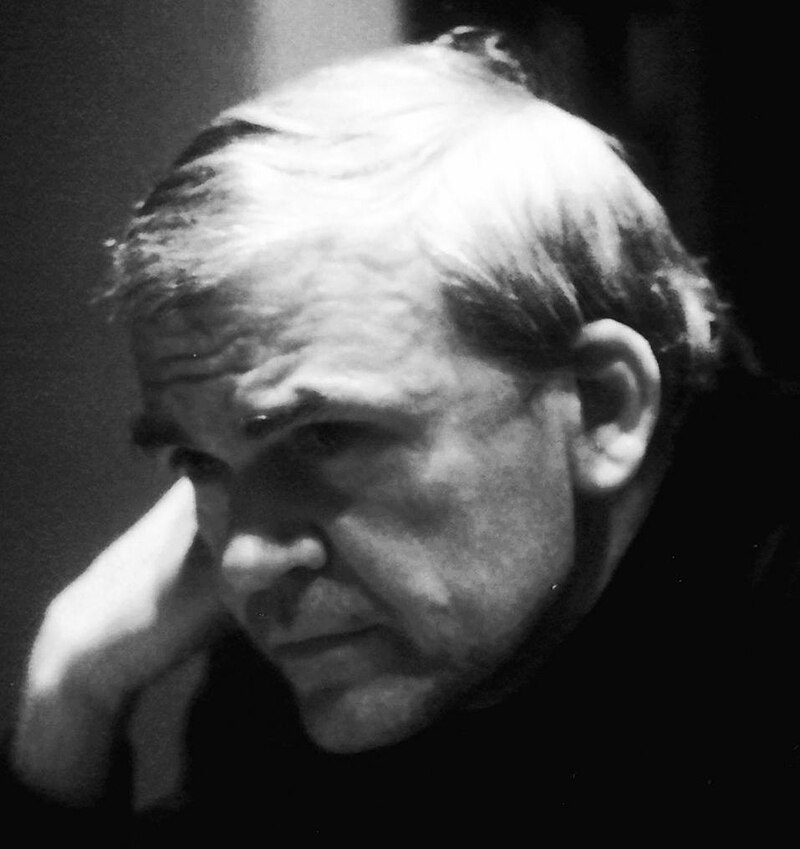
Milan Kundera
Franco-Czechoslovak poet and novelist (1929—2023)

Ferdinand de Saussure
Swiss linguist and philosopher (1857–1913)

Mencius
Mencius (孟子, Mèngzǐ, ; ), born Meng Ke (), was a Chinese Confucian philosopher, often described as the Second Sage () to reflect his traditional esteem relative to Confucius himself. He was part of Confucius's fourth generation of disciples, inheriting his ideology and developing it further. Living during the Warring States period, he is said to have spent much of his life travelling around the states offering counsel to different rulers. Conversations with these rulers form the basis of the Mencius, which would later be canonised as a Confucian classic.

Edmund Husserl
German philosopher, known as the father of phenomenology (*1859 – †1938)
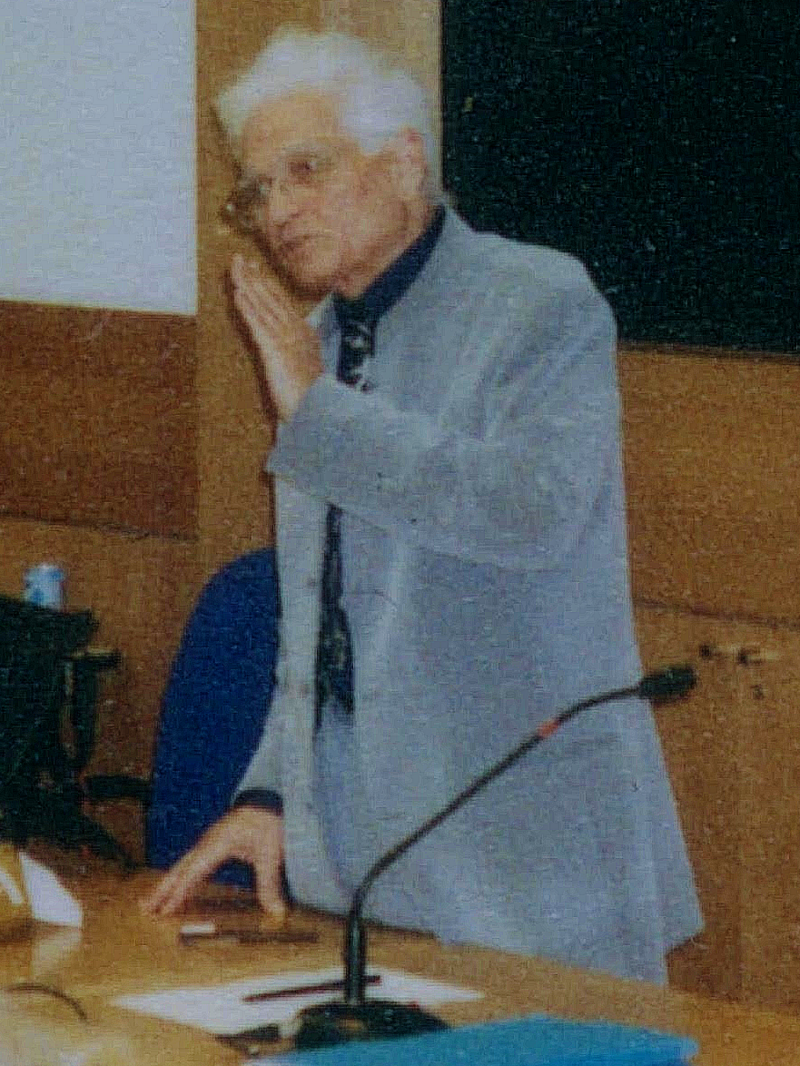
Jacques Derrida
French philosopher (1930–2004)

Zhuang Zhou
Chinese Taoist philosopher (c. 369–286 BC)

Slavoj Žižek
Slovenian philosopher (born 1949)

Farabi
thumbnail|200px|Postage stamp of the USSR, issued on the 1100th anniversary of the birth of Al-Farabi (1975)
Abu Nasr Muhammad al-Farabi (; – 14 December 950–12 January 951), known in the Latin West as Alpharabius, was an early Islamic philosopher and music theorist. He has been designated as "Father of Islamic Neoplatonism", and the "Founder of Islamic Political Philosophy".

Wilhelm von Humboldt
Prussian philosopher, government official, diplomat, and educator (1767–1835)

José Ortega y Gasset
Spanish liberal philosopher and essayist (1883–1955)

Emil Cioran
Romanian-French philosopher and essayist (1911–1995)

Baron d'Holbach
German-born French philosopher (1723–1789)

George Santayana
Spanish-American philosopher

Giovanni Pico della Mirandola
Italian Renaissance philosopher (1463–1494)

Iris Murdoch
Irish-born British writer and philosopher (1919–1999)

Georg Lukács
Hungarian marxist philosopher and literary critic (1885–1971)

William Gibson
American-Canadian speculative fiction writer (born 1948)

Mozi
Mozi, personal name Mo Di,

Naomi Klein
Canadian author and activist (born 1970)

Q334147
Italian philosopher and esotericist (1898-1974)

Emmanuel Levinas
Jewish-French-Lithuanian philosopher

Wang Anshi
Song Dynasty chancellor and poet (1021-1086)

Karl Polanyi
Hungarian economist, philosopher and historian

Adam Ferguson
Scottish philosopher and historian; (1723-1816)

Michael Polanyi
Hungarian-British polymath (1891–1976)
Eric Voegelin
American philosopher (1901–1985)

Mario Bunge
Argentine-Canadian philosopher (1919-2020)

Thiruvalluvar
Thiruvalluvar, commonly known as Valluvar, was an Indian poet and philosopher. He is best known as the author of the Tirukkuṟaḷ, a collection of couplets on ethics, political and economic matters, and love. The text is considered an exceptional and widely cherished work of Tamil literature.

M. N. Roy
Indian political activist and intellectual
Georg Henrik von Wright
Finland Swedish philosopher, professor and member of the Academy of Finland (1916–2003)
Kwame Anthony Appiah
British-American philosopher and writer

Vilém Flusser
Czech philosopher and photographer
Ferdinand Canning Scott Schiller
German-born British philosopher
Antonio Escohotado
Spanish essayist and university professor
Su Xun
Song dynasty person (CBDB = 3762)
Joxe Azurmendi
Basque writer and philosopher
Bracha L. Ettinger
Israeli artist, painter, photographer, theorist and psychoanalyst (born 1948)
Etienne Vermeersch
Belgian debater, philosopher and skeptic (1934–2019)
Herman Bavinck
Dutch Reformed theologian (1854-1921)
Kojin Karatani
Japanese philosopher