Category
page 1Philosophers of science

Albert Einstein
Albert Einstein was a German-born theoretical physicist best known for developing the theory of relativity. Einstein also made important contributions to quantum theory. His mass–energy equivalence formula E = mc2, which arises from special relativity, has been called "the world's most famous equation". He received the 1921 Nobel Prize in Physics for "his services to theoretical physics, and especially for his discovery of the law of the photoelectric effect".

Aristotle
Aristotle (; 384–322 BC) was an ancient Greek philosopher and polymath. His writings cover a broad range of subjects spanning the natural sciences, philosophy, linguistics, economics, politics, psychology, and the arts. As the founder of the Peripatetic school of philosophy in the Lyceum in Athens, he began the wider Aristotelian tradition that followed, which set the groundwork for the development of modern science.

Karl Marx
German-born philosopher (1818-1883)

Galileo Galilei
Italian polymath (1564-1642)

Jean-Jacques Rousseau
Genevan philosopher, writer, and composer (1712-1778)

Benjamin Franklin
American polymath and statesman (1706–1790)

Avicenna
Ibn Sina ( – 22 June 1037), commonly known in the West as Avicenna ( ), was a preeminent philosopher and physician of the Muslim world. He was a seminal figure of the Islamic Golden Age, serving in the courts of various Iranian rulers, and was influential to medieval European medical and Scholastic thought.

Q7085
Danish physicist (1885–1962)

Benedictus de Spinoza
Dutch philosopher (1632-1677)

Erwin Schrödinger
Austrian physicist (1887–1961)

Thales
ancient Greek philosopher and mathematician

David Hume
Scottish philosopher, economist, and historian (1711-1776)

Averroes
Ibn Rushd (14 April 112611 December 1198), Latinized as Averroes, was an Andalusian polymath and jurist who was proficient in a variety of intellectual fields, including philosophy, theology, medicine, astronomy, physics, psychology, mathematics, neurology, Islamic jurisprudence and law, and linguistics. The author of more than 100 books and treatises, his philosophical works include numerous commentaries on Aristotle, for which he was known in the Western world as "The Commentator" and "Father of Rationalism".

Hannah Arendt
German-American political theorist and philosopher (1906–1975)
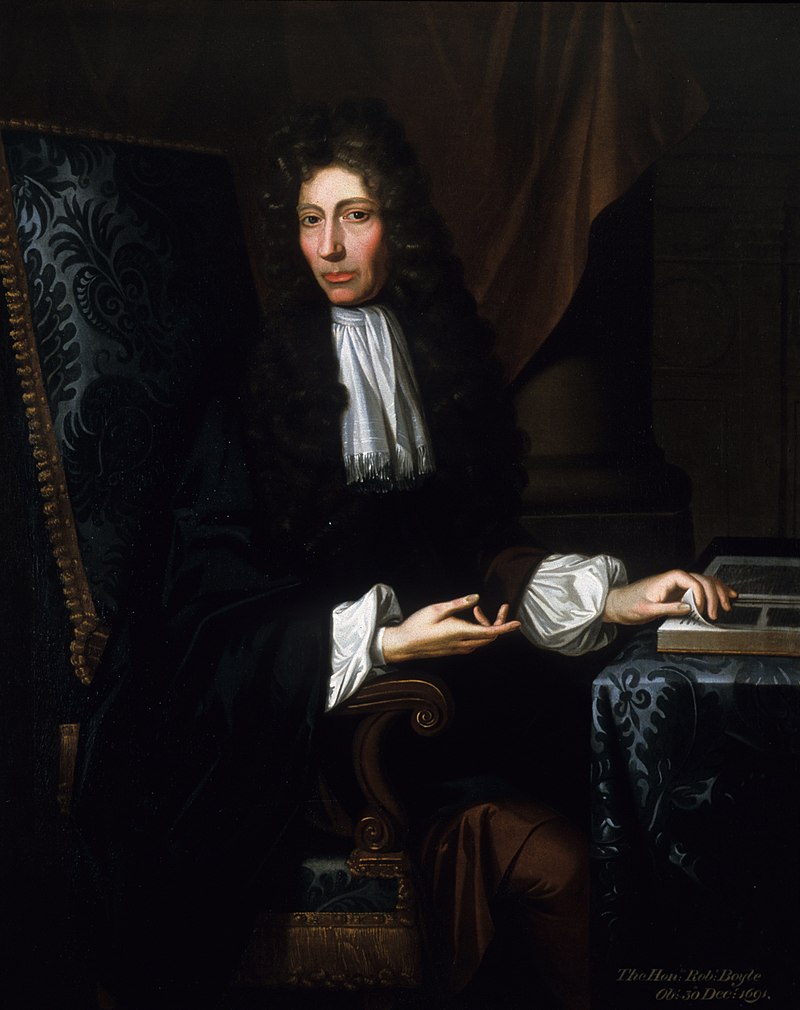
Robert Boyle
Anglo-Irish natural philosopher, chemist, physicist, and inventor
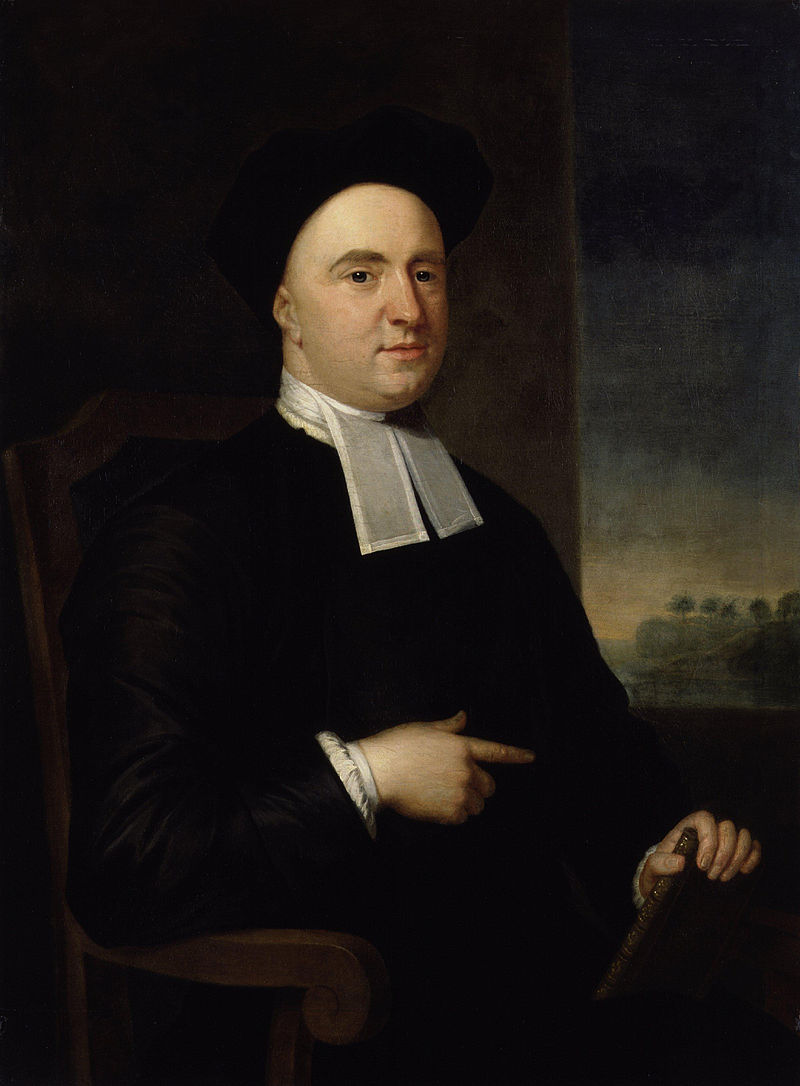
George Berkeley
Irish idealist philosopher and Anglican bishop (1685–1753)

Empedocles
Empedocles (; ; , 444–443 BC) was a Greek pre-Socratic philosopher and a native citizen of Akragas, a Greek city in Sicily. Empedocles' philosophy is known best for originating the cosmogonic theory of the four classical elements. He also proposed forces he called Love and Strife which would mix and separate the elements, respectively.

Ibn al-Haytham
Persian physicist, mathematician and astronomer (c. 965 – c. 1040)

Stanisław Lem
Polish science fiction author, philosopher and futurologist, studied medical doctor (1921–2006)
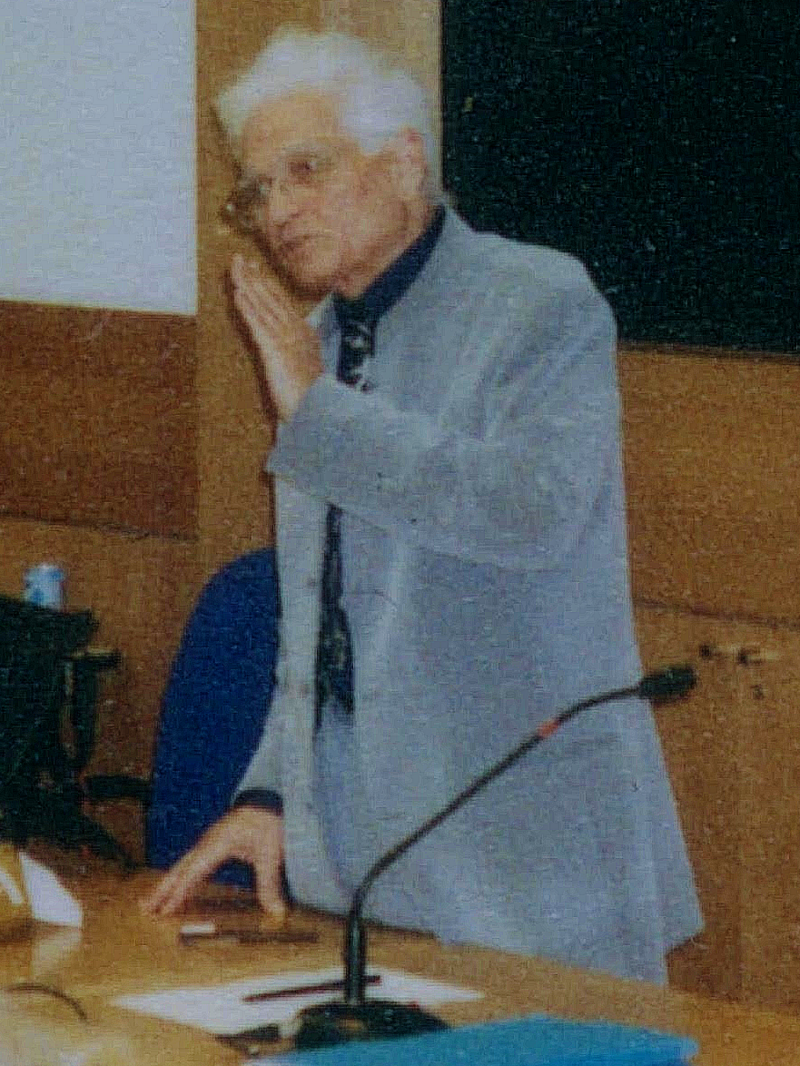
Jacques Derrida
French philosopher (1930–2004)

Alfred North Whitehead
English mathematician and philosopher (1861–1947)

Slavoj Žižek
Slovenian philosopher (born 1949)

Karl Jaspers
German-Swiss psychiatrist and philosopher (1883–1969)

Farabi
thumbnail|200px|Postage stamp of the USSR, issued on the 1100th anniversary of the birth of Al-Farabi (1975)
Abu Nasr Muhammad al-Farabi (; – 14 December 950–12 January 951), known in the Latin West as Alpharabius, was an early Islamic philosopher and music theorist. He has been designated as "Father of Islamic Neoplatonism", and the "Founder of Islamic Political Philosophy".

Emmanuel Swedenborg
Swedish 18th century scientist and theologian (1688-1772)

José Ortega y Gasset
Spanish liberal philosopher and essayist (1883–1955)

Al-Kindi
Abū Yūsuf Yaʻqūb ibn ʼIsḥāq aṣ-Ṣabbāḥ al-Kindī (; ; ; ) was an Arab polymath who was active as a philosopher, mathematician, physician, and music theorist. Al-Kindi was the first of the Islamic peripatetic philosophers, and is hailed as the "father of Arab philosophy".

Baron d'Holbach
German-born French philosopher (1723–1789)

Sam Harris
American author, philosopher and neuroscientist (born 1967)

Daniel Dennett
American philosopher (1942–2024)

Rudolf Carnap
German philosopher and logician (1891–1970)

Mozi
Mozi, personal name Mo Di,
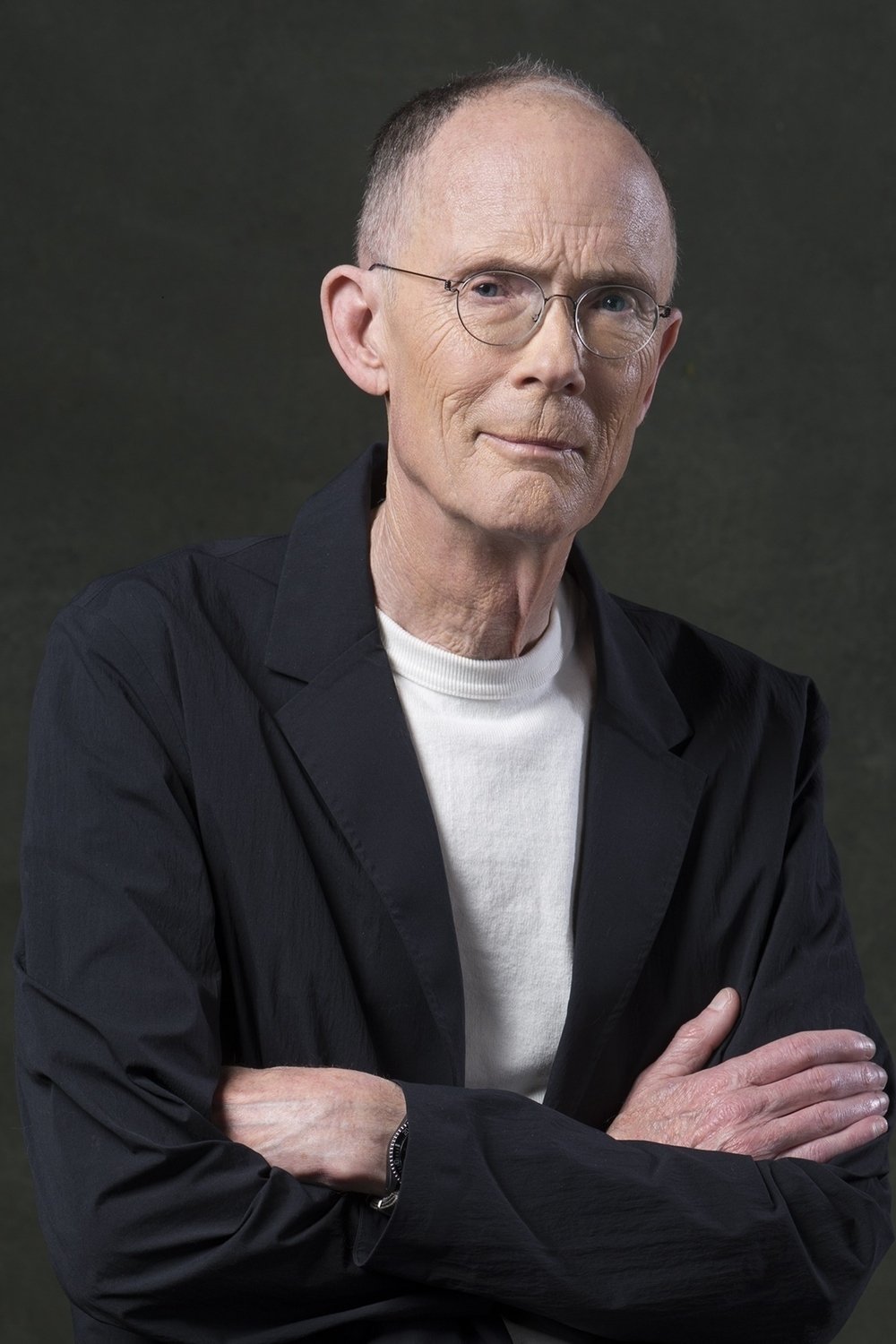
William Gibson
American-Canadian speculative fiction writer (born 1948)

Bernard Bolzano
Bohemian mathematician and priest (1781–1848)

Imre Lakatos
Hungarian philosopher of mathematics and science (1922-1974)
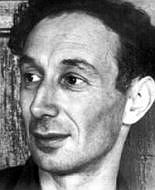
A. J. Ayer
English philosopher

Alfred Tarski
Polish-American logician (1901-1983)
William Whewell
English philosopher and historian of science (1794–1866)
Robert Grosseteste
English bishop and philosopher

Michael Polanyi
Hungarian-British polymath (1891–1976)
Donna Haraway
American philosopher, scholar in the field of science and technology studies
Eric Voegelin
American philosopher (1901–1985)

Mario Bunge
Argentine-Canadian philosopher (1919-2020)
Cotton Mather
American religious minister and scientific writer (1663–1728)

Nikolai Fyodorovich Fyodorov
Russian philosopher and life extensionist (1829-1903)
Georg Henrik von Wright
Finland Swedish philosopher, professor and member of the Academy of Finland (1916–2003)

Jerzy Neyman
Polish statistician (1894-1981)
Kazimierz Ajdukiewicz
Polish philosopher and logician (1890–1963)
Samuel Alexander
Australian-born British philosopher (1859-1938)

Vilém Flusser
Czech philosopher and photographer
Ferdinand Canning Scott Schiller
German-born British philosopher
Philipp Frank
Austrian academic (*1884 – †1966)
Ervin László
Hungarian musician and philosopher
Herbert Feigl
Austrian philosopher (1902–1988)
Ludwik Fleck
Polish physician (1896–1961)
Isabelle Stengers
Belgian philosopher of science and scientist (born 1949)
Max Black
British-American philosopher
Hajime Tanabe
Japanese philosopher (1885–1962)
Dominicus Gundissalinus
Spanish philosopher
Robert Moray
Scottish soldier, statesman, diplomat, judge, spy and philosopher