Category
page 1Plant common names

pumpkin
thumb|upright=1.4|A pile of pumpkins at the French Market in New Orleans, Louisiana
thumb|upright=1.4|A variety of pumpkin cultivars. The central and rightmost orange fruits are Cucurbita pepo, all others are [[Cucurbita maxima]]
thumb|upright=1.4|A field of giant pumpkins
.JPG)
mangrove
thumb|upright=1.3|Mangroves are hardy shrubs and trees that thrive in salt water and have specialised adaptations so they can survive the volatile energies of intertidal zones along marine coasts.

millet
thumb|Pearl millet

bean
thumb|right|French bean pods on a plant
.jpg)
raspberry
thumb|Red-fruited raspberries
thumb|European Rubus idaeus raspberry fruits on the plant
The raspberry is the edible fruit of several plant species in the genus Rubus of the rose family, most of which are in the subgenus Idaeobatus. The name also applies to these plants themselves. Raspberries are perennial with woody stems.

cardamom
thumb|True cardamom plant (Elettaria cardamomum)
thumb|Cardamom seeds

sugarcane
thumb|Saccharum officinarum

kumquat
Kumquats ( ), sometimes spelled cumquat in Australian English and British English, are a group of small, angiosperm, fruit-bearing trees in the family Rutaceae. The edible fruit closely resembles the orange (Citrus x sinensis) in color, texture, and anatomy, but is much smaller, being approximately the size of a large olive. They are native to southern China but have been cultivated for centuries in Japan and Southeast Asia. The kumquat is a fairly cold-hardy citrus.
succulent plant
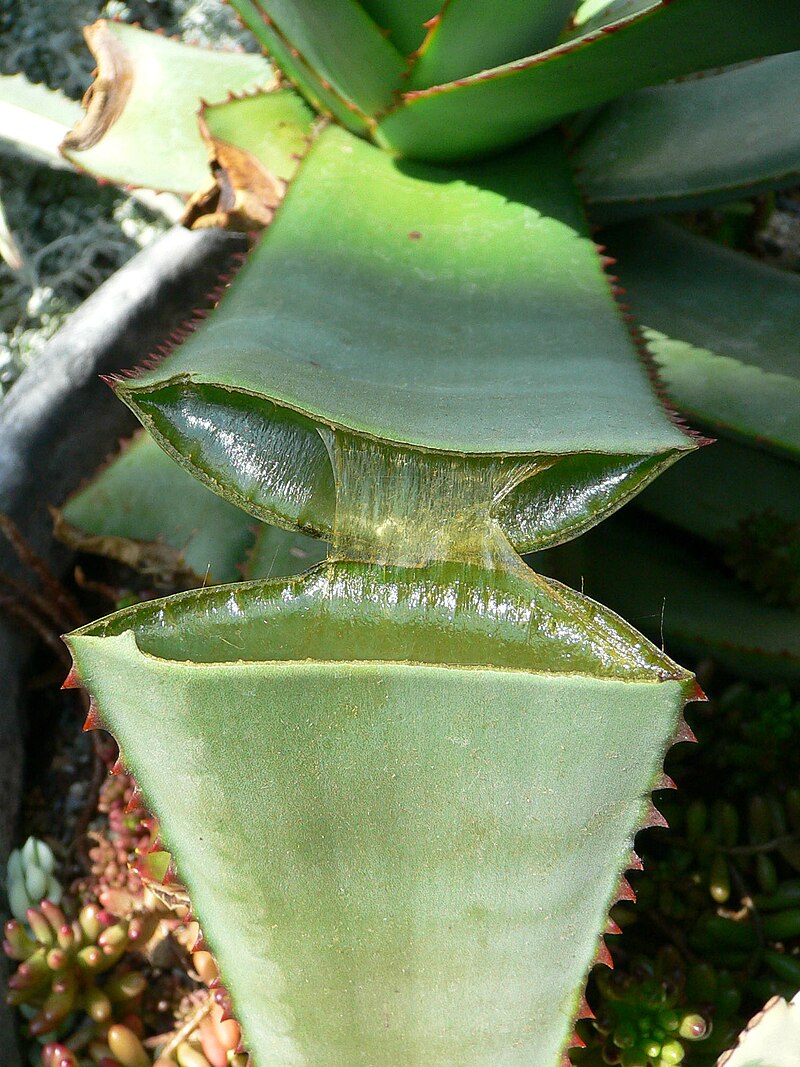
Plants having some parts that are more than normally thickened and fleshy

blackberry
The blackberry is an edible fruit produced by many species in the genus Rubus in the family Rosaceae, hybrids among these species within the subgenus Rubus, and hybrids between the subgenera Rubus and Idaeobatus. The taxonomy of blackberries has historically been confused because of hybridization and apomixis so that species have often been grouped together and called species aggregates.

×Triticale
Triticale (; × Triticosecale) is a hybrid of wheat (Triticum) and rye (Secale) first bred in laboratories during the late 19th century in Scotland and Germany. Commercially available triticale is almost always a second-generation hybrid, i.e., a cross between two kinds of primary (first-cross) triticales. As a rule, triticale combines the yield potential and grain quality of wheat with the disease and environmental tolerance (including soil conditions) of rye. Only in 1970 did the first commercial variety become available. Depending on the cultivar, triticale can more or less resemble either o
.jpg)
mahogany wood
thumb|right|Honduran mahogany tree, Swietenia macrophylla
thumb|Genuine mahogany veneer with a special Figure (wood)|figure, ripple marks
.jpg)
dal
In Indian cuisine, dal (also spelled daal or dhal pronunciation: ) are dried, split pulses (e.g., lentils, peas, and beans) that do not require soaking before cooking. India is the largest producer of pulses in the world. The term is also used for various soups prepared from these pulses. These pulses are among the leading staple foods in South Asian countries, and form an important part of the cuisines of the Indian subcontinent.

thistle
thumb|Musk thistle, C. Nutans in the Carpathian Mountains
thumb|Milk thistle flowerhead
thumb|Cirsium arizonicum, showing arachnoid cobwebbiness on stems and leaves, with ants attending aphids that might be taking advantage of the shelter.
mustard plant
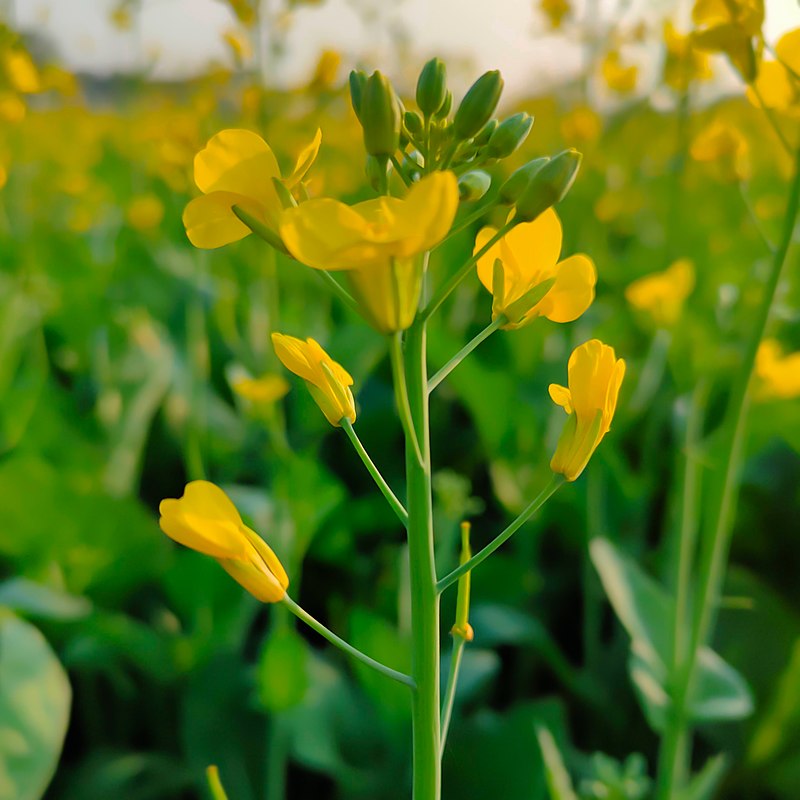
plants used for mustard

banyan
alt=The biggest tree|thumb|A banyan tree at the Naples, Florida Preserve

bay leaf
aromatic leaf of Laurus nobilis

marine flowering plant
Seagrasses are the only flowering plants which grow in marine environments. There are about 60 species of fully marine seagrasses which belong to four families (Posidoniaceae, Zosteraceae, Hydrocharitaceae and Cymodoceaceae), all in the order Alismatales (in the clade of monocotyledons). Seagrasses evolved from terrestrial plants which recolonised the ocean 70 to 100 million years ago.

shamrock
thumb|A wood sorrel, often called a shamrock, especially in the United States

rosewood
Rosewood is any of a number of richly hued hardwoods, often brownish with darker veining, but found in other colours. It is hard, tough, strong, and dense. True rosewoods come from trees of the genus Dalbergia, but other woods are often called rosewood. Rosewood takes a high polish and is used for luxury furniture-making, flooring, musical instruments, and turnery.
.JPG)
chamomile
thumb|upright|German chamomile, Matricaria chamomilla
thumb|upright|Roman chamomile, Chamaemelum nobile
Chamomile (American English) or camomile (British English; see spelling differences) ( or ) is the common name for several plants of the family Asteraceae. Two of the species, Matricaria chamomilla and Chamaemelum nobile, are commonly used to make herbal infusions for beverages. Chamomile is used as a flavoring in foods, beverages, and cosmetics, in herbal teas, in brewing beer, and as a ground cover or seating plant in gardens.

thyme
Thyme () is a culinary herb consisting of the dried aerial parts of some members of the genus Thymus of flowering plants in the mint family Lamiaceae. Thymes are native to Eurasia and North Africa. Thymes have culinary, medicinal, and ornamental uses. The species most commonly cultivated and used for culinary purposes is Thymus vulgaris, native to Southeast Europe.

galangal
thumb|right|200px|Kaempferia galanga
thumb|right|200px|Lesser galangal (Alpinia officinarum)
thumb|right|300px|Galangal rhizome ready to be prepared for cooking

mistletoe
thumb|right|European mistletoe (Viscum album) attached to a dormant common aspen ([[Populus tremula)]]
thumb|right|European mistletoe growing on an apple tree (Malus domestica); despite the mistletoe's presence, the apple tree is still able to bear fruit.
pitcher plant
type of carnivorous plant by mechanism of catching
%202.jpg)
thicket
thumb|upright=1.5|A thicket of silver birch Betula pendula in [[Saratov Oblast, Russia]]
A thicket is a very dense stand of trees or tall shrubs, often dominated by only one or a few species, to the exclusion of all others. They may be formed by species that shed large numbers of highly viable seeds that are able to germinate in the shelter of the maternal plants.
morning glory
common idea of a flowering plant

poppy
upright=1.2|thumb|Poppies on Lake Geneva, [[Montreux]]
A poppy is a flowering plant in the subfamily Papaveroideae of the family Papaveraceae. Poppies are herbaceous plants, often grown for their colourful flowers. One species of poppy, Papaver somniferum, is the source of the narcotic drug mixture opium, which contains powerful medicinal alkaloids such as morphine and has been used since ancient times as an analgesic and narcotic medicinal and recreational drug. It also produces edible seeds. Following the trench warfare in the poppy fields of Flanders, Belgium, during World War I, poppies, s

Pyrethrum
Pyrethrum was a genus of several Old World plants now classified in either Chrysanthemum or Tanacetum which are cultivated as ornamentals for their showy flower heads. Pyrethrum continues to be used as a common name for plants formerly included in the genus Pyrethrum. Pyrethrum is also the name of a natural insecticide made from the dried flower heads of Chrysanthemum cinerariifolium and Chrysanthemum coccineum. The insecticidal compounds present in these species are pyrethrins.
.jpg)
ginseng
thumb|right|200px|A root of cultivated Korean ginseng (Panax ginseng)

bilberry
thumb|Bilberries

callaloo
Callaloo ( , ; many spelling variants, such as kallaloo, calaloo, calalloo, calaloux, or callalloo) is a plant used in popular dishes in many Caribbean countries, while for other Caribbean countries, a stew made with the plant is called . Cuisines, including the plant or dishes called , vary throughout the Caribbean. In countries such as Trinidad and Tobago or Grenada, the dish itself is called and uses taro leaves (known by many local names such as 'dasheen bush', ' bush', or 'bush') or Xanthosoma leaves (known by many names, including cocoyam and tannia).

iroko
Iroko (Yoruba: Ìrókò) is a large hardwood tree from the west coast of tropical Africa that can live up to 500 years. This is the common name for the genus Milicia, in which there are two recognized species, which are closely related: Milicia excelsa and Milicia regia.

copaiba
thumb|Copaifera langsdorffii in a park in São Paulo, Brazil
Copaiba is an oleoresin obtained from the trunk of several pinnate-leaved South American leguminous trees (genus Copaifera). The thick, transparent exudate varies in color from light gold to dark brown, depending on the ratio of resin to essential oil. Copaiba is used in making varnishes and lacquers.
list of plants by common name
Wikimedia list article
quebracho tree
different trees

huckleberry
thumb|Bog huckleberries
tree fern
ferns that grow with a trunk elevating the fronds above ground level
Gopher wood
Biblic hapax and variety of wood

Pueraria thomsonii
thumb|300px|Kudzu smothering trees in Atlanta, Georgia, US

mezquite
thumb|Neltuma laevigata mesquite near the Chichimeco dam, in Jesús María, Aguascalientes, Mexico
Fonio
300px|thumb|right|White fonio in Tambacounda Region of southern Senegal
Eucalypteae
Eucalypteae is a large tribe of woody flowering plants with capsule fruiting bodies in the family Myrtaceae; members of this tribe are known as eucalypts. In Australia the genera Angophora, Corymbia, and Eucalyptus are commonly known as gum trees, for the sticky substance that exudes from the trunk of some species, or stringybarks. , the tribe comprised around 860 species, all native to Southeast Asia and Oceania, with a main diversity center in Australia.
banana passionfruit
fruit
kowhai
thumb|Kōwhai flowers
Citrus subgenus Papeda
polyphyletic species of the rutaceae family
Labrador tea
common name for the three closely related plant species
bluebonnet
common name given to any number of purple-flowered species of the genus Lupinus
Wintergreen
thumb|Gaultheria from Fountain Springs, [[Pennsylvania]]
carrion flower
flowers which emit an odor that smells like rotting flesh
Mallee
bioregion, growth habit of certain eucalypt species
Rose of Sharon
Common name of different flowering plants with biblical origin
aspen
thumb|American aspens, Populus tremuloides
tulipwood
thumb|left|upright=0.7|Cut wood of a tulip tree in a park in Westchester County, New York
thumb|right|220px|North American tulipwood (Liriodendron tulipifera)
thumb|Hispano-Suiza H6 1924 tulipwood
Most commonly, tulipwood is the greenish yellowish wood yielded from the tulip tree, found on the Eastern side of North America and a similar species is found in some parts of China. In the United States, it is commonly known as tulip poplar or yellow poplar, even though the tree is not related to the poplars. It is notable for its height, which can exceed 190 feet. The wood is very light, around 490
manzanita
See also Arctostaphylos
pussy willow
name for willow trees in early spring
locoism
Locoweed (also crazyweed and loco) is a common name in North America for any plant that produces swainsonine, an alkaloid harmful to livestock. Worldwide, swainsonine is produced by a small number of species, most of them in three genera of the flowering plant family Fabaceae: Oxytropis and Astragalus in North America, and Swainsona in Australia. The term locoweed usually refers only to the North American species of Oxytropis and Astragalus, but this article includes the other species as well. Some references may incorrectly list Datura as locoweed.
Bearberry
thumbnail|Arctostaphylos uva-ursi
thumb|Arctostaphylos uva-ursi flowers
Cane
Genera Arundinaria and Arundo
Nyatoh
thumb|280px|Palaquium maingayi -Niatoh tembaya
Nyatoh is a trade-name for wood of a number of hardwood species of the genera Palaquium and Payena growing in rainforest environments in southeast Asia, especially in Indonesia and the Philippines. Nyatoh wood is reddish and most species are easy to work with as it stains and polishes well. It has a tight straight grain that resembles cherry wood. The surface is dark-brown/red in color.