Category
page 1Plant models
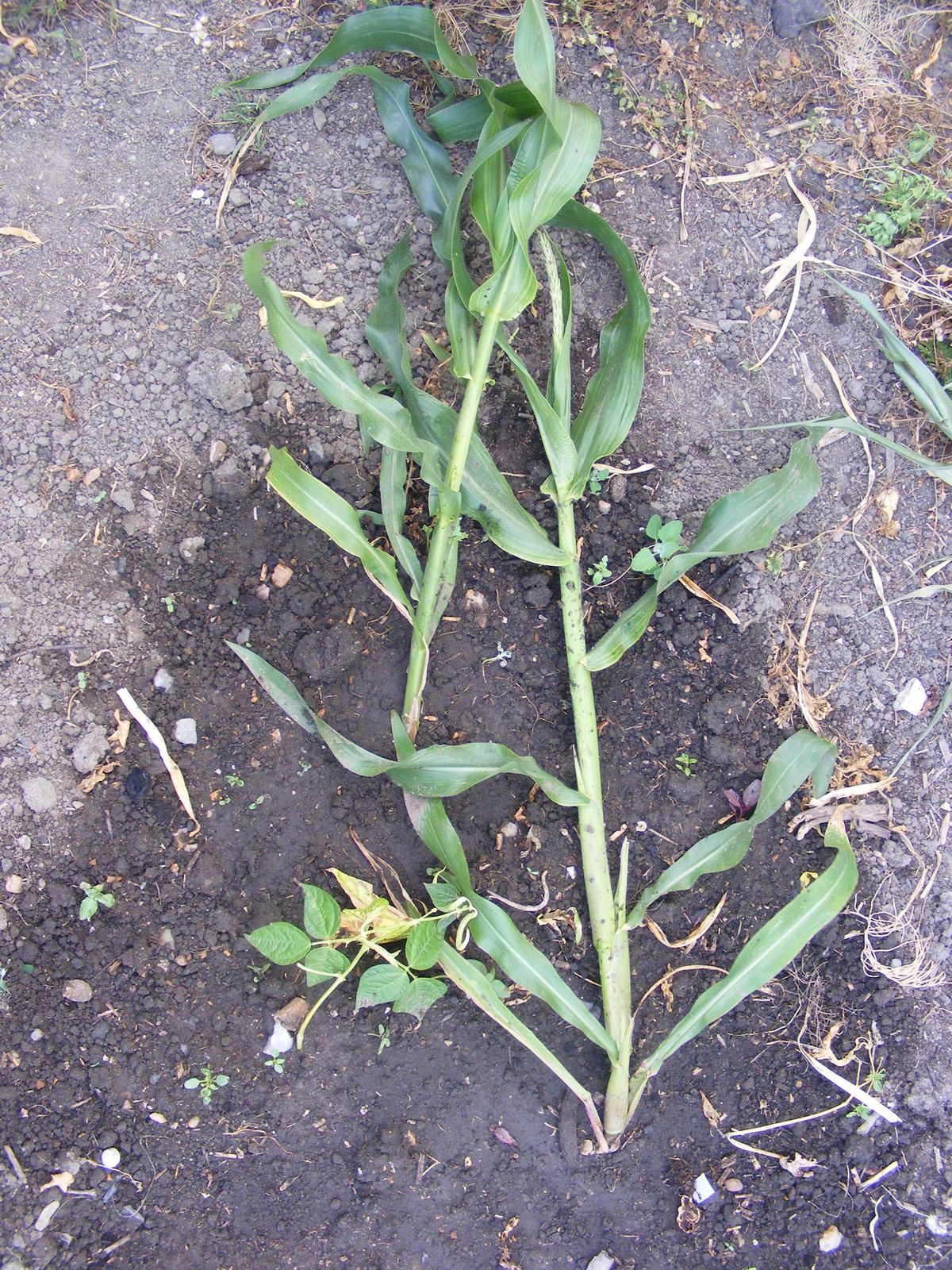
maize
Maize (; Zea mays), also known as corn in North American English, is a tall stout grass that produces cereal grain. The leafy stalk of the plant gives rise to male inflorescences or tassels which produce pollen, and female inflorescences called ears. The ears yield grain, known as kernels or seeds. In modern commercial varieties, these are usually yellow or white; other varieties can be of many colors. Maize was domesticated by indigenous peoples in southern Mexico about 9,000 years ago from wild teosinte. Native Americans planted it alongside beans and squashes in the Three Sisters polycultur

rice
thumb|upright=1.35|Rice plant (Oryza sativa) with branched [[panicles containing many grains on each stem]]
thumb|upright=1.35|Rice grains of different Variety (botany)|varieties at the [[International Rice Research Institute (IRRI)]]

Pisum sativum
Pea is a pulse or fodder crop, but the word often refers to the seed or sometimes the pod of this flowering plant species. Peas are eaten as a vegetable.

Arabidopsis thaliana
species of plant

Medicago
thumb|Anatomical diagram of Medicago flowers.
Medicago is a genus of flowering plants, commonly known as medick or burclover, in the legume family (Fabaceae). It contains at least 87 species and is distributed mainly around the Mediterranean Basin, and extending across temperate Eurasia and sub-Saharan Africa. The best-known member of the genus is alfalfa (M. sativa), an important forage crop, and the genus name is based on the Latin name for that plant, , from Median (grass). Most members of the genus are low, creeping herbs, resembling clover, but with burs (hence the common name). However,
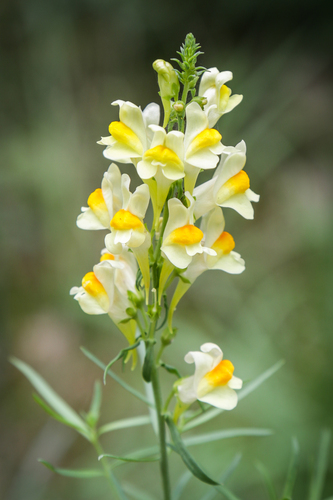
Antirrhinum
Antirrhinum is a genus of plants in the Plantaginaceae family, commonly known as dragon flowers or snapdragons because of the flowers' fancied resemblance to the face of a dragon that opens and closes its mouth when laterally squeezed. They are also sometimes called toadflax or dog flower. They are native to rocky areas of Europe, the United States, Canada, and North Africa. Antirrhinum species are widely used as ornamental plants in borders and as cut flowers.
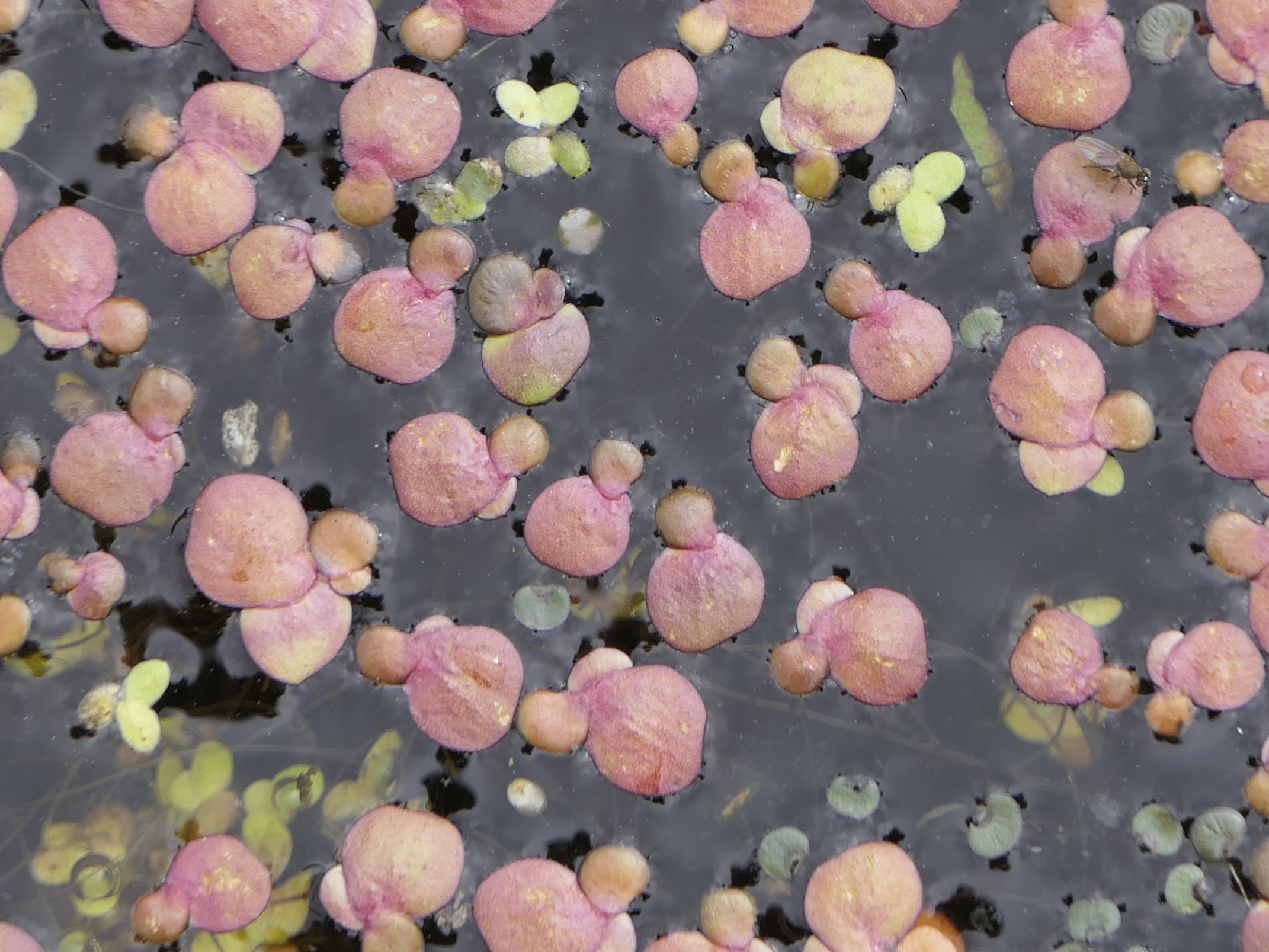
Spirodela polyrhiza
species of plant
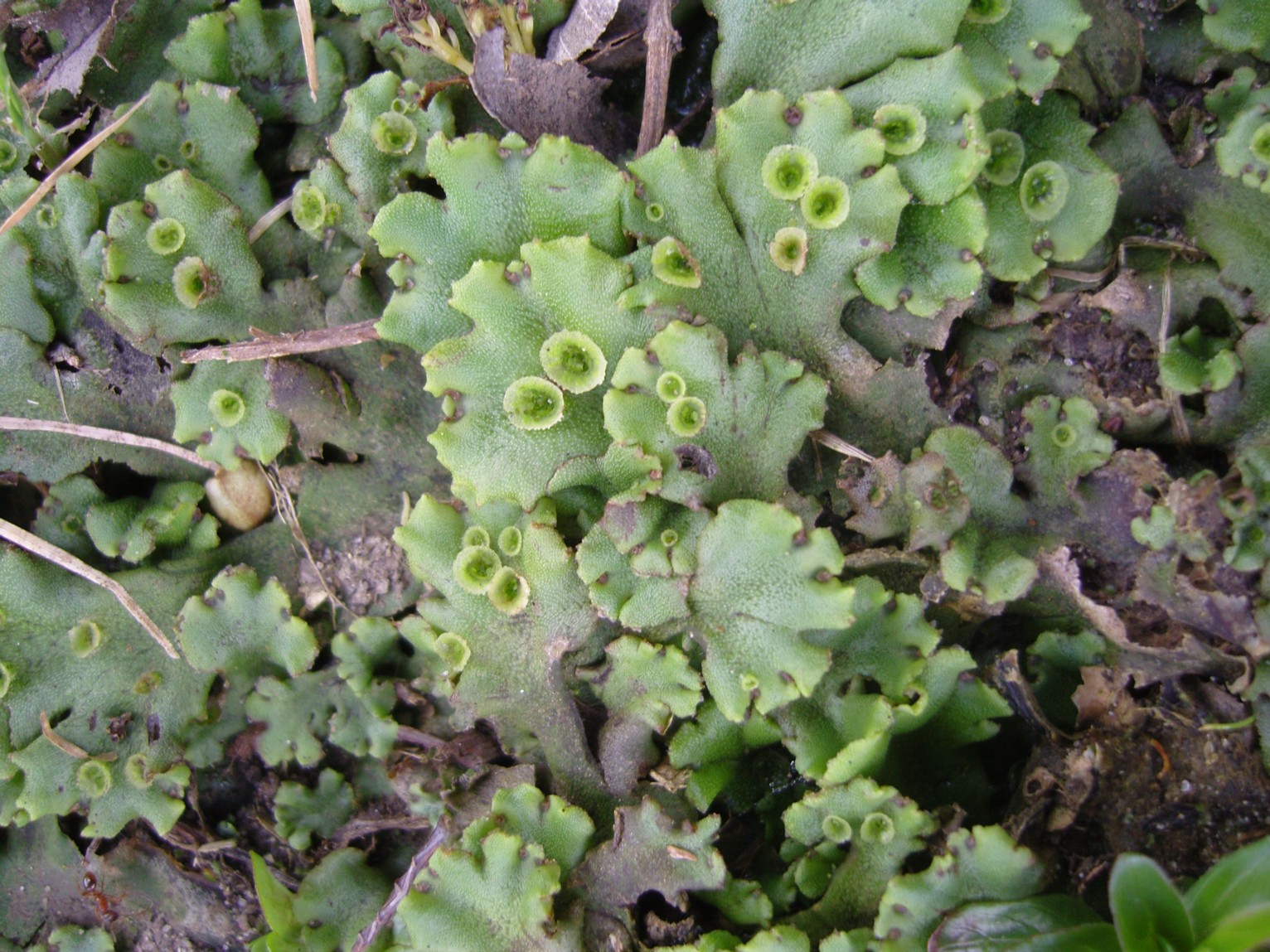
Marchantia polymorpha
species of liverwort

Populus trichocarpa
species of plant
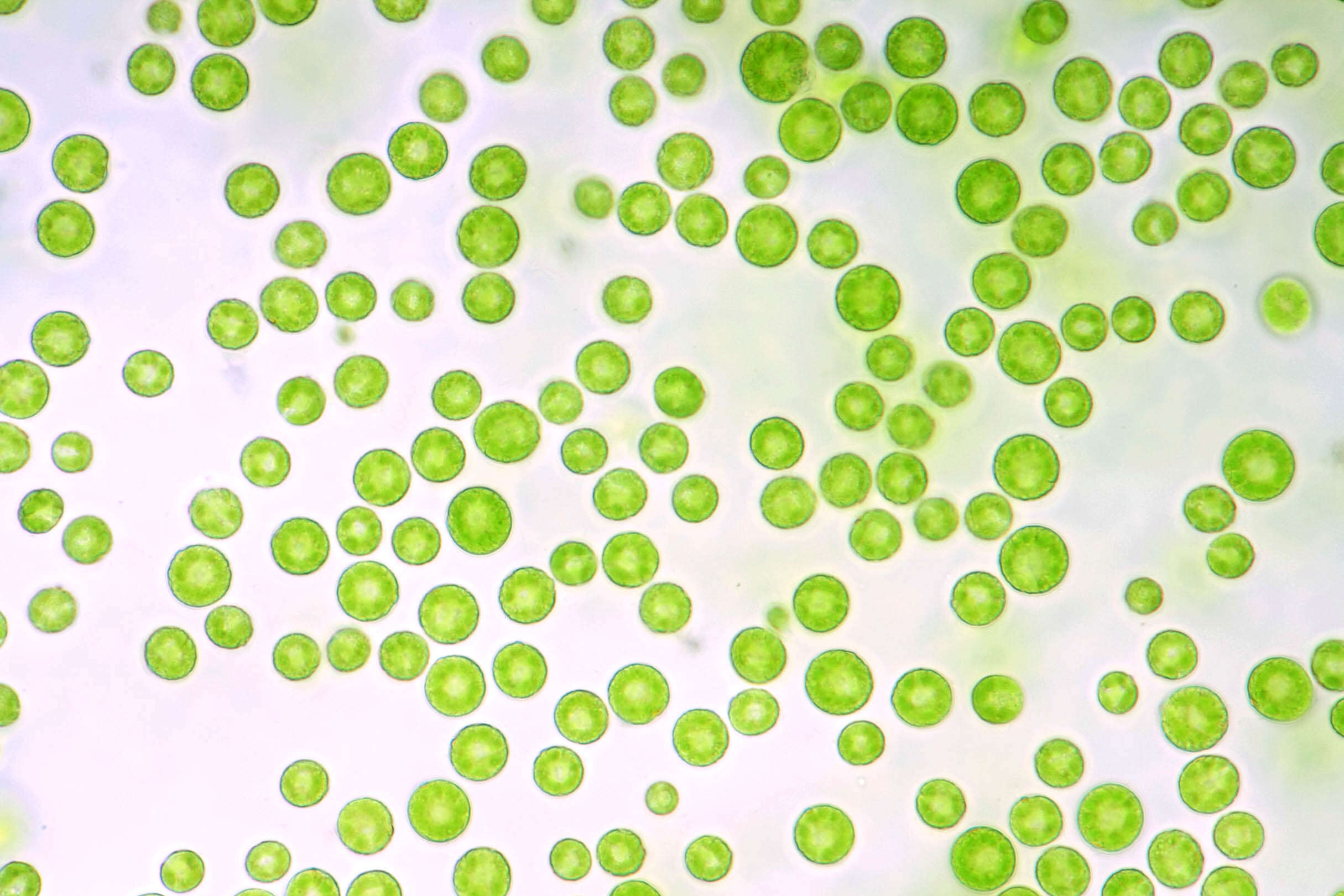
Chlamydomonas reinhardtii
species of algae
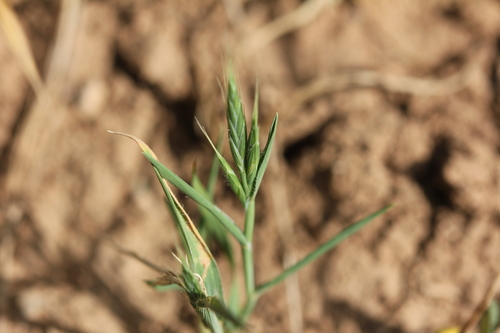
Brachypodium distachyon
species of plant
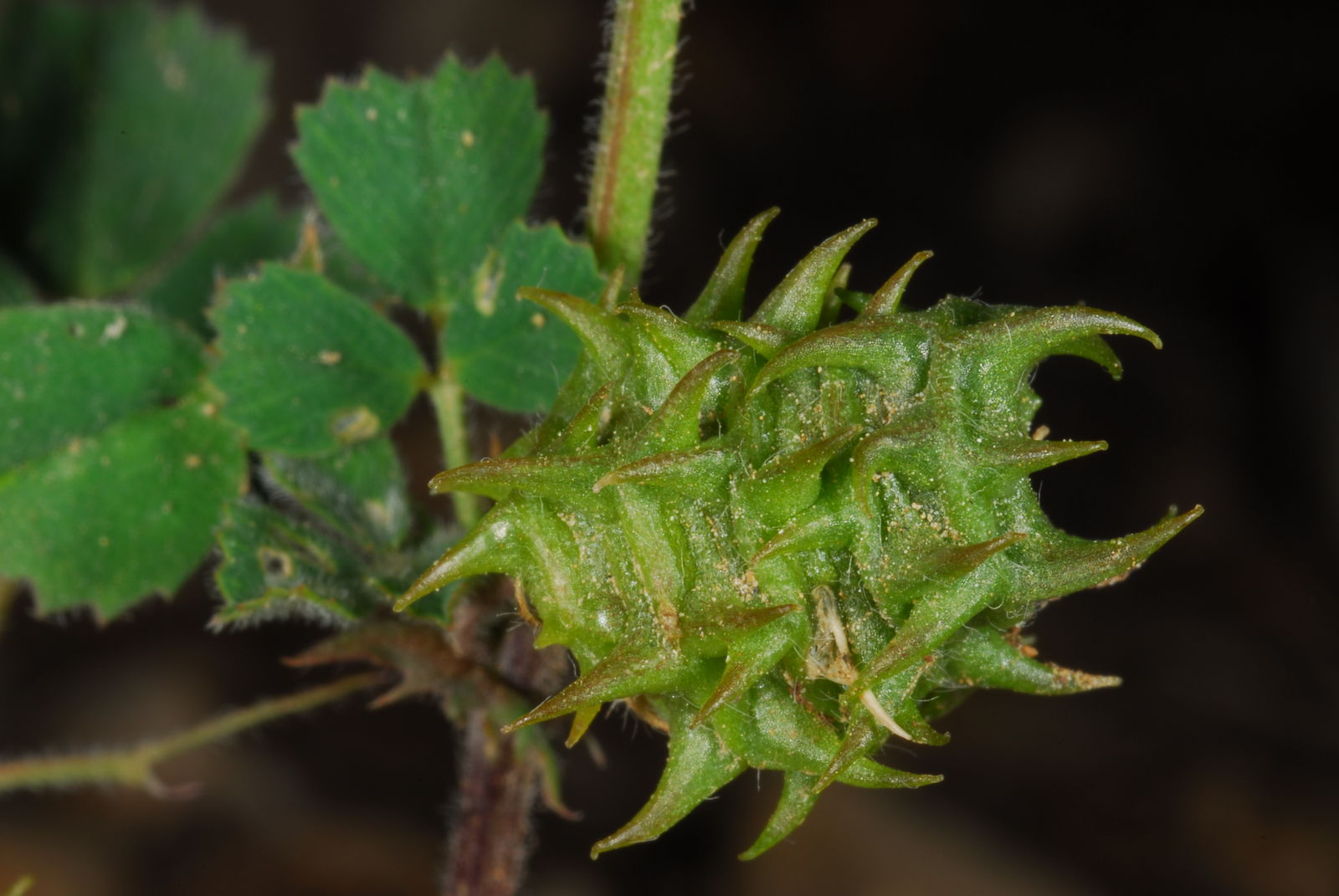
Medicago truncatula
species of legume

Tortula ruralis
species of plant

Nicotiana benthamiana
species of plant

Physcomitrella patens
species of plant

Erythranthe
Erythranthe, the monkey-flowers and musk-flowers, is a diverse plant genus with more than 120 members (as of 2022) in the family Phrymaceae. Erythranthe was originally described as a separate genus, then generally regarded as a section within the genus Mimulus, and recently returned to generic rank. Mimulus sect. Diplacus was segregated from Mimulus as a separate genus at the same time. Mimulus remains as a small genus of eastern North America and the Southern Hemisphere. Molecular data show Erythranthe and Diplacus to be distinct evolutionary lines that are distinct from Mimulus as strictly d

Nicotiana glutinosa
species of plant
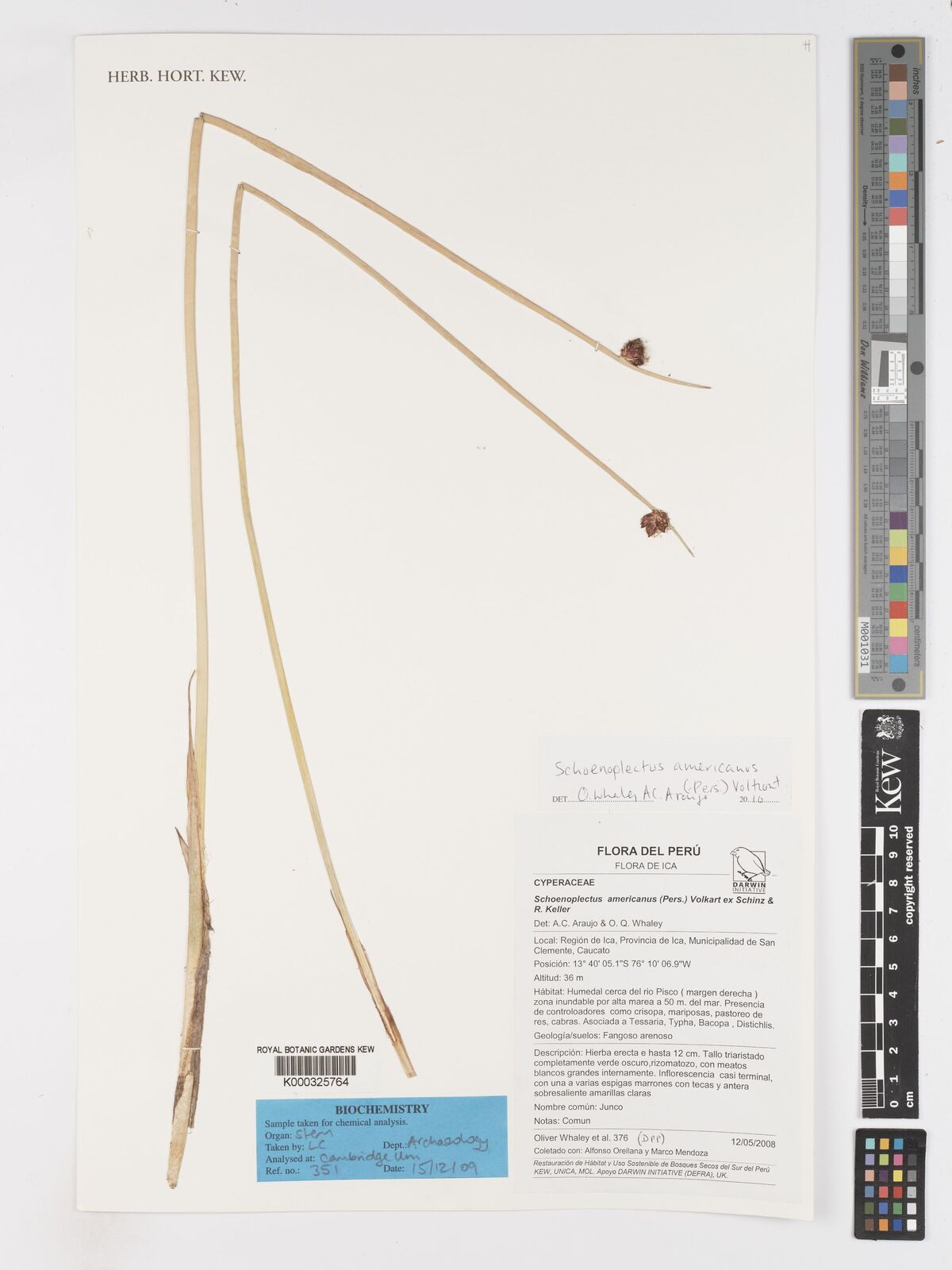
Schoenoplectus americanus
species of plant
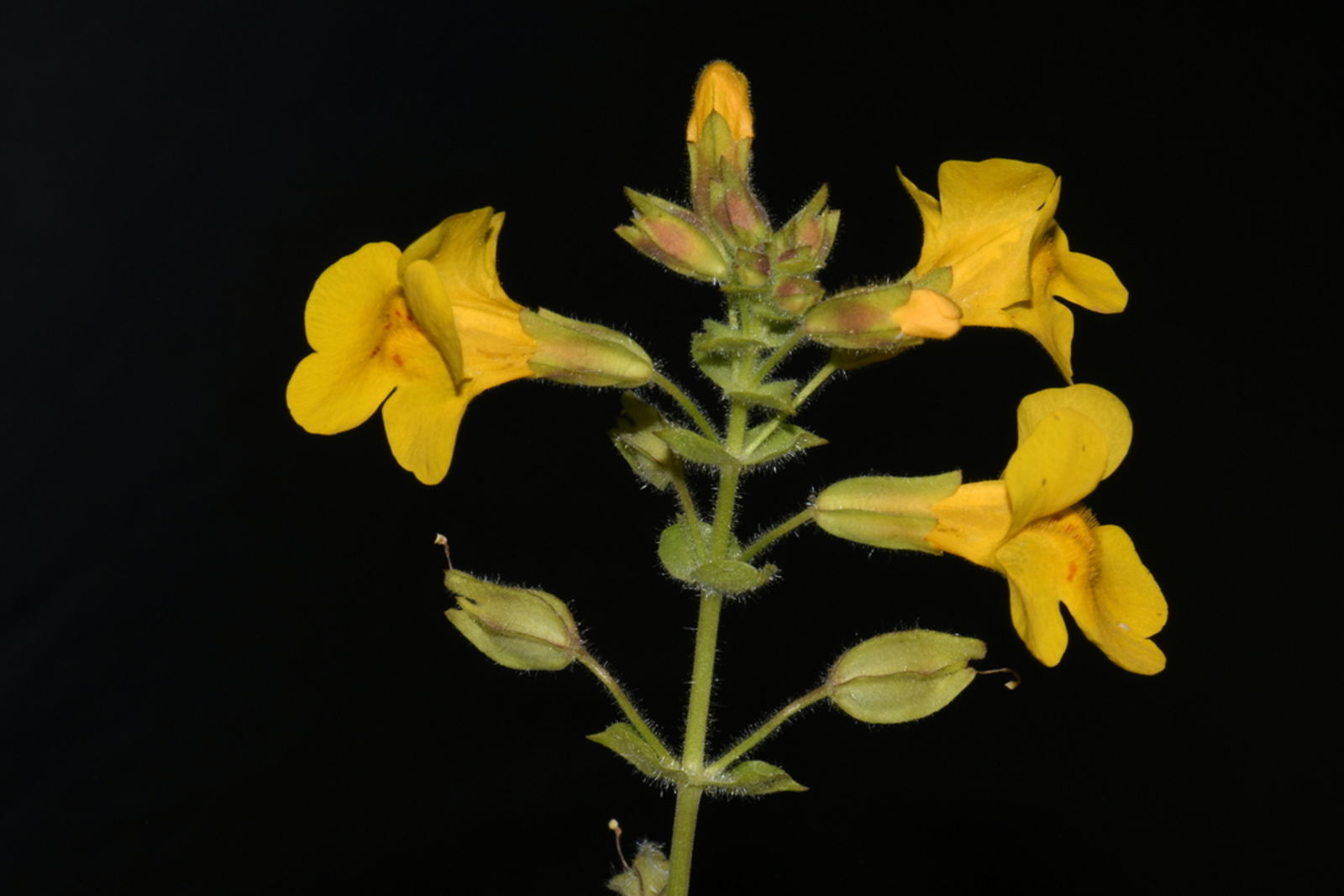
Erythranthe guttata
species of plant
Erycina pusilla
species of plant
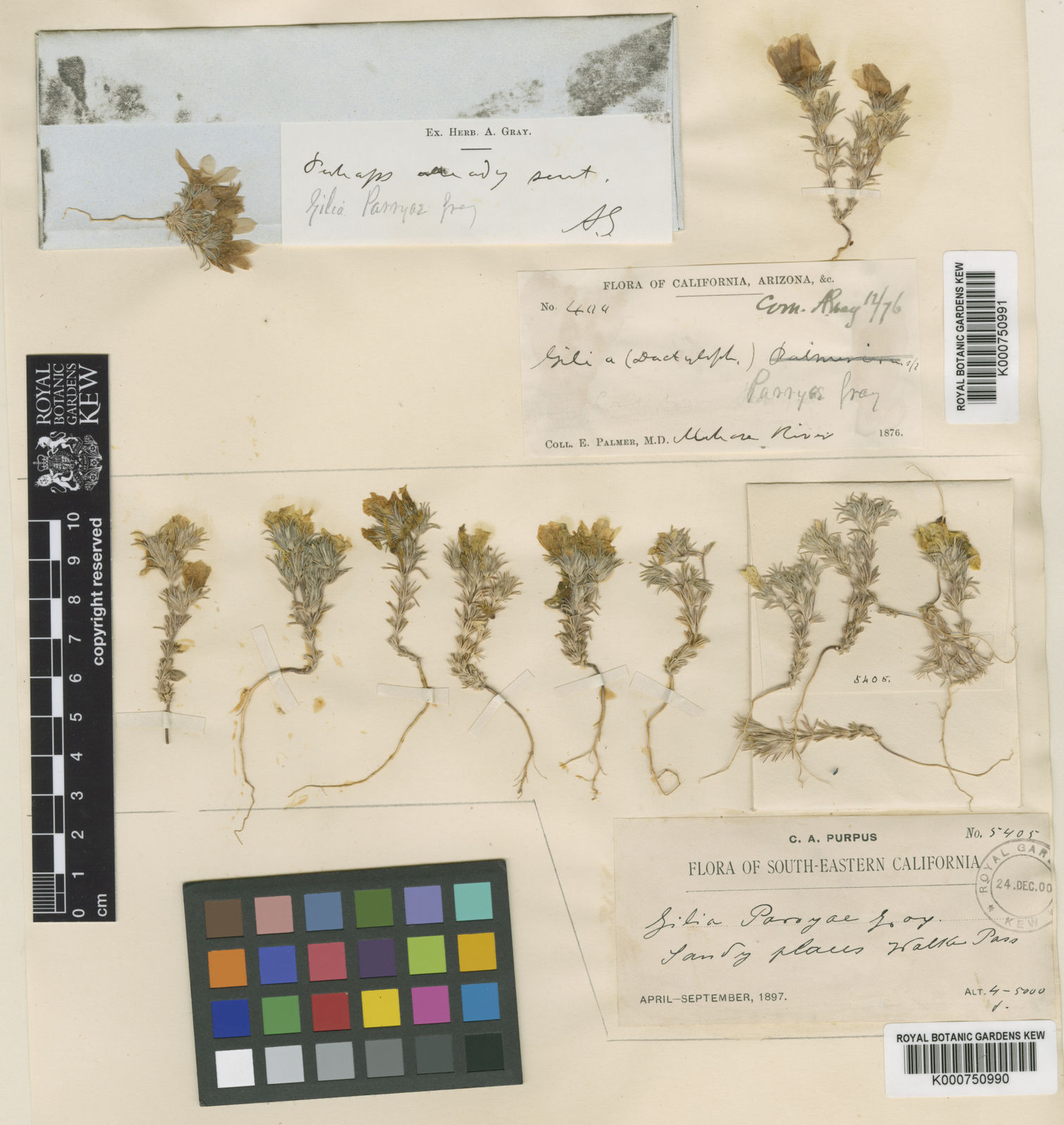
Linanthus parryae
species of plant
Marchantia paleacea
species of plant