Category
page 1Polio
poliomyelitis
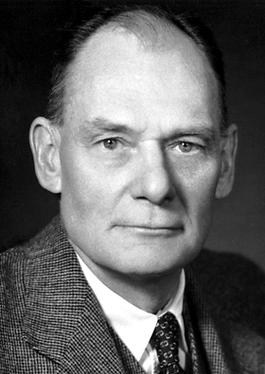
John Franklin Enders
American medical researcher (1897-1985)

Frederick Chapman Robbins
American doctor

Thomas Huckle Weller
American virologist (1915-2008)

poliovirus
Poliovirus, the causative agent of polio (also known as poliomyelitis), is a serotype of the species Enterovirus C, in the family of Picornaviridae. There are three poliovirus serotypes, numbered 1, 2, and 3.
SV40
SV40 is an abbreviation for simian vacuolating virus 40 or simian virus 40, a polyomavirus that is found in both monkeys and humans. Like other polyomaviruses, SV40 is a DNA virus that is found to cause tumors in humans and animals, but most often persists as a dormant infection. SV40 has been widely studied as a model eukaryotic virus, leading to many early discoveries in eukaryotic DNA replication and transcription.
==Human disease==
The hypothesis that SV40 might cause cancer in humans was a particularly controversial area of research, fuelled by the historical contamination of some batches

Elizabeth Kenny
Australian nurse (1880-1952)
post-polio syndrome
group of potentially disabling signs and symptoms that appear decades after the initial poliomyelitis illness
Jakob Heine
German orthopaedist (1800–1879)
PVR
CD155 (cluster of differentiation 155), also known as the poliovirus receptor, is a protein that in humans is encoded by the PVR gene. It is a transmembrane protein that is involved in forming junctions between neighboring cells. It is also the molecule that poliovirus uses to enter cells. The gene is specific to the primates.
Ivar Wickman
Swedish physician (1872-1914)
Jean Macnamara
Australian medical doctor and scientist (1899–1968)
Marguerite Vogt
German American oncologist and virologist (1913–2007)

Isabel Morgan
American virologist (1911-1996)
H. R. Cox
American bacteriologist (1907-1986)
history of poliomyelitis
aspect of history
Thomas Milton Rivers
United States admiral (1888–1962)
Joseph L. Melnick
American epidemiologist