Category
page 1Proteaceae genera
.jpg)
Macadamia
Macadamia is a genus of four species of trees in the flowering plant family Proteaceae. They are indigenous to Australia—specifically, northeastern New South Wales and central and southeastern Queensland. Two species of the genus are commercially important for their fruit, the macadamia nut (or simply macadamia). Global production in 2025 was . Other names include Queensland nut, bush nut, maroochi nut or bauple nut. It was an important source of bushfood for the Aboriginal peoples.

Banksia
Banksia is a genus of around 170 species of flowering plants in the family Proteaceae. These Australian wildflowers and popular garden plants are easily recognised by their characteristic flower spikes, and woody fruiting "cones" and heads. Banksias range in size from prostrate woody shrubs to trees up to 30 metres (100 ft) tall. They are found in a wide variety of landscapes: sclerophyll forest, (occasionally) rainforest, shrubland, and some more arid landscapes, though not in Australia's deserts.

Protea
Protea () is a genus of South African flowering plants, also called sugarbushes (Afrikaans: suikerbos). It is the type genus of the Proteaceae family.

Grevillea
Grevillea (), commonly known as spider flowers, is a genus of about 360 species of evergreen flowering plants in the family Proteaceae. Plants in the genus Grevillea are shrubs, rarely trees, with the leaves arranged alternately along the branches, the flowers zygomorphic, arranged in racemes at the ends of branchlets, and the fruit a follicle that splits down one side only, releasing one or two seeds.

Leucadendron
thumb|Leucadendron salignum

Hakea
Hakea ( ) is a genus of about 150 species of flowering plants in the family Proteaceae, endemic to Australia. They are shrubs or small trees with leaves that are sometimes flat, otherwise circular in cross section in which case they are sometimes divided. The flowers are usually arranged in groups in leaf axils and resemble those of other genera, especially Grevillea. Hakeas have woody fruit which distinguishes them from grevilleas which have non-woody fruit which release the seeds as they mature. Hakeas are found in every state of Australia with the highest species diversity being found in th

Leucospermum
Leucospermum commonly known as pincushions, is a genus of evergreen upright, sometimes creeping shrubs that is assigned to the Proteaceae, with currently 48 known species.
.jpg)
Persoonia
thumb|Persoonia ellipticathumb|225px|Persoonia pinifolia fruitthumb|Persoonia levis bark
thumb|Persoonia coriacea shrub on road verge, near Yellowdine, Western Australia

Adenanthos
Adenanthos is a genus of Australian native shrubs in the flowering plant family Proteaceae. Variable in habit and leaf shape, it is the only genus in the family where solitary flowers are the norm. It was discovered in 1791, and formally published by Jacques Labillardière in 1805. The type species is Adenanthos cuneatus, and 33 species are recognised. The genus is placed in subfamily Proteoideae, and is held to be most closely related to several South African genera.
Alloxylon
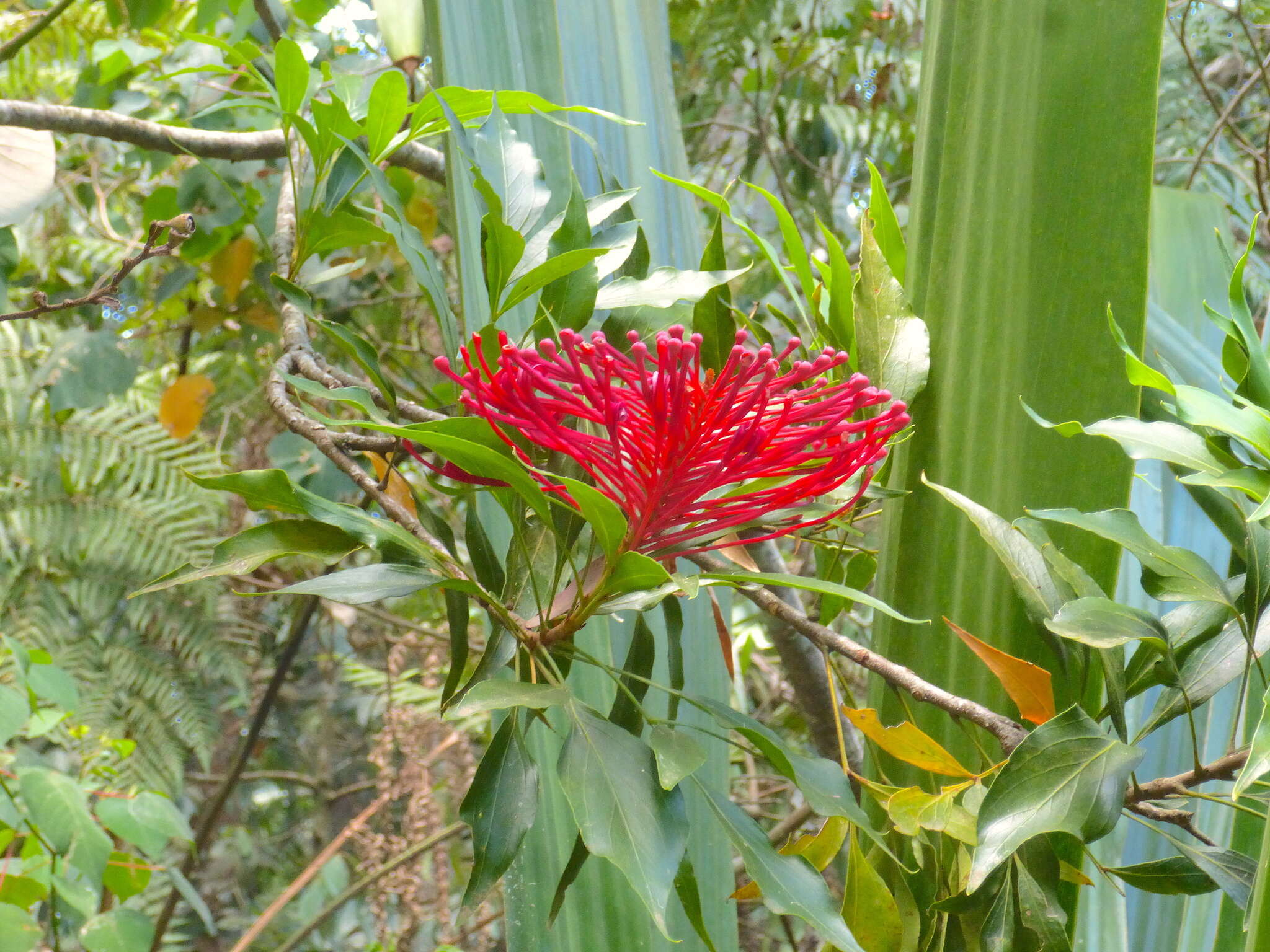
Alloxylon is a genus of four species in the family Proteaceae of mainly small to medium-sized trees. They are native to the eastern coast of Australia, with one species, A. brachycarpum, found in New Guinea and the Aru Islands. The genus is a relatively new creation, being split off from Oreocallis in 1991. The name is derived from Ancient Greek "other" or "strange" and or "wood" due to their unusual cell architecture compared with the related genera Telopea and Oreocallis. In Australia, they are known as tree waratahs due to similarities in the inflorescences between them and the closely

Isopogon
thumb|Isopogon anethifolius, [[Maranoa Gardens]]thumb|Infructescence of [[Isopogon anemonifolius]]

Faurea
thumb|Faurea rochetiana - MHNT
Paranomus
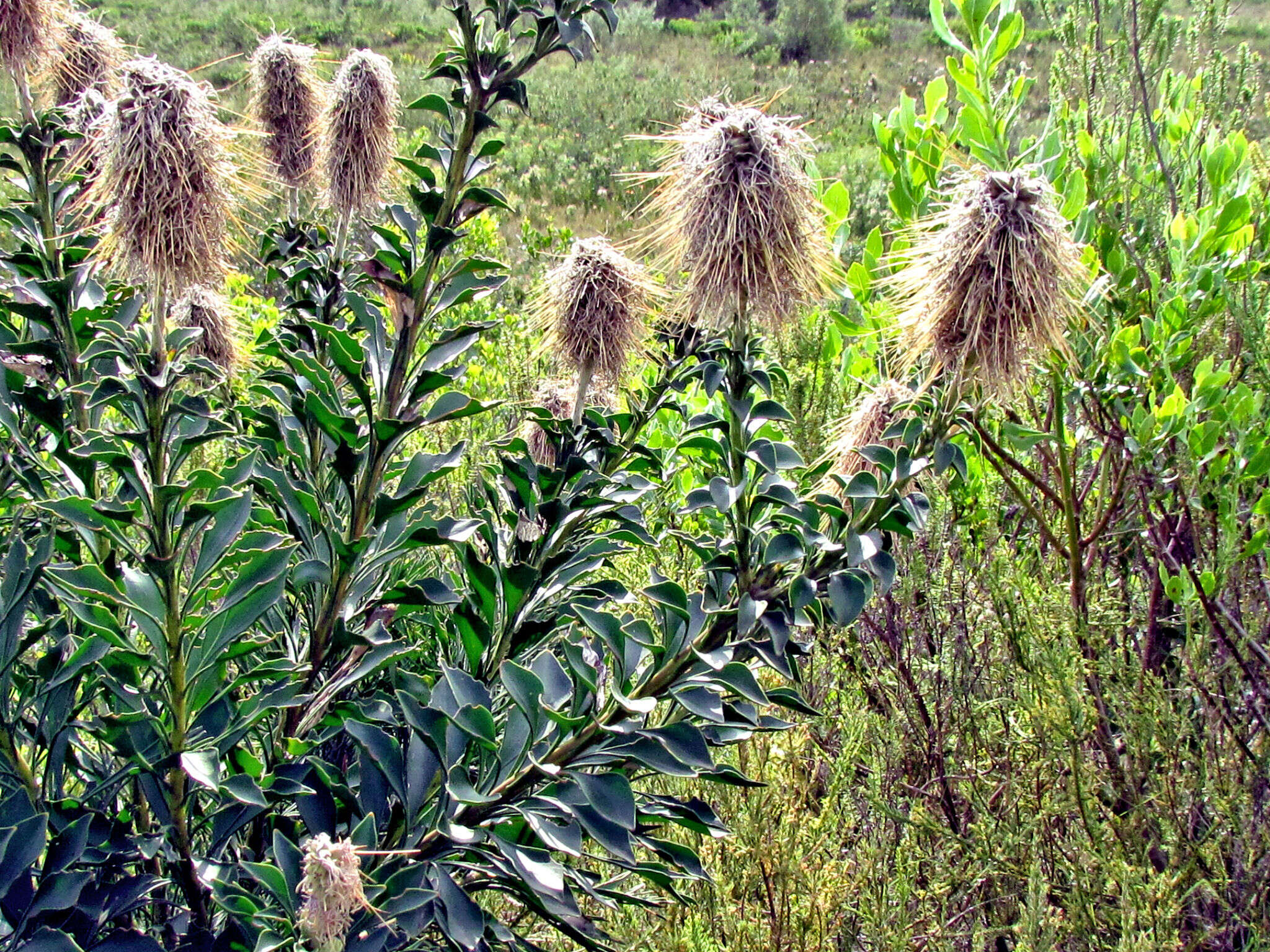
Paranomus is a genus of 18 species of flowering plants, commonly known as "sceptres", in the protea family. It is endemic to the Cape Floristic Region of South Africa.

Conospermum
Conospermum is a genus of about 50 species of flowering plants in the family Proteaceae that are endemic to Australia. Members of the genus are known as smokebushes - from a distance, their wispy heads of blue or grey flowers resemble puffs of smoke. They have an unusual pollination method that sometimes leads to the death of visiting insects. They are found in all Australian states, though most occur only in Western Australia. Smokebushes are rarely cultivated, though the flowers of several Western Australian species are harvested for the cut flower industry.

Xylomelum
thumb|Engraving of Xylomelum pyriforme|Banksia pyriformis (fruit and seed) from Gaertner's 'De Fructibus...'
thumb|Xylomelum pyriforme|X. pyriforme flowers

Aulax
thumb|
Aulax is a South African Proteaceae genus of just three species of evergreen shrubs commonly known as "featherbushes". It is unusual among the many South African Proteaceae in having male and female flowers on separate plants. The bushes have fine needle-like foliage. In spring and summer female plants produce funnel-shaped Leucospermum-like flowerheads that develop into seed cones. The catkin-like male flowers are yellow.
Vexatorella
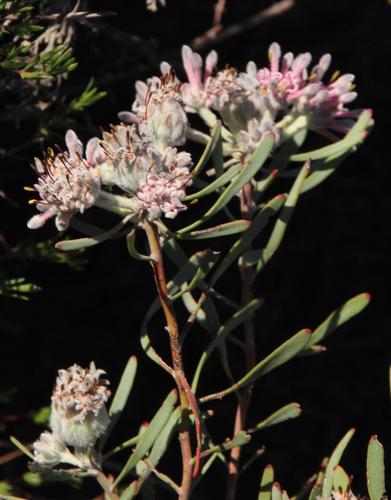
Vexatorella is a genus containing four species of flowering plant, commonly known as vexators, in the family Proteaceae. The genus is endemic to the Cape Floristic Region of South Africa. The name means “little trouble-maker”, given with reference to the initial difficulties of placing V. latebrosa within the family. All species are shrubs which occur in dry fynbos habitats on the fringes of the Succulent Karoo ecoregion. The inflorescences are similar to those of the related leucospermums but also share features of the leucadendrons, with the floral bracts becoming woody and enlarged followin

Stenocarpus
thumb|Stenocarpus angustifolius foliage, flowers and fruit
thumb|Stenocarpus cryptocarpus
thumb|Stenocarpus davallioides
thumb|Stenocarpus salignus

Helicia
Helicia is a genus of 115 species of trees and shrubs, constituting part of the plant family Proteaceae. They grow naturally in rainforests throughout tropical South and Southeast Asia, including India, Sri Lanka, Indochina, Peninsular Malaysia to New Guinea and as far south as New South Wales.

Roupala
Roupala is a Neotropical genus of woody shrubs and trees in the plant family Proteaceae. Its 34 species are generally found in forests from sea level to altitude from Mexico to Argentina.
Buckinghamia
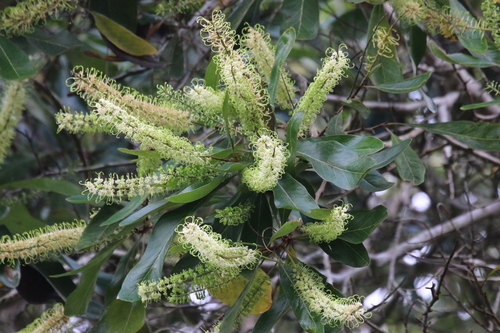
Buckinghamia is a genus of only two known species of trees, belonging to the plant family Proteaceae. They are endemic to the rainforests of the wet tropics region of north eastern Queensland, Australia. The ivory curl flower, B. celsissima, is the well known, popular and widely cultivated species in gardens and parks, in eastern and southern mainland Australia, and additionally as street trees north from about Brisbane. The second species, B. ferruginiflora, was only recently described in 1988.
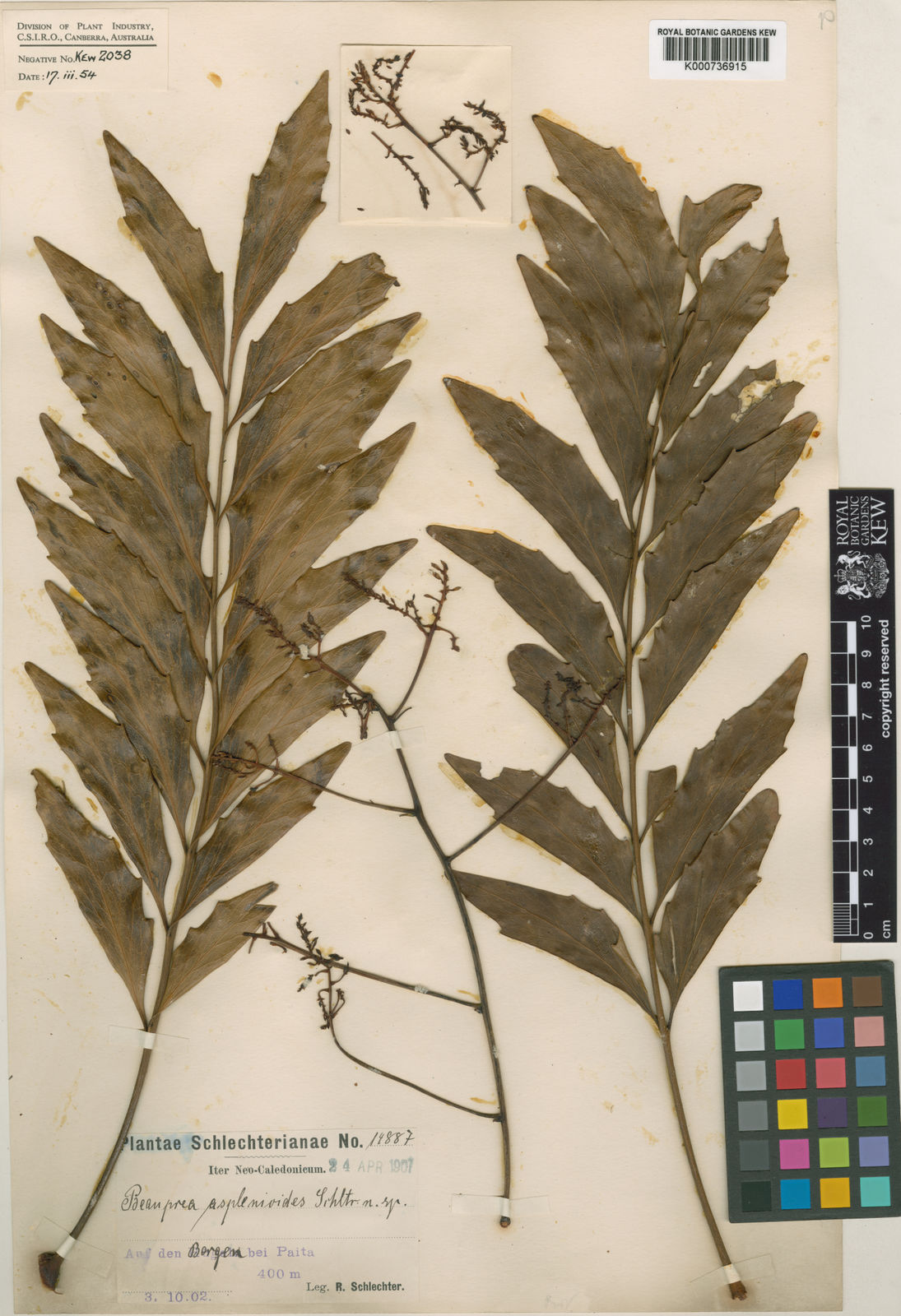
Beauprea
Beauprea is a genus of flowering plants in the family Proteaceae. Its 13 extant species are endemic to New Caledonia, though closely related forms have been found in the fossil records of Australia and New Zealand. Its closest extant relatives are the African Protea and Faurea.

Lambertia
Lambertia is a genus of flowering plants, belonging to the family Proteaceae. It is endemic to Australia.
The genus was named in 1798 by Sir James Edward Smith in honour of English botanist Aylmer Bourke Lambert.

Petrophile
Petrophile is a genus of evergreen shrubs, in the family Proteaceae. The genus is endemic to Australia. Commonly known as conebushes, they typically have prickly, divided foliage and produce prominently-displayed pink, yellow or cream flowers followed by grey, conical fruits.
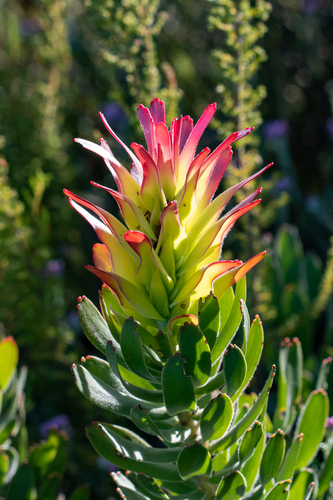
Mimetes
Mimetes, the pagoda, is a genus of evergreen shrubs or small trees high, with thirteen species assigned to the family Proteaceae. This genus, as with other proteas, is popular with nectarivorous birds such as the Cape sugarbird and several sunbird species. All species of Mimetes are endemic to the Cape Floristic Region of South Africa.
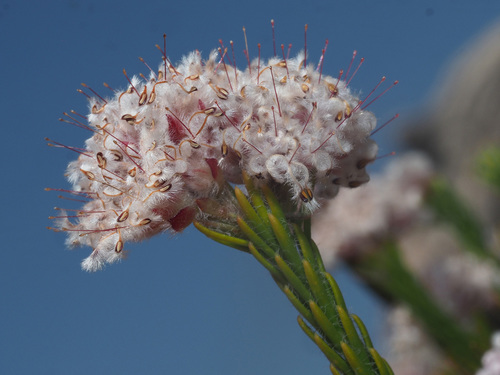
Sorocephalus
Sorocephalus is a genus containing 11 species of flowering plants, commonly known as powderpuffs, in the family Proteaceae. The name means “heaped head”. The genus is endemic to the Cape Floristic Region of South Africa, more particularly the winter rainfall zone of the southwestern Cape. The species are all small shrubs characterised by flower-heads containing clusters of four or more flowers. Most species are threatened.
Orites
Orites is a genus of nine plant species in the family Proteaceae − seven are endemic to Australia (three on the mainland and four in Tasmania), one is endemic to the Chilean Andes and one to Bolivia.
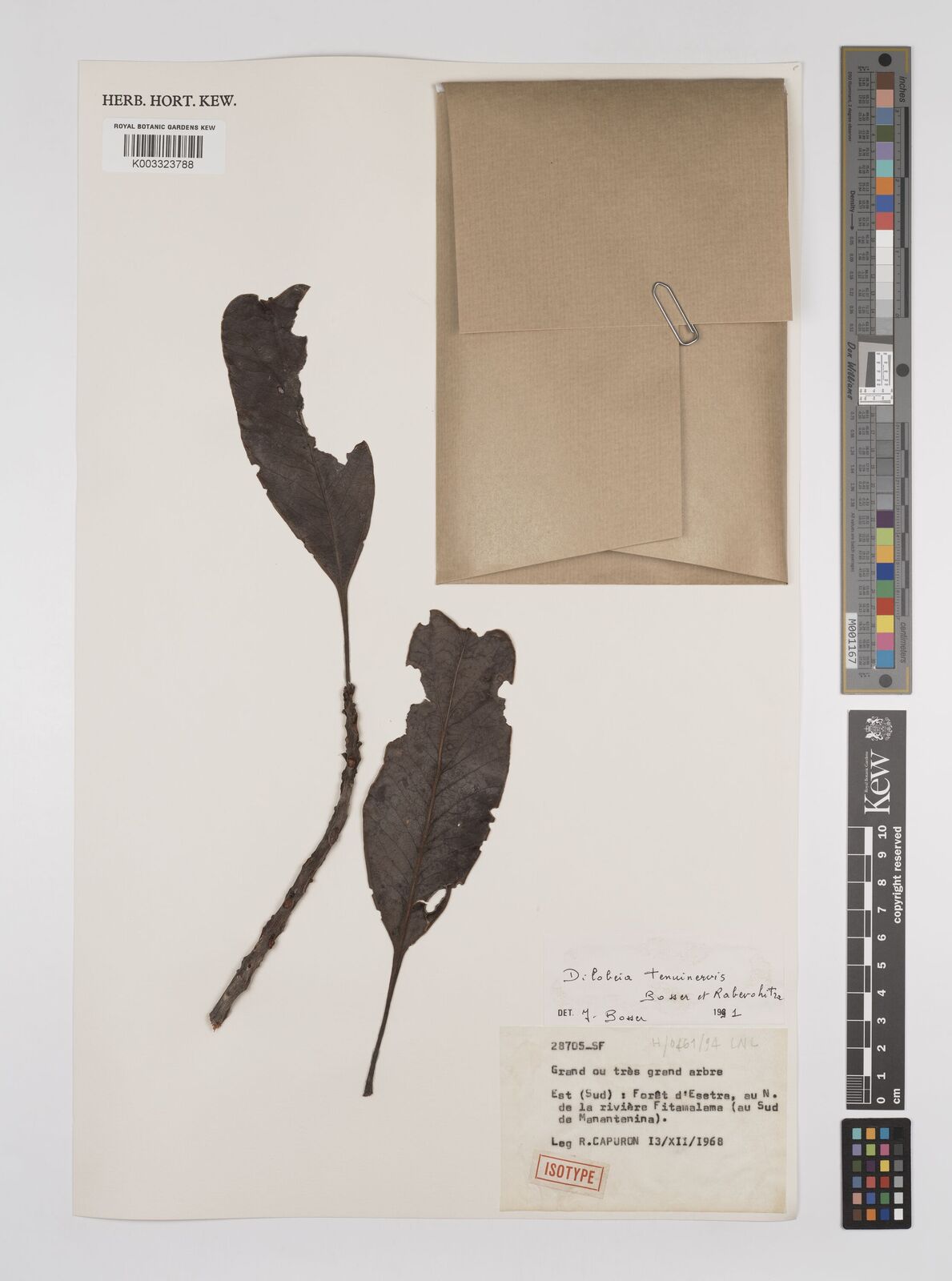
Dilobeia
Dilobeia is a genus of trees in the family Proteaceae. It is endemic to Madagascar and contains two recognised species. It is most closely related to the genera Cenarrhenes (Tasmania) and Beaupreopsis (New Caledonia).
Finschia
Finschia is a genus of four recognised species of large trees, constituting part of the plant family Proteaceae. They grow naturally in New Guinea and its surrounding region, in habitats from lowland rainforests to steep highland forests.

Serruria
Serruria, or spiderhead is a genus of flowering plants in the family Proteaceae, endemic to South Africa.
Heliciopsis
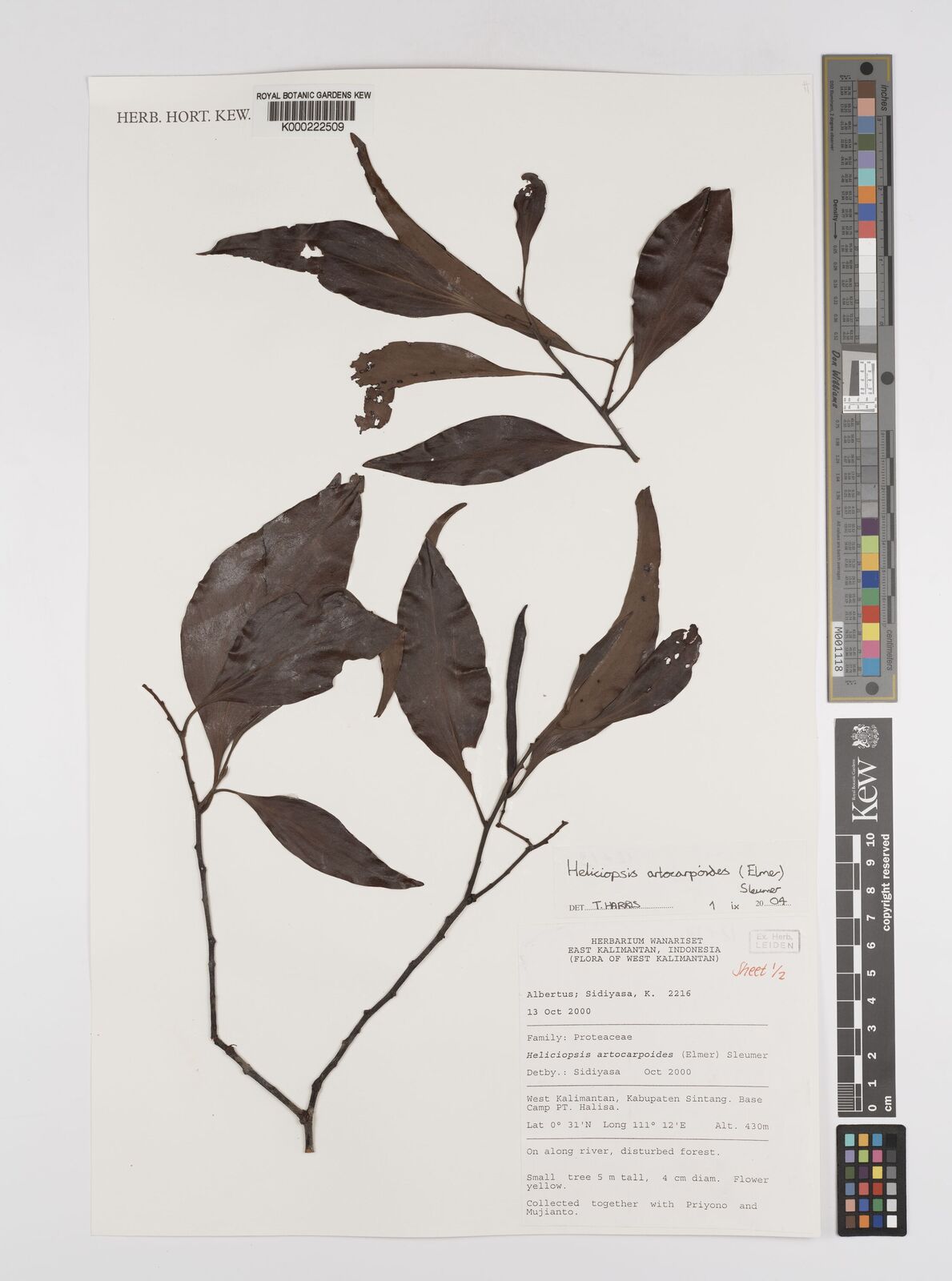
Heliciopsis is a genus of about fourteen species of trees, constituting part of the flowering plant family Proteaceae. They grow naturally in Myanmar, Indo-China, China, Thailand, Peninsular Malaysia, Borneo, Sumatra, Java (Indonesia) and the Philippines. The name means similar to the plant genus Helicia. Its closest relatives are Athertonia (Australia) and Virotia (New Caledonia).
Spatalla
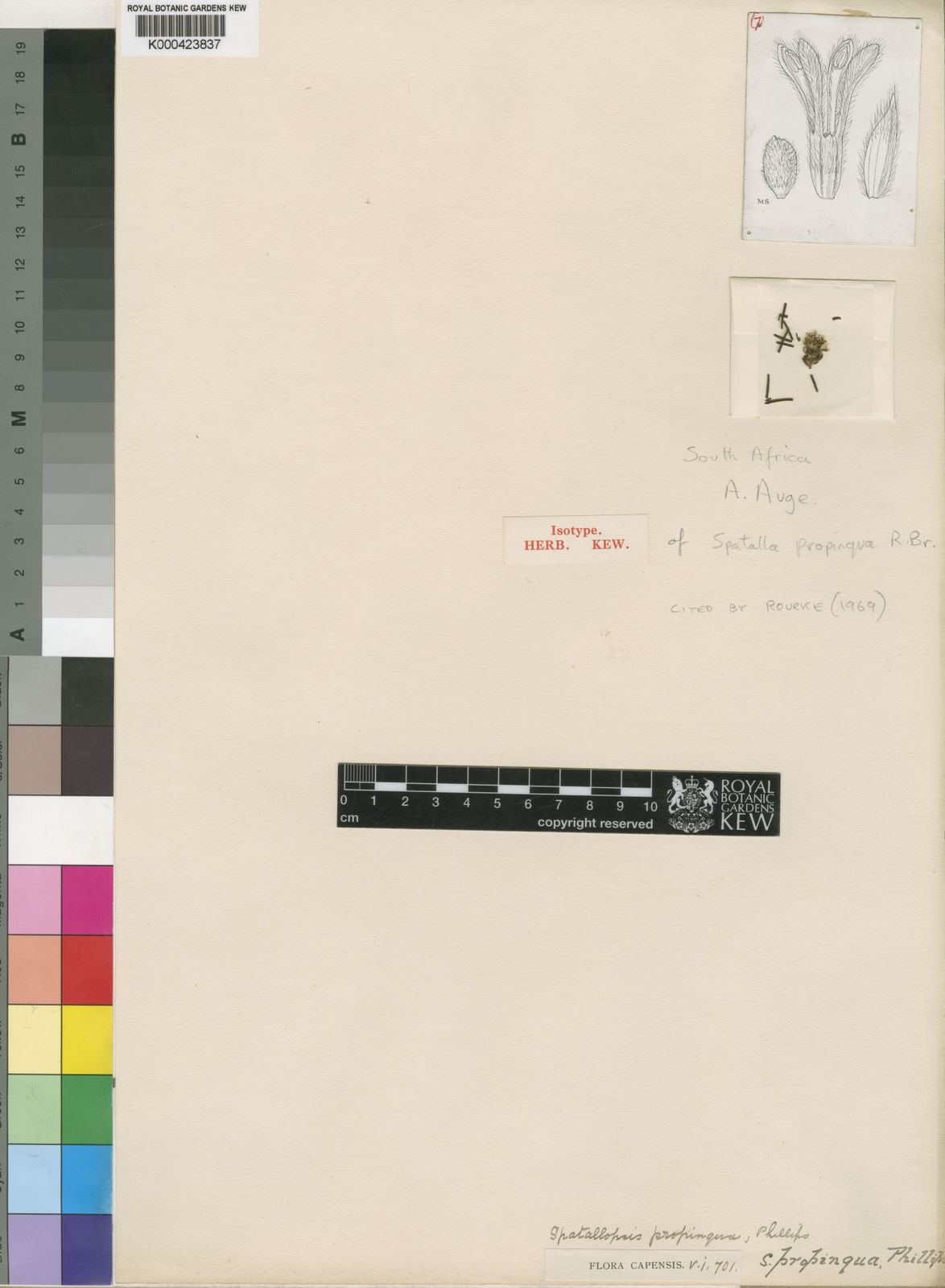
Spatalla is a genus containing 20 species of flowering plants, commonly known as "spoons", in the family Proteaceae. The genus is endemic to the Cape Floristic Region of South Africa where it is associated with fynbos habitats. The species are all small shrubs. The name is derived from the Greek, meaning “wantonness”, alluding to the plants’ unusually large pollen-presenters. Most species are threatened.

Euplassa
Euplassa is a genus of flowering plants in the protea family. It is native to tropical South America, including Bolivia, Brazil, Colombia, Ecuador, French Guiana, Guyana, Peru, Suriname, and Venezuela.

Darlingia
Darlingia is a small genus of two species in the family Proteaceae, described by Ferdinand von Mueller in 1866. Both species are endemic to rainforest of northeast Queensland, Australia.
Synaphea
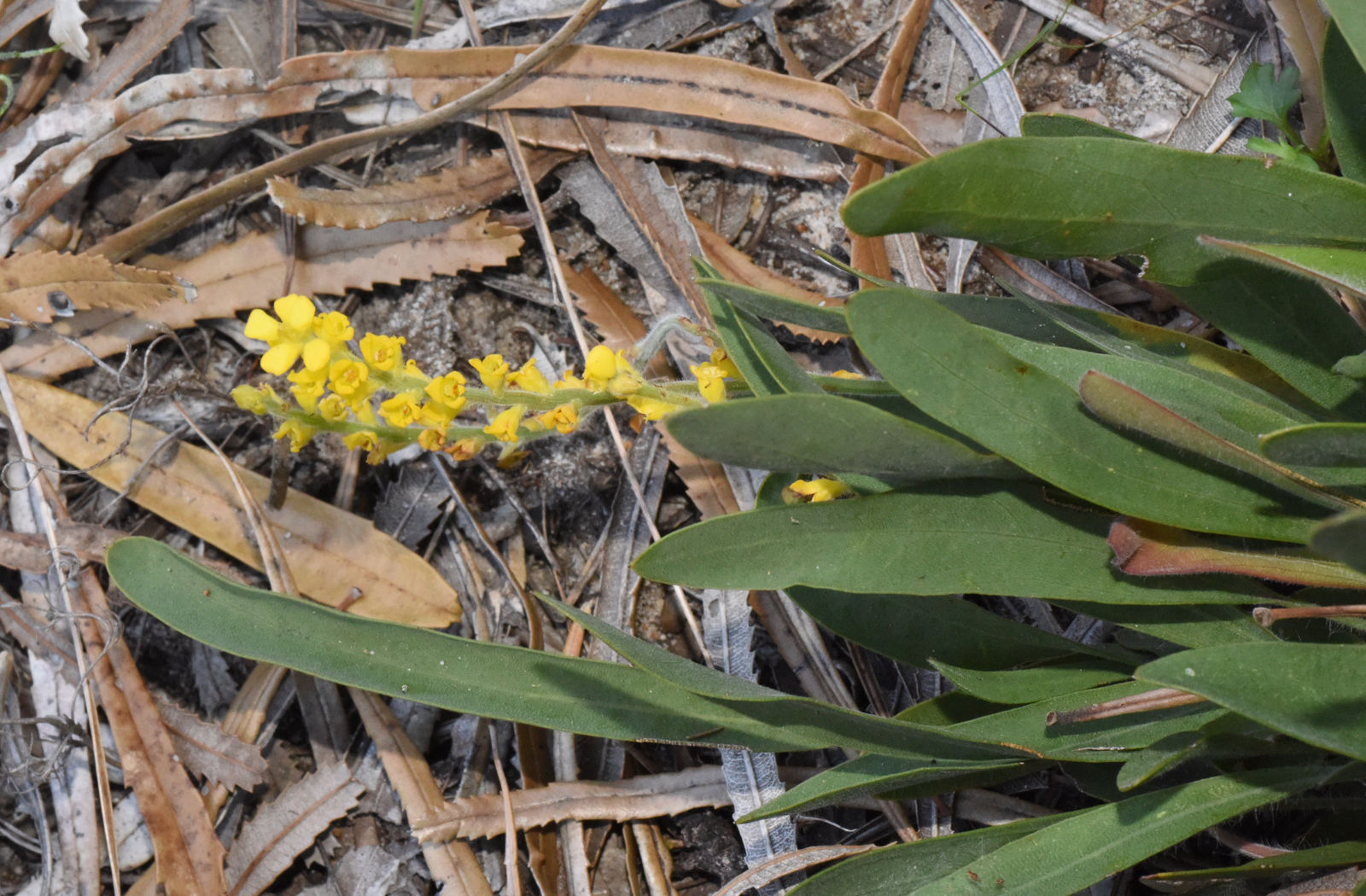
Synaphea is a genus of flowering plants in the macadamia family Proteaceae, endemic to the southwestern corner of Western Australia. It contains 56 species , which are mostly small shrubs with variably shaped leaves but consistently yellow flowers with an unusual pollination mechanism. The genus was erected by botanist Robert Brown in 1810.
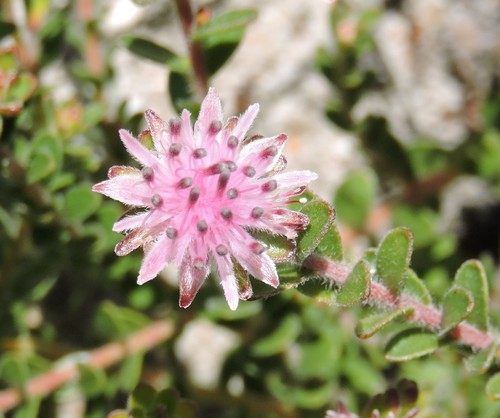
Diastella
Diastella is a genus containing seven species of flowering plants, commonly known as “silkypuffs”, in the protea family. The name comes from the Greek diastellein “to separate”, with reference to the free perianth lobes – the plants are distinguished from the closely related and similar leucospermums by the possession of four free perianth segments. The genus is endemic to the Cape Floristic Region of South Africa where it has a very limited range and is associated with fynbos habitats. The species are all small shrubs. Most species are threatened.

Kermadecia
thumb|Kermadecia sinuata wood - MHNT
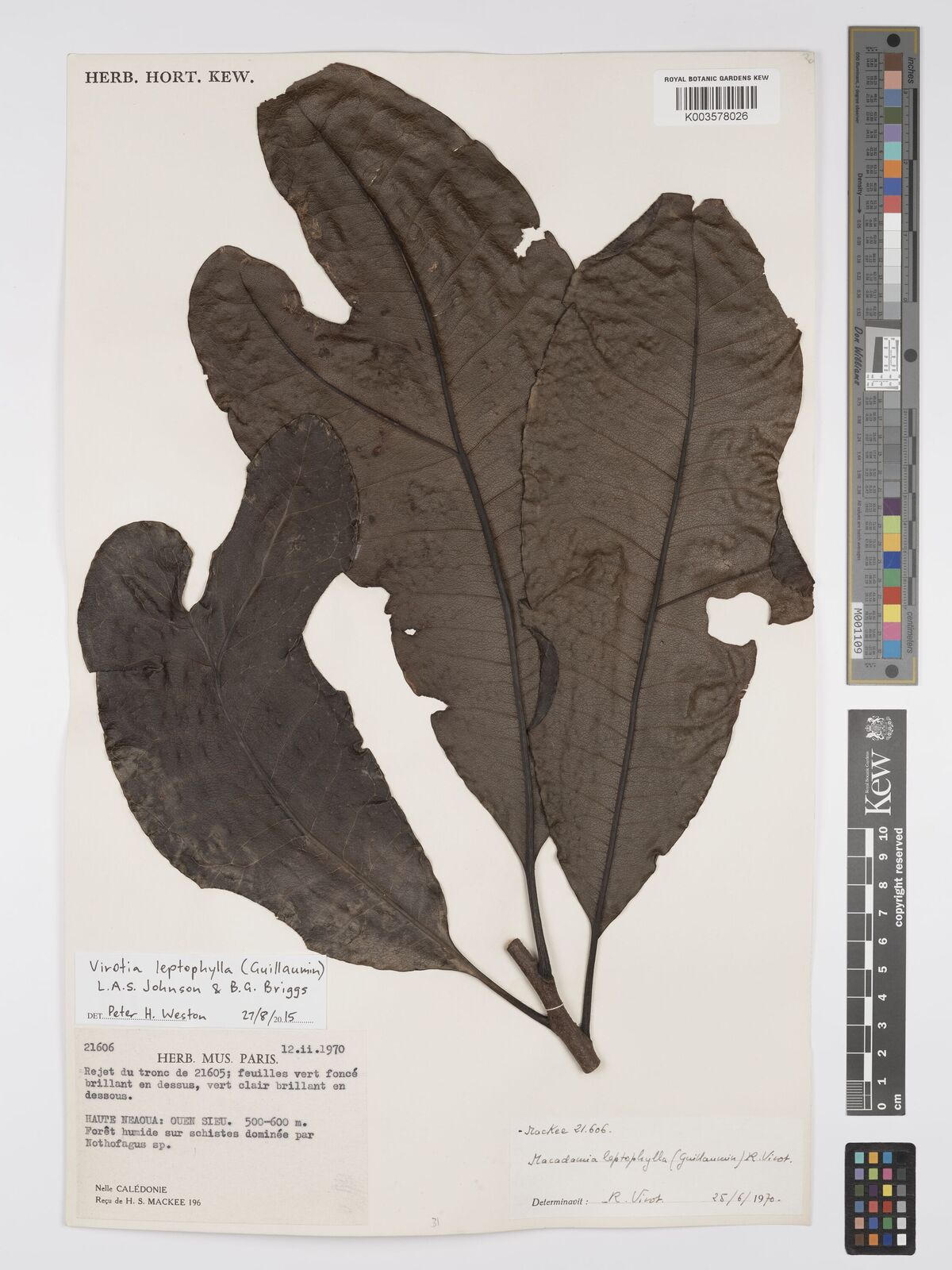
Virotia
Virotia is a genus of six species of flowering plants in the family Proteaceae. The genus is endemic to New Caledonia with six species that were once placed in Macadamia. Its closest relatives are the Australian Athertonia and the Asian Heliciopsis. The genus is named after Robert Virot, pioneer of ecological studies in New Caledonia and author of a monograph of New Caledonian Proteaceae.
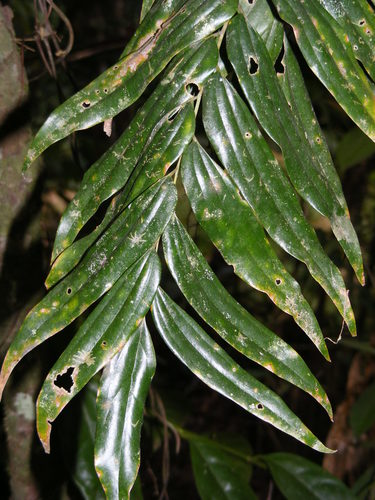
Austromuellera
Austromuellera is a genus in the plant family Proteaceae, containing only two described species. It is placed in the tribe Banksieae, its closest relatives being the genera Musgravea and Banksia. It is endemic to restricted areas of the wet tropics rainforests of northeastern Queensland, Australia. The genus was erected in 1930 by the Australian botanist Cyril Tenison White, and named in honour of the Victorian State Botanist Ferdinand von Mueller.
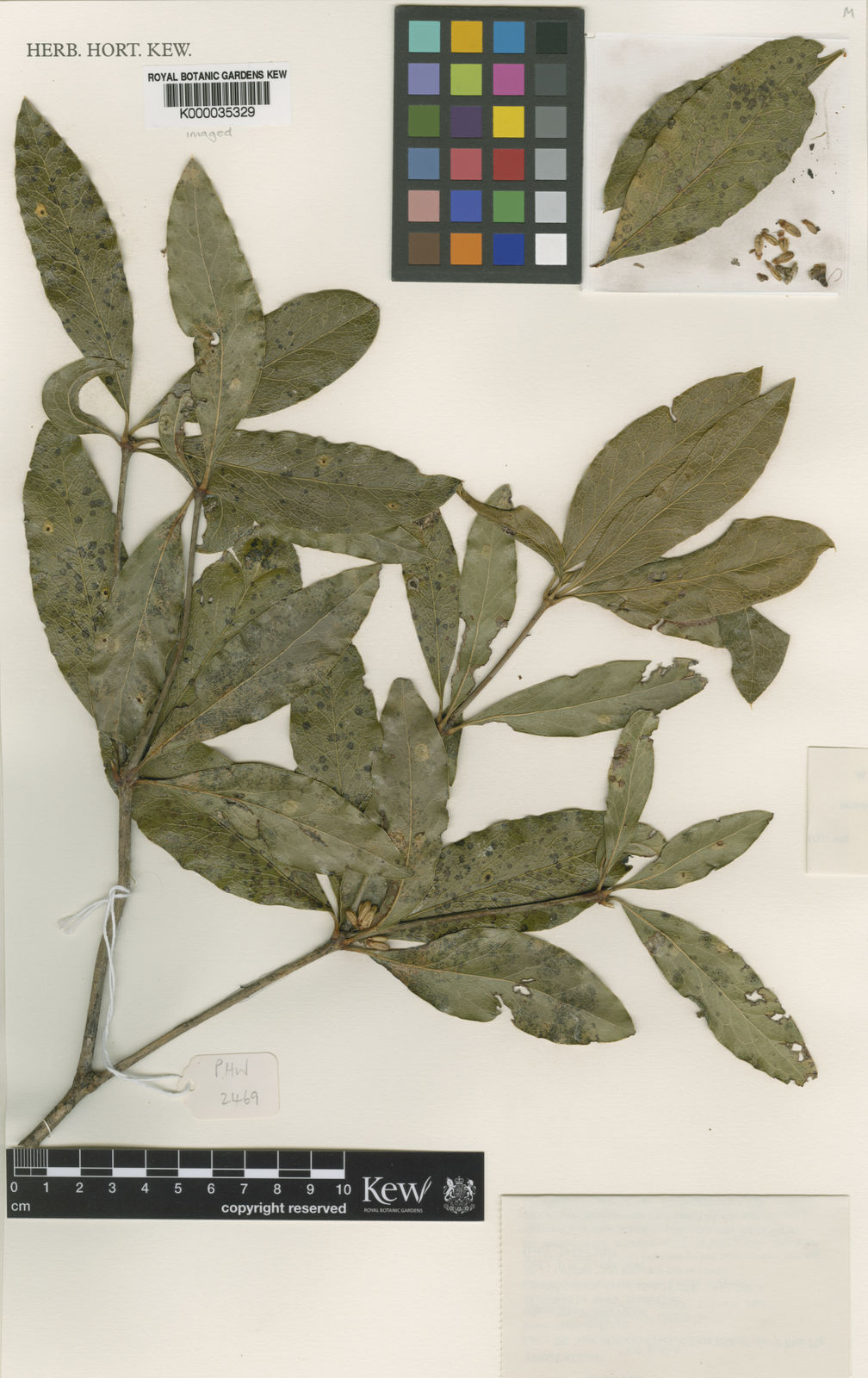
Eidothea
Eidothea is a genus of two species of rainforest trees in New South Wales and Queensland, in eastern Australia, constituting part of the plant family Proteaceae. The plant family Proteaceae was named after the shape-shifting god Proteus of Greek mythology. The genus name Eidothea refers to one of the three daughters of Proteus.
Franklandia
Franklandia is a genus of small shrubs in the family Proteaceae, commonly known as lanolin bushes. It is endemic to Southwest Australia.

Panopsis
Panopsis is a genus of trees in the family Proteaceae. It is native to tropical regions in the Americas. Common areas where Panopsis species are seen to grow in are described to have elevated groundwater levels.
Turrillia
Turrillia is a genus of plants in the family Proteaceae, native to Oceania.

Lomatia
Lomatia is a genus of 12 species of evergreen flowering plants in the protea family Proteaceae. Within the family, they have been placed, alone, in their own subtribe, Lomatiinae according to Johnson & Briggs 1975 classification of the family and subsequently in Flora of Australia (1995).

Oreocallis
Oreocallis is a South American plant genus in the family Proteaceae. There is only one species, Oreocallis grandiflora, which is native to mountainous regions in Peru and Ecuador.

Hollandaea
Hollandaea is a small genus of plants in the family Proteaceae containing four species of Australian rainforest trees. All four species are endemic to restricted areas of the Wet Tropics of northeast Queensland.
Strangea
Strangea is a genus of three species of shrubs in the family Proteaceae native to Australia.
Stirlingia
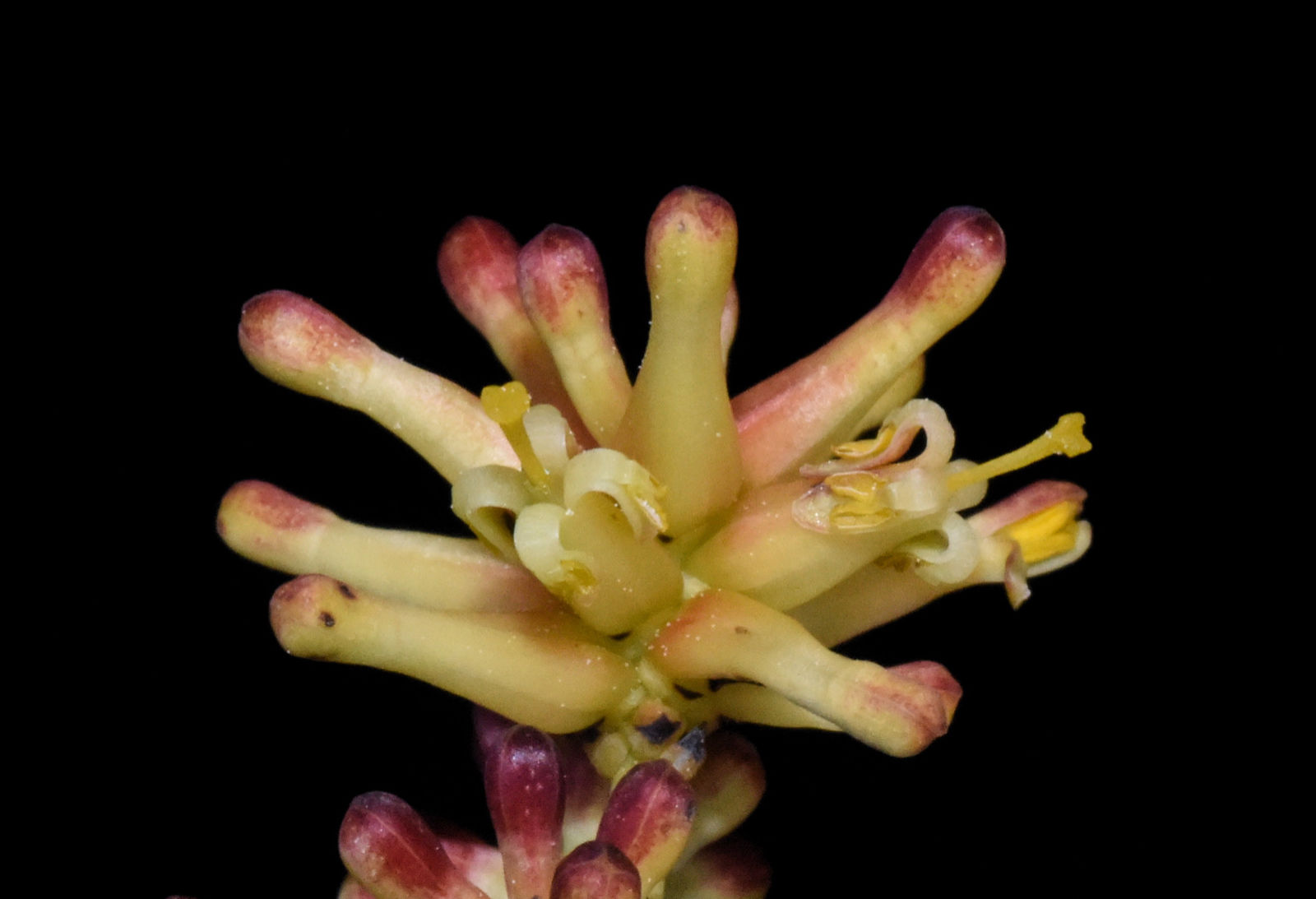
Stirlingia, commonly known as blueboy, is a genus of 7 species in the family Proteaceae, all of which are endemic to Western Australia.
Triunia
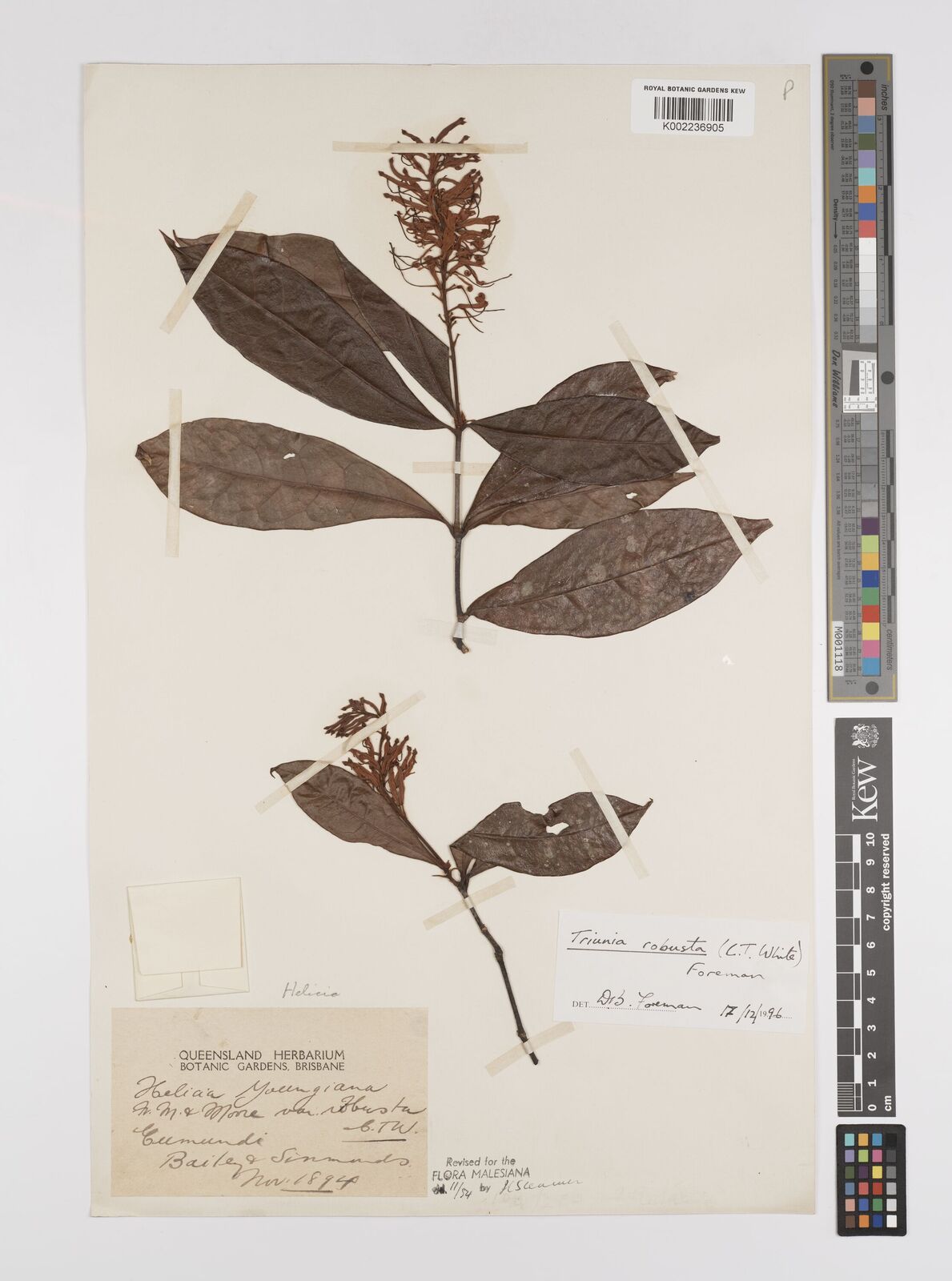
Triunia is a genus of medium to tall shrubs or small trees found as understorey plants in rainforests of eastern Australia. Members of the plant family Proteaceae, they are notable for their poisonous fleshy fruits or drupes. Only one species, T. youngiana, is commonly seen in cultivation.

Musgravea
Musgravea is a genus of rainforest tree from northeastern Queensland.
Hicksbeachia
Hicksbeachia is a genus of two species of trees in the family Proteaceae. They are native to rainforests of northern New South Wales and southeastern Queensland, Australia. They are commonly known as red bopple nut or beef nut due to the bright red colour of their fruits.
Bleasdalea
Bleasdalea is a genus of flowering plants in the family Proteaceae.
Eucarpha
Eucarpha is a genus of flowering plant of the family Proteaceae, endemic to New Caledonia. Two species are recognised. Up to 1975, these were classified within the genus Knightia until Lawrence Johnson and Barbara G. Briggs recognised their distinctness, particularly their prominent bracts, in their 1975 monograph "On the Proteaceae: the evolution and classification of a southern family". Nomenclatural combinations for these two species in the genus Eucarpha were published in 2022.
Knightia
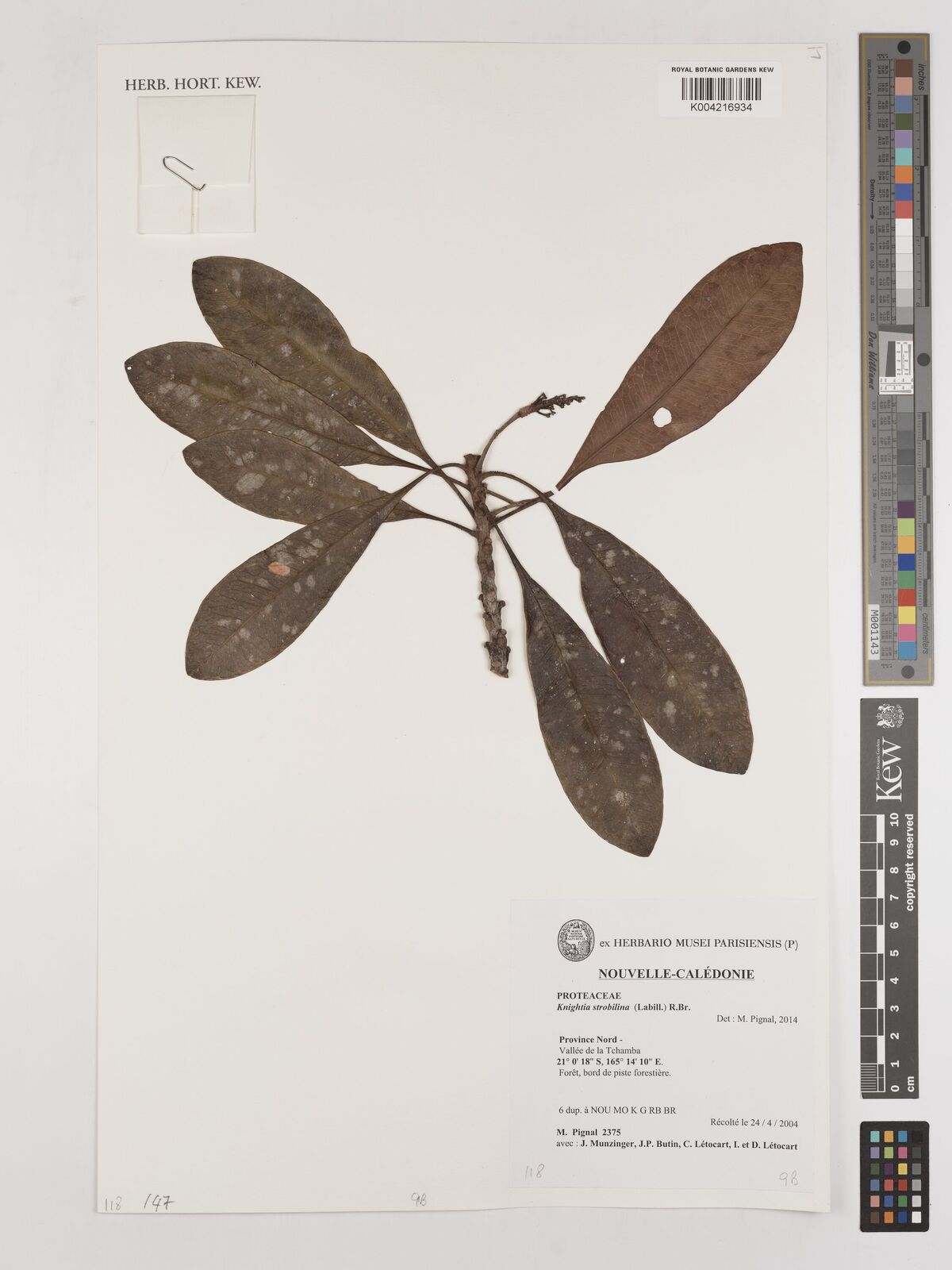
genus of plants
Symphionema
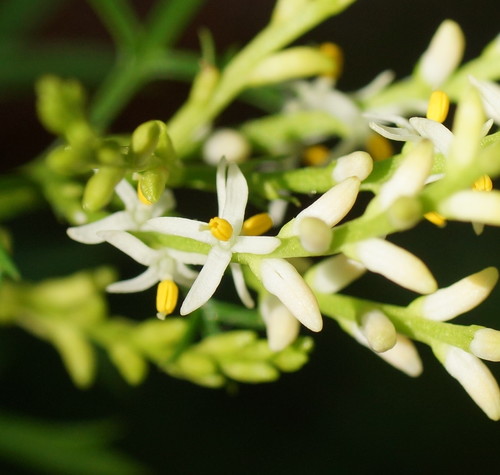
Symphionema is a genus of two species of small shrubs in the family Proteaceae. Both species are endemic to New South Wales in Australia.

Embothrium
Embothrium is a genus of two to eight species (depending on taxonomic interpretation) in the plant family Proteaceae, native to southern South America, in Chile and adjacent western Argentina; the genus occurs as far south as Tierra del Fuego. Common names include Chilean firebush in English, notro in Argentina, ciruelillo, fosforito or notro chileno in Chilean Spanish.
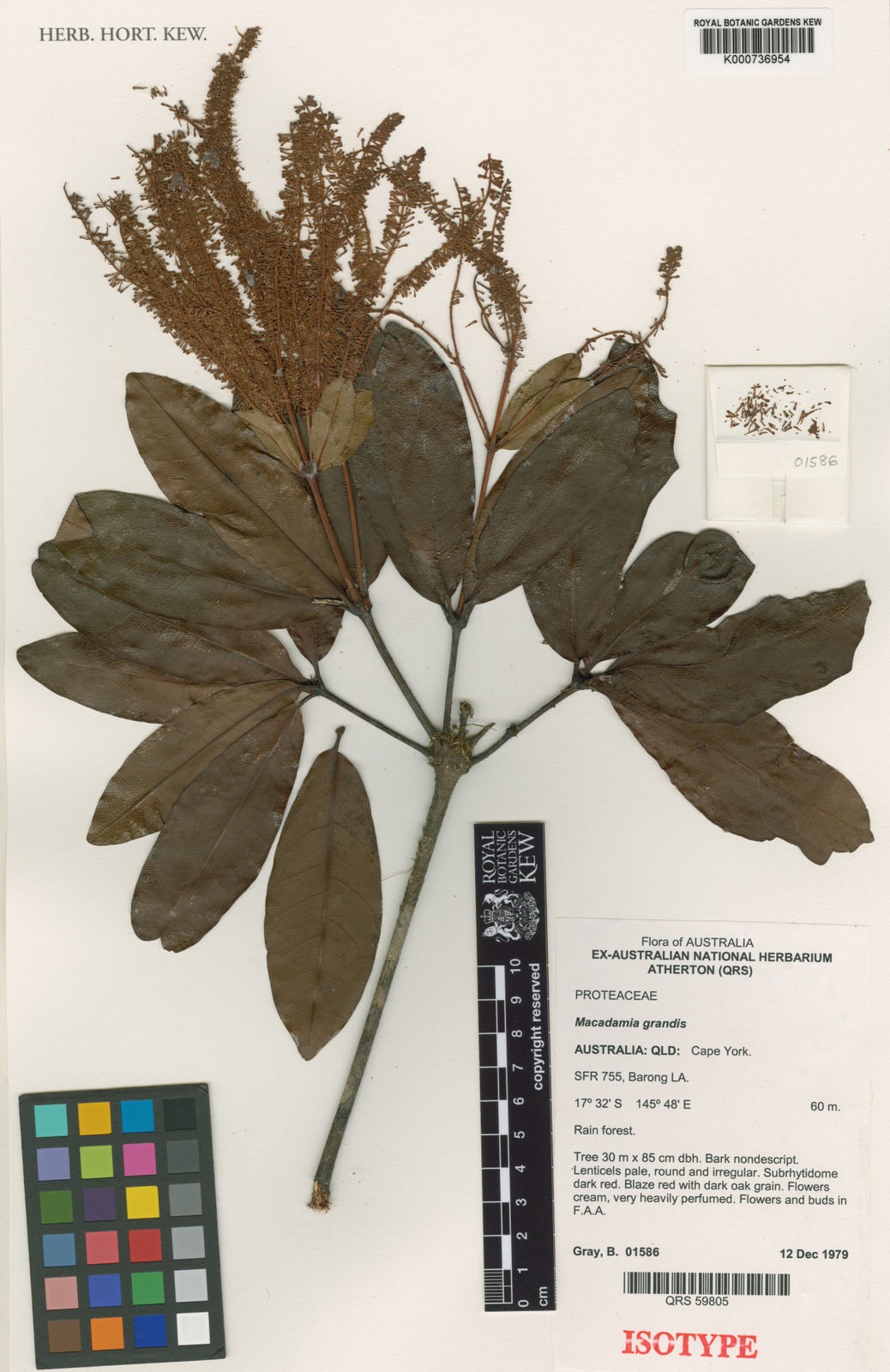
Lasjia
Lasjia is a genus of six species of trees of the family Proteaceae. Three species grow naturally in northeastern Queensland, Australia, and three species in Sulawesi, Indonesia. Descriptively they are the tropical or northern macadamia trees group. Lasjia species characteristically branched compound inflorescences differentiate them from the Macadamia species, of Australia, which have characteristically unbranched compound inflorescences and only grow naturally about further to the south, in southern and central eastern Queensland and in northeastern New South Wales.