Category
page 1Rosid families

Fabaceae
Fabaceae or Leguminosae, commonly known as the legume, pea, or bean family, is a large and agriculturally important family of flowering plants. It includes trees, shrubs, and perennial or annual herbaceous plants, which are easily recognized by their fruit (legume) and their compound, stipulate leaves. The family is widely distributed, and is the third-largest land plant family in number of species, behind only the Orchidaceae and Asteraceae, with about 765 genera and nearly 20,000 known species.

Rosaceae
Rosaceae (), the rose family, is a family of flowering plants that includes 4,828 known species in 91 genera.

Cucurbitaceae
The Cucurbitaceae ( ), also called cucurbits or the gourd family, are a plant family consisting of about 965 species in 101 genera. Some commonly cultivated cucurbits include:
Cucurbita – squash, pumpkin, zucchini (courgette), some gourds.
Lagenaria – calabash (bottle gourd) and other, ornamental gourds.
Citrullus – watermelon (C. lanatus, C. colocynthis), plus several other species.
Cucumis – cucumber (C. sativus); various melons and vines.
Momordica – bitter melon.
Luffa – commonly called 'luffa' or ‘luffa squash'; sometimes spelled loofah. Young fruits may be cooked; when fully ripened, th

Fagaceae
The Fagaceae (; ) are a family of flowering plants that includes beeches, chestnuts and oaks, and comprises eight genera with around 1,000 or more species. Fagaceae in temperate regions are mostly deciduous, whereas in the tropics, many species occur as evergreen trees and shrubs. They are characterized by alternate simple leaves with pinnate venation, unisexual flowers in the form of catkins, and fruit in the form of cup-like (cupule) nuts. Their leaves are often lobed, and both petioles and stipules are generally present. Their fruits lack endosperm and lie in a scaly or spiny husk that may

Betulaceae
thumb|Catkins of the hazel (Corylus avellana)

Moraceae
Moraceae is a family of flowering plants comprising about 48 genera and over 1100 species, and is commonly known as the mulberry or fig family. Most are widespread in tropical and subtropical regions, less so in temperate climates; however, their distribution is cosmopolitan overall. The only common characteristics within the family are the presence of latex-producing glands in the leaves and stems, and milky sap in the soft tissues; but generally useful field characters include two carpels sometimes with one reduced, compound inconspicuous flowers, and compound fruits. The family includes wel

Urticaceae
The Urticaceae are a family, the nettle family, of flowering plants. The family name comes from the genus Urtica. The Urticaceae family includes a number of well-known and useful plants, including nettles in the genus Urtica, Ramie (Boehmeria nivea), māmaki (Pipturus albidus), and ajlai (Debregeasia saeneb).

Vitaceae
The Vitaceae, also called the grape family, is a family of flowering plants that has 20 genera and around 910 known species in its monotypic order Vitales, including common plants such as grapevines (Vitis spp.) and Virginia creeper (Parthenocissus quinquefolia). The family name is derived from the genus Vitis.

Cannabaceae
Cannabaceae is a small family of flowering plants, known as the hemp family. As now circumscribed, the family includes about 170 species grouped in about 11 genera, including Cannabis (hemp), Humulus (hops) and Celtis (hackberries). Celtis is by far the largest genus, containing about 100 species.

Rhamnaceae
The Rhamnaceae are a large family of flowering plants, mostly trees, shrubs, and some vines, commonly called the buckthorn family. Rhamnaceae is included in the order Rosales.

Oxalidaceae
Oxalidaceae, or the wood-sorrels family, is a family of five genera of flowering plants, with the great majority of the 570 species in the genus Oxalis. The flowers within this family tend to be perfect, and 5-parted with a superior ovary consisting of five fused carpels. Fruits of this family tend to be capsules or berries that are prominently 5-lobed such as the starfruit.

Ulmaceae
The Ulmaceae () are a family of flowering plants that includes the elms (genus Ulmus), and the zelkovas (genus Zelkova). Members of the family are widely distributed throughout the north temperate zone, and have a scattered distribution elsewhere except for Australasia.

Geraniaceae
Geraniaceae is a family of flowering plants placed in the order Geraniales. The family name is derived from the genus Geranium. The family includes both the genus Geranium (the cranesbills, or true geraniums) and the garden plants called geraniums, which modern botany classifies as genus Pelargonium, along with other related genera.

Juglandaceae
The Juglandaceae are an angiosperm family known as the walnuts. They are trees, or sometimes shrubs, in the order Fagales. Members of this family are native to the Americas, Eurasia, and Southeast Asia.

Celastraceae
The Celastraceae, also known as the staff-vine or bittersweet family, are a family of 99 genera and 1,350 species of herbs, vines, shrubs and small trees, belonging to the order Celastrales. The great majority of the genera are tropical, with only Celastrus (the staff vines), Euonymus (the spindles) and Maytenus widespread in temperate climates, and Parnassia (bog-stars) found in alpine and arctic climates.

Polygalaceae
The Polygalaceae or the milkwort family are made up of flowering plants in the order Fabales. They have a near-cosmopolitan range, with about 27 genera and ca. 900 known species of herbs, shrubs and trees. Over half of the species are in one genus, Polygala, the milkworts.

Elaeagnaceae
The Elaeagnaceae are a plant family, the oleaster family, of the order Rosales comprising small trees and shrubs, native to temperate regions of the Northern Hemisphere, south into tropical Asia and Australia. The family has about 60 species in three genera.

Zygophyllaceae
Zygophyllaceae is a family of flowering plants that contains the bean-caper and caltrop. The family includes around 285 species in 22 genera.
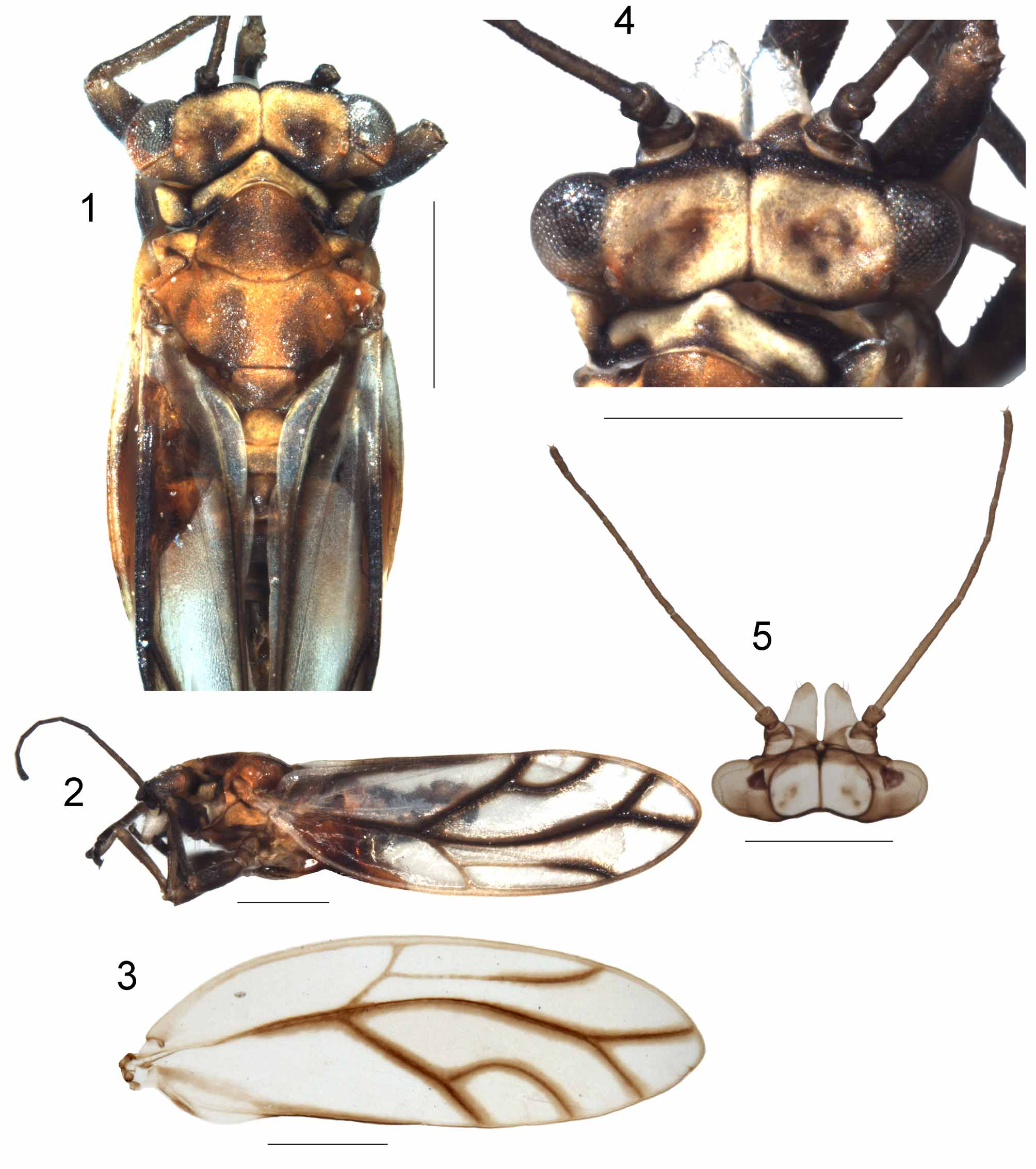
Casuarinaceae
The Casuarinaceae are a family of dicotyledonous flowering plants placed in the order Fagales, consisting of four genera and 91 species of trees and shrubs native to eastern Africa, Australia, Southeast Asia, Malesia, Papuasia, and the Pacific Islands. At one time, all species were placed in the genus Casuarina. Lawrence Alexander Sidney Johnson separated out many of those species and renamed them into the new genera of Gymnostoma in 1980 and 1982, Allocasuarina in 1982, and Ceuthostoma in 1988, with some additional formal descriptions of new species in each other genus. At the time, it was so
%20(29058621514).jpg)
Begoniaceae
thumb|Begonia consobrina
Begoniaceae is a family of monoecious flowering plants with two genera and about 2040 species occurring in the subtropics and tropics of both the New World and Old World. All but one of the species are in the genus Begonia. The family is thought to have arose in Africa and then dispersed to Asia and the Americas. There has been multiple studies on pollination mechanisms within the family that suggest deceit pollination although overall there is not much known about the pollination of most species. There have been many recent discoveries of species in the genus Begonia

Myricaceae
Myricaceae is a small family of dicotyledonous shrubs and small trees in the order Fagales. Its type genus is Myrica, the sweet gales. There are three genera in the family, although some botanists separate many species from Myrica into a fourth genus Morella. About 55 species are usually accepted in Myrica (with Morella included), one in Canacomyrica, and one in Comptonia.

Staphyleaceae
Staphyleaceae is a small family of flowering plants in the order Crossosomatales, native to Europe, temperate and tropical Asia and the Americas. The largest genus Staphylea, which gives the family its name, contains the "bladdernut" trees. The family includes three genera with more than 40 known species.
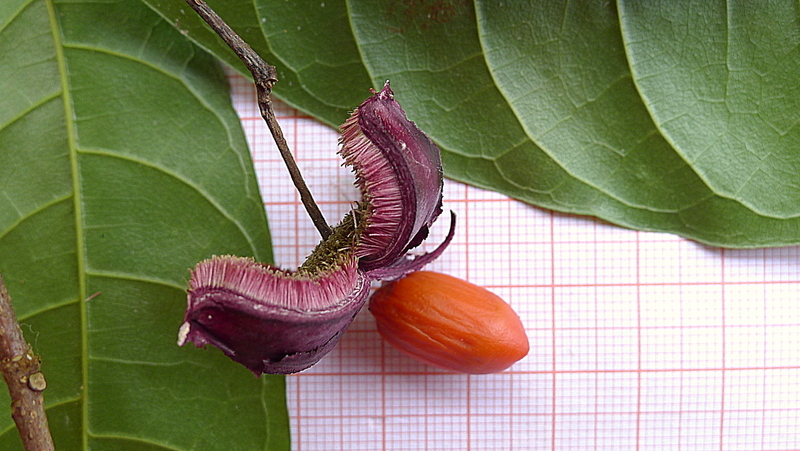
Elaeocarpaceae
Elaeocarpaceae is a family of flowering plants. The family contains approximately 615 species of trees and shrubs in 12 genera. The largest genera are Elaeocarpus, with about 350 species, and Sloanea, with about 120.

Surianaceae
The Surianaceae are a family of plants in the order Fabales with five genera and eight known species. It has an unusual distribution: the genus Recchia is native to Mexico, and the sole member of Suriana, S. maritima, is a coastal plant with a pantropical distribution; and the remaining three genera are endemic to Australia.

Connaraceae
Connaraceae is a pan-tropical plant family of 12 genera and more than 180 species of largely evergreen trees, woody shrubs and climbers.
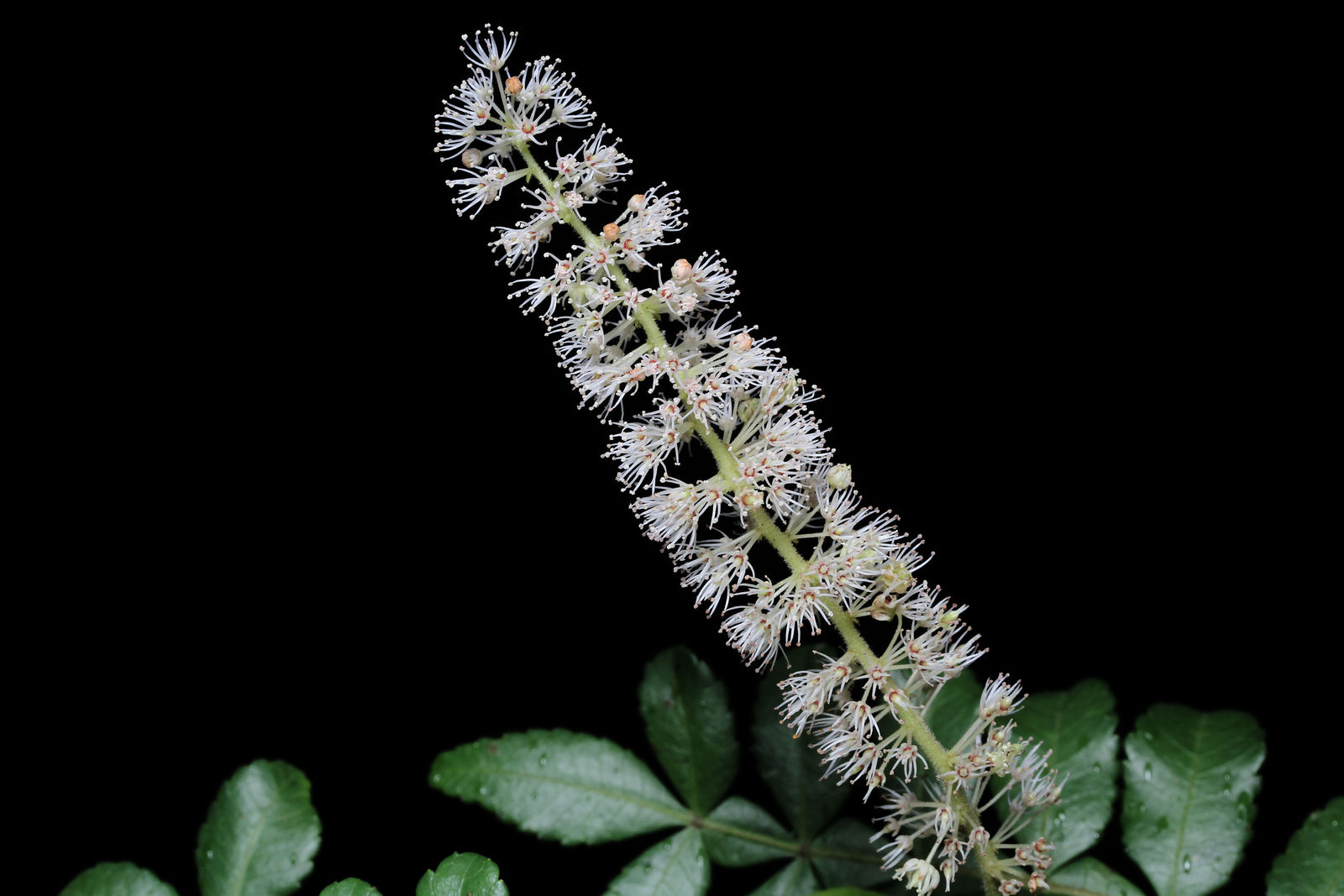
Cunoniaceae
Cunoniaceae is a family of 27 genera and about 335 species of woody plants in the order Oxalidales, mostly found in the tropical and wet temperate regions of the Southern Hemisphere. The greatest diversity of genera are in Australia and Tasmania (15 genera), New Guinea (9 genera), and New Caledonia (7 genera). The family is also present in Central America, South America, the Caribbean, Malesia, the islands of the South Pacific, Madagascar and surrounding islands. The family is absent from mainland Asia except from Peninsular Malaysia, and almost absent from mainland Africa apart from two speci

Crossosomataceae
Crossosomataceae is a small plant family, consisting of four genera of shrubs found only in the dry parts of the American southwest and Mexico. This family has included up to ten species in the past, although as of 2021 six species are still recognised. Crossosoma are shrub-like plants which can vary from being 50 cm to 5 meters tall, with small alternating leaves that surround the stem, or leaves clustered in small spurts (fascicles). Apacheria, however, has opposite leaves. Crossosoma has usually white flowers that are generally bisexual and have 5 petals attached to a nectary disk, but
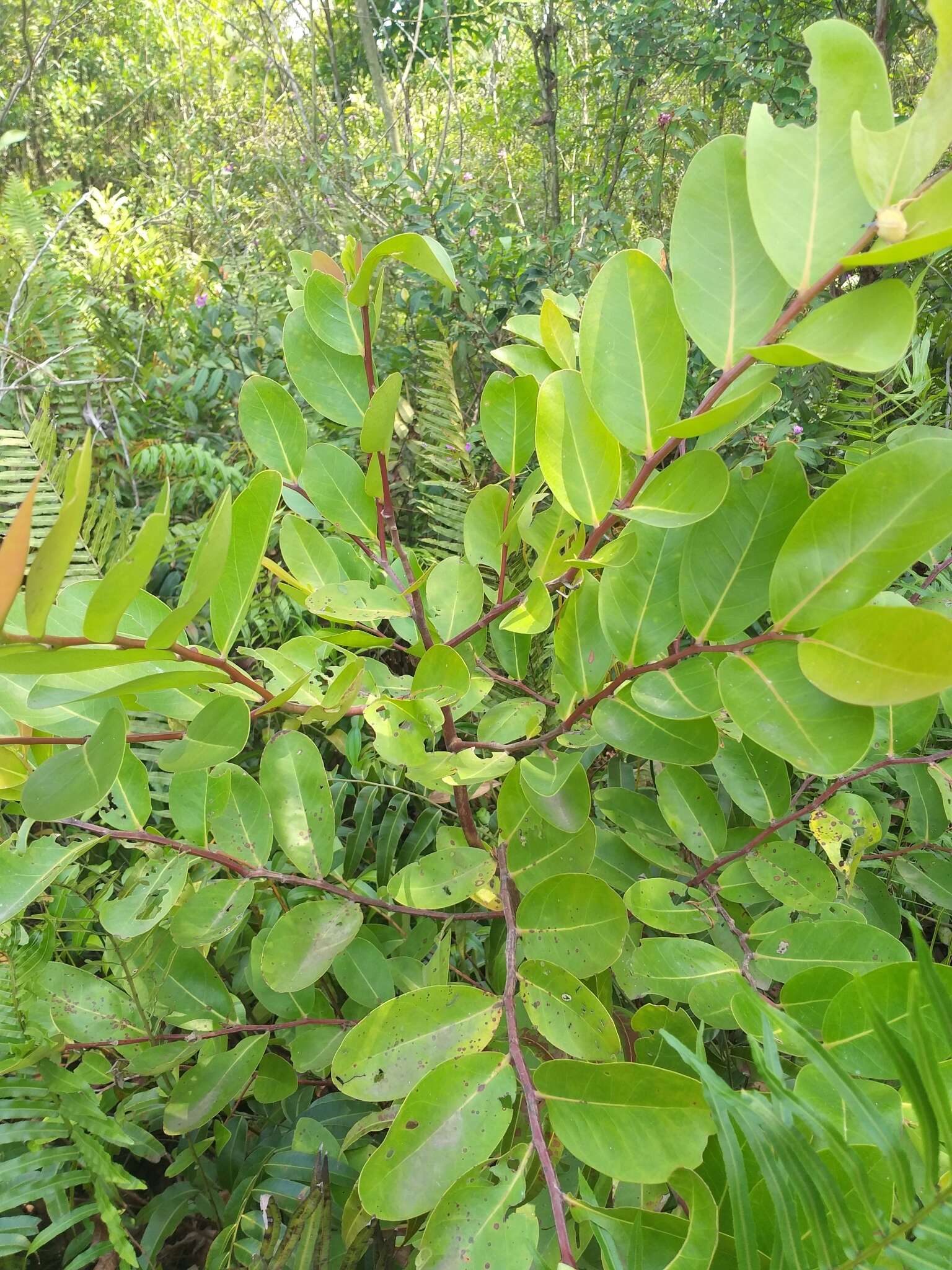
Anisophylleaceae
The Anisophylleaceae are a small family with four genera and about 70 species, in the order Cucurbitales, according to the APG II. However, it is more isolated from the other suprafamilial clades in this order, while it shows some similarities in flower morphology with the genus Ceratopetalum (family Cunoniaceae, order Oxalidales). Several wood features of this family are more primitive than those of the other families in the order Cucurbitales.

Tetramelaceae
The Tetramelaceae are a family of plants in the order Cucurbitales, containing two genera of mostly Asian, large trees, Octomeles and Tetrameles, each with a single species. These genera were formerly placed in the Datiscaceae, but genetic studies confirmed that they do not form a natural clade with the other members of that family.
Apodanthaceae
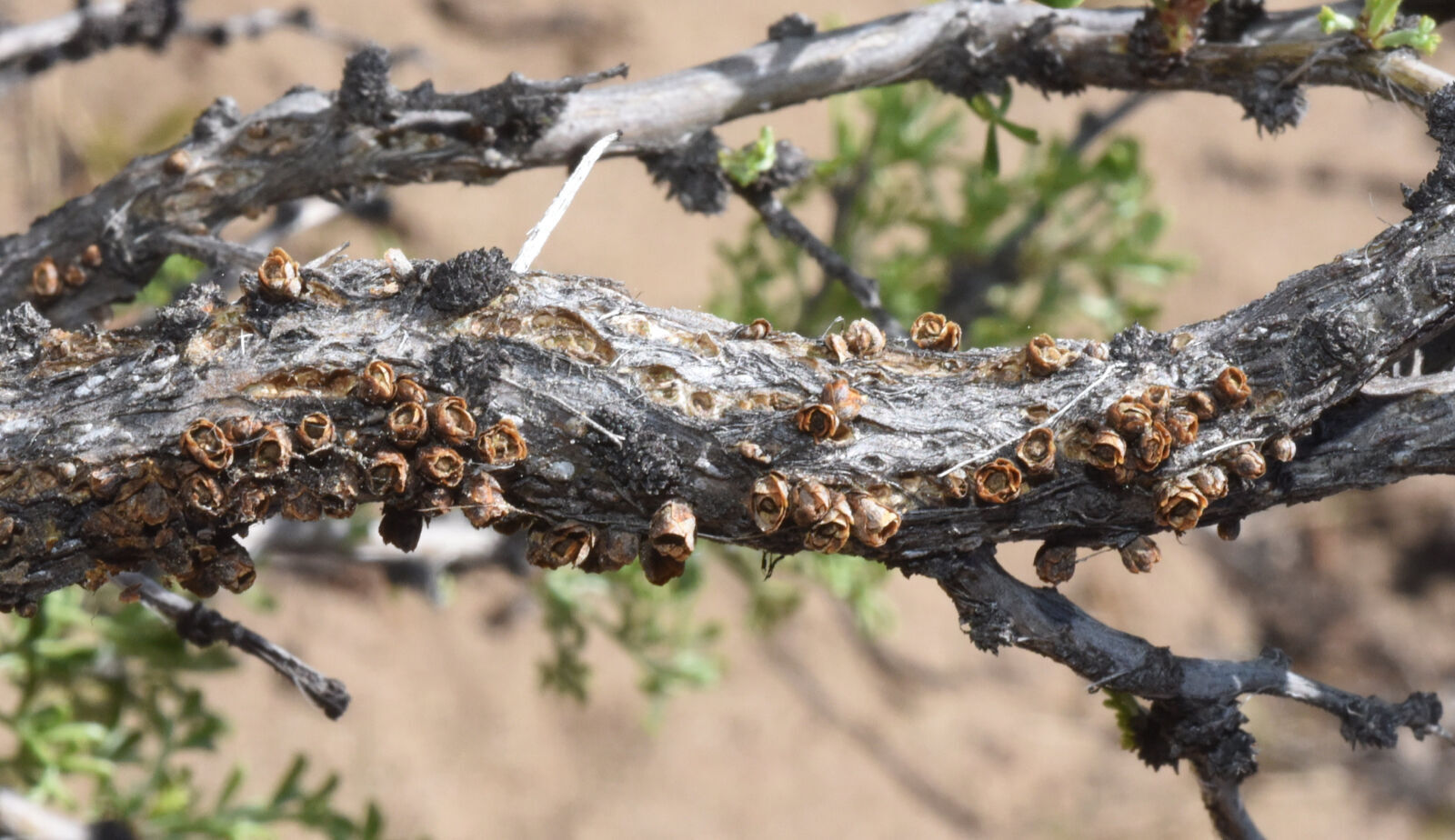
The family Apodanthaceae comprises about 10 species of endoparasitic herbs. They live in the branches or stems of their hosts (as filaments similar to a fungal mycelium), emerging only to flower and fruit. The plants produce no green parts and do not carry out any photosynthesis (that is, they are holoparasitic). There are two genera: Pilostyles and Apodanthes. A third genus, Berlinianche, was never validly published.
Picramniaceae
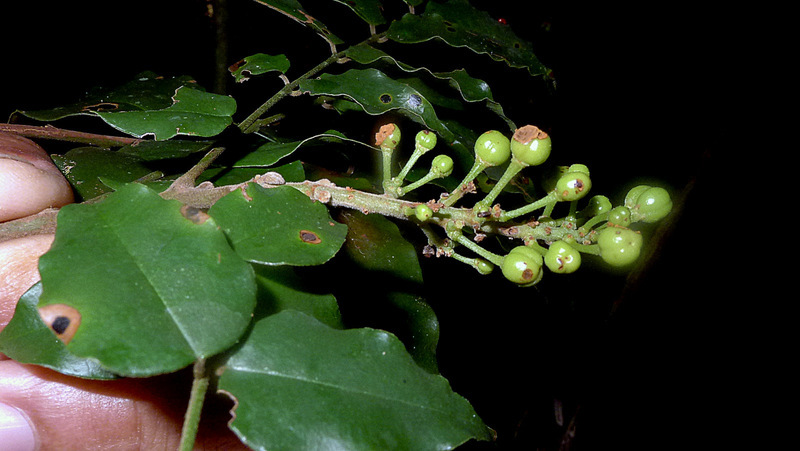
Picramniaceae is a small, mainly neotropical family of four genera Aenigmanu, Alvaradoa, Nothotalisia and Picramnia. The family is the only member of the order Picramniales. Members of the family were formerly placed in the family Simaroubaceae or misidentified as species in the family Sapindaceae, in the order Sapindales. The most recent standard classification of the Angiosperms (the APG III system) distinguishes it as a separate family and order. It belongs to the malvids (eurosids II), one of the three groups that constitute the rosids.

Huaceae
Huaceae is a family of flowering plants in the rosids clade, which has been previously classed in the orders Malpighiales, Malvales, and Violales or in its own order Huales. The APG II system placed it in the clade eurosids I, whereas the APG III system of 2009 and APG IV (2016) place it within the Oxalidales. The family is endemic to central Africa. It contains four species in the following two genera:
Afrostyrax
Hua
Afrostyrax includes three species while Hua is monotypic, only including the species Hua gabonii.

Tapisciaceae
Tapisciaceae is a family of flowering plants. Until recently it had been abandoned by taxonomists, and it was not recognised in the APG II system of 2003. In the APG III system, however, it has been reinstated to encompass the two genera Tapiscia and Huertea, with a total of six known species.
Lepidobotryaceae
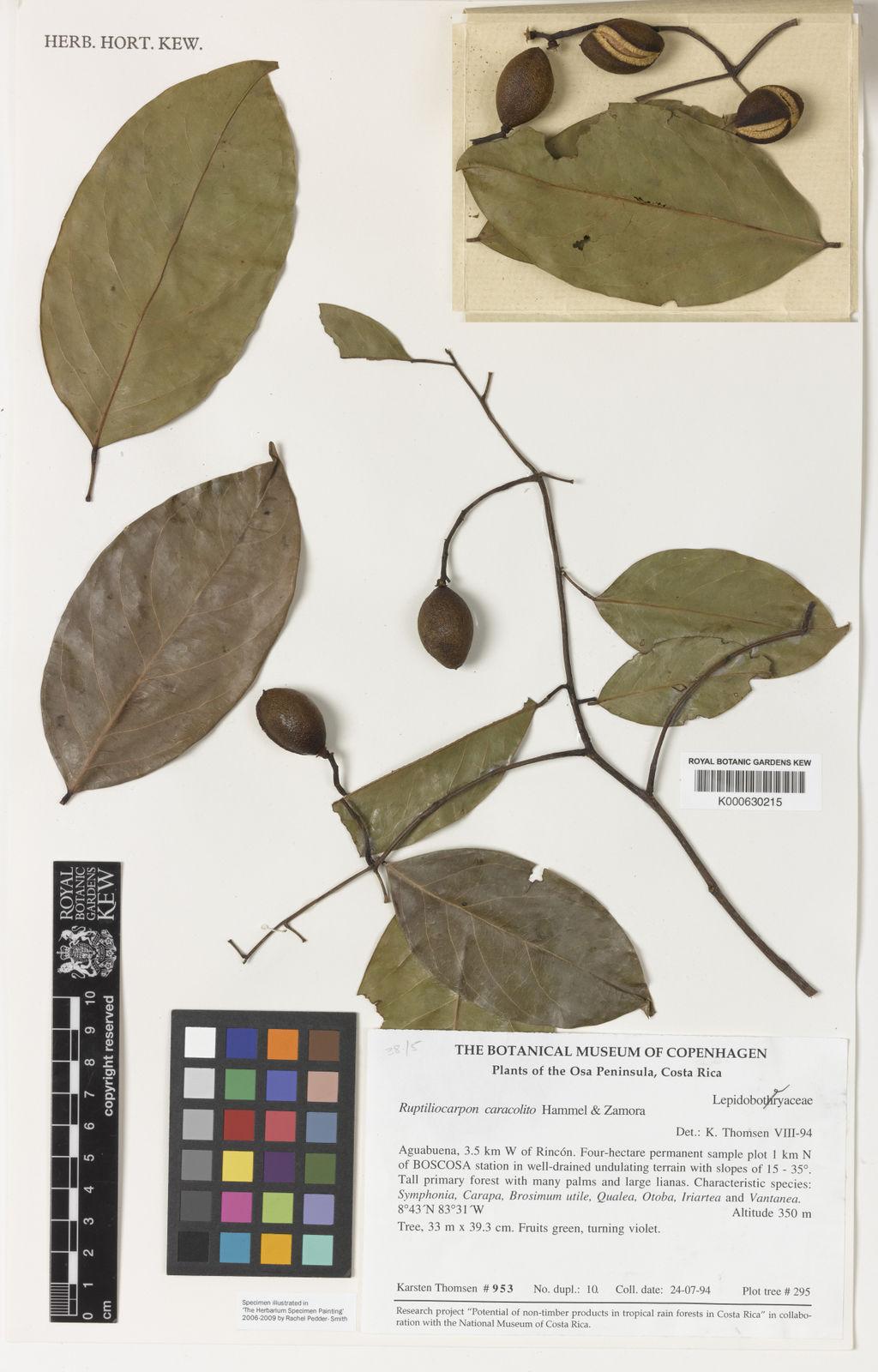
Lepidobotryaceae is a family of plants in the order Celastrales. It contains only two species: Lepidobotrys staudtii (native to tropical Africa) and Ruptiliocarpon caracolito (native to South and Central America).
Francoaceae
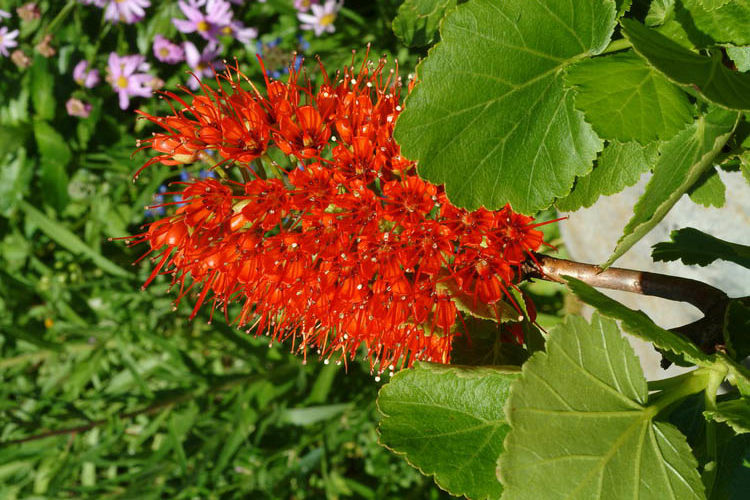
The Francoaceae are a small family of flowering plants in the order Geraniales, including the genera Francoa, commonly known as bridal wreaths. The Francoaceae are recognized as a family under various classification schemes. Under the 2009 APG III system the Francoaceae were included within the Melianthaceae. In the 2016 APG IV system the Francoaceae are again recognized as a family, with Melianthaceae included in the circumscription of Francoaceae.

Strasburgeriaceae
Strasburgeriaceae is a small family of flowering plants in the order Crossosomatales, only found in New Zealand and New Caledonia. It contains two genera, Strasburgeria and Ixerba. Both genera have simple, evergreen, alternated leaves, often in whorl-like clusters, with gland-tipped serrations, hermaphroditic, pentamerous flowers with persistent sepals, clawed petals, flat and long filaments that extend beyond the petals and a persistent style with a punctiform stigma.
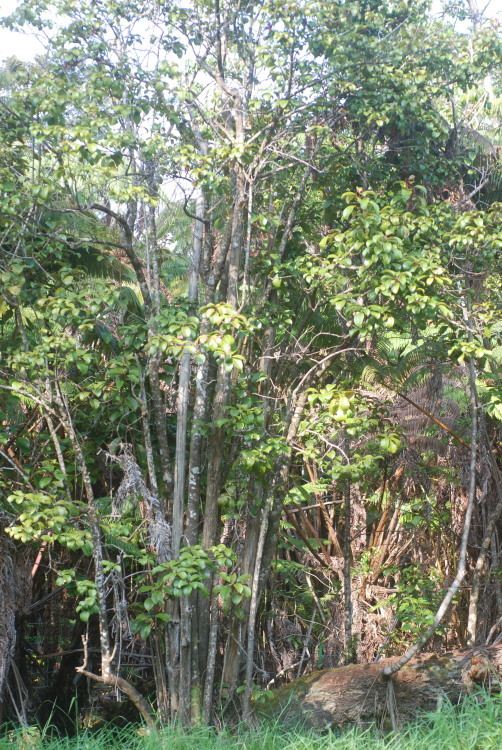
Dipentodontaceae
Dipentodontaceae is a family of flowering plants containing two genera.

Vivianiaceae
thumb|Viviania marifolia
Wendtia gracilis seeds|thumb
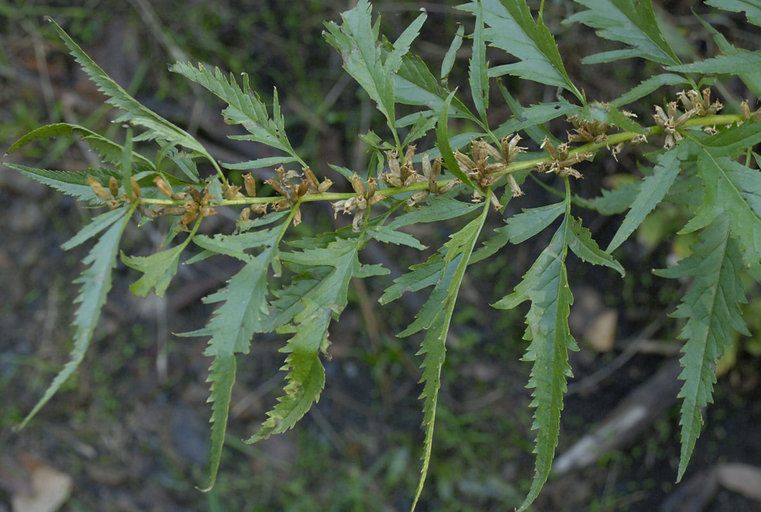
Datiscaceae
REDIRECT Datisca

Quillajaceae
Quillajaceae, the soapbark family, is a family of flowering plants. It contains a single extant genus Quillaja, containing only two species, and one fossil species, Dakotanthus cordiformis.
alt=Quillaja brasiliensis tree, focused on a flower and some leaves.|center|thumb|356x356px|Quillaja brasiliensis in Botanical Garden Munich-Nymphenburg|Botanischen Garten München
== Description ==
alt=Two pictures of Quillaja saponaria, one with closed, green, star-shaped capsules and one with open, dry and brown star shaped capsules. |left|thumb|291x291px|Capsules of the Quillaja saponaria. Fresh and clos

Stachyuraceae
REDIRECT Stachyurus
Dirachmaceae
redirect Dirachma
Barbeyaceae
REDIRECT Barbeya
Brunelliaceae
REDIRECT Brunellia

Ledocarpaceae
thumb|Rhynchotheca spinosa
Krameriaceae
REDIRECT Krameria
Cephalotaceae
REDIRECT Cephalotus
Stixidaceae
Stixaceae is a family in the plant order Brassicales. It is no longer recognised by most taxonomists. The three genera formerly included in Stixaceae — Forchhammeria, Stixis and Tirania — have sometimes been placed instead in the Capparaceae, but it is now clear that they do not belong there. It is unknown where they do belong though, so currently they are unplaced at family rank. In the APG IV system, the genera comprising Stixaceae are included in the family Resedaceae.

Hippocrateaceae
thumb|Fruit of Salacia lehmbachii, formerly placed in Hippocrateaceae
Hippocrateaceae Juss. previously consisted of about 150 tropical and subtropical species of shrubs and lianes, and is now included in the family Celastraceae. Formerly it comprised the following genera:
Stackhousiaceae
Stackhousiaceae R.Br. is an obsolete family of plants, now merged into the family Celastraceae. When accepted, it comprised the following genera: