Category
page 1Rubiaceae genera

Coffea
Coffea is a genus of flowering plants in the family Rubiaceae. Coffea species are shrubs or small trees native to tropical and southern Africa and tropical Asia. The seeds of some species, called coffee beans, are roasted and ground to brew into various coffee beverages. The fruits, like the seeds, contain a large amount of caffeine, and have a distinct sweet taste.

Cinchona
Cinchona (pronounced or ) is a genus of flowering plants in the family Rubiaceae containing at least 23 species of trees and shrubs. All are native to the tropical Andean forests of western South America. A few species are reportedly naturalized in Central America, Jamaica, French Polynesia, Sulawesi, Saint Helena in the South Atlantic, and São Tomé and Príncipe off the coast of tropical Africa, and others have been cultivated in India and Java, where they have formed hybrids.

Galium
Galium is a large genus of annual and perennial herbaceous plants in the family Rubiaceae, occurring in the temperate zones of both the Northern and Southern Hemispheres. Some species are informally known as bedstraw.

Gardenia
Gardenia is a genus of flowering plants in the coffee family, Rubiaceae, native to the tropical and subtropical regions of Africa, Asia, Madagascar, Pacific Islands, and Australia.

Ixora
Ixora is a genus of flowering plants in the family Rubiaceae. It is the only genus in the tribe Ixoreae. It consists of tropical evergreen trees and shrubs and holds around 544 species. Though native to the tropical and subtropical areas throughout the world, its centre of diversity is in Tropical Asia. Ixora also grows commonly in subtropical climates in the United States, such as Florida where it is commonly known as West Indian jasmine.

Rubia
Rubia is the type genus of the Rubiaceae family of flowering plants, which also contains Coffea (coffee). It contains around 80 species of perennial scrambling or climbing herbs and subshrubs native to the Old World.
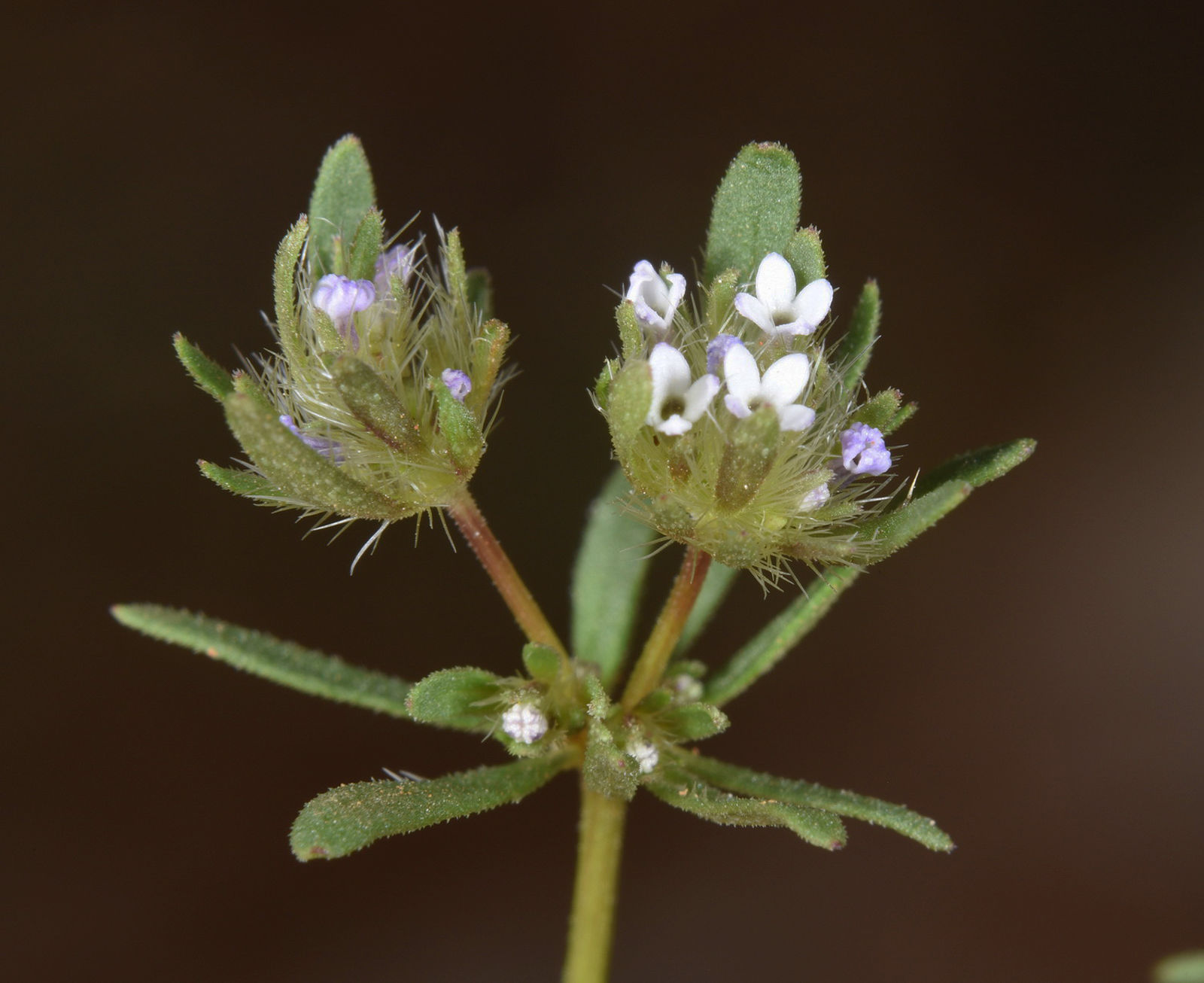
Asperula
Asperula, commonly known as woodruff, is a genus of flowering plants in the family Rubiaceae. It contains 91 species and has a wide distribution area from Europe, northern Africa, temperate and subtropical Asia to Australasia.
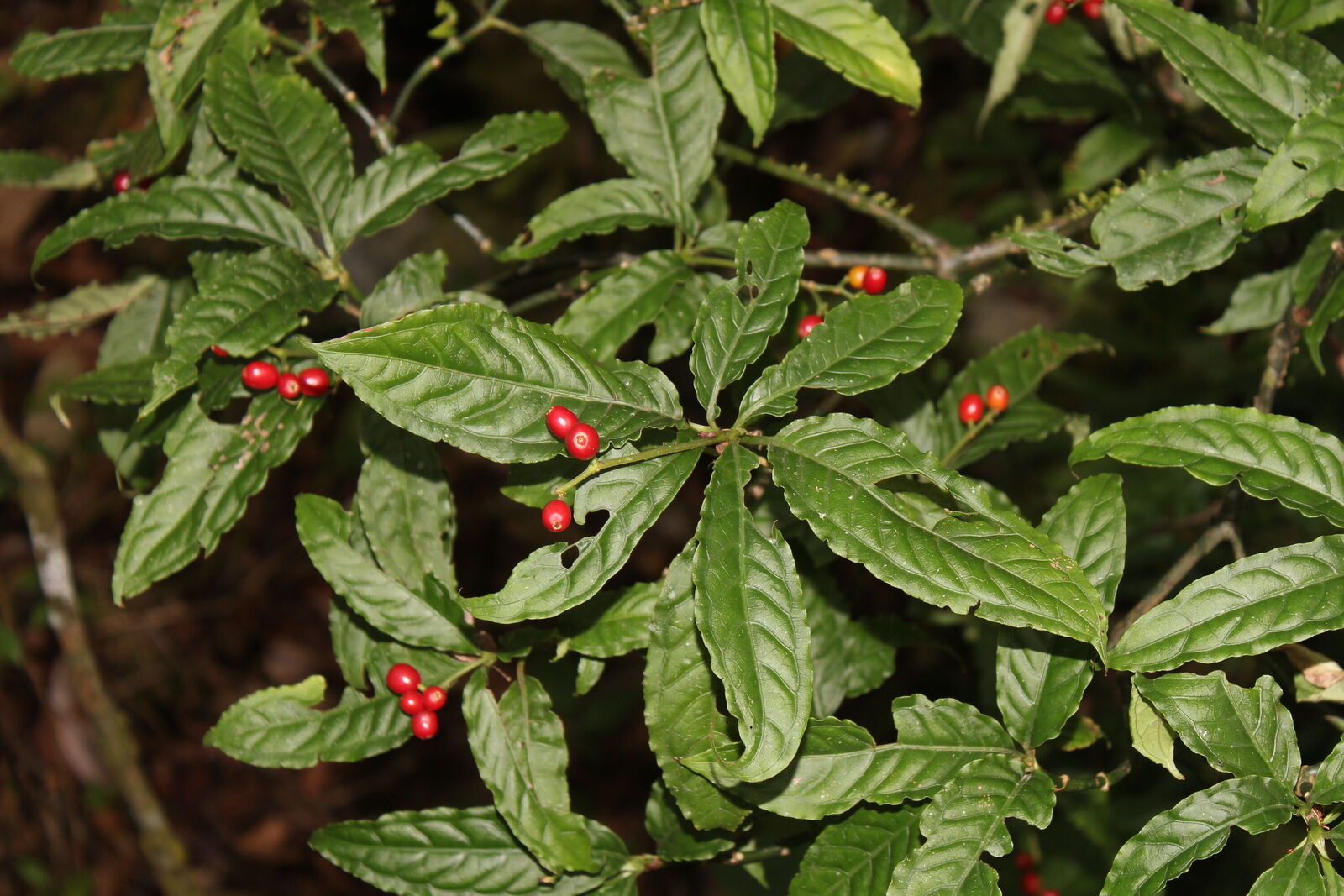
Psychotria
Psychotria is a large genus of flowering plants in the coffee family Rubiaceae, with over 1,600 species. The genus has a pantropical distribution and members of the genus are small understorey trees in tropical forests. Some species are endangered or facing extinction due to deforestation, especially species of central Africa and the Pacific.

Morinda
Morinda is a genus of flowering plants in the madder family, Rubiaceae. The generic name is derived from the Latin words morus 'mulberry', referring to the appearance of the fruits, and indica, meaning 'of India'.

Uncaria
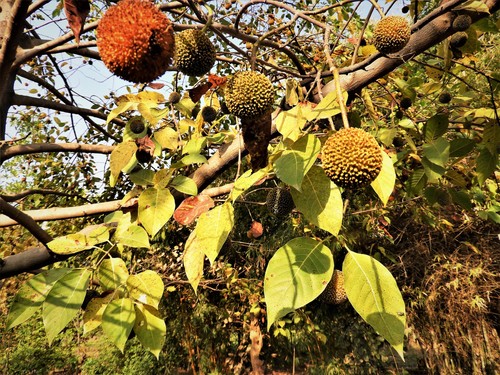
Mitragyna
Mitragyna is a genus of trees in the family Rubiaceae found in the tropical and subtropical regions of Asia and Africa. Members of this genus contain antimalarial and analgesic indole alkaloids.

Cephalanthus
Cephalanthus is a genus of flowering plants in the family Rubiaceae. There are five extant species that are commonly known as buttonbush.

Pavetta
Pavetta is a genus of flowering plants in the family Rubiaceae. It comprises about 360 species of trees, evergreen shrubs and sub-shrubs. It is found in woodlands, grasslands and thickets in sub-tropical and tropical Africa and Asia. The plants are cultivated for their simple but variable leaves, usually opposite but also occur in triple whorls. The leaves are often membranous with dark bacterial nodules. Pavetta has small, white, tubular flowers, sometimes salviform or funnel-shaped with 4 spreading petal lobes. The flowers are carried on terminal corymbs or cymes.
%20(14782664024).jpg)
Myrmecodia
thumb|An illustration of the inner chambers of a Myrmecodia plant

Pentas
Pentas is a genus of flowering plants in the family Rubiaceae. The genus is found in tropical and southern Africa, the Comoros, Madagascar, and the Arabian Peninsula.
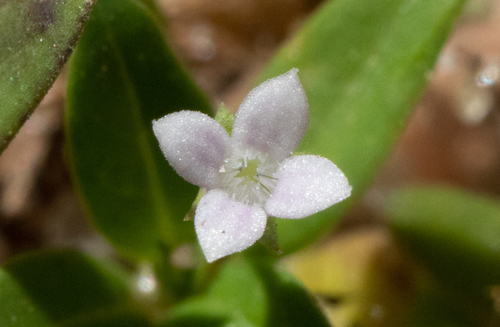
Oldenlandia
Oldenlandia is a genus of flowering plants in the family Rubiaceae. It is pantropical in distribution and has about 240 species. The type species for the genus is Oldenlandia corymbosa.

Canthium
thumb|250px|Canthium coromandelicum
Paederia
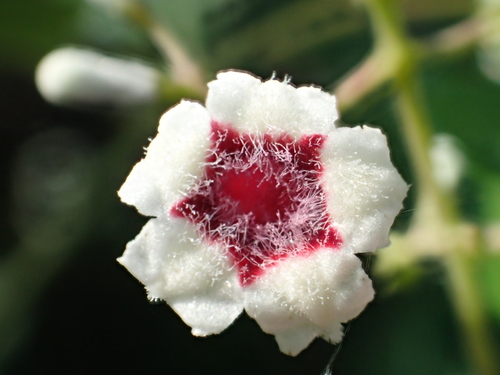
Paederia is a genus of flowering plants in the madder family, Rubiaceae. They are commonly known as sewer vines because of the strong odours exuded when their leaves or stems are crushed or bruised.
Guettarda
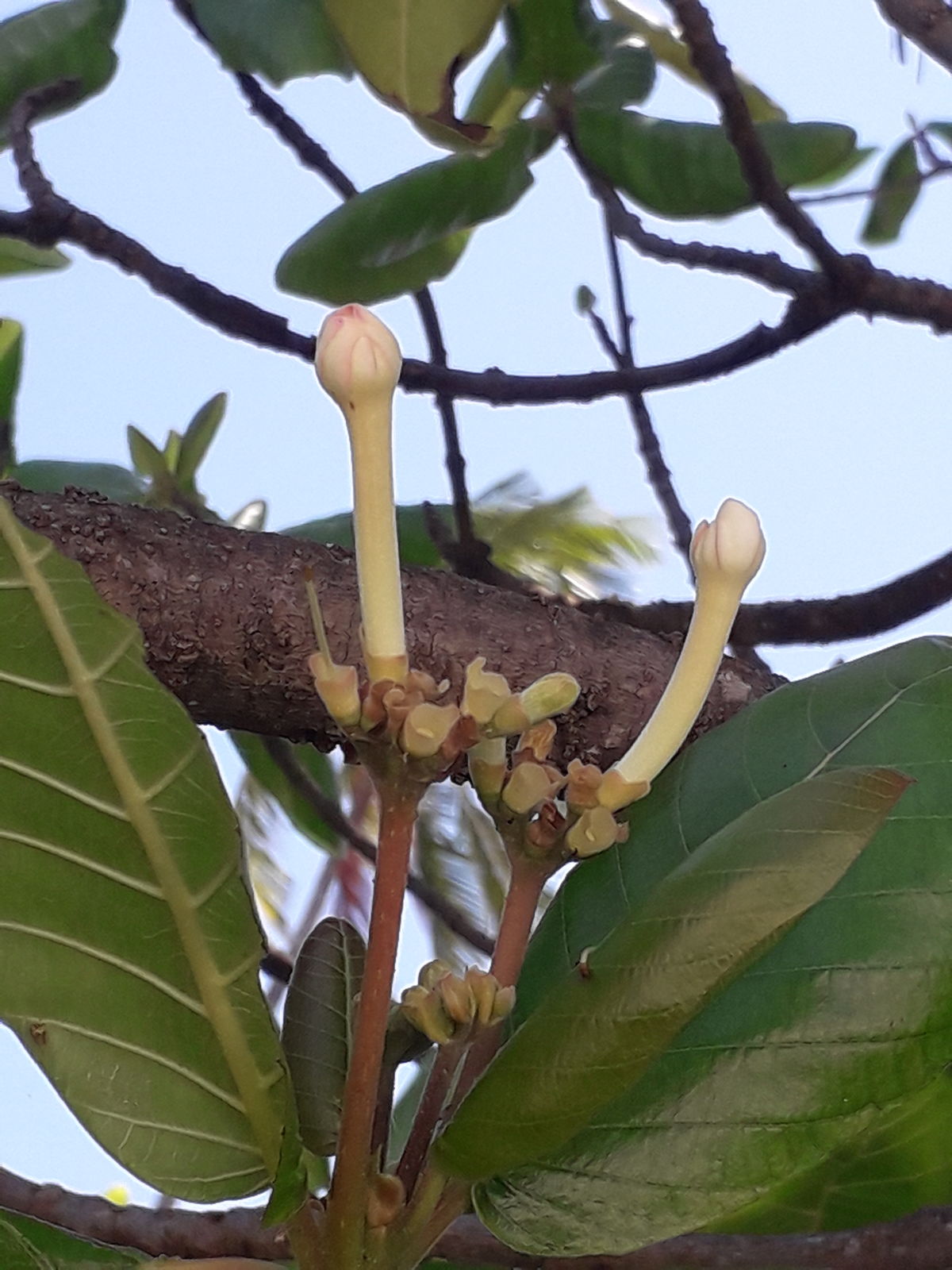
Guettarda is a plant genus in the family Rubiaceae. Most of these plants are known by the common name velvetseed.

Cruciata
Cruciata is a genus of flowering plants belonging to the Rubiaceae family. It is found in Europe, northern Africa, and across southern and central Asia from Turkey to the western Himalaya and north to the Altay region of Siberia.

Nauclea
Nauclea is a genus of flowering plants in the family Rubiaceae. The species are evergreen trees or shrubs that are native to the paleotropics. The terminal vegetative buds are usually strongly flattened. The generic name is derived from the Ancient Greek words naus, meaning "ship" and kleio, meaning "to close". It refers to the resemblance of the cells of the capsule to a ship's hull.

Coprosma
Coprosma is a genus of flowering plants in the family Rubiaceae. It is found in New Zealand, Hawaiian Islands, Borneo, Java, New Guinea, islands of the Pacific Ocean to Australia and the Juan Fernández Islands.
Palicourea
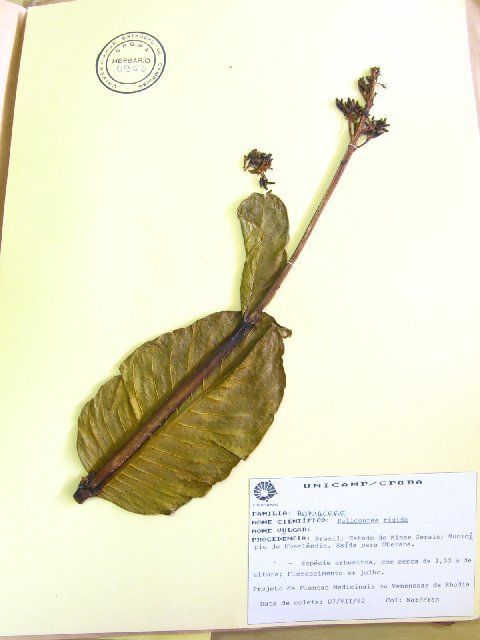
Palicourea is a genus of flowering plants in the family Rubiaceae. It contains 694 species, which range from shrubs to small trees, and is distributed throughout the New World tropics.

Theligonum
Theligonum is a genus of flowering plants in the family Rubiaceae. It was described by Carl Linnaeus in 1753. The genus is found from Macaronesia to the Mediterranean Basin, and from China to temperate eastern Asia. It is the only genus in the tribe Theligoneae.

Mussaenda
Mussaenda is a genus of flowering plants in the family Rubiaceae. They are native to the African and Asian tropics and subtropics. Several species are cultivated as ornamental plants.
Vangueria
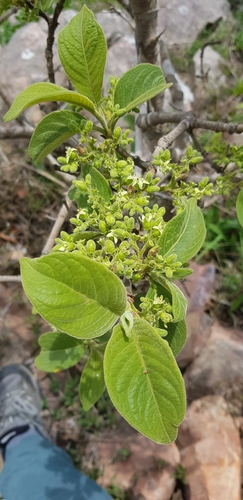
Vangueria is a genus of flowering plants in the family Rubiaceae. The genus is named for , as V. madagascariensis is known in Malagasy.
Bouvardia
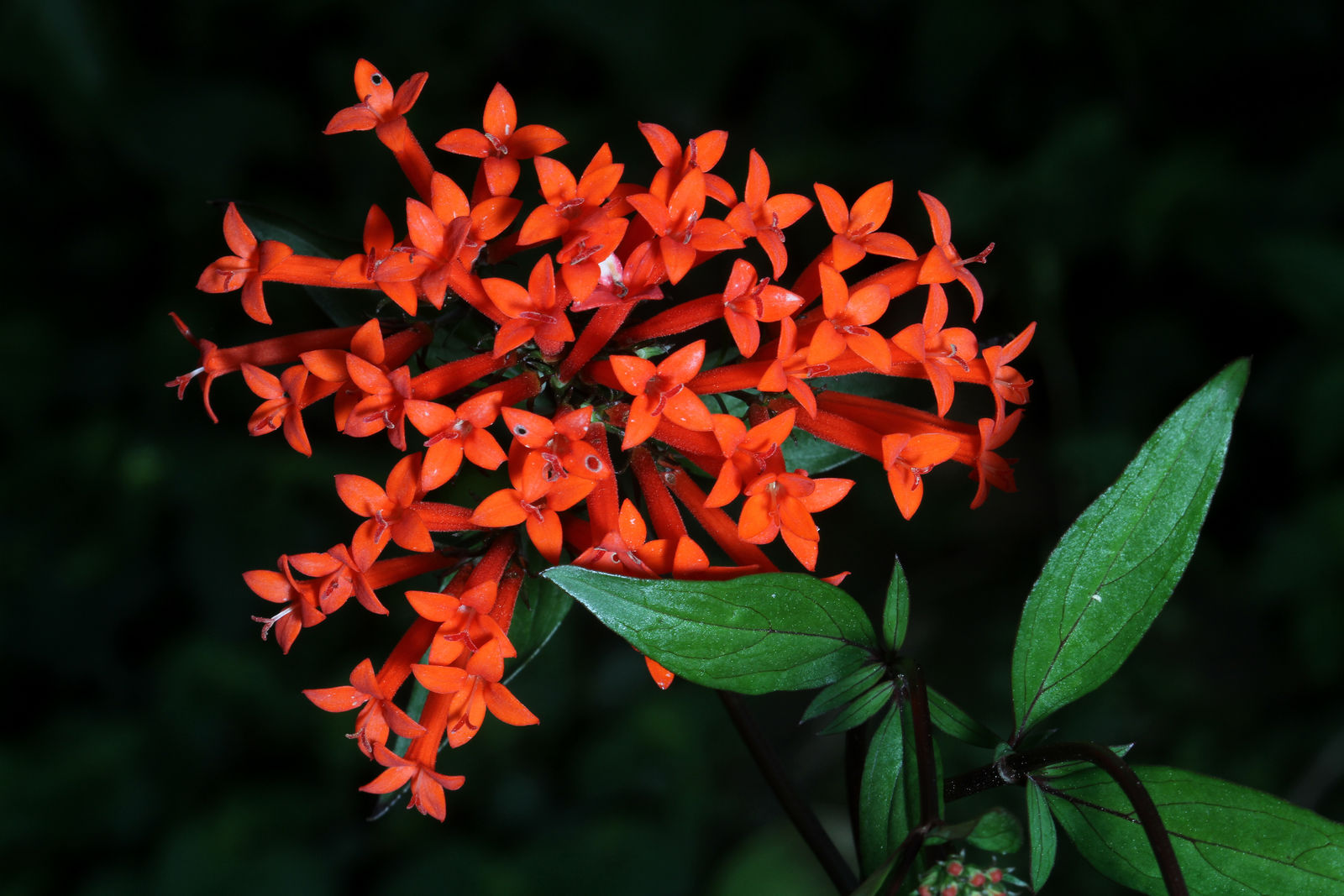
Bouvardia is a genus of flowering plants in the family Rubiaceae. It contains about 50 species of evergreen herbs and shrubs native to Mexico and Central America, with one species extending into the southwestern United States (B. ternifolia, in Arizona, New Mexico and Texas). The genus is named in honor of Charles Bouvard (1572–1658), physician to Louis XIII, and superintendent of the Jardin du Roi in Paris.

Mitchella
Mitchella is a genus of flowering plants in the family Rubiaceae. It is found from China to temperate eastern Asia, and from eastern Canada to Guatemala.

Crucianella
Crucianella (common name crossworts) is a genus of flowering plants in the family Rubiaceae. The species are annual herbs found from the Mediterranean to Central Asia and the Arabian Peninsula. One species (C. angustifolia) is naturalized in northern California, southern Oregon (Josephine County), and Idaho (Clearwater County).

Lasianthus
Lasianthus is a genus of flowering plants in the family Rubiaceae. They are tropical subshrubs, shrubs, or rarely, small trees. They inhabit the understory of primary forests.
Plocama
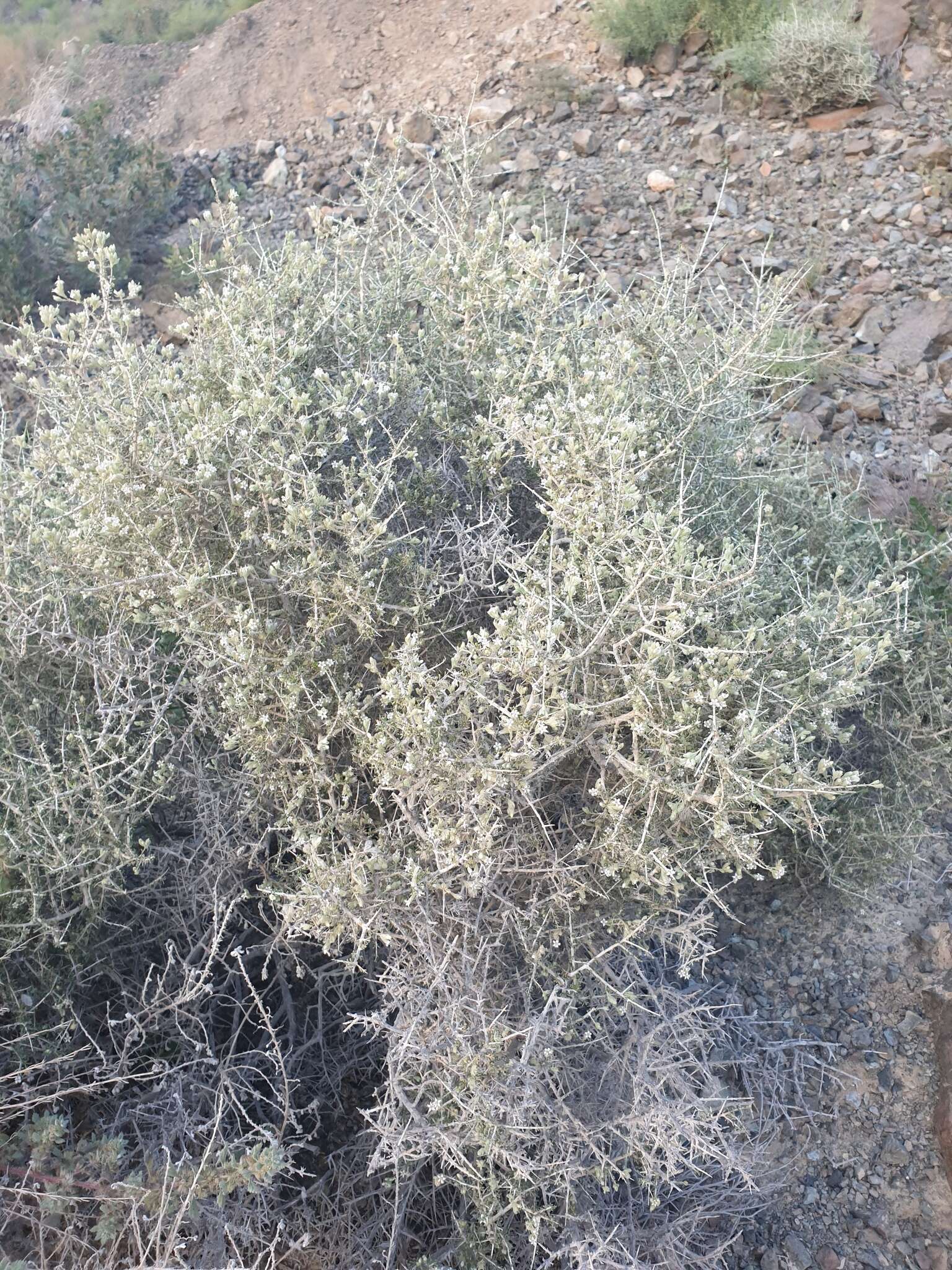
Plocama is a genus of flowering plants in the family Rubiaceae. It was described by William Aiton in 1789. It is distributed from the Canary Islands to northwestern India.

Alibertia
genus of plants
Hamelia
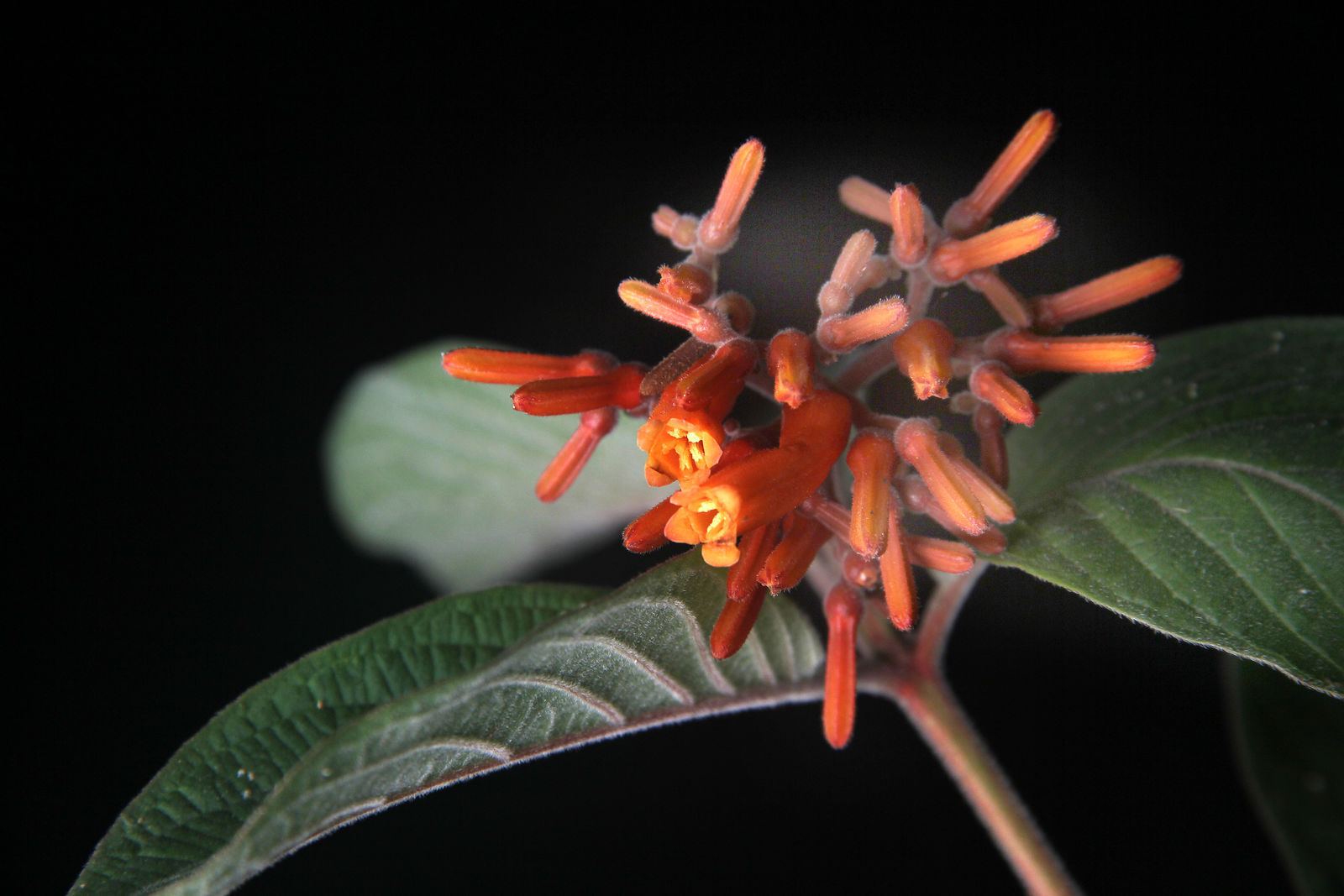
Hamelia is a genus of flowering plants in the coffee family, Rubiaceae. The name honors French botanist Henri-Louis Duhamel du Monceau (1700–1782).
Psydrax
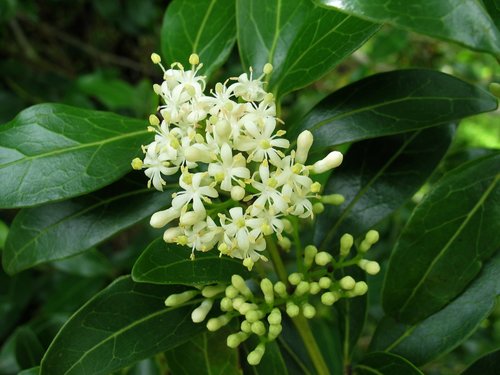
Psydrax is a genus of flowering plants in the family Rubiaceae. It consists of trees, shrubs, and a few lianas in the paleotropics.
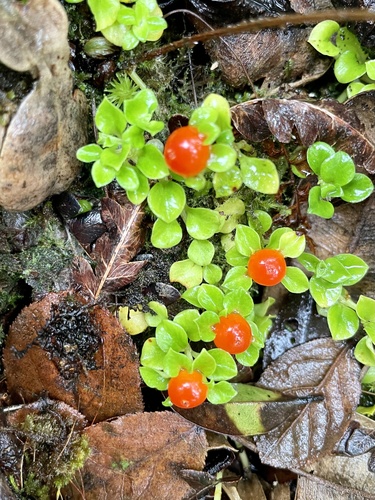
Nertera
Nertera is a genus of about 15 species of flowering plants in the family Rubiaceae, native to the Southern Hemisphere, in South America and Australasia, with one species extending into the Northern Hemisphere in Central America, eastern Asia, and Hawaii. The name derives from the Greek word nerteros, meaning low down. Common names include pincushion, coral bead or bead plant. They are prostrate, creeping, mat-forming herbaceous perennial plants growing to across or more but no more than a few centimetres high. The leaves are usually quite small, and when crushed may in some species release a f
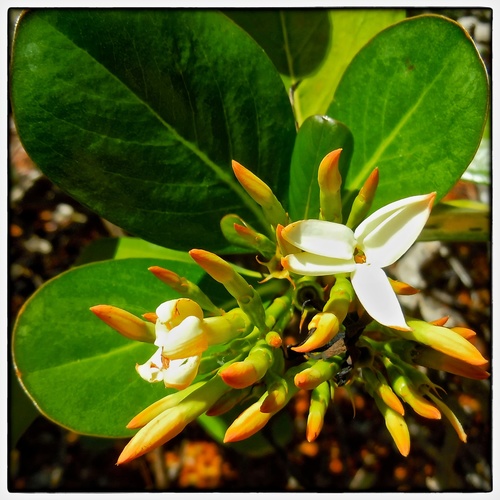
Casasia
Casasia is a genus of flowering plants in the family Rubiaceae. These shrubs or small trees occur on the Caribbean islands and in one case (Seven-year Apple, C. clusiifolia) in Florida. Some of the ten accepted species were formerly placed elsewhere, e.g. in the related genip-tree genus (Genipa), in Gardenia or in Randia.

Spermacoce
Spermacoce or false buttonweed is a genus of flowering plants in the family Rubiaceae. It comprises about 275 species found throughout the tropics and subtropics. Its highest diversity is found in the Americas, followed by Africa, Australia and Asia. It can be used for the treatment of eczema by rubbing the leaves on the affected part.
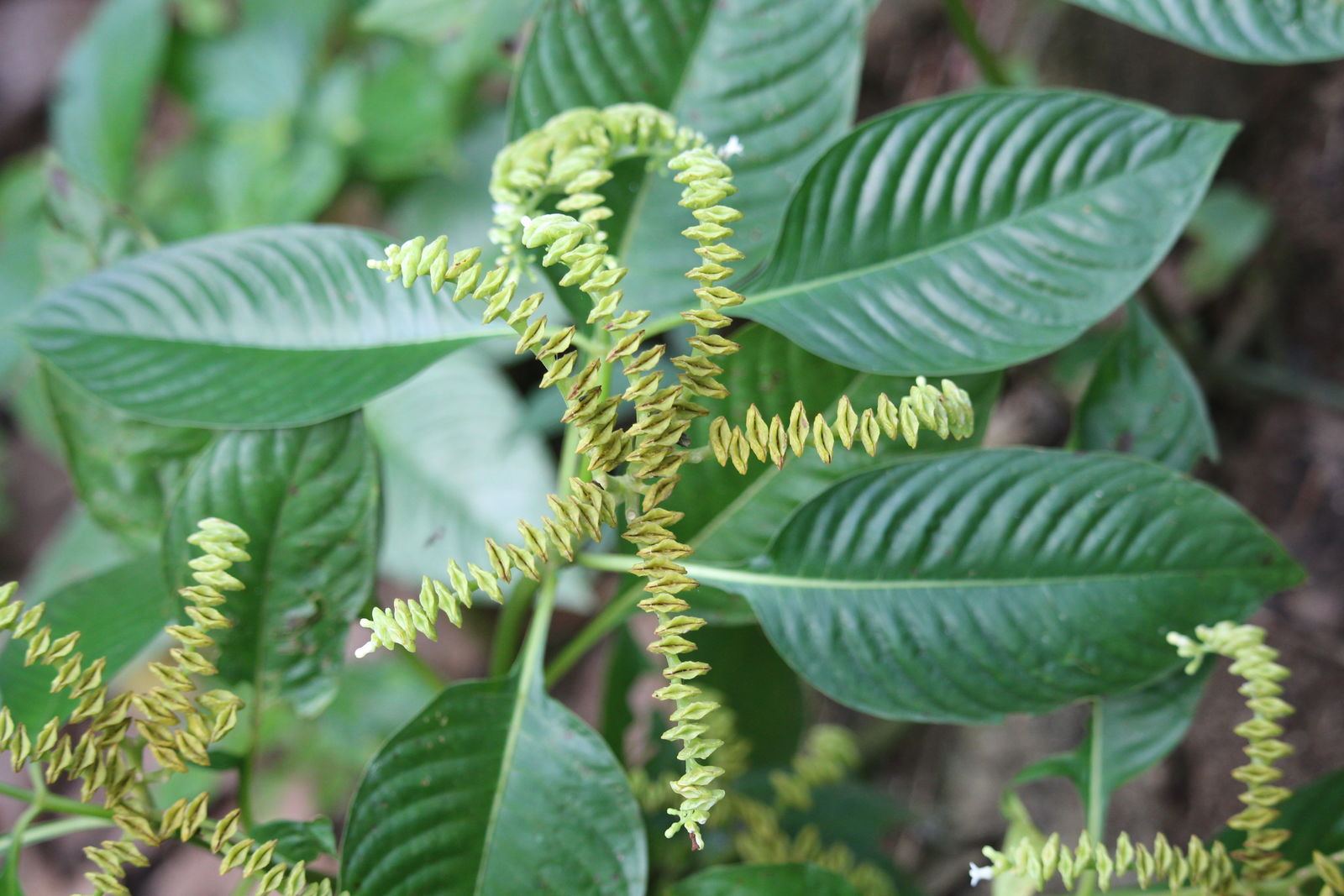
Ophiorrhiza
Ophiorrhiza is a genus of flowering plants in the coffee family (Rubiaceae). It contains 378 species native to the Indian subcontinent, Indochina, China, Taiwan, Japan, Malesia, Papuasia, Queensland, and the South Pacific. Species of the genus contain camptothecin, an alkaloid used to make chemotherapeutic agents. Many Ophiorrhiza species are endemic to certain areas of the Western Ghats.

Diodia
Diodia (or buttonweed) is a genus of flowering plants in the family Rubiaceae. It was described by Carl Linnaeus in 1753. The genus is found from southern and eastern United States, South America, Central America, Mexico, the West Indies and tropical Africa.

Adina
genus of plants
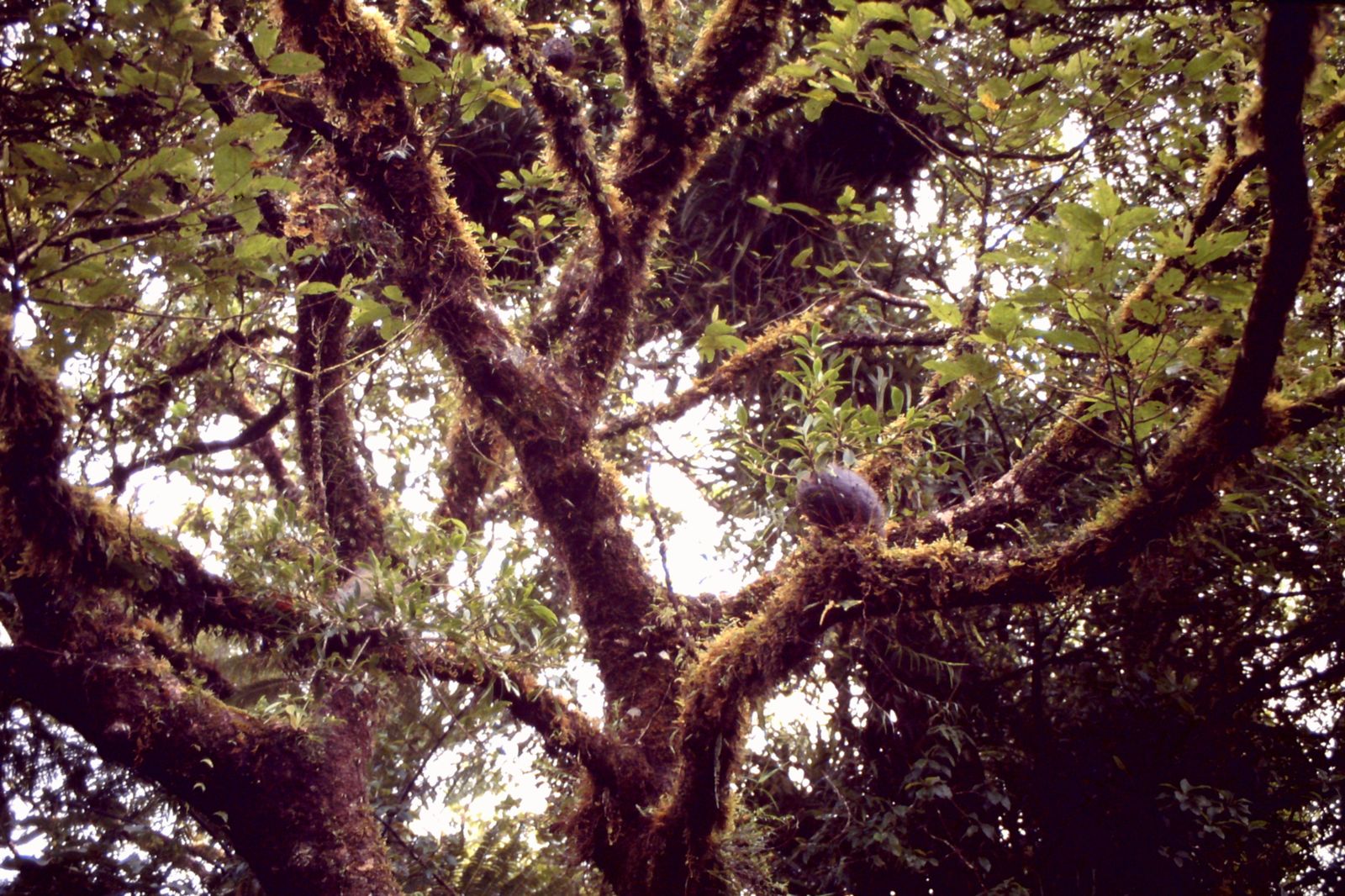
Squamellaria
Squamellaria is a genus of myrmecophytic flowering plants in the family Rubiaceae. It includes eight species native to the Solomon Islands, Vanuatu, and Fiji.
Corynanthe
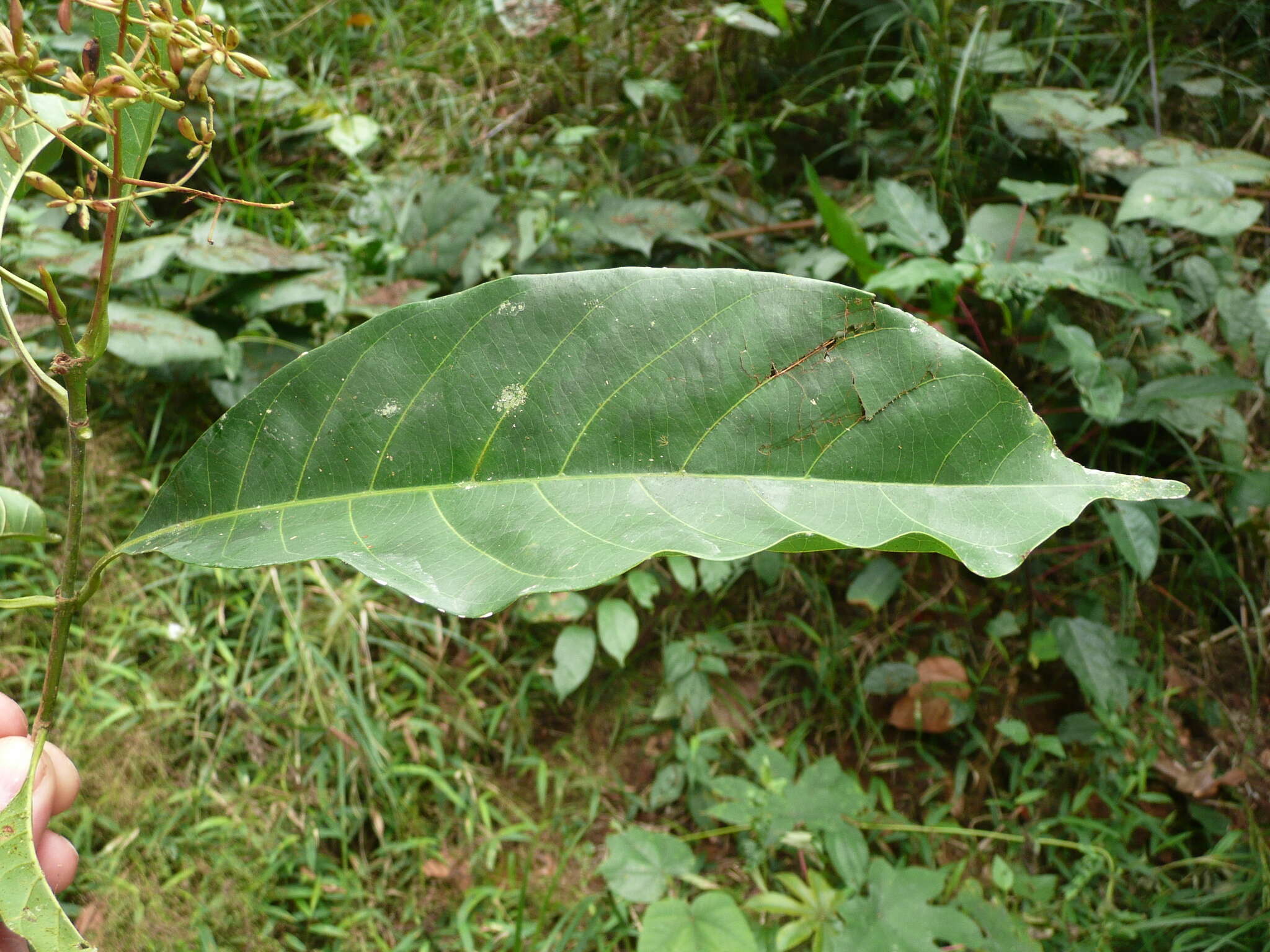
Corynanthe is a genus of flowering plants in the family Rubiaceae.
Valantia
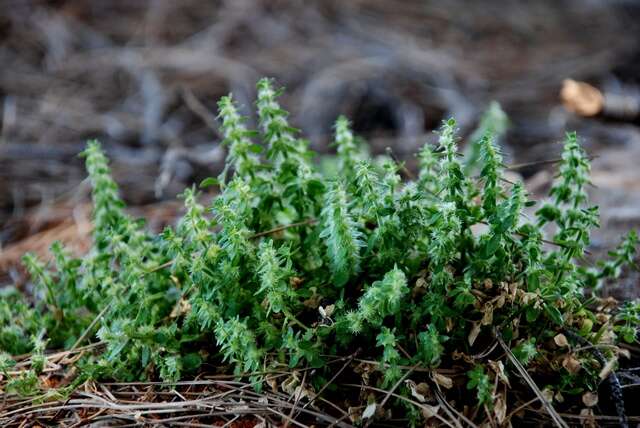
Valantia is a genus of flowering plants in the family Rubiaceae. The genus is found from Macaronesia to western Asia and northeastern tropical Africa.

Rondeletia
genus of plants

Bikkia
Bikkia is a genus of flowering plants in the family Rubiaceae. It is native to the Philippines, the Maluku region of eastern Indonesia, New Guinea and the western Pacific (Melanesia and Micronesia). The genus was named by Caspar Reinwardt in 1825. Seven of the New Caledonian species previously included in Bikkia were transferred to a separate genus, Thiollierea, in 2011 based on molecular and morphological information.
Callipeltis
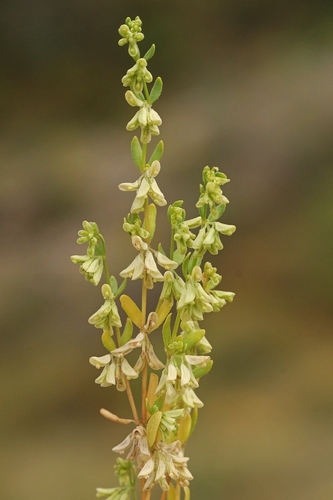
Callipeltis is a genus of flowering plants in the family Rubiaceae. It was originally described in 1829. The genus is found in Spain, North Africa, the Middle East, the Arabian Peninsula, and Central Asia as far east as Pakistan and Kazakhstan.

Genipa
thumb|Genipa spruceana - MHNT
Wendlandia
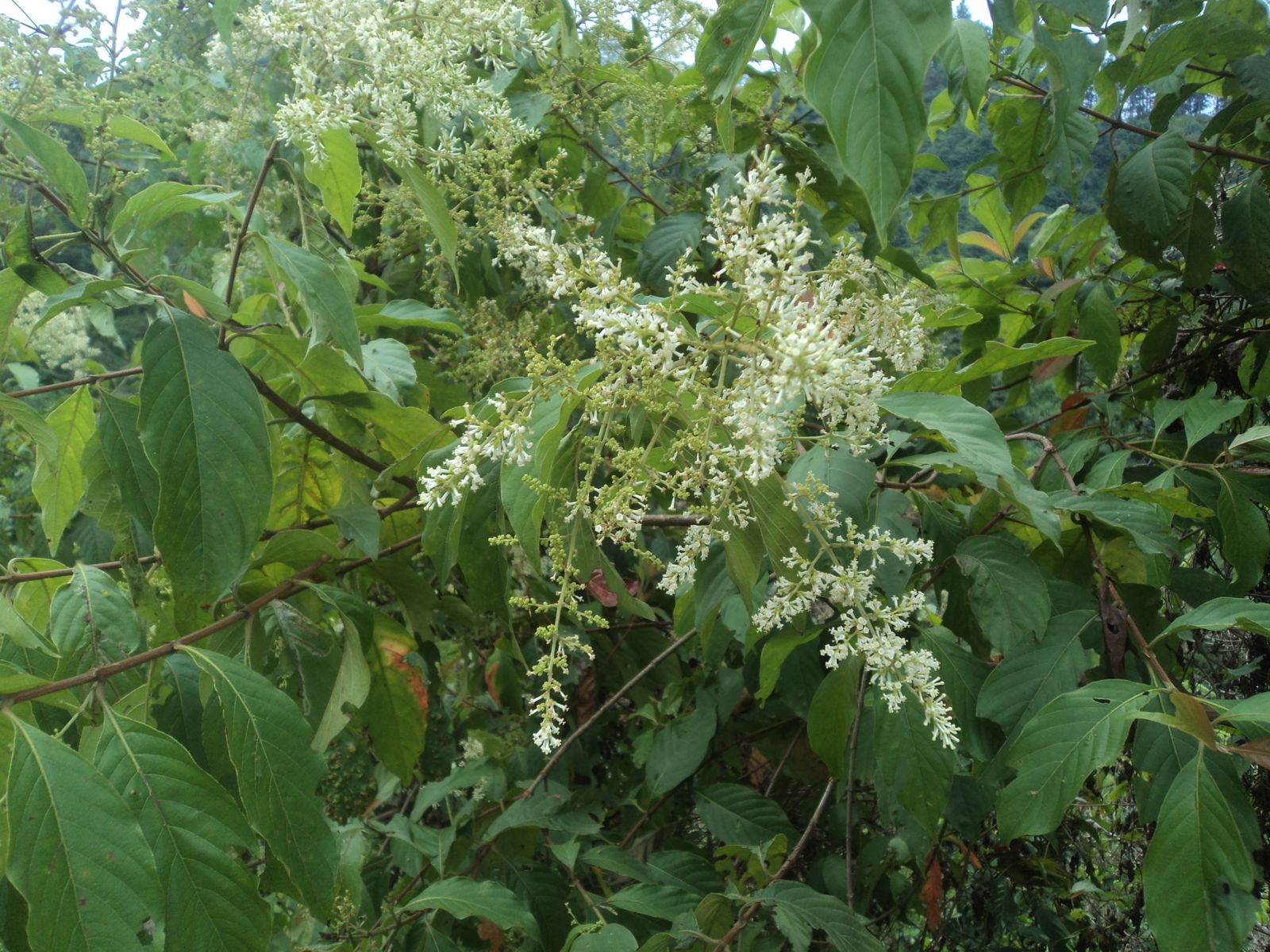
Wendlandia is a genus of flowering plants in the family Rubiaceae. It is found in northeastern tropical Africa, and from tropical and subtropical Asia to Queensland. The genus is named in honour of Johann Christoph Wendland (1755–1828) or his son Heinrich Wendland (1791-1869).

Afrocanthium
Afrocanthium is a genus of flowering plants in the family Rubiaceae. It consists of deciduous, unarmed trees, and shrubs. They are native to East Africa, from Sudan and Ethiopia to South Africa.

Portlandia
genus of plants

Bertiera
Bertiera is a genus of flowering plants in the family Rubiaceae. It comprises 57 species with most known from tropical Africa, five known from various :Indian Ocean islands and five found in the tropics of the Americas.
Tricalysia
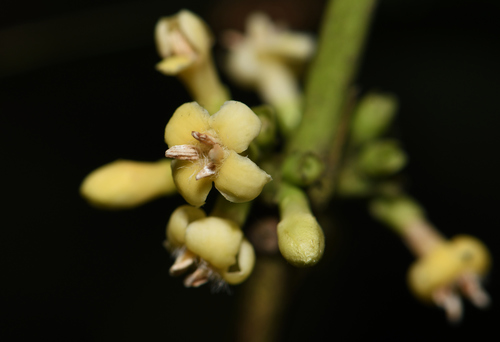
Tricalysia is a genus of flowering plants in the family Rubiaceae. The genus is found in tropical and southern Africa and on the islands in the Western Indian Ocean.
Chassalia
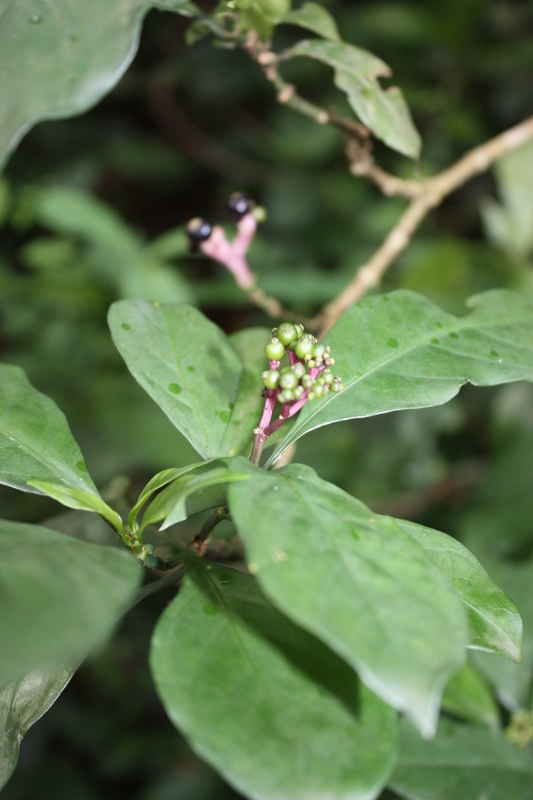
Chassalia is a genus of flowering plants in the family Rubiaceae. The genus is found from tropical Africa to (sub)tropical Asia.

Ladenbergia
Ladenbergia is a genus of plant in the family Rubiaceae.

Manettia
Manettia is a genus of flowering plants in the family Rubiaceae. There are between 80 and 123 species. They are distributed in the West Indies, Mexico, and Central and South America. Most are vines. The genus was named after Saverio Manetti.

Polysphaeria
Polysphaeria is a genus of plants in the family Rubiaceae, and its native range is Madagascar and Tropical Africa. It contains the following 22 species according to Plants of the World Online:
Polysphaeria acuminata Verdc.
Polysphaeria aethiopica Verdc.
Polysphaeria arbuscula K.Schum.
Polysphaeria braunii K.Krause
Polysphaeria capuronii Verdc.
Polysphaeria cleistocalyx Verdc.
Polysphaeria dischistocalyx Brenan
Polysphaeria grandiflora Cavaco
Polysphaeria grandis (Baill.) Cavaco
Polysphaeria hirta Verdc.
Polysphaeria lanceolata Hiern
Polysphaeria lepidocarpa Verdc.
Polysphaeria macrantha Brena
Hedyotis
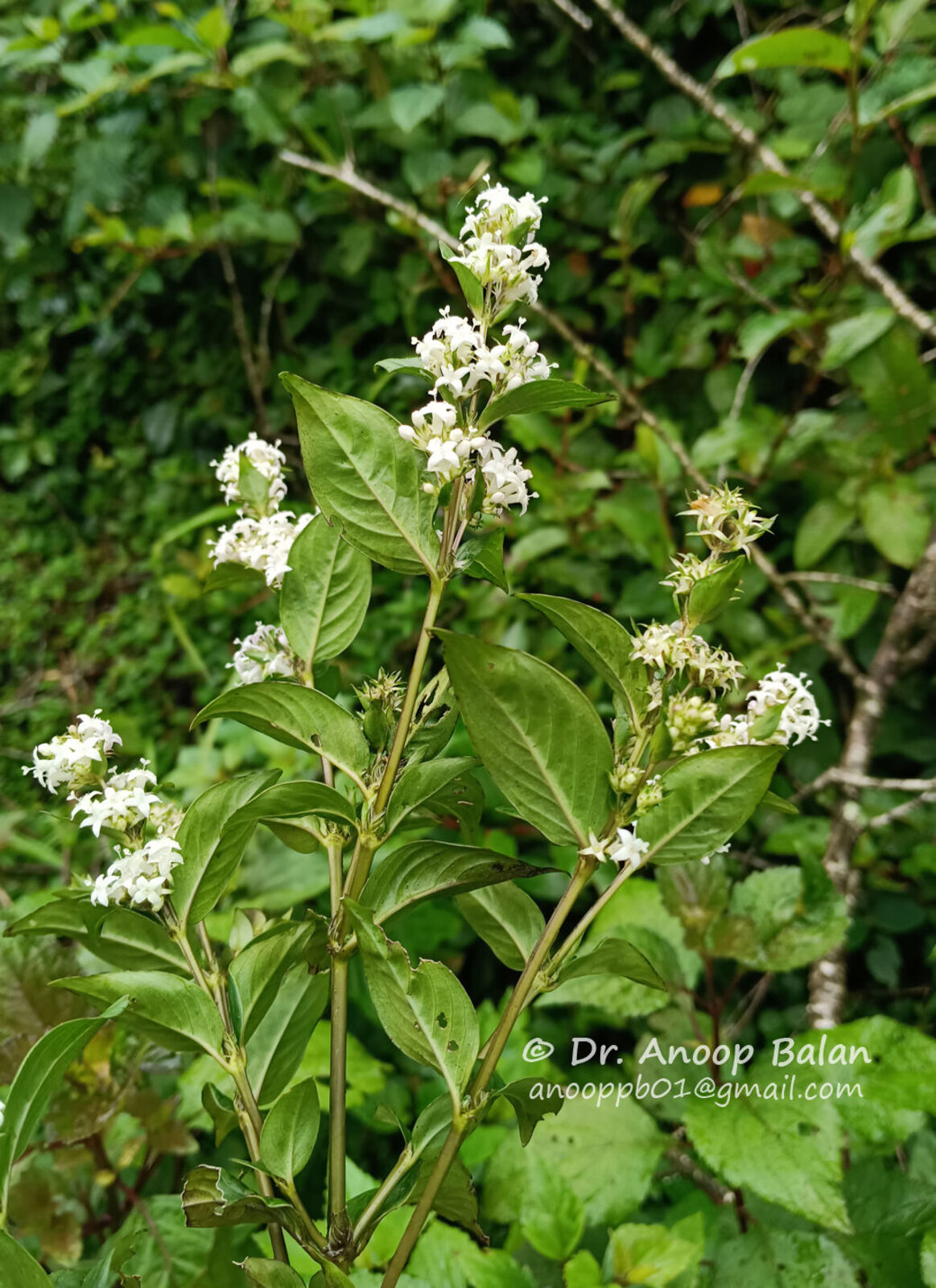
Hedyotis (starviolet) is a genus of flowering plants in the family Rubiaceae. Many species of this genus such as Hedyotis biflora, H. corymbosa and H. diffusa are well known medicinal plants. Hedyotis is native to tropical and subtropical Asia and to islands of the northwest Pacific. It comprises about 115 species. The type species for the genus is Hedyotis fruticosa.

Henriquezia
Henriquezia is a genus of three species of shrubs or trees in the family Rubiaceae, native to the Amazon basin. It was named by Richard Spruce after Henrique Antony, an italian-born man who hosted foreign explorers in the Amazon basin during the XIXth century.

Virectaria
Virectaria is a genus of flowering plants in the family Rubiaceae. The genus, known as Virecta until 1952, consists exclusively of tropical African species. It is a Guineo-Congolian genus, having its highest diversity in Lower Guinea but it also occurs in the Zambezian Region. Verdcourt provided a revision in which he defined five species but three more were added later. In 2001, a detailed morphological and anatomical study of the genus was conducted and a taxonomic survey and a key to the species was provided.

Neolamarckia
Neolamarckia is a genus with one or two species of trees native to the Old World tropics. It has often been confused with other genera, particularly Nauclea and Neonauclea to such an extent that descriptions of Neolamarckia may state incorrectly that its fruit is a capsule.