Category
page 1Serotonin receptor agonists

lysergic acid diethylamide
Lysergic acid diethylamide, commonly known as LSD (from German ) and by the nicknames acid and lucy, is a semisynthetic hallucinogenic drug derived from ergot, known for its powerful psychological effects and serotonergic activity. It was historically used in psychiatry and 1960s counterculture; it is currently legally restricted but receiving renewed scientific interest and increasing use.

serotonin
Serotonin (), also known as 5-hydroxytryptamine (5-HT), is a monoamine neurotransmitter with a wide range of functions in both the central nervous system (CNS) and also peripheral tissues. It is involved in mood, cognition, reward, learning, memory, and physiological processes such as vomiting and vasoconstriction. In the CNS, serotonin regulates mood, appetite, and sleep.

MDMA
3,4-Methylenedioxymethamphetamine (MDMA), commonly known as ecstasy (tablet form), and molly (crystal form), is an entactogen with stimulant and minor psychedelic properties.

psilocybin
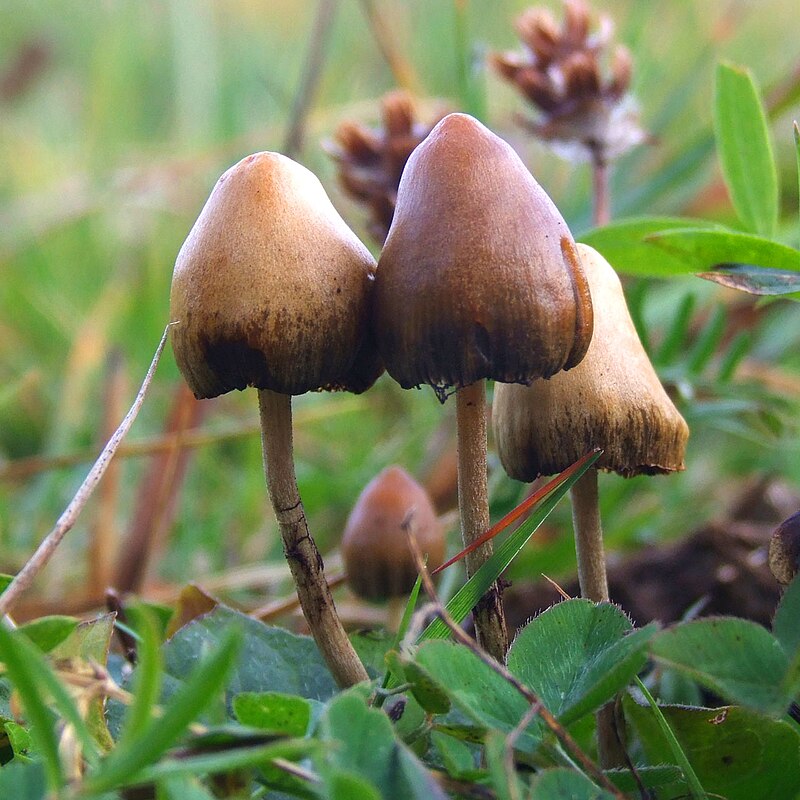
Psilocybin, also known as '4-phosphoryloxy-N,N-dimethyltryptamine (4-PO-DMT'), is a naturally occurring tryptamine alkaloid and investigational drug found in more than 200 species of mushrooms, with hallucinogenic and serotonergic effects. Effects include euphoria, changes in perception, a distorted sense of time, and perceived spiritual experiences. It can also cause adverse reactions such as nausea and panic attacks.

mescaline
Mescaline, also known as mescalin or mezcalin, and in chemical terms 3,4,5-trimethoxyphenethylamine, is a naturally occurring classical psychedelic protoalkaloid of the substituted phenethylamine class, found in cacti like peyote (Lophophora williamsii) and San Pedro (certain species of the genus Echinopsis).
%20en%20floraci%C3%B3n.jpg)
ayahuasca
Ayahuasca is a South American psychoactive decoction prepared from Banisteriopsis caapi vine and a dimethyltryptamine (DMT)-containing plant, used by Indigenous cultures in the Amazon and Orinoco basins as part of traditional medicine and shamanism. The word ayahuasca, originating from Quechuan languages spoken in the Andes, refers both to the B. caapi vine and the psychoactive brew made from it, with its name meaning 'spirit rope' or 'liana of the soul'.
psilocybin mushroom
mushrooms containing psychoactive indole alkaloids

dimethyltryptamine
Dimethyltryptamine (DMT), also known as '''N,N-dimethyltryptamine (N,N-DMT'''), is a serotonergic hallucinogen and investigational drug of the tryptamine family that occurs naturally in many plants and animals. DMT is used as a psychedelic drug and prepared by various cultures for ritual purposes as an entheogen.

tryptamine
Tryptamine, also known as 2-(3-indolyl)ethylamine, is an indolamine metabolite of the essential amino acid tryptophan. The chemical structure is defined by an indole—a fused benzene and pyrrole ring, and a 2-aminoethyl group at the second carbon (third aromatic atom, with the first one being the heterocyclic nitrogen). The structure of tryptamine is a shared feature of certain aminergic neuromodulators including melatonin, serotonin, bufotenin and psychedelic derivatives such as dimethyltryptamine (DMT), psilocybin, psilocin and others.

Argyreia nervosa
species of plant
ergotamine
Ergotamine, sold under the brand name Ergomar among others, is an ergopeptine and part of the ergot family of alkaloids; it is structurally and biochemically closely related to ergoline. It is structurally similar to several neurotransmitters, and it acts as a vasoconstrictor. It is used for acute migraines, sometimes with caffeine as the combination ergotamine/caffeine.

psilocin
Psilocin, also known as '4-hydroxy-N,N-dimethyltryptamine (4-HO-DMT'), is a psychedelic drug and fungal alkaloid of the tryptamine and 4-hydroxytryptamine families. Along with its phosphate ester psilocybin, it is found in most species of psilocybin-containing mushrooms, such as Psilocybe cubensis and Psilocybe mexicana, and is the compound responsible for their hallucinogenic effects, although concentrations of psilocin are variably lower than those of psilocybin. The drug is taken orally and its effects include perceptual changes and visual effects, emotional changes, ego dissolution, time d

ibogaine
Ibogaine is a psychoactive indole alkaloid derived from plants such as Tabernanthe iboga, characterized by hallucinogenic and oneirogenic effects. Traditionally used by Central African foragers, it has undergone controversial research for the treatment of substance use disorders. Ibogaine exhibits complex pharmacology by interacting with multiple neurotransmitter systems, notably affecting opioid, serotonin, sigma, and NMDA receptors, while its metabolite noribogaine primarily acts as a serotonin reuptake inhibitor and κ-opioid receptor agonist.

Ipomoea tricolor
species of plant

3,4-methylenedioxyamphetamine
3,4-Methylenedioxyamphetamine (MDA) is an entactogen, stimulant, and psychedelic drug of the amphetamine and MDxx families that is encountered mainly as a recreational drug. It is usually taken orally.

bufotenine
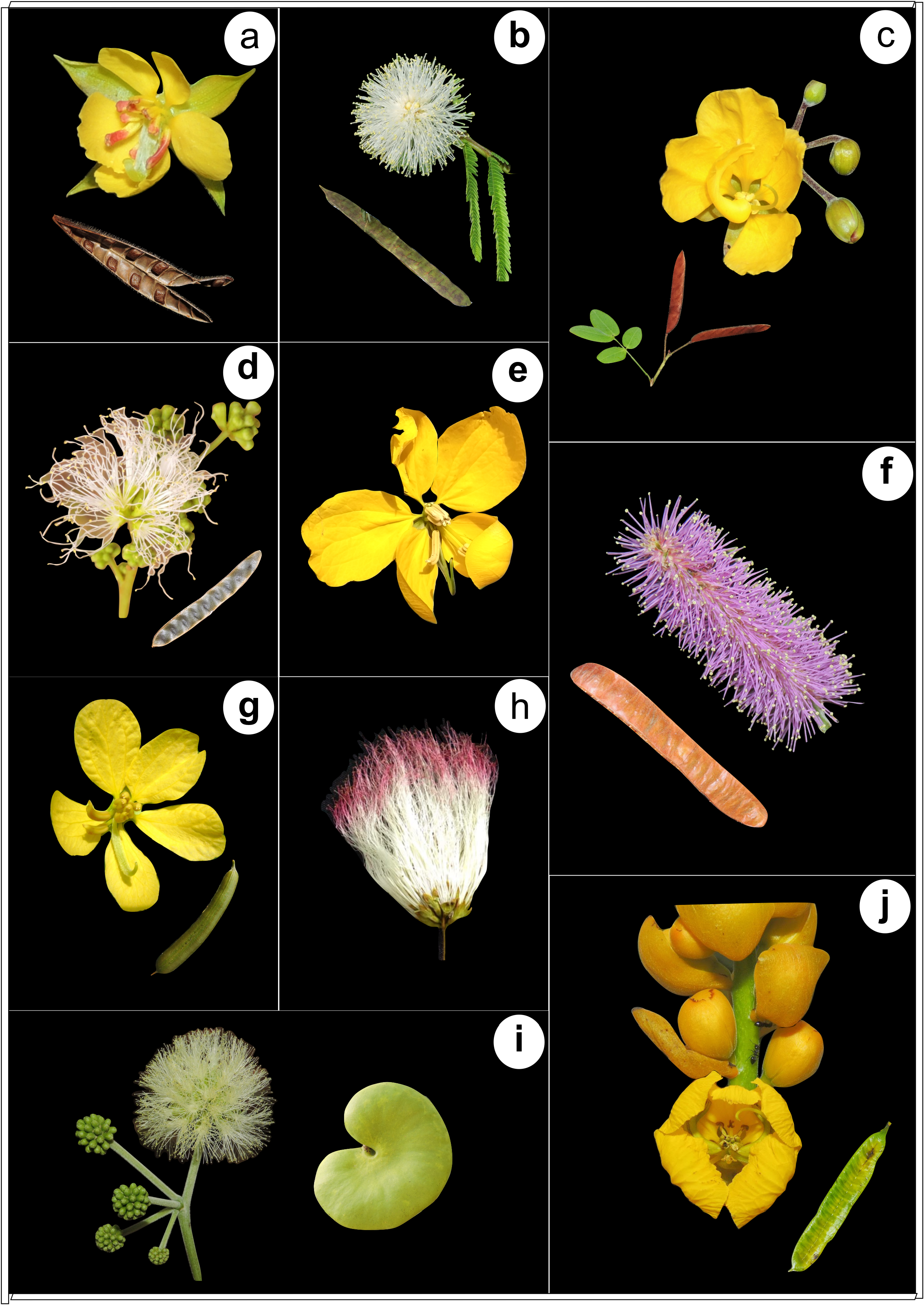
Bufotenin, also known as dimethylserotonin or as '5-hydroxy-N,N-dimethyltryptamine (5-HO-DMT'), is a serotonergic psychedelic of the tryptamine family. It is a derivative of the psychedelic dimethyltryptamine (DMT) and of the neurotransmitter serotonin (5-hydroxytryptamine; 5-HT). The compound is an alkaloid found in some species of mushrooms, plants, and toads. It is also found naturally in the human body in small amounts. Bufotenin, for instance derived from the trees Anadenanthera colubrina and Anadenanthera peregrina, has a long history of entheogenic use as a snuff in South America.

bromocriptine
Bromocriptine, sold under the brand name Parlodel among others, is an ergoline derivative and dopamine agonist that is used in the treatment of pituitary tumors, Parkinson's disease, hyperprolactinaemia, neuroleptic malignant syndrome, and, as an adjunct, type 2 diabetes.

N,N-dimethyl-5-methoxytryptamine
5-MeO-DMT, also known as '5-methoxy-N,N-dimethyltryptamine, as well as O-methylbufotenin or mebufotenin', is an atypical psychedelic drug, entheogen, and alkaloid of the tryptamine and 5-methoxytryptamine families. It is found naturally in a wide variety of plant species, and is also secreted by the glands of at least one toad species, the Colorado River toad (Incilius alvarius, formerly Bufo alvarius). It may occur naturally in humans as well. Like its close relatives dimethyltryptamine (DMT) and bufotenin (5-HO-DMT), it has been used as an entheogen in South America. Slang terms include five

Incilius alvarius
species of amphibian
ergometrine
Ergonovine, also known as ergometrine and lysergic acid propanolamide, is a medication used to cause contractions of the uterus to treat heavy vaginal bleeding after childbirth. It can be used either by mouth, by injection into a muscle, or injection into a vein.
.png)
ergine
Ergine, also known as lysergic acid amide (LSA or LAA) as well as LA-111, is a psychoactive compound of the ergoline and lysergamide families related to lysergic acid diethylamide (LSD). Ergine is an ergoline alkaloid found in fungi such as Claviceps paspali (ergot) and Periglandula species such as Periglandula clandestina, which are permanently connected with many morning glory vines. Ergine induces relatively mild psychedelic effects as well as pronounced sedative effects.
cisapride
Cisapride is a gastroprokinetic agent, a drug that increases motility in the upper gastrointestinal tract. It acts directly as a serotonin 5-HT4 receptor agonist and indirectly as a parasympathomimetic. Stimulation of the serotonin receptors increases acetylcholine release in the enteric nervous system. It has been sold under the trade names Prepulsid (Janssen-Ortho) and Propulsid (in the United States). It was discovered by Janssen Pharmaceuticals in 1980. In many countries, it has been either withdrawn from the market or had its indications limited due to incidence of serious cardiac side-ef

Anadenanthera peregrina
species of plant

benzylpiperazine
Benzylpiperazine (BZP), also known as 1-benzylpiperazine, is a substance often used as a recreational drug and is known to have euphoriant and stimulant properties. Several studies conducted between 2000 and 2011 found that the effects of BZP are similar to amphetamine, although BZP's dosage is roughly 10 times higher by weight.
indopan
α-Methyltryptamine (αMT, AMT) is a psychedelic, stimulant, and entactogen drug of the tryptamine and α-alkyltryptamine families. It was originally developed as an antidepressant at Upjohn in the 1960s, and was used briefly as an antidepressant in the Soviet Union under the brand name Indopan or Indopane before being discontinued.
Anadenanthera colubrina
species of plant
methylergonovine
Methylergometrine, also known as methylergonovine and sold under the brand name Methergine, is a medication of the ergoline and lysergamide groups which is used as an oxytocic in obstetrics and as an antimigraine agent in the treatment of migraine headaches. It reportedly produces psychedelic effects similar to those of lysergic acid diethylamide (LSD) at high doses.
vilazodone
Vilazodone, sold under the brand name Viibryd among others, is a medication used to treat major depressive disorder. It is classified as a serotonin modulator and is taken by mouth.
dihydroergotamine
Dihydroergotamine (DHE), sold under the brand names D.H.E. 45 and Migranal among others, is an ergot alkaloid used to treat migraines. It is a derivative of ergotamine. It is administered as a nasal spray or injection and has an efficacy similar to that of sumatriptan. Nausea is a common side effect.
morning glory
common idea of a flowering plant
tegaserod
Tegaserod is a 5-HT4 agonist manufactured by Novartis and sold under the names Zelnorm and Zelmac for the management of irritable bowel syndrome and constipation. Approved by the FDA in 2002, it was subsequently removed from the market in 2007 due to FDA concerns about possible adverse cardiovascular effects. Before then, it was the only drug approved by the United States Food and Drug Administration to help relieve the abdominal discomfort, bloating, and constipation associated with irritable bowel syndrome. Its use was also approved to treat chronic idiopathic constipation.

methylenedioxyethamphetamine
'3,4-Methylenedioxy-N-ethylamphetamine (MDEA; also called MDE and colloquially, Eve') is an empathogenic psychoactive drug. MDEA is a substituted amphetamine and a substituted methylenedioxyphenethylamine. MDEA acts as a serotonin, norepinephrine, and dopamine releasing agent and reuptake inhibitor.

(RS)-brolamfetamine
2,5-Dimethoxy-4-bromoamphetamine (DOB), also known as brolamfetamine (), is a psychedelic drug of the phenethylamine, amphetamine, and DOx families. For many years, prior to the discovery of newer compounds, DOB was the most potent known phenethylamine psychedelic. It is taken orally.
prucalopride
Prucalopride, sold under brand names Resolor and Motegrity among others, is a medication acting as a selective, high affinity 5-HT4 receptor agonist which targets the impaired motility associated with chronic constipation, thus normalizing bowel movements. Prucalopride was approved for medical use in the European Union in 2009, in Canada in 2011, in Israel in 2014, and in the United States in December 2018.
4-methoxyamphetamine
'''para-Methoxyamphetamine (PMA), also known as 4-methoxyamphetamine (4-MA'''), is a designer drug of the amphetamine class with serotonergic effects. Unlike other similar drugs of this family, PMA does not produce stimulant, euphoriant, or entactogenic effects, and behaves more like an antidepressant in comparison, though it does have some psychedelic properties.
N-methyltryptamine
'''N-Methyltryptamine (NMT), also known as monomethyltryptamine''', is a chemical compound of the tryptamine family and a naturally occurring compound found in various plants and animals, including humans.
methysergide
Methysergide, sold under the brand names Deseril and Sansert, is a monoaminergic medication which is used in the prevention and treatment of migraine and cluster headaches. It has been withdrawn from the market in the United States and Canada due to safety concerns. The drug has also been found to produce psychedelic effects at high doses. It is taken orally.
N,N-diethyltryptamine
Diethyltryptamine (DET), also known as '''N,N-diethyltryptamine or T-9''', is a psychedelic drug of the tryptamine family closely related to dimethyltryptamine (DMT). It is taken orally, but can also be used by parenteral routes.
etryptamine
α-Ethyltryptamine (αET, AET), also known as etryptamine, is an entactogen and stimulant drug of the tryptamine family. It was originally developed and marketed as an antidepressant under the brand name Monase by Upjohn in the 1960s before being withdrawn due to toxicity.

dipropyltryptamine
Dipropyltryptamine (DPT), also known as '''N,N-dipropyltryptamine or as "The Light'''", is a psychedelic drug of the tryptamine family related to dimethyltryptamine (DMT). It is taken orally or by other routes.
benfluorex
Benfluorex, sold under the brand name Mediator, is an anorectic and hypolipidemic agent that is structurally related to fenfluramine (a substituted amphetamine). It acts mostly as a prodrug of norfenfluramine.
It was fraudulently claimed to improve glycemic control and decrease insulin resistance in people with poorly controlled type-2 diabetes through norfenfluramine acting as a 5-HT2B receptor agonist

Echinopsis lageniformis
species of plant
mosapride
Mosapride is a gastroprokinetic agent that acts as a selective 5HT4 agonist. The major active metabolite of mosapride, known as M1, additionally acts as a 5HT3 antagonist, which accelerates emptying throughout the whole of the gastrointestinal tract in humans, and is used for the treatment of gastritis, gastroesophageal reflux disease, functional dyspepsia and irritable bowel syndrome. It is recommended to be taken on an empty stomach (i.e. at least one hour before food or two hours after food).

5-methoxy-N,N-diisopropyltryptamine
5-MeO-DiPT, also known as '5-methoxy-N,N-diisopropyltryptamine and sometimes as foxy methoxy or simply foxy', is an atypical psychedelic drug of the tryptamine and 5-methoxytryptamine families. It has unique and distinct effects from other serotonergic tryptamines, including some stimulant- and entactogen-like effects, robust tactile and sexual enhancement, and only light hallucinogenic effects. The drug is usually taken orally, but may also be used by other routes.

m-chlorophenylpiperazine
'''meta-Chlorophenylpiperazine (mCPP''') is a psychoactive drug of the phenylpiperazine class. It was initially developed in the late-1970s and used in scientific research before being sold as a designer drug in the mid-2000s. It has been detected in pills touted as legal alternatives to illicit stimulants in New Zealand and pills sold as "ecstasy" in Europe and the United States.
N,N-diisopropyltryptamine
Diisopropyltryptamine (DiPT), also known as '''N,N-diisopropyltryptamine''', is a psychedelic drug of the tryptamine family related to dimethyltryptamine (DMT). It is unusual among psychedelics in that at usual doses it primarily or exclusively produces strong auditory changes, including decreased pitch, harmonic distortion, and sound unfamiliarity, but produces no other hallucinogenic effects such as visuals. However, the drug may produce more classically psychedelic effects at very high doses. It is taken orally, but can also be smoked.
2C-P
2C-P, also known as 4-propyl-2,5-dimethoxyphenethylamine or as Selene, is a psychedelic drug of the phenethylamine and 2C families. It is taken orally and is among the most potent and long-lasting of the 2C psychedelics.

1-(3-trifluoromethylphenyl)piperazine
3-Trifluoromethylphenylpiperazine (TFMPP) is a recreational drug of the phenylpiperazine chemical class and is a substituted piperazine. Usually in combination with benzylpiperazine (BZP) and other analogues, it is sold as an alternative to the illicit drug MDMA ("Ecstasy").
norfenfluramine
Norfenfluramine, or 3-trifluoromethylamphetamine, is a never-marketed drug of the amphetamine family and a major active metabolite of the appetite suppressants fenfluramine and benfluorex. The compound is a racemic mixture of two enantiomers with differing activities, dexnorfenfluramine and levonorfenfluramine.
(RS)-5-methoxy-3,4-methylenedioxyamphetamine
group of stereoisomers
2C-B-FLY
2C-B-FLY is a psychedelic and designer drug of the phenethylamine, 2C, and FLY families. It was first described in 1995 by Aaron Monte, Professor of Chemistry at UW-La Crosse.
N-Ethyltryptamine
'''N-Ethyltryptamine (NET), also abbreviated as NETP', is a tryptamine that is structurally related to N-methyltryptamine (NMT) and the psychedelic drugs N,N-dimethyltryptamine (DMT) and N,N''-diethyltryptamine (DET).
serotonin receptor agonists
endogenous compounds and drugs that bind to and activate serotonin receptors
(RS)-2-methoxy-4,5-methylenedioxyamphetamine
MMDA-2, also known as 2-methoxy-4,5-methylenedioxyamphetamine or as 6-methoxy-MDA, is a psychedelic drug of the phenethylamine, amphetamine, and MDxx families. It is the 6-methoxy derivative of MDA and is a positional isomer of MMDA (5-methoxy-MDA).
cinitapride
Cinitapride (trade names Cintapro, Pemix, Gapulsid) is a gastroprokinetic agent and antiemetic agent of the benzamide class which is marketed in India, Mexico, Pakistan, Spain, Croatia and the Czech Republic. It acts as an agonist of the 5-HT1 and 5-HT4 receptors and as an antagonist of the 5-HT2 receptors.
1-propionyl-lysergic acid diethylamide
1P-LSD, also known as 1-propionyl-LSD, is a psychedelic drug of the lysergamide family related to LSD. It is an ester derivative of LSD and a homologue of ALD-52 (1A-LSD). The drug originated in 2015 when it appeared as a designer drug sold online. It was first synthesized as a legal LSD alternative by Lizard Labs, a Netherlands based research chemical laboratory. It modifies the LSD molecule by adding a propionyl group to the nitrogen atom of LSD's indole group and is a prodrug of LSD.
O-acetylpsilocin
'4-Acetoxy-N,N-dimethyltryptamine (4-AcO-DMT or 4-acetoxy-DMT), also known as O-acetylpsilocin or psilacetin', is a psychedelic drug of the tryptamine family related to psilocybin and psilocin. It is a synthetic derivative of psilocin (4-HO-DMT) in which the hydroxyl group has been acetylated, and is the analogue of psilocybin (4-PO-DMT) in which the phosphate ester has been replaced with an acetate ester. The drug is a prodrug of psilocin and is used orally similarly to psilocybin.
N-allylnorlysergic acid N,N-diethylamide
AL-LAD, or ALLAD, also known as ALLY-LAD or as 6-allyl-6-nor-LSD, is a psychedelic drug of the lysergamide family related to lysergic acid diethylamide (LSD). It is taken orally.
dazopride
Dazopride (AHR-5531) is an antiemetic and gastroprokinetic agent of the benzamide class which was never marketed. It acts as a 5-HT3 receptor antagonist and 5-HT4 receptor agonist. In addition to its gastrointestinal effects, dazopride facilitates learning and memory in mice.
lysergol
Lysergol is an alkaloid of the ergoline family that occurs as a minor constituent in some species of fungi (most within Claviceps), and in the morning glory family of plants (Convolvulaceae), including the hallucinogenic seeds of Rivea corymbosa (ololiuhqui), Argyreia nervosa (Hawaiian baby woodrose) and Ipomoea violacea.