Category
page 1Southeast Asian cuisine

mango
thumb|upright=1.35|Mango fruits – single and halved
.jpg)
Artocarpus heterophyllus
The jackfruit, jakfruit or nangka (Artocarpus heterophyllus) is a species of tree in the fig, mulberry, and breadfruit family (Moraceae).
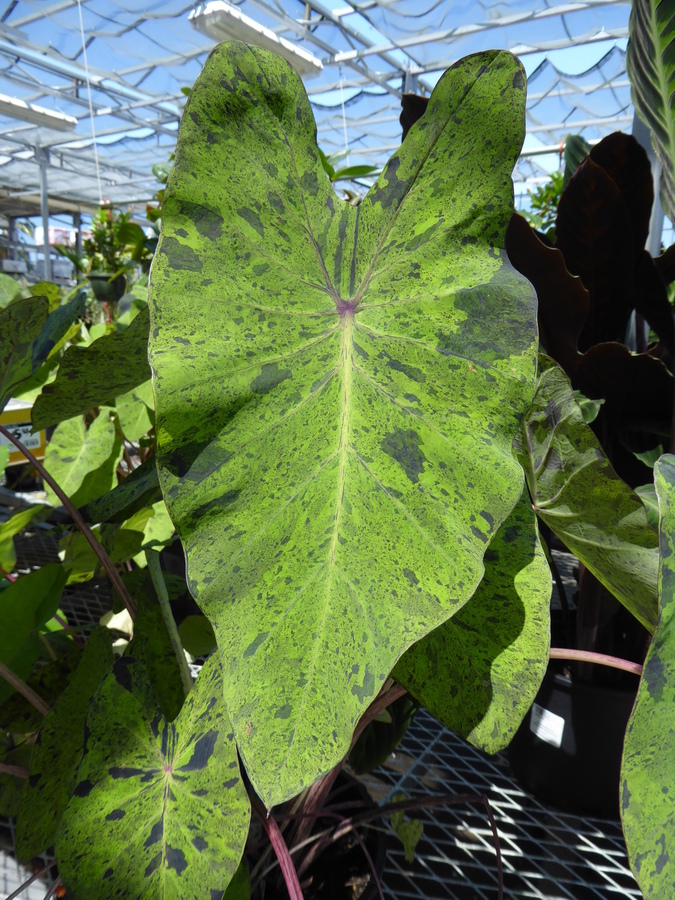
Colocasia esculenta
Taro (; Colocasia esculenta) is a root vegetable. It is the most widely cultivated species of several plants in the family Araceae that are used as vegetables for their corms, leaves, stems and petioles. Taro corms are a food staple in African, Caribbean, Oceanian, East Asian, Southeast Asian and South Asian cultures (similar to yams).

coconut milk
liquid that comes from the grated meat of a coconut

durian
thumb|upright=1.35|Durian fruit cut open to show the edible flesh
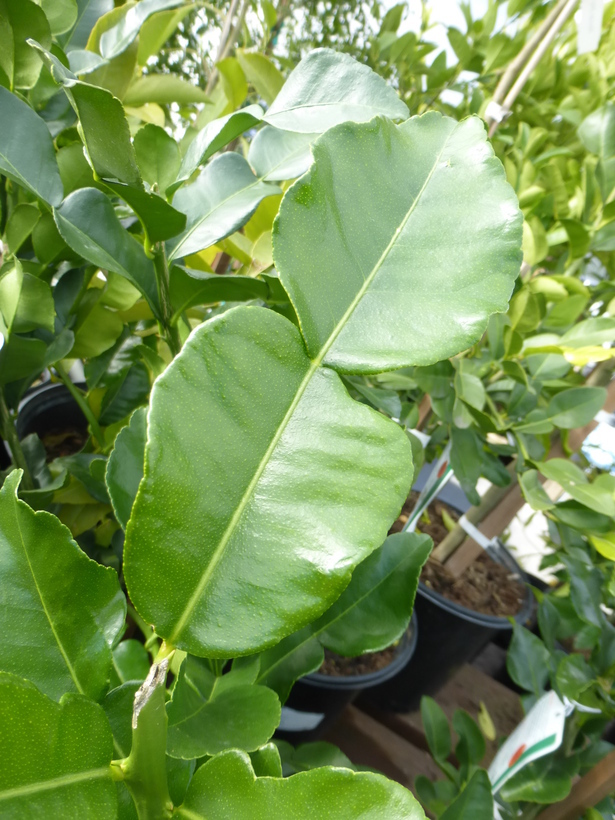
Citrus hystrix
species of plant

Vietnamese cuisine
culinary styles of Vietnam

Thai cuisine
culinary traditions of Thailand
spring roll
type of dim sum
Indonesian cuisine
culinary traditions of Indonesia
jaggery
Jaggery is a traditional non-centrifugal cane sugar consumed in the Indian subcontinent, Southeast Asia, North America, Central America, Brazil and Africa. It is a concentrated product of cane juice and often date or palm sap without separation of the molasses and crystals, and can vary from golden brown to dark brown in colour. It contains up to 50% sucrose, up to 20% invert sugars, and up to 20% moisture, with the remainder made up of other insoluble matter, such as wood ash, proteins, and bagasse fibres. Jaggery is very similar to muscovado, an important sweetener in Portuguese, British and
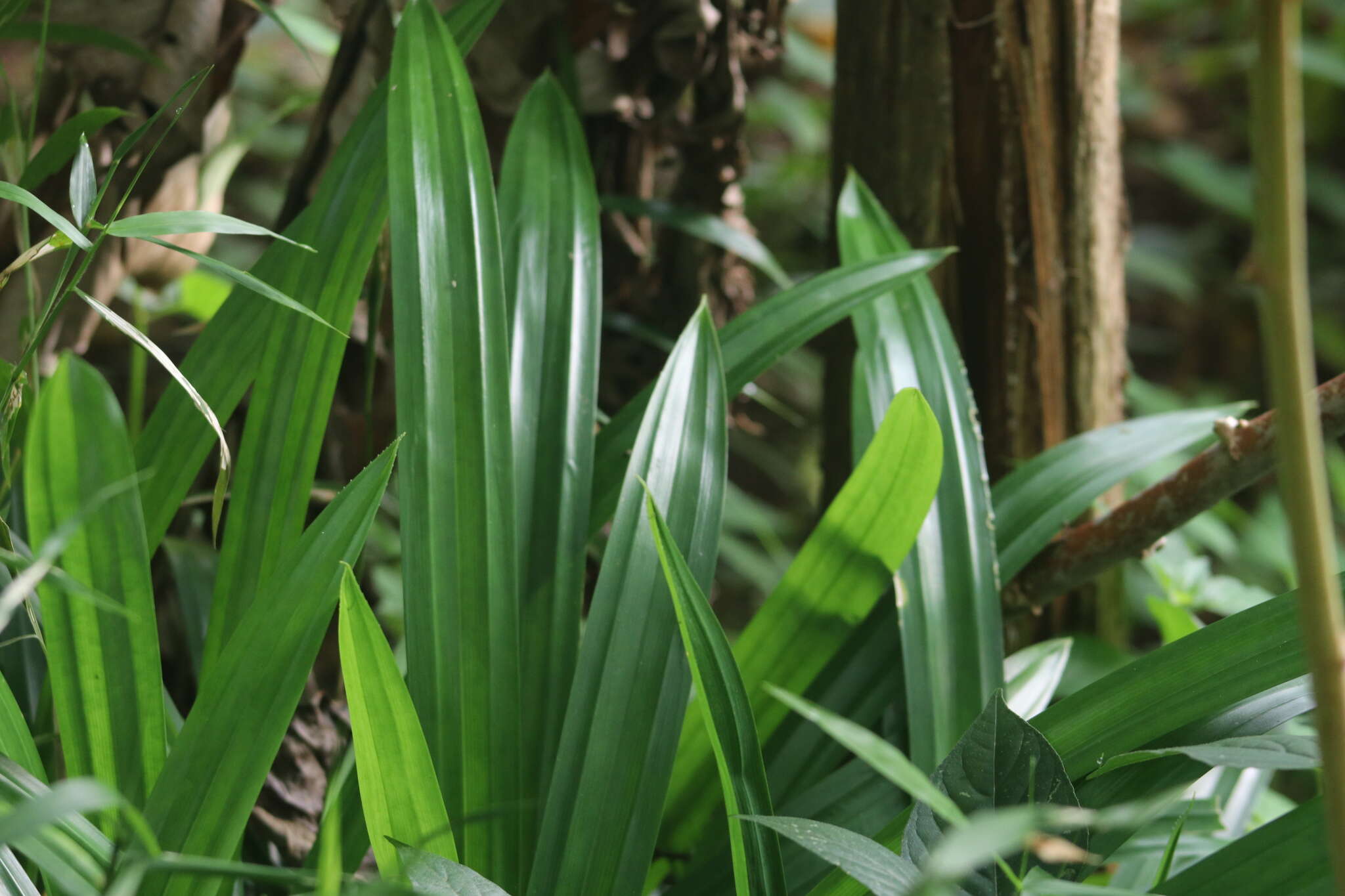
Pandanus amaryllifolius
species of plant
Filipino cuisine
culinary traditions of the Philippines

ketupat
Ketupat (Indonesian and Malay pronunciation: kəˈt̪upat̪̚) is a type of compressed rice cake commonly found across Southeast Asia, particularly in Indonesia, Malaysia, Brunei, Singapore, Timor-Leste and southern Thailand. It is traditionally made by filling a pouch woven from young palm leaves with rice, which is then boiled until the grains expand and form a firm, compact mass. Ketupat is typically served as an accompaniment to meat, vegetable or coconut milk-based dishes and is widely prepared for festive and ceremonial occasions.
Cambodian cuisine
culinary traditions of Cambodia
Malaysian cuisine
culinary traditions of Malaysia
Singaporean cuisine
culinary traditions of Singapore
heart of palm
vegetable harvested from the inner core of certain palm trees
coconut jam
jam made from a base of coconut milk, eggs and sugar
Lao cuisine
culinary traditions of Laos
Burmese cuisine
culinary traditions of Burma
noodle soup
soup with noodles as main ingredient

krupuk
Krupuk (), also known as keropok () and kropek () refers to traditional deep-fried crackers made from starch combined with flavouring ingredients such as prawn, fish or other seafood. The food has long-standing traditions throughout maritime Southeast Asia and neighbouring coastal regions, particularly in Indonesia, Malaysia, the Philippines, southern Thailand, Brunei and Singapore.
chrysanthemum tea
beverage made by infusing dried flowers of chrysanthemum
prawn cracker
prawn-flavored cracker

oxtail
thumb|Raw oxtail
thumb|Southern oxtail soup
rice vermicelli
thin dried noodles made of rice originating from Asia
broken rice
fragments of rice grains
Bruneian cuisine
culinary traditions of Brunei
cuisine of East Timor
culinary traditions of East Timor
fried noodle
stir-fried noodle
karedok
Karedok (Aksara Sunda: ) is a raw vegetable salad in peanut sauce from Sundanese region, West Java, Indonesia. It is one of the Sundanese signature dish. It traditionally includes longbeans, cucumbers, bean sprouts, cabbage, legumes, lemon basil, chayotes and small green eggplant, covered in peanut sauce dressing, but there are now many variations. It is very similar to gado-gado, except all the vegetables are raw, while most of gado-gado vegetables are boiled, and it uses kencur, lemon basil and eggplant. Karedok is also known as lotek atah (raw lotek or raw gado-gado) for its fresh and raw v
fried plantain
cooked dish made from plantains