Category
page 1Taxa described in 1753
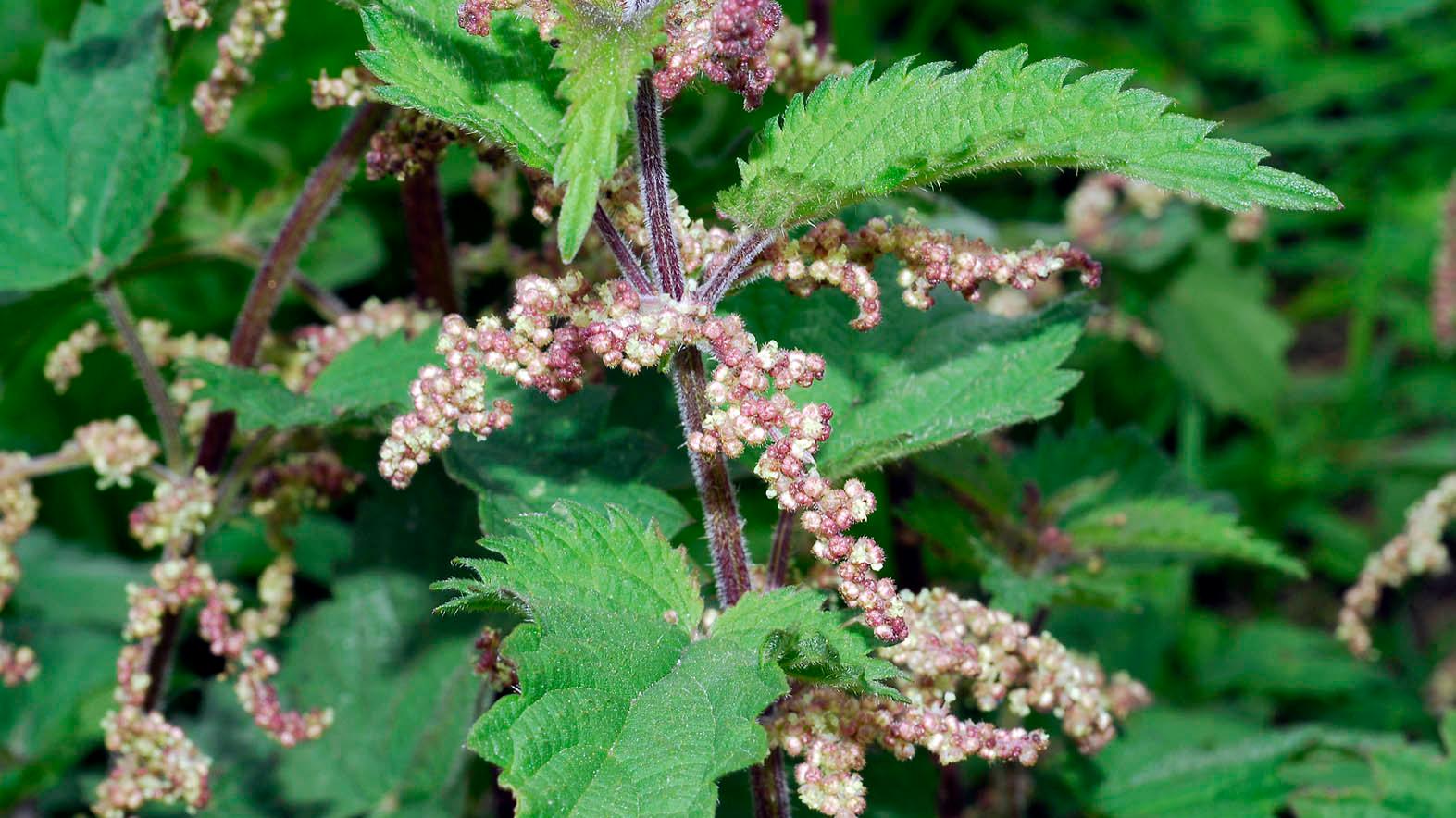
Urtica
Urtica is a genus of flowering plants in the family Urticaceae. Many species have stinging hairs and may be called nettles or stinging nettles (the latter name applying particularly to U. dioica). The generic name Urtica derives from the Latin for 'sting'.

Equisetum
Equisetum (; horsetail) is the only living genus in Equisetaceae, a family of vascular plants that reproduce by spores rather than seeds.

Rumex
The docks and sorrels, genus Rumex, are a genus of about 200 species of annual, biennial, and perennial herbs in the buckwheat family, Polygonaceae. Members of this genus are common perennial herbs with a worldwide native distribution in temperate and subtropical climates.
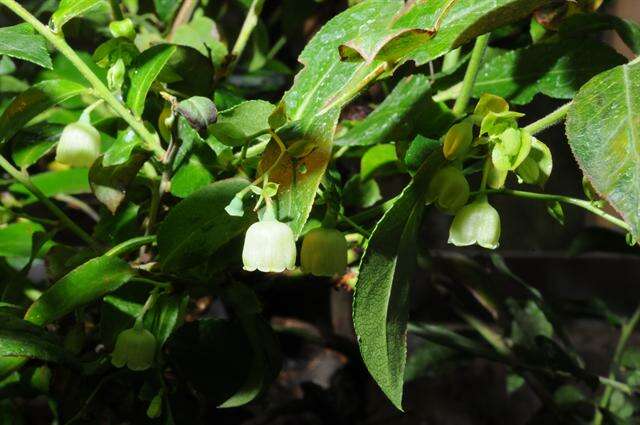
Vaccinium
Vaccinium ( ) is a common and widespread genus of shrubs or dwarf shrubs in the heath family (Ericaceae). The fruits of many species are eaten by humans and some are of commercial importance, including the cranberry, blueberry, bilberry (whortleberry), lingonberry (cowberry), and huckleberry. Like many other heath plants, they are restricted to acidic soils.

Carpinus
Hornbeams are hardwood trees in the plant genus Carpinus in the family Betulaceae. Its species occur across much of the temperate regions of the Northern Hemisphere.

Diospyros
Diospyros is a genus of over 700 species of deciduous and evergreen trees and shrubs. The majority are native to the tropics, with only a few species extending into temperate regions. Individual species valued for their hard, heavy, dark timber, are commonly known as ebony trees, while others are valued for their fruit and known as persimmon trees. Some are useful as ornamentals and many are of local ecological importance. Species of this genus are generally dioecious, with separate male and female plants.
%20(6266440221).jpg)
Agaricus
Agaricus is a genus of mushroom-forming fungi containing both edible and poisonous species, with over 400 members worldwide and possibly again as many disputed or newly discovered species. The genus includes the common ("button") mushroom (A. bisporus) and the field mushroom (A. campestris), the dominant cultivated mushrooms of the West.
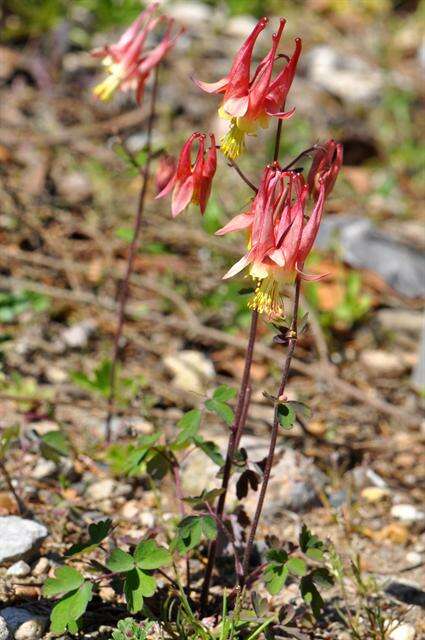
Aquilegia
Aquilegia, commonly known as columbines, is a genus of perennial flowering plants in the family Ranunculaceae (buttercups). The genus includes between 70 and 400 taxa (described species and subspecies) with natural ranges across the Northern Hemisphere. Natural and introduced populations of Aquilegia exist on all continents but Antarctica. Known for their high physical variability and ease of hybridization, columbines are popular garden plants and have been used to create many cultivated varieties.

Juncus
Juncus is a genus of monocotyledonous flowering plants, commonly known as rushes. It is the largest genus in the family Juncaceae, containing around 340 species.

Panicum
Panicum (panicgrass) is a large genus of about 250 species of grasses mostly native to tropical regions.
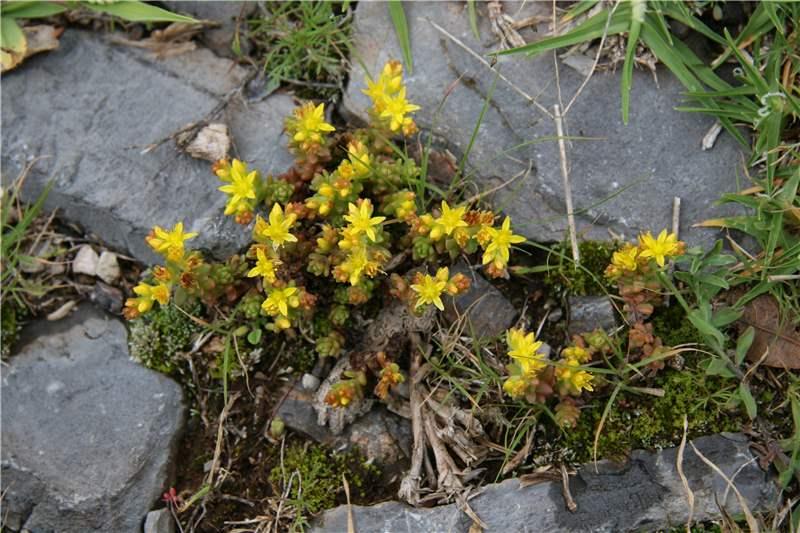
Sedum
Sedum is a large genus of flowering plants in the family Crassulaceae, members of which are commonly known as stonecrops. The genus has been described as containing up to 600 species, subsequently reduced to 400–500. They are leaf succulents found primarily in the Northern Hemisphere, but extending into the southern hemisphere in Africa and South America. The plants vary from annual and creeping herbs to shrubs. The plants have water-storing leaves. The flowers usually have five petals, seldom four or six. There are typically twice as many stamens as petals. Various species formerly classified

Ipomoea
thumb|right|Flower and leaf of Ipomoea barbatisepala
thumb|Fruit and seed of Ipomoea setosa
thumb|right|Whitestar potato Ipomoea lacunosa
thumb|right|Flowering Ipomoea holubii with a thick caudex
thumb|right|Ipomoea pes-caprae growing in sand in Oman
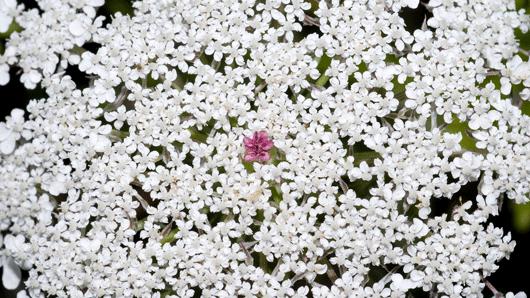
Daucus
Daucus is a worldwide genus of herbaceous plants of the celery family Apiaceae of which the best-known species is the cultivated carrot. Daucus has about 45 species. The oldest carrot fossil is 1.3 Ma, and was found on the island of Madeira in the Atlantic Ocean.
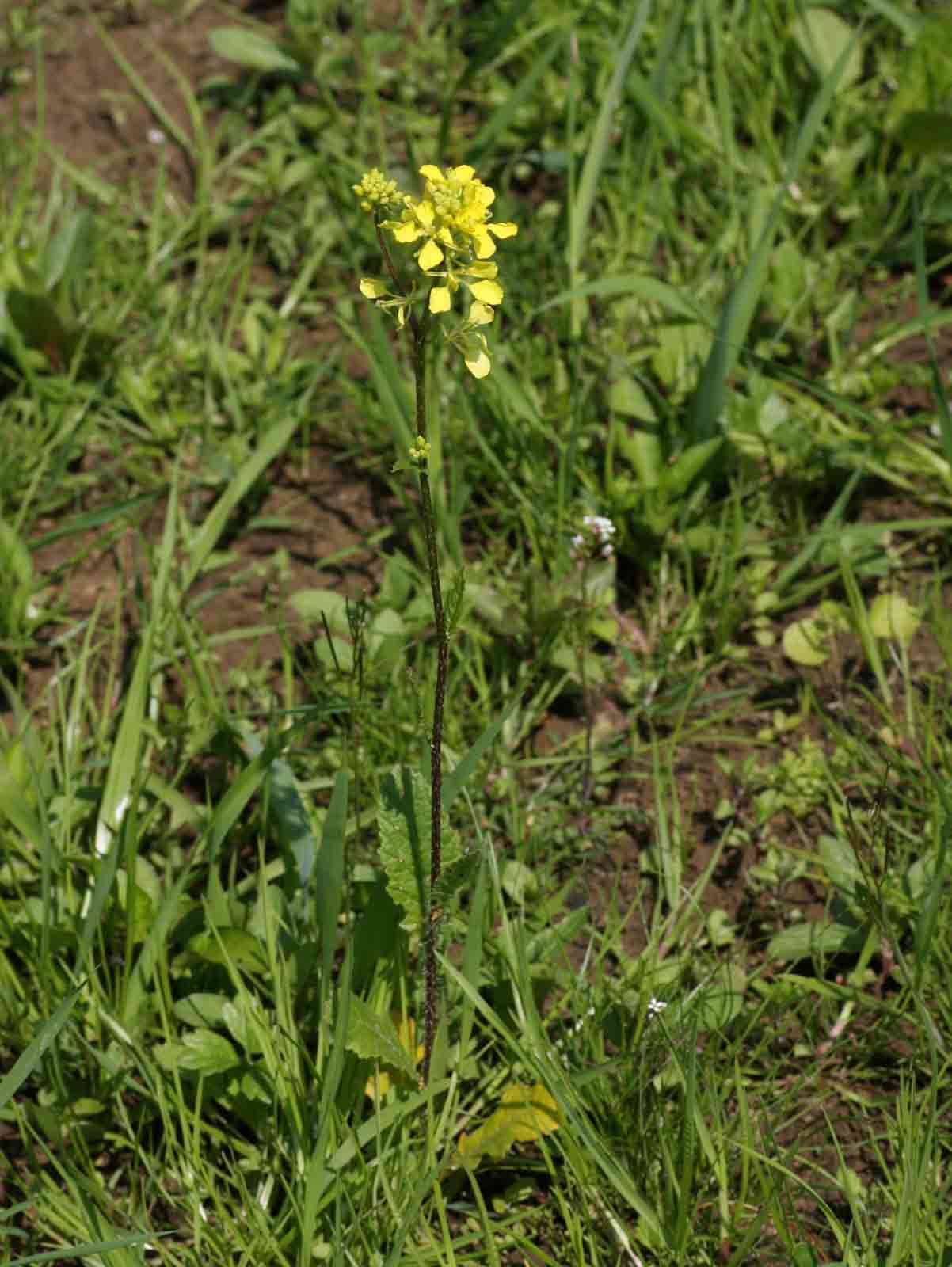
Sinapis
Sinapis is a genus of plants in the family Brassicaceae. , three species are accepted by Plants of the World Online:
Sinapis alba L. – white mustard, formerly Brassica alba
Sinapis flexuosa Poir.
Sinapis pubescens L.
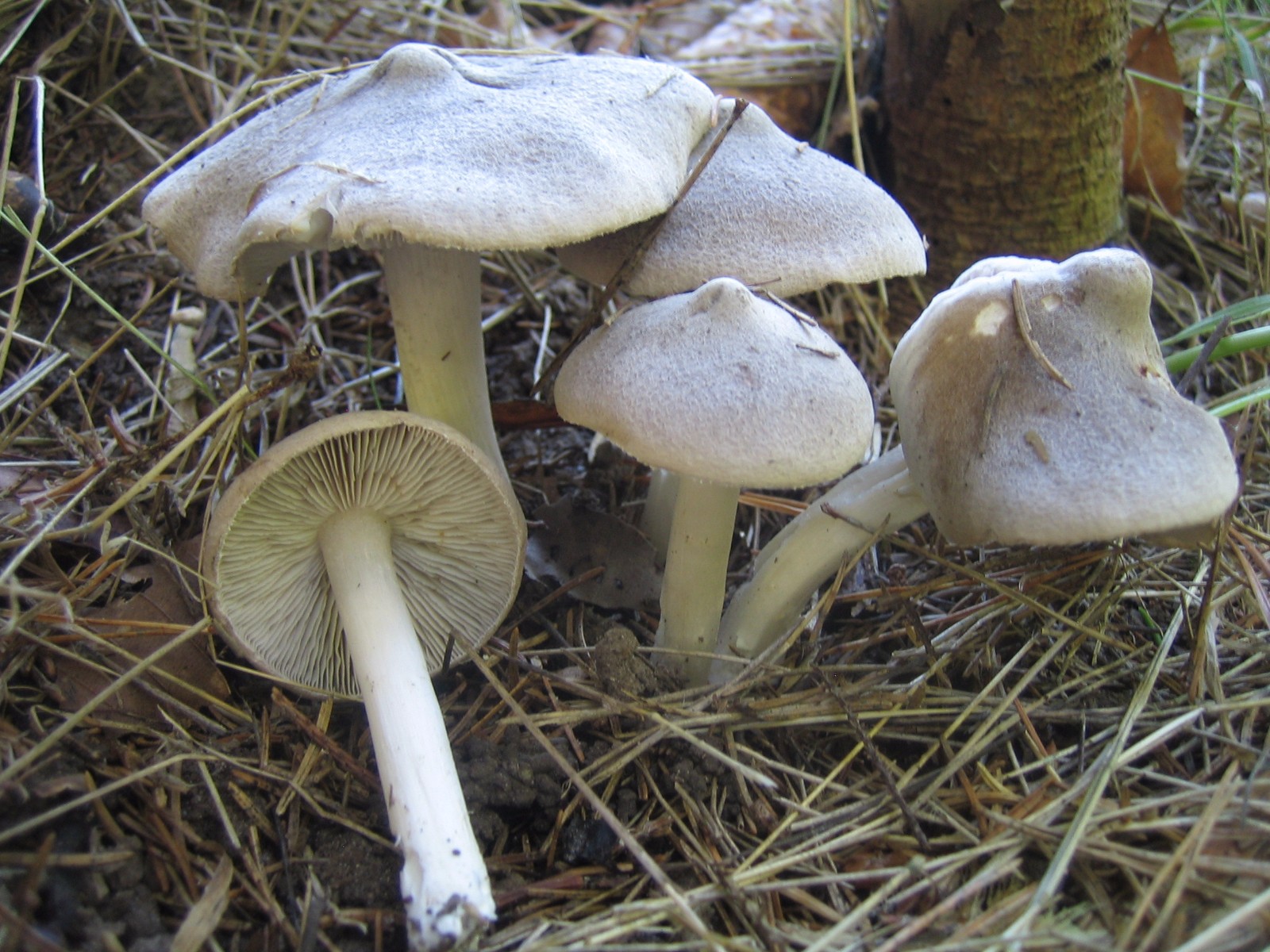
Boletus
Boletus is a genus of mushroom-producing fungi, comprising over 100 species. The genus Boletus was originally broadly defined and described by Carl Linnaeus in 1753, essentially containing all fungi with hymenial pores instead of gills. Since then, other genera have been defined gradually, such as Tylopilus by Petter Adolf Karsten in 1881, and old names such as Leccinum have been resurrected or redefined. Some mushrooms listed in older books as members of the genus have now been placed in separate genera. These include such as Boletus scaber, now Leccinum scabrum, Tylopilus felleus, Chalciporu

Cistus
Cistus (from the Greek kistos) is a genus of flowering plants in the rockrose family Cistaceae, containing about 34 species and a similar number of natural hybrids. They are perennial shrubs found on dry or rocky soils throughout the Mediterranean region, from Morocco, Spain, Italy, Greece, through to the Middle East, and also on the Canary Islands.
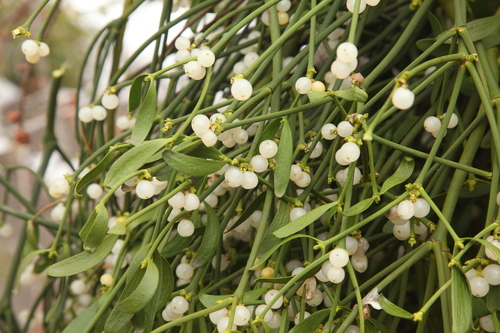
Viscum
Viscum is a genus of over 100 species of mistletoes, native to temperate and tropical regions of Europe, Africa, Asia and Australasia. Traditionally, the genus has been placed in its own family Viscaceae, but recent genetic research by the Angiosperm Phylogeny Group shows this family to be correctly placed within a larger circumscription of the sandalwood family, Santalaceae. Its name is the origin of the English word viscous, after the Latin viscum, a sticky bird lime made from the plants' berries.

Stellaria
Stellaria is a genus of about 190 species of flowering plants in the family Caryophyllaceae, with a cosmopolitan distribution. Common names include starwort, stitchwort and chickweed.

Alopecurus
thumb|right|meadow foxtail (Alopecurus pratensis)

Convallaria
Convallaria is a genus of flowering plants, commonly known as lily-of-the-valley. It includes three species native to temperate Eurasia and the east-central United States.
{| class="wikitable"
|-
! Image !! Name !! Distribution
|-
|120px ||Convallaria keiskei || southeastern Siberia, Japan, Korea, northern, central, and southeastern China, Mongolia, and Myanmar
|-
|120px ||Convallaria majalis – lily-of-the-valley|| Europe, Turkey, Caucasus, Kazakhstan, and central Siberia
|-
|120px ||Convallaria pseudomajalis – American lily-of-the-valley; || east-central United States (southern Appalachians f
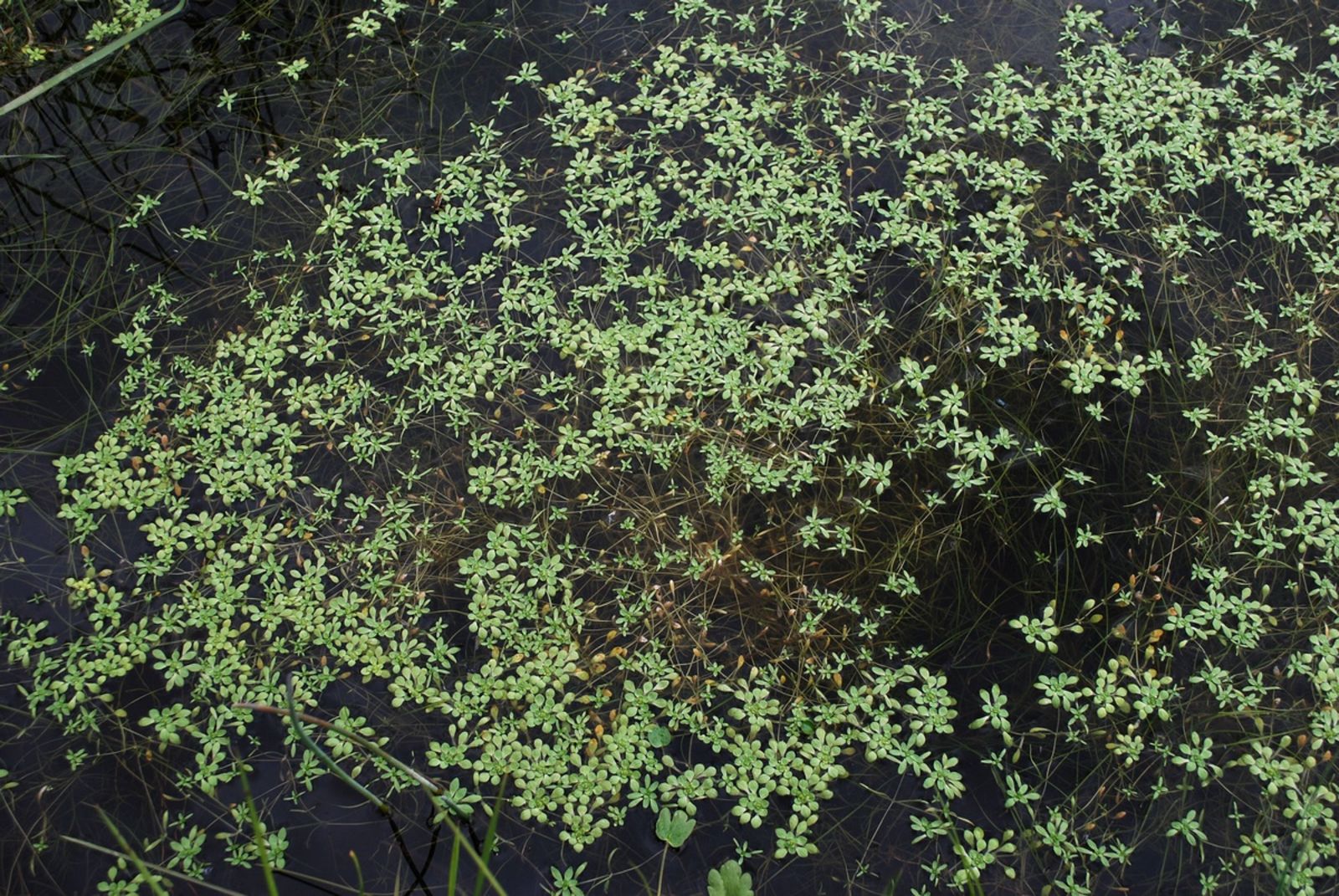
Callitriche
Callitriche is a genus of largely aquatic plants known as water-starwort. Previously, it was the only genus in the family Callitrichaceae. However, according to the APG II system this family is now included in the Plantaginaceae (plantain family). The family name Callitrichaceae retains its status as nomen conservandum (name to be retained).
Ophioglossum
Ophioglossum, the '''adder's-tongue ferns', is a genus of about 50 species of ferns in the family Ophioglossaceae. The genus name comes from Ancient Greek ὄφις (óphis), meaning "snake", and γλῶσσα (glôssa''), meaning "tongue". Their cosmopolitan distribution is mainly in tropical and subtropical habitats.
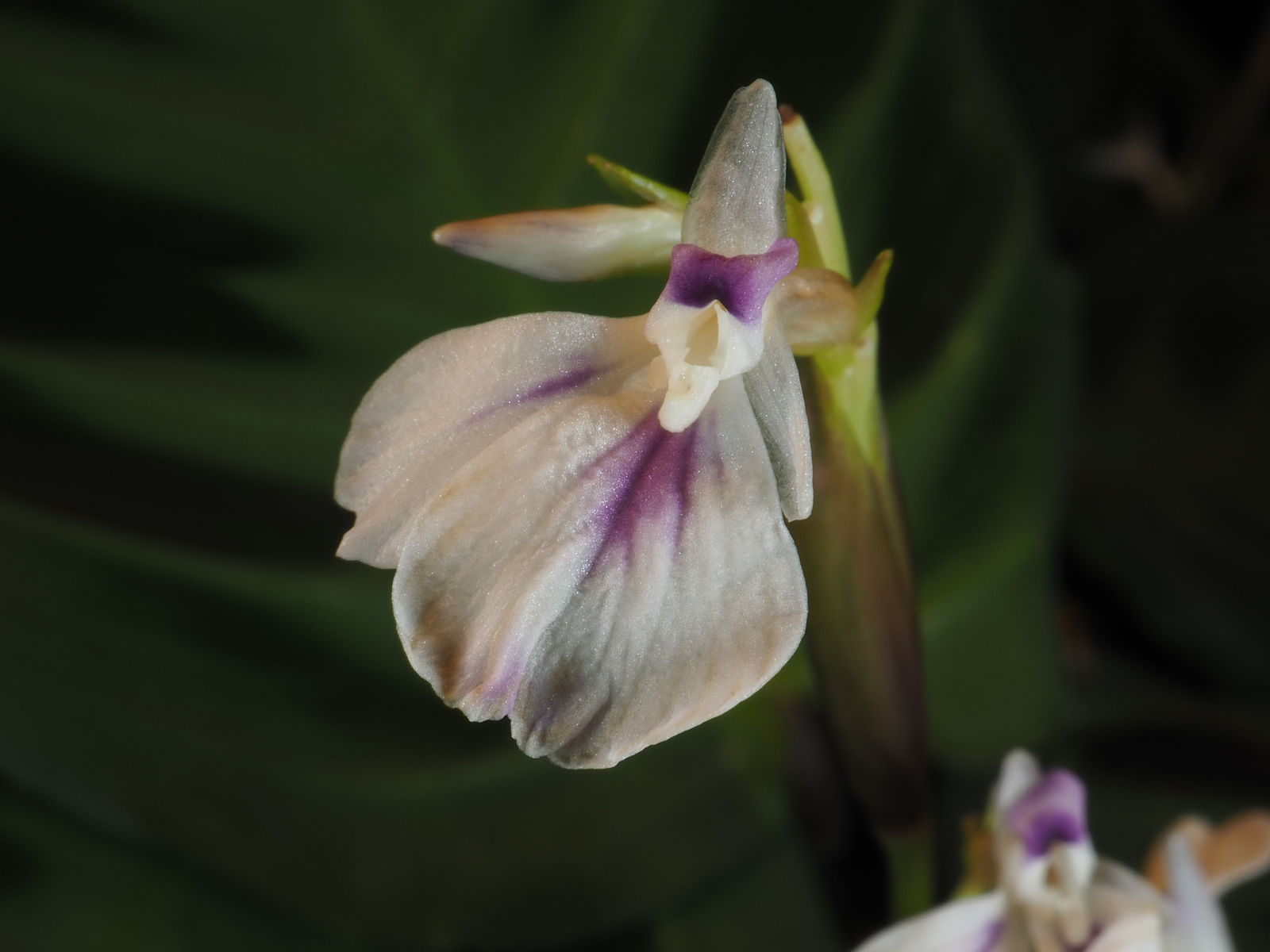
Maranta
genus of plants

Dactylis
Dactylis is a genus of Eurasian and North African plants in the bluegrass subfamily within the grass family. Dactylis is native to North Africa, they are found throughout the world, and are an invasive species. They are known in English as '''cock's-foot or cocksfoot grasses, also sometimes as orchard grasses'''.
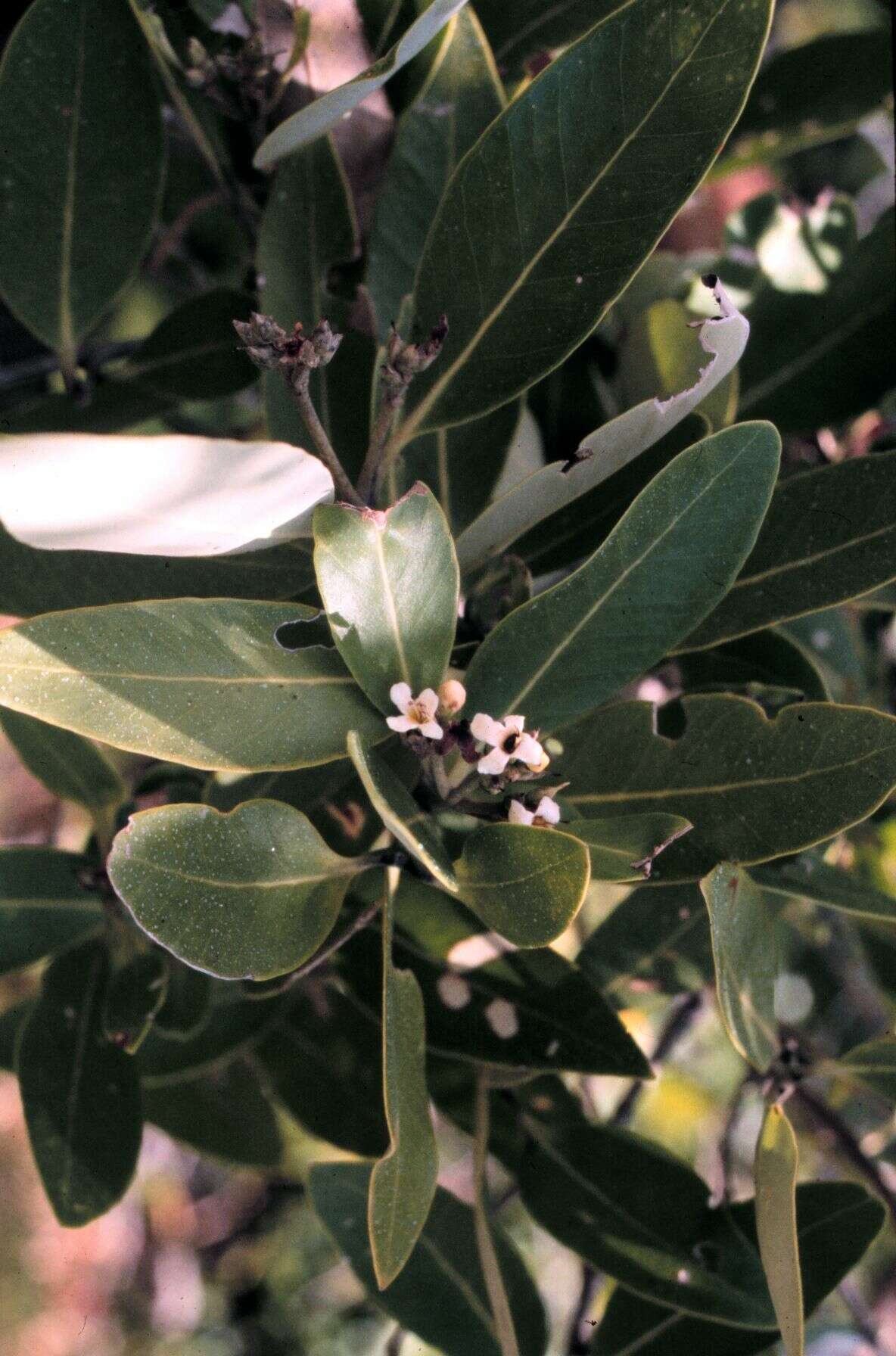
Avicennia
Avicennia is a genus of flowering plants currently placed in the bear's breeches family, Acanthaceae. It contains mangrove trees, which occur in the intertidal zones of estuarine areas and are characterized by its "pencil roots", which are aerial roots. They are also commonly known as api api, which in the Malay language means "fires", a reference to the fact that fireflies often congregate on these trees. Species of Avicennia occur worldwide south of the Tropic of Cancer.

Coreopsis
Coreopsis () is a genus of flowering plants in the family Asteraceae. Common names include calliopsis and tickseed, a name shared with various other plants.

Cynosurus
Cynosurus is a genus of Eurasian and North African plants in the grass family. Plants in this genus are known generally as dogstail grass. They are native to the Europe, the Azores, Algeria, Tunisia, Turkey, the Caucasus, and Iran, but some have been introduced into Australia as well as North and South America.

Arabis
Arabis , or rockcress, is a genus of flowering plants, within the family Brassicaceae.

Phyllanthus
thumb|right|Plagiotropic shoots of Phyllanthus pulcher
thumb|right|Fruit of Phyllanthus acidus
thumb|right|Male and female flowers of Phyllanthus acidus
thumb|right|Flattened stems and flowers of Phyllanthus angustifolius
thumb|right|Leaves of Phyllanthus urinaria
Phyllanthus is the largest genus in the plant family Phyllanthaceae. Estimates of the number of species in this genus vary widely, from 750 to 1200. Phyllanthus has a remarkable diversity of growth forms including annual and perennial herbs, shrubs, climbers, floating aquatics, and pachycaulous succulents. Some have flattened leaflik

Commelina
Commelina is a genus of approximately 208 species commonly called dayflowers due to the short lives of their flowers. They are less often known as '''widow's tears'. It is by far the largest genus of its family, Commelinaceae. The Swedish taxonomist Carl Linnaeus of the 18th century named the genus after the two Dutch botanists Jan Commelijn and his nephew Caspar, each representing one of the showy petals of Commelina communis''.

Hydrocharis
Hydrocharis is a genus of aquatic plants in the family Hydrocharitaceae described as a genus by Carl Linnaeus in 1753. Species range across much of Europe and Asia, northwestern and central Africa, New Guinea, and the Americas from the eastern and central United States to Argentina and Chile. Species are naturalized in parts of California, northeastern North America, southern tropical Africa, and Australia.
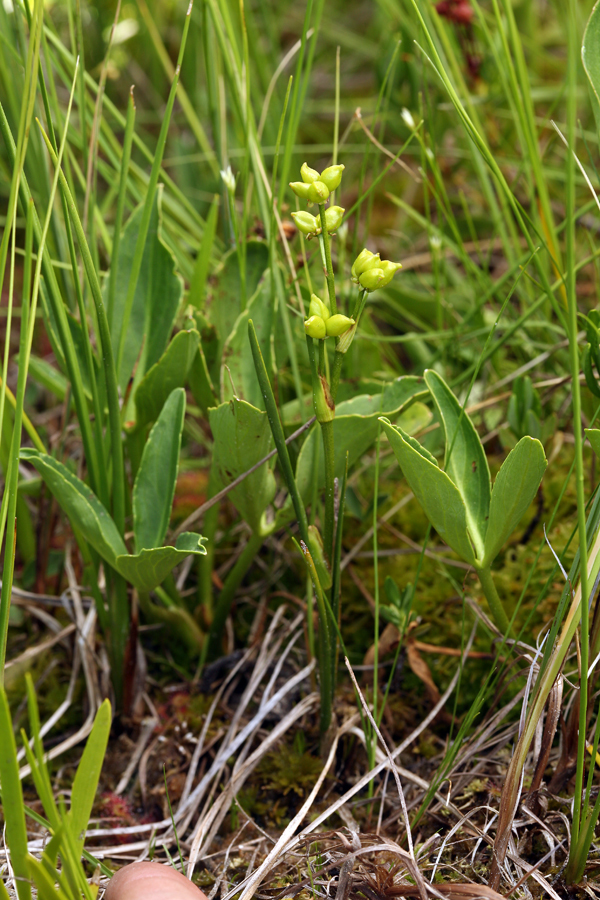
Scheuchzeria palustris
Scheuchzeria palustris (Rannoch-rush, or pod grass), is a flowering plant in the family Scheuchzeriaceae, in which there is only one species and Scheuchzeria is the only genus. In the APG II system it is placed in the order Alismatales of the monocots.

Monotropa
Monotropa is a genus of four species of herbaceous perennial flowering plants. The genus was formerly classified in the family Monotropaceae and presently classified in Ericaceae. They are native to temperate regions of the Northern Hemisphere and are generally rare. Unlike most plants, they do not have chlorophyll and therefore are non-photosynthetic; they are myco-heterotrophs that obtain food through parasitism on subterranean fungi. Because they do not need any sunlight to live, they can live in very dark sites such as the floor of deep forest. The name "Monotropa" is Greek for "one turn"

Averrhoa
Averrhoa is a genus of trees in the family Oxalidaceae. It includes five species native to Java, the Maluku Islands, New Guinea, Sulawesi, and Vietnam. The genus is named after Averroes, a 12th-century astronomer and philosopher from Al-Andalus.

Guaiacum
Guaiacum (), sometimes spelled Guajacum, is a genus of flowering plants in the caltrop family Zygophyllaceae. It contains five species of slow-growing shrubs and trees, reaching a height of approximately but usually less than half of that. All are native to subtropical and tropical regions of the Americas and are commonly known as lignum-vitae, guayacán (Spanish), or gaïac (French). The genus name originated in Taíno, the language spoken by the native Taínos of the Bahamas; it was adopted into English in 1533, the first word in that language of American origin.

Osmunda
thumb|right|upright|Young plant

Zygophyllum
thumb|Zygophyllum fabago leaflets
Zygophyllum is the type genus of the flowering plant family Zygophyllaceae. The genus name is derived from the Ancient Greek ζυγόν (zygón), meaning "double", and φύλλον (phyllon), meaning "leaf". It refers to the leaves, each of which have two leaflets.
thumb|Zygophyllum atriplicoides in [[Behbahan County, Iran]]
The genus is distributed in arid and semi-arid regions of Africa, the Mediterranean Basin, central Asia, Australia, and North and South America.
Molecular phylogenetic analysis suggested that as previously circumscribed, Zygophyllum was not monophyl
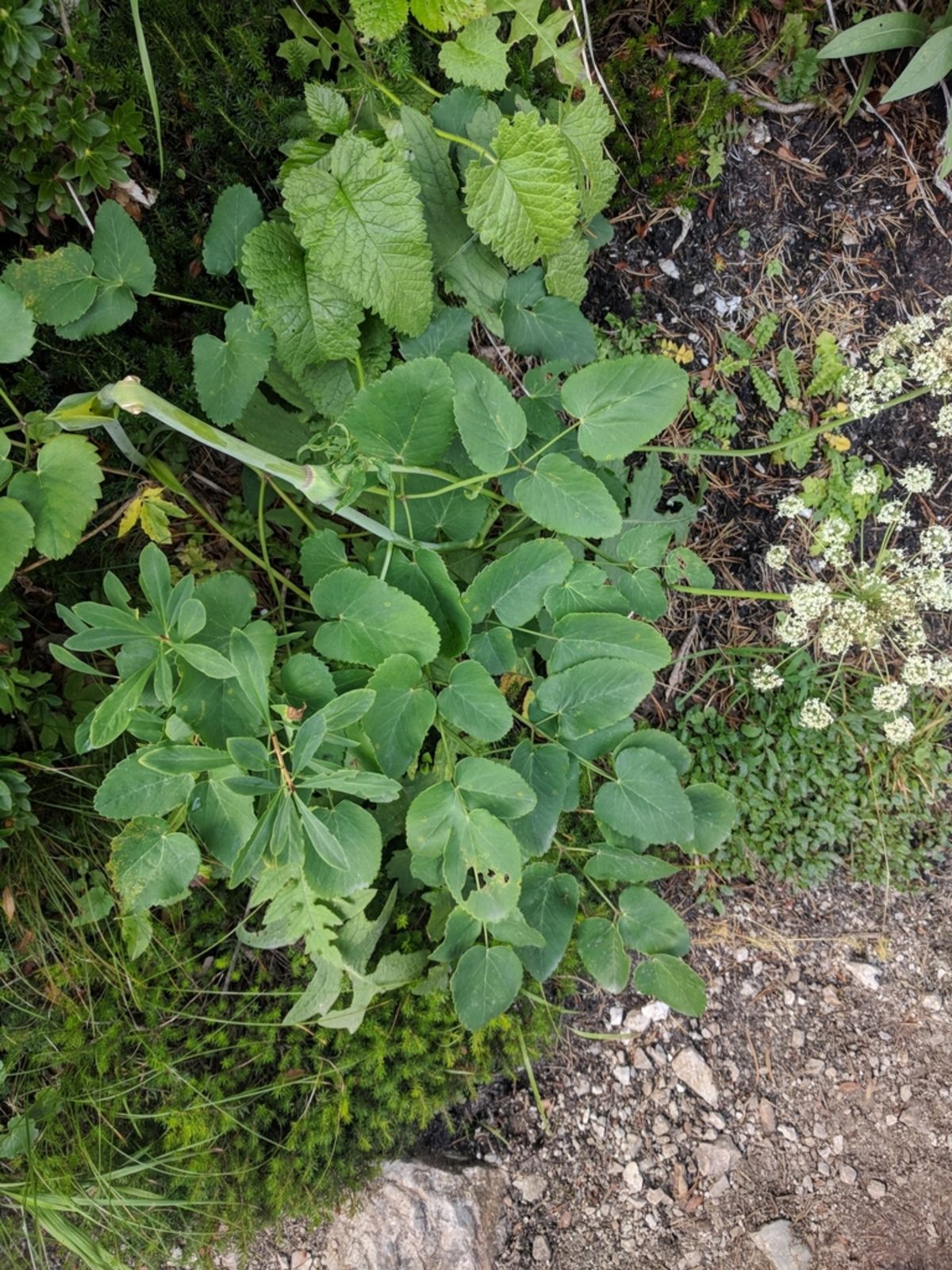
Laserpitium
Laserpitium is a genus of flowering plants in the family Apiaceae. It includes eight species native to Europe and Morocco.
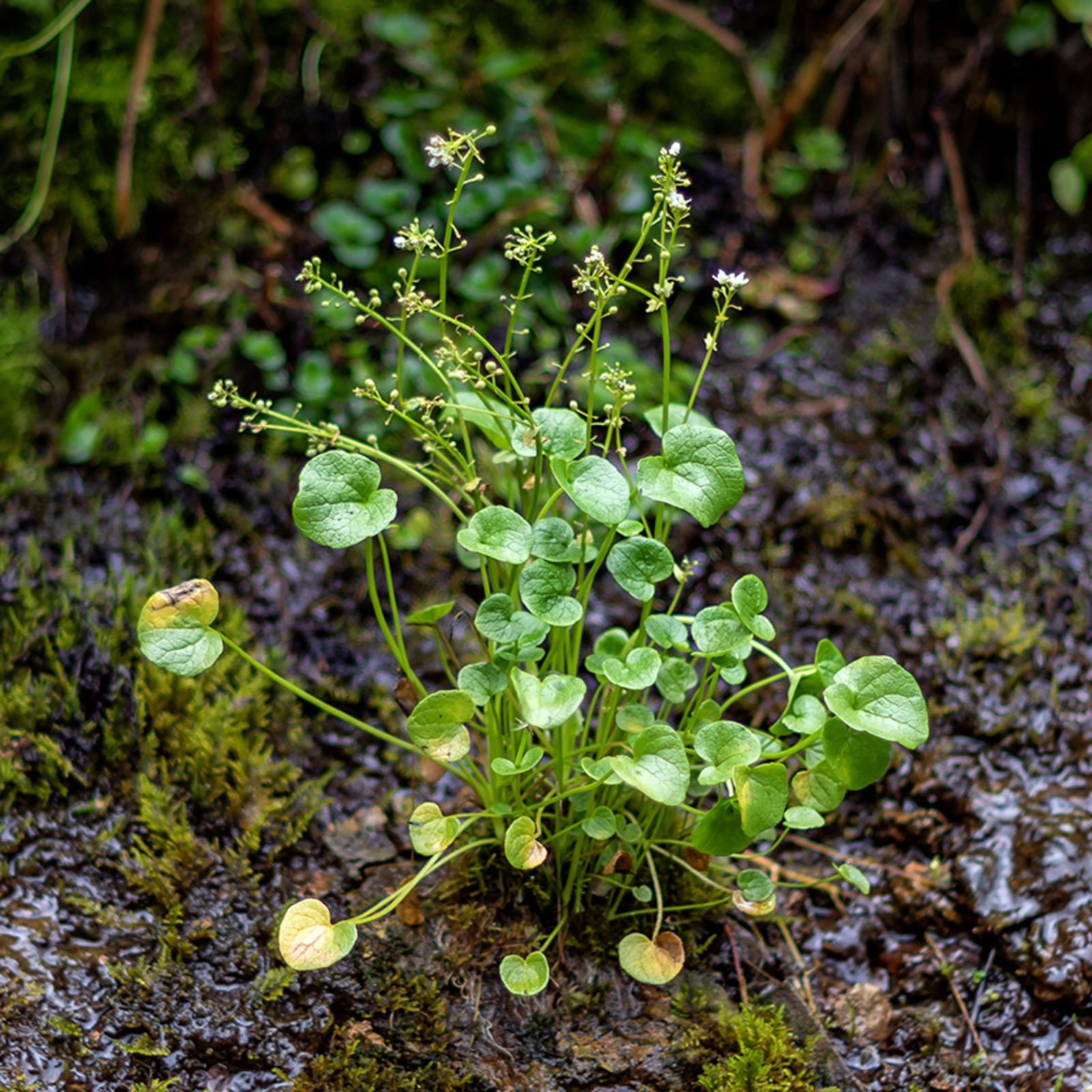
Cochlearia
Cochlearia (scurvy-grass or spoonwort) is a genus of about 30 species of annual and perennial herbs in the family Brassicaceae. They are widely distributed in temperate and arctic areas of the northern hemisphere, most commonly found in coastal regions, on cliff-tops and salt marshes where their high tolerance of salt enables them to avoid competition from larger, but less salt-tolerant plants; they also occur in alpine habitats in mountains and tundra.

Bunias
Bunias is a genus of flowering plants in the cabbage family Brassicaceae. The genus includes three accepted species which range from the Mediterranean region to central and Eastern Europe, Western Asia, Siberia, and northern China.
Bunias cochlearioides
Bunias erucago – crested warty cabbage, corn rocket
Bunias orientalis – Turkish rocket, hill mustard, Turkish warty cabbage, warty cabbage
Crescentia
Crescentia (calabash tree, huingo, krabasi, or kalebas) is a genus of six species of flowering plants in the family Bignoniaceae, native to Mexico, the Caribbean, Central America, and northern South America. The species are moderate-size trees growing to tall, and producing large spherical fruits, with a thin, hard shell and soft pulp, up to in diameter.

Sideroxylon
thumb|202px|right|Leaves of Sideroxylon mirmulano
Sideroxylon is a genus of trees in the family Sapotaceae described as a genus by Linnaeus in 1753. They are collectively known as bully trees. The generic name is derived from the Greek words σιδηρος (sideros), meaning "iron", and ξύλον (xylon), meaning "wood."
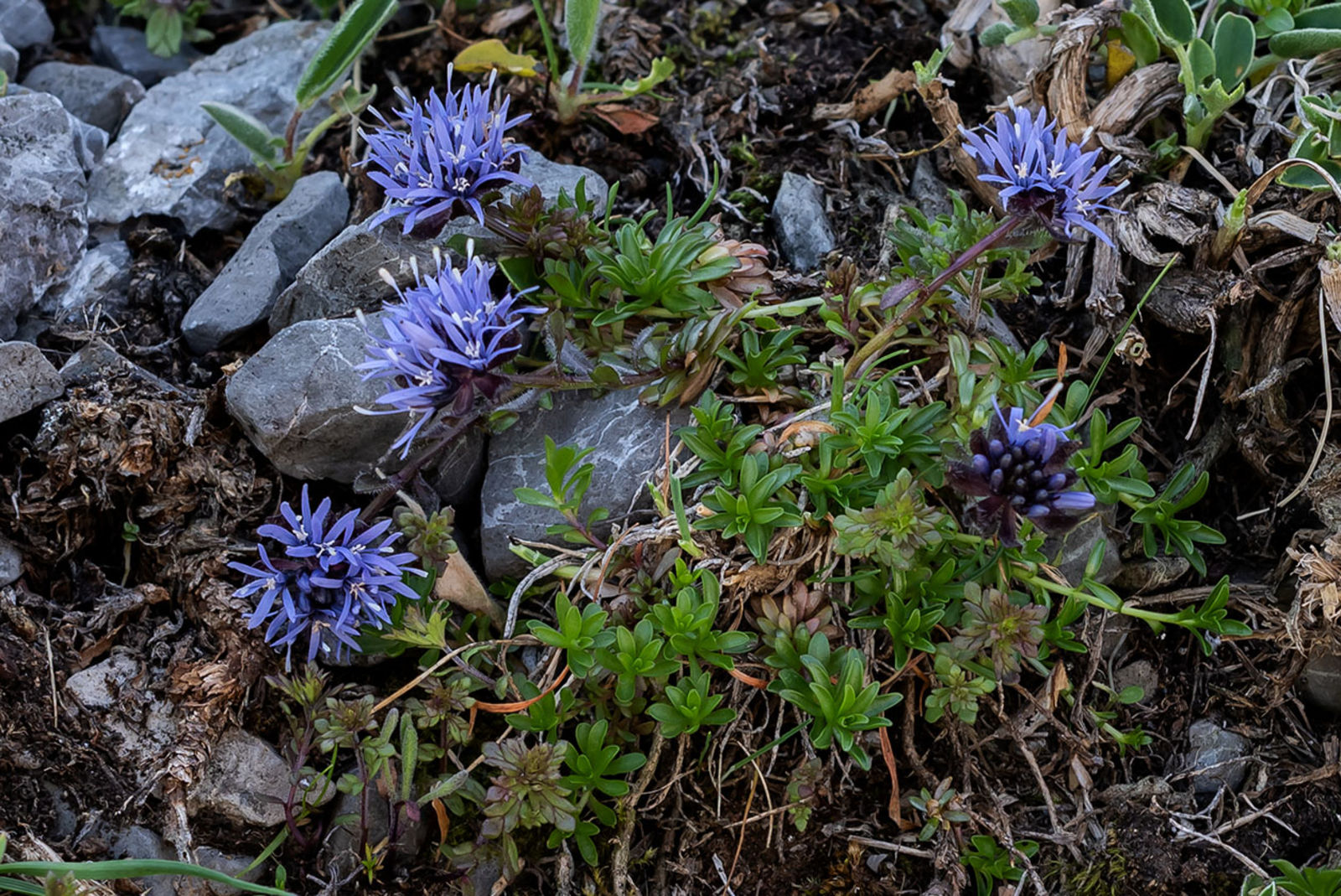
Jasione
Jasione is a genus of flowering plants within the family Campanulaceae. It includes 14 species native to Europe, Turkey, and northwestern Africa.
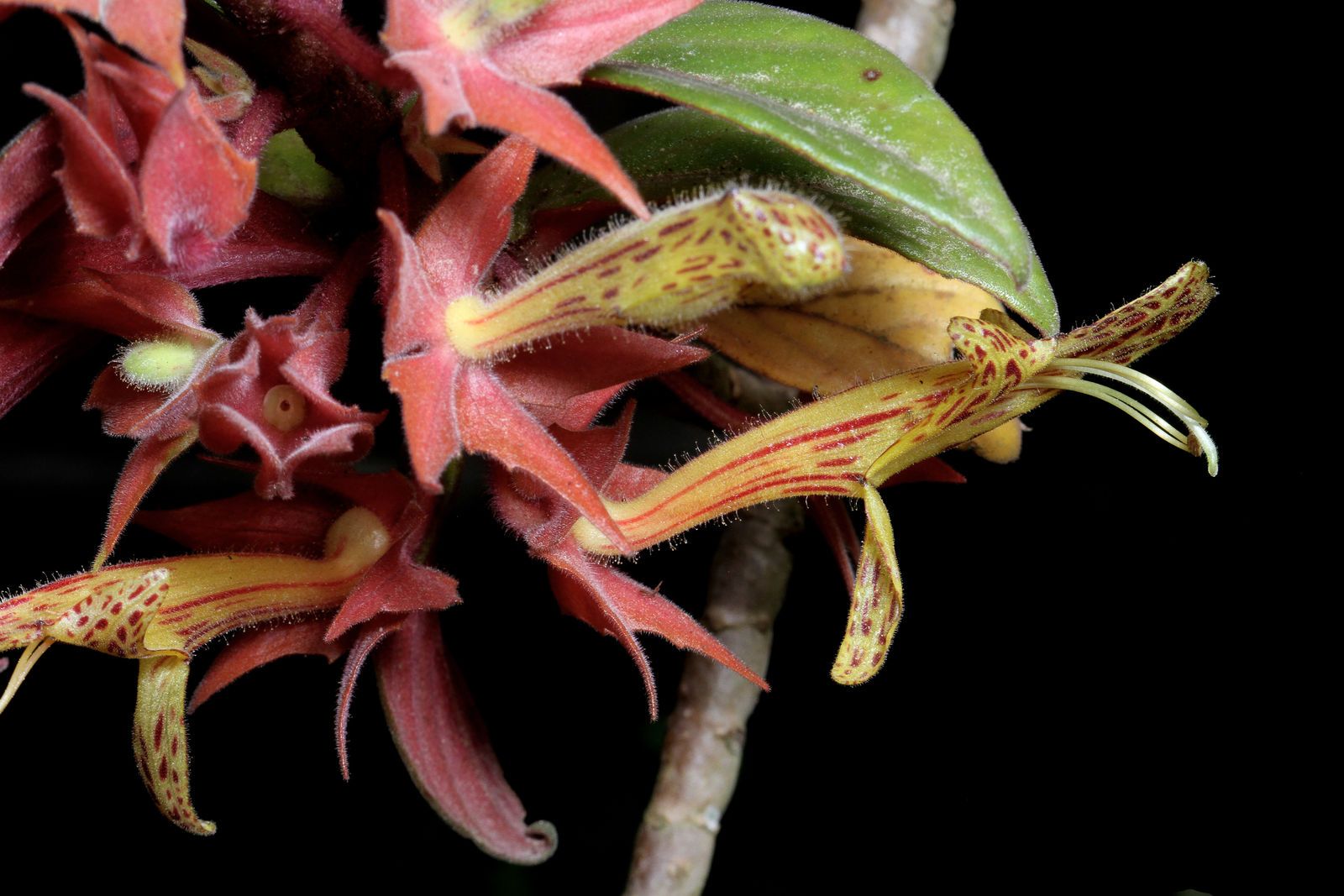
Columnea
Columnea is a genus of around 200 species of epiphytic herbs and shrubs in the family Gesneriaceae, native to the tropics of the Americas and the Caribbean. The tubular or oddly shaped flowers are usually large and brightly colored – usually red, yellow, or orange – sometimes resembling a fish in shape. A common name is flying goldfish plants (see also the related Nematanthus) due to the unusual flower shape.
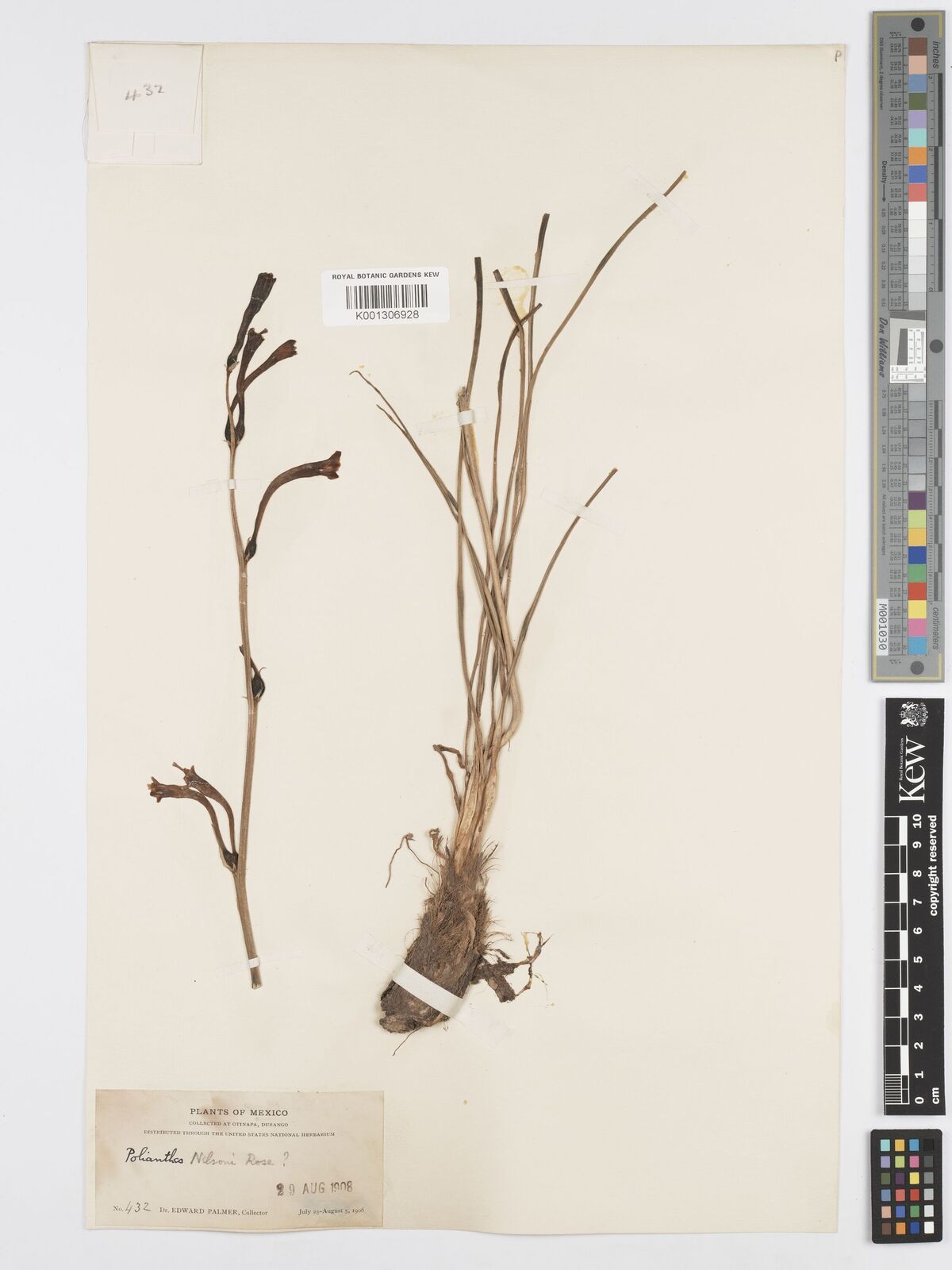
Polianthes
Polianthes is a genus of flowering plants in family Asparagaceae. It includes 23 species native to Mexico. One of its species is the tuberose, Polianthes tuberosa, a plant that is commonly used in perfume making.
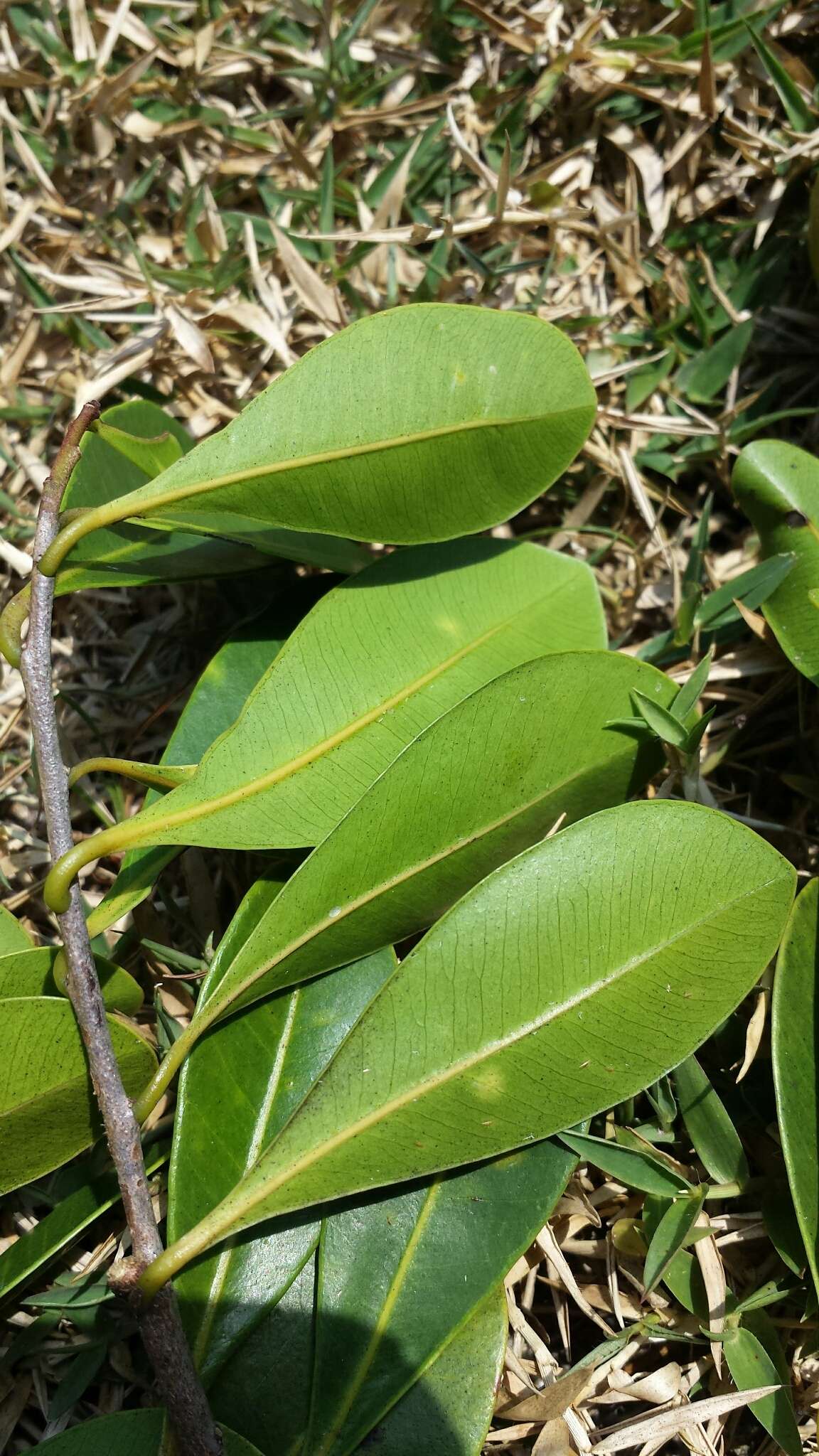
Chrysophyllum
Chrysophyllum is a group of trees in the Sapotaceae described as a genus by Linnaeus in 1753.
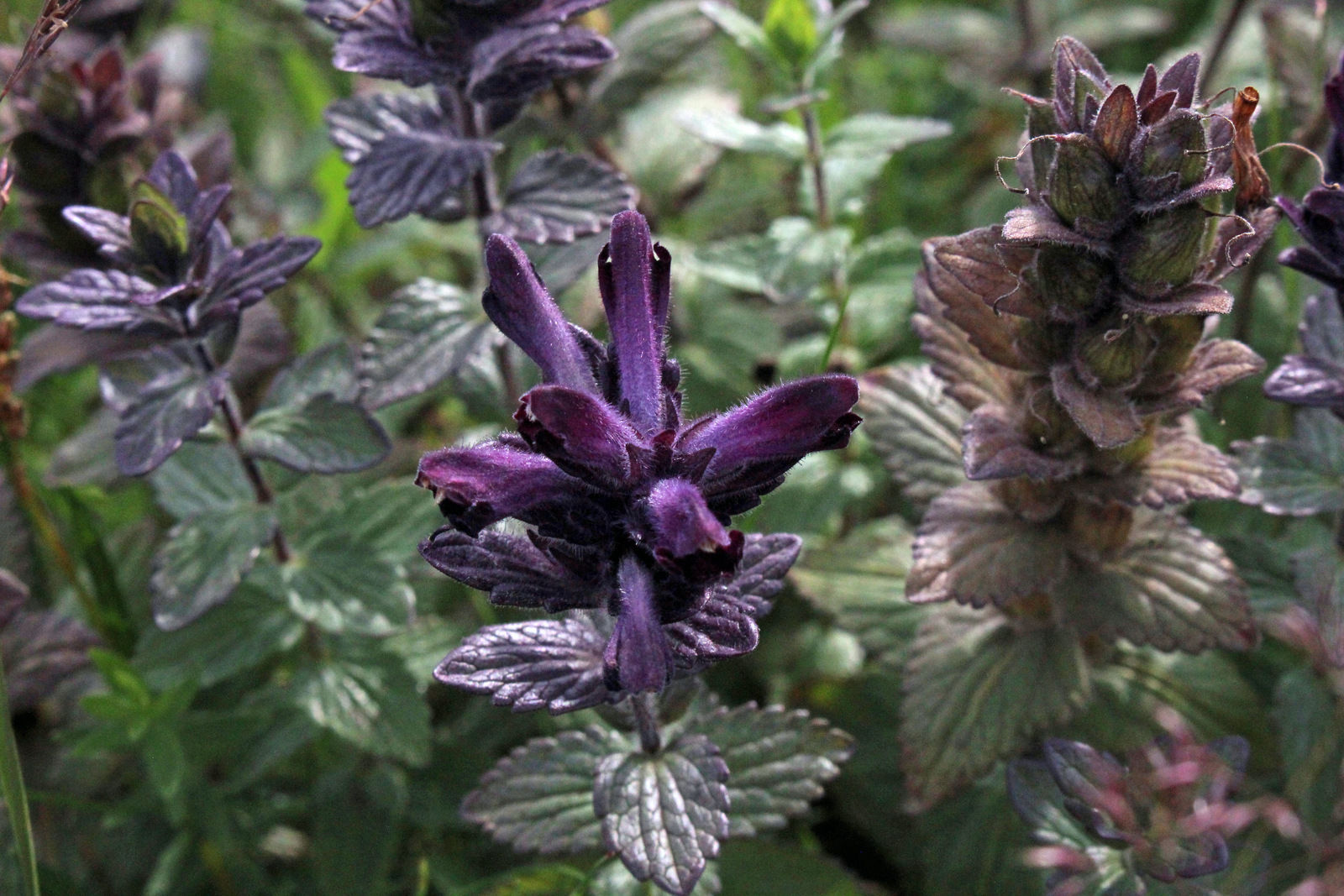
Bartsia
thumb|right|200px|Bartsia trixago (synonym of Bellardia trixago)
thumb|right|200px|Bartsia chilensis ([[basionym of Neobartsia chilensis)]]
Oldenlandia
Oldenlandia is a genus of flowering plants in the family Rubiaceae. It is pantropical in distribution and has about 240 species. The type species for the genus is Oldenlandia corymbosa.
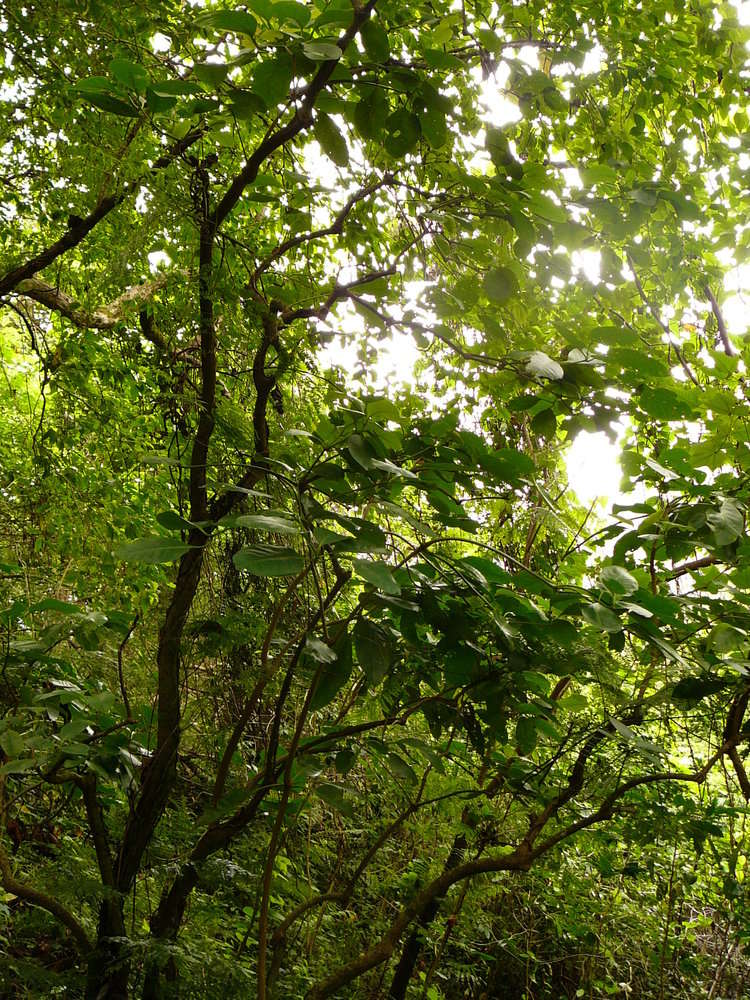
Pisonia
Pisonia is a genus of flowering plants in the four o'clock flower family, Nyctaginaceae. It was named for Dutch physician and naturalist Willem Piso (1611–1678). Certain species in this genus are known as catchbirdtrees, birdcatcher trees or birdlime trees because they catch birds. The sticky seeds are postulated to be an adaptation of some island species that ensures the dispersal of seeds between islands by attaching them to birds, and also allows the enriching of coralline sands. (Should a fledgling fall to the ground, become entangled in the Pisonia sticky seeds, and be unable to free itse
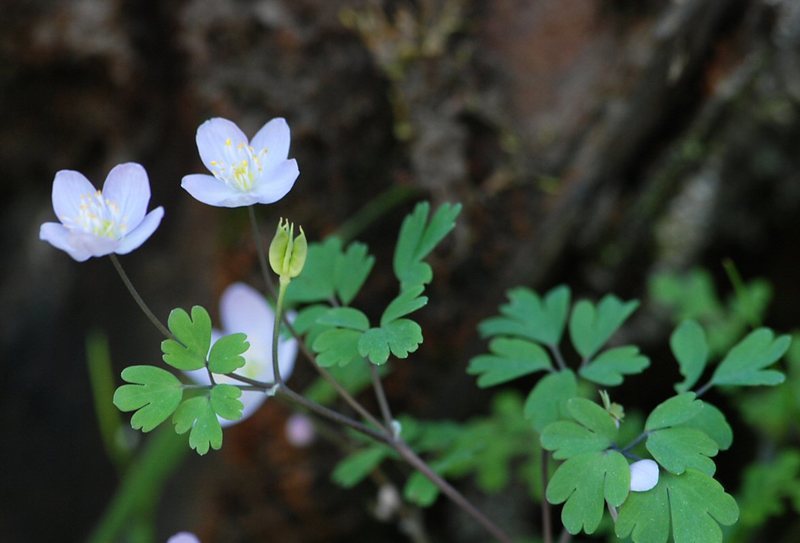
Isopyrum
Isopyrum is a genus of four species of flowering plants of the family Ranunculaceae native to Eurasia. Isopyrum species have white flowers with five sepals and five petals.

Citharexylum
Citharexylum is a genus of flowering plants in the verbena family, Verbenaceae. It contains shrub and tree species commonly known as fiddlewoods or zitherwoods. They are native to the Americas, ranging from southern Florida and Texas in the United States to Argentina. The highest diversity occurs in Mexico and the Andes. The generic name is derived from the Greek words κιθάρα (kithara), meaning "lyre", and ξύλον (xylon), meaning "wood," referring to the use of the wood in the sounding boards of string instruments. Several species, especially C. caudatum and C. spinosum, are cultivated as ornam
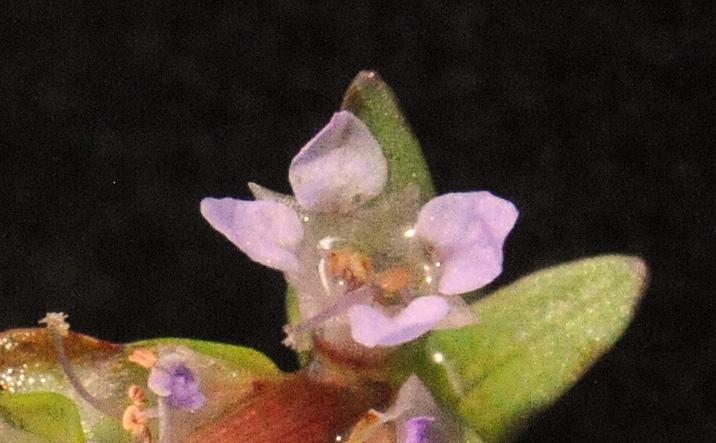
Ammannia
Ammannia is a genus of over 100 species of flowering plants often referred to as redstems from wet areas in America, Africa, Asia, Australia and Europe. Several species are grown as decorative plants in aquariums.
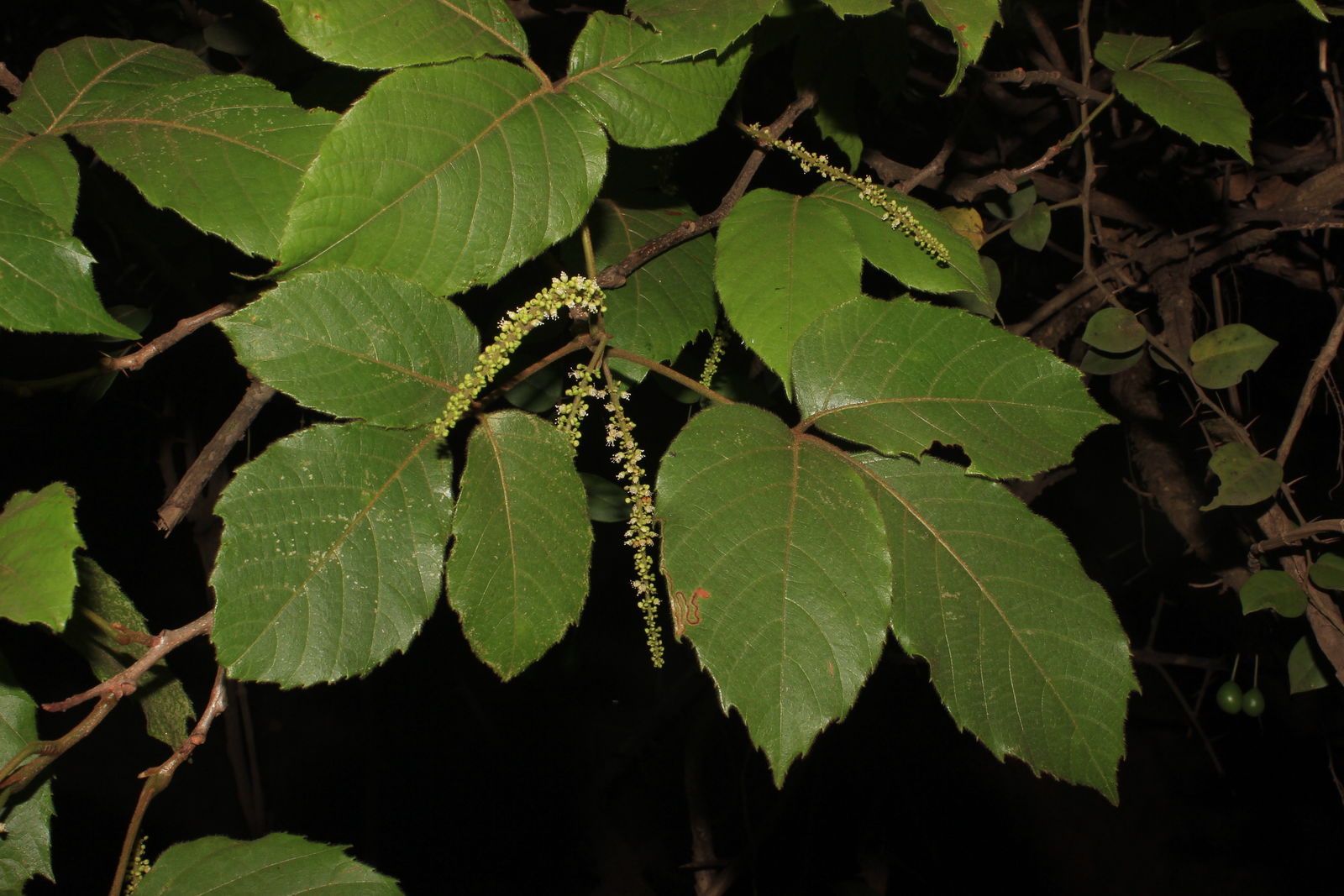
Allophylus
thumb|Allophylus timoriensis - MHNT
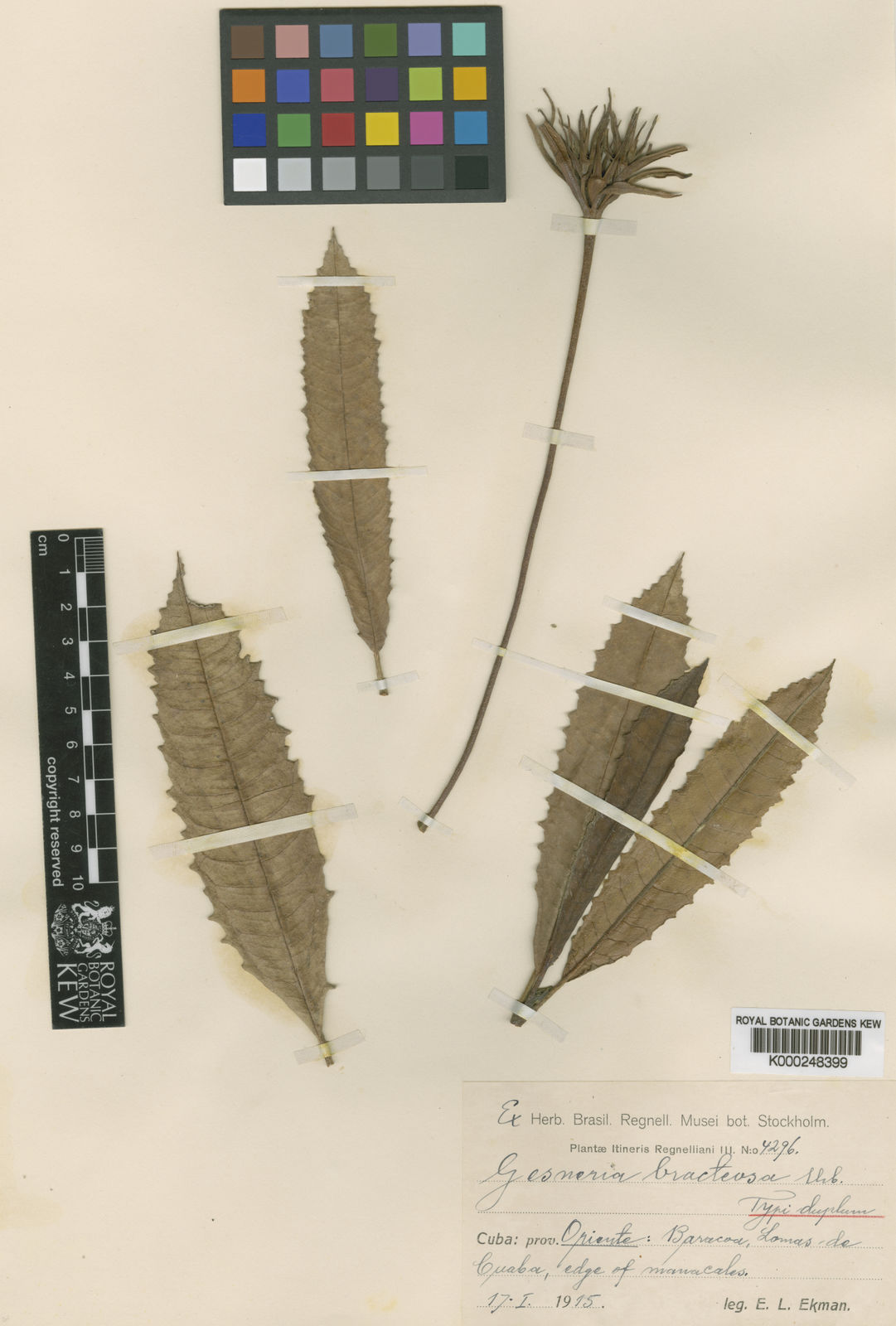
Gesneria
Gesneria is a genus of flowering plants in the family Gesneriaceae. It contains 62 species which are native to islands of the Caribbean. The genus is classified in the tribe Gesnerieae along with the genera Bellonia, Pheidonocarpa, and Rhytidophyllum. Gesneria species are usually woody shrubs or subshrubs, and (with the closely related Rhytidophyllum) are unusual in the family in having alternately (rather than decussately) arranged leaves. A complete list of the accepted species and their synonyms can be found in the Smithsonian Institution's World Checklist of Gesneriaceae.
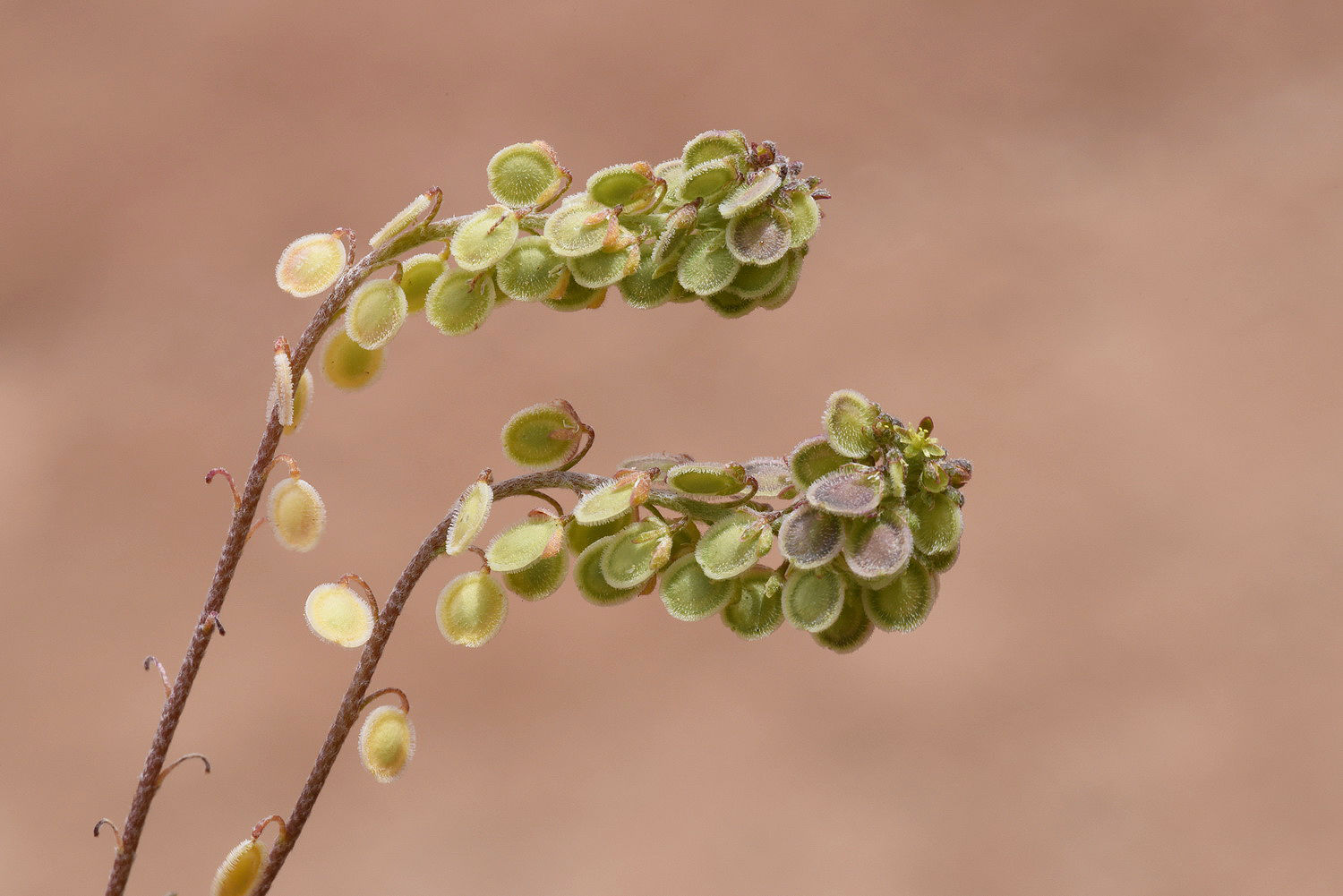
Clypeola
genus of plants

Melothria
Melothria is a genus of flowering plants in the family Cucurbitaceae, native to the Americas from the United States to Argentina, and with some introductions in Africa and elsewhere. A number of Old World species formerly in Melothria were reassigned to Cucumis.

Trachelium
genus of plants
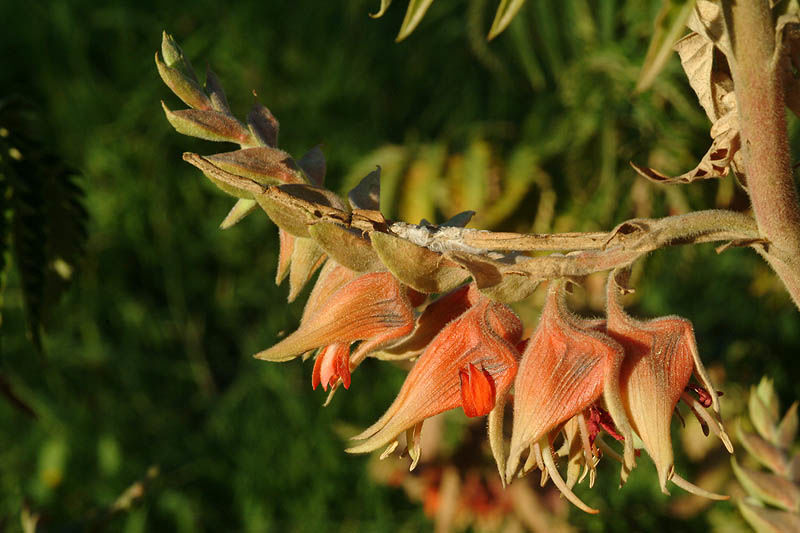
Melianthus
Melianthus is a genus of flowering plants native to elevated grassland in South Africa, Lesotho, and Namibia. A common name for these plants is honey flower, which is also the English translation of the Latin name. This name also attaches to the species M. comosus and M. major that are found in cultivation.

Trichomanes
Trichomanes is a genus of ferns in the family Hymenophyllaceae, termed bristle ferns. The circumscription of the genus is disputed. All ferns in the genus are filmy ferns, with leaf tissue typically 2 cells thick. This thinness generally necessitates a permanently humid habitat, and makes the fronds somewhat translucent. Because of this membrane-like frond tissue, the plant is prone to drying out. "Filmy ferns" in the taxa Hymenophyllaceae grow in constantly wet environments. Many are found in cloud forests such as "Choco" in Colombia. There are also members of the taxa that can grow submersed

Dirca
Dirca is a genus of three or four species of shrubby flowering plants in the family Thymelaeaceae, native to North America. The genus is named after Dirce in Greek mythology. The general common name for this deciduous shrub is leatherwood; other names include moosewood, ropebark and the Powhatan-derived name wicopy, referring to its use as a fiber, wigub in the Algonquin languages. The stems of Dirca are exceptionally pliable and the bark is difficult to tear by hand; for this reason, its stems were used by Native Americans in eastern North America as thongs or ropes. The inner bark has cross-