Category
page 1Taxa described in 1821
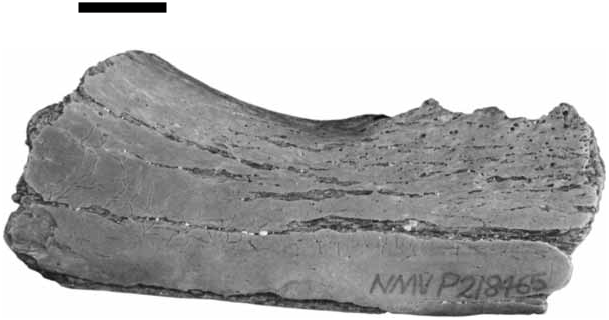
Phocidae
family of mammals
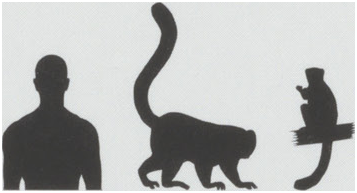
Lemuridae
Lemuridae is a family of strepsirrhine primates native to Madagascar and the Comoros. They are represented by the Lemuriformes in Madagascar with one of the highest concentration of the lemurs. One of five families commonly known as lemurs, these animals were once thought to be the evolutionary predecessors of monkeys and apes, but this is no longer considered correct. They are formally referred to as lemurids.

Lemuriformes
Lemuriformes is the sole extant infraorder of primate that falls under the suborder Strepsirrhini. It includes the lemurs of Madagascar, as well as the galagos and lorisids of Africa and Asia, although a popular alternative taxonomy places the lorisoids in their own infraorder, Lorisiformes.

Indriidae
The Indriidae (sometimes incorrectly spelled Indridae) are a family of strepsirrhine primates. They are medium- to large-sized lemurs, with only four teeth in the toothcomb instead of the usual six. Indriids, like all lemurs, live exclusively on the island of Madagascar.

Suillus
Suillus is a genus of basidiomycete fungi in the family Suillaceae and order Boletales. Species in the genus are associated with trees in the pine family (Pinaceae), and are mostly distributed in temperate locations in the Northern Hemisphere, although some species have been introduced to the Southern Hemisphere.
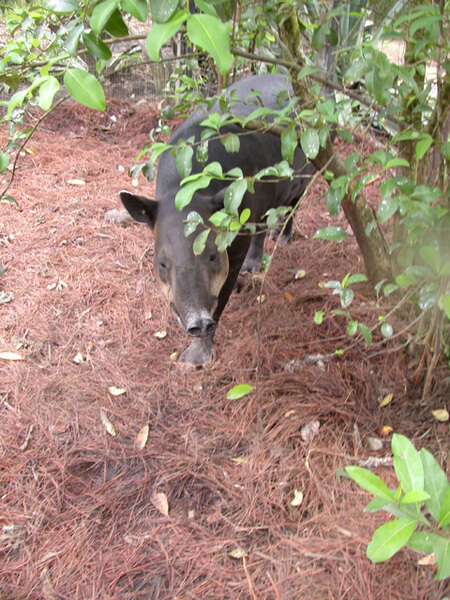
tapir
Tapirs ( ) are large herbivorous mammals belonging to the family Tapiridae. They are similar in shape to a pig, with a short, prehensile nose trunk (proboscis). Tapirs inhabit jungle and forest regions of South and Central America and Southeast Asia. They are one of three extant branches of Perissodactyla (odd-toed ungulates), alongside equines and rhinoceroses. Only a single genus, Tapirus, is extant. Tapirs migrated into South America during the Pleistocene epoch from North America after the formation of the Isthmus of Panama as part of the Great American Interchange. Tapirs were present acr

Lorisiformes
Lorisoidea is a superfamily of nocturnal primates found throughout Africa and Asia. Members include the galagos and the lorisids. As strepsirrhines, lorisoids are related to the lemurs of Madagascar and are sometimes included in the infraorder Lemuriformes, although they are also sometimes placed in their own infraorder, Lorisiformes Gregory, 1915.
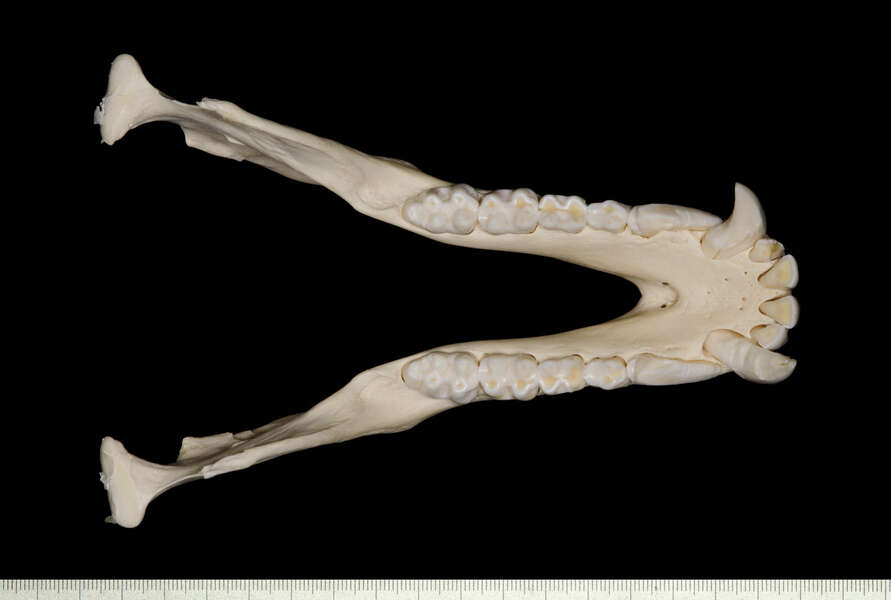
Cercopithecinae
The Cercopithecinae are a subfamily of the Old World monkeys, which comprises roughly 71 species, including the baboons, the macaques, and the vervet monkeys. Most cercopithecine monkeys are limited to sub-Saharan Africa, although the macaques range from the far eastern parts of Asia through northern Africa, as well as on Gibraltar.

Diplotaxis
genus of plants
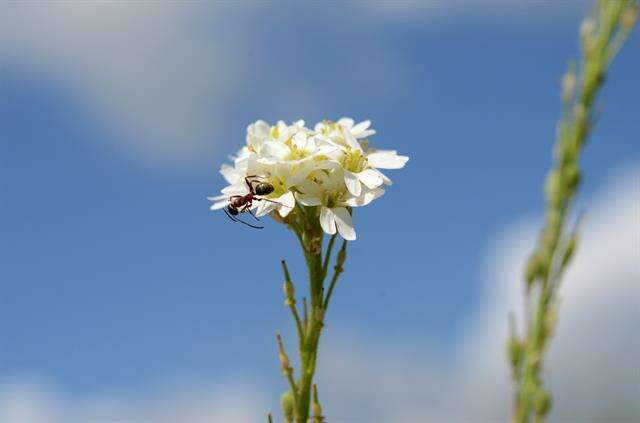
Berteroa
Berteroa, the false madworts, is a genus of flowering plants of the family Brassicaceae, native to temperate Eurasia. Its best known member is the weedy invasive hoary alyssum, Berteroa incana.

Pimenta
genus of plants
Wahlenbergia
Wahlenbergia is a genus of around 260 species of flowering plants in the family Campanulaceae. Plants in this genus are perennial or annual herbs with simple leaves and blue to purple bell-shaped flowers, usually with five petals lobes. Species of Wahlenbergia are native to environments on all continents except North America, and on some isolated islands, but the greatest diversity occurs in the Southern Hemisphere.
Cercopithecini
Cercopithecini is a tribe of Old World monkey that includes several monkey species, including the vervet monkeys, talapoins, Allen's swamp monkeys and the guenons, all in Africa.
.jpg)
Collybia
thumb|Collybia phyllophila|Collybia phyllophila, the frosty funnel
thumb|Collybia nuda, the blewit
thumb|Collybia brunneocephala, the brown blewit
thumb|Collybia cirrhata, the piggyback shanklet
thumb|right|Collybia tuberosa, the lentil shanklet, grows on the decaying remains of other fungi or vegetation

Albatrellus
Albatrellus is a genus of 19 species of mushroom-producing fungi in the family Albatrellaceae. Species are common in northern temperate forests, producing medium to large fleshy fruit bodies of various colors.

Alces
Alces is a genus of artiodactyl mammals, that includes the largest species of the deer family.
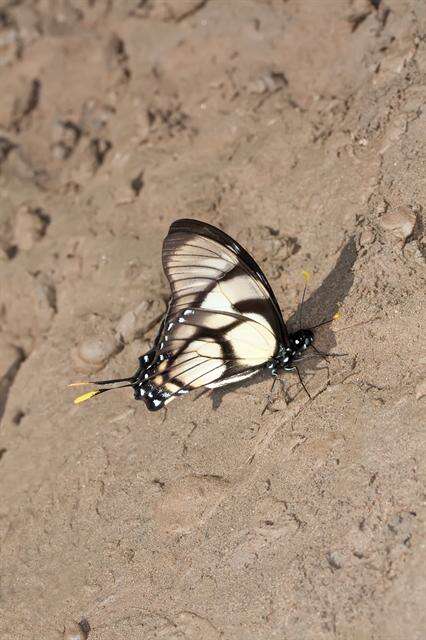
Eurytides
Eurytides is a genus of butterflies in the family Papilionidae, found in North, Central, and South America.
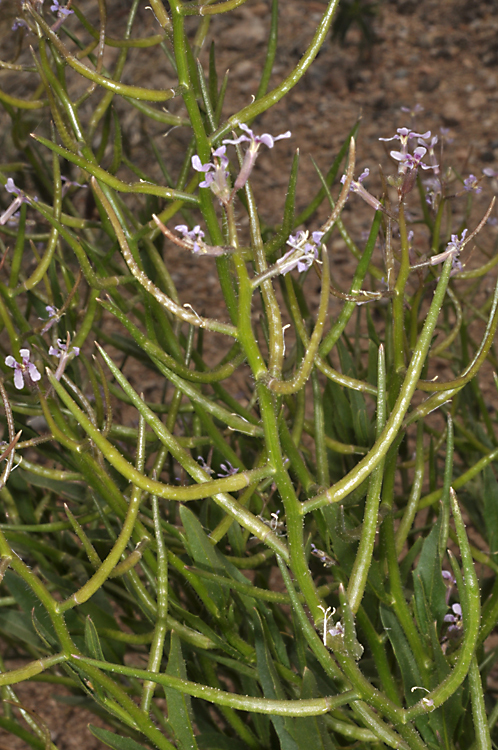
Chorispora
Chorispora is a genus of plant in the family Brassicaceae. It includes 13 species native to Eurasia, ranging from southeastern Europe to the Arabian Peninsula, China, and Siberia.

Auriscalpium
Auriscalpium is a genus of mushroom-forming fungi typifying the family Auriscalpiaceae.

Ramalinaceae
The Ramalinaceae are a family of lichen-forming fungi in the order Lecanorales. First proposed by Carl Adolph Agardh in 1821, the family now comprises 71 genera and more than 1200 species. Ramalinaceae lichens exhibit diverse growth forms, including crustose, fruticose, squamulose, leprose, and byssoid thalli, and form symbiotic relationships primarily with green algae of the genus Trebouxia. The family is characterised by pale-coloured thalli, apothecia (fruiting bodies) that are typically pale but may darken with age, and ascospores that vary in shape and septation.

Nematanthus
Nematanthus is a genus of flowering plants in the family Gesneriaceae. All of its species are endemic to Brazil. Compared to other gesneriads, Nematanthus has leaves that are small, succulent, and hard-surfaced. The plant has a trailing, branching, and spreading habit; it is generally an epiphyte in nature and a hanging-basket plant in cultivation. The flower has fused petals. In some species, the flower has a "pouch" at the bottom. The fancied resemblance of such flowers to a goldfish gives these plants the common name goldfish plant or guppy plant.

Diceros
Diceros (Greek: "two" (dio), "horn" (keratos)) is a genus of rhinoceros containing the extant black rhinoceros (Diceros bicornis) and several extinct species.
%20J.%20Erikss%20201034.jpg)
Steccherinum
Steccherinum is a widely distributed genus of toothed crust fungi in the family Steccherinaceae.
Cerrena
Cerrena is a genus of poroid fungi in the family Polyporaceae. The genus was circumscribed by Samuel Frederick Gray in 1821. Gray's type species, Cerrena cinerea, is now known as C. unicolor.
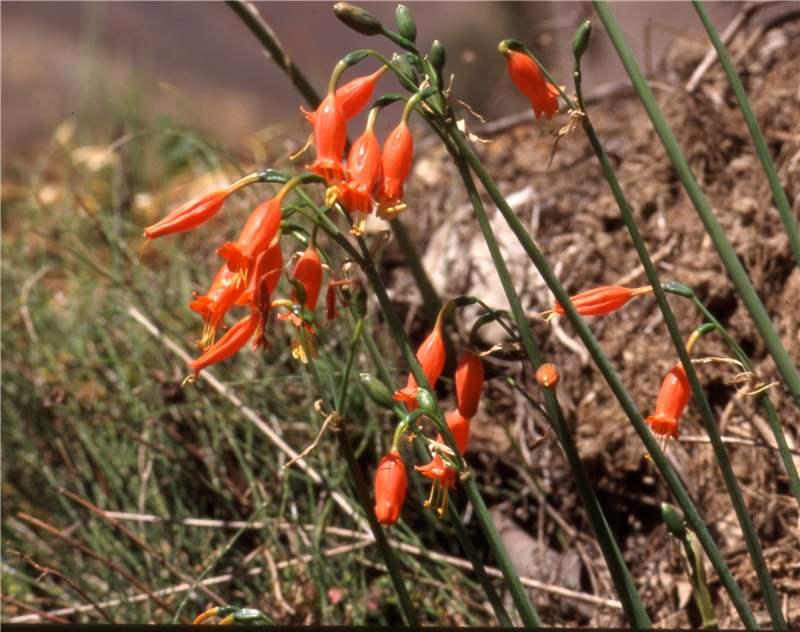
Stenomesson
Stenomesson is a genus of bulbous plants in the family Amaryllidaceae. All the species are native to western South America (Colombia, Ecuador, Peru and northern Chile).
.jpg)
Lasallia
Lasallia is a genus of lichen-forming fungi in the family Umbilicariaceae. These lichens are recognizable by their distinctive warty, blister-covered thallus surface and their unusual attachment to rocks using only a single, sturdy central connection point. They typically grow on granite and other hard rock surfaces, where they can survive in both sunny and shaded locations. The genus contains six accepted species that are found across various continents, with some species being quite common on stone walls and cliff faces.
Grifola
Grifola is a genus of fungi in the family Meripilaceae, which includes some edible fungi such as Grifola frondosa, commonly known as hen-of-the-woods (or maitake in Japan); not to be confused with Laetiporus sulphureus, known among English speakers as chicken of the woods. The genus was circumscribed by Samuel Frederick Gray in 1821.
.jpg)
Phlebia
Phlebia is a genus of mostly crust fungi in the family Meruliaceae. The genus has a widespread distribution. Phlebia species cause white rot.
Coltricia
Coltricia is a genus of fungi in the family Hymenochaetaceae. It was circumscribed by Samuel Frederick Gray in 1821. In 2022, it was combined with the genus Coltriciella.
Merulius
Merulius is a genus of poroid fungi in the family Meruliaceae. , Index Fungorum accepts two species in Merulius: M. debriscola, and the type, M. tremellosus.

Ochodaeus
Ochodaeus is a genus of beetles belonging to the family Ochodaeidae.
Cucurbitaria
Cucurbitaria is a genus of pyrenomycetous fungi in the family Cucurbitariaceae. The genus was circumscribed by Samuel Frederick Gray in 1821.
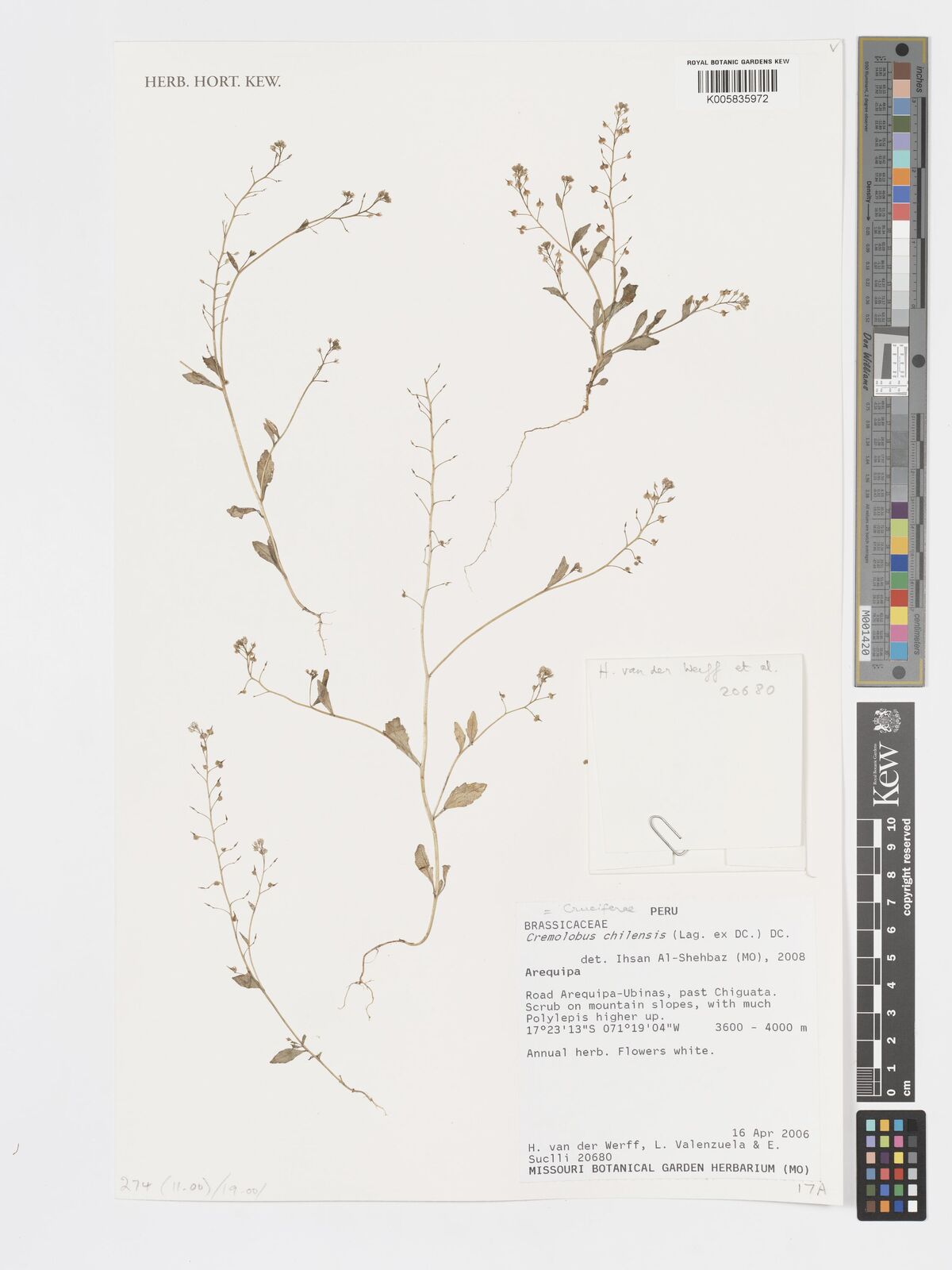
Cremolobus
Cremolobus is a genus of flowering plants belonging to the family Brassicaceae. It includes six species native to the Andes, ranging from Colombia through Ecuador, Peru, and Bolivia to northwestern Argentina.
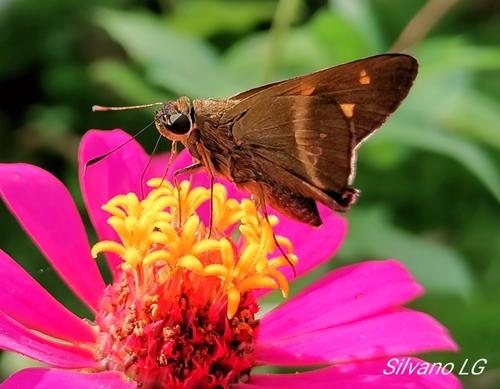
Niconiades
Niconiades is a genus of skipper butterflies in the family Hesperiidae.
Leptaleum
Leptaleum is a genus of flowering plants belonging to the family Brassicaceae. It includes a single species, Leptaleum filifolium, an annual which ranges from the eastern Mediterranean through western and central Asia to the Arabian Peninsula, Pakistan, and Xinjiang.
Urvillea
Urvillea is a genus of flowering plants in the family Sapindaceae. It includes 20 species native to the tropical and subtropical Americas, ranging from Texas to northern Argentina.
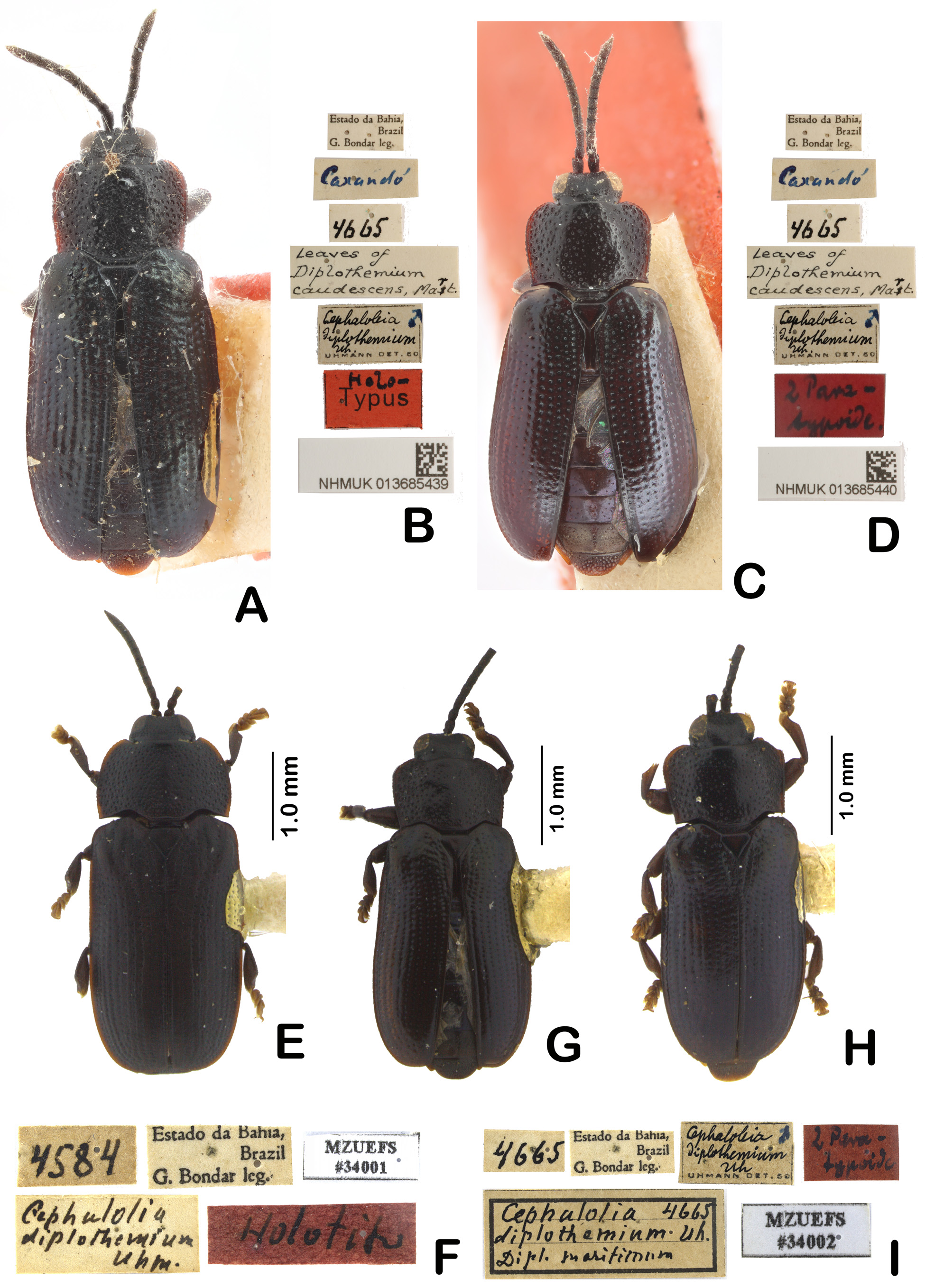
Ommatius
Pycnothelia
Pycnothelia is a small genus of lichen-forming fungi in the family Cladoniaceae. The genus contains three species that form distinctive upright, hollow stalks (podetia) rising from a grainy crust, topped with dark, round fruiting bodies. These lichens typically grow on soil or mossy ground in cool, humid habitats. The genus has a scattered global distribution, with one species found across Europe and parts of the Americas, while the other two are restricted to islands in the Southern Hemisphere.
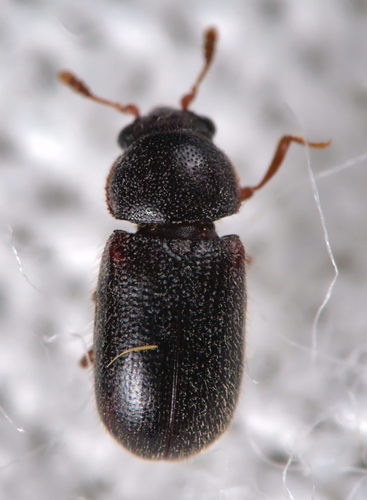
Sphindus
Sphindus is a genus of cryptic slime mold beetles in the family Sphindidae. There are at least three described species in Sphindus.
thumb|Sphindus americanus
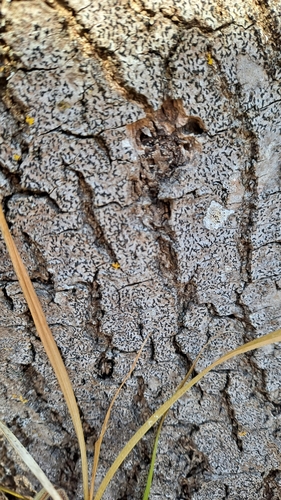
Alyxoria
Alyxoria is a genus of lichen-forming fungi in the family Lecanographaceae. The genus has a cosmopolitan distribution. These lichens are often so inconspicuous that they appear as little more than faint cracks or weathered patches on tree bark and rock surfaces, making them easily overlooked in the field. The genus includes about 20 species that reproduce through distinctive elongated slits containing spores, and can also spread asexually through tiny flask-shaped structures that release microscopic propagules.
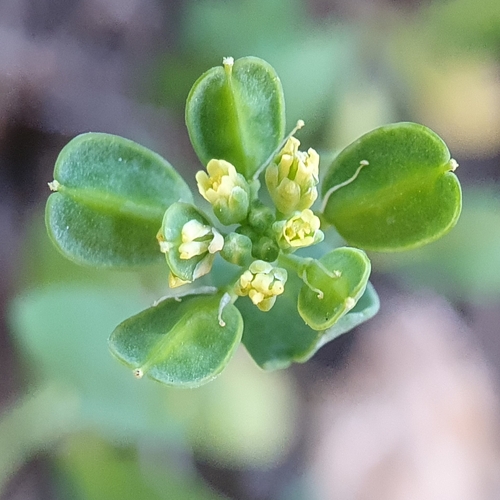
Bivonaea
Bivonaea is a genus of flowering plants belonging to the family Brassicaceae. It includes a single species, Bivonaea lutea, an annual native to Algeria, Sardinia, Sicily, and Tunisia in the central Mediterranean region.