Category
page 1Taxa named by Georges Cuvier

Crocodile
A crocodile (family Crocodylidae) or true crocodile is a large, semiaquatic reptile that lives throughout the tropics in Africa, Asia, the Americas and Australia. The term "crocodile" is sometimes used more loosely to include all extant members of the order Crocodilia, which includes the alligators and caimans (both members of the family Alligatoridae), the gharial and false gharial (both members of the family Gavialidae) as well as other extinct taxa. This article will use "crocodile" or "true crocodile" to refer only to the species taxonomically included in the Crocodylidae family, extant or

Gastropoda
Gastropods (; previously known as Univalves; class Gastropoda ) are a vast and diverse group of invertebrates within the phylum Mollusca, comprising the animals commonly known as snails and slugs. With an estimated 65,000 to 80,000 living species, they form the second-largest animal class after the insects. The fossil record of gastropods extends back to the Late Cambrian. , 721 families are recognized—476 extant (some with fossil representatives) and 245 extinct known only from fossils.
Cephalopod
A cephalopod is any member of the molluscan class Cephalopoda (Greek plural , ; "head-feet") such as a squid, octopus, cuttlefish, or nautilus. These exclusively marine animals are characterized by bilateral body symmetry, a prominent head, and a set of arms or tentacles (muscular hydrostats) modified from the primitive molluscan foot. Fishers sometimes call cephalopods "inkfish", referring to their common ability to squirt ink. The study of cephalopods is a branch of malacology known as teuthology.
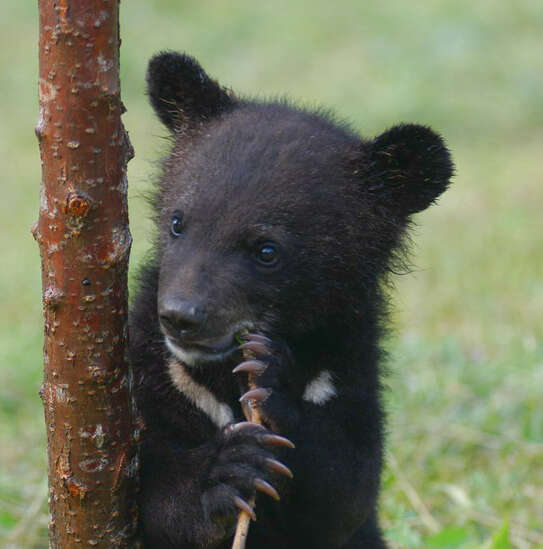
Ursus thibetanus
species of mammal

Alligator
An alligator, or colloquially gator, is a large reptile in the genus Alligator of the family Alligatoridae in the order Crocodilia. The two extant species are the American alligator (A. mississippiensis) and the Chinese alligator (A. sinensis). Additionally, several extinct species of alligator are known from fossil remains. Alligators first appeared during the late Eocene epoch about 37 million years ago.

Siluriformes
Catfish are a diverse group of ray-finned fish of the order Siluriformes (historically Nematognathi). Catfish are named for their prominent barbels, which resemble a cat's whiskers, though not all catfish have prominent barbels. All Siluriformes lack scales, instead possessing either smooth skin or armour-plated bodies. This order of fish are defined by features of the skull (such as maxillae modified into the barbels' bases) and swimbladder. Catfish range in size and behavior from the three largest species alive, the Mekong giant catfish from Southeast Asia, the wels catfish of Eurasia, and t

Salmonidae
Salmonidae (, ) is a family of ray-finned fish, the only extant member of the suborder Salmonoidei, consisting of 11 extant genera and over 200 species collectively known as "salmonids" or "salmonoids". The family includes salmon (both Atlantic and Pacific species), trout (both ocean-going and landlocked), char, graylings, freshwater whitefishes, taimens and lenoks, all coldwater mid-level predatory fish that inhabit the subarctic and cool temperate waters of the Northern Hemisphere. The Atlantic salmon (Salmo salar), whose Latin name became that of its genus Salmo, is also the eponym of the f
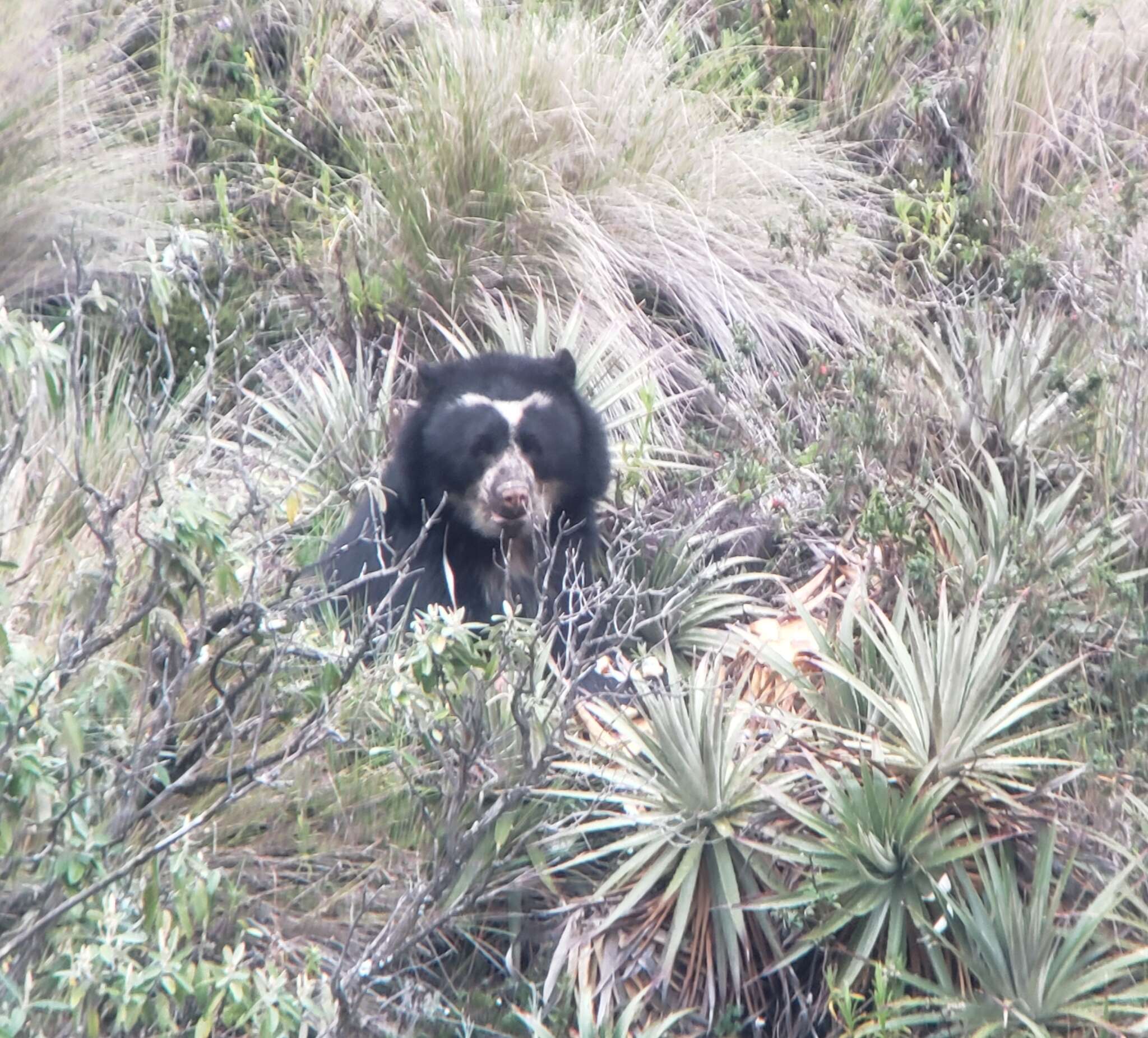
spectacled bear
species of the animal

Rotifera
The rotifers (, from Latin 'wheel' and 'bearing'), sometimes called wheel animals or wheel animalcules, make up a phylum (Rotifera ) of microscopic and near-microscopic pseudocoelomate animals.

Gobiidae
Gobiidae or gobies is a family of bony fish in the order Gobiiformes, one of the largest fish families comprising over 2,000 species in more than 200 genera. Most of gobiid fish are relatively small, typically less than in length, and the family includes some of the smallest vertebrates in the world, such as Trimmatom nanus and Pandaka pygmaea. Trimmatom nanus are under long when fully grown, while the Pandaka pygmaea standard length is , with a maximum known standard length of . Some large gobies can reach over in length, but that is exceptional. Generally, they are benthic or bottom-dwellers

Clupeidae
Clupeidae is a family of clupeiform ray-finned fishes, comprising, for instance, the herrings and sprats. Many members of the family have a body protected with shiny cycloid (very smooth and uniform) scales, a single dorsal fin, and a fusiform body for quick, evasive swimming and pursuit of prey composed of small planktonic animals. Due to their small size and position in the lower trophic level of many marine food webs, the levels of methylmercury they bioaccumulate are very low, reducing the risk of mercury poisoning when consumed.

genet
genus of mammals
.jpg)
barasingha
The barasingha (Rucervus duvaucelii), sometimes barasinghe, also known as the swamp deer, is a deer species distributed in the Indian subcontinent. Populations in northern and central India are fragmented, and two isolated populations occur in southwestern Nepal. It has been extirpated in Pakistan and Bangladesh, and its presence is uncertain in Bhutan.

Risso's Dolphin
species of dolphin
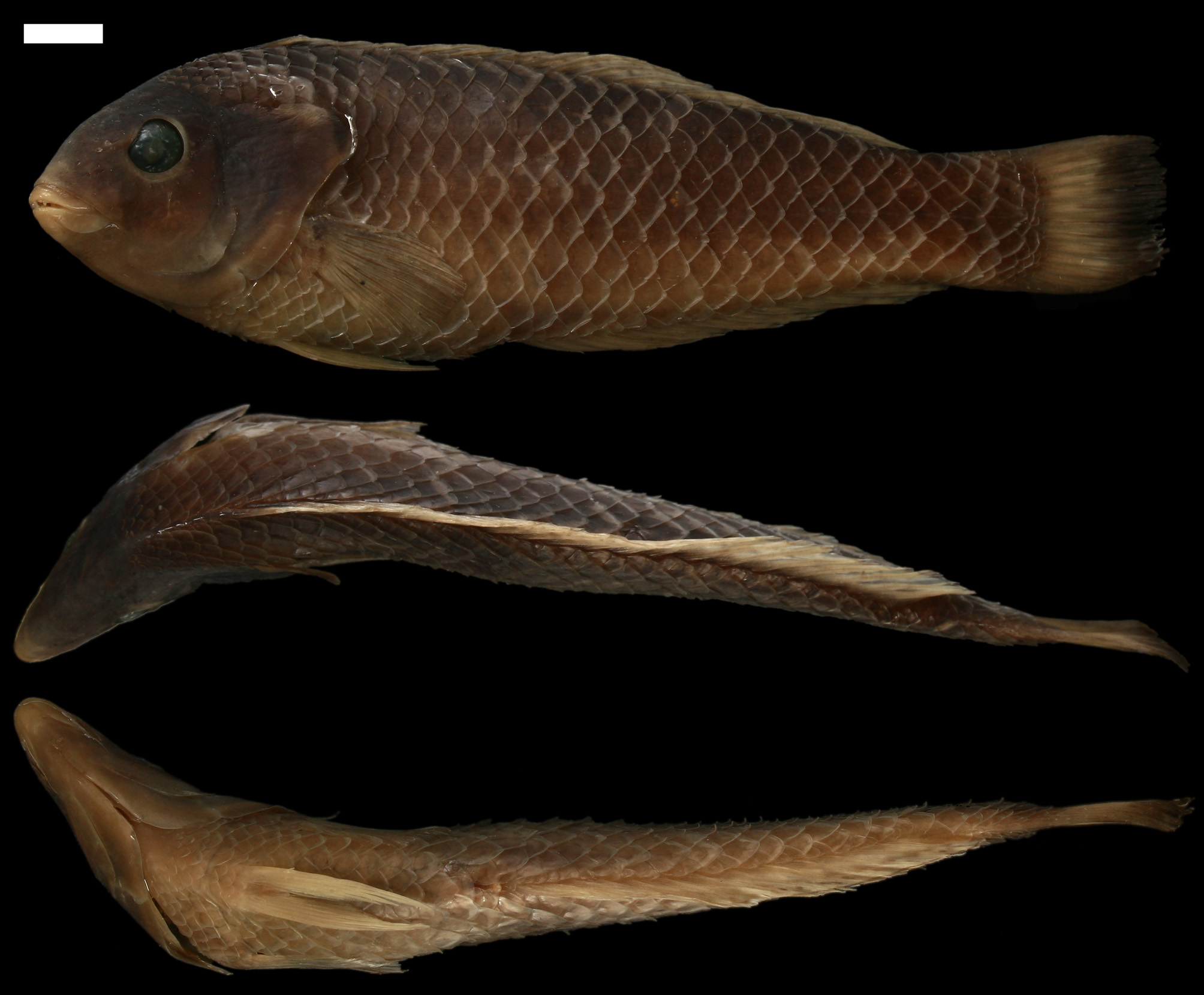
Labridae
The wrasses are a family, Labridae, of marine ray-finned fish, many of which are brightly colored. The family is large and diverse, with over 600 species in 81 genera, which are divided into eight subfamilies.
Lama panchitoe
genus of mammals

Sunda clouded leopard
species of mammal

pterodactyl
Pterodactylus (from ) is a genus of extinct pterosaurs. It is thought to contain only a single species, Pterodactylus antiquus, which was the first pterosaur to be named and identified as a flying reptile and one of the first prehistoric reptiles ever to be discovered.

common octopus
species of mollusc

Cuvier's beaked whale
species of mammal

American crocodile
species of reptile

Nudibranchia
Nudibranchs () are a group of soft-bodied marine gastropod molluscs, belonging to the order Nudibranchia, that shed their shells after their larval stage. They are noted for their often extraordinary colours and striking forms, and they have been given colourful nicknames to match, such as "clown", "marigold", "splendid", "dancer", "dragon" , and "sea rabbit". About 3,000 species of nudibranchs are known.
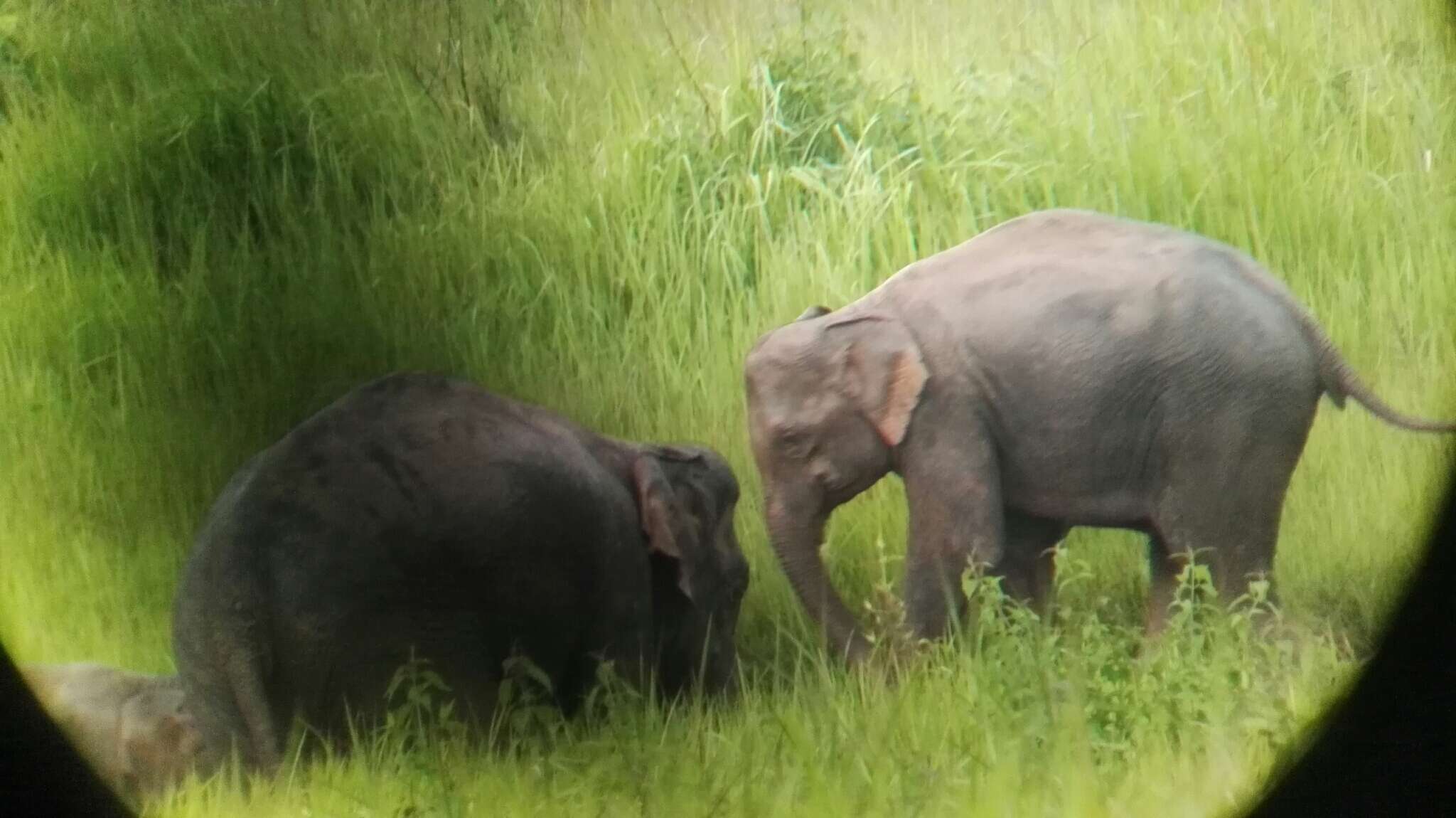
Indian elephant
subspecies of Asian elephant

Cuban crocodile
species of reptile
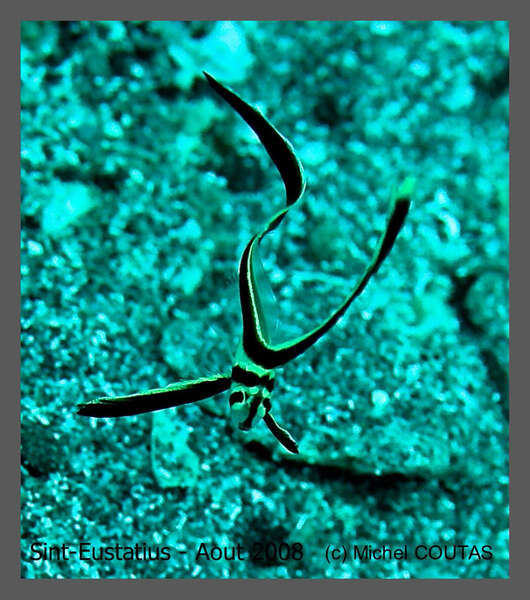
Sciaenidae
Sciaenidae is a family of ray-finned fishes belonging to the order Acanthuriformes. They are commonly called drums or croakers in reference to the repetitive throbbing or drumming sounds they make. The family consists of about 293 to 298 species in about 66 or 67 genera.
Siluridae
Siluridae is the nominate family of catfishes in the order Siluriformes. About 105 living species of silurids are placed in 12 or 14 genera.

Ocellated Turkey
species of bird
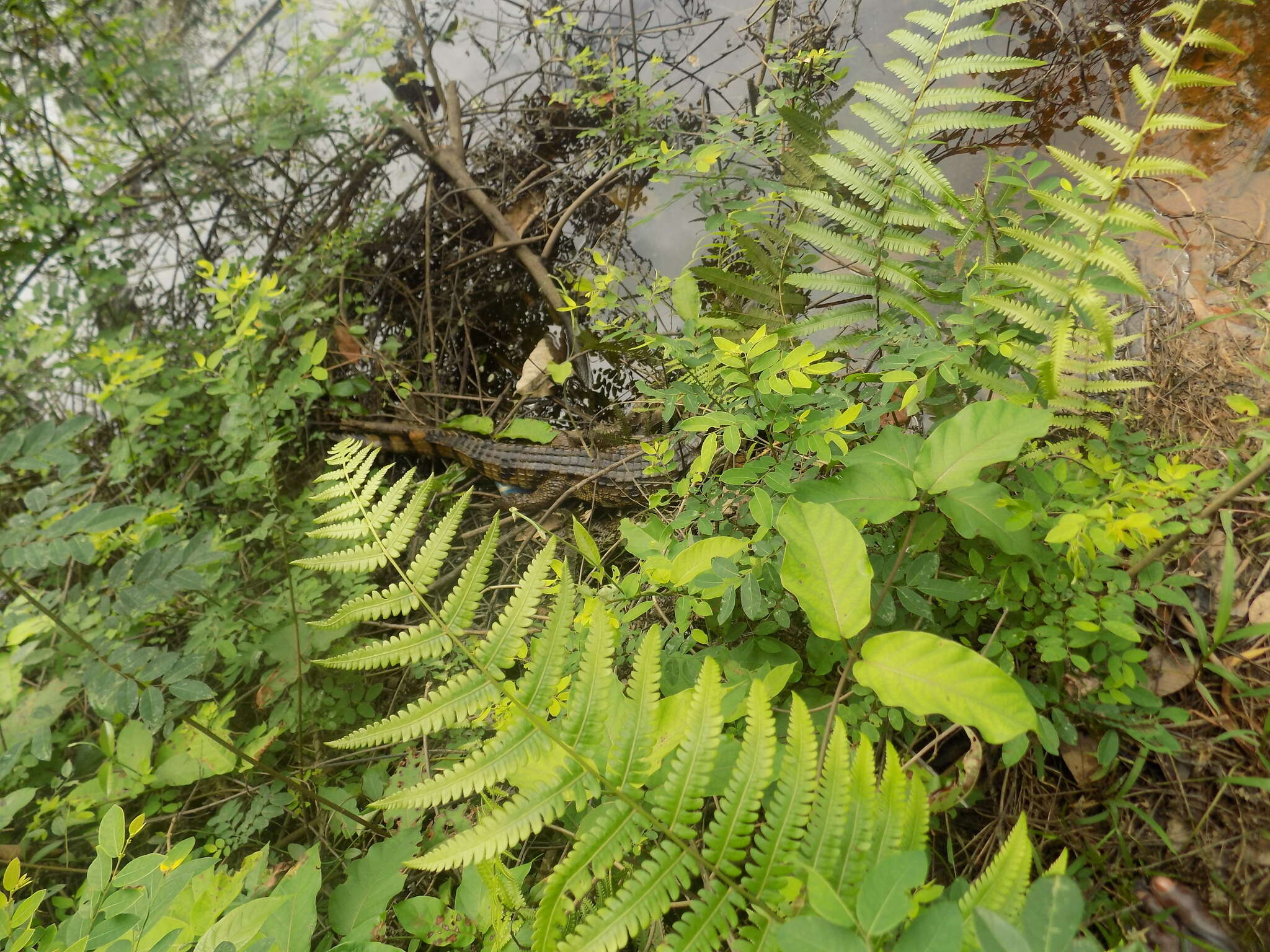
Mecistops cataphractus
species of slender-snouted crocodile
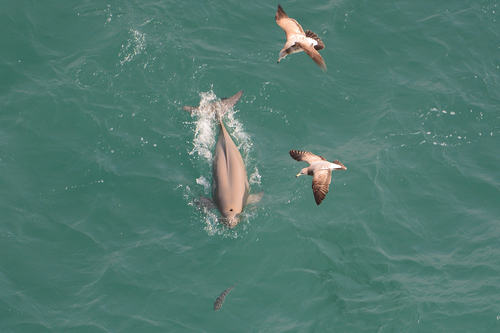
finless porpoise
species of porpoise

Megatherium
Megatherium ( ; from Greek () 'great' + () 'beast') is an extinct genus of large ground sloths endemic to South America that lived from the Early Pliocene through the end of the Late Pleistocene. It is best known for the elephant-sized, type species Megatherium americanum, primarily known from the Pampas, but ranging southwards to northernmost Patagonia and northwards to southern Bolivia during the late Middle Pleistocene and Late Pleistocene. Various other species have been described, including those belonging to the Andean subgenus Pseudomegatherium, which range in size from comparable to M.
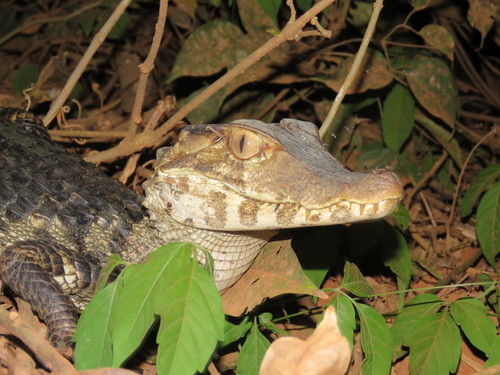
Cuvier's dwarf caiman
species of reptile
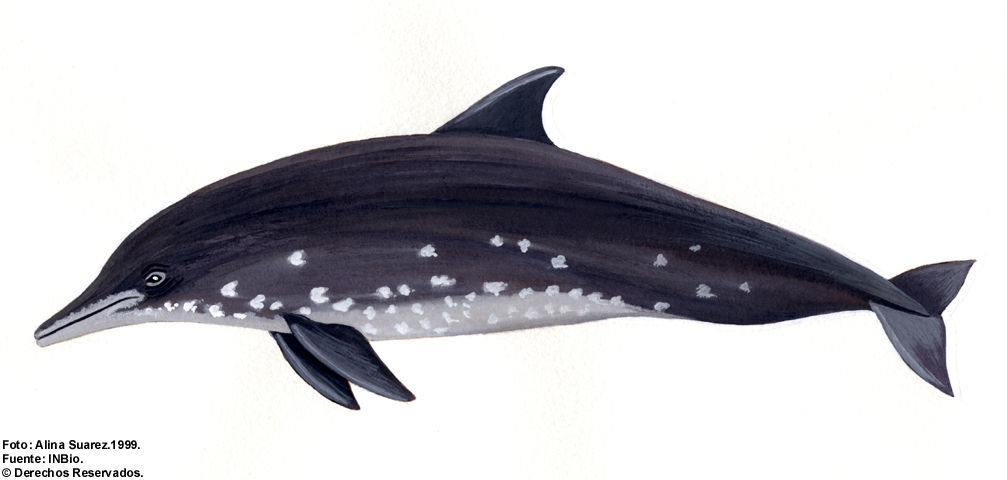
Rough-toothed dolphin
species of mammal

Cynictis penicillata
species of mammal
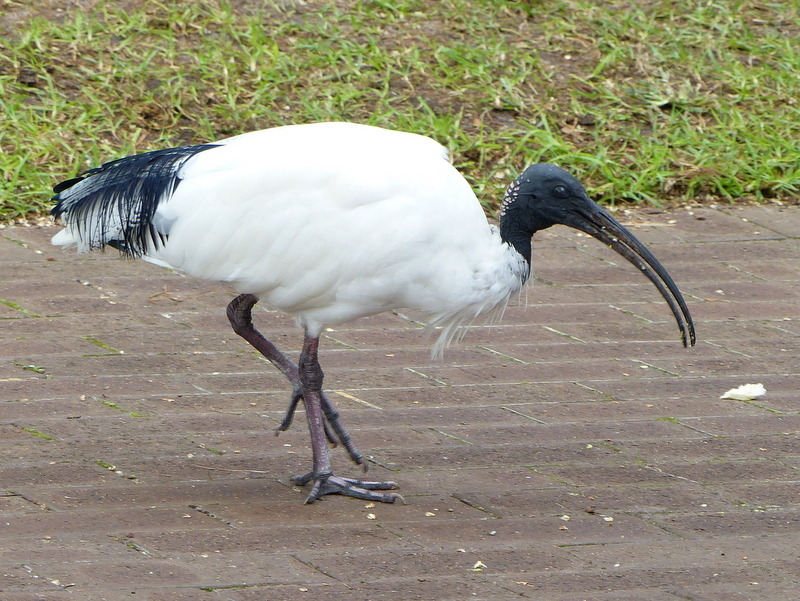
Australian White Ibis
species of bird

Crab-eating raccoon
species of mammal

kissing gourami
species of fish

Lepisosteidae
Gars are an ancient group of ray-finned fish in the family Lepisosteidae. They comprise seven living species of fish in two genera that inhabit fresh, brackish, and occasionally marine waters of eastern North America, Central America and Cuba in the Caribbean, though extinct members of the family were more widespread. They are the only surviving members of the Ginglymodi, a clade of fish which first appeared during the Triassic period, over 240 million years ago, and are one of only two surviving groups of holosteian fish, alongside the bowfins, which have a similar distribution.
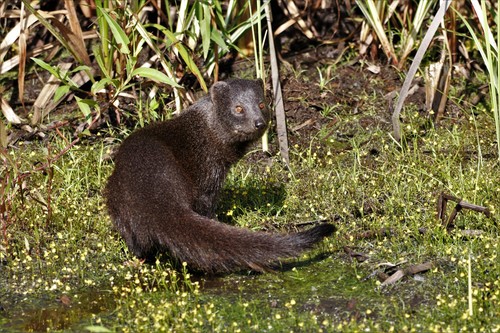
Marsh mongoose
species of mammal

Indian mackerel
species of fish

Pulmonata
Pulmonata or pulmonates is an informal group (previously an order, and before that, a subclass) of snails and slugs characterized by the ability to breathe air, by virtue of having a pallial lung instead of a gill, or gills. The group includes many land and freshwater families, and several marine families.

Phocoena
Phocoena is a genus of porpoises with four extant species.
{| class="wikitable"
|-
! Image !! Scientific name !! Common name !! Distribution
|-
| 120px|| Phocoena dioptrica || Spectacled porpoise ||circumpolar in cool sub-Antarctic and low Antarctic waters
|-
| 120px|| Phocoena phocoena || Harbour porpoise ||cooler coastal waters of the North Atlantic, North Pacific and the Black Sea
|-
|120px || Phocoena sinus || Vaquita ||northern area of the Gulf of California, or Sea of Cortez
|-
| 120px|| Phocoena spinipinnis || Burmeister's porpoise ||coast of South America
|-
|}

Atlantic spotted dolphin
species of mammal

Panthera pardus melas
subspecies of mammal
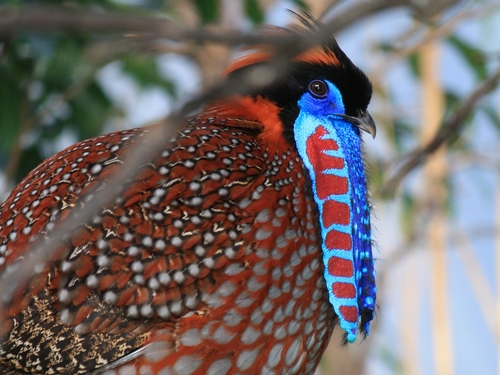
Tragopan
Tragopan is a bird genus in the pheasant family Phasianidae. Member of the genus are colloquially called "horned pheasants" because males have two brightly colored, fleshy horns on their head that can be erected during courtship displays, despite this name, they are not true pheasants and are not closely related to them. The habit of tragopans to nest in trees is unique among phasianids.

Istiompax indica
species of marlin

Old World flying squirrel
genus of mammals

largemouth bass
species of black bass

Amphiprion ocellaris
species of anemonefish
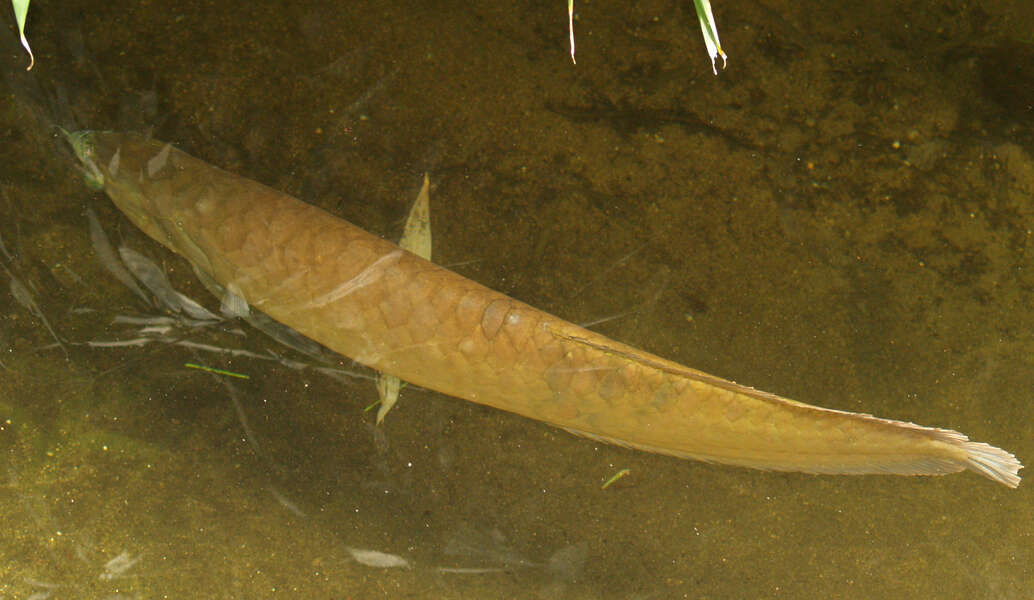
silver arowana
species of fish
.jpg)
Acanthocybium solandri
The wahoo (Acanthocybium solandri) is a scombrid fish found worldwide in tropical and subtropical seas. In Hawaii, the wahoo is known as ono. The species is sometimes called hoo in the United States. It is best known to sports fishermen, as its speed and high quality makes it a prized and valued game fish.

Blue-bellied Roller
species of bird
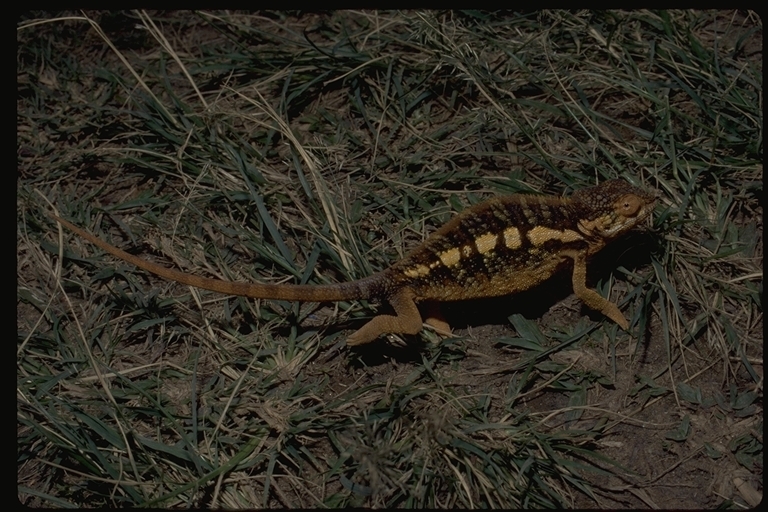
Panther chameleon
species of reptile
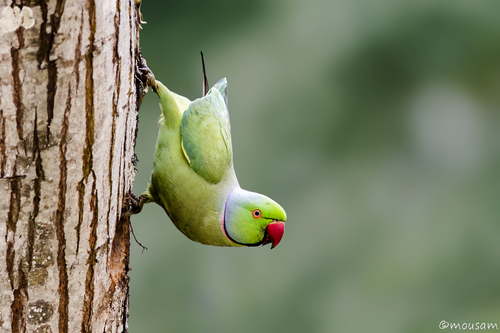
Psittacula
Psittacula, also known as Afro-Asian ring-necked parrots, is a genus of parrots from Africa and Southeast Asia. It is a widespread group with a clear concentration of species in south Asia, but also with representatives in Africa and the islands of the Indian Ocean. This is the only genus of parrot which has the majority of its species in continental Asia. Of all the extant species only Psittacula calthropae, Psittacula caniceps and Psittacula echo do not have a representative subspecies in any part of mainland continental Asia. The rose-ringed parakeet, Psittacula krameri, is one of the most

Pernis
genus of birds
Platylophus galericulatus
species of bird
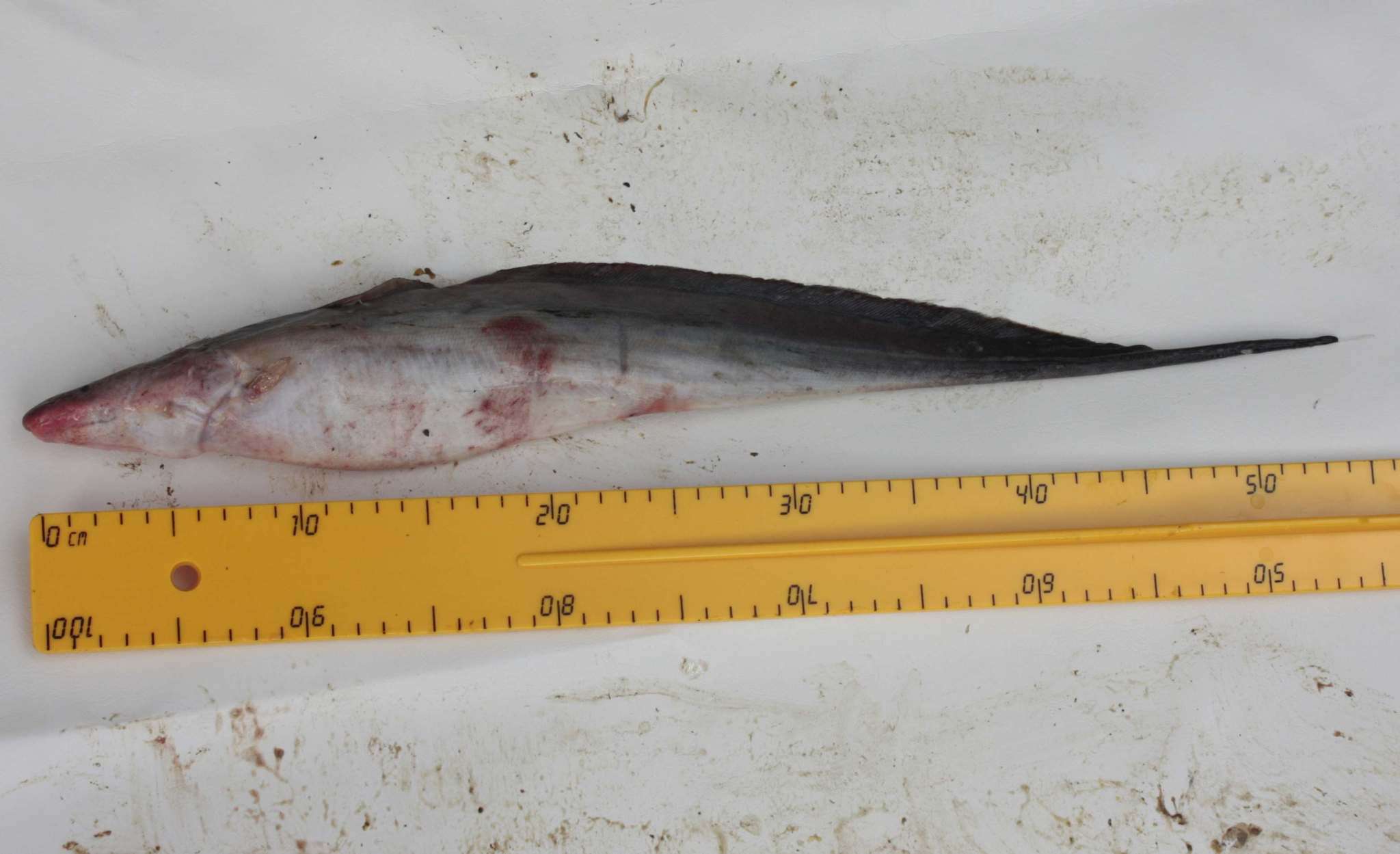
Gymnarchus niloticus
species of fish

Arctocephalus
The genus Arctocephalus consists of the southern fur seals. Arctocephalus translates to "bear head".

Chinese water dragon
species of reptile
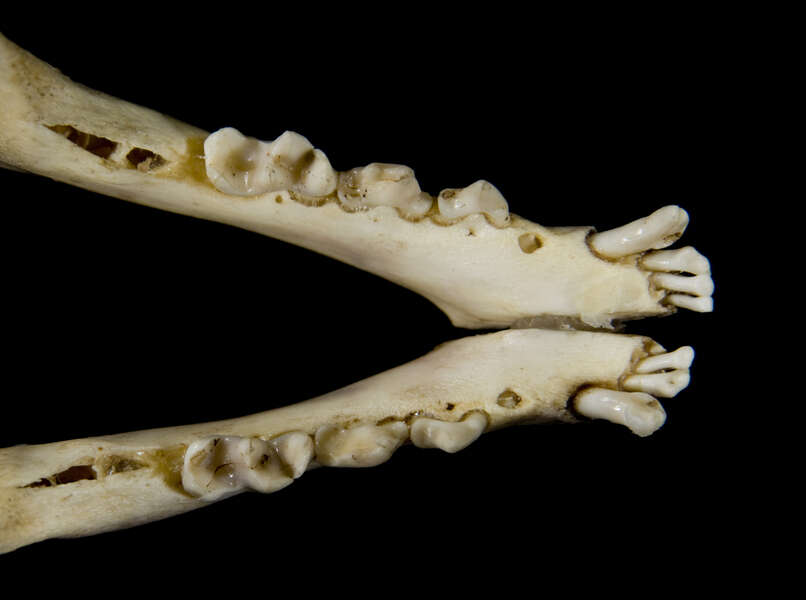
White-tailed mongoose
species of mammal

Great Thick-knee
species of bird