Category
page 1Works with IMSLP links

William Shakespeare
William Shakespeare was an English playwright, poet and actor. He is widely regarded as the greatest writer in the English language and the world's pre-eminent dramatist. He is often called England's national poet and the "Bard of Avon" or simply "the Bard". His extant works, including collaborations, consist of some 39 plays, 154 sonnets, three long narrative poems and a few other verses, some of uncertain authorship. His plays have been translated into every major living language and are performed more often than those of any other playwright. Shakespeare remains arguably the most influential writer in the English language, and his works continue to be studied and reinterpreted.

Johann Sebastian Bach
German composer (1685–1750)

Benjamin Franklin
American polymath and statesman (1706–1790)
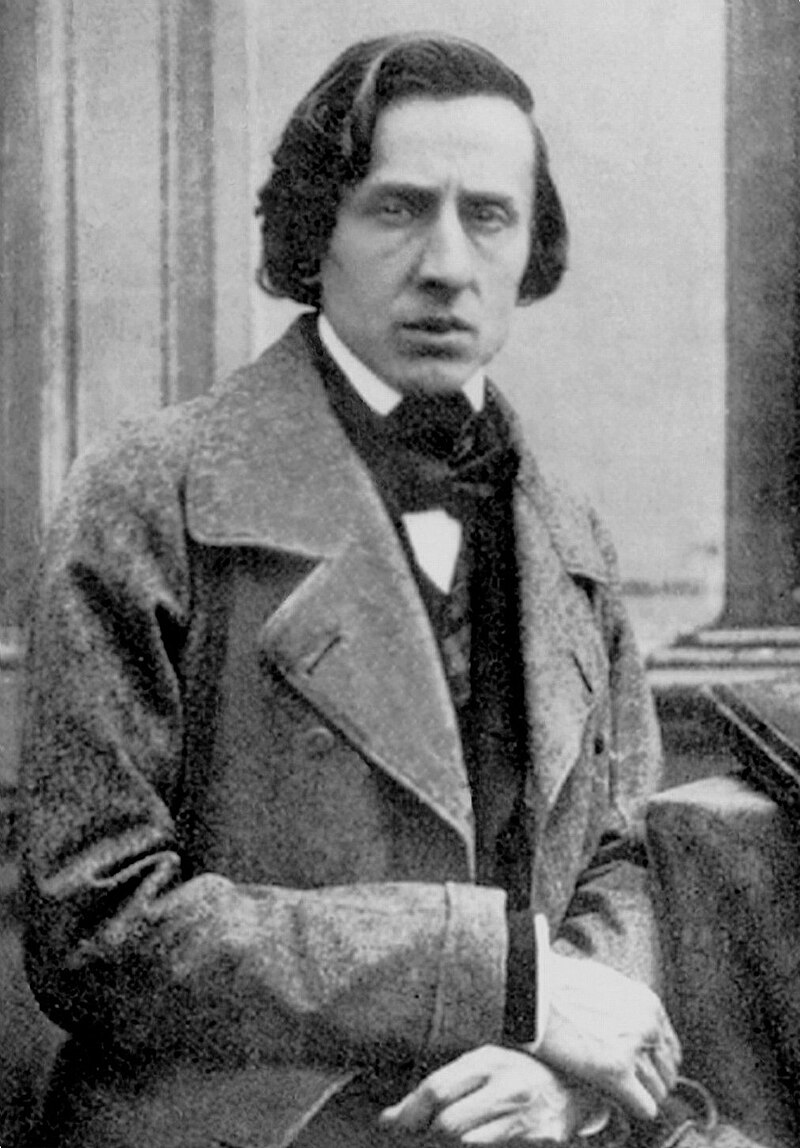
Frédéric Chopin
Polish composer and pianist (1810–1849)
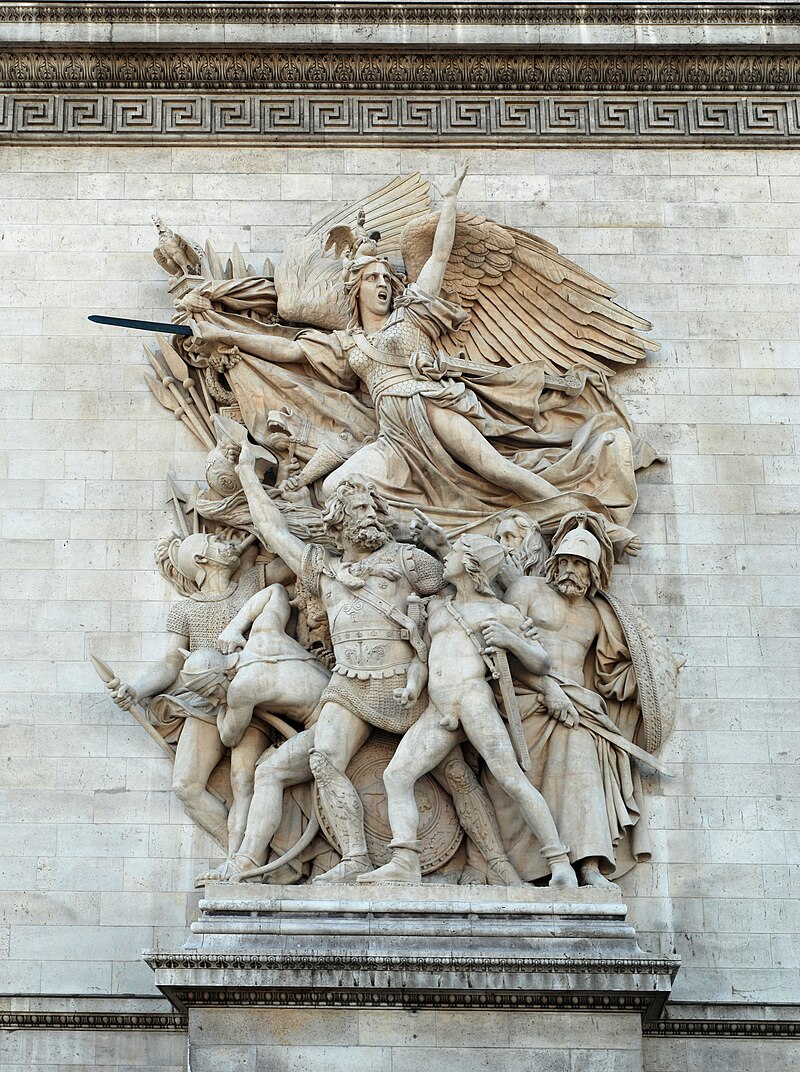
La Marseillaise
national anthem of France

Deutschlandlied
The "'", officially titled "'", is a German poem written by August Heinrich Hoffmann von Fallersleben. A popular song which was made for the cause of creating a unified German state, it was adopted in its entirety in 1922 by the Weimar Republic, replacing the de facto anthem "Heil dir im Siegerkranz". The first stanza of "Deutschlandlied" was used alongside the "Horst-Wessel-Lied" during the Nazi regime from 1933 until the end of World War II. On the proclamation of the Federal Republic of Germany, the entirety of the song was still the official anthem, though only the 3rd verse was sung. Sinc

Shche ne vmerla Ukrainy i slava, i volia
national anthem of Ukraine with lyrics by Pavlo Chubynskyi and music by Mykhailo Verbytskyi

harpsichord
thumb|right|300px|This harpsichord is the work of two celebrated makers: originally constructed by Andreas Ruckers in Antwerp (1646), it was later remodeled and expanded by Pascal Taskin in Paris (1780).

O Canada
national anthem of Canada

Il Canto degli Italiani
national anthem of Italy

note sign
sign used in musical notation to describe a pitched sound (frequency + duration)

Carmen
Carmen () is an opera in four acts by the French composer Georges Bizet. The libretto was written by Henri Meilhac and Ludovic Halévy, based on the novella of the same title by Prosper Mérimée. The opera was first performed by the Opéra-Comique in Paris on 3 March 1875, where its breaking of conventions shocked and scandalised its first audiences. Bizet died suddenly after the 33rd performance, unaware that the work would achieve international acclaim within the following ten years. Carmen has since become one of the most popular and frequently performed operas in the classical canon; the "Hab

Hymn to Liberty
National anthem of Greece and Cyprus

The Magic Flute
1791 opera by Wolfgang Amadeus Mozart
The Name of the Rose
1980 novel by Umberto Eco

Gong
thumb|262px|Two men (right) are lifting the gong depicted on the 13th-century temple reliefs at the Candi Induk, Penataran|Panataran temple complex in [[East Java, Indonesia]]
thumb|262px|A gong collection in a gamelan ensemble of instruments – Indonesian Embassy [[Canberra]]

Christina Rossetti
English poet (1830–1894)

Symphony No. 9
choral symphony by Ludwig van Beethoven

Aida
Aida (or Aïda, ) is a tragic opera in four acts by Giuseppe Verdi to an Italian libretto by Antonio Ghislanzoni. Set in the Old Kingdom of Egypt, it was commissioned by Cairo's Khedivial Opera House and had its première there on 24 December 1871, in a performance conducted by Giovanni Bottesini. Today the work holds a central place in the operatic canon, receiving performances every year around the world. At New York's Metropolitan Opera alone, Aida has been sung more than 1,100 times since 1886. Ghislanzoni's scheme follows a scenario often attributed to the French Egyptologist Auguste Mariet

La traviata
opera by Giuseppe Verdi
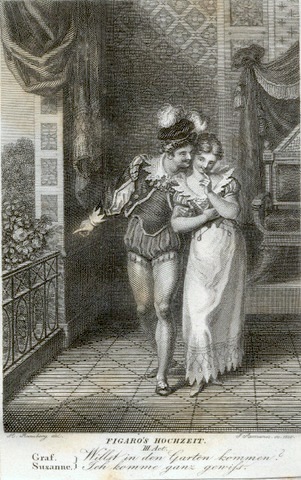
The Marriage of Figaro
opera by Wolfgang Amadeus Mozart

Madama Butterfly
opera by Giacomo Puccini
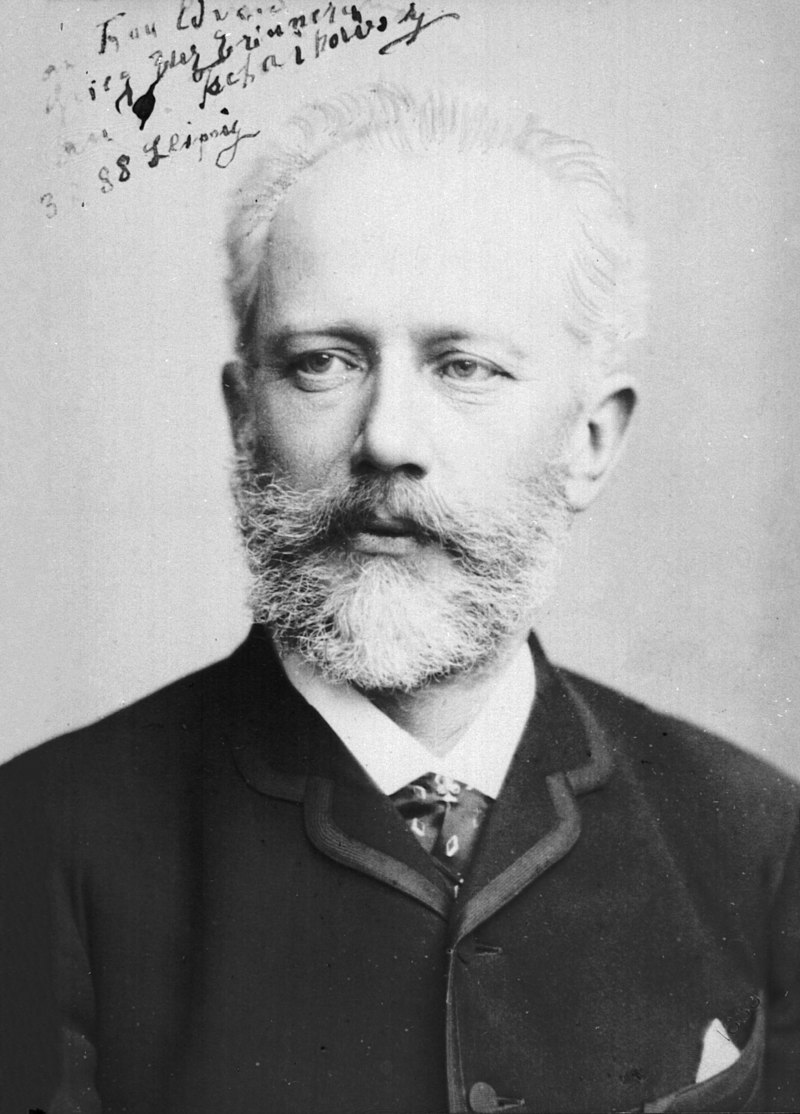
Swan Lake
ballet by Pyotr Ilyich Tchaikovsky

Tosca
Tosca is an opera in three acts by Giacomo Puccini to an Italian libretto by Luigi Illica and Giuseppe Giacosa. It premiered at the Teatro Costanzi in Rome on 14 January 1900. The work, based on Victorien Sardou's 1887 French-language dramatic play, La Tosca, is a melodramatic piece set in Rome in June 1800, with the Kingdom of Naples's control of Rome threatened by Napoleon's invasion of Italy. It contains depictions of torture, murder, and suicide, as well as some of Puccini's best-known lyrical arias.

Don Giovanni
opera by Wolfgang Amadeus Mozart

Giacomo Meyerbeer
German-French composer

Rigoletto
Rigoletto is an opera in three acts by Giuseppe Verdi. The Italian libretto was written by Francesco Maria Piave based on the 1832 play ''Le roi s'amuse'' by Victor Hugo. Despite serious initial problems with the Austrian censors who had control over northern Italian theatres at the time, the opera had a triumphant premiere at La Fenice in Venice on 11 March 1851.

recorder
woodwind musical instrument

Els Segadors
National anthem of Catalonia

Für Elise
composition for piano by Ludwig van Beethoven
Komitas
right|235px|thumb|Komitas singing Mokats Mirza.
Soghomon Soghomonian, ordained and commonly known as Komitas (; 22 October 1935), was an Ottoman-Armenian priest, musicologist, composer, arranger, singer, and choirmaster, who is considered the founder of the Armenian national school of music. He is recognized as one of the pioneers of ethnomusicology.

The Four Seasons
set of four violin concertos by Antonio Vivaldi
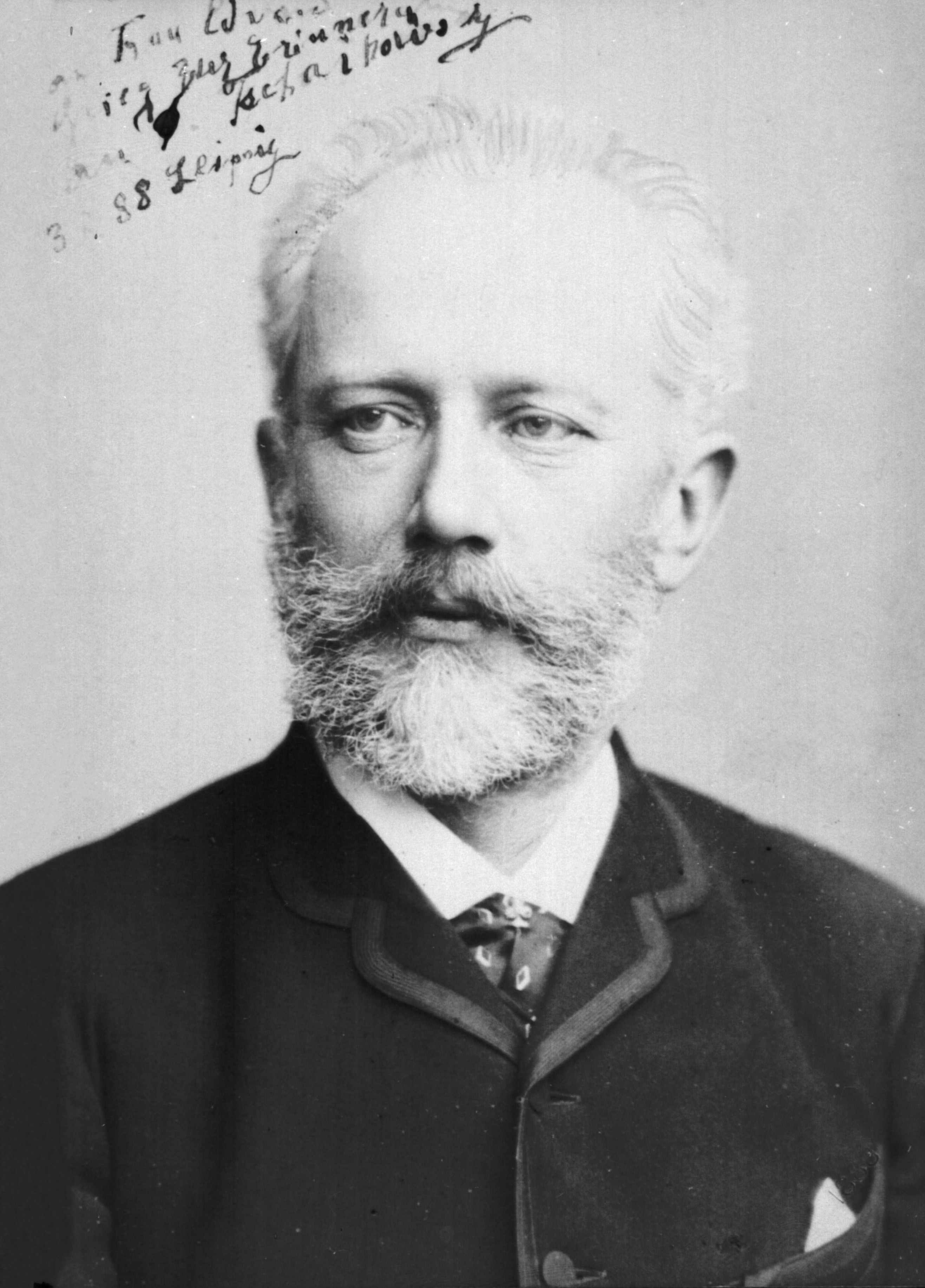
The Nutcracker
The Nutcracker, Op. 71, is an 1892 two-act classical ballet by Pyotr Ilyich Tchaikovsky, set on Christmas Eve at the foot of a Christmas tree in a child's imagination featuring a Nutcracker doll. The plot is an adaptation of Alexandre Dumas's 1844 short story The Tale of a Nutcracker, itself a retelling of E. T. A. Hoffmann's 1816 short story The Nutcracker and the Mouse King. The ballet's first choreographer was Marius Petipa, with whom Tchaikovsky had worked three years earlier on The Sleeping Beauty, assisted by Lev Ivanov. Although the complete and staged The Nutcracker ballet was not initially as successful as the 20-minute Nutcracker Suite that Tchaikovsky had premiered nine months earlier, it became popular in later years.
sharp
musical sign (accidental) raising the pitch of a note by one chromatic semitone (factor 2^(1/12))

Happy Birthday to You
personalisable song traditionally used to commemorate birthdays

Turandot
thumb|Libretto, 1926
Turandot ( ; see below) is an opera in three acts by Giacomo Puccini to a libretto in Italian by Giuseppe Adami and Renato Simoni. Puccini died in 1924, and his opera was left unfinished. The music was completed by Franco Alfano and premiered on 25 April 1926, almost a year and a half after Puccini's death.
The opera is set in China and follows the Prince Calaf, who falls in love with the cold-hearted Princess Turandot. In order to win her hand in marriage, a suitor must solve three riddles, with a wrong answer resulting in his execution. Calaf passes the test, but Turando

medieval music
Western music written during the Middle Ages
Tristan und Isolde
opera by Richard Wagner

Requiem
mass composed by Wolfgang Amadeus Mozart in Vienna in 1791

opera buffa
Italian opera genre

The Barber of Seville
1816 opera by Gioachino Rossini

Kurt Weill
German composer (1900–1950)
.jpg)
concerto
thumb|Violinist Irvine Arditti performing Ligeti's Violin Concerto with the [[Mexico City Philharmonic Orchestra under conductor José Areán, 14 June 2014]]

'O Sole Mio
Neapolitan song written in 1898

La bohème
opera by Giacomo Puccini

Penthesilea
Penthesilea () was an Amazonian queen in Greek mythology, the daughter of Ares and Otrera and the sister of Hippolyta, Antiope, and Melanippe. She assisted Troy in the Trojan War, during which she was killed by Achilles or Neoptolemus. The asteroid 271 Penthesilea, discovered in 1887, was named in her honor.

Così fan tutte
Italian-language opera buffa by W. A. Mozart

Il trovatore
opera by Giuseppe Verdi

Fidelio
Fidelio (; ), originally titled '''''''' (Leonore, or The Triumph of Marital Love''), Op. 72, is the sole opera by German composer Ludwig van Beethoven. The libretto was originally prepared by Joseph Sonnleithner from the French of Jean-Nicolas Bouilly. The opera premiered at Vienna's Theater an der Wien on 20 November 1805. The following year, Beethoven's friend Stephan von Breuning rewrote the libretto, shortening the work from three acts to two. After further work on the libretto by Georg Friedrich Treitschke, a final version was performed at the Kärntnertortheater on 23 May 1814. As these
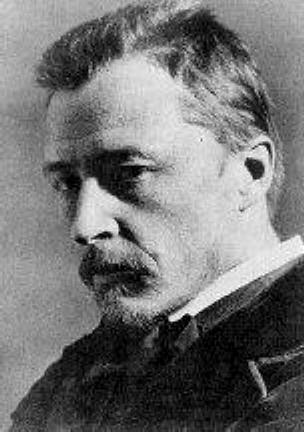
Hugo Wolf
Austrian composer (1860–1903)

Cavalleria rusticana
opera by Pietro Mascagni

Pérotin
Pérotin () was a composer associated with the Notre Dame school of polyphony in Paris and the broader musical style of high medieval music. He is credited with developing the polyphonic practices of his predecessor Léonin, with the introduction of three and four-part harmonies.

Carlo Gesualdo
Napoletan noble, composer and murderer (1566–1613)

Pagliacci
Pagliacci (; literal translation, 'Clowns') is an Italian opera in a prologue and two acts, with music and libretto by Ruggero Leoncavallo. The opera tells the tale of Canio, actor and leader of a commedia dell'arte theatrical company, who murders his wife Nedda and her lover Silvio on stage during a performance. Canio portrays on stage the character of Pagliaccio (Pierrot), while Nedda portays Pierrot's unfaithful lover Columbina.

The Rite of Spring
ballet music by Igor Stravinsky, composed for the ballet of the same title by Vaslav Nijinsky
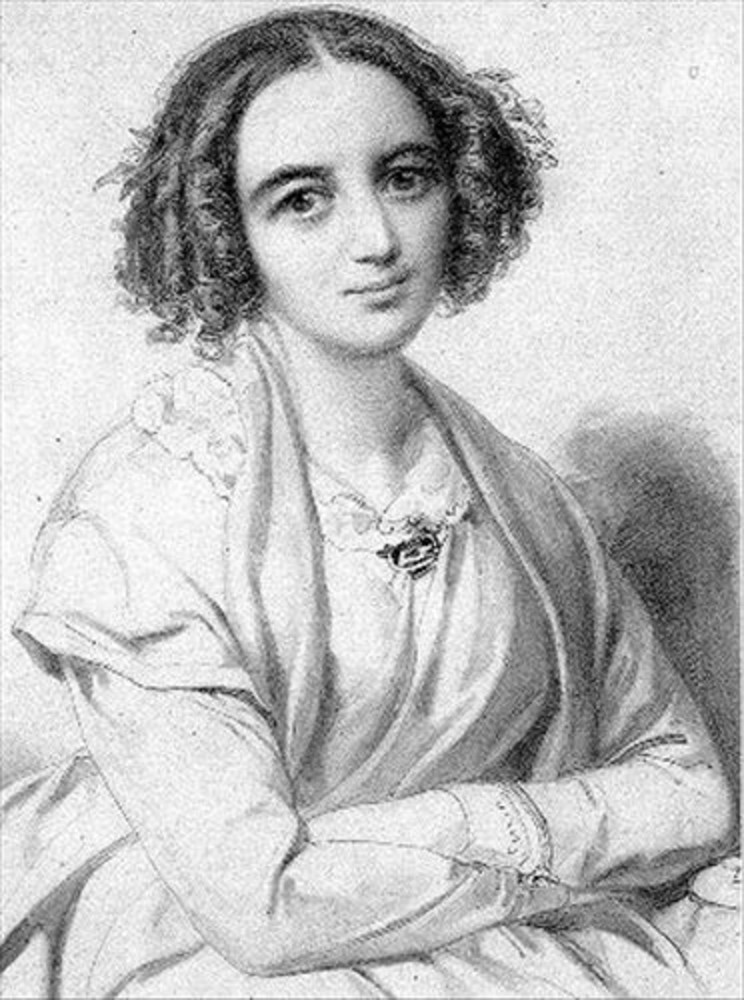
Fanny Mendelssohn
German pianist and composer (1805–1847)

The Blue Danube
waltz by Johann Strauss Jr.

Eugene Onegin
opera by Pyotr Ilyich Tchaikovsky

1812 Overture
1880 concert overture by Tchaikovsky

Otello
Otello () is an opera in four acts by Giuseppe Verdi to an Italian libretto by Arrigo Boito, based on Shakespeare's play Othello. It was Verdi's penultimate opera, first performed at the Teatro alla Scala, Milan, on 5 February 1887.