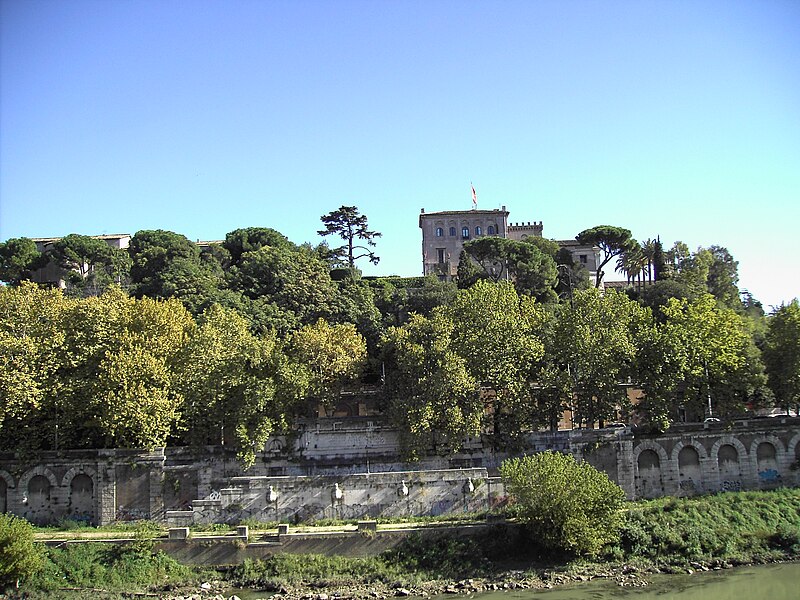
File:Ripa_-_Aventino_-_CavalieriDiMalta.JPG · Wikimedia Commons · See Wikimedia Commons
The Aventine Hill is one of the seven hills that form the geographical and historical foundation of Rome, Italy. It matters as part of the iconic landscape that defined ancient Rome's location and development as a city.
AI-generated from the Wikipedia summary — may contain errors.
Key facts
- Latin name
- Collis Aventinus
- Italian name
- Aventino
- Rione
- Ripa
- People
- Ancus Marcius , Lucius Vorenus , Lucius Opimius , Marcus Fulvius Flaccus , Naevius , Pope Sixtus III
- Events
- Aventine Secession (494 BC) , Aventine Secession (20th century)
- Ancient roman religion
- Temples to Diana , Ceres , Liber and Libera , Bona Dea .
via Wikipedia infobox
Wikidata facts
- Instance of
- hill
- Part of
- seven hills of Rome
- Named after
- Aventinus of Alba Longa
- Country
- Italy
- Located in
- Rome
- Elevation
- 46.6
- Image
- Ripa - Aventino - CavalieriDiMalta.JPG
Show 4 more facts
- described by source
- The Nuttall Encyclopædia
- topic's main category
- Category:Aventine Hill
- native label
- Aventino
- Commons category
- Aventine Hill
via Wikidata · CC0
~13 min read
Encyclopedic overview
Ripa: the Aventine towards the Tiber, with the palace of the Knights of Malta
The Aventine Hill (/ˈævɪntaɪn, -tɪn/ AV-in-tyne, -tin; Latin: Collis Aventinus; Italian: Aventino [avenˈtiːno]) is one of the Seven Hills on which ancient Rome was built. It belongs to Ripa, the modern twelfth rione, or ward, of Rome.
Excerpted from Wikipedia’s “Aventine Hill” article, available under the CC BY-SA 4.0 licence.