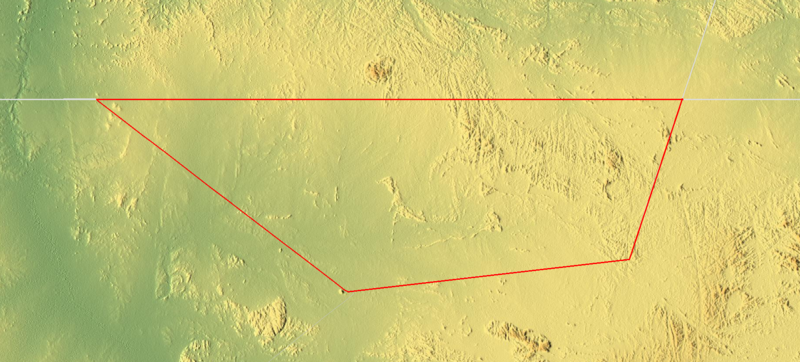
File:Topographic_Map_of_Bir_Tawil.png · Wikimedia Commons · See Wikimedia Commons
Bir Tawil is a small area of desert land located between Egypt and Sudan that neither country claims as its own territory. It matters because it is one of the few remaining pieces of unclaimed land on Earth, making it a unique geographical oddity that occasionally attracts attention from people interested in establishing micronations or settling in truly independent territory.
AI-generated from the Wikipedia summary — may contain errors.
Key facts
- Country
- None
- Total
- 2,060 km (800 sq mi)
- Water
- 0 km (0 sq mi)
via Wikipedia infobox
Described at
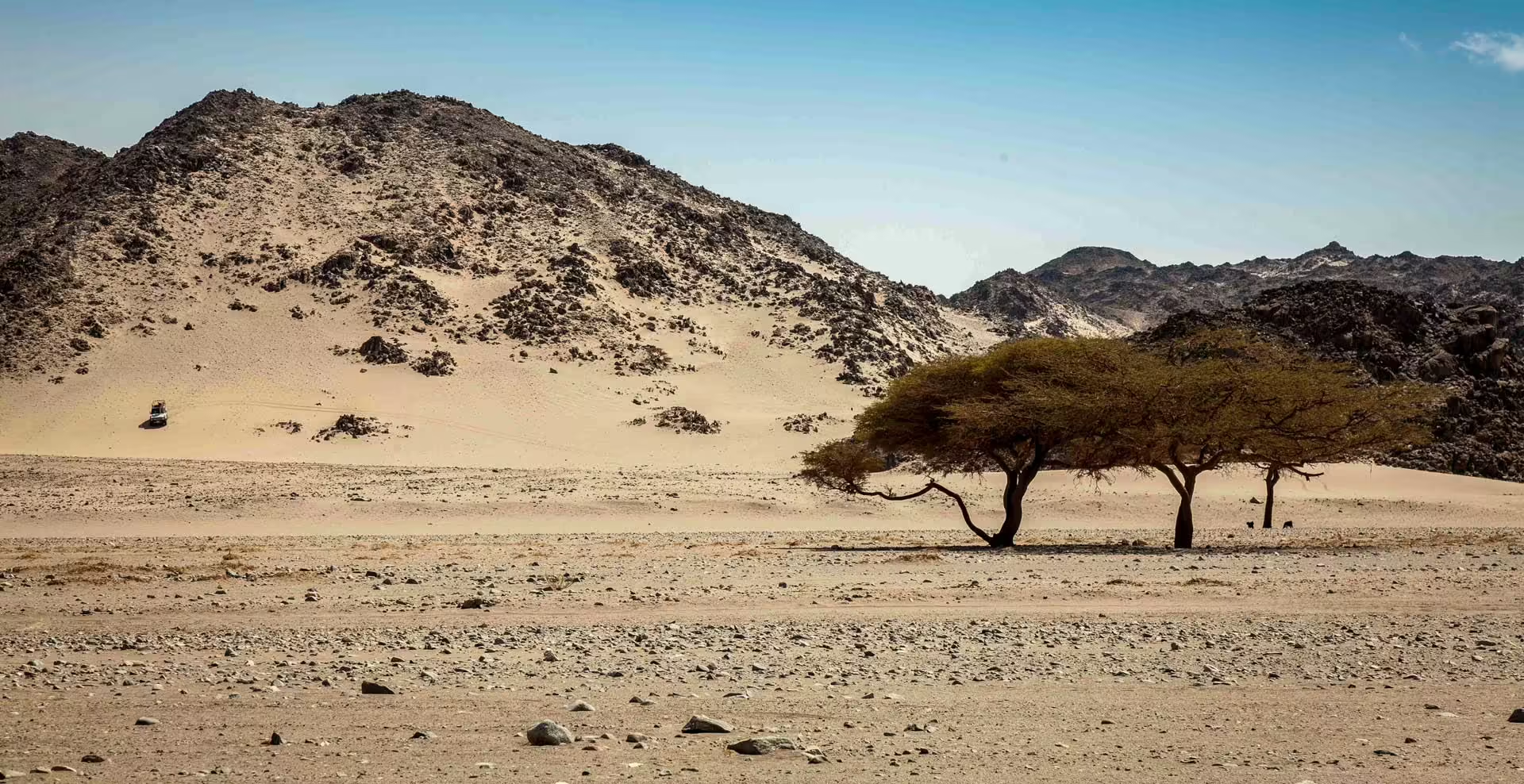
Bir Tawil - PlaceMania
Nikto toto územie si nechce privlastniť, ale zas nikomu ho nechcú dať :)
placemania.sk →Hranica medzi Egyptom a Sudánom má totiž dve oficiálne verzie . Prvá, tzv. politická hranica z roku 1899, bola zakreslená britskými úradníkmi ako takmer dokonale rovná čiara naprieč púšťou. Podľa nej pripadá Halaibský trojuholník , bohatý na nerastné suroviny a strategicky položený pri pobreží Červeného mora, Egyptu. Sudánu by naopak pripadol Bir Tawil – nehostinná a hospodársky bezcenná púštna oblasť. Druhá hranica, administratívna, vznikla v roku 1902. Tá zohľadňovala etnické a geografické väzby miestneho obyvateľstva. Podľa nej pripadá Halaibský trojuholník Sudánu a Bir Tawil Egyptu. Obe hranice narýsovali Briti a každá zvýhodňuje jednu zo strán. Kmeň sa z oblasti Bir Tawil dávno stiahol, no spomienka naň pretrváva. Práve fakt, že Bir Tawil je „nezabraný“, z neho v posledných rokoch urobil magnet pre rôznych internetových dobrodruhov, samozvaných kráľov, prezidentov a zakladateľov mikronácií. Web je plný diskusií o tom, komu by územie „patrilo“, keby si ho niekto prišiel formálne nárokovať. Najznámejší prípad sa odohral v roku 2014, keď Američan Jeremiah Heaton pricestoval do Egypta a absolvoval 14-hodinovú cestu do Bir Tawil, kde vztýčil vlajku a vyhlásil „Kráľovstvo severného Sudánu“ . Tvrdil, že tak urobil, aby splnil sen svojej sedemročnej dcéry stať sa princeznou. Bir Tawil však nie je ani zasľúbenou krajinou, ani prázdnym miestom bez významu. Práve naopak – núti nás premýšľať o tom, čo vlastne štátne hranice znamenajú . Zvyčajne ich vnímame ako nástroj expanzie, moci a nárokov. No Bir Tawil ukazuje opačnú stranu mince: hranice môžu byť aj aktom odmietnutia. Pri pohľade na mapu Afriky Bir Tawil ľahko prehliadnete. A ak ho predsa len zbadáte, možno ho považujete za bezvýznamný dôsledok dvoch krivo nakreslených čiar. Jeho symbolický význam je však obrovský. Je jedným z mála miest, kde sa naplno ukazuje paradoxná povaha hraníc – ako nástroja moci, ale aj sebakontroly; túžby po expanzii, ale aj ochoty ustúpiť. Bir Tawil je dnes prázdny. No práve tým nás učí viac o modernom svete než mnohé husto obývané krajiny. Zakladateľ projektu PlaceMania.sk a zodpovedá za jeho obsah, technické fungovanie a dlhodobý rozvoj. Cestovné zápisky na webe vychádzajú z vlastnej skúsenosti z ciest; faktografické záznamy o miestach vznikajú kombináciou verejných zdrojov, automatizovaného spracovania dát a redakčného overovania. Zameriava sa na netradičné lokality, ich historický a geografický kontext a menej známe súvislosti. Things to do near Bir Tawil, Hovorová oblasť, Politická oblasť, Arab Republic of Egypt, مصر, Egypt, EG, EGY, السودان, Sudán, SD, SDN. Find tours, guided tours, local activities, attractions, tickets, excursions, sightseeing, day trips and travel experiences nearby. Coordinates: 21.886527, 33.6779879. V ranokresťanskej bazilike postavenej podľa vzoru egyptského chrámu sa nachádzajú najzachovalejšie fresky z neskorej antiky. Opustené vonkajšie kino v Sinajskej púšti. Škoda že nezažilo ani premiéru. Ani by nám nevadilo si pozrieť Dunu v arabčine. Pozrite si ďalšie zaujímave miesta vo svete, ktoré stoja za naplánovanie ďalšej cesty. V tieni tejto posvätnej hory stoja rozpadajúce sa pyramídy a ruiny chrámov. Niektoré starobyle vyzerajúce chatrče medzi týmito zvláštnymi skalnými útvarmi vôbec nie sú starobylé, ale postavené ako súčasť filmových kulís. Chcete vidieť ďalšie úchvatné miesta ako Bir Tawil? Nájdeš ich u nás na mape. Objav s nami ďalšie úžasné miesta na zemi.
Excerpt from a page describing this subject · 21,233 chars · not written by Vinony
Wikidata facts
- Instance of
- disputed territory
- Country
- Sudan
- Continent
- Africa
- Area
- 2060
- Time zone
- UTC+02:00
- Shares border with
- Sudan
- Image
- Satellite image of Bir Tawil.jpg
Show 3 more facts
- described at URL
- www.placemania.sk/svetova-zaujimavost/bir-tawil
- Commons category
- Bir Tawil
- located in/on physical feature
- North Africa
Sources (2)
via Wikidata · CC0
~6 min read
Encyclopedic overview
Bir Tawil (Egyptian Arabic: بير طويل, romanised: Bīr Ṭawīl, lit. 'tall water well', [biːɾ tˤɑˈwiːl]) is a 2,060 km (795.4 mi) area of land along the border between Egypt and Sudan which is claimed by neither country. Together with the neighbouring Halaib Triangle, it is sometimes called the Bir Tawil Triangle (Bartazoja Triangle), despite its quadrilateral shape; the two regions border at a quadripoint.
Its unclaimed status results from a discrepancy between the straight political boundary between Egypt and Sudan established in 1899 and the irregular administrative boundary established in 1902. Egypt asserts the political boundary, and Sudan asserts the administrative boundary, with the result that the Halaib Triangle is claimed by both and Bir Tawil by neither. As of 2024, Bir Tawil remains the only place that is habitable but not claimed by any recognised government.
Excerpted from Wikipedia’s “Bir Tawil” article, available under the CC BY-SA 4.0 licence.