
File:Cellulitis3.jpg · Wikimedia Commons · See Wikimedia Commons
蜂窩性組織炎
Sign in to saveOverviewAI-generated
Cellulitis is a medical condition classified under the ICD-9-CM codes 682.8 and 682.9. It is also identified by the ICPC 2 code S76 and associated with the NCI Thesaurus identifiers C34454 and C26715. The condition has a dedicated category on Commons.
Synthesized by Vinony from 13 facts across 4 sources: Wikidata, PubMed, Firecrawl, Vinony graph. Generated from structured data (not the Wikipedia text) and checked against those facts — may still contain errors.
Key facts
- Medical condition (new).frequency
- 21.2 million (2015)
- Medical condition (new).deaths
- 16,900 (2015)
- Medical condition (new).name
- Cellulitis
- Medical condition (new).image
- Cellulitis3.jpg
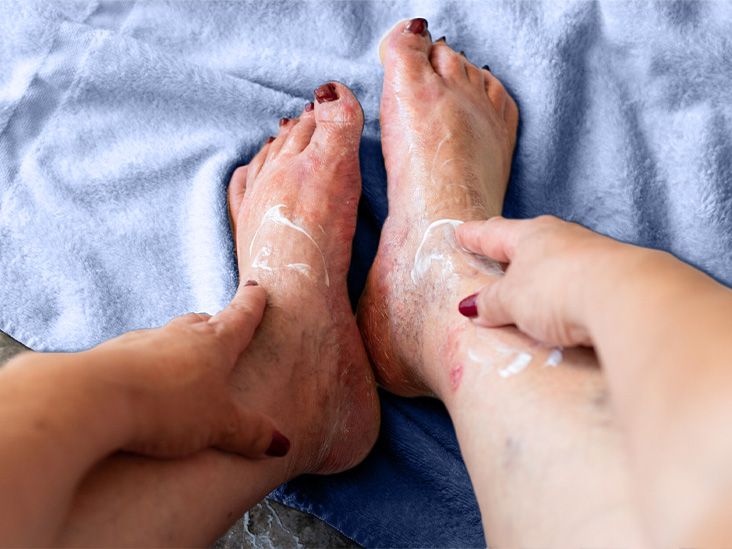
- Medical condition (new).caption
- Skin cellulitis
- Medical condition (new).field
- Infectious disease, dermatology
- Medical condition (new).symptoms
- Red, hot, painful area of skin, fever
- Medical condition (new).duration
- 7–10 days
- Medical condition (new).causes
- Bacteria
- Medical condition (new).risks
- Break in the skin, obesity, leg swelling, old age
- Medical condition (new).diagnosis
- Based on symptoms
- Medical condition (new).differential
- Deep vein thrombosis, stasis dermatitis, erysipelas, Lyme disease, necrotizing fasciitis. Sepsis must be ruled out, and if it occurs, must be rapidly treated.
- Medical condition (new).treatment
- Elevation of the affected area
- Medical condition (new).medication
- Antibiotics such as cephalexin
via Wikipedia infobox
Research
17,153 papersvia PubMed
Described at
Cellulitis: Treatment, types, and symptoms
Cellulitis is a bacterial infection in the deep layers of skin and the layers of fat and tissue beneath. It responds well to treatment, but can become life threatening without medical attention.
medicalnewstoday.com →Cellulitis is a bacterial infection in the deeper layers of skin and the fat and soft tissue underneath. Symptoms can include skin discoloration, swelling, and tenderness. A person may require antibiotics for cellulitis. There are around 14 millionTrusted Source cases of cellulitis each year in the United States. Some bacteria are naturally present on the skin and do not usually cause harm. However, if they enter the skin, an infection can result. Bacteria can enter the skin through cuts, grazes, or bites. Cellulitis is not the same as cellulite, a harmless “orange peel” effect that can appear on the upper arms and thighs. It can start suddenly and may become life threatening without prompt treatment. Mild cases involve a localized infection, with discoloration in one area. More serious cases involve a rapidly spreading infection that can lead toTrusted Source an extreme immune response called sepsis . The spread will depend, to some extent, on how strong the person’s immune system is. There are different types of cellulitis, depending on where the infection occurs. Cellulitis can occur anywhere on the body, including the hands and feet. Adults tend to develop cellulitis in the lower leg, while children tend to develop it on the face or neck. Cellulitis usually begins as a swollen, pink, or red patch of skin that may increase in size and severity as the infection spreads. This patch of skin may look darker in darker skin tones. Some people develop blisters. A person may also experience other symptoms of an infection, such asTrusted Source : In addition, the lymph glands may swellTrusted Source and become tender. Cellulitis in the leg, for example, may affect the groin’s lymph glands. Early treatment with antibiotics is usually successful. Most people receive treatment at home, but some need it in a hospital. A mild case of cellulitis usually responds to oral antibiotic treatment in 7–14 days . The symptoms may initially worsen, but they usually start easing within 2 days. Different types of antibiotics can treat cellulitis. The doctor will decide on the best option after considering the type of bacteria causing the infection and factors specific to each person. Most people recoverwithin 2 weeks, but it may take longer if the symptoms are severe. In the hospital, most people with this type of infection receive antibiotic treatment through an IV, with a drip that delivers the medication through a vein in the arm. Cellulitis is usually the result ofTrusted Source bacteria from the Streptococcus and Staphylococcus groups. These bacteria are common on the skin’s surface, where they are not harmful. However, if they enter the skin, usually through a cut or scratch, they can cause an infection. The doctor may ask about any medications a person takes, their symptoms, and their medical history. They may also collectTrusted Source a swab sample or take a biopsy to determine the type of bacteria present. Laboratory tests can help rule out other possible causes, as other conditions can look similar to cellulitis. Identifying the cause and type of bacteria enables a doctor to prescribe the most suitable treatment. However, this can be challenging, as various types of bacteria on the skin can lead toTrusted Source inaccurate results. How long will treatment take? What side effects may be caused by this medication? How can infection be prevented in the future? What are some ways to manage other preexisting medical conditions? Permanent swelling: Without treatment, the person may develop permanent swelling in the affected area. Blood infection and sepsis: This life threatening condition results from bacteria entering the bloodstream, requiring rapid treatment. Symptoms of sepsis includeTrusted Source a fever, a rapid heartbeat, rapid breathing, and clammy skin. Infection in other regions: In very rare cases, bacteria that have caused cellulitis may spread and infect other parts of the body, including the muscles, bones
Excerpt from a page describing this subject · 29,798 chars · not written by Vinony
Wikidata facts
- Instance of
- symptom or sign
- Subclass of
- disease
- Image
- Cellulitis3.jpg
Show 11 more facts
- on focus list of Wikimedia project
- WikiProject Medicine
- NCI Thesaurus ID
- C26715
- health specialty
- dermatology
- ICPC 2 ID
- S76
- drug or therapy used for treatment
- vancomycin
- exact match
- purl.obolibrary.org/obo/SYMP_0000000
- Commons category
- Cellulitis
- anatomical location
- connective tissue
- ICD-9-CM
- 682.9
- different from
- cellulite
- described at URL
- www.medicalnewstoday.com/articles/152663#types
via Wikidata · CC0
Article · 中文
蜂窩組織炎(拉丁語:cellulitis)是牽涉到皮膚的細菌感染。該疾病尤其會影響到真皮與皮下組織。其症狀為皮膚發紅,會在數天內逐漸擴大範圍。發紅範圍的邊緣一般而言不明顯,而且可能會腫大。當施加壓力於發紅部位時,該部位會變白,但並不是每個病例會如此。感染範圍通常伴隨疼痛。淋巴管偶爾可能會被影響,並引起發燒與疲倦。 該疾病雖然好發於任何部位,但最常見的是腿與臉。腿的部分通常會因為皮膚微小裂傷,而罹患此疾病。其他的危險因子包含肥胖症、腿部腫脹與年老。然而在臉部的皮膚微小裂傷,通常不會造成感染。最常見致病菌包含鏈球菌與金黃色葡萄球菌。相對於蜂窩性組織炎,丹毒為更淺層皮膚的細菌感染,表現為發紅部位邊緣清楚,且較常合併發燒。此外,嚴重感染如骨髓炎或壞死性筋膜炎,應需首先排除。 該疾病診斷,通常基於臨床症狀與徵象確診,細菌培養很少有發現 。在治療上採用口服抗生素,通常會使用頭孢氨芐、阿莫西林與氯噻青黴素(拉丁語:cloxacillin)。如果對青黴素過敏的病患,則可以紅霉素與克林黴素替代。此外,如果有發膿或前次抗藥性金黃色葡萄球菌(MRSA)感染,則在考量MRSA的情況下,會建議加用去氧羥四環素與複方新諾明。抗生素併用類固醇也許會加速復原。將患處抬高與止痛劑可能對緩解症狀有幫助。 約95%的人會在7至10天的治療後好轉,若患部重覆發炎可能導致併發症,嚴重時須切除患部。潛在性的併發症包含膿瘍的形成。每年1000人當中,大約有2個人會有皮膚感染。2010年,蜂窩組織炎造成全球約27,000人死亡。在英國,醫院入診病患當中的1.6%為蜂窩組織炎。
Abstract from DBpedia / Wikipedia · CC BY-SA