
File:Cellulitis3.jpg · Wikimedia Commons · See Wikimedia Commons
cellulitis
Sign in to saveOverviewAI-generated
Cellulitis is a medical condition classified under the ICD-9-CM codes 682.8 and 682.9. It is also identified by the ICPC 2 code S76 and associated with the NCI Thesaurus identifiers C34454 and C26715. The condition has a dedicated category on Commons.
Synthesized by Vinony from 13 facts across 4 sources: Wikidata, PubMed, Firecrawl, Vinony graph. Generated from structured data (not the Wikipedia text) and checked against those facts — may still contain errors.
Key facts
- Medical condition (new).frequency
- 21.2 million (2015)
- Medical condition (new).deaths
- 16,900 (2015)
- Medical condition (new).name
- Cellulitis
- Medical condition (new).image
- Cellulitis3.jpg
- Medical condition (new).caption
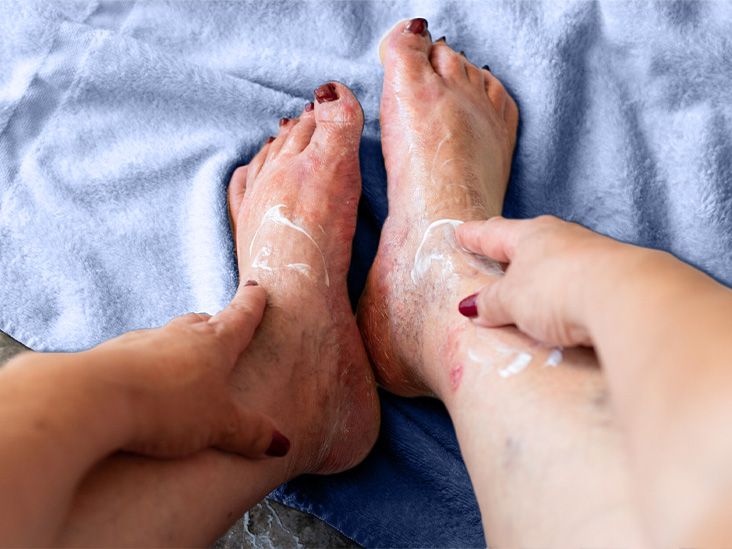
- Skin cellulitis
- Medical condition (new).field
- Infectious disease, dermatology
- Medical condition (new).symptoms
- Red, hot, painful area of skin, fever
- Medical condition (new).duration
- 7–10 days
- Medical condition (new).causes
- Bacteria
- Medical condition (new).risks
- Break in the skin, obesity, leg swelling, old age
- Medical condition (new).diagnosis
- Based on symptoms
- Medical condition (new).differential
- Deep vein thrombosis, stasis dermatitis, erysipelas, Lyme disease, necrotizing fasciitis. Sepsis must be ruled out, and if it occurs, must be rapidly treated.
- Medical condition (new).treatment
- Elevation of the affected area
- Medical condition (new).medication
- Antibiotics such as cephalexin
via Wikipedia infobox
Research
17,153 papersvia PubMed
Described at
Cellulitis: Treatment, types, and symptoms
Cellulitis is a bacterial infection in the deep layers of skin and the layers of fat and tissue beneath. It responds well to treatment, but can become life threatening without medical attention.
medicalnewstoday.com →Cellulitis is a bacterial infection in the deeper layers of skin and the fat and soft tissue underneath. Symptoms can include skin discoloration, swelling, and tenderness. A person may require antibiotics for cellulitis. There are around 14 millionTrusted Source cases of cellulitis each year in the United States. Some bacteria are naturally present on the skin and do not usually cause harm. However, if they enter the skin, an infection can result. Bacteria can enter the skin through cuts, grazes, or bites. Cellulitis is not the same as cellulite, a harmless “orange peel” effect that can appear on the upper arms and thighs. It can start suddenly and may become life threatening without prompt treatment. Mild cases involve a localized infection, with discoloration in one area. More serious cases involve a rapidly spreading infection that can lead toTrusted Source an extreme immune response called sepsis . The spread will depend, to some extent, on how strong the person’s immune system is. There are different types of cellulitis, depending on where the infection occurs. Cellulitis can occur anywhere on the body, including the hands and feet. Adults tend to develop cellulitis in the lower leg, while children tend to develop it on the face or neck. Cellulitis usually begins as a swollen, pink, or red patch of skin that may increase in size and severity as the infection spreads. This patch of skin may look darker in darker skin tones. Some people develop blisters. A person may also experience other symptoms of an infection, such asTrusted Source : In addition, the lymph glands may swellTrusted Source and become tender. Cellulitis in the leg, for example, may affect the groin’s lymph glands. Early treatment with antibiotics is usually successful. Most people receive treatment at home, but some need it in a hospital. A mild case of cellulitis usually responds to oral antibiotic treatment in 7–14 days . The symptoms may initially worsen, but they usually start easing within 2 days. Different types of antibiotics can treat cellulitis. The doctor will decide on the best option after considering the type of bacteria causing the infection and factors specific to each person. Most people recoverwithin 2 weeks, but it may take longer if the symptoms are severe. In the hospital, most people with this type of infection receive antibiotic treatment through an IV, with a drip that delivers the medication through a vein in the arm. Cellulitis is usually the result ofTrusted Source bacteria from the Streptococcus and Staphylococcus groups. These bacteria are common on the skin’s surface, where they are not harmful. However, if they enter the skin, usually through a cut or scratch, they can cause an infection. The doctor may ask about any medications a person takes, their symptoms, and their medical history. They may also collectTrusted Source a swab sample or take a biopsy to determine the type of bacteria present. Laboratory tests can help rule out other possible causes, as other conditions can look similar to cellulitis. Identifying the cause and type of bacteria enables a doctor to prescribe the most suitable treatment. However, this can be challenging, as various types of bacteria on the skin can lead toTrusted Source inaccurate results. How long will treatment take? What side effects may be caused by this medication? How can infection be prevented in the future? What are some ways to manage other preexisting medical conditions? Permanent swelling: Without treatment, the person may develop permanent swelling in the affected area. Blood infection and sepsis: This life threatening condition results from bacteria entering the bloodstream, requiring rapid treatment. Symptoms of sepsis includeTrusted Source a fever, a rapid heartbeat, rapid breathing, and clammy skin. Infection in other regions: In very rare cases, bacteria that have caused cellulitis may spread and infect other parts of the body, including the muscles, bones
Excerpt from a page describing this subject · 29,798 chars · not written by Vinony
Wikidata facts
- Instance of
- symptom or sign
- Subclass of
- disease
- Image
- Cellulitis3.jpg
Show 11 more facts
- on focus list of Wikimedia project
- WikiProject Medicine
- NCI Thesaurus ID
- C26715
- health specialty
- dermatology
- ICPC 2 ID
- S76
- drug or therapy used for treatment
- vancomycin
- exact match
- purl.obolibrary.org/obo/SYMP_0000000
- Commons category
- Cellulitis
- anatomical location
- connective tissue
- ICD-9-CM
- 682.9
- different from
- cellulite
- described at URL
- www.medicalnewstoday.com/articles/152663#types
via Wikidata · CC0
~13 min read
Encyclopedic overview
15 sectionsContents
- Signs and symptoms
- Complications
- Causes
- Risk factors
- Diagnosis
- Differential diagnosis
- Prevention
- Treatment
- Antibiotics
- Epidemiology
- Other animals
- See also
- References
- Further reading
- External links
Cellulitis is usually a bacterial infection involving the inner layers of the skin. It specifically affects the dermis and subcutaneous fat. Signs and symptoms include an area of redness which increases in size over a few days. The borders of the area of redness are generally not sharp and the skin may be swollen. While the redness often turns white when pressure is applied, this is not always the case. The area of infection is usually painful. Lymphatic vessels may occasionally be involved, and the person may have a fever and feel tired.
The legs and face are the most common sites involved, although cellulitis can occur on any part of the body. The leg is typically affected following a break in the skin from abrasions, arthropod bites, or maceration between the toes. Other risk factors include obesity, leg swelling, and old age. For facial infections, a break in the skin beforehand is not usually the case. The bacteria most commonly involved are streptococci and Staphylococcus aureus.
Excerpted from Wikipedia’s “cellulitis” article, available under the CC BY-SA 4.0 licence.