Cenolophium · Kew POWO · Kew Plants of the World Online
Cenolophium
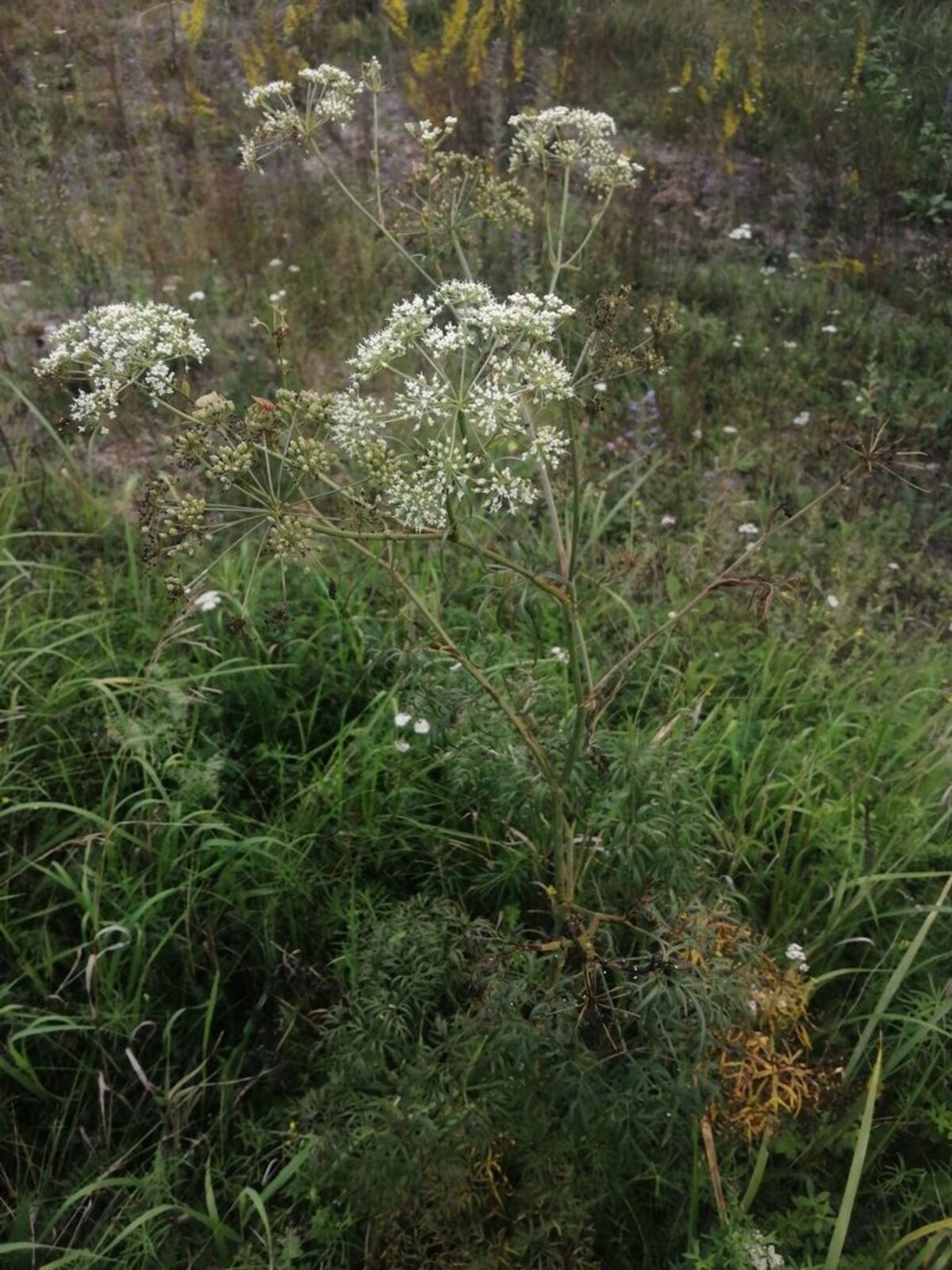
Sign in to saveCenolophium is a genus of flowering plants in the carrot family Apiaceae (Umbelliferae). Its only species is Cenolophium denudatum (known as Baltic parsley), native to Europe and Asia. A herbaceous perennial, it grows to tall by wide, with dark green divided leaves and, in summer, many umbels of tiny pale green or white flowers on branching naked stems (hence the Latin specific name denudatum). The stems are sometimes purple in colour. The flowers are attractive to numerous insects.
Species
GENUS
- KingdomPlantae
- PhylumTracheophyta
- ClassMagnoliopsida
- OrderApiales
- FamilyApiaceae
via GBIF · Kew POWO
Museum specimens
- Specimen records
- 4
- With media
- 6
- Family
- Apiaceae
- Collections
- MU, BRIT
- Recorded in
- Russia, Latvia
Wikidata facts
Show 6 more facts
- taxon name
- Cenolophium
- taxon rank
- genus
- topic's main category
- Category:Cenolophium
- Commons category
- Cenolophium
- taxon common name
- 空棱芹属
Sources (2)
via Wikidata · CC0
~1 min read
Encyclopedic overview
2 sectionsContents
- References
- Gallery
Cenolophium is a genus of flowering plants in the carrot family Apiaceae (Umbelliferae). Its only species is Cenolophium denudatum (known as Baltic parsley), native to Europe and Asia. A herbaceous perennial, it grows to tall by wide, with dark green divided leaves and, in summer, many umbels of tiny pale green or white flowers on branching naked stems (hence the Latin specific name denudatum). The stems are sometimes purple in colour. The flowers are attractive to numerous insects.
In cultivation in the UK, this plant has gained the Royal Horticultural Society's Award of Garden Merit (confirmed 2017).
Excerpted from Wikipedia’s “Cenolophium” article, available under the CC BY-SA 4.0 licence.
Gallery (2)
Available in 11 languages
via Wikidata sitelinks · CC0