
Fidus
Sign in to saveAlso known as Hugo Höppener, Hugo Hoeppner-Fidus, fidus-hoppener, Hugo Reinhold Karl Johann Höppener, Hugo Hoppener Fidus, Hugo Hoppener, Hugo Reinhold Karl Johann Fidus (Höppener
Hugo Reinhold Karl Johann Höppener (8 October 1868 – 23 February 1948), known under the pseudonym Fidus, was a German illustrator, painter, and publisher. Part of the symbolist movement, his later work took influence from the Art Nouveau and Vienna Secession styles. By the turn of the century, his works were among the most popular in Germany and their rediscovery influenced the Psychedelia movement. Much of his art draws from his beliefs in mysticism and Germanic neopaganism.
Person · Open Library
- Works
- 19
Top works
- Sojourn : Muse in Arms
- Sojourn : What Dreams Await
- Sojourn : in a Blaze of Honor and Glory
- Sojourn : Gotterdammerung
- Sojourn : on Wings of Steel
via Open Library + Wikidata
Listeners · Last.fm
- Listeners
- 270
- Total plays
- 1,123
<a href="https://www.last.fm/music/Fidus">Read more on Last.fm</a>
via Last.fm · Fidus
Key facts
- Artist.birth_name
- Hugo Reinhold Karl Johann Höppener
- Artist.birth_place
- Lübeck, North German Confederation
- Artist.image
- Fidus by Wilhelm Fechner, c. 1902 (cropped).PNG
- Artist.caption
- Photo of Fidus, c. 1902
- Artist.death_place
- Woltersdorf
- Artist.movement
- Symbolism
via Wikipedia infobox
Wikidata facts
- Instance of
- human
- Given name
- Hugo
- Gender
- male
- Citizenship
- Germany
- Place of birth
- Lübeck
- Place of death
- Woltersdorf
- Political party
- Nazi Party
- Languages spoken
- German
- Image
- Fidus by Wilhelm Fechner, c. 1902.PNG
Show 6 more facts
- Commons category
- Fidus
- date of birth
- 1868-10-08
- date of death
- 1948-02-23
- Commons Creator page
- Fidus
- pseudonym
- Fidus
- has works in the collection
- Huis van het boek
via Wikidata · CC0
Works in European collections
36 objects attributed to Fidus, held across European museums, libraries & archives · via Europeana
Tempeltanz der Seele
Tempeltanz der Seele
Postcard with work depiction “Temple Dance of the Soul II” by Fidus
Bookplate for Richard and Meta Neuhäuser
Postcard with work depiction “Temple Dance of the Soul V” by Fidus
Postcard with work depiction “Temple Dance of Soul I” by Fidus
Tempeltanz der Seele
Postcard with work depiction “Temple Dance of the Soul III” by Fidus
Tempeltanz der Seele
Postcard with work depiction “Temple Dance of Soul I” by Fidus
Tempeltanz der Seele
Postcard with work depiction “Temple Dance of the Soul II” by Fidus
Tempeltanz der Seele
Postkarte mit der Werkabbildung "Victoria Regia" von Fidus
Postcard with work depiction “Temple Dance of the Soul IV” by Fidus
Liste der angefragten Leihgaben zur ersten Fidus-Gesamtausstellung im Herbst 1928
Foreword for the monument of the fallen of Woltersdorf
Untitled
Untitled
Untitled

Untitled
Untitled
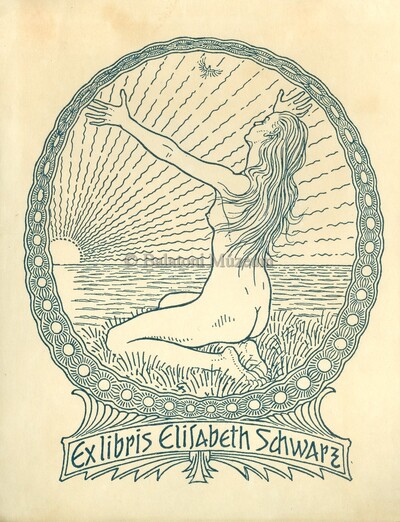
Untitled
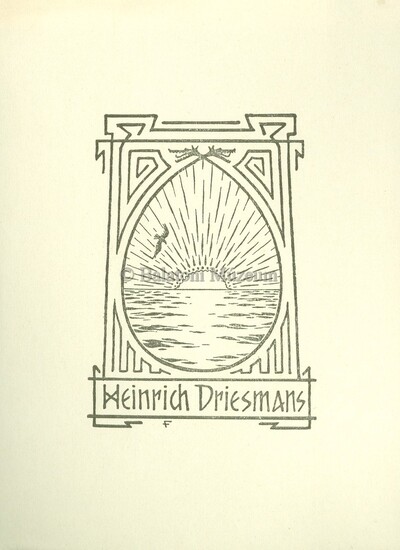
Untitled
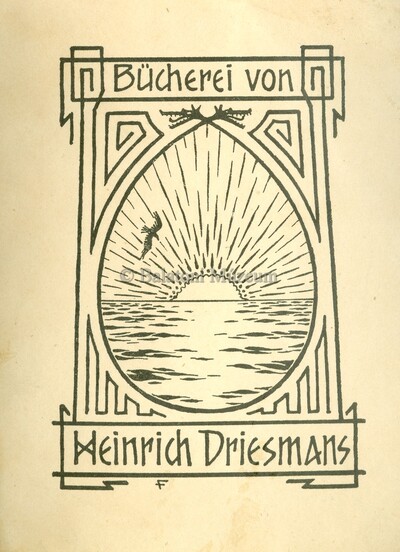
Untitled
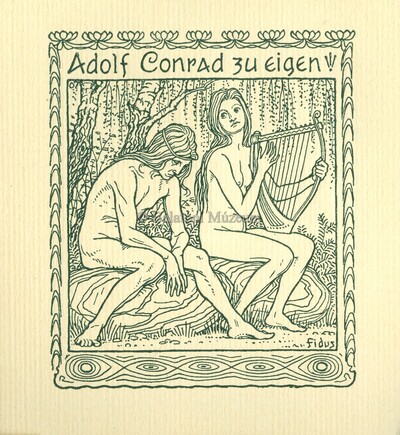
Untitled
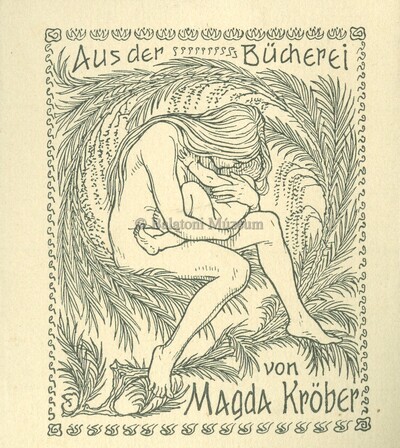
Untitled
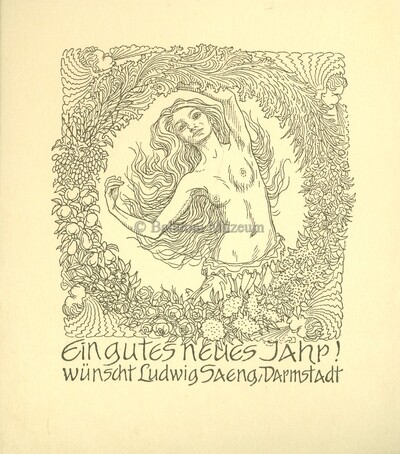
Untitled
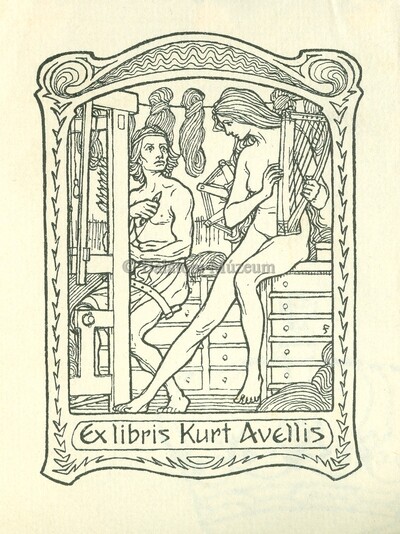
Untitled
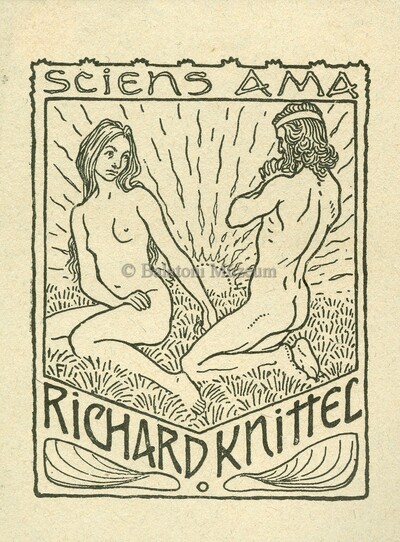
Untitled
Untitled

Untitled
Untitled
Untitled

Untitled

Untitled
~6 min read
Encyclopedic overview
6 sectionsContents
- Biography
- Legacy
- Gallery of selected works
- See also
- References
- External links
Hugo Reinhold Karl Johann Höppener (8 October 1868 – 23 February 1948), known under the pseudonym Fidus, was a German illustrator, painter, and publisher. Part of the symbolist movement, his later work took influence from the Art Nouveau and Vienna Secession styles. By the turn of the century, his works were among the most popular in Germany and their rediscovery influenced the Psychedelia movement. Much of his art draws from his beliefs in mysticism and Germanic neopaganism.
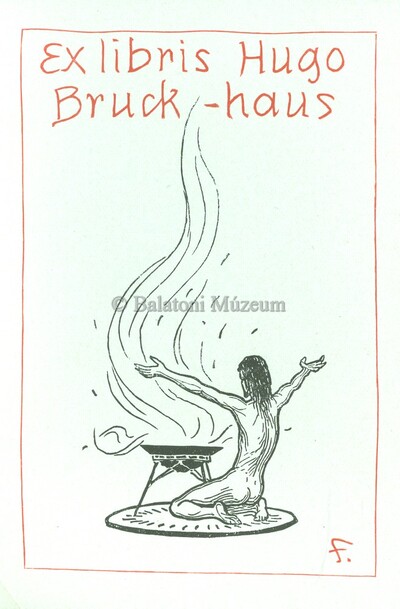
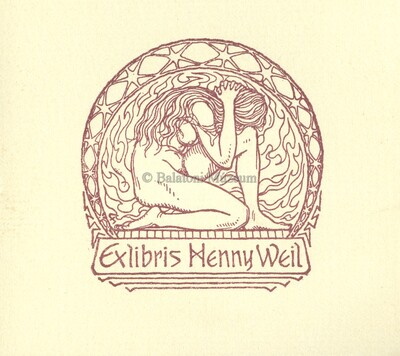
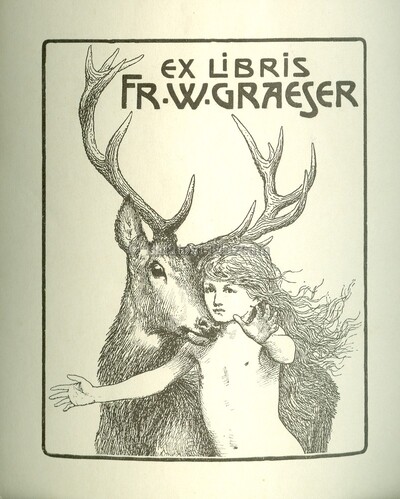
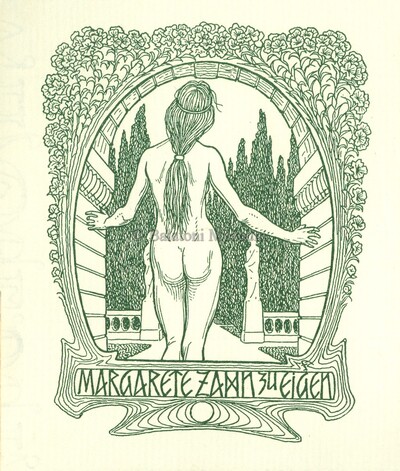
==Biography== thumb|The Fidushaus in Woltersdorf near Berlin. This house was built after designs by Fidus between 1908 and 1910. Today it is a cultural heritage monument. Born the son of a confectioner in Lübeck, Höppener demonstrated artistic talent at an early age. Around 1886 he met the "apostle of nature" and artist Karl Wilhelm Diefenbach (1851–1913), and joined Diefenbach's commune near Munich. On Diefenbach's behalf, he served a brief prison sentence for public nudity, earning him the name Fidus ("faithful"). thumb|left|Monument for the killed First World War Soldiers from Woltersdorf, Relief was made by Fidus. In 1892 he moved to Berlin, set up another commune, and worked as an illustrator on the magazine Sphinx. His work appeared frequently in Jugend and other illustrated magazines. He created many ornamental drawings, especially for book decoration, as well as ex-libris, posters and designs. He was one of the first artists to use advertising postcards to promote his work. He also contributed to the early homosexual magazine Der Eigene, published by Adolf Brand.
Excerpted from Wikipedia’s “Fidus” article, available under the CC BY-SA 4.0 licence.