fresco painting
Also known as frescos, frescoes, fresco
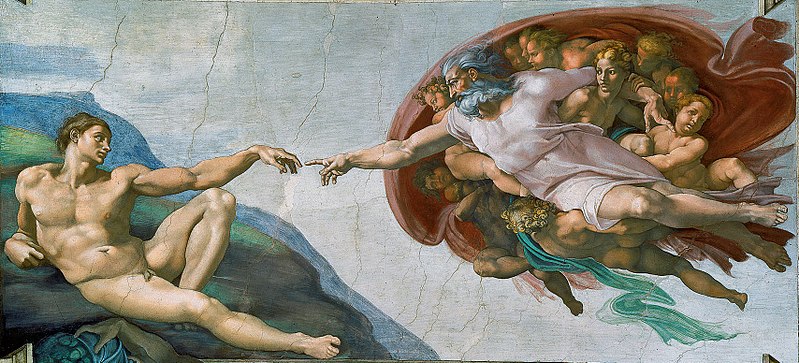
thumb|350px|The Creation of Adam, a detail of the fresco [[Sistine Chapel ceiling by Michelangelo]]
AI overview
Fresco painting is a technique where pigments are applied directly onto freshly laid, wet plaster so that the paint becomes an integral part of the wall itself as it dries. This method was favored by Renaissance masters like Michelangelo, whose famous ceiling in the Sistine Chapel demonstrates the technique's ability to create enduring, large-scale artworks of extraordinary detail and beauty.
AI-generated from the Wikipedia summary — may contain errors.
Wikidata facts
- Image
- 2024 Klasztor franciszkanów w Kłodzku, refektarz (4).jpg
Sources (2)
via Wikidata · CC0
Article
31 sectionsContents
- Technology
- Other types of wall painting
- History
- Egypt and ancient Near East
- Aegean civilizations
- Classical antiquity
- India
- Sri Lanka
- Middle Ages
- Early modern Europe
- Mexican muralism
- Contemporary
- Selected examples of frescoes
- Ancient and Early Medieval
- North Macedonia
- Bulgaria
- Colombia
- Czechia
- France
- Italy
- Late Medieval-Quattrocento
- High Renaissance
- Mexico
- The Netherlands
- Serbian Medieval
- United States
- Conservation of frescoes
- Gallery
- See also
- References
- External links
thumb|350px|The Creation of Adam, a detail of the fresco [[Sistine Chapel ceiling by Michelangelo]]
Fresco ( or frescoes) is a technique of mural painting executed upon freshly laid ("wet") lime plaster. Water is used as the vehicle for the dry-powder pigment to merge with the plaster, and with the setting of the plaster, the painting becomes an integral part of the wall. The word fresco () is derived from the Italian adjective fresco meaning "fresh", and may thus be contrasted with fresco-secco or secco mural painting techniques, which are applied to dried plaster, to supplement painting in fresco. The fresco technique has been employed since antiquity and is closely associated with Italian Renaissance painting.