Isabella Abbott
Sign in to saveAlso known as I.A.Abbott, Isabella Aiona Abbott, Kauakea Yau Yung Aiona, Isabella A. Abbott, Izzie, Isabella Kauakea Yau Yung Aiona Abbott
Hawaiian-American professor of botany, ethnobotanist and specialist in algology (1919-2010)
Person · Open Library
- Works
- 1
Top works
- Marine Algae of California
via Open Library + Wikidata
Described at
How the 'First Lady of Seaweed' Changed Science
Isabella Kauakea Aiona Abbott’s education in seaweed began early. Through her childhood, she and her siblings combed the shores of Honolulu and Lahaina for...
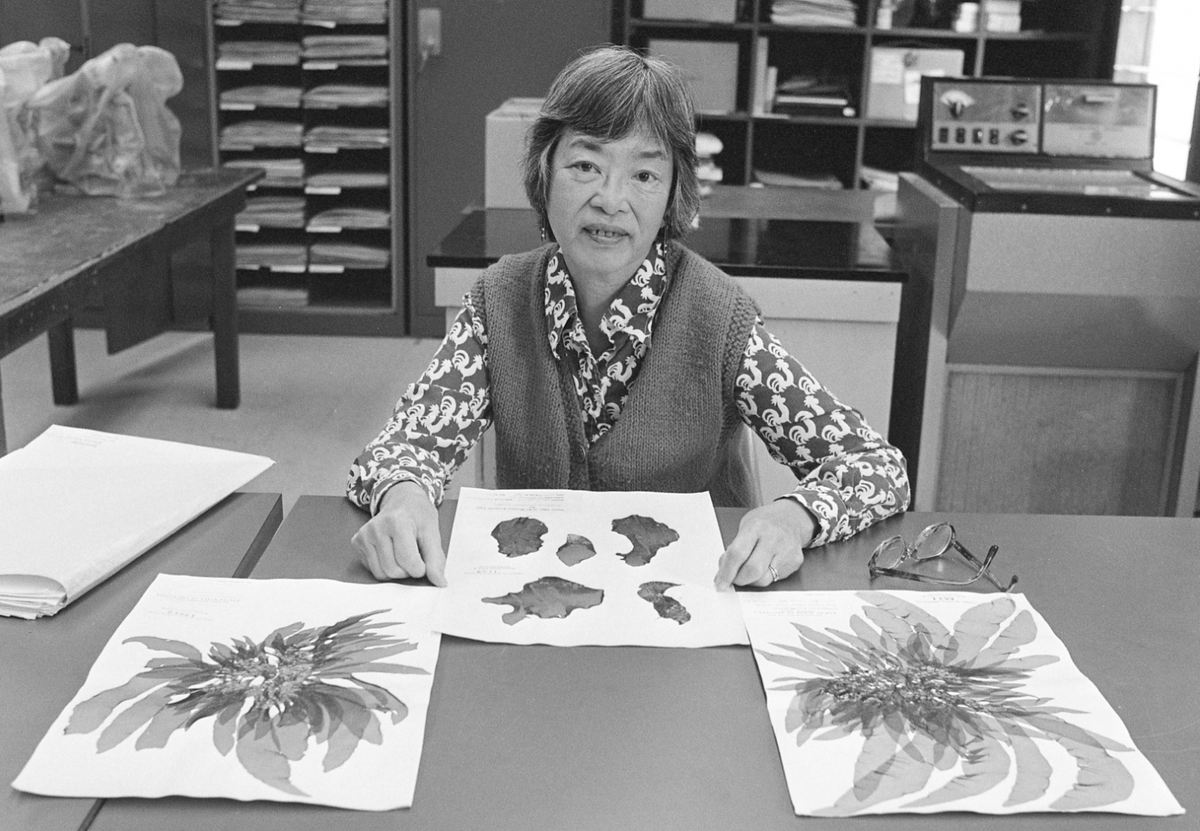
atlasobscura.com →Isabella Kauakea Aiona Abbott’s education in seaweed began early. Through her childhood, she and her siblings combed the shores of Honolulu and Lahaina for edible varieties; Abbott’s Native Hawaiian mother could recognize and name nearly every one of the five dozen or so varieties of limu at their fingertips. At home, they pounded and added salt to seaweeds like the fuzzy, coppery limu kohu ( Asparagopsis taxiformis ) and the soft, tangled limu wawae’iole ( Codium edule ). They dipped the branchy, centipede-like limu huluhuluwaena ( Grateloupia filicina ) in tempura batter and deep-fried it. Some species of red seaweed may help tamp down methane emissions from burping cows. DeborahMaxemow/Getty Images A daily dose of hidden gems to visit, extraordinary places to eat and wondrous stories from around the world. Despite the slight, over the following decade Izzie “became one of the premier experts in the world on algae,” says Palumbi. And finally, Stanford righted its original wrong. When the university started to reevaluate the absence of women in its professional roles in 1972, they began at Izzie’s office door. In a single day, she was promoted to full professor of biology, making her the first woman and the first person of color to hold the title there. The speed of the promotion “was unheard of and it hasn’t happened since,” says Palumbi. For Abbott, seaweed was more than just a professional interest. She regularly showed up to work events with creations such as zucchini bread, made with bull kelp instead of squash, and led an annual seaweed pickling get-together. Her culinary prowess with kelp was even featured in Gourmet in 1987. A close look at kelp growing off the California coast reveals its complexity, something Abbott understood well. Douglas Klug/Getty Images Abbott was among the first scientists to recognize how marine environments rely on healthy seaweed forests: When kelp habitats begin dying off due to warming temperatures, ocean acidification and other human-induced factors, the entire ecosystem is in trouble. Abbott also laid much of the groundwork for understanding the other half of the story: While failing kelp forests are a sign of a larger problem, flourishing ones are powerful defenses against those self-same threats. The undersea plants don’t just sequester and store carbon, they restore natural upwelling and fill the ocean’s nutrient value chain, says Brian von Herzen, founder and executive director of the Climate Foundation. Rebuilding seaweed habitats can help to rebalance the ecosystem. Increasingly, groups such as Washington State’s Puget Sound Restoration Fund (PSRF), in addition to analyzing the losses, are looking to the future. PSRF is currently collaborating with the Suquamish Nation to restore a bull kelp forest in an area where seaweed habitats have shrunk by more than 80 percent. “We’ve been successful thus far in being able to grow seeded kelp lines with nylon thread or twine,” says PSRF deputy director Jodie Toft. When ready, the tiny baby bull kelp are positioned by dive teams, though the group hopes that one day the forests regenerate on their own, without human intervention. In their later years, the Abbotts returned to Hawai’i and Izzie joined the faculty at the University of Hawaii-Manoa, where she taught until her passing. While there, she was awarded the Gilbert Morgan Smith medal, marine botany’s most prestigious award, and named a Living Treasure of Hawaii. The title was fitting for a woman who proudly displayed a Hawaiian flag quilt on her dining room wall. The heirloom was made by her grandmother, defiantly, at a time when the flag’s display was banned following the overthrow of the Native Hawaiian government in 1893. Evelene Spencer was the force behind the wartime campaign that encouraged the country to love fish. Along the Pacific Coast, fast and furious sunflower sea stars are vicious hunters as adults—and they're even hungrier when young. In 1990, a scientist beg
Excerpt from a page describing this subject · 40,000 chars · not written by Vinony
Wikidata facts
- Instance of
- human
- Given name
- Isabella
- Gender
- female
- Citizenship
- United States
- Place of birth
- Hana
- Place of death
- Honolulu
- Educated at
- Kamehameha Schools
- Employer
- University of Hawaiʻi System
- Languages spoken
- English language
- Field of work
- seaweed
- Image
- PMNM Dr. Isabella Abbott (49946278311).jpg
- Work location
- Hawaii
- Residence
- Hawaii
Show 6 more facts
- date of death
- 2010-10-28
- date of birth
- 1919-06-20
- P6944
- Isabella Abbott
- ethnic group
- Native Hawaiians
- described at URL
- www.atlasobscura.com/articles/seaweed-limu-abbott
- collection items at
- Bishop Museum
Sources (8)
via Wikidata · CC0