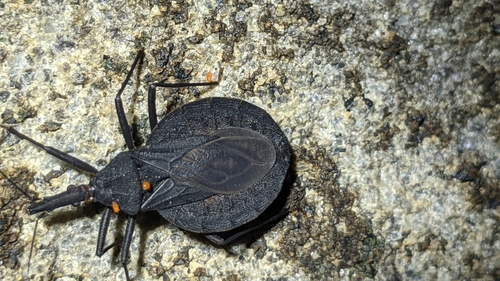
(c) Thanigaivel A, all rights reserved, uploaded by Thanigaivel A
Linshcosteus
Sign in to saveLinshcosteus is a genus of assassin bugs in the subfamily Triatominae (the kissing bugs). It is the only genus of triatomines restricted to the Old World within the mostly Neotropical subfamily (a few Triatoma species are known from the Old World, and one species Triatoma rubrofasciata of disputed origin has been spread by humans across the tropics) and consists of six species restricted to peninsular India. Within the Triatominae, the genus is differentiated by the lack of a prosternal stridulatory furrow and a short rostrum that does not reach the prosternum. Adults feed on vertebrate blood.
Species
GENUS
- KingdomAnimalia
- PhylumArthropoda
- ClassInsecta
- OrderHemiptera
- FamilyReduviidae
via GBIF
Wikidata facts
- Instance of
- taxon
Show 3 more facts
- taxon rank
- genus
- taxon name
- Linshcosteus
- diel cycle
- diurnality
Sources (1)
via Wikidata · CC0
~2 min read
Encyclopedic overview
2 sectionsContents
- Species list
- References
Linshcosteus is a genus of assassin bugs in the subfamily Triatominae (the kissing bugs). It is the only genus of triatomines restricted to the Old World within the mostly Neotropical subfamily (a few Triatoma species are known from the Old World, and one species Triatoma rubrofasciata of disputed origin has been spread by humans across the tropics) and consists of six species restricted to peninsular India. Within the Triatominae, the genus is differentiated by the lack of a prosternal stridulatory furrow and a short rostrum that does not reach the prosternum. Adults feed on vertebrate blood.
The head is cylindrical and as long as the pronotum and scutellum combined. The is a sinuate constriction behind the eye. The portion in front of the head is nearly three times the length of the portion behind. The antennae are closer to the tip than to the eye and the first joint of the antenna reaches just short of the tip of the head while the second segment is as long as the head portion in front of the eye.
Excerpted from Wikipedia’s “Linshcosteus” article, available under the CC BY-SA 4.0 licence.