
مالي
Also known as Republic of Mali, ml
دولة في غرب إفريقيا
AI overview
Mali is a large, landlocked country in West Africa that is notable for its significant size—it's the eighth-largest country on the African continent. The country has historical importance as a center of West African civilization and continues to be strategically significant in the region, though it has faced considerable challenges including political instability and security concerns in recent years.
AI-generated from the Wikipedia summary — may contain errors.
Weather now
cached 9h ago32°clear sky
38% 6.5 m/s OpenWeatherMap
7-day forecast
via Open-Meteo
Country
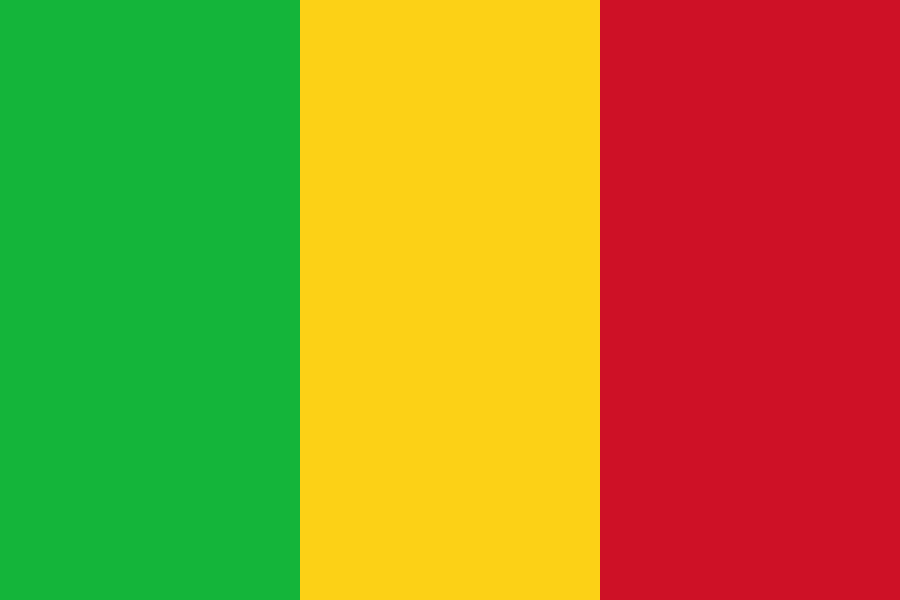
- Capital
- Bamako
- Population
- 22,395,489
- Region
Travel guide
Understand
The Sudanese Republic and Senegal became independent of France on 22 Sept 1960 as the Mali Federation. Senegal withdrew after only a few months, and the Sudanese Republic was renamed Mali. The country was then governed by dictatorships until 1991. In 1992 the country's first democratic presidential elections were held.
Just under half the population is less than 15 years old. The great majority of Malians are Muslim, some also practice indigenous beliefs, and a tiny number are Christian. Around 10% of the population is nomadic. Most Malians work in agriculture and fishing.
See
The Great Mosque of Djenné, built in 1907, is made completely of mud, and it has five stories and three towers. Every spring the people replaster the Mosque. Regrettably, entrance to non-Muslims is not allowed. Apparently this prohibition is a consequence of a fashion photo-shoot held by Vogue inside the mosque in 1996, which was regarded by the locals as "pornographic".
Sites and cultural landscapes making up the Mali Empire can be seen in different parts of the country.
Do
Cruise the Niger River on a traditional pirogue.
Eat
thumb|Street food in [[Mopti]] The most universal Malian dish is rice with sauce, often peanut "tiga diga na," tomato/onion/oil or leaf/okra based which is usually served some fish or meat if purchased or prepared for guests. "To", a gelatinous corn or millet food served with sauce, is another Malian classic, though more a village food than something most tourists would encounter. In the north, couscous is also quite common.
In the largest cities, decent "western" restaurants can be found, charging near western prices. Bamako even has good Chinese, Vietnamese, Italian, Lebanese and more. In smaller places, the standard Malian restaurant serves chicken or beef with fries and/or salad - usually edible and affordable, but boring and not particularly Malian. The better places in the more touristy areas may also have some local specialities. "Street food" is a lot more fun and cheaper: breakfast will be omelet sandwiches, lunch is usually rice with a couple of sauces to choose from, and dinner presents many options including beans, spaghetti cooked in oil and a little tomato, potatoes, fried rice, chicken, meatballs, beef kebabs, fish and salad. You can find little tables along the roadsides and near transport centers.
Article · العربية
مالي أو جمهورية مالي وهي دولة غير ساحلية في غرب أفريقيا. وتحدها الجزائر شمالا والنيجر شرقا وبوركينا فاسو وساحل العاج في الجنوب وغينيا من الغرب والجنوب، والسنغال وموريتانيا في الغرب. تزيد مساحتها عن 1,240,000 كم² ويبلغ عدد سكانها 14,5 مليون نسمة. عاصمتها باماكو. تتكون مالي من ثماني مناطق وحدودها الشمالية تصل إلى عمق الصحراء الكبرى، أما المنطقة الجنوبية من البلاد حيث يعيش فيها أغلبية السكان فيمر بها نهري النيجر والسنغال. ويتمحور التركيز الاقتصادي في البلاد حول الزراعة وصيد الأسماك. ويوجد في مالي بعض الموارد الطبيعية مثل الذهب واليورانيوم والملح. مالي الحالية كانت ذات يوم جزءا من ثلاث امبراطوريات أفريقية غربية سيطرت على التجارة عبر الصحراء وهي مملكة غانا ومالي (منها سميت مالي) وصونغاي. استولت فرنسا على مالي أثناء الزحف على أفريقيا أواخر القرن التاسع عشر، وجعلتها جزءا من السودان الفرنسي. نالت السودان الفرنسية (سميت بعد ذلك باسم الجمهورية السودانية وهي ليست جمهورية السودان الحالية) استقلالها في سنة 1959 مكونة مع السنغال اتحاد مالي الذي ما لبث أن انحل عقده بعد عام في أعقاب انسحاب السنغال، فسمت الجمهورية السودانية نفسها باسم جمهورية مالي. ثم بعد ذلك أي بعد فترة طويلة من حكم الحزب الواحد حصل انقلاب في تلك الجمهورية سنة 1991 أدى إلى كتابة دستور جديد وإنشاء دولة مالي كدولة ديمقراطية متعددة الأحزاب. حوالي نصف السكان يعيشون تحت خط الفقر أي أقل من 1.25 دولار في اليوم. حصل انقلاب عسكري في البلاد في 18 أغسطس/اب 2020 حين اعتقل الجيش رئيس الدولة إبراهيم أبوبكر كيتا ورئيس وزرائها إثر اضطرابات شعبية عمت البلاد نتيجة استمرار تدهور الحالة الاقتصادية والأمنية.
Abstract from DBpedia / Wikipedia · CC BY-SA
Gallery (59)
On the map
6 mapped locations
Connections
Categories
1960 establishments in AfricaCountries and territories where Arabic is an official languageCountries in AfricaCountries in West AfricaFormer French coloniesLandlocked countriesLeast developed countriesMaliMember states of the African UnionMember states of the Organisation internationale de la FrancophonieMember states of the Organisation of Islamic Cooperation