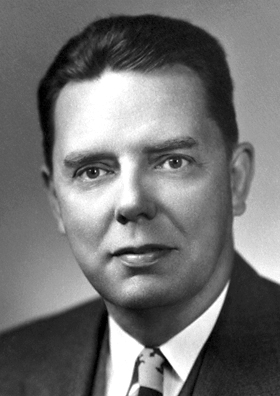
Philip Showalter Hench
Also known as Philip Hench, Philip S. Hench, P. S. Hench, Ph. S. Hench, P S Hench, Ph S Hench, P. Hench, Ph. Hench
American physician (1896-1965)
AI overview
Philip Showalter Hench was an American physician who lived from 1896 to 1965 and made important contributions to medicine during his career. While the specific details of his achievements aren't provided here, his work as a prominent 20th-century physician means he likely advanced medical knowledge or treatment in significant ways during his lifetime.
AI-generated from the Wikipedia summary — may contain errors.
Person · Open Library
- Works
- 0
Top works
- The potential reversibility of rheumatoid arthritis
- The problem of rheumatism and arthritis
via Open Library + Wikidata
Recent publications · Crossref
5 total works indexed
- Common method biases in behavioral research: A critical review of the literature and recommended remedies.
· 2003 · cited 64,876x
- A global reference for human genetic variation
· 2015 · cited 17,392x
- Safety and Efficacy of the BNT162b2 mRNA Covid-19 Vaccine
· 2020 · cited 13,860x
- The FAIR Guiding Principles for scientific data management and stewardship
Article
Philip Showalter Hench (February 28, 1896 – March 30, 1965) was an American physician. Hench, along with his Mayo Clinic co-worker Edward Calvin Kendall and Swiss chemist Tadeus Reichstein was awarded the Nobel Prize for Physiology or Medicine in 1950 for the discovery of the hormone cortisone, and its application for the treatment of rheumatoid arthritis. The Nobel Committee bestowed the award for the trio's "discoveries relating to the hormones of the adrenal cortex, their structure and biological effects."
Hench received his undergraduate education at Lafayette College in Easton, Pennsylvania, and received his medical training at the United States Army Medical Corps and the University of Pittsburgh. He began working at Mayo Clinic in 1923, later serving as the head of the Department of Rheumatology. In addition to the Nobel Prize, Hench received many other awards and honors throughout his career. He also had a lifelong interest in the history and discovery of yellow fever.
Gallery (2)
Connections
Categories
1896 births1965 deathsAmerican endocrinologistsAmerican Nobel laureatesDeaths from pneumonia in JamaicaLafayette College alumniNobel laureates in Physiology or MedicinePhysicians of the Mayo ClinicRecipients of the Lasker–DeBakey Clinical Medical Research AwardUnited States Army Medical Corps officersUnited States Army personnel of World War I