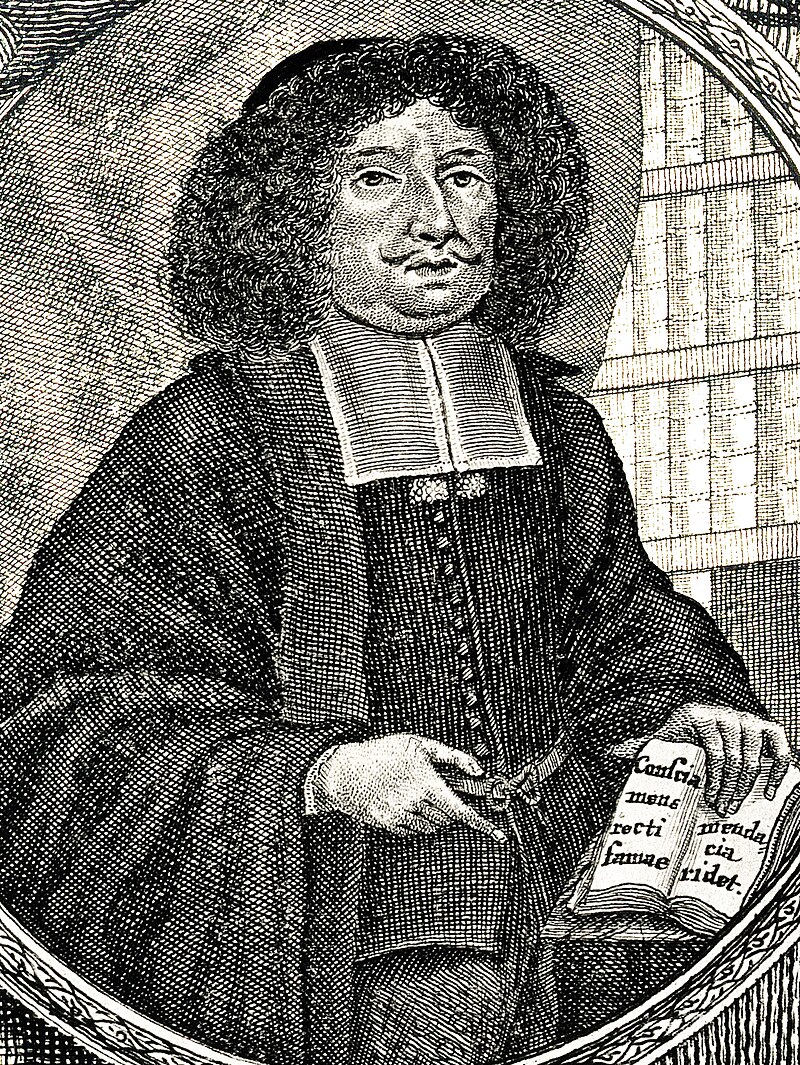
File:Jjbecher.jpg · Wikimedia Commons · See Wikimedia Commons
phlogiston theory
Sign in to saveAlso known as phlogiston hypothesis
superseded scientific theory about combustion
Wikidata facts
- Instance of
- superseded scientific theory
Show 5 more facts
- different from
- phlogiston
- discoverer or inventor
- Georg Ernst Stahl
- facet of
- combustion
- on focus list of Wikimedia project
- Wikipedia:Vital articles/Level/4
- Commons category
- Phlogiston
via Wikidata · CC0
~13 min read
Encyclopedic overview
The alchemist and physician J. J. Becher proposed the phlogiston theory.
The phlogiston theory, a superseded scientific theory, postulated the existence of a fire-like element dubbed phlogiston (/flɒˈdʒɪstən, floʊ-, -ɒn/) contained within combustible bodies and released during combustion. The name comes from the Ancient Greek φλογιστόν phlogistón (burning up), from φλόξ phlóx (flame). The idea of a phlogistic substance was first proposed in 1669 by Johann Joachim Becher and later put together more formally in 1697 by Georg Ernst Stahl. Phlogiston theory attempted to explain chemical processes such as combustion and rusting, now collectively known as oxidation. The theory was challenged by the concomitant mass increase and was abandoned before the end of the 18th century following experiments by Antoine Lavoisier in the 1770s and by other scientists. Phlogiston theory led to experiments that ultimately resulted in the identification (c. 1771), and naming (1777), of oxygen by Joseph Priestley and Antoine Lavoisier, respectively.
Excerpted from Wikipedia’s “phlogiston theory” article, available under the CC BY-SA 4.0 licence.