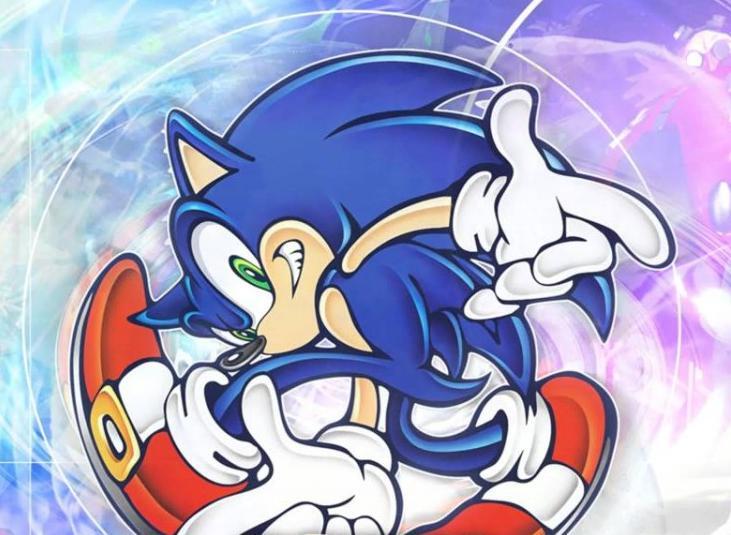
Sonic Adventure · RAWG · Courtesy of RAWG
OverviewAI-generated
Sonic Adventure is a video game developed by Sonic Team and published by Sega. It belongs to the Sonic The Hedgehog franchise and supports single-player mode. The game was released in 1998, with specific publication dates recorded as December 23, 1998, September 9, 1999, October 14, 1999, and December 1, 1999. It is available on PC, Xbox One, Xbox 360, PlayStation 3, Dreamcast, and Nintendo GameCube.
The title is categorized under the genres of Adventure, Action, RPG, Family, Platformer, and Platform. It holds an ESRB rating of Everyone. Critical reception includes a Metacritic score of 49, a RAWG rating of 4, and an IGDB critic rating of 55. The IGDB user rating is 67, based on 212 ratings.
Synthesized by Vinony from 18 facts across 3 sources: Wikidata, RAWG, IGDB. Generated from structured data (not the Wikipedia text) and checked against those facts — may still contain errors.
Game data
Metacritic 49- Released
- 1998-12-23
- User rating
- 4.00 / 5
- Genres
- Adventure, Action, RPG, Family, Platformer
- Platforms
- PC, Xbox One, Xbox 360, PlayStation 3, Dreamcast
- ESRB
- Everyone
via RAWG
Game details · IGDB
Sonic Adventure is a 3D platformer video game in the Sonic the Hedgehog series. The player can control six characters from the Sonic universe, each with their own gameplay and point of view of the story. The game is divided up into two types of levels: Action Stages and Adventure Fields. The division of Action Stages and Adventure Fields are a serious departure from all previous Sonic games. Adventure Fields are non-linear game stages that contain very few items, generally designed for puzzle solving, exploration and plot advancement. Action Stages are more speed based and have Rings scatte…
- Released
- 1998
- Genres
- Platform, Adventure
- Platforms
- PlayStation 3, Nintendo GameCube, PC (Microsoft Windows), Xbox 360, Dreamcast
- Game modes
- Single player
- Franchise
- Sonic The Hedgehog
- Developer
- Sonic Team
- Publisher
- Sega
Key facts
- Developer
- Sonic Team
- Publisher
- Sega
- Director
- Takashi Iizuka
- Producer
- Yuji Naka
- Designers
- Takao Miyoshi Takashi Iizuka Yojiro Ogawa
- Programmers
- Tetsu Katano Yoshitaka Kawabata
- Artists
- Kazuyuki Hoshino Yuji Uekawa
- Writer
- Akinori Nishiyama
- Composers
- Jun Senoue Kenichi Tokoi Fumie Kumatani
- Series
- Sonic the Hedgehog
- Platforms
- Dreamcast GameCube Windows Xbox 360 PlayStation 3
- Genres
- Platform , action-adventure
- Mode
- Single-player
via Wikipedia infobox
Wikidata facts
- Instance of
- video game
- Genre
- platform game
- Country of origin
- United States
- Publisher
- Sega
- Followed by
- Sonic Adventure 2
- Director
- Takashi Iizuka
- Composer
- Jun Senoue
- Producer
- Yuji Naka
- Developer
- Now Production
- Platform
- PlayStation 3
- Game mode
- single-player video game
- Distribution format
- digital distribution
Show 7 more facts
- characters
- Miles "Tails" Prower
- language of work or name
- Spanish
- publication date
- 2011-03-04
- input device
- gamepad
- distributed by
- Microsoft Store
- title
- ソニックアドベンチャー
- Commons category
- Sonic Adventure
Sources (6)
via Wikidata · CC0
Article · Français
Sonic Adventure (ソニックアドベンチャー, Sonikku Adobenchā) est un jeu vidéo de plates-formes développé par la Sonic Team et édité par Sega, sorti pour la première fois en 1998 sur Dreamcast, puis réédité sur les réseaux PlayStation Network et Xbox Live en 2010. Il a également fait l'objet d'un remake sur Windows et GameCube en 2003, avec quelques ajouts, sous le nom de . Une suite intitulée Sonic Adventure 2 est sortie en 2001 sur Dreamcast, et en 2002 sur GameCube. C'est le premier jeu « principal » de la série Sonic the Hedgehog à être entièrement en trois dimensions. Il est d'ailleurs considéré par certains comme le jeu à l'origine de la 3D pour la série, à l'instar de Super Mario 64 pour la série Super Mario ou d'Ocarina of Time pour la série The Legend of Zelda. Il a reçu le label Sega All Stars. Il s'agit du jeu le plus vendu sur Dreamcast avec 2,5 millions d'exemplaires, et par conséquent, du dernier jeu le plus vendu édité par Sega sur l'une de ses propres consoles de jeux (la firme ayant abandonné la fabrication de consoles le 31 janvier 2001 pour se consacrer au développement de jeux pour les consoles d'éditeurs tiers).
Abstract from DBpedia / Wikipedia · CC BY-SA