Encyclopedia of Life · EOL (see source)
Sphyrna
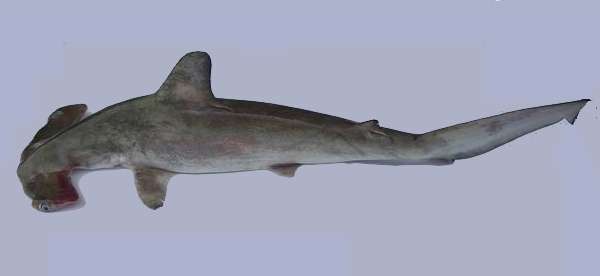
Sign in to saveSphyrna is a genus of hammerhead sharks with a cosmopolitan distribution in the world's oceans. Members of Sphyrna have a tendency to inhabit coastal waters along the intertidal zone rather than the open ocean, as their prey such as invertebrates, fish, rays, small crustaceans, and other benthic organisms hide in the sands and sediment along these zones. Members of Sphyrna are also known by synonyms such as Zygaena, Cestracion, and Sphyrichthys. The earliest species described of this genus was Sphyrna zygaena by Carl Linnaeus in 1758, while the latest described member, Sphyrna alleni, was desc
Species
シュモクザメ属
GENUS
- KingdomAnimalia
- PhylumChordata
- ClassElasmobranchii
- OrderCarcharhiniformes
- FamilySphyrnidae
Sphyrna ist eine Gattung der Hammerhaie (Sphyrnidae), die alle Arten der Familie mit Ausnahme des Flügelkopf-Hammerhais (Eusphyra blochii) enthält. Sie umfasst acht Arten und ist an allen subtropischen und tropischen Küsten anzutreffen. Vier Arten dieser Gattung sind auch im Mittelmeer anzutreffen.
via GBIF
Museum specimens
- Specimen records
- 666
- With media
- 14
- Family
- Sphyrnidae
- Collections
- SDNHM, USNM
- Recorded in
- United States
Wikidata facts
- Instance of
- taxon
- Parent taxon
- hammerhead sharks
- Image
- Hammerhead shark.jpg
Show 5 more facts
- Commons category
- Sphyrna
- taxon rank
- genus
- taxon name
- Sphyrna
- topic's main category
- Category:Sphyrna
- taxon common name
- kladvenica
Sources (1)
via Wikidata · CC0
~2 min read
Encyclopedic overview
2 sectionsContents
- Species
- References
Sphyrna is a genus of hammerhead sharks with a cosmopolitan distribution in the world's oceans. Members of Sphyrna have a tendency to inhabit coastal waters along the intertidal zone rather than the open ocean, as their prey such as invertebrates, fish, rays, small crustaceans, and other benthic organisms hide in the sands and sediment along these zones. Members of Sphyrna are also known by synonyms such as Zygaena, Cestracion, and Sphyrichthys. The earliest species described of this genus was Sphyrna zygaena by Carl Linnaeus in 1758, while the latest described member, Sphyrna alleni, was described in 2024.
The genus name comes from the Greek word sphyra "hammer", it is also where the family name Sphyrnidae comes from.
Excerpted from Wikipedia’s “Sphyrna” article, available under the CC BY-SA 4.0 licence.