
File:Kodály_Zoltán_1930s.jpg · Wikimedia Commons · See Wikimedia Commons
Zoltán Kodály
Sign in to saveAlso known as Zoltan Kodaly
Hungarian composer, ethnomusicologist, pedagogue (1882–1967)
OverviewAI-generated
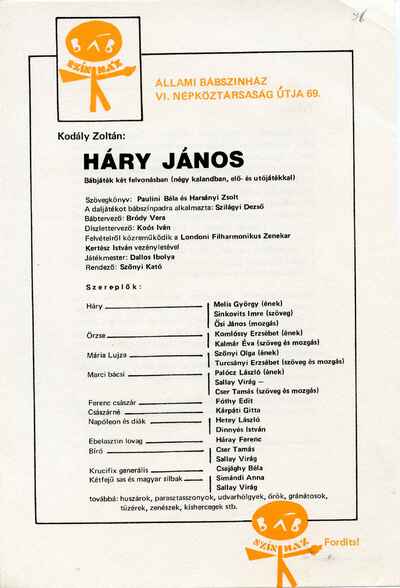
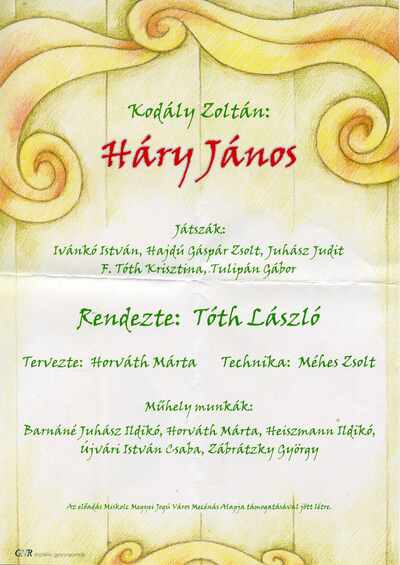
Zoltán Kodály was a Hungarian male linguist, conductor, politician, and secondary school teacher. Born in Kecskemét in 1882, he studied at the Franz Liszt Academy of Music and Eötvös Loránd University under Hans von Koessler and Charles-Marie Widor. He worked at the Franz Liszt Academy of Music and Nyugat. His notable works include the classical music pieces Háry János, Dances of Galánta, and Psalmus Hungaricus.
Kodály received the Kossuth Prize and was a member of the Academy of Arts of the GDR, the Hungarian Academy of Sciences, and the Bavarian Academy of Fine Arts. He taught students including Béla Tardos, Anne Lauber, Antal Doráti, and Ferenc Fricsay. He died of myocardial infarction in Budapest in 1967 and is buried at Farkasréti Cemetery.
Synthesized by Vinony from 31 facts across 5 sources: Wikidata, MusicBrainz, Last.fm, TMDb, Europeana Sparql. Generated from structured data (not the Wikipedia text) and checked against those facts — may still contain errors.
Listeners · Last.fm
- Listeners
- 48,208
- Total plays
- 294,225
Tags
Zoltán Kodály (16th December 1882–6th March 1967) was a Hungarian composer, ethnomusicologist, educator, linguist, and philosopher. Kodály was one of the first people to undertake the serious study of folk song. Around 1906 he and fellow composer Béla Bartók published several collections of folk music together, and they both show the influence of folk music in their own compositions. Kodály later studied with Charles Widor in Paris. There he absorbed influences of the music of Claude Debussy.
Key facts
- Born
- ( 1882-12-16 ) 16 December 1882, Kecskemét , Austria-Hungary
- Died
- 6 March 1967 (1967-03-06) (aged 84), Budapest , Hungary
- Education
- Ferenc Liszt Academy of Music
- Occupations
- Composer Ethnomusicologist Music pedagogue
- Known for
- Kodály Method
via Wikipedia infobox
Wikidata facts
- Instance of
- human
- Given name
- Zoltán
- Gender
- male
- Citizenship
- Hungary
- Place of birth
- Kecskemét
- Place of death
- Budapest
- Occupation
- composer
- Educated at
- Eötvös Loránd University
- Employer
- Nyugat
- Political party
- independent politician
- Languages spoken
- English language
- Native language
- Hungarian
- Student of
- Charles-Marie Widor
- Genre
- classical music
- Instrument
- cello
- Image
- Zoltán Kodály (1928, Pál M. Vajda).jpg
- Work location
- Budapest
Show 14 more facts
- Commons category
- Zoltán Kodály
- date of birth
- 1882-12-16
- date of death
- 1967-03-06
- cause of death
- myocardial infarction
- member of
- Bavarian Academy of Fine Arts
- student
- György Sándor
- manner of death
- natural causes
- Commons gallery
- Zoltán Kodály
- place of burial
- Farkasréti Cemetery
- name in native language
- Kodály Zoltán
- topic's main category
- Category:Zoltán Kodály
- partner in business or sport
- Béla Bartók
- related category
- Category:Compositions by Zoltán Kodály
- P12749
- Abbey Wood
via Wikidata · CC0
Works in European collections
10 objects attributed to Zoltán Kodály, held across European museums, libraries & archives · via Europeana


~8 min read
Encyclopedic overview
Zoltán Kodály ( UK: /ˈkoʊdaɪ/, US: /koʊˈdaɪ/; Hungarian: Kodály Zoltán, pronounced [ˈkodaːj ˈzoltaːn]; 16 December 1882 – 6 March 1967) was a Hungarian composer, ethnomusicologist, music pedagogue, linguist, and philosopher. He is well known internationally as the creator of the Kodály method of music education.
Life
Excerpted from Wikipedia’s “Zoltán Kodály” article, available under the CC BY-SA 4.0 licence.