Category
page 1Bright green environmentalism

renewable energy
energy collected from renewable resources
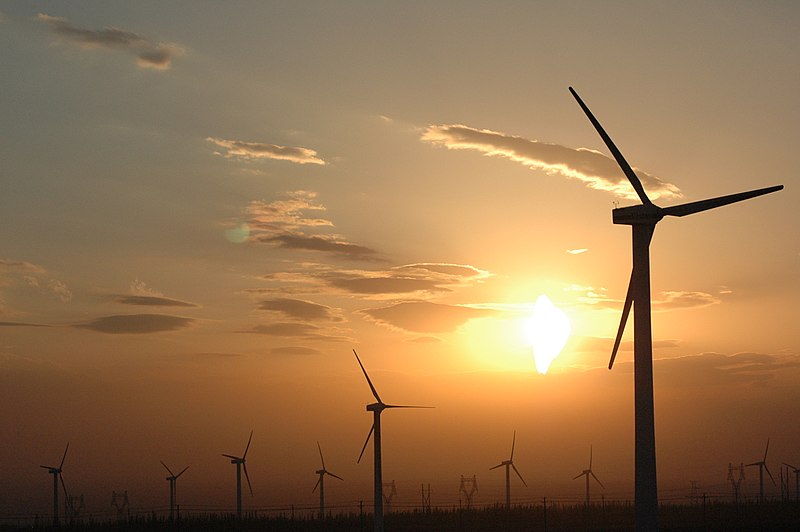
wind power
conversion of wind energy into a useful form

biofuel
thumb|upright|A sample of biodiesel
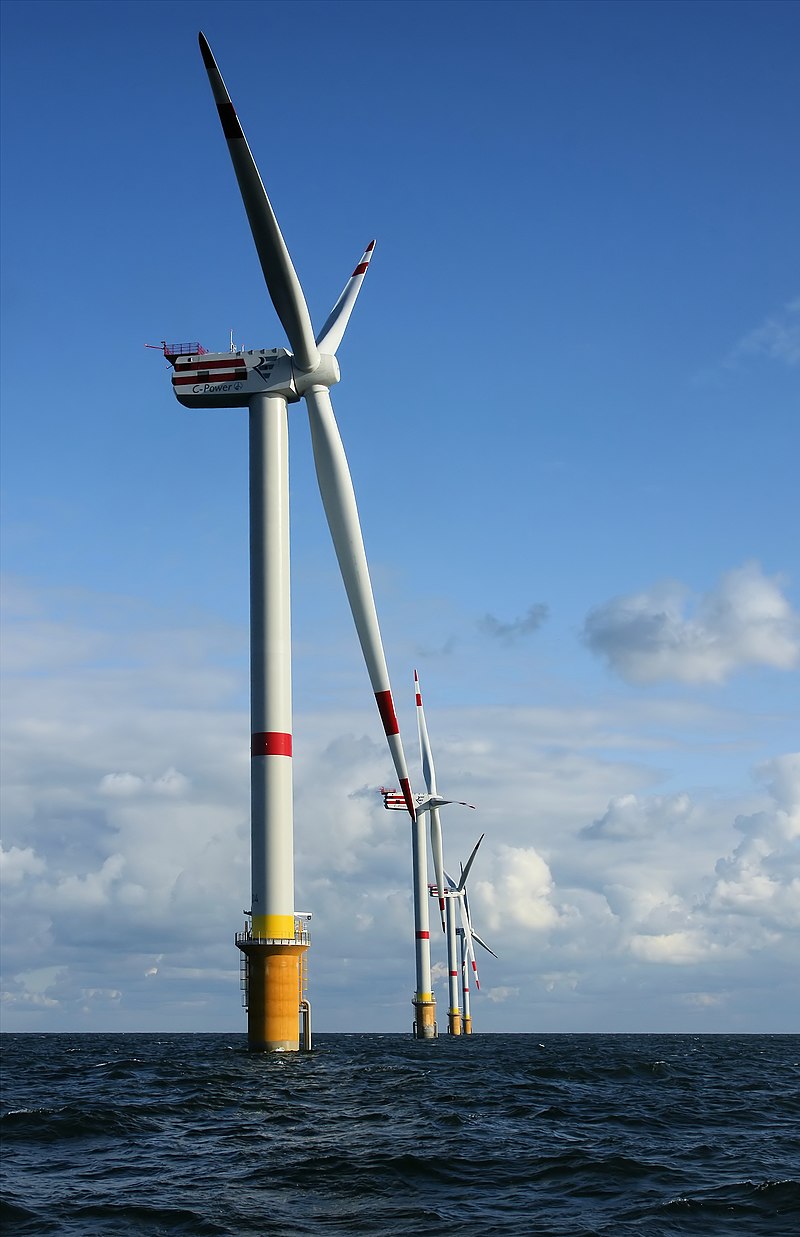
wind turbine
device that converts wind energy into electrical energy

hydroelectricity
upright=1.35|thumb|The Three Gorges Dam in [[Central China is the world's largest power-producing facility of any kind.]]
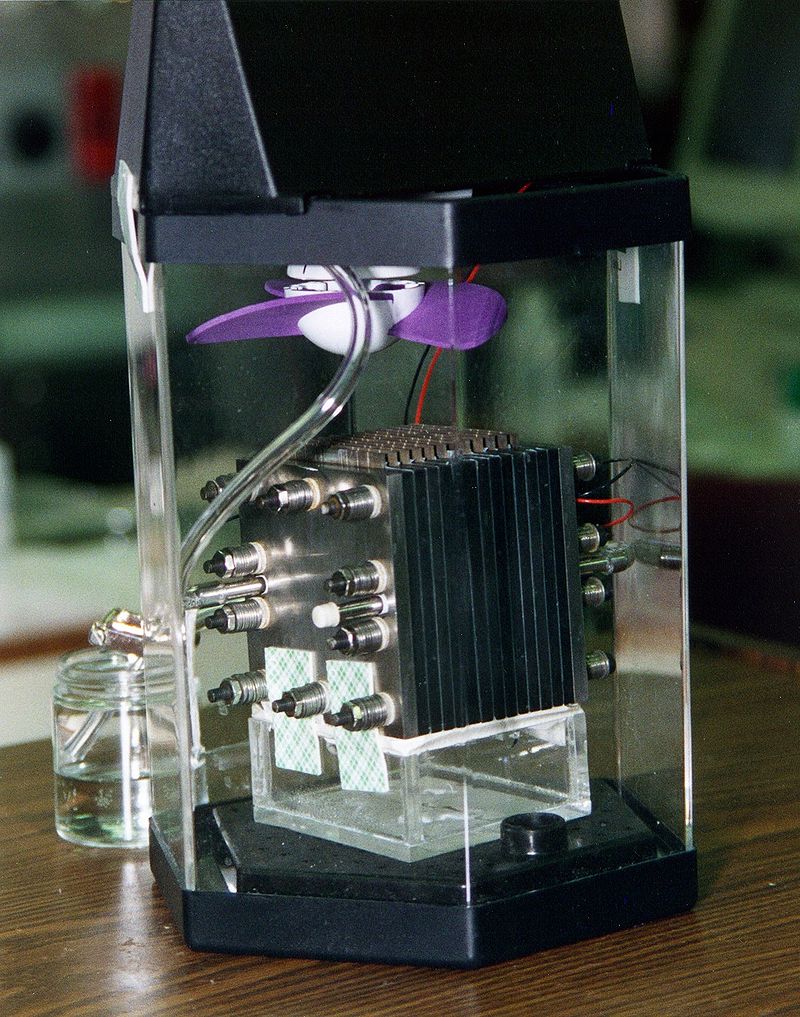
fuel cell
electrochemical cell that converts chemical energy into electricity by oxidizing a fuel

heat pump
device that transfers thermal energy in the opposite direction of spontaneous heat transfer

circular economy
regenerative system in which resource input and waste, emissions, and energy leakage, are minimised

cultured meat
animal flesh product that has never been part of a living animal

tidal energy
technology to convert the energy from tides into useful forms of power

solar power
conversion of energy from sunlight into electricity
wave power
transport of energy by wind waves, and the capture of that energy to do useful work
carbon capture and storage
capture from industrial sources, transport, and geological burial of CO2
environmental technology
technical and technological processes for protection of the environment

solarpunk
thumb|241x241px|Solarpunk may take practical inspiration from Earthships, which are an example of [[sustainable architecture.]]
Solarpunk is a literary, artistic, and social movement, closely related to the hopepunk movement, that envisions and works toward actualizing a sustainable future interconnected with nature and community. The "solar" represents solar energy as a renewable energy source and an optimistic vision of the future that rejects climate doomerism, while the "punk" refers to do it yourself and the countercultural, post-capitalist, and sometimes decolonial aspects of creating su
green computing
study and practice of environmentally sustainable computing or IT
geothermal power
electricity generated from geothermal energy
ecomodernism
Ecomodernism is an environmental philosophy which argues that technological development can protect nature and improve human wellbeing through eco-economic decoupling, i.e., by separating economic growth from environmental impacts.
.jpg)
biorefinery
thumb|The Alpena biorefinery plant in the USA
A biorefinery is a refinery that converts biomass to energy and other beneficial byproducts (such as chemicals). The International Energy Agency Bioenergy Task 42 defined biorefining as "the sustainable processing of biomass into a spectrum of bio-based products (food, feed, chemicals, materials) and bioenergy (biofuels, power and/or heat)". As refineries, biorefineries can provide multiple chemicals by fractioning an initial raw material (biomass) into multiple intermediates (carbohydrates, proteins, triglycerides) that can be further converted in
Eco-innovation
Eco-innovation is the development of products and processes that contribute to sustainable development, applying the commercial application of knowledge to elicit direct or indirect ecological improvements. This includes a range of related ideas, from environmentally friendly technological advances to socially acceptable innovative paths towards sustainability. The field of research that seeks to explain how, why, and at what rate new "ecological" ideas and technology spread is called eco-innovation diffusion.
thumb|A seat made from waste containing cartons, foams, and PET bottles
bright green environmentalism
ideology based on the belief that the convergence of technological change and social innovation provides the most successful path to sustainable development
Technogaianism
Technogaianism (a portmanteau word combining "techno-" for technology and "gaian" for Gaia philosophy) is a bright green environmentalist stance of active support for the research, development and use of emerging and future technologies to help restore Earth's environment. Technogaianists argue that developing safe, clean, alternative technology should be an important goal of environmentalists and environmentalism.
renewable fuels
fuels produced from renewable resources