Category
page 1Cantharellales

cartwtereementas de mitas
species of edible fungus

Craterellus tubaeformis
Edible mushroom growing in temperate regions
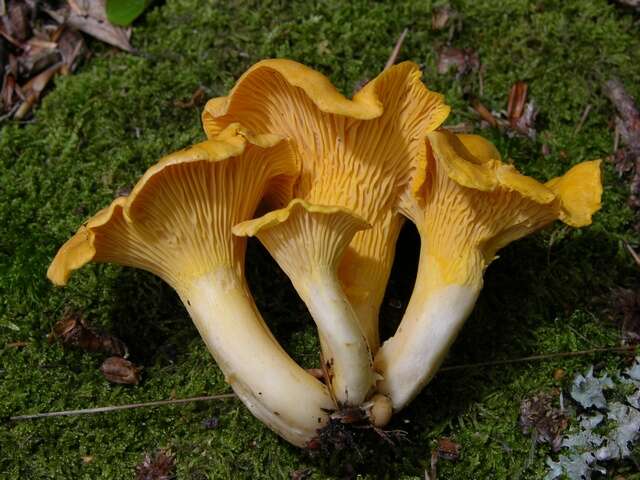
Cantharellales
The Cantharellales are an order of fungi in the class Agaricomycetes. The order includes not only the chanterelles (Cantharellaceae), but also some of the tooth fungi (Hydnaceae), clavarioid fungi (Aphelariaceae and Clavulinaceae), and corticioid fungi (Botryobasidiaceae). Species within the order are variously ectomycorrhizal, saprotrophic, associated with orchids, or facultative plant pathogens. Those of economic importance include edible and commercially collected Cantharellus, Craterellus, and Hydnum species as well as crop pathogens in the genera Ceratobasidium and Thanatephorus/Rhizocton

Craterellus lutescens
species of fungus
%20Figure%204G.png)
Hydnum
Hydnum is a genus of fungi in the family Hydnaceae. They are notable for their unusual spore-bearing structures of teeth rather than gills. The best known are the edible species Hydnum repandum and H. rufescens. There are no known toxic varieties of Hydnum. Widely regarded as important maintainers of forest ecosystems, the Hydnum genus is known to have ectomycorrhizal relationships with multiple plant families. Hydnum has many brittle, white teeth from which the spores drop. Some species have teeth which hang from ascending branches, while other species have teeth which project downwards from

Thanatephorus cucumeris
species of fungus

Hydnaceae
The Hydnaceae are a family of fungi in the order Cantharellales. Originally the family encompassed all species of fungi that produced basidiocarps (fruit bodies) having a hymenium (spore-bearing surface) consisting of slender, downward-hanging tapering extensions referred to as "spines" or "teeth", whether they were related or not. This artificial but often useful grouping is now more generally called the hydnoid or tooth fungi. In the strict, modern sense, the Hydnaceae are limited to the genus Hydnum and related genera, with basidiocarps having a toothed or poroid hymenium. Species in the fa

Craterellus
Craterellus is a genus of generally edible fungi similar to the closely related chanterelles, with some new species recently moved from the latter to the former. Both groups lack true gills on the underside of their caps, though they often have gill-like wrinkles and ridges.
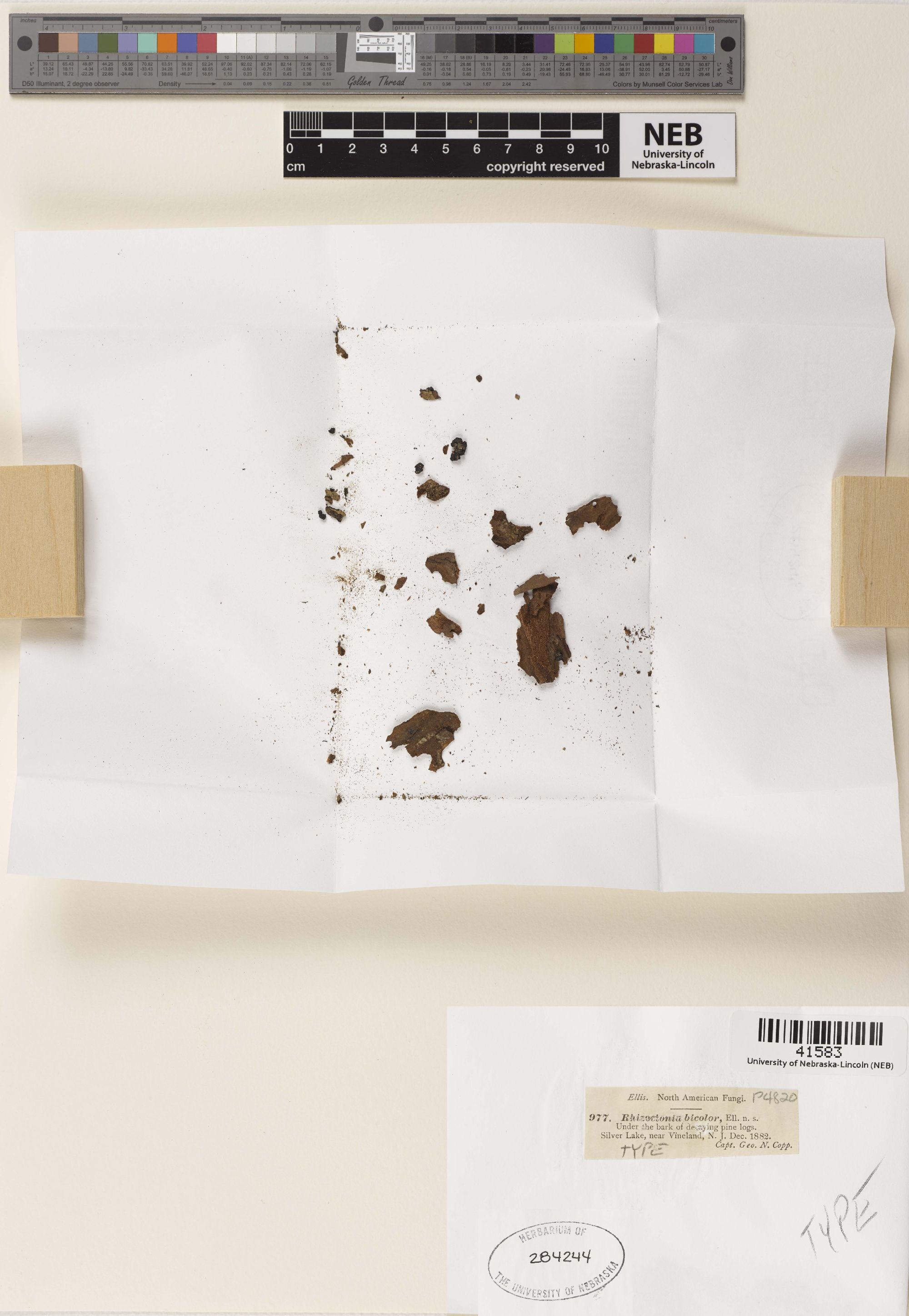
Rhizoctonia
Rhizoctonia is a genus of fungi in the family Ceratobasidiaceae. Species form thin, effused, corticioid basidiocarps (fruit bodies), but are most frequently found in their sterile, anamorph state. Rhizoctonia species are saprotrophic, but some are also facultative plant pathogens, causing commercially important crop diseases. Some are also endomycorrhizal associates of orchids. The genus name was formerly used to accommodate many superficially similar, but unrelated fungi. As of 2025, the synonymisation of several genera under a unified Rhizoctonia was formalised, and the genus now includes na
Aphelariaceae
The Aphelariaceae are a family of fungi in the order Cantharellales. The family contains a small group of tropical and subtropical clavarioid fungi, but is not well characterized and has not been the subject of published research.

Botryobasidiaceae
The Botryobasidiaceae are a family of fungi in the order Cantharellales. The family contains a group of corticioid fungi that form thin, web-like basidiocarps. Some species form asexual anamorphs producing chlamydospores. All are believed to be wood-rotting or litter-rotting saprotrophs. None is known to be of any economic importance.
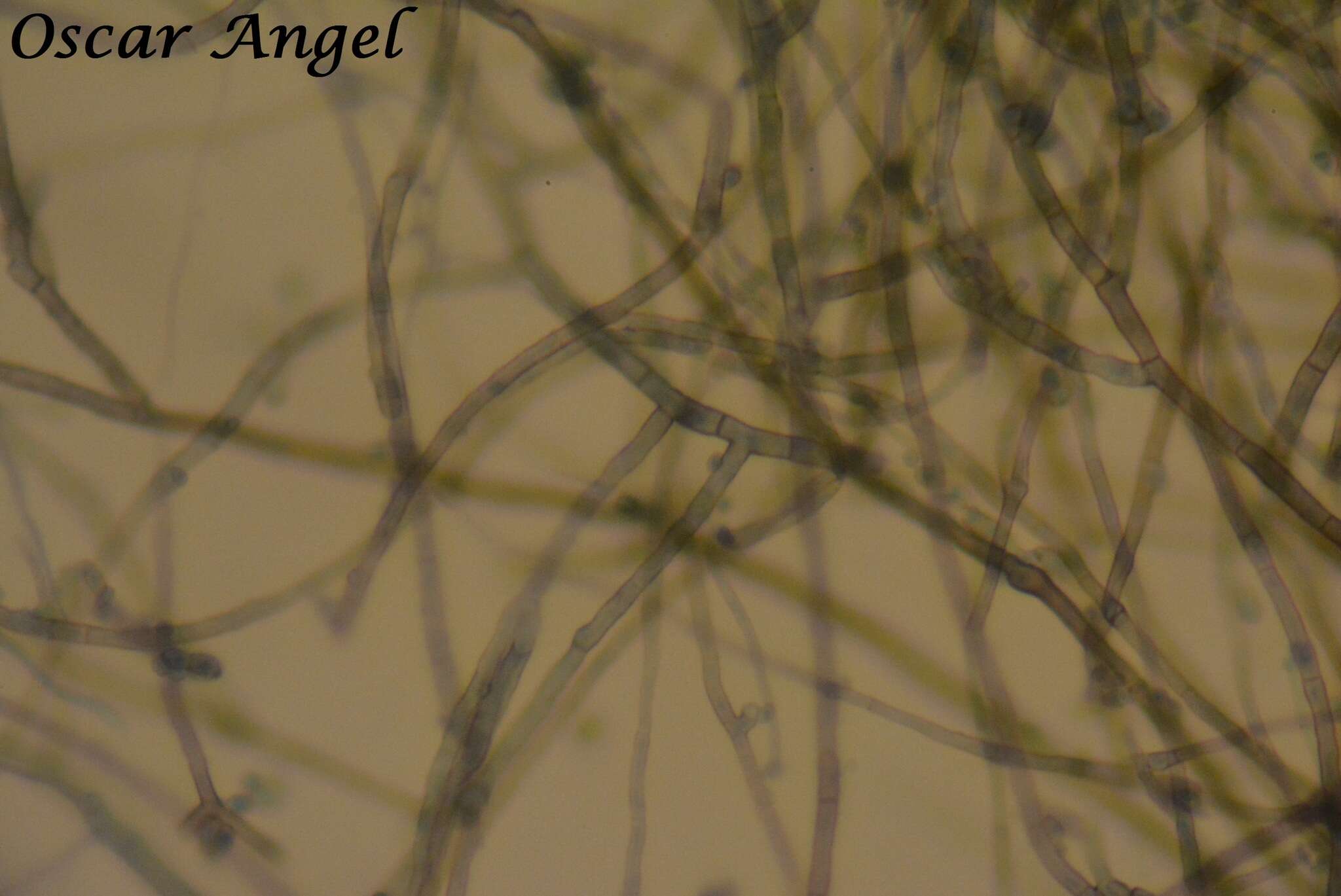
Ceratobasidiaceae
The Ceratobasidiaceae are a family of fungi in the order Cantharellales. All species within the family have basidiocarps (fruit bodies) that are thin and effused. They have sometimes been included within the corticioid fungi or alternatively within the "heterobasidiomycetes". Species are saprotrophic, but some are also facultative plant pathogens or are associated with orchid mycorrhiza. Genera of economic importance include Ceratobasidium and Rhizoctonia, both of which contain plant pathogenic species causing diseases of commercial crops and turf grass.

Tulasnellaceae
The Tulasnellaceae are a family of fungi in the order Cantharellales. The family comprises mainly effused (patch-forming) fungi formerly referred to the "jelly fungi" or heterobasidiomycetes. Species are wood- or litter-rotting saprotrophs, but many are also endomycorrhizal associates of orchids and some have also been thought to form ectomycorrhizal associations with trees and other plants.
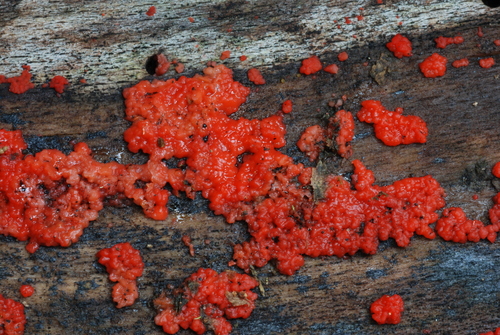
Tulasnella
Tulasnella is a genus of effused (patch-forming) fungi in the order Cantharellales. Basidiocarps (fruit bodies), when visible, are typically smooth, ceraceous (waxy) to subgelatinous, frequently lilaceous to violet-grey, and formed on the underside of fallen branches and logs. They are microscopically distinct in having basidia with grossly swollen sterigmata (or epibasidia) on which basidiospores are formed. One atypical species, Tulasnella aurantiaca, produces orange to red, gelatinous, pustular anamorphs on wood. Some species form facultative mycorrhizas with orchids and liverworts. Around
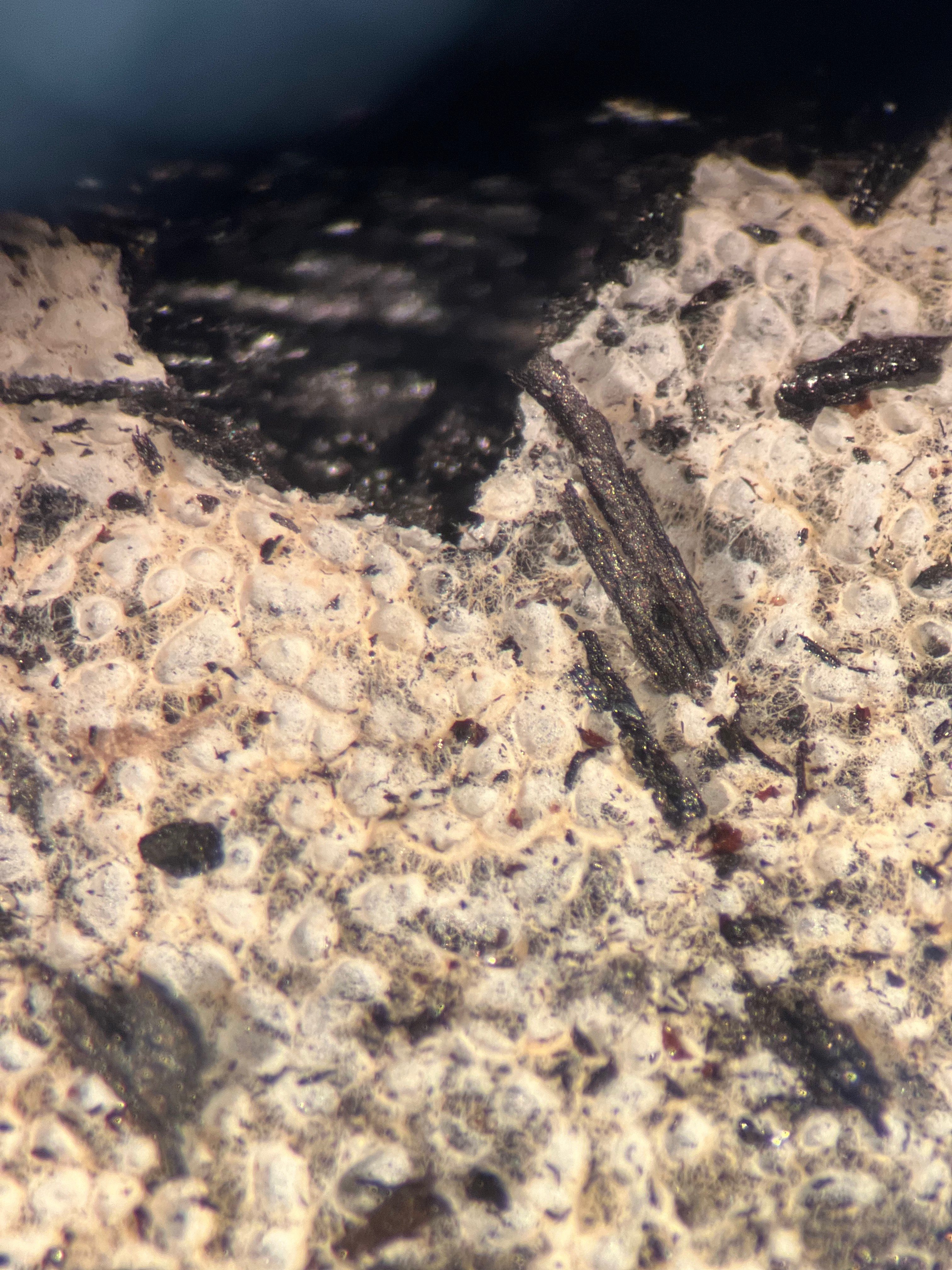
Sistotrema
Sistotrema is a genus of fungi in the family Hydnaceae. The genus contains at least 55 species and has a worldwide distribution. The type species is Sistotrema confluens Pers. (1794).

Ceratobasidium cornigerum
species of fungus
Ceratobasidium cereale
species of fungus
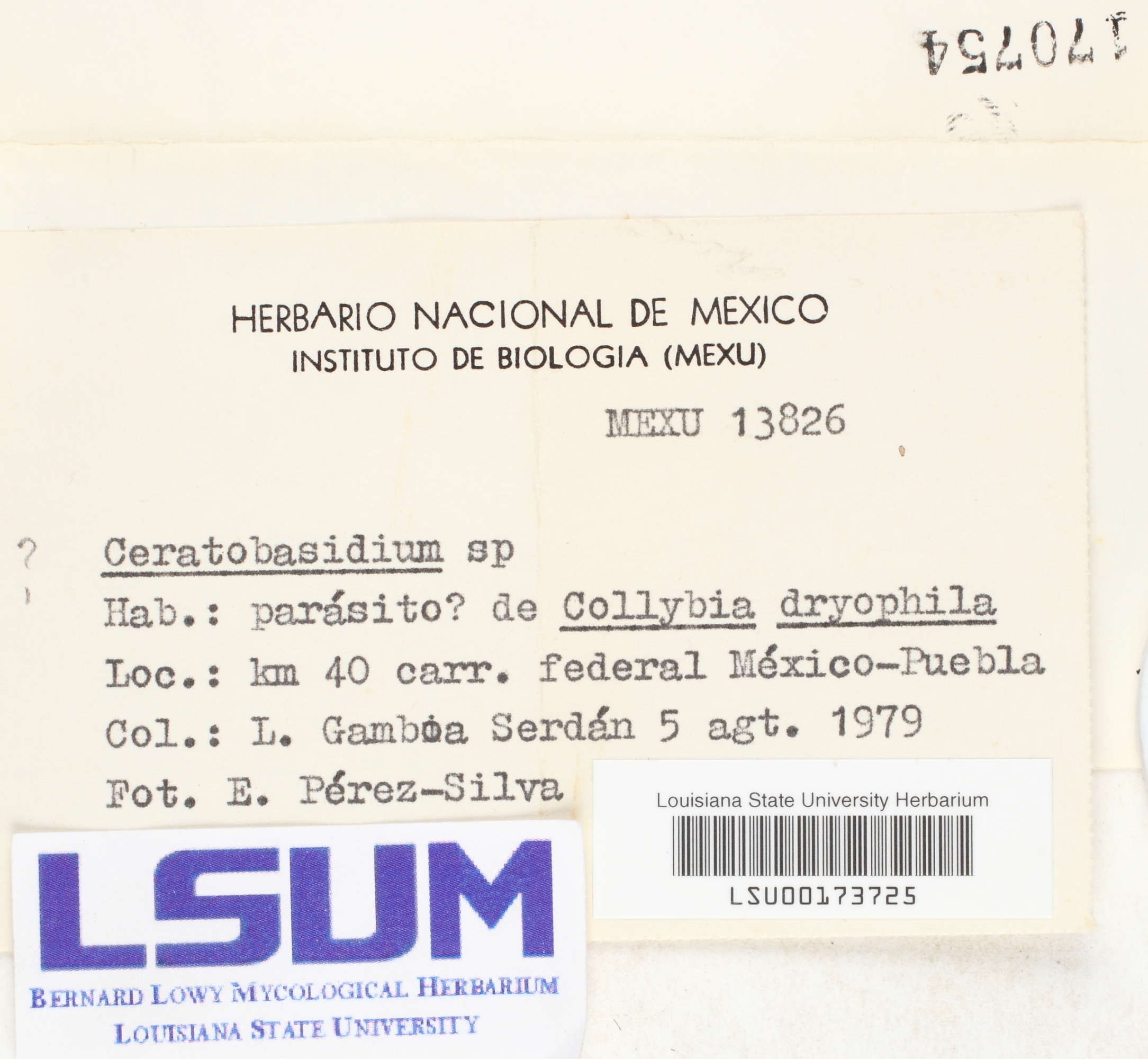
Ceratobasidium
Ceratobasidium is a genus of fungi in the order Cantharellales. Basidiocarps (fruit bodies) are effused and the genus is sometimes grouped among the corticioid fungi, though species also retain features of the heterobasidiomycetes. Ceratobasidium species, excluding the type, are also now considered synonymous with Rhizoctonia, following the transfer of all published names as of 2025 to Rhizoctonia. Species are saprotrophic, but several are also facultative plant pathogens, causing a number of commercially important crop diseases. Some are also endomycorrhizal associates of orchids.

Botryobasidium
Botryobasidium is a genus of corticioid fungi belonging to the order Cantharellales. Basidiocarps (fruit bodies) are ephemeral and typically form thin, web-like, white to cream, effused patches on the underside of fallen branches, logs, and leaf litter. Several species form anamorphs producing chlamydospores. All species are wood- or litter-rotting saprotrophs and the genus has a worldwide distribution.

Tulasnella violea
species of fungus
Gloeomucro
Gloeomucro is a genus of fungi in the Hydnaceae family. The widespread genus contains nine species.
Oncobasidium theobromae
species of fungus
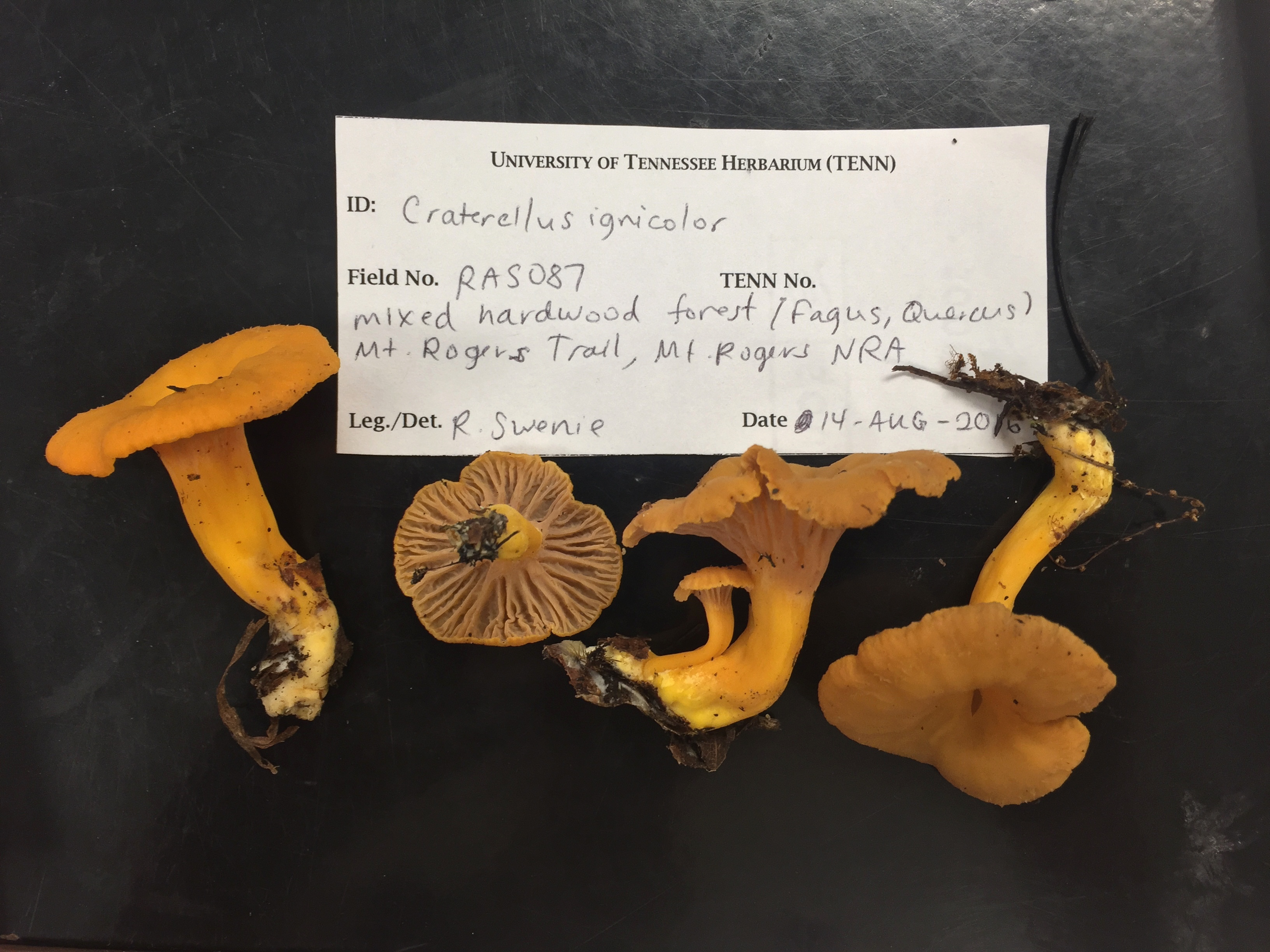
Craterellus ignicolor
species of fungi in the genus Craterellus
Ceratorhiza hydrophila
species of Agaricomycetes
Cantharellus luteopunctatus
species of fungus
Paullicorticium
Paullicorticium is a genus of resupinate fungi in the Hydnaceae family. The genus contains five species found in North America and Europe.
Ceratobasidium ochroleucum
species of fungus
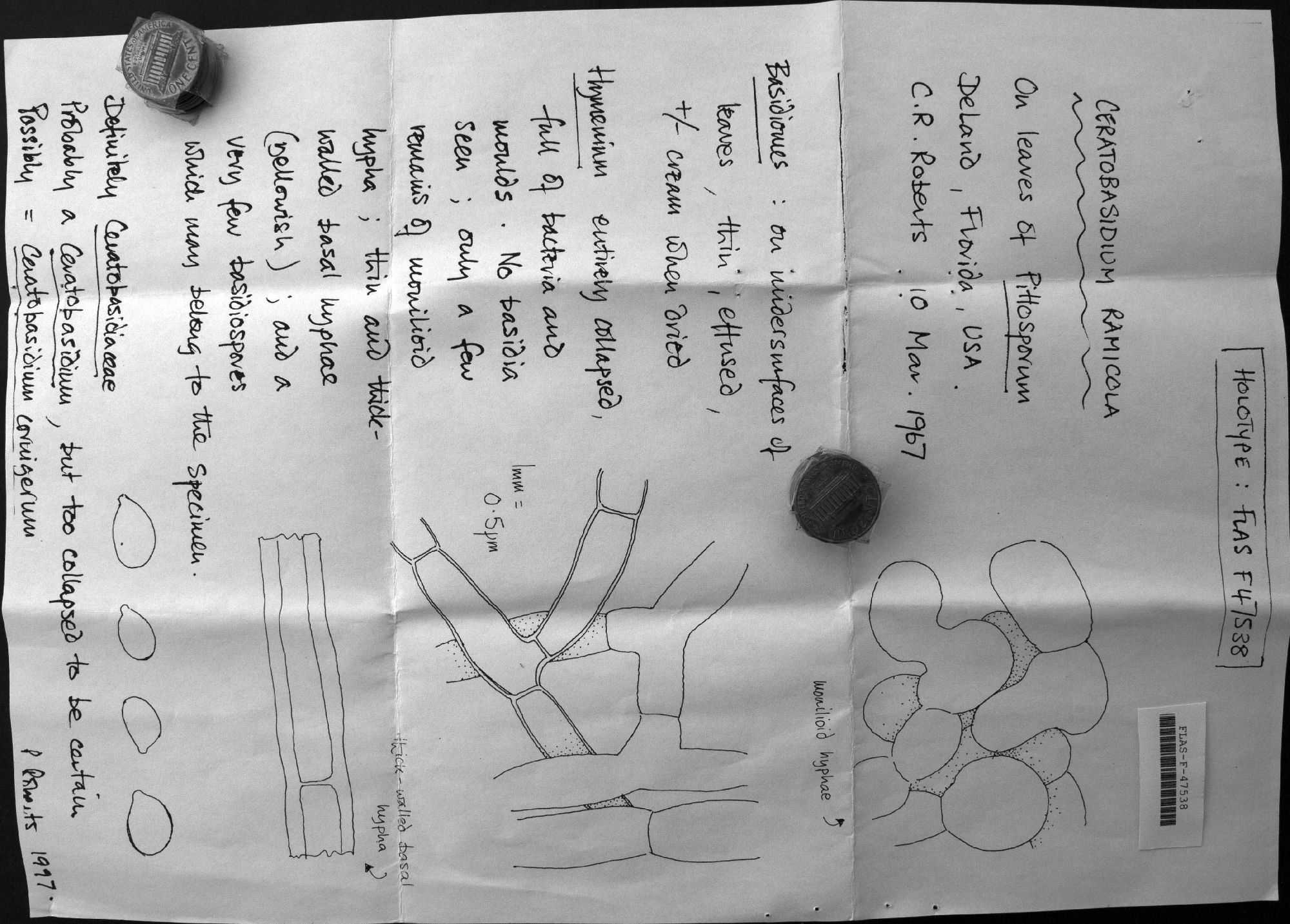
Ceratobasidium ramicola
species of fungus
Ceratobasidium setariae
species of fungus