Category
page 1Cell biology

cell
basic structural and functional unit of all organisms

cell biology
scientific discipline that studies cells

molecular biology
branch of biology that deals with the molecular basis of biological activity
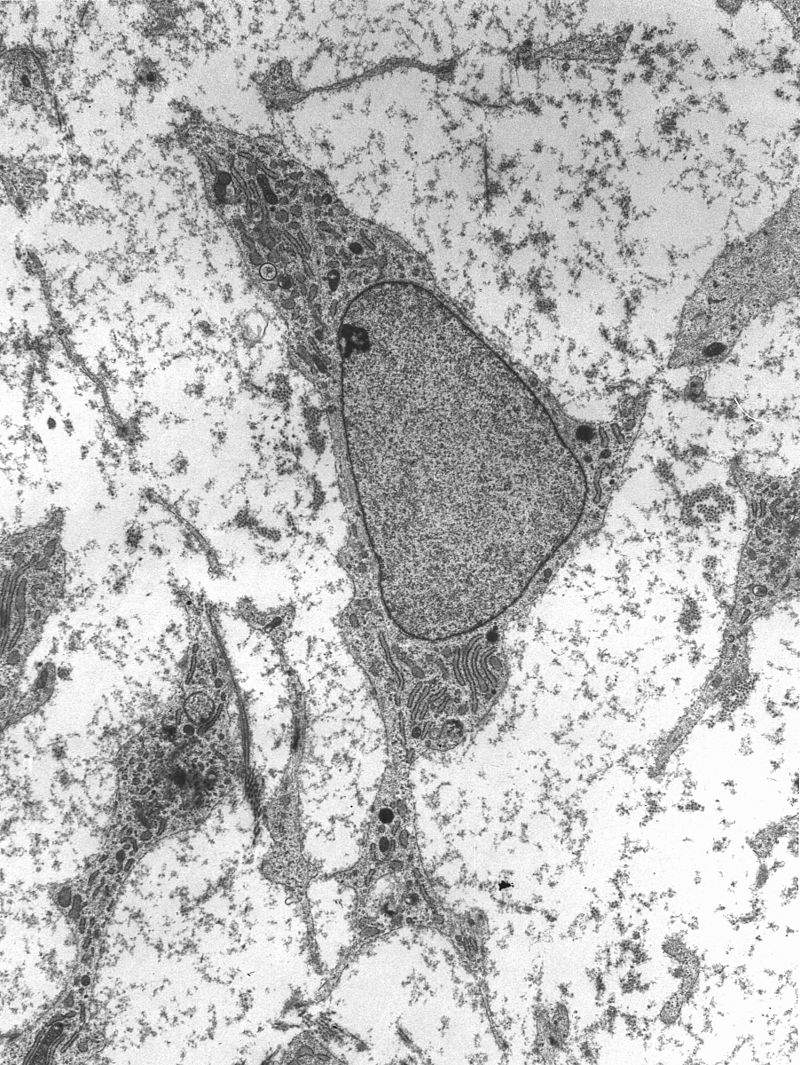
stem cell
undifferentiated biological cells that can differentiate into specialized cells

platelet
Platelets or thrombocytes () are a part of blood whose function (along with the coagulation factors) is to react to bleeding from blood vessel injury by clumping to form a blood clot. Platelets have no cell nucleus; they are fragments of cytoplasm from megakaryocytes which reside in bone marrow or lung tissue, and then enter the circulation. Platelets are found only in mammals, whereas in other vertebrates (e.g. birds, amphibians), thrombocytes circulate as intact mononuclear cells.

endoplasmic reticulum
irregular network of membranes coterminous with the outer nuclear membrane in eukaryote cytoplasm that form a meshwork of tubular channels, often expanded into cisternae
lysosome
A lysosome () is a membrane-bound organelle that is found in all animal cells (except red blood cells), and rarely in plant cells. There are normally hundreds of lysosomes in the cytosol, where they function as the cell's degradation center. Their primary responsibility is for catabolic degradation of proteins, polysaccharides and lipids into their respective building-block molecules: amino acids, monosaccharides, and free fatty acids. The breakdown is done by various enzymes, for example proteases, glycosidases and lipases.

cell theory
scientific theory that living organisms are made up of cells, that they are the basic structural/organizational unit of all organisms, and that all cells come from pre-existing cells

monocyte
Monocytes are a type of leukocyte or white blood cell. They are the largest type of leukocyte in the blood and can differentiate into macrophages and monocyte-derived dendritic cells. As a part of the vertebrate innate immune system monocytes also influence adaptive immune responses and exert tissue repair functions. There are at least three subclasses of monocytes in human blood based on their phenotypic receptors.

macrophage
Macrophages (; abbreviated Mφ, MΦ or MP) are a type of white blood cell of the innate immune system that engulf and digest pathogens, such as cancer cells, microbes, cellular debris and foreign substances, which do not have proteins that are specific to healthy body cells on their surface. This self-protection method can be contrasted with that employed by Natural Killer cells. This process of engulfment and digestion is called phagocytosis; it acts to defend the host against infection and injury.
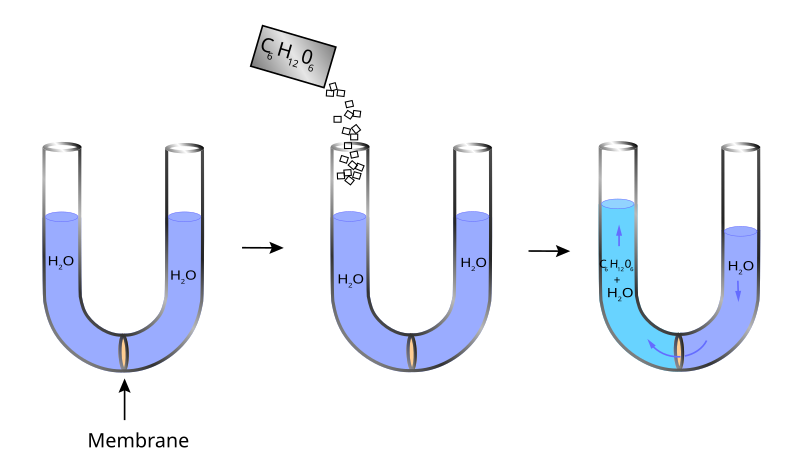
osmotic pressure
measure of the tendency of a solution to take in pure solvent by osmosis

neutrophil
Neutrophils are a type of phagocytic white blood cell and part of innate immunity. More specifically, they form the most abundant type of granulocytes and make up 40% to 70% of all white blood cells in humans. Their functions vary in different animals. In humans they participate in processes such as sterile inflammation, tissue repair, and cancer, and exhibit coordinated collective behavior. They are also known as neutrocytes, heterophils or polymorphonuclear leukocytes.

signaling receptor
protein molecule receiving signals for a cell

eosinophil
Eosinophils, sometimes called eosinophiles or, less commonly, acidophils, are a variety of white blood cells and one of the immune system components responsible for combating multicellular parasites and certain infections in vertebrates. Along with mast cells and basophils, they also control mechanisms associated with allergy and asthma. They are granulocytes that develop during hematopoiesis in the bone marrow before migrating into blood, after which they are terminally differentiated and do not multiply.

basophil
Basophils are a type of white blood cell. Basophils are the least common type of granulocyte, representing about 0.5% to 1% of circulating white blood cells. They are the largest type of granulocyte. They are responsible for inflammatory reactions during immune response, as well as in the formation of acute and chronic allergic diseases, including anaphylaxis, asthma, atopic dermatitis and hay fever. They also produce compounds that coordinate immune responses, including histamine and serotonin that induce inflammation, and heparin that prevents blood clotting, although there are less than tha
protoplasm
Protoplasm (; ) is the part of a cell that is surrounded by a plasma membrane. It is a mixture of small molecules such as ions, monosaccharides, amino acids, and macromolecules such as proteins, polysaccharides, lipids, etc.

karyotype
A karyotype is the general appearance of the complete set of chromosomes in the cells of a species or in an individual organism, mainly including their sizes, numbers, and shapes. Karyotyping is the process by which a karyotype is discerned by determining the chromosome complement of an individual, including the number of chromosomes and any abnormalities.
thumb|Micrographic karyogram of human male using [[Giemsa staining]]
thumb|Schematic karyogram demonstrating the basic knowledge needed to read a karyotype
A karyogram or idiogram is a graphical depiction of a karyotype, wherein chromosomes

mast cell
granulated cell found in almost all tissues

chromatid
thumb|In the diagram, (1) refers to a chromatid: 1-half of two identical threadlike strands of a replicated chromosome. During cell division, the identical copies (called a "sister chromatid pair") are joined at the region called the [[centromere (2). Once the paired sister chromatids have separated from one another (in the anaphase of mitosis) each is known as a daughter chromosome. The short arm of the right chromatid (3), and the long arm of the right chromatid (4), are also marked.]]
thumb|220px|Schematic karyogram of the human chromosomes, showing their usual state in the G0 and G1 phase

Mastigophora
thumb|"Flagellata" from Ernst Haeckel's Artforms of Nature, 1904 thumb|Parasitic Excavata (Giardia lamblia)
thumb|Green algae ([[Chlamydomonas)]]

interphase
thumb|right|159px|An illustration of interphase. The chromatin has not yet condensed, and the cell is undergoing its normal functions.
thumb |right|159px|An image of the nucleus of a cell (HT1080) currently in interphase (likely G1). Note: [[Cytoplasm of this cell or the neighboring cell is not visible (top-left), which is currently in the telophase of mitosis. Image taken using an optical microscope and DAPI staining of DNA.]]
Interphase is the active portion of the cell cycle that includes the G1, S, and G2 phases, where the cell grows, replicates its DNA, and prepares for mitosis, respectiv
actin filament
filament in the cytoplasm of eukaryotic cells

secretion
thumb|440px
beta oxidation
catabolic process by which fatty acids are broken down in the cytosol (in prokaryotes)/mitochondria (in eukaryotes) to generate acetyl-CoA (which enters the citric acid cycle) and NADH and FADH₂ (used in the electron transport chain)
cell culture
process by which cells are grown under controlled conditions

protoplast
thumb|right|Protoplasts of cells from a petunia's leaf
thumb|Protoplasts of the moss Physcomitrella patens
Protoplast (), is a biological term coined by Hanstein in 1880 to refer to the entire cell, excluding the cell wall. Protoplasts can be generated by stripping the cell wall from plant, bacterial, or fungal cells by mechanical, chemical or enzymatic means.
cell signaling
complex system of communication that governs basic cellular activities and coordinates cell actions
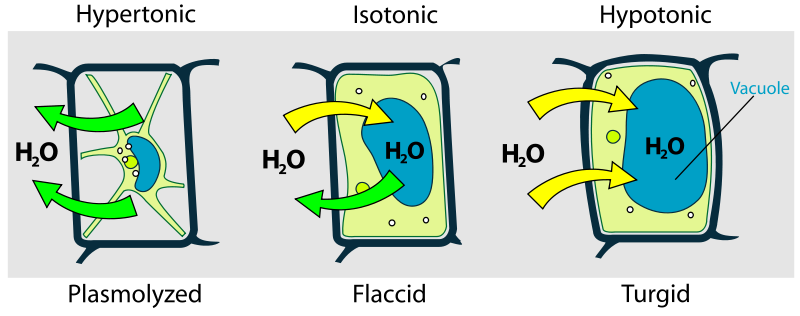
turgor pressure
intracellular pressure exerted by the plasma against the cell wall
T helper cell
type of immune cell

hemicellulose
A hemicellulose (also known as polyose) is one of a number of heteropolymers (matrix polysaccharides), such as arabinoxylans, present along with cellulose in almost all terrestrial plant cell walls. Cellulose is crystalline, strong, and resistant to hydrolysis. Hemicelluloses are branched, shorter in length than cellulose, and also show a propensity to crystallize. They can be hydrolyzed by dilute acid or base as well as a myriad of hemicellulase enzymes.

phosphorylation
thumb|Serine in an amino acid chain, before and after phosphorylation.
ergosterol
Ergosterol (ergosta-5,7,22-trien-3β-ol) is a mycosterol found in cell membranes of fungi and protozoa, serving many of the same functions that cholesterol serves in animal cells. Because many fungi and protozoa cannot survive without ergosterol, the enzymes that synthesize it have become important targets for drug discovery. In human nutrition, ergosterol is a provitamin form of vitamin D2; exposure to ultraviolet (UV) light causes a chemical reaction that produces vitamin D2.

amoeba
right|thumb|upright=1.5|Clockwise from top right: Amoeba proteus, Actinophrys sol, [[Acanthamoeba sp., Nuclearia thermophila., Euglypha acanthophora, neutrophil ingesting bacteria.]]

osmoregulation
Osmoregulation is the active regulation of the osmotic pressure of an organism's body fluids, detected by osmoreceptors, to maintain the homeostasis of the organism's water content; that is, it maintains the fluid balance and the concentration of electrolytes (salts in solution which in this case is represented by body fluid) to keep the body fluids from becoming too diluted or concentrated. Osmotic pressure is a measure of the tendency of water to move into one solution from another by osmosis. The higher the osmotic pressure of a solution, the more water tends to move into it. Pressure must

sphingolipids
thumb|500px|class=skin-invert|General structures of sphingolipids
oxidative stress
free radical toxicity
post-translational protein modification
covalent and generally enzymatic modification of proteins during or after protein biosynthesis
signal transduction
cellular process in which a signal is conveyed to trigger a change in the activity or state of a cell
bioenergetics
Bioenergetics is a field in biochemistry and cell biology that concerns energy flow through living systems. This is an active area of biological research that includes the study of the transformation of energy in living organisms and the study of thousands of different cellular processes such as cellular respiration and the many other metabolic and enzymatic processes that lead to production and utilization of energy in forms such as adenosine triphosphate (ATP) molecules. That is, the goal of bioenergetics is to describe how living organisms acquire and transform energy in order to perform bi
mosaicism
presence of two or more populations of cells with different genotypes in one individual who has developed from a single fertilized egg

chemiosmosis
Chemiosmosis is the movement of ions across a semipermeable membrane through an integral membrane protein, down their electrochemical gradient. An important example is the formation of adenosine triphosphate (ATP) by the movement of hydrogen ions (H+) through ATP synthase during cellular respiration or photophosphorylation.

taxis
thumb|A moth exhibiting phototaxis, moving towards a source of light
A taxis (; : taxes ) is the movement of an organism in response to a stimulus such as light or the presence of food. Taxes are innate behavioural responses.

glycocalyx
The glycocalyx (: glycocalyces or glycocalyxes), also known as the pericellular matrix and cell coat, is an external organelle consisting of a layer of glycosylated biomolecules called glycoconjugates, such as glycoproteins and glycolipids. These are embedded in and extend outwards from the cell membranes of virtually all cells. Generally, the carbohydrate portion of the glycolipids found on the surface of plasma membranes helps these molecules contribute to cell–cell recognition, communication, and intercellular adhesion.
extracellular fluid
body fluid outside the cells of a multicellular organism
ligand-gated ion channel
type of ion channel transmembrane protein

kinetochore
300px|thumb|Image of kinetochores in pink
flow cytometry
technique of suspending cells in a stream of fluid and passing them by an electronic detection apparatus
%20PBCV-1%20Lysis%2BRelease.png)
lysis
thumb|Lysis of a chlorella [[algae cell membrane and cell wall following infection with the chlorovirus Paramecium bursaria chlorella virus 1]]
Lysis ( ; from Greek 'loosening') is the breaking down of the membrane of a cell, often by viral, enzymic, or osmotic (that is, "lytic" ) mechanisms that compromise its integrity. A fluid containing the contents of lysed cells is called a lysate. In molecular biology, biochemistry, and cell biology laboratories, cell cultures may be subjected to lysis in the process of purifying their components, as in protein purification, DNA extraction, RNA extracti

syncytium
A syncytium (; : syncytia; from Greek: σύν syn "together" and κύτος kytos "box, i.e. cell") (also syncyitium) or symplasm is a multinucleate cell that can result from multiple cell fusions of uninuclear cells (i.e., cells with a single nucleus), in contrast to a coenocyte, which can result from multiple nuclear divisions without accompanying cytokinesis. The muscle cell that makes up animal skeletal muscle is a classic example of a syncytium cell. The term may also refer to cells interconnected by specialized membranes with gap junctions, as seen in the heart muscle cells and certain smooth mu
passive transport
membrane transport that occurs down an electrochemical gradient and does not require energy

clathrin complex
Clathrin is a protein that plays a role in the formation of coated vesicles. Clathrin was first isolated by Barbara Pearse in 1976. It forms a triskelion shape composed of three clathrin heavy chains and three light chains. When the triskelia interact they form a polyhedral lattice that surrounds the vesicle. The protein's name refers to this lattice structure, deriving from Latin clathri, meaning lattice. Barbara Pearse named the protein clathrin at the suggestion of Graeme Mitchison, selecting it from three possible options. Coat-proteins, like clathrin, are used to build small vesicles in o
callus
growing mass of unorganized plant parenchyma cells. a mass of unorganized cells
optical tweezers
instrument using a highly focused laser to provide an attractive or repulsive force (on the order of piconewtons) to hold and move microscopic dielectric objects similar to tweezers
nuclear lamina
The fibrous, electron-dense layer lying on the nucleoplasmic side of the inner membrane of a cell nucleus, composed of lamin filaments. The polypeptides of the lamina are thought to be concerned in the dissolution of the nuclear envelope and its re-f
clone
group of identical cells that share a common ancestry
cell-mediated immunity
immune response that does not involve antibodies
post-transcriptional modification
processes by which an RNA primary transcript is chemically altered to produce a functional RNA molecule
Förster resonance energy transfer
energy transfer mechanism and microscopy technique
ground tissue
ground tissue is one of three main tissue systems: protective, ground, and vascular, each tissue system has a different role and functionality inside plant tissues
Boveri–Sutton chromosome theory
theory