Category
page 1Crops originating from Mexico

maize
Maize (; Zea mays), also known as corn in North American English, is a tall stout grass that produces cereal grain. The leafy stalk of the plant gives rise to male inflorescences or tassels which produce pollen, and female inflorescences called ears. The ears yield grain, known as kernels or seeds. In modern commercial varieties, these are usually yellow or white; other varieties can be of many colors. Maize was domesticated by indigenous peoples in southern Mexico about 9,000 years ago from wild teosinte. Native Americans planted it alongside beans and squashes in the Three Sisters polycultur

tomato
The tomato (, ; Solanum lycopersicum) is a plant whose fruit is an edible berry that is eaten as a vegetable. The tomato is a member of the nightshade family that includes tobacco, potato, and chili peppers. It originated from western South America, and may have been domesticated there, in Mexico, or in Central America. The Spanish introduced tomatoes to Eurasia in the Columbian exchange in the 16th century.

Carica papaya
The papaya (, ), papaw, () or pawpaw () is the plant species Carica papaya, one of the 21 accepted species in the genus Carica of the family Caricaceae. Papaya is also the name of its fruit. It was first domesticated in Mesoamerica, within modern-day southern Mexico and Central America. It is grown in several countries in regions with a tropical climate. In 2024, India was the leading producer, accounting for 36% of the world total.

Aguacate
The avocado, alligator pear or avocado pear (Persea americana) is an evergreen tree in the laurel family (Lauraceae). It is native to the Americas, with archaeological evidence of early human avocado use dating back thousands of years across various regions of Central and South America. It was prized for its large and unusually oily fruit. The native range of avocado (Persea americana) extends from Mexico to Peru, encompassing much of Central America and parts of northern and western South America.

pumpkin
thumb|upright=1.4|A pile of pumpkins at the French Market in New Orleans, Louisiana
thumb|upright=1.4|A variety of pumpkin cultivars. The central and rightmost orange fruits are Cucurbita pepo, all others are [[Cucurbita maxima]]
thumb|upright=1.4|A field of giant pumpkins

chili pepper
fruit of plants from the genus Capsicum, members of the nightshade family, Solanaceae

Dahlia
Dahlia ( , ) is a genus of bushy, tuberous, herbaceous perennial plants native to Mexico and Central America. Dahlias are members of the Asteraceae (synonym name: Compositae) family of dicotyledonous plants, its relatives include the sunflower, daisy, chrysanthemum, and zinnia. There are 49 species of dahlia, with flowers in almost every hue (except blue), with hybrids commonly grown as garden plants.

Sicyos edulis
Chayote (; previously placed in the obsolete genus Sechium, now in the genus Sicyos, as Sicyos edulis), also known as christophine, mirliton, güisquil, and choko, is an edible plant belonging to the gourd family, Cucurbitaceae. This fruit was first cultivated in Mesoamerica between southern Mexico and Honduras, with the most genetic diversity available in both Mexico and Guatemala. It is one among dozens of foods introduced to the Old World during the Columbian Exchange. At that time, the plant spread to other parts of the Americas, ultimately causing it to be integrated into the cuisine of ma

Cucurbita pepo
species of plant
.jpg)
sisal
Sisal (, ; Agave sisalana) is a species of flowering plant native to southern Mexico, but widely cultivated and naturalized in many other countries. It yields a stiff fibre used in making rope and various other products. The sisal fiber is traditionally used for rope and twine, and has many other uses, including cloth, footwear, hats, bags, carpets, geotextiles, and dartboards. It is also used as fiber reinforcements for composite fiberglass, rubber, and concrete products. Like other agaves, the pith of the leaves can be fermented and distilled to make mezcal.

Opuntia ficus-indica
species of plant
.jpg)
vanilla
upright|thumb|right|Vanilla planifolia, flower
upright|thumb|right|Dried vanilla beans

Salvia hispanica
species of plant

Agave americana
species of plant

Carya illinoinensis
The pecan ( , , ; Carya illinoinensis) is a species of hickory native to the Southern United States and northern Mexico in the region of the Mississippi River.

Tagetes erecta
species of plant
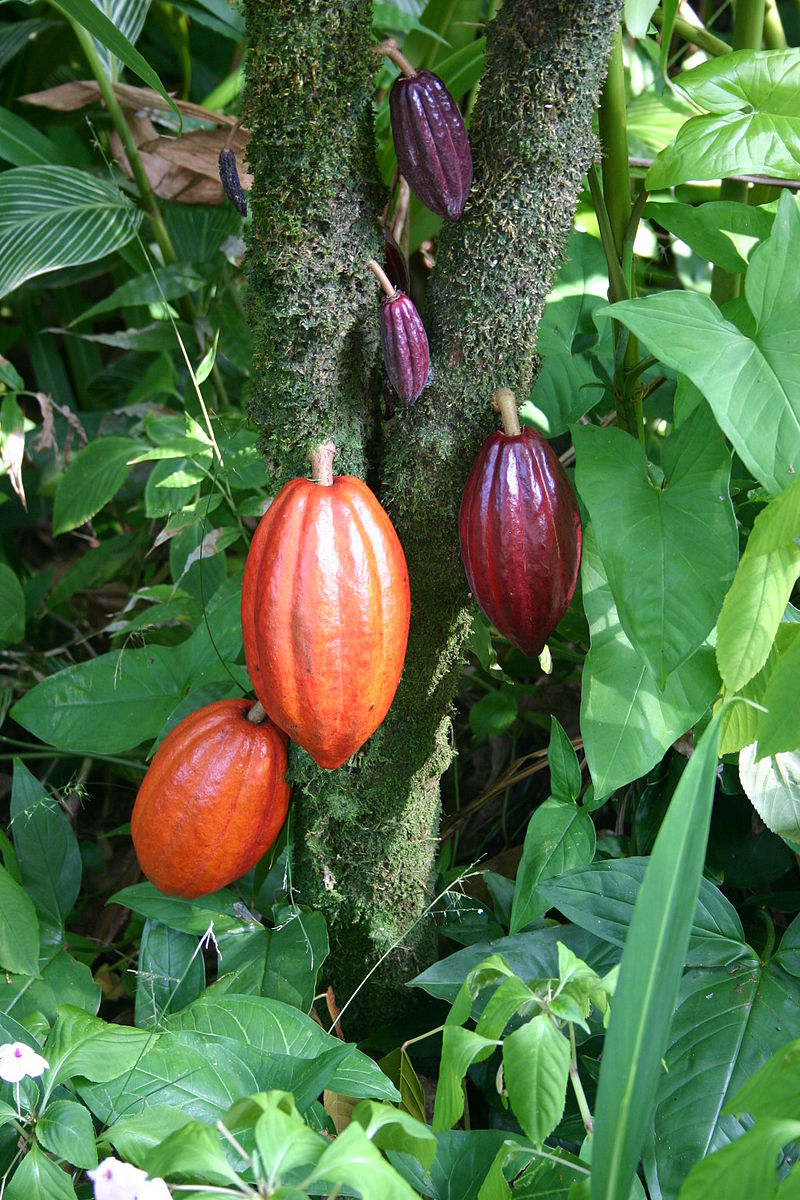
cocoa bean
fatty seed of Theobroma cacao which is the basis of chocolate

Vanilla planifolia
species of plant

Pachyrhizus erosus
species of plant
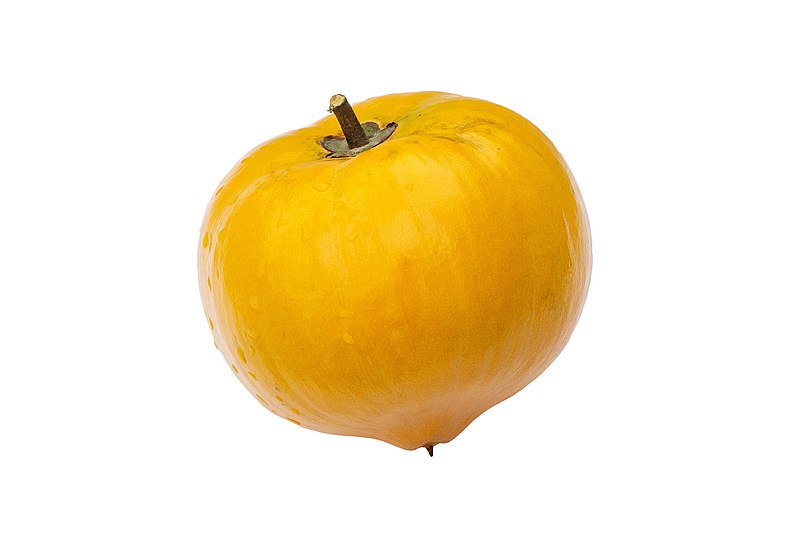
Pouteria campechiana
synonym of Lucuma campechiana

Simmondsia chinensis
Jojoba (; botanical name: Simmondsia chinensis)also commonly called goat nut, deer nut, pignut, wild hazel, quinine nut, coffeeberry, and gray box bushis an evergreen, dioecious shrub native to the Southwestern United States and northern Mexico. Simmondsia chinensis is the sole species of the family Simmondsiaceae, placed in the order Caryophyllales.

Physalis philadelphica
thumb|Physalis ixocarpa – MHNT

Spondias purpurea
species of plant

Amaranthus cruentus
species of plant

Haematoxylum campechianum
species of plant

Capsicum pubescens
species of plant
chia seed
edible seeds of Salvia hispanica and S. columbariae

Gossypium hirsutum
species of plant

Selenicereus undatus
species of cactus

Diospyros nigra
species of tree

Pouteria sapota
species of tree native to Mexico and Central America

Amaranthus hypochondriacus
species of plant

Xanthosoma sagittifolium
species of plant

Annona purpurea
species of Annona

Parthenium argentatum
species of plant

Tagetes lucida
species of plant

Agave fourcroydes
species of plant
.jpg)
chicle
thumb|Chicle (white substance) oozing from the pod of a Manilkara zapota (sapodilla) tree in [[Panama]]
thumb|Chicle chunks
Chicle () is a latex traditionally used in making chewing gum and other products. It is collected from several species of Mesoamerican trees in the genus Manilkara, including M. zapota, M. chicle, M. staminodella, and M. bidentata.

Castilla elastica
species of plant

Vanilla pompona
species of plant
poblano
The poblano (Capsicum annuum) is a mild chili pepper originating in Puebla, Mexico. Dried, it is called ancho or chile ancho, from the Spanish word ancho (wide). Stuffed fresh and roasted, it is popular in chiles rellenos poblanos.

hominy
Hominy is a Mesoamerican food item produced from dried maize (corn) kernels that have been treated with an alkali, in a process called nixtamalization ( is the Nahuatl word for "hominy"). "Lye hominy" is a type of hominy made with lye. The word "hominy" comes from the Powhatan , literally, "that treated (in the way specified)."
amaranth grain
edible grain of the Amaranth genus
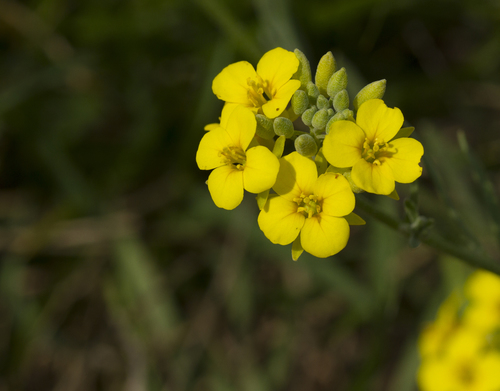
Physaria fendleri
species of plant