Category
page 1Date of birth unknown

Ella Bruccoleri
Ella May Bruccoleri is a British actress. On television, she is known for her role as Sister Frances in the BBC One drama Call the Midwife (2018–2022) and as Mary Bennet in The Other Bennet Sister.

Muammar Gaddafi
Muammar Muhammad Abu Minyar al-Gaddafi was a Libyan military officer, revolutionary, politician, and political theorist who ruled Libya from 1969 until his overthrow by Libyan rebel forces in 2011 during the First Libyan Civil War. He came to power through a bloodless military coup, first becoming Revolutionary Chairman of the Libyan Arab Republic from 1969 to 1977, Secretary General of the General People's Congress from 1977 to 1979, and then the Brotherly Leader of the Great Socialist People's Libyan Arab Jamahiriya from 1979 to 2011. Initially ideologically committed to Arab nationalism and Arab socialism, Gaddafi later ruled according to his own Third International Theory.
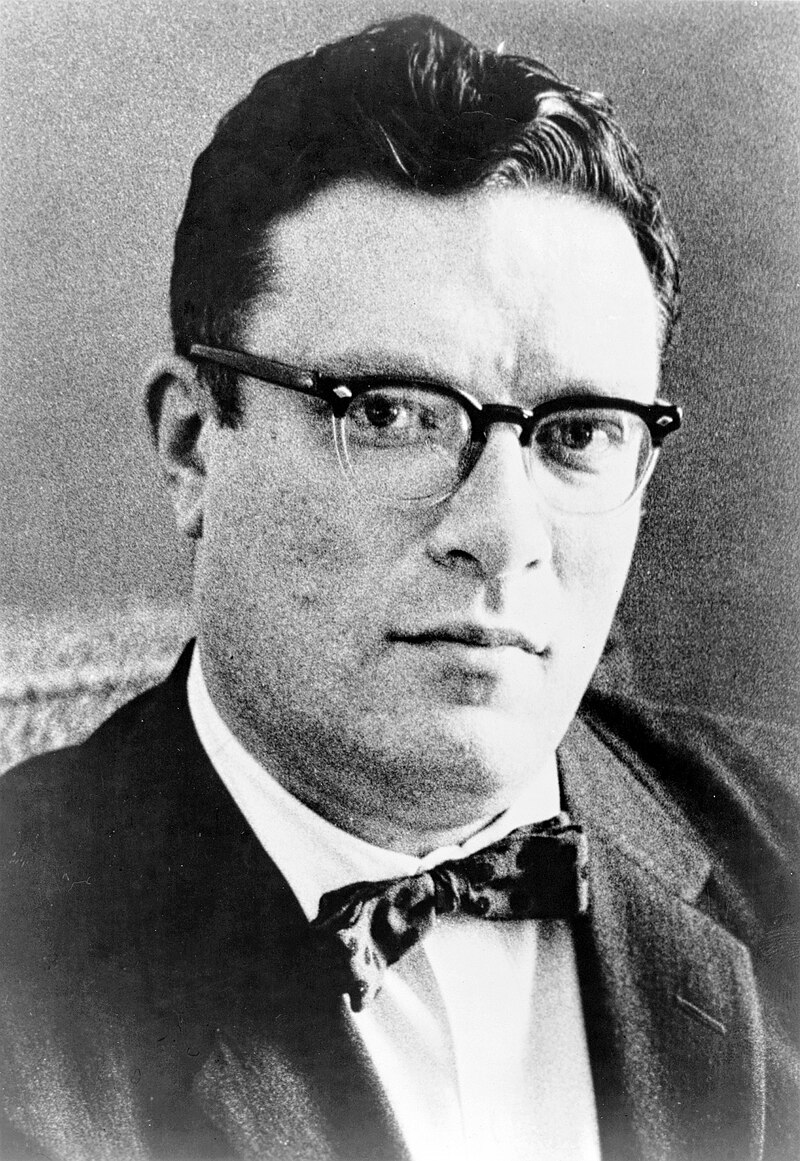
Isaac Asimov
American writer and biochemist (1920–1992)

Giordano Bruno
Italian Dominican friar, philosopher and mathematician (1548–1600)

Idi Amin
President of Uganda (1971-1979)

Jiddu Krishnamurti
Indian spiritual philosopher, mystic, speaker and writer (1895–1986)

Jack the Ripper
unidentified 19th century serial killer
_(Nachfolger)_-_Sultan_Orhan_-_2236_-_69_x_54_cm._Bavarian_State_Painting_Collections._Munich%2C_Germany.jpg)
Orhan
Orhan Ghazi (; , also spelled Orkhan; died 1362) was the second sultan of the Ottoman Empire from 1323/4 to 1362. He was born in Söğüt, as the son of Osman I and his consort Malhun Hatun.
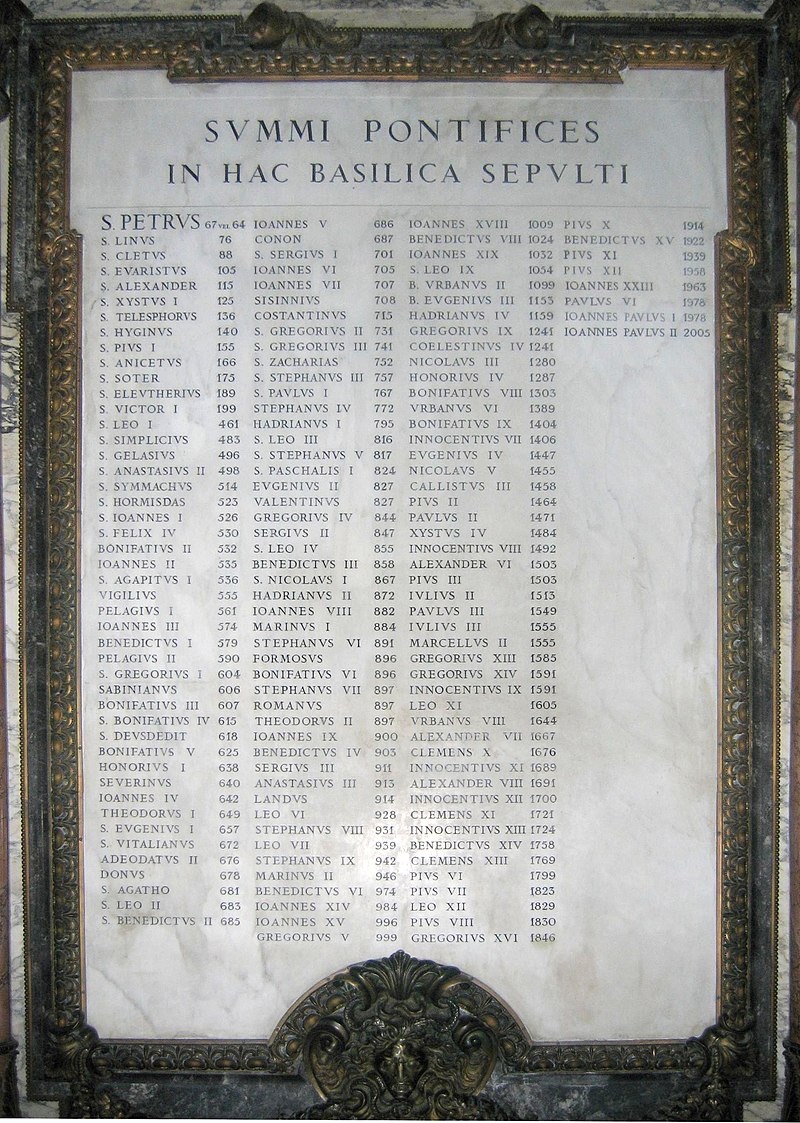
Hormisdas
Bishop of Rome from 514 to 523

John II
pope
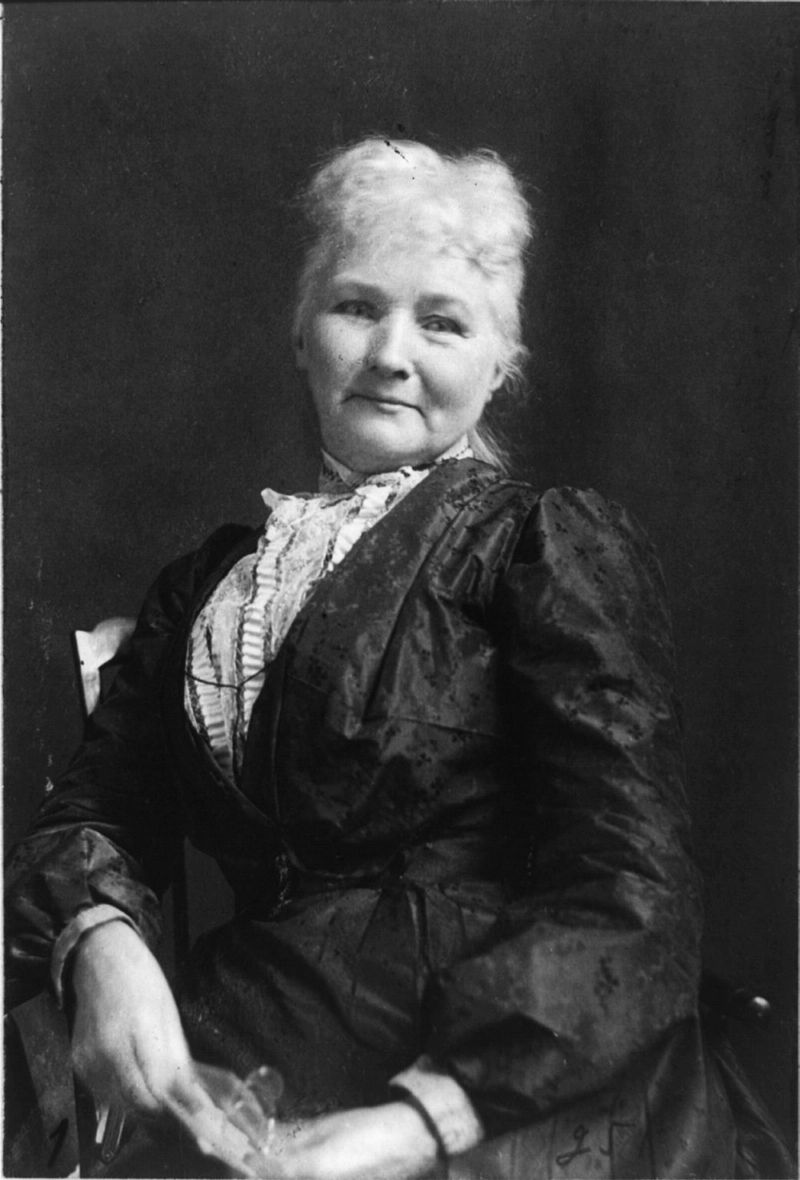
Mary Harris Jones
Irish-born American labor and community organizer (1837–1930)

Afonso de Albuquerque
Portuguese general, admiral, and statesman (1453–1515)

George Washington Carver
African American botanist and inventor (1864-1943)

Yunus Emre
Turkish folk poet and Sufi mystic

Lucas Cranach the Elder
German painter and printmaker (1472–1553)

Anne Bonny
Female pirate

John I Tzimiskes
Byzantine emperor

Chief Seattle
Duwamish chief

Ahmad ibn Fadlan
10th-century Arab traveller and ethnographer

Vegetius
thumb|300px|Mulomedicina (1250-1375 ca., Biblioteca Medicea Laurenziana, pluteo 45.19)
Publius (or Flavius) Vegetius Renatus, known as Vegetius (), was a writer of the Later Roman Empire (late 4th century). Nothing is known of his life or station beyond what is contained in his two surviving works: Epitoma rei militaris (also referred to as De re militari), and the lesser-known Digesta Artis Mulomedicinae, a guide to veterinary medicine. He identifies himself in the opening of his work Epitoma rei militaris as a Christian.

Thích Quảng Đức
Vietnamese monk who self-immolated in 1963

Ching Shih
influential female Chinese pirate

Mary Read
English pirate

Kaspar Hauser
man with a mysterious history (1812–1833)

Pachomius the Great
Egyptian saint

Öz Beg Khan
Khan of the Golden Horde

Alexander Selkirk
British sailor

Songtsän Gampo
Tibetan emperor (604-650)

Josephine Bakhita
Sudanese saint and former slave

Juan Rodríguez Cabrillo
Portuguese or Spanish explorer
.jpg)
Algirdas
Algirdas ( – May 1377) was Grand Duke of Lithuania from 1345 to 1377. With the help of his brother Kęstutis (who defended the western border of the Duchy), he created an empire stretching from the present Baltic states to the Black Sea and to within of Moscow.
Felix II
archdeacon of Rome, antipope or pope in 355 (died 365)

Benozzo Gozzoli
Italian painter (c.1421-1497)

Nicholas V
antipope in Rome 1328-1330 during Avignon papcy (1258-1333)

Jang Sung-taek
North Korean government official (1946–2013)
An Lushan
Chinese general and emperor of Yan

Manute Bol
Sudanese-American basketball player

Edward Waring
English mathematician
Ursicinus
priest, elected pope in 366/367
Paschal III
Italian cardinal and diplomat, antipope 1164 to 1168
Gülnuş Sultan
Haseki Sultan of Mehmed IV, mother and Valide Sultan of Mustafa II and Ahmed III.
Dioscorus
deacon of the Alexandrian and the Roman church, antipope in 530

Paul Miki
Roman Catholic Japanese Jesuit seminarian and martyr

Stanisław Żółkiewski
Polish noble (1547-1620)
%E2%80%93%20Pigment%20Painting%20(Old).jpg)
Bhavabhūti
Bhavabhūti (born Śrīkaṇṭha Nīlakaṇṭha; Devanagari: भवभूति; -) was a classical Sanskrit scholar, poet, and playwright of eighth-century India. He is considered a key successor to Kalidasa and is often regarded as matching his literary stature. His best known work Uttararamacarita (translated as The Later Deeds of Rama), earned him the title "Poet of the Karunā Rasa".
==Background==
Bhavabhuti was born in Padmapura, Aamgaon, at Gondia district,in Maharashtra. He was born in a Audumbar/Udumbar Brahmin family of scholars. He is described as a scion of the Yāyāvara family, bearing the surname Udumb

Musa Çelebi
Ottoman prince

Tri Songdetsen
Emperor of Tibet

Mary de Bohun
wife of King Henry IV of England

Victor IV
Italian cardinal, antipope (1095–1164)
Ali Qushji
Ottoman astronomer and mathematician
Callixtus III
antipope from 1168 to 1178
Rafael Casanova
Catalan lawyer and politician

Rudrama Devi
13th-century Indian queen
Süleyman Çelebi
Ottoman prince
Robert Catesby
English conspirator (died 1605)

Innocent III
cardinal, antipope in 1179/1180
Ōtomo no Yakamochi
Japanese statesman and poet of the Nara period
Langdarma
Darma U Dum Tsen (), better known as Langdarma (, "Mature Bull" or "Darma the Bull"), was the last king of the Tibetan Empire who in 838 killed his brother, Tritsuk Detsen, then reigned from 841 until his assassination in 842. His reign led to the dissolution of the Tibetan Empire, which had extended beyond the Tibetan Plateau to include the Silk Roads with the Tibetan manuscript center at Sachu (Dunhuang), and neighbouring regions in China, Afghanistan, and India. He was assassinated by a Buddhist monk Lhalung Pelgyi Dorje.
John Ford
English Caroline dramatist and poet
Sakine Cansız
Kurdish activist, co-founder of PKK