Category
page 1Dethroned monarchs

Nicholas II of Russia
the 14th and last Emperor of Russia (1894–1917)

Wilhelm II
as King of Prussia last German Emperor from 1888 to 1918 (1859–1941)
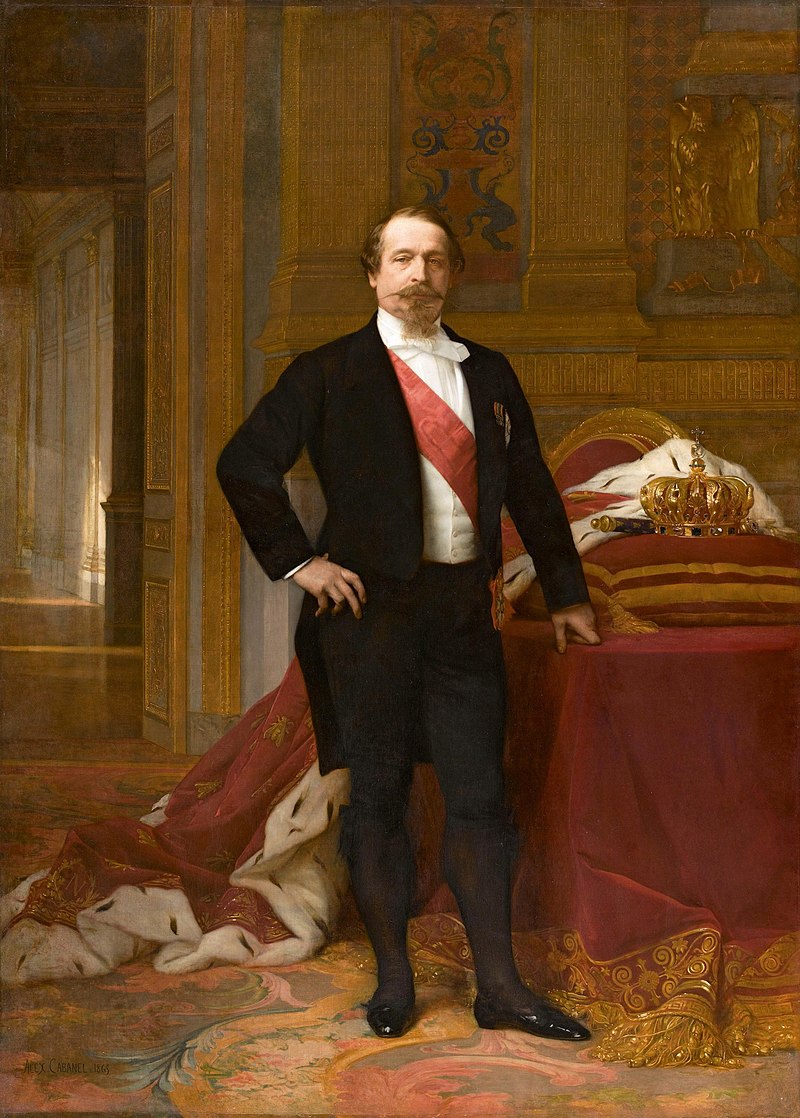
Napoleon III
President of the Second French Republic, Emperor of the Second French Empire and last monarch of France (1808–1873)

Louis XVI of France
King of France and Navarre from 1774 to 1791, then King of the French from 1791 to 1792 (1754-1793)

Haile Selassie I
Emperor of Ethiopia from 1930 to 1974

Mohammad Reza Pahlavi
Mohammad Reza Pahlavi was the last Shah of Iran from 1941 to 1979. He succeeded his father Reza Shah and ruled the Imperial State of Iran until he was overthrown in the Islamic Revolution led by Ruhollah Khomeini, which abolished the Iranian monarchy to establish the Islamic Republic of Iran. In 1967, he took the title Shahanshah, and held several others, including Aryamehr and Bozorg Arteshtaran. He was the second and last ruling monarch of the Pahlavi dynasty.

Mary, Queen of Scots
Mary, Queen of Scots, also known as Mary Stuart or Mary I of Scotland, was Queen of Scotland from 14 December 1542 until her forced abdication on 24 July 1567.

Charles I of England
Charles I was King of England, Scotland, and Ireland from 27 March 1625 until his execution in 1649.

Abdul Hamid II
34th Sultan of the Ottoman Empire (1876–1909)

James II of England
King of England, Scotland, and Ireland from 1685 to 1688 (1633–1701)

Peter III of Russia
The seventh Emperor of Russia (1762)
.jpg)
Puyi
Puyi (; 7 February 190617 October 1967) was the last emperor of China, reigning as the eleventh monarch of the Qing dynasty from 1908 to 1912, and a brief return in 1917, when he was forced to abdicate. Later, he sided with Imperial Japan and was made ruler of Manchukuo—Japanese-occupied Manchuria—in hopes of regaining power as China's emperor. After over 10 years of imprisonment for war crimes following the end of World War II, Puyi worked for four years as a gardener in Beijing, China.

Romulus Augustus
last emperor of the Western Roman Empire (475–476)

Charles X of France
King of France and of Navarre from 1824 to 1830 (1757–1836)

Mehmed VI
36th and last Sultan of the Ottoman Empire (1918–1922)

Alfonso XIII
King of Spain from 1886 to 1931 (1886–1941)
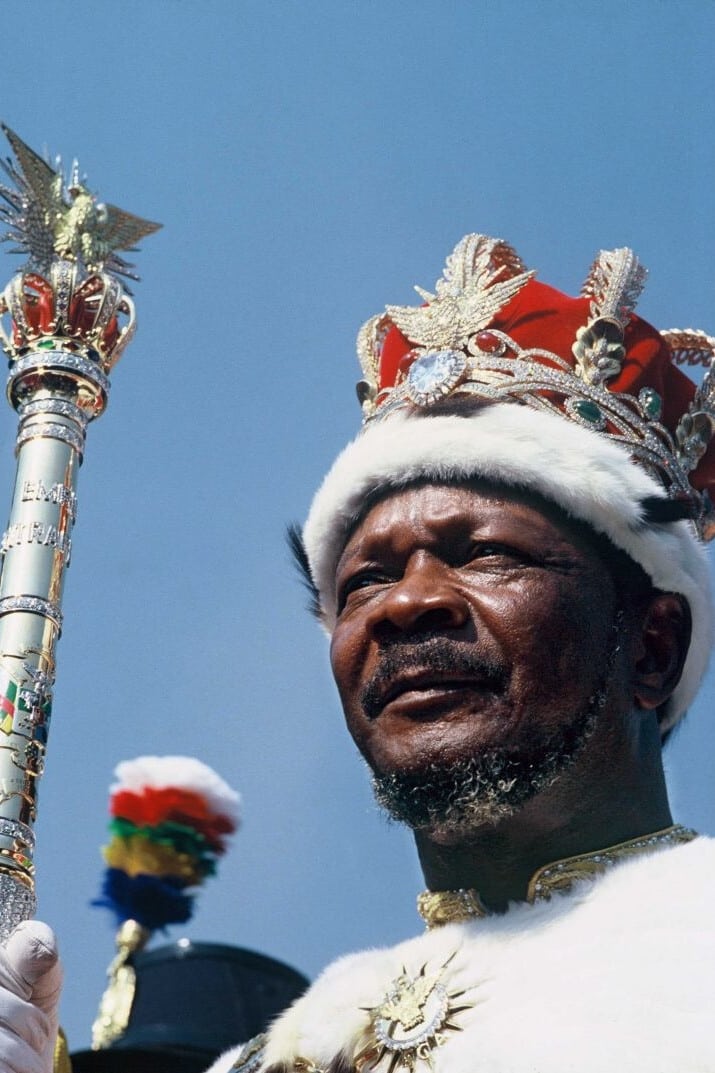
Jean-Bedel Bokassa
2nd president (1966–76) and emperor (r. 1976–79) of the Central African Republic

Pedro II of Brazil
2nd and final Emperor of Brazil (r. 1831–89)

Lady Jane Grey
Queen of England and Ireland in July 1553

Bayezid II
the eighth Sultan of the Ottoman Empire (1481–1512)

Darius III
last king of the Achaemenid Empire (r. 336–330 BC)

Selim III
28th Sultan of the Ottoman Empire (1789–1807)
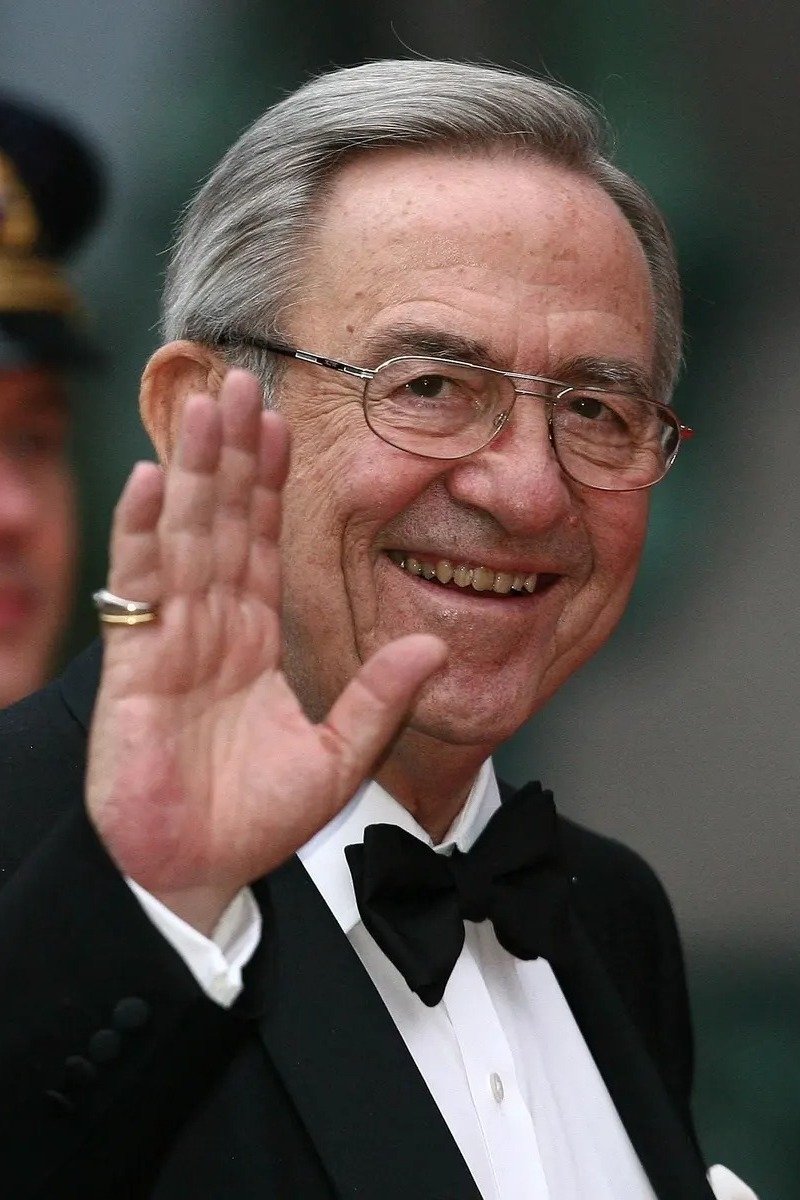
Constantine II of Greece
King of Greece from 1964 to 1973

Abdülaziz
Abdulaziz (; ; 8 February 18304 June 1876) was the sultan of the Ottoman Empire from 25 June 1861 to 30 May 1876, when he was overthrown in a government coup. He was a son of Sultan Mahmud II and succeeded his brother Abdulmejid I in 1861.

Ahmed III
23th Sultan of Ottoman Empire (1703–1730)

Charles I of Austria
Last monarch of Austria-Hungary (r. 1916–1918)

Sigismund III Vasa
King of Poland, Grand Duke of Lithuania and king of the Polish–Lithuanian Commonwealth from 1587 until 1632 and King of Sweden from 1592 until 1599 (1566–1632)
%2C%20%C3%B3leo%20sobre%20lienzo.%20An%C3%B3nimo.jpg)
Atahualpa
Atawallpa (), also Atahualpa or Ataw Wallpa (, ) ( 150229 August 1533), whose regnal name was Caccha Pachacuti Inca Yupanqui Inca (from the caccha idol and to honour the emperor Pachacuti), was the last effective Inca emperor, reigning from April 1532 until his capture and execution in July of the following year, as part of the Spanish conquest of the Inca Empire.

Liliʻuokalani
Liliʻuokalani (; Lydia Liliʻu Loloku Walania Kamakaʻeha; September 2, 1838 – November 11, 1917) was the only queen regnant and the last sovereign monarch of the Hawaiian Kingdom, ruling from January 29, 1891, until the overthrow of the Hawaiian Kingdom on January 17, 1893, in a coup that was led by the Committee of Safety, composed of seven foreign residents (five Americans, one Scotsman, and one German) and six Hawaiian Kingdom subjects of American descent in Honolulu. The composer of "Aloha ʻOe" and numerous other works, she wrote her autobiography ''Hawaiʻi's Story by Hawaiʻi's Queen'' (189
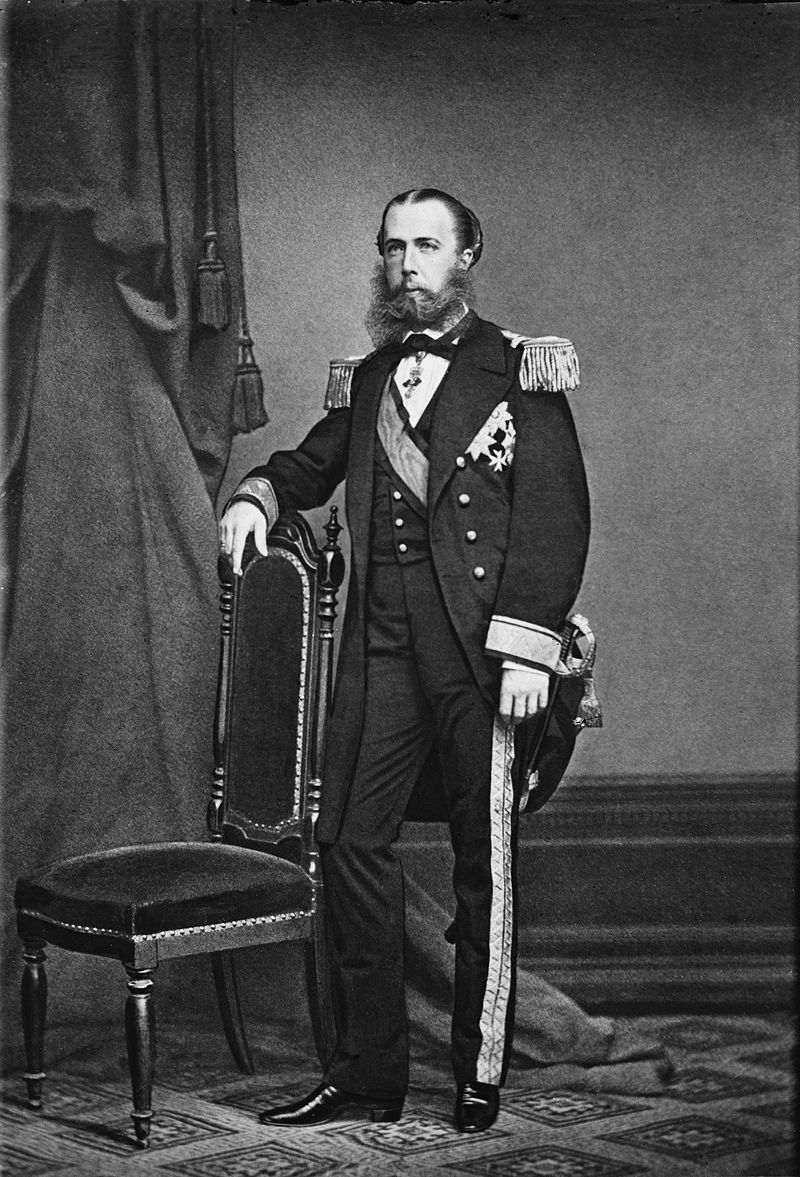
Maximilian I of Mexico
emperor of Mexico (1832-1867)

Murad V
33th Sultan of the Ottoman Empire (1876)

Maurice
Byzantine Emperor (539-602)

Michael I of Romania
last king of Romania (r. 1927–1930, 1940–1947)

Moctezuma II
9th tlatoani of Tenochtitlan and ruler of the Aztec Triple Alliance (1466-1520)
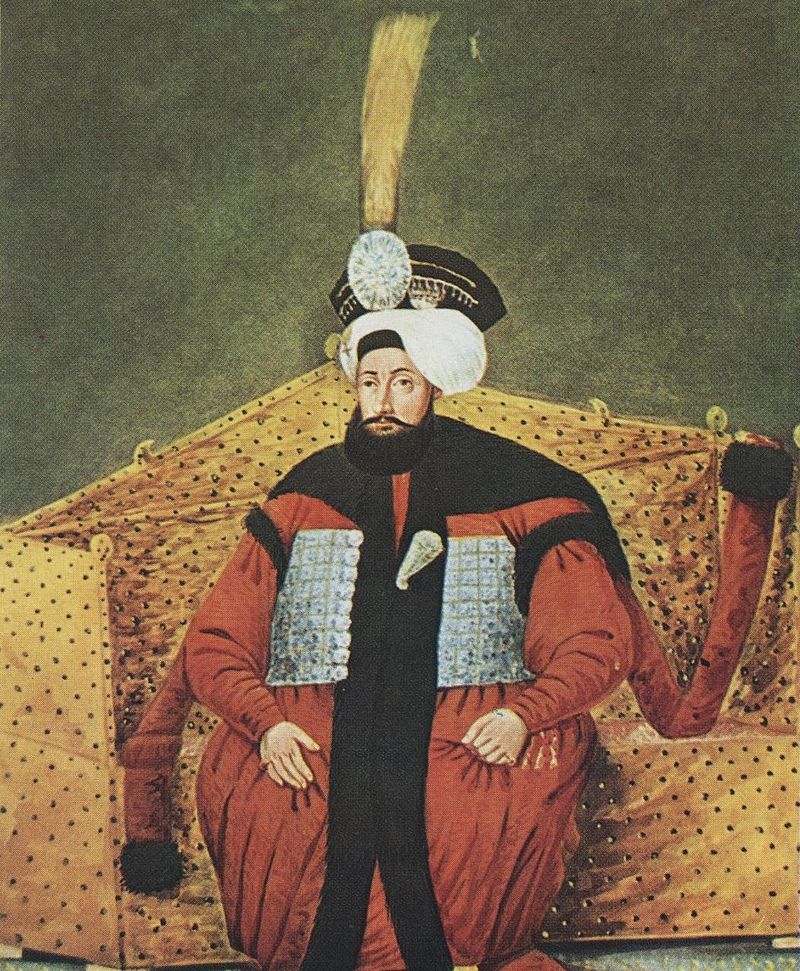
Mustafa IV
29th Sultan of the Ottoman Empire (1807–1808)

Oscar II of Sweden
King of Sweden from 1872 to 1907 and Norway from 1872 to 1905 (1829–1907)
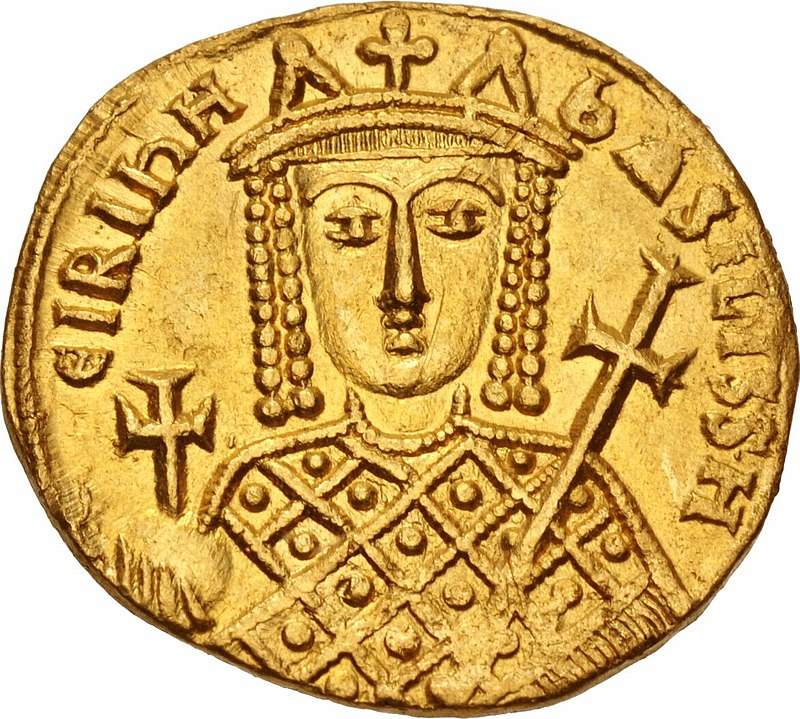
Irene of Athens
empress of Byzantine Empire (752-803)

Farouk I of Egypt
King of Egypt 1936 to 1952

Zog I of Albania
Albanian prime minister, president and king (1895-1961) (r.1922-1939)

Rehoboam
thumb|upright=1.05|King Rehoboam, from the Stained glass windows of Chartres Cathedral#Rose|north rose window of Chartres Cathedral
thumb|upright=1.05|Rehoboam and Abijah, from the Sistine Chapel ceiling#Ancestors of Christ|Sistine Chapel ceiling.
thumb|upright=1.05|David, Solomon, and Rehoboam, by Lucas van Leyden
Rehoboam (; , , ; , ; ) was, according to the Hebrew Bible, the last monarch of the United Kingdom of Israel, though his reign over the unified state was brief; after the Northern and Southern kingdoms were divided, he became the first king of the Kingdom of Judah. He was a son of a

Bảo Đại
Emperor of Vietnam from 1926 to 1945

Idris I of Libya
King of Libya from 1951 to 1969

Manuel II of Portugal
King of Portugal (1889–1932)

Agustín I of Mexico
first constitutional emperor of Mexico (1783-1824)
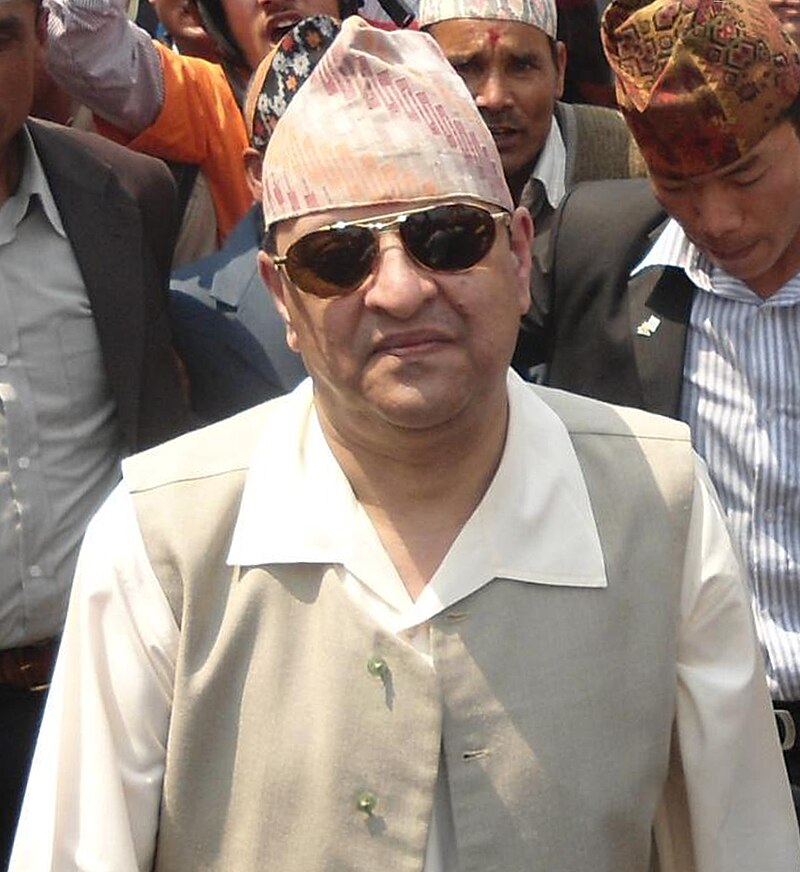
Gyanendra of Nepal
former King of Nepal

Yazdegerd III
The 27th and last Sasanian emperor (632–651)
.jpg)
Jehoiakim
Jehoiakim (also sometimes spelled Jehoikim; – 598 BC) was the eighteenth and third-from-last King of Judah from 609 to 598 BC. He was the second son of King Josiah () and Zebidah, the daughter of Pedaiah of Rumah. His birth name was Eliakim.

Eric XIV of Sweden
Swedish king (1533-1577)

Wenceslaus IV of Bohemia
king of Bohemia and Germany (1361–1419)

Stauracius
Staurakios or Stauracius (; early 790s – 11 January 812) was the shortest-reigning Byzantine emperor, ruling for 68 days between 26 July and 2 October 811.

Athaliah
Athaliah ( Gotholía; ) was the daughter of King Ahab and Queen Jezebel of Israel; she was queen consort of Judah as the wife of King Jehoram, a descendant of King David, and was later queen regnant c. 841–835 BC.

Pavlo Skoropadsky
Ukrainian general (1873-1945)

Abbas II
Khedive of Egypt (1874-1944) (r. 1892-1914)

Faisal II of Iraq
King of Iraq from 4 April 1939 until 1958
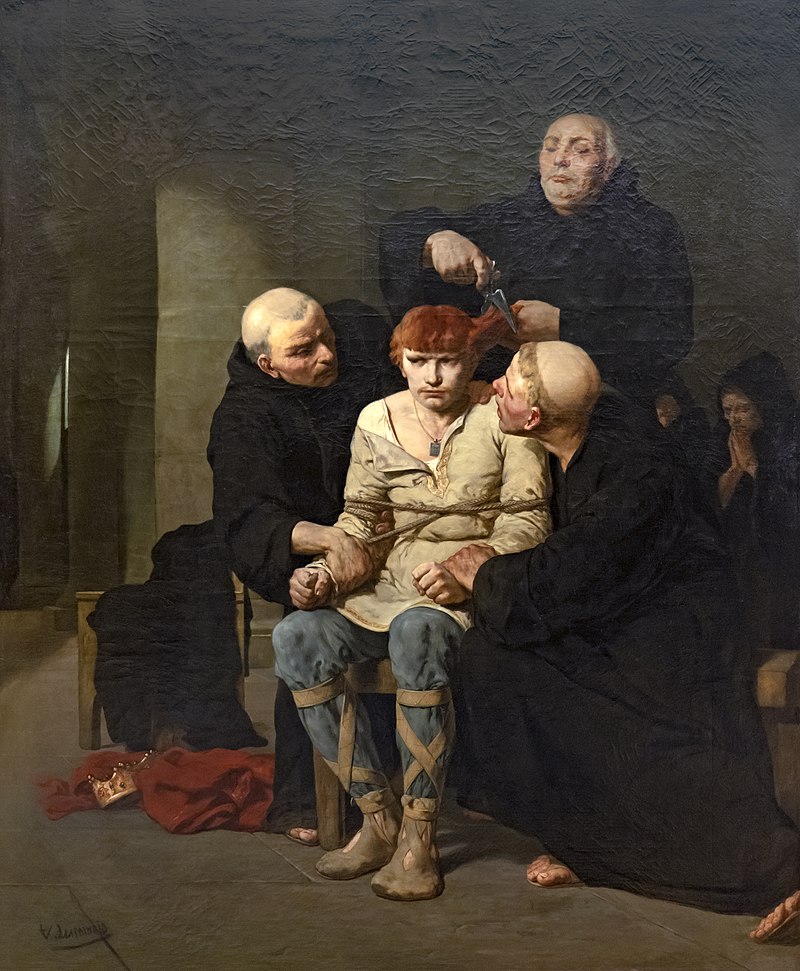
Childeric III
King of Francia

Zedekiah
Zedekiah ( ; born Mattaniah;, Hebrew: צִדְקִיָּהוּ, romanized: Ṣiḏqîyāhū, "Yah is righteousness", 618 BC – after 586 BC) was the twentieth and final King of Judah before the destruction of Jerusalem by Nebuchadnezzar II of Babylon.

Michael V Kalaphates
Byzantine emperor
.jpg)
Nabonidus
Nabonidus (, meaning "May Nabu be exalted" or "Nabu is praised") was the last king of the Neo-Babylonian Empire, ruling from 556 BC to the fall of Babylon to the Achaemenian Empire under Cyrus the Great in 539 BC. Nabonidus was the last native ruler of ancient Mesopotamia, the end of his reign marking the end of thousands of years of Sumero-Akkadian states, kingdoms and empires. He was also the last independent king of Babylon. Regarded as one of the most vibrant and individualistic rulers of his time, Nabonidus is characterised by some scholars as an unorthodox religious reformer and as the f

Mary I of Hungary
Queen of Hungary (1371-1395)
%2C%20King%20of%20Judah%20and%20the%20Babylonian%20captivity.%20From%20Babylon%2C%20Iraq.%20C.%20580%20BCE.%20Vorderasiatisches%20Museum%2C%20Berlin.jpg)
Jeconiah
Jeconiah ( meaning "Yahweh has established"; ; ), also known as Coniah and as Jehoiachin ( Yəhōyāḵin ; ), was the nineteenth and penultimate king of Judah who was dethroned by the King of Babylon, Nebuchadnezzar II in the 6th century BCE and was taken into captivity. He was the son and successor of King Jehoiakim, and the grandson of King Josiah. Most of what is known about Jeconiah is found in the Hebrew Bible. Records of Jeconiah's existence have been found in Iraq, such as the Jehoiachin's Rations Tablets. These tablets were excavated near the Ishtar Gate in Babylon and dated to c. 592 BCE.