Category
page 1E number from Wikidata

carbon dioxide
chemical compound

vitamin C
nutrient found in citrus fruits and other foods

sulfuric acid
chemical compound

acetic acid
chemical compound

hydrochloric acid
highly corrosive, strong mineral acid in aqueous solution

cellulose
Cellulose is an organic compound with the formula , a polysaccharide consisting of a linear chain of several hundred to many thousands of β(1→4) linked D-glucose units. Cellulose is an important structural component of the cell walls of green plants, many forms of algae, and the oomycetes. Some species of bacteria secrete it to form biofilms. Cellulose is the most abundant organic polymer on Earth. The cellulose content of cotton fibre is 90%, that of wood is 40–50%, and that of dried hemp is approximately 57%.

sodium bicarbonate
chemical compound

sodium hydroxide
chemical compound

urea
Urea, also called carbamide (because it is a diamide of carbonic acid), is an organic compound with chemical formula . This amide has two amino groups (−) joined by a carbonyl functional group (−C(=O)−). It is thus the simplest amide of carbamic acid.

calcium carbonate
chemical compound

citric acid
weak organic acid

potassium nitrate
chemical compound

riboflavin
Riboflavin, also known as vitamin B2, is a vitamin found in food and sold as a dietary supplement. It is essential to the formation of two major coenzymes, flavin mononucleotide and flavin adenine dinucleotide. These coenzymes are involved in energy metabolism, cellular respiration, and antibody production, as well as normal growth and development. The coenzymes are also required for the metabolism of niacin, vitamin B6, and folate. Riboflavin is prescribed to treat corneal thinning, and taken orally, may reduce the incidence of migraine headaches in adults.

silicon dioxide
chemical compound

glycine
thumb|Glycine ball and stick model spinning
Glycine (symbol Gly or G; ) is an organic compound with the formula C2H5NO2, and is the simplest stable amino acid, distinguished by having a single hydrogen atom as its side chain. As one of the 20 proteinogenic amino acids, glycine is a fundamental building block of proteins in all life and is encoded by all codons starting with GG (GGU, GGC, GGA, and GGG). Because of its minimal side chain, it is the only common amino acid that is not chiral, meaning it is superimposable on its mirror image.

glycerol
Glycerol () is a sugar alcohol with chemical formula . It has three carbon atoms and as many hydroxyl groups. It is a colorless, odorless, sweet-tasting, viscous liquid at Standard Ambient Temperature and Pressure (SATP). Because of its three hydroxyl groups, glycerol is miscible with water and is hygroscopic in nature.

sulfur dioxide
chemical compound

butane
Butane () is an alkane with the formula C4H10. Butane exists as two isomers, n-butane, and iso-butane, . Both isomers are highly flammable, colorless, easily liquefied gases that quickly vaporize at room temperature and pressure. Butanes are a trace component of natural gases, which contain higher concentrations of other hydrocarbons such as propane, ethane, and especially methane. Liquefied petroleum gas is a mixture of propane and some butanes.

sodium carbonate
chemical compound

propane
thumb|A 20 lb () steel propane cylinder. This cylinder is fitted with an overfill prevention device (OPD) valve, as evidenced by the trilobular handwheel.
Propane () is a three-carbon chain alkane with the molecular formula . It is a gas at standard temperature and pressure, but becomes liquid when compressed for transportation and storage. A by-product of natural gas processing and petroleum refining, it is often a constituent of liquefied petroleum gas (LPG), which is commonly used as a fuel in domestic and industrial applications and in low-emissions public transportation; other constituent

DL-lactic acid
group of stereoisomers

formic acid
chemical compound
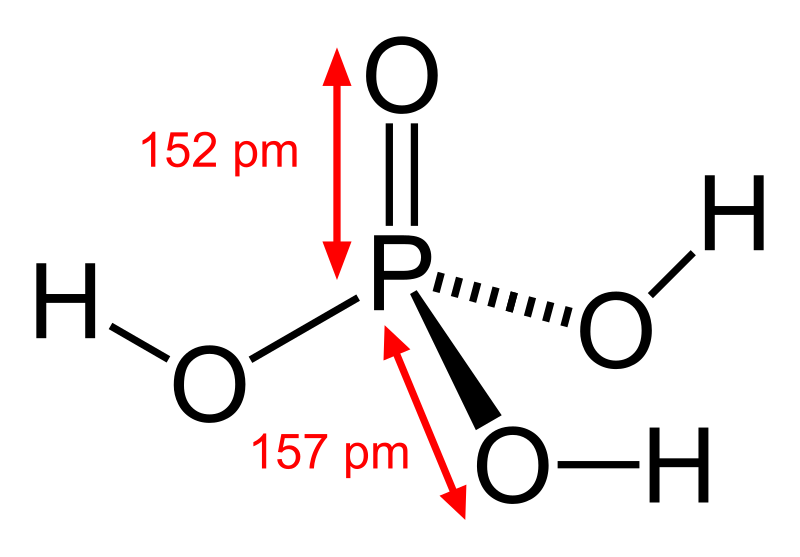
phosphoric acid
chemical compound

formaldehyde
Formaldehyde ( , ) (systematic name methanal) is a pungent colorless gas mainly used in the production of industrial resins, such as for particle board, coatings, plastics, pulp, paper, synthetic fibers, and textiles. A ~5% solution in water of formaldehyde is used as a disinfectant and fumigant in industrial, agricultural, and healthcare settings, and a ~37% solution is used to preserve tissue samples in labs. In 2024, the global production of formaldehyde was estimated at 26 million tons per year, and is a precursor to many other materials and chemical compounds.

calcium hydroxide
chemical compound

monosodium L-glutamate
chemical compound, flavor enhancer

calcium oxide
chemical compound

orthoboric acid
chemical compound

borax
Borax (also referred to as sodium borate, tincal () and tincar ()) is a salt (ionic compound) normally encountered as a hydrated borate of sodium, with the chemical formula . Borax mineral is a crystalline borate mineral that occurs in only a few places worldwide in quantities that enable it to be mined economically.

DL-glutamic acid
amino acid and neurotransmitter
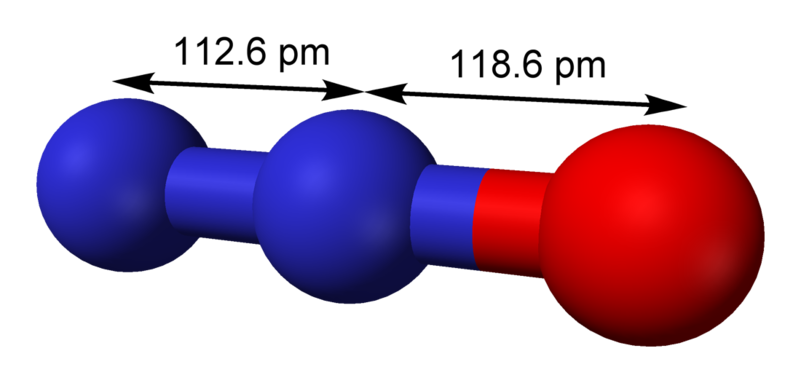
nitrous oxide
chemical compound
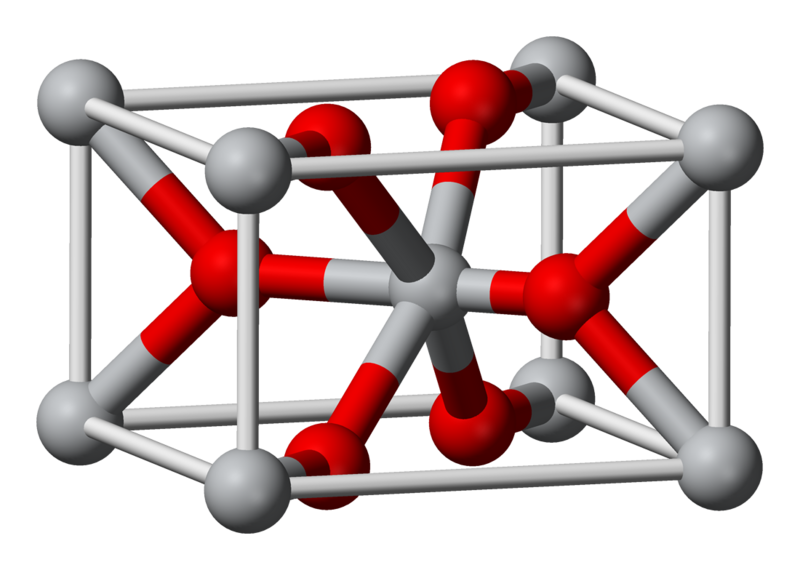
titanium dioxide
chemical compound

potassium hydroxide
inorganic compound with the formula KOH

potassium chloride
chemical compound

acetylcholine
Acetylcholine (ACh) is an organic compound that functions in the brain and body of many types of animals (including humans) as a neurotransmitter. Its name is derived from its chemical structure: it is an ester of acetic acid and choline. Parts in the body that use or are affected by acetylcholine are referred to as cholinergic.

potassium carbonate
chemical compound

sodium nitrate
chemical compound

L-Cysteine
thumb|Cysteine ball and stick model spinning
Cysteine (; symbol Cys or C) is a semiessential proteinogenic amino acid with the formula . The thiol side chain in cysteine enables the formation of disulfide bonds, and often participates in enzymatic reactions as a nucleophile. Cysteine is chiral, but both D and L-cysteine are found in nature. LCysteine is a protein monomer in all biota, and D-cysteine acts as a signaling molecule in mammalian nervous systems. Cysteine is named after its discovery in urine, which comes from the urinary bladder or cyst, from Greek κύστις kýstis, "bladder".
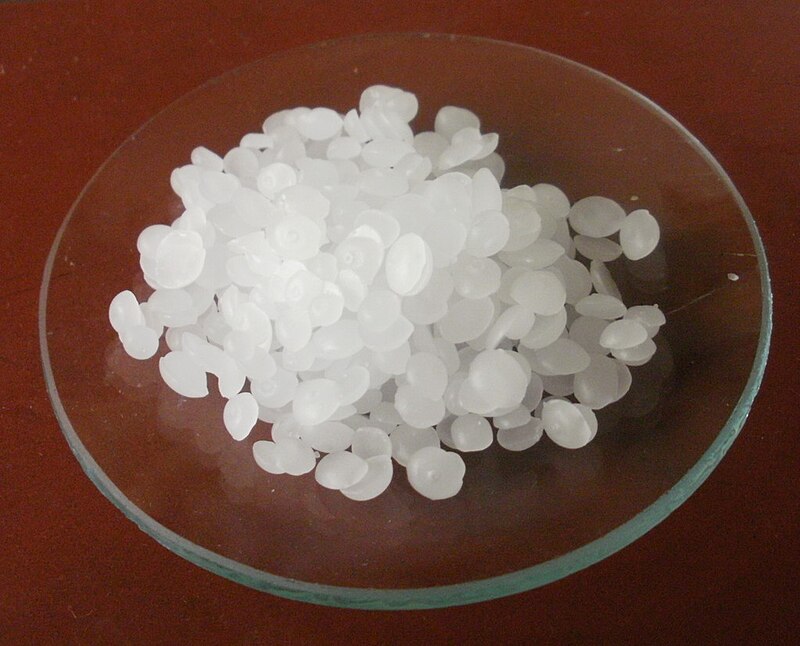
paraffin wax
waxy mixture of higher alkanes

calcium chloride
chemical compound

sodium sulfate
chemical compound

aspartame
Aspartame is an artificial, non-saccharide sweetener commonly used as a sugar substitute in foods and beverages. It is 200 times sweeter than sucrose, and is a methyl ester of the aspartic acid/phenylalanine dipeptide with brand names NutraSweet, Equal, and Canderel. Discovered in 1965, aspartame was approved by the US Food and Drug Administration (FDA) in 1974 and re-approved in 1981 after its initial approval was briefly revoked.

magnesium oxide
chemical compound naturally occurring as periclase

benzoic acid
chemical compound

ammonium sulfate
chemical compound

ethyl acetate
chemical compound

saccharin
Saccharin, also called saccharine, benzosulfimide, or E954, or used in saccharin sodium or saccharin calcium forms, is a non-nutritive artificial sweetener. Saccharin is a sultam that is about 500 times sweeter than sucrose, but has a bitter or metallic aftertaste, especially at high concentrations. It is used to sweeten products, such as drinks, candies, baked goods, tobacco products, excipients, and for masking the bitter taste of some medicines. It appears as white crystals and is odorless.

succinic acid
dicarboxylic acid

tartaric acid
C4-organic acid with different stereoisomers

DL-malic acid
group of stereoisomers

adipic acid
chemical compound

D-sorbitol
Sorbitol (), less commonly known as glucitol (), is a sugar alcohol with a sweet taste which the human body metabolizes slowly. It can be obtained by reduction of glucose, which changes the converted aldehyde group (−CHO) to a primary alcohol group (−CH2OH). Most sorbitol is made from potato starch, but it is also found in nature, for example in apples, pears, peaches, and prunes. It is converted to fructose by sorbitol-6-phosphate 2-dehydrogenase. Sorbitol is an isomer of mannitol, another sugar alcohol; the two differ only in the orientation of the hydroxyl group on carbon2. While similar, t

choline
Choline is a cation with the chemical formula . Choline forms various salts, such as choline chloride and choline bitartrate. An essential nutrient for animals, it is a structural component of phospholipids and cell membranes.

lycopene
Lycopene is an organic compound classified as a tetraterpene and a carotene. Lycopene (from the Neo-Latin Lycopersicon, the name of a former tomato genus) is a bright red carotenoid hydrocarbon found in tomatoes and other red fruits and vegetables.
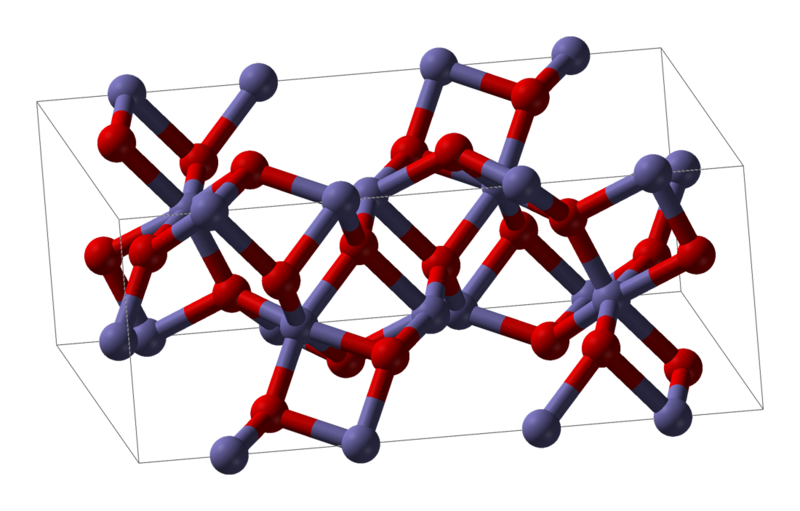
iron(III) oxide
chemical compound

propionic acid
chemical compound

fumaric acid
chemical compound

sodium nitrite
chemical compound

ammonia solution
aqueous solution of ammonia

sodium acetate
chemical compound