Category
page 1Eudicot families
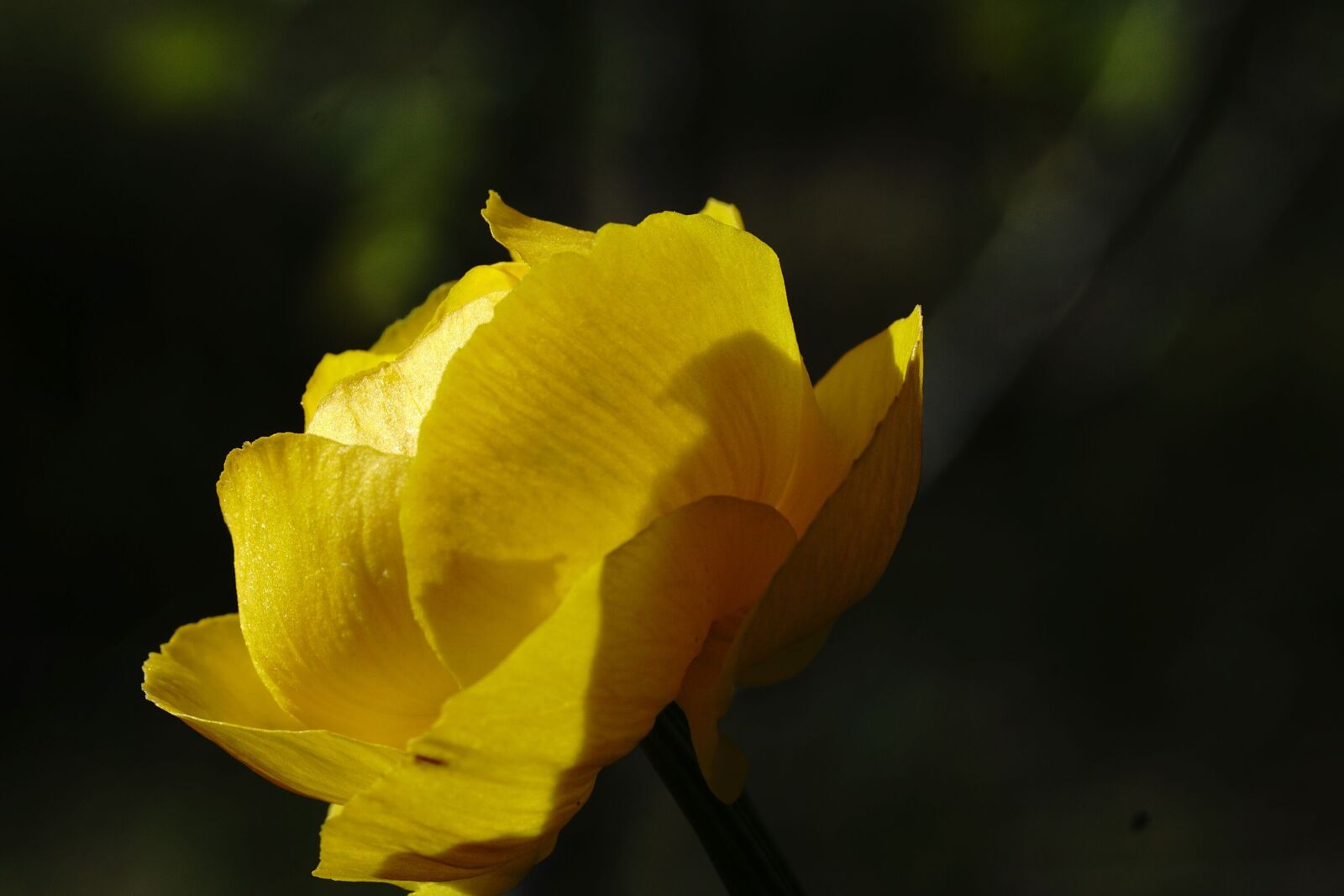
Ranunculaceae
Ranunculaceae ( , buttercup or crowfoot family; Latin "little frog", from "frog") is a large family of flowering plants, distributed worldwide.

Papaveraceae
The Papaveraceae (), informally called the poppy family, are an economically important family of about 42 genera and approximately 775 known species of flowering plants in the order Ranunculales. The family is cosmopolitan, occurring in temperate and subtropical climates (mostly in the northern hemisphere) like Eastern Asia as well as California in North America. It is almost unknown in the tropics. Most are herbaceous plants, but a few are shrubs and small trees. The family currently includes two groups that have been considered to be separate families: Fumariaceae and Pteridophyllaceae. Papa

Berberidaceae
The Berberidaceae are a family of 18 genera of flowering plants commonly called the barberry family. This family is in the order Ranunculales. The family contains about 700 known species, of which the majority are in the genus Berberis. The species include trees, shrubs and perennial herbaceous plants.

Proteaceae
The Proteaceae form a family of flowering plants predominantly distributed in the Southern Hemisphere. The family comprises 83 genera with about 1,660 known species. Australia and South Africa have the greatest concentrations of diversity. Together with the Platanaceae (plane trees), Nelumbonaceae (the sacred lotus) and in the recent APG IV system the Sabiaceae, they make up the order Proteales. Well-known Proteaceae genera include Protea, Banksia, Embothrium, Grevillea, Hakea, and Macadamia. Species such as the New South Wales waratah (Telopea speciosissima), king protea (Protea cynaroides),

Santalaceae
thumb|Santalum album
The Santalaceae, the sandalwood family, are a family of flowering plants (including trees, shrubs, and herbs) which, like other members of Santalales, are partially parasitic on other plants. Its flowers are often unisexual or bisexual. Modern treatments of the Santalaceae include the family Viscaceae (mistletoes), previously considered distinct. They are widely distributed worldwide, primarily across temperate and tropical regions. Many members of Santalaceae have a long history of human use. Due to overexploitation, several Santalaceae are of conservation concern.
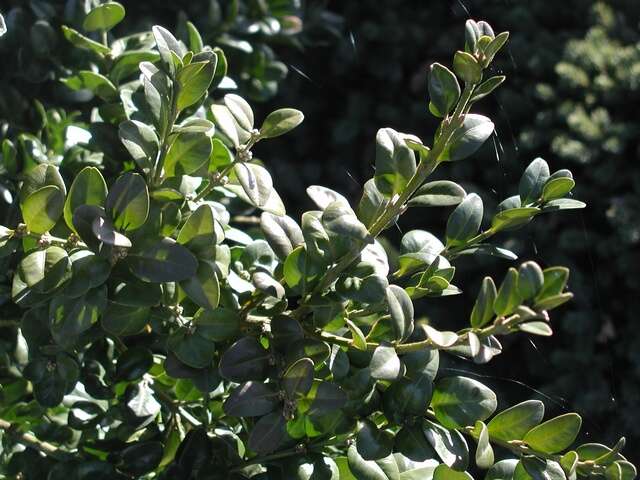
Buxaceae
The Buxaceae are a small family of six genera and about 123 known species of flowering plants. They are shrubs and small trees, with a cosmopolitan distribution. A seventh genus, sometimes accepted in the past (Notobuxus), has been shown by genetic studies to be included within Buxus (Balthazar et al., 2000).

Loranthaceae
thumb|right|Psittacanthus flowering atop a tree
thumb|Tripodanthus acutifolius on a tree.

Menispermaceae
Menispermaceae (botanical Latin: 'moonseed family' from Greek mene 'crescent moon' and sperma 'seed') is a family of flowering plants. The alkaloid tubocurarine, a neuromuscular blocker and the active ingredient in the 'tube curare' form of the dart poison curare, is derived from the South American liana Chondrodendron tomentosum, which belongs to this family. Several other South American genera belonging to the family have been used to prepare the 'pot' and 'calabash' forms of curare. The family contains 81 genera with some 440 species, which are distributed throughout low-lying tropical area
.jpg)
Lardizabalaceae
Lardizabalaceae is a family of flowering plants.
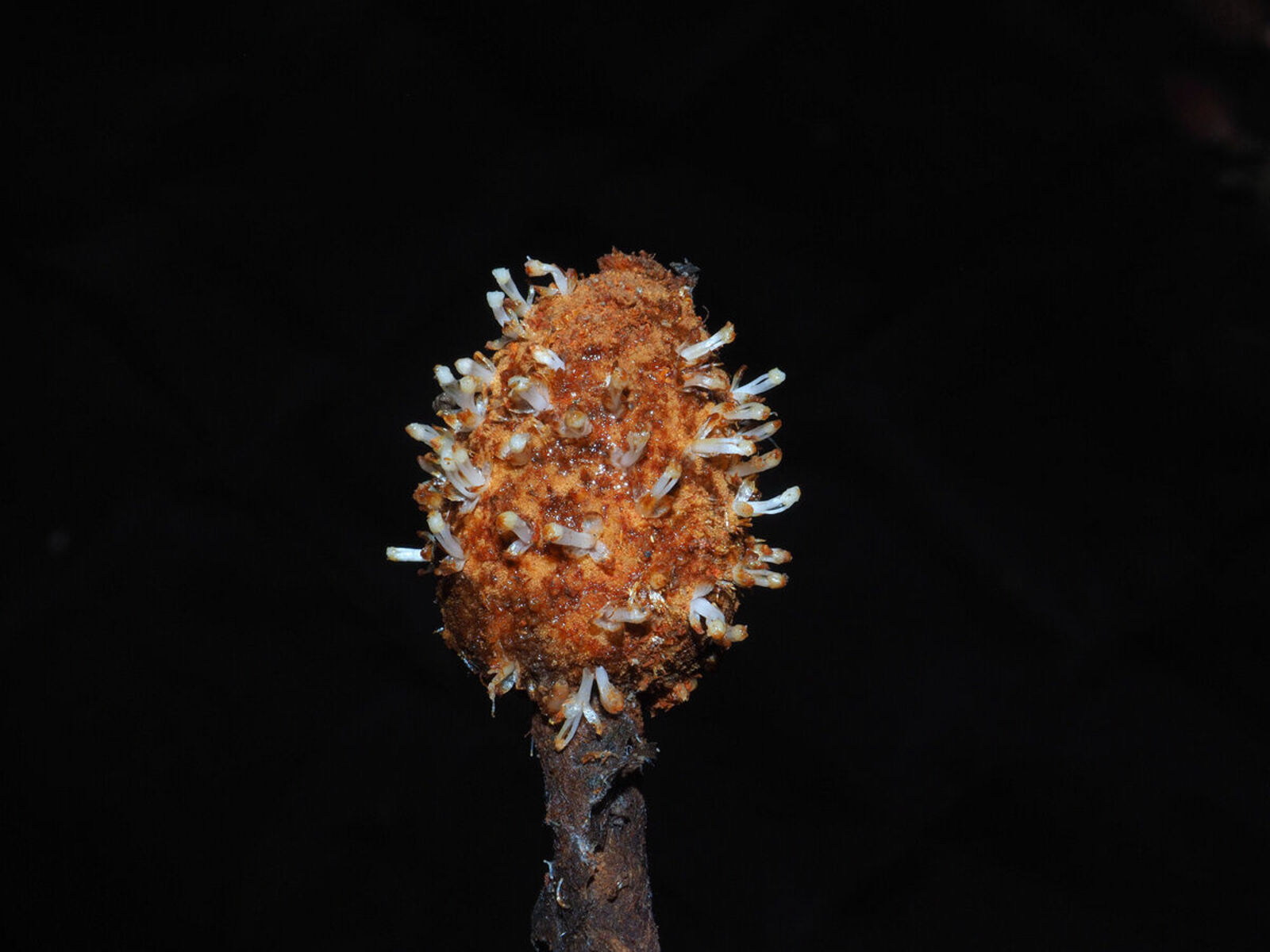
Balanophoraceae
The Balanophoraceae are a subtropical to tropical family of obligate parasitic flowering plants, notable for their unusual development and formerly obscure affinities. In the broadest circumscription, the family consists of 16 genera. Alternatively, three genera may be split off into the segregate family Mystropetalaceae.

Platanaceae
Platanaceae, the plane family, is a family of flowering plants in the order Proteales. The family consists of only a single extant genus Platanus, with twelve known species. The plants are tall trees, native to temperate and subtropical regions of the Northern Hemisphere. The hybrid London plane is widely planted in cities worldwide.

Dilleniaceae
Dilleniaceae is a family of flowering plants with 11 genera and about 430 known species.
It is known to gardeners for the genus Hibbertia, which contains many commercially valuable garden species.
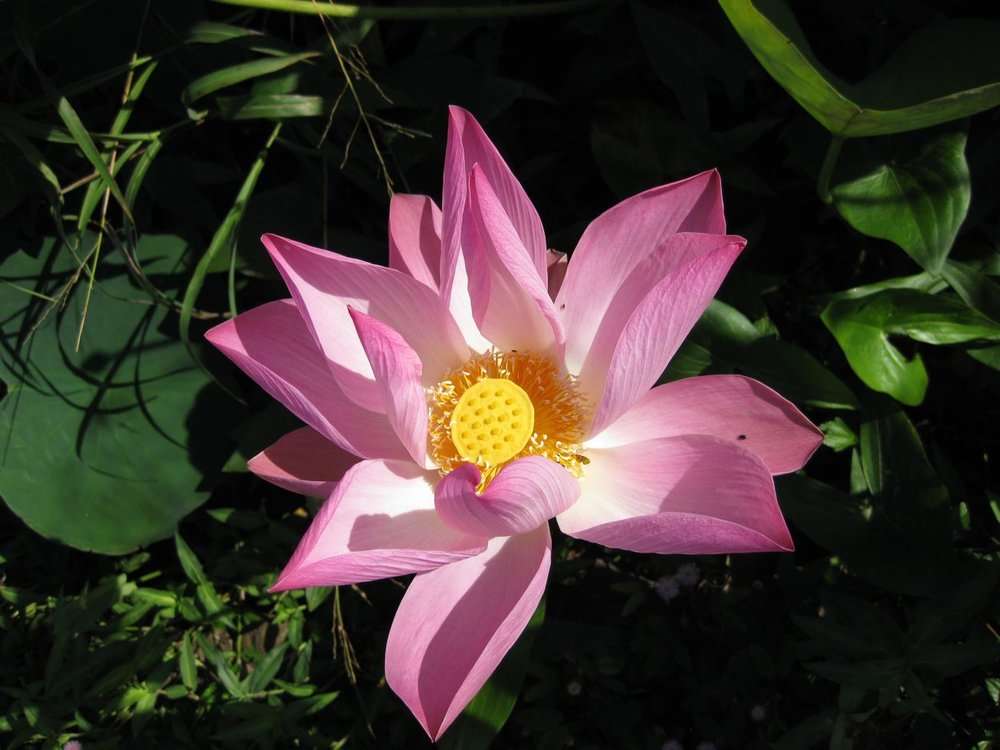
Nelumbonaceae
Nelumbonaceae is a family of aquatic flowering plants. Nelumbo is the sole extant genus, containing Nelumbo lutea, native to North America, and Nelumbo nucifera, widespread in Asia. At least five other genera, Nelumbites, Exnelumbites, Paleonelumbo, Nelumbago, and Notocyamus are known from fossils.
Olacaceae
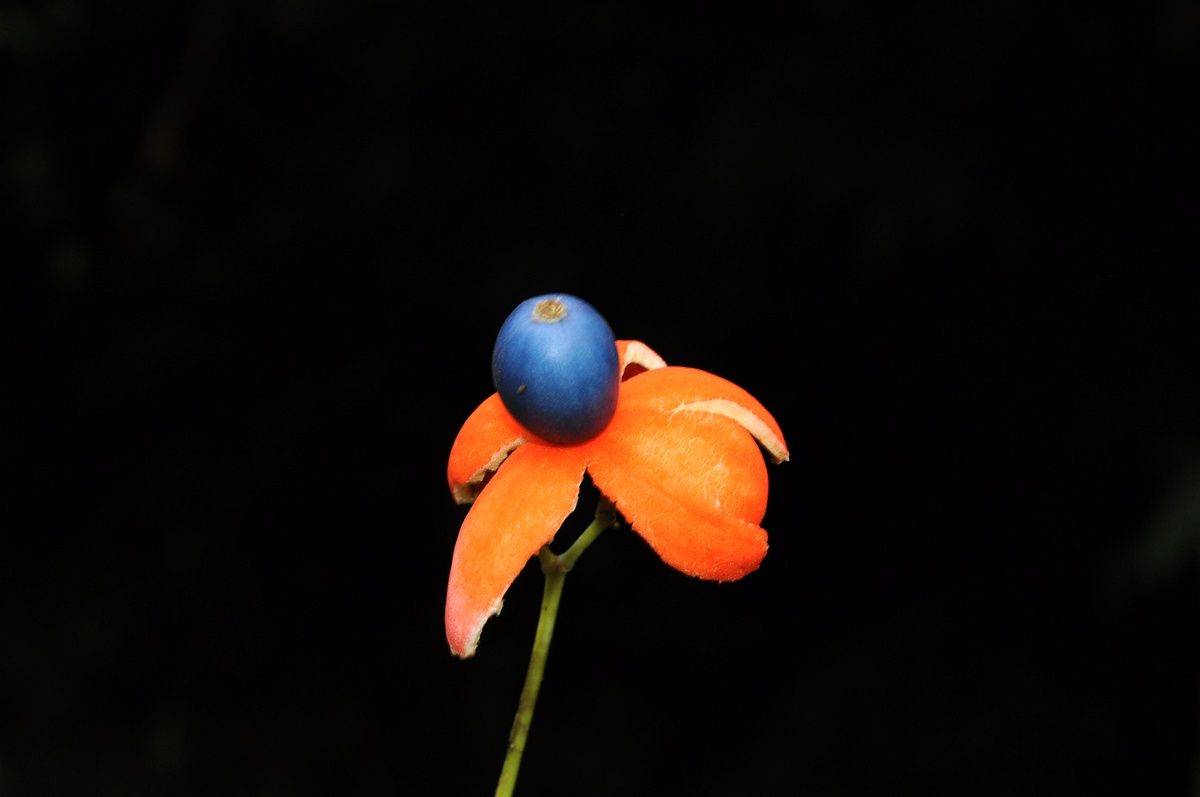
Olacaceae is a family of flowering plants in the order Santalales. They are woody plants, native throughout the tropical regions of the world. , the circumscription of the family varies; some sources maintain a broad family, others split it into seven segregate families.

Sabiaceae
Sabiaceae is a family of flowering plants that were placed in the order Proteales according to the APG IV system. It comprises three genera, Meliosma, Ophiocaryon and Sabia, with 66 known species, native to tropical to warm temperate regions of southern Asia and the Americas. The family has also been called Meliosmaceae Endl., 1841, nom. rej.

Opiliaceae
thumb|Agonandra brasiliensis
Trochodendraceae
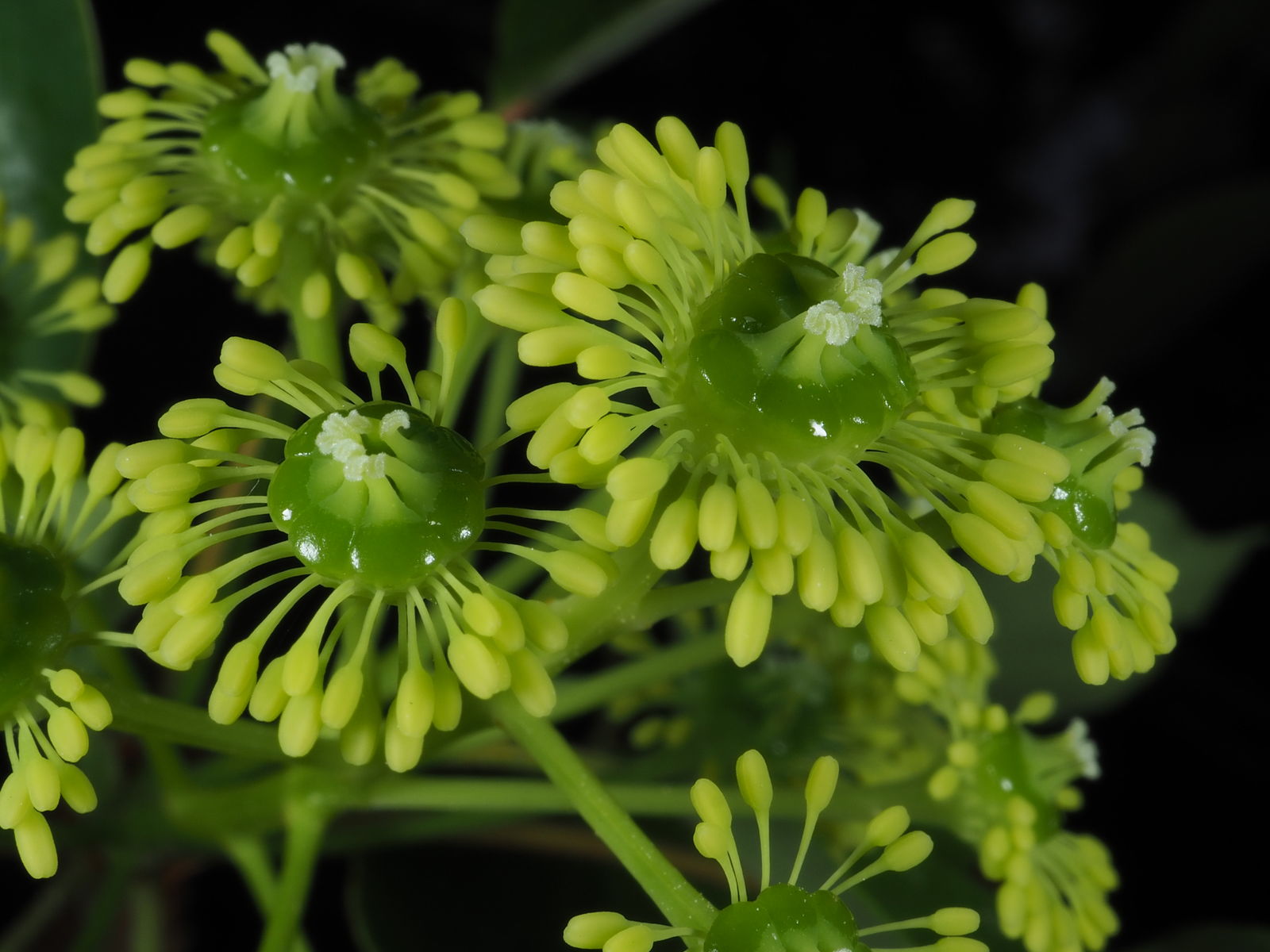
Trochodendraceae is the only family of flowering plants in the order Trochodendrales. It comprises two extant genera, each with a single species along with up to five additional extinct genera and a number of extinct species. The living species are native to south east Asia. The two living species (Tetracentron sinense and Trochodendron aralioides) both have secondary xylem without vessel elements, which is quite rare in angiosperms. As the vessel-free wood suggests primitiveness, these two species have attracted much taxonomic attention.
Circaeasteraceae
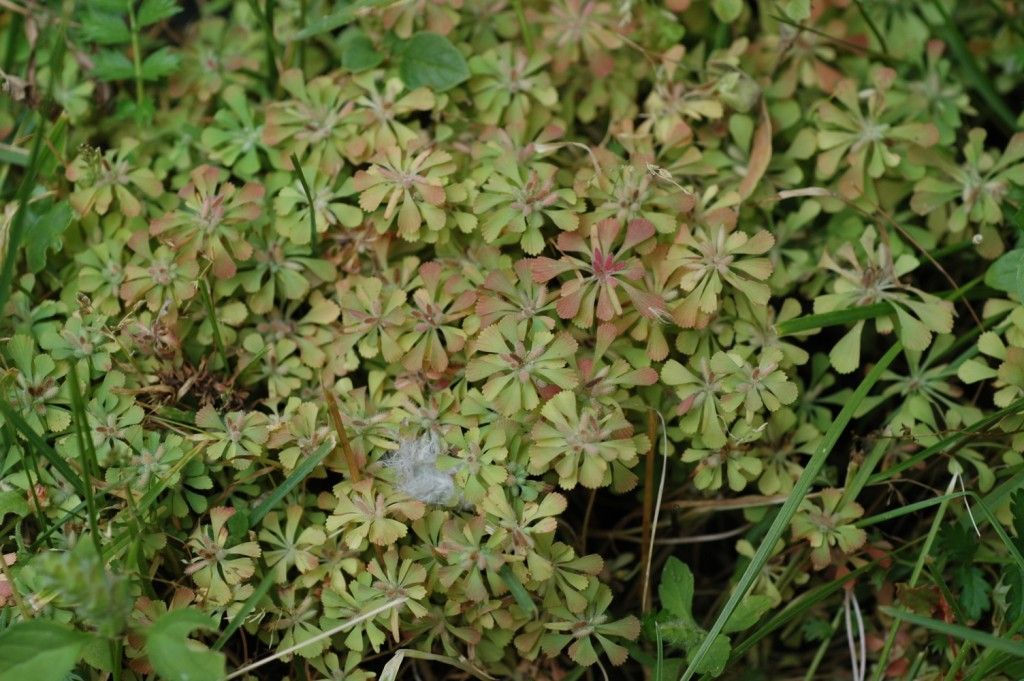
Circaeasteraceae is a family of two species of herbaceous plants native to China and the Himalayas.

Berberidopsidaceae
Berberidopsidaceae is a family of flowering plants. Such a family has only recently been recognized by more than a few taxonomists: the plants involved have often been treated as belonging to family Flacourtiaceae.
Schoepfiaceae
Schoepfiaceae is a family of flowering plants recognized in the APG III system of 2009. The family was previously only recognized by few taxonomists; the plants in question were usually assigned to family Olacaceae and Santalaceae.
Gunneraceae
REDIRECTGunnera
Eupteleaceae
REDIRECT Euptelea
%20(5894442866).jpg)
Erythropalaceae
Erythropalaceae Planch. ex Miq. is a family of flowering plants. The family has been recognized by few taxonomists, the plants often being included in family Olacaceae.
Myrothamnaceae
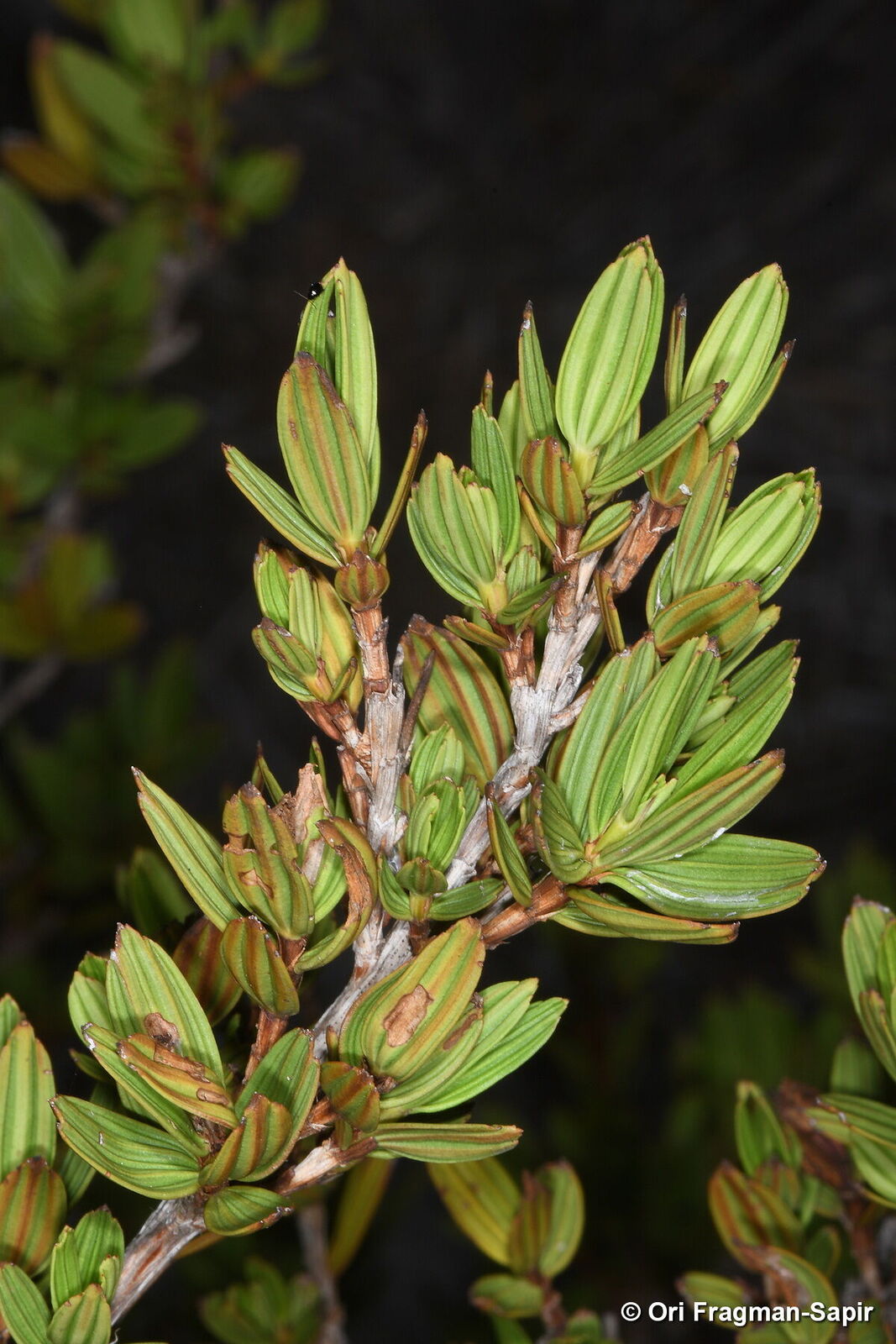
REDIRECT Myrothamnus
Didymelaceae
REDIRECT Didymeles
Aptandraceae
The Aptandraceae is a family of flowering plants in the sandalwood order Santalales that is recognized by some sources; others sink the family in Olacaceae. The members of the tropical plant family are parasitic on other plants, usually on the roots, and grow as trees, shrubs or woody lianas.
Octoknemaceae
Octoknemaceae is a monotypic family of flowering plants endemic to continental Africa. The APG III system of 2009 and the APG II system of 2003 (unchanged from the APG system of 1998), do not recognize this family. The family is recognized by the Angiosperm Phylogeny Website, based on work since the publication of the APG III system.
Eremolepidaceae
Eremolepidaceae is treated in some systems as a family of flowering plants in the order Santalales. In the Takhtajan system it consists of the genera Antidaphne (including Eremolepsis), Eubrachion and Lepidoceras.