Category
page 1Executed writers
.jpg)
Socrates
Socrates (; ; – 399 BC) was an ancient Greek philosopher from Classical Athens, perhaps the first Western moral philosopher, and a major inspiration on his student Plato, who largely founded the tradition of Western philosophy. An enigmatic figure, Socrates authored no texts and is known mainly through the posthumous accounts of classical writers, particularly his students Plato and Xenophon. These accounts are written as dialogues, in which Socrates and his interlocutors examine a subject in the style of question and answer; they gave rise to the Socratic dialogue literary genre. Contrad

Cicero
Marcus Tullius Cicero ( , ; 3 January 106 BC – 7 December 43 BC) was a Roman statesman, lawyer, scholar, philosopher, orator, and writer who tried to uphold principles during the political crises of the Roman Republic that led to the establishment of the Roman Empire. The extensive writings of Cicero include treatises on rhetoric, philosophy, and politics. He is considered one of Rome's greatest orators and prose stylists and the innovator of what became known as "Ciceronian rhetoric". Cicero was educated in Rome and in Greece. He came from a wealthy municipal () family of the Roman

Seneca
Roman Stoic philosopher, statesman and dramatist (c. 4 BCE–65 CE)

Giordano Bruno
Italian Dominican friar, philosopher and mathematician (1548–1600)
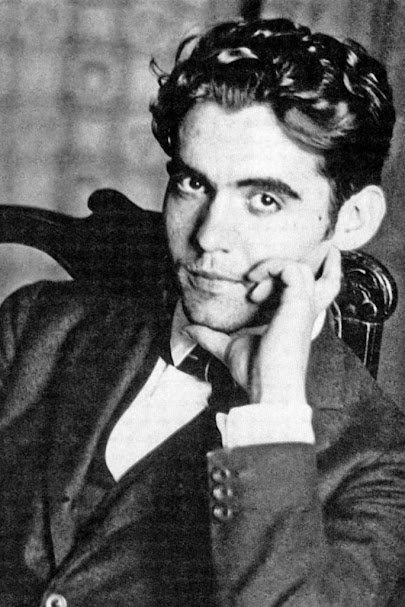
Federico García Lorca
Spanish poet, dramatist and prose writer (1898–1936)

Thomas More
English statesman, lawyer and philosopher (1478–1535)

Boethius
Anicius Manlius Severinus Boethius, commonly known simply as Boethius (; Latin: Boetius; 480–524 AD), was a Roman senator, consul, magister officiorum, polymath, historian, and philosopher of the Early Middle Ages. He was a central figure in the translation of the Greek classics into Latin, a precursor to the Scholastic movement, and, along with Cassiodorus, one of the two leading Christian scholars of the 6th century. The local cult of Boethius in the Diocese of Pavia was sanctioned by the Sacred Congregation of Rites in 1883, confirming the diocese's custom of honouring him on the 23 October

José Rizal
Filipino nationalist, writer and polymath (1861–1896)

Olympe de Gouges
French playwright and political activist (1748–1793)

Walter Raleigh
English statesman, soldier and writer (1552–1618)

Isaak Babel
Russian language journalist, playwright, literary translator, and short story writer (1894–1940)

André Chénier
French poet

Víctor Jara
Chilean teacher, theatre director, poet, singer-songwriter, and political activist (1932-1973)

Julius Streicher
German publisher, Nazi politician and convicted war criminal (1885-1946)

James Connolly
Irish republican, trade unionist and socialist revolutionary
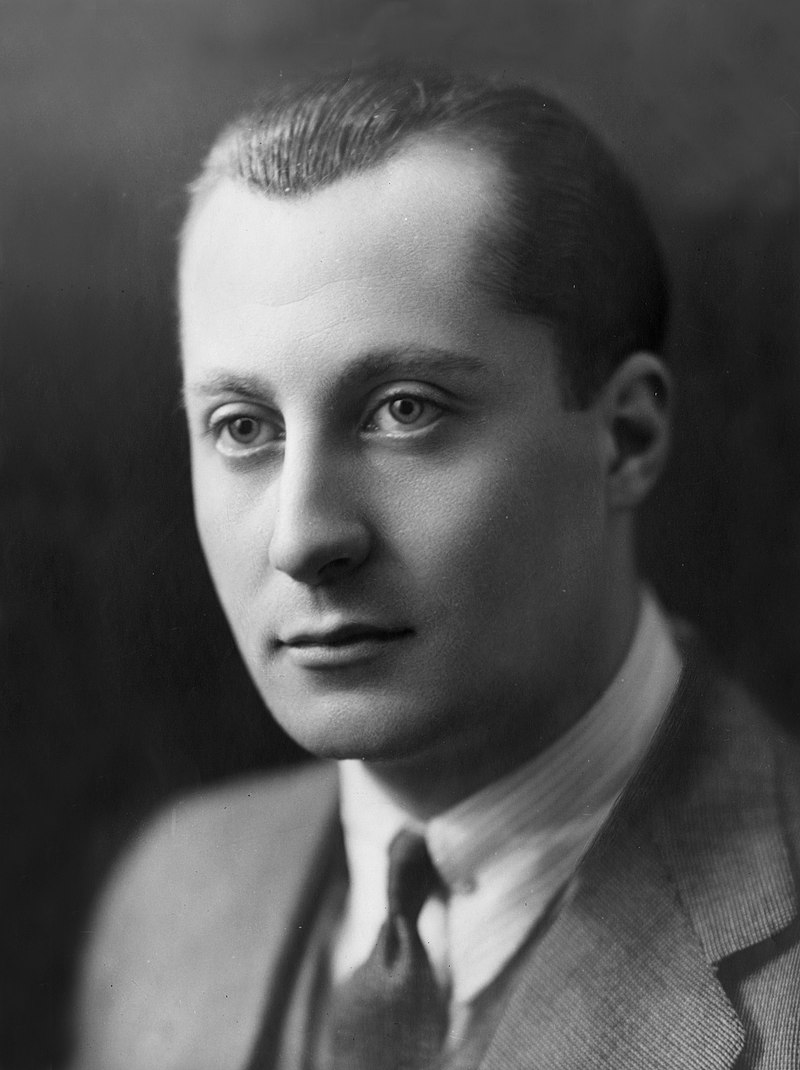
José Antonio Primo de Rivera
Spanish politician and founder of Falange Española (1903–1936)

Camille Desmoulins
French journalist, politician and revolutionary (1760-1794)

Julius Fučík
Czech journalist and revolutionary (1903–1943)

Patrick Pearse
Irish revolutionary, shot by the British Army in 1916

Nikolay Gumilev
Russian poet (1886-1921)
Andreu Nin
Spanish politician (1892-1937)

Robert Brasillach
French author and journalist (1909–1945)

Maurice Halbwachs
French sociologist (1877-1945), died in Buchenwald concentration camp

Joseph Plunkett
Irish nationalist, poet, journalist and 1916 Easter Rising leader
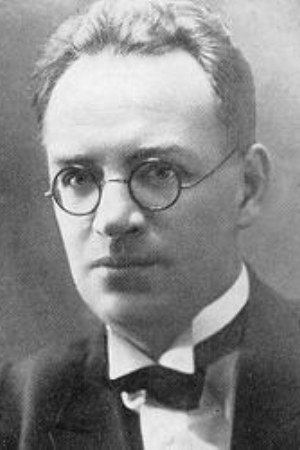
Boris Pilnyak
Soviet writer (1894-1938)

Vladislav Vančura
Czech writer, film director, playwright and screenwriter (1891–1942)
Fabre d'Églantine
French actor (1750-1794)
Edmund Campion
English Jesuit priest, martyr and saint
Ramiro de Maeztu
Spanish political theorist, journalist, and literary critic (1874–1936)
Nikola Vaptsarov
Bulgarian communist writer (1909-1942)
Yevgeny Polivanov
Soviet linguist and orientalist (1891–1938)
Ahmad Javad
Azerbaijani poet (1892-1937)
Night of the Murdered Poets
execution of thirteen Soviet Jews
Titsian Tabidze
Georgian poet
Fritz Gerlich
German historian and journalist (1883–1934)
Bekir Çoban-zade
Crimean Tatar intellectual (1893–1937)
Petar Zrinski
Croatian military commander and a writer
Ikki Kita
Japanese philosopher and right-wing activist
Bruno Jasieński
Polish writer (1901–1938)
Thomas MacDonagh
Irish nationalist, poet, playwright and revolutionary (1878-1916)

Nef'i
alt=|thumb|Portrait of Nef'i of Erzurum (1572-1635), an Ottoman poet
Nefʿī (نفعى) was the pen name (Ottoman Turkish: مخلص maḫlaṣ) of an Ottoman poet and satirist whose real name was ʿOmer (عمر) (c. 1572, in Hasankale, Erzurum – 1635, in Istanbul).
Jean Cavaillès
French philosopher and mathematician (1903–1944)
David Bergelson
Russian playwright and writer (1884-1952)
Mile Budak
Croatian Ustaše politician; writer, editor (1889-1945)
Robert Southwell
English Jesuit and poet (1561–1595)
Maik Yohansen
Ukrainian poet (1896-1937)
Hnat Khotkevych
Ukrainian writer, ethnographer, playwright, composer, musicologist, and bandurist
August Cesarec
Croatian writer (1893–1941)
Peretz Markish
Soviet Yiddish poet and playwright
Itzik Feffer
Soviet Yiddish poet (1900-1952)
Aleksei Gastev
Russian trade unionist (1882-1939)
Kuzebay Gerd
Udmurt writer (1898–1937)
Ivan Goran Kovačić
Croatian poet and writer (1913-1943)
Leib Kvitko
Soviet Yiddish poet (1890-1952)
Ivan Kalyayev
Russian poet, a member of the Socialist-Revolutionary Party
Bint al-Huda
Iraqi educator and political activist (1937-1980)
Hryhorii Kosynka
Ukrainian writer
Mirjaqip Dulatuly
Kazakh poet, writer and politician

Aleksandrs Grīns
Latvian author, officer and journalist (1895-1941)
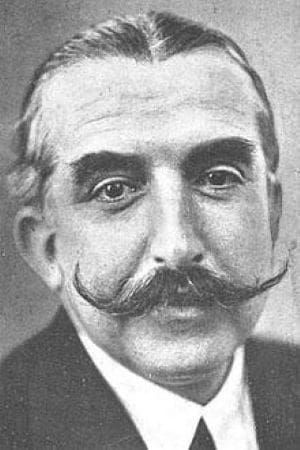
Pedro Muñoz Seca
Spanish writer (1879–1936)