Category
page 1Free-content attribution

United States
The United States of America (USA), also known as the United States (U.S.) or America, is a country primarily located in North America. It is a federal republic consisting of 50 states and a federal capital district, Washington, D.C. The 48 contiguous states border Canada to the north and Mexico to the south, with the semi-exclave of Alaska in the northwest and the archipelago of Hawaii in the Pacific Ocean. The United States also asserts sovereignty over five major island territories and various uninhabited islands in Oceania and the Caribbean. It is a megadiverse country, with the world's third-largest land area and third-largest population, exceeding 341 million.

Russia
Russia, or the Russian Federation, is a country in Eastern Europe and North Asia. It is the largest country in the world, spanning eleven time zones and sharing land borders with fourteen countries. With a population of over 140 million, Russia is the most populous country in Europe and the ninth-most populous in the world. It is a highly urbanised country, with sixteen of its urban areas having more than 1 million inhabitants. Moscow, the most populous metropolitan area in Europe, is the capital and largest city of Russia, while Saint Petersburg is its second-largest city and a major cul
.svg)
Europe
Europe is a continent located entirely in the Northern Hemisphere and mostly in the Eastern Hemisphere. It is bordered by the Arctic Ocean to the north, the Atlantic Ocean to the west, the Mediterranean Sea to the south, and Asia to the east. Europe shares the landmass of Eurasia with Asia, and of Afro-Eurasia with both Africa and Asia. Europe is commonly considered to be separated from Asia by the watershed of the Ural Mountains, the Ural River, the Caspian Sea, the Greater Caucasus, the Black Sea, and the Turkish straits.

China
China, officially the '''People's Republic of China (PRC'''), is a country in East Asia. It is the second-most populous country after India, with a population exceeding 1.4 billion, representing 17% of the world's population. China borders fourteen countries by land across an area of , making it the third-largest country by area. The country is divided into 33 province-level divisions: 22 provinces, 5 autonomous regions, 4 municipalities, and 2 semi-autonomous special administrative regions. Beijing is the capital, while Shanghai is the most populous city by urban area and largest financial ce

Australia
.svg)
Africa
Africa is the world's second-largest and second-most populous continent after Asia. At about 30.3 million km2 (11.7 million square miles) including adjacent islands, it covers around 20% of Earth's land area and 6% of its total surface area. With nearly billion people as of , it accounts for about of the world's human population. Africa's population is the youngest among all the continents; the median age in 2012 was 19.7, when the worldwide median age was 30.4. Based on 2024 projections, Africa's population will exceed 3.8 billion people by 2100. Africa is the least wealthy inh

Vietnam

Asia
Asia ( , ) is the largest continent in the world by both land area and population. It covers an area of more than 44 million square kilometres, about 30% of Earth's total land area and 8% of Earth's total surface area. The continent, which has long been home to the majority of the human population, was the site of many of the first civilisations. Its 4.7 billion people constitute roughly 60% of the world's population.

Armenia
Armenia, officially the Republic of Armenia, is a landlocked country in the Armenian highlands of West Asia. It is a part of the Caucasus region and is bordered by Turkey to the west, Georgia to the north, Azerbaijan to the east, and Iran and the Azerbaijani exclave of Nakhchivan to the south. Yerevan is the capital, largest city and financial center.
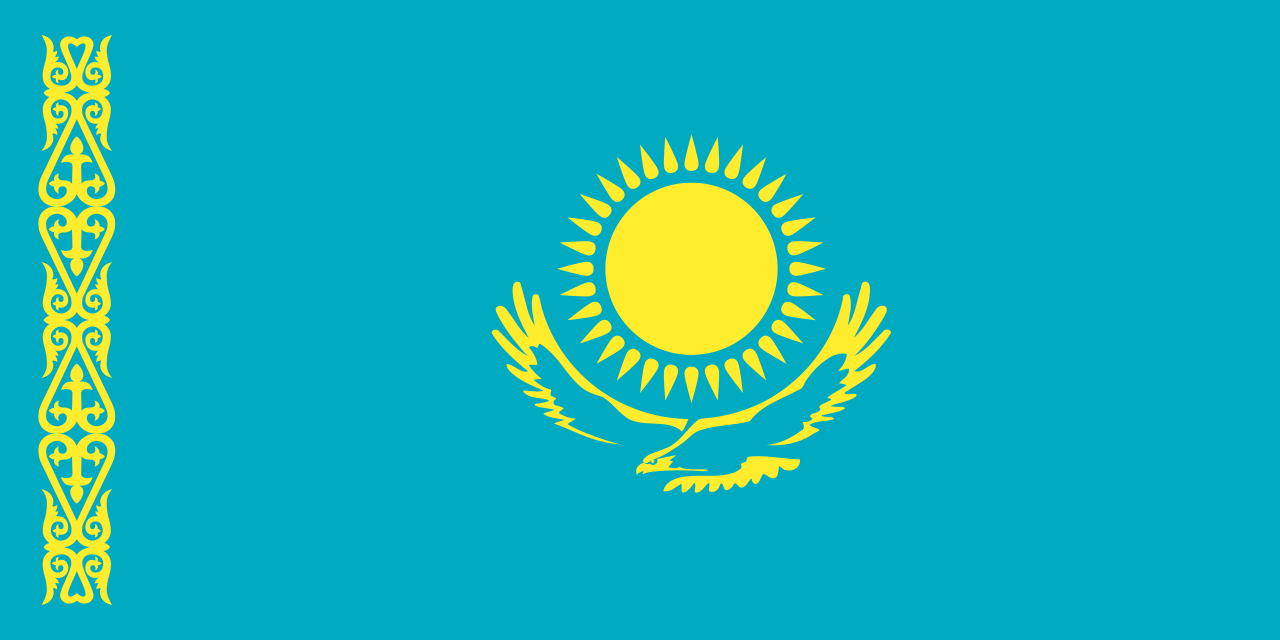
Kazakhstan
Kazakhstan, officially the Republic of Kazakhstan, is a landlocked country situated primarily in Central Asia, with a portion of its territory extending into Eastern Europe. It borders Russia to the north and west, China to the east, Kyrgyzstan to the southeast, Uzbekistan to the south, and Turkmenistan to the southwest, and it has a coastline along the Caspian Sea. The capital is Astana and the country's largest city and principal cultural and economic center is Almaty, which served as the capital until 1997.

South America
continent located mainly in the southwestern quadrant of the Earth

Morocco
Morocco, officially the Kingdom of Morocco, is a country in the Maghreb region of North Africa. It has coastlines on the Mediterranean Sea to the north and the Atlantic Ocean to the west, and has land borders with Algeria to the east, and the disputed territory of Western Sahara to the south, occupied by Morocco since 1975. Morocco also claims the Spanish exclaves of Ceuta, Melilla and Peñón de Vélez de la Gomera, and several small Spanish-controlled islands off its coast. Morocco also claims to share a border with Mauritania through the disputed territory of Western Sahara. It has a populatio

Libya
Libya, officially the State of Libya, is a country in the Maghreb region of North Africa. It borders the Mediterranean Sea to the north, Egypt to the east, Sudan to the southeast, Chad to the south, Niger to the southwest, Algeria to the west, and Tunisia to the northwest. With an area of almost , Libya is the fourth-largest country in Africa and the Arab world, and the 16th-largest in the world. The country claims 32,000 square kilometres of southeastern Algeria, south of the Libyan town of Ghat. The capital and largest city is Tripoli, located in the northwest and containing over a million o

Cambodia
Cambodia, officially the Kingdom of Cambodia, is a country in Mainland Southeast Asia. It is bordered by Thailand to the northwest, Laos to the north, and Vietnam to the east, and has a coastline along the Gulf of Thailand in the southwest. It spans an area of , dominated by a low-lying plain and the confluence of the Mekong river and Tonlé Sap, Southeast Asia's largest lake. It is dominated by a tropical climate. Cambodia has a population of about 17 million people, the majority of which are ethnically Khmer. Its capital and most populous city is Phnom Penh, followed by Siem Reap and Battamba

Zimbabwe
Zimbabwe, officially the Republic of Zimbabwe, is a landlocked country in Southeast Africa, between the Zambezi and Limpopo River, bordered by South Africa to the south, Botswana to the southwest, Zambia to the north, and Mozambique to the east. The capital and largest city is Harare, and the second largest is Bulawayo.

Tanzania
Tanzania, officially the United Republic of Tanzania, is a country in East Africa within the African Great Lakes region. It is bordered by Uganda to the northwest; Kenya to the northeast; the Indian Ocean to the east; Mozambique and Malawi to the south; Zambia to the southwest; and Rwanda, Burundi, and the Democratic Republic of the Congo to the west. According to a 2024 estimate, Tanzania has a population of around 67.5 million, making it the most populous country located entirely south of the equator.

Botswana
Botswana, officially the Republic of Botswana, is a landlocked country in Southern Africa. Botswana is topographically flat, with approximately 70% of its territory being a part of the Kalahari Desert. It is bordered by South Africa to the south and southeast, Namibia to the west and north, Zambia to the north, and Zimbabwe to the northeast. With a population of slightly over 2.4 million people and a comparable land area to France, Botswana is one of the most sparsely populated countries in the world. While it is not enshrined by statutory law, Botswana is de facto the nation state of the

Benin
Benin, officially the Republic of Benin, formerly known as Dahomey, is a country in West Africa. Benin is bordered by Togo to the west, Nigeria to the east, Burkina Faso to the northwest, and Niger to the northeast. The majority of its population lives on the southern coastline of the Bight of Benin, part of the Gulf of Guinea in the northernmost tropical portion of the Atlantic Ocean. The capital is Porto-Novo, and the seat of government is in Cotonou, the most populous city and economic capital. Benin covers an area of , and its population in was estimated to be approximately million. It is
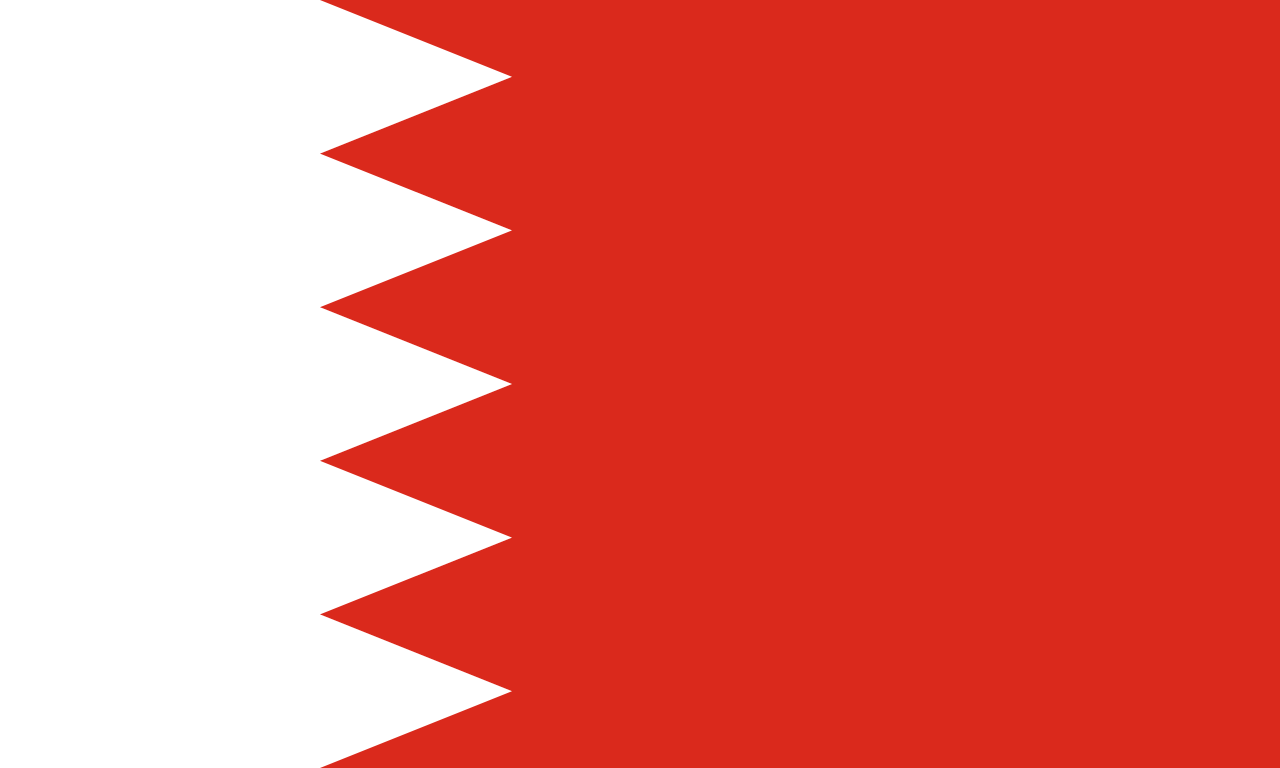
Bahrain
Bahrain, officially the Kingdom of Bahrain, is an island country in West Asia. Situated near the western shore of the Persian Gulf, about a third of its length from the south end, the country comprises a small archipelago of 33 natural islands and an additional 50 artificial islands, centred on Bahrain Island, which makes up around 80 percent of the country's landmass. Bahrain is situated between Qatar and the northeastern coast of Saudi Arabia, to which it is connected by the King Fahd Causeway. The population is 1,588,670 as of 2024, of whom 739,736 (46.6% of the population) are Bahraini nat

Internet
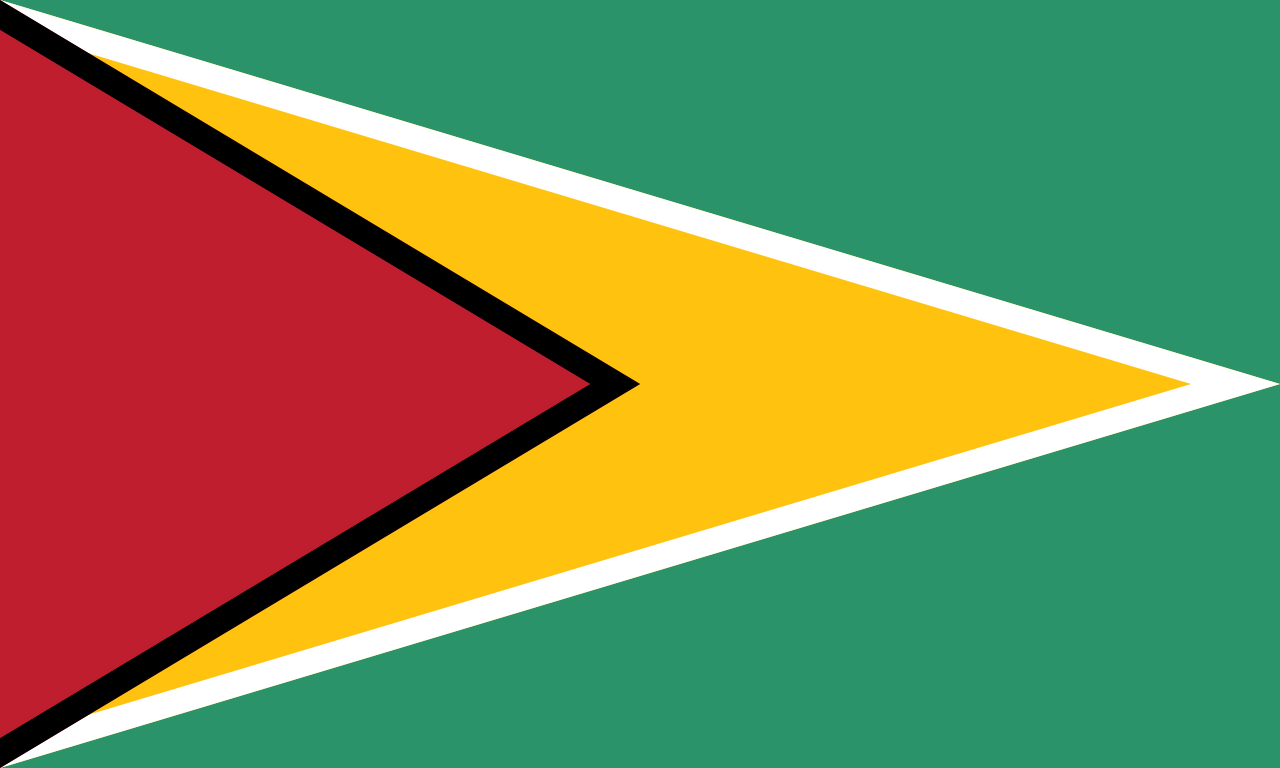
Guyana
Guyana, officially the Co-operative Republic of Guyana, is a developing country on the northern coast of South America. It is bordered by the Atlantic Ocean to the north, Suriname to the east, Brazil to the south and southwest, and Venezuela to the west. It is part of The Guianas. The capital and largest city is Georgetown.

Suriname
Suriname, officially the Republic of Suriname, is a country in northern South America, also considered as part of the Caribbean and the West Indies. Situated slightly north of the equator, over 90% of its territory is covered by rainforest, the highest proportion of forest cover in the world. Suriname is bordered by the Atlantic Ocean to the north, French Guiana to the east, Brazil to the south, and Guyana to the west. It is the smallest country in South America by both population and territory, with around inhabitants in 2021 in an area of approximately . The capital and largest city is Param

Oceania
Oceania ( , ) is a geographical region including Australasia, Melanesia, Micronesia, and Polynesia. Oceania is generally considered a continent, while mainland Australia is regarded as its continental landmass. Spanning the Eastern and Western hemispheres, at the centre of the water hemisphere, Oceania is estimated to have a land area of about and a population of around 46.3 million as of 2024. Oceania is the smallest continent in land area and the second-least populated after Antarctica. It is home to Earth’s third-largest remaining area of tropical rainforest, which covers much of the island
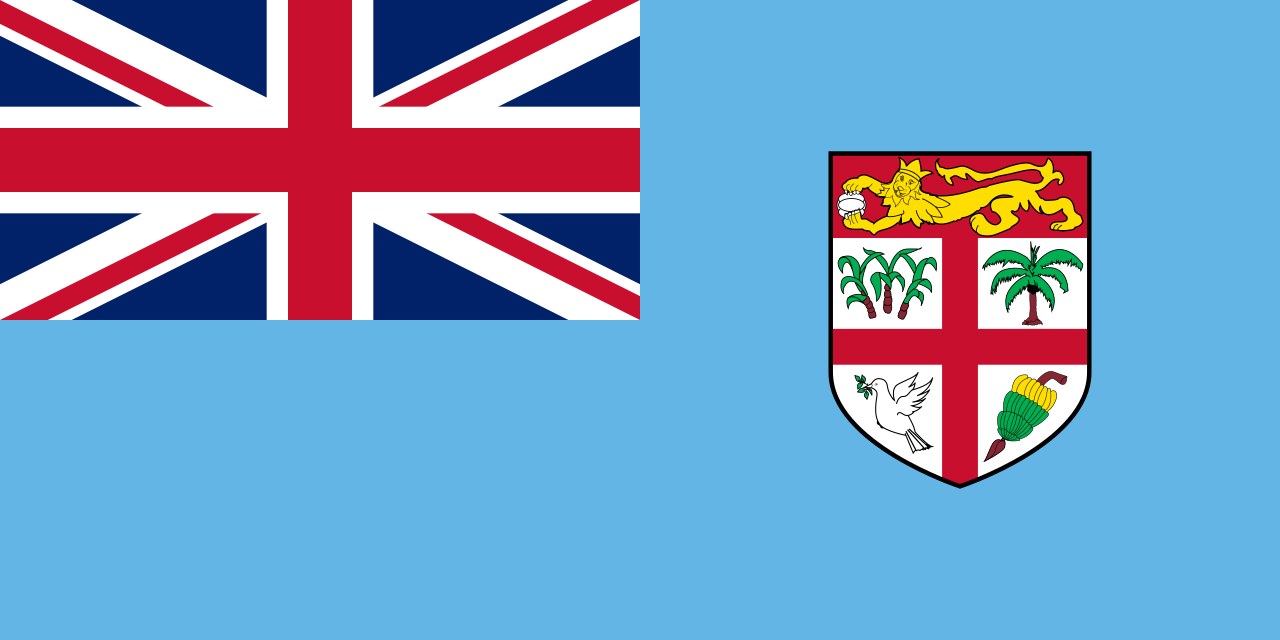
Fiji
Fiji, officially the Republic of Fiji, is an island country in Melanesia, part of Oceania in the South Pacific Ocean. It lies about north-northeast of New Zealand. Fiji consists of an archipelago of more than 330 islands—of which about 110 are permanently inhabited—and more than 500 islets, amounting to a total land area of about . The most outlying island group is Ono-i-Lau. About 87% of the total population live on the two major islands, Viti Levu and Vanua Levu. About three-quarters of Fijians live on Viti Levu's coasts, either in the capital city of Suva, or in smaller urban centres such a

sport
thumb|upright=1.35|right|Sport in childhood. [[Association football, shown above, is a team sport which also provides opportunities to nurture physical fitness and social interaction skills.]]
thumb|The 2005 London Marathon: running races, in their various specialties, represent the oldest and most traditional form of sport.

Trinidad and Tobago
Trinidad and Tobago, officially the Republic of Trinidad and Tobago, is the southernmost archipelagic country in the Caribbean, comprising the main islands of Trinidad and Tobago, along with several smaller islets. The capital city is Port of Spain, while its largest and most populous municipality is Tunapuna/Piarco. Trinidad and Tobago comprises the southernmost islands of the Caribbean eastern islands chain, and it is close to the continent of South America, being north to northeast of Venezuela and northwest of Guyana.

earthquake
thumb|upright=1.35|Earthquake epicenters occur mostly along tectonic plate boundaries, especially on the Pacific [[Ring of Fire.]]

forest
thumb|upright=1.4|The Amazon rainforest alongside the [[Solimões River, a tropical rainforest. These forests are the most biodiverse and productive ecosystems in the world.]]
thumb|upright=1.4|Proportion and distribution of global forest area by climatic domain, 2020

child
thumb|250px|International children in traditional clothing at Liberty Weekend

Nobel Prize
The Nobel Prizes are awards administered by the Nobel Foundation and granted in accordance with the principle of "for the greatest benefit to humankind". The prizes were first awarded in 1901, marking the fifth anniversary of Alfred Nobel's death. The original Nobel Prizes covered five fields: physics, chemistry, physiology or medicine, literature, and peace, specified in Nobel's will. A sixth prize, the Prize in Economic Sciences, was established in 1968 by Sveriges Riksbank in memory of Alfred Nobel. The Nobel Prizes are widely regarded as the most prestigious awards available in their respective fields.

agriculture
thumb|Modern agriculture: a center pivot irrigation system on a field

school
alt=|thumb|upright=1.5|First primary school in [[Nigeria, built in 1845 ]]
thumb|200px|A high school building in [[Argos, Greece]]
A school is an educational institution (and, in the case of in-person learning, the building) designed to provide learning environments for the teaching of students, usually under the direction of teachers. Most countries have systems of formal education, which is sometimes compulsory. In these systems, students progress through a series of schools that can be built and operated by both government and private organizations. The names for these schools vary by count

sugar
thumb|Sugars (clockwise from top-left): white refined, unrefined, brown sugar|brown, unprocessed cane sugar

meat
thumb|upright=1.5|Raw meat (clockwise from left): chicken as food|chicken, [[beef, bacon, pork chops]]
Meat is animal tissue, mostly muscle, that is eaten as food. Humans have hunted and farmed other animals for meat since prehistory. The Neolithic Revolution allowed the domestication of vertebrates, including chickens, sheep, goats, pigs, horses, and cattle, starting around 11,000 years ago. Since then, selective breeding has enabled farmers to produce meat with the qualities desired by producers and consumers. Meat is important to economies and cultures around the world.

anatomy
thumb|350px|One of the large, detailed illustrations in Andreas Vesalius's [[De humani corporis fabrica 16th century, marking the rebirth of anatomy]]
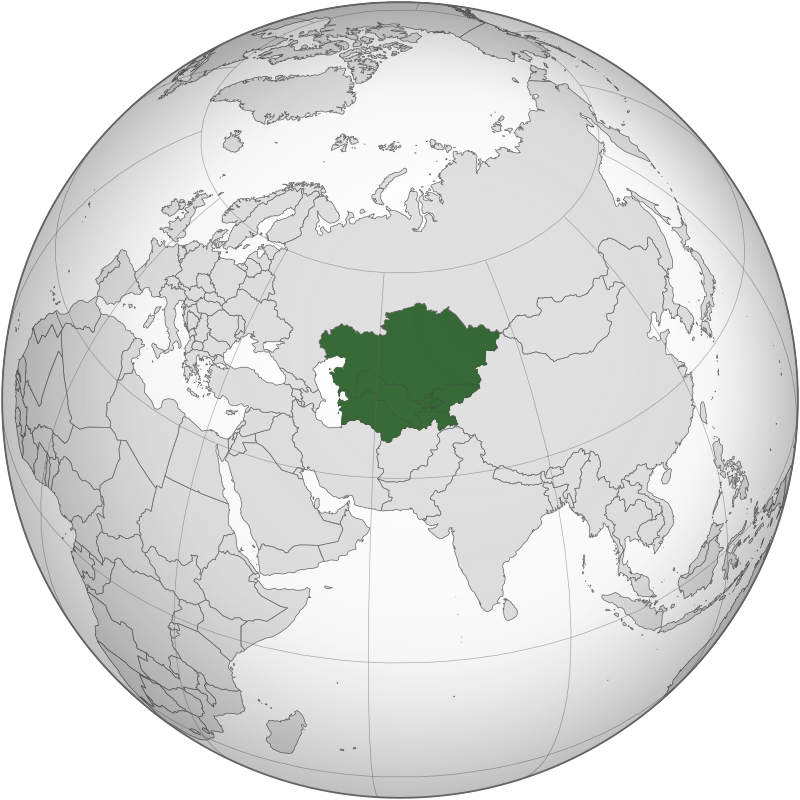
Central Asia
subregion of the Asian continent

poverty

flood
thumb|Urban flooding in a street in Morpeth, England, 2008

wood

Caribbean
The Caribbean is a region in the middle of the Americas centered around the Caribbean Sea in the North Atlantic Ocean, mostly overlapping with the West Indies. Bordered by North America to the north and also the west through Central America, and South America to the south, it comprises numerous islands, cays, islets, reefs, and banks.

mass media
media technologies that are intended to reach a large audience by mass communication

soil
thumb|upright=1.25|Surface-water-Gley soil|gley developed in [[glacial till in Northern Ireland]]

Persian Gulf
extension of the Indian Ocean

cereal
thumb|upright=1.35|Harvesting a cereal with a [[combine harvester accompanied by a tractor and trailer.]]

plastic
thumb|upright=1.35|Household items made of various types of plastics
Plastics are a wide range of synthetic or semisynthetic materials composed primarily of polymers. Their defining characteristic, plasticity, allows them to be molded, extruded, or pressed into a diverse range of solid forms. This adaptability, combined with a wide range of other properties such as low weight, durability, flexibility, chemical resistance, low toxicity, and low-cost production, has led to their widespread use around the world. While most plastics are produced from natural gas and petroleum, a growing minority a

obesity
Obesity is a medical condition, considered by multiple organizations to be a disease, in which excess body fat has accumulated to such an extent that it can have negative effects on health. People are classified as obese when their body mass index (BMI)—a person's weight divided by the square of the person's height—is over ; the range is defined as overweight. Some East Asian countries use lower values to calculate obesity. Obesity is a major cause of disability and is correlated with various diseases and conditions, particularly cardiovascular diseases, type 2 diabetes, obstructive sleep apne
soybean
The soybean, soy bean, or soya bean (Glycine max) is a species of legume native to East Asia, widely grown for its edible bean. Soy is a staple crop, the world's most grown legume, and an important animal feed.

aviation
thumb|A Boeing 747 in 1978 operated by [[Pan Am.]]

pedagogy
upright=1.2|thumb|alt=Detail of a scene in the bowl of the letter 'P' with a woman with a set-square and dividers; using a compass to measure distances on a diagram. In her left hand she holds a square, an implement for testing or drawing right angles. She is watched by a group of students.|Woman teaching geometry (detail of a 14th-century illuminated manuscript, at the beginning of Euclid's Elementa, in the translation attributed to [[Adelard of Bath)]]
Pedagogy (), most commonly understood as the approach to teaching, is the theory and practice of learning, and how this process influences, a
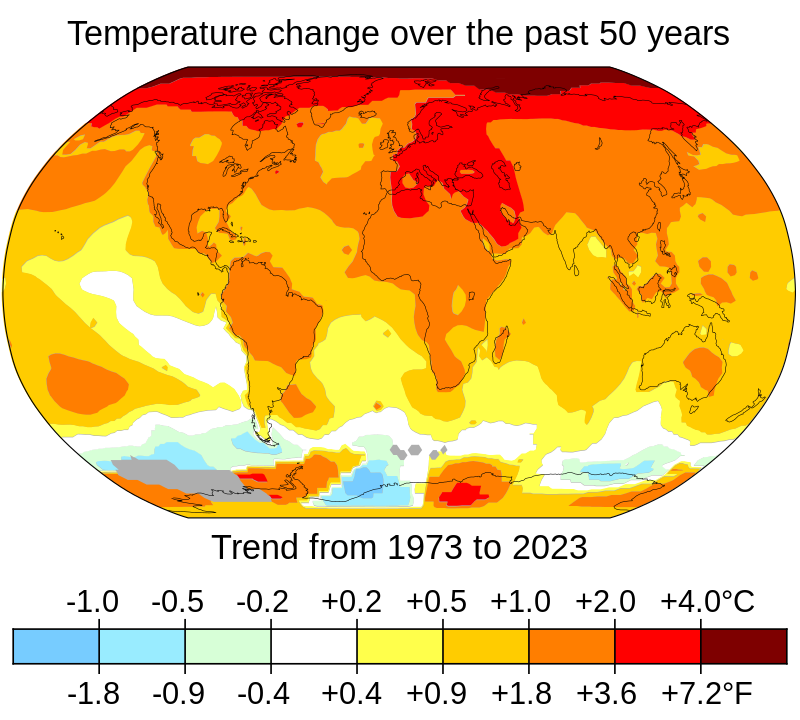
climate change
human-caused changes to climate on Earth

fishing
Fishing is the activity of trying to catch fish. Fish are often caught as wildlife from the natural environment (freshwater or marine), but may also be caught from stocked bodies of water such as ponds, canals, park wetlands and reservoirs. Fishing techniques include trawling, longlining, jigging, hand-gathering, spearing, netting, angling, shooting and trapping, as well as more destructive and often illegal techniques such as electrocution, blasting and poisoning.

literacy
thumb|upright=1.35|Adult literacy rates, 2023
Literacy is the ability to read and write, and illiteracy is the inability to read and write. Some researchers suggest that the study of literacy as a concept can be divided into two periods: the period before 1950, when literacy was understood solely as alphabetical literacy (understanding the meanings of words without necessarily being able to use words); and the period after 1950, when literacy slowly began to be considered as a wider concept and process, including the social and cultural aspects of reading, writing, and functional literacy.
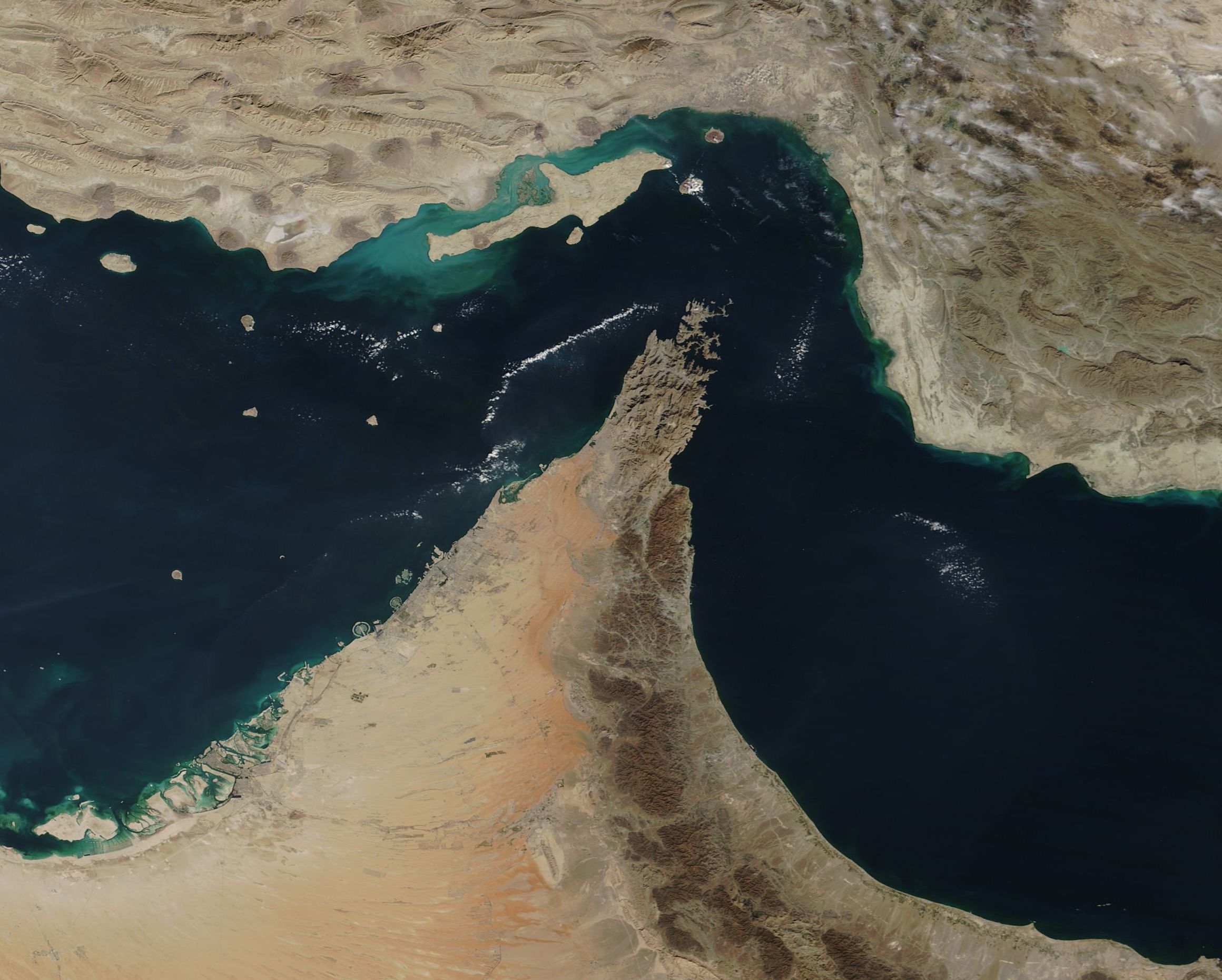
Strait of Hormuz
The Strait of Hormuz is a waterway between the Persian Gulf and the Gulf of Oman. On the north coast lies Iran, and on the south coast lies the Musandam Peninsula under the Musandam Governorate of Oman, with a portion of the southwest of the peninsula under the United Arab Emirates. The strait is about 104 miles long, with a width varying from about 60 mi to 24 mi.

antisemitism
Antisemitism or Jew-hatred is hostility to, prejudice towards, or discrimination against Jews. A person who harbours it is called an antisemite. Whether antisemitism is considered a form of racism depends on the school of thought. Antisemitic tendencies may be motivated primarily by negative sentiment towards Jews as a people or negative sentiment towards Jews with regard to Judaism. In the former case, usually known as racial antisemitism, a person's hostility is driven by the belief that Jews constitute a distinct race with inherent traits or characteristics that are repulsive or inferior to

malnutrition
Malnutrition occurs when an organism gets too few or too many nutrients, resulting in health problems. Specifically, it is a deficiency, excess, or imbalance of energy, protein and other nutrients which adversely affects the body's tissues and form.

agricultural irrigation
thumb|Irrigation of agricultural fields in Andalusia, Spain. Irrigation canal on the left.

sexism
thumb|alt=A woman under arrest walking between two policemen |Suffragette [[Dora Thewlis was arrested by the Metropolitan Police in 1914 for campaigning for women's right to vote.]]
Sexism is prejudice or discrimination based on one's sex or gender. Sexism can affect anyone, but primarily affects women and girls. It has been linked to gender roles and stereotypes, and may include the belief that one sex or gender is intrinsically superior to another. Extreme sexism may foster sexual harassment, rape, and other forms of sexual violence. Discrimination in this context is defined as discriminatio

Horn of Africa
land projection in East Africa in the Punt peninsula

disaster
thumb|right|Ruins from the 1906 San Francisco earthquake, one of the worst disasters in the history of the United States|300x300pxA disaster is an event that causes such serious harm to people, buildings, economies, or the environment that the affected community cannot manage without external assistance or relief. The United Nations Office for Disaster Risk Reduction defines a disaster as "a serious disruption of the functioning of a community or a society at any scale due to hazardous events interacting with conditions of exposure, vulnerability and capacity, leading to one or more of the fol

census
thumb|A census taker visits a family of indigenous Dutch Travellers living in a caravan in the [[Netherlands in 1925.]]
A census (from Latin censere, 'to assess') is the procedure of systematically acquiring, recording, and calculating information about the members of a given population, which are then usually displayed through statistics. This term is used mostly in connection with national population and housing censuses; other common censuses include censuses of agriculture, traditional culture, business, supplies, and traffic censuses. The United Nations (UN) defines the essential features