Category
page 1ISO language articles citing sources other than Ethnologue

English language
English is a West Germanic language of the Indo-European language family. It emerged in early medieval England and has since become a global lingua franca. The namesake of the language is the Angles, one of the Germanic peoples who migrated to Britain after the end of Roman rule. English is the most spoken language in the world, primarily due to the global influences of the former British Empire and the United States. It is the most widely learned second language in the world, with more second-language speakers than native speakers. However, English is only the third-most spoken native language, after Mandarin Chinese and Spanish.

German
West Germanic language native to Central Europe

Spanish
Romance language originating in the Iberian Peninsula

French
Romance language

Russian
East Slavic language
.svg)
Arabic
Arabic is a Central Semitic language of the Afroasiatic language family spoken primarily in the Arab world. The International Organization for Standardization (ISO) assigns language codes to 32 varieties of Arabic, including its standard form of Literary Arabic, known as Modern Standard Arabic, which is derived from Classical Arabic. This distinction exists primarily among Western linguists; Arabic speakers themselves generally do not distinguish between Modern Standard Arabic and Classical Arabic, but rather refer to both as ( "the eloquent Arabic") or simply '''' ().

Japanese
language spoken in East Asia

Portuguese
Western Romance language

Esperanto
Esperanto () is the world's most widely spoken constructed auxiliary language. Created by L. L. Zamenhof in 1887 as "the International Language" (), it is intended to be a universal second language for international communication. He described the language in ''Dr. Esperanto's International Language'' (known as , the "first book"), which he published under the pseudonym . Early adopters of the language liked the name and soon used it to describe his language. The word translates into English as "one who hopes".

Persian
Western Iranian language
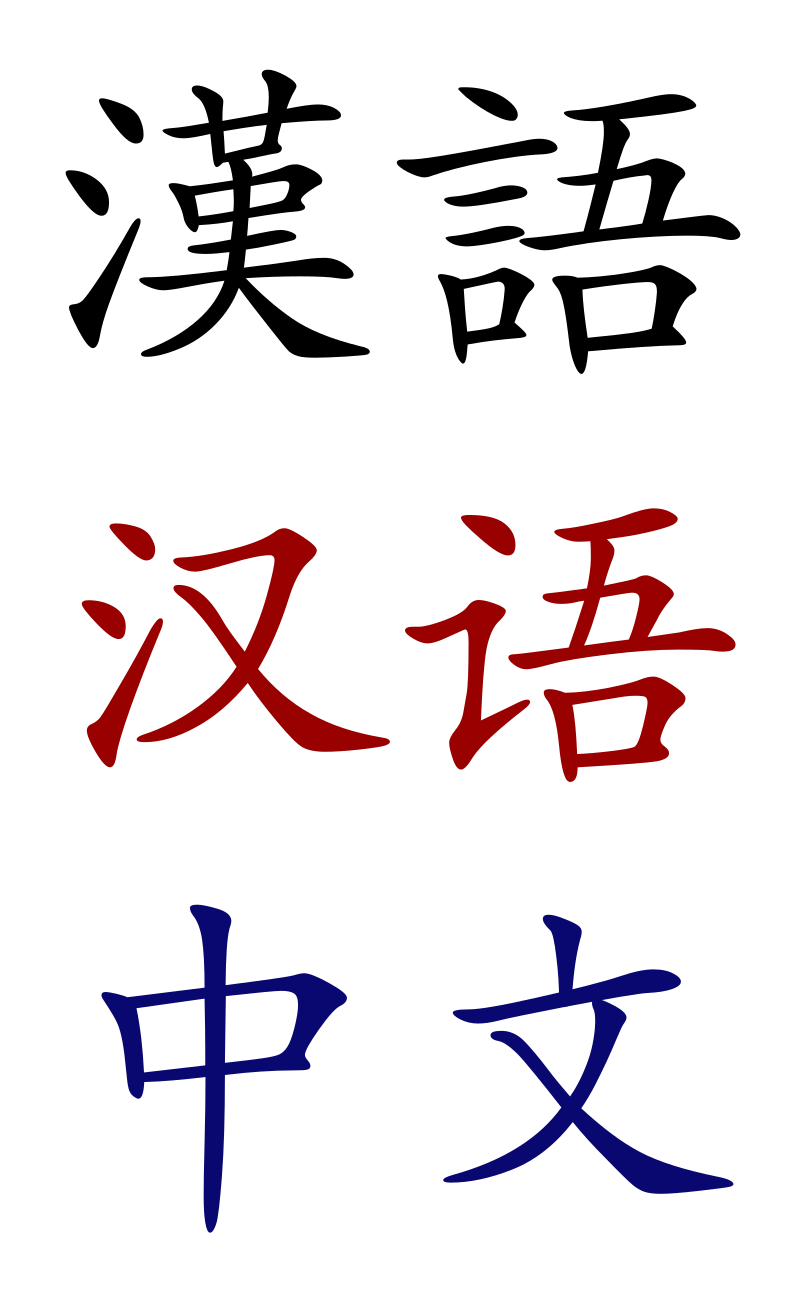
Chinese
language group of the Sinitic languages

Polish
West Slavic language

Turkish
Oghuz Turkic language of the Turkish people

Ukrainian
East Slavic language

Hindi
Modern Standard Hindi (), commonly referred to as Hindi, is an Indo-Aryan language written in the Devanagari script. It is an official language of the government of India, and is the lingua franca for most of the northern half of India.

Urdu
Urdu (, , ) is an Indo-Aryan language spoken primarily in South Asia. It is the national language and lingua franca of Pakistan. It is also an official Eighth Schedule language in India, the status and cultural heritage of which are recognised by the Constitution of India — alongside having official status in several Indian states (Uttar Pradesh, Bihar, Jharkhand, West Bengal, and both Telugu states).

Korean
language spoken in Korean Peninsula and some parts of North-eastern China

Czech
West Slavic language
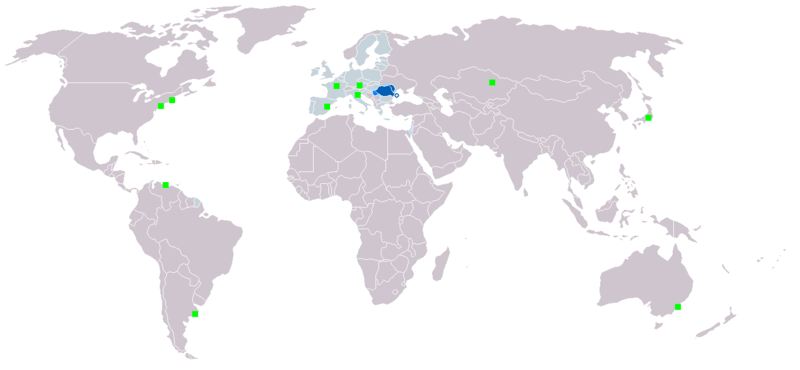
Romanian
Romance language

Swahili
Swahili, also known as Kiswahili, is a Bantu language originally spoken by the Swahili people, who are found primarily in Tanzania, Kenya, and Mozambique (along the East African coast and adjacent littoral islands). Estimates of the number of Swahili speakers, including both native and second-language speakers, generally range from 150 million to 200 million. Most native speakers reside in Tanzania and Kenya.
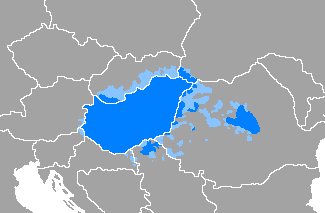
Hungarian
Uralic language

Bangla
Indo-Aryan language mostly spoken in Bangladesh and India

Croatian
South Slavic language spoken in Croatia
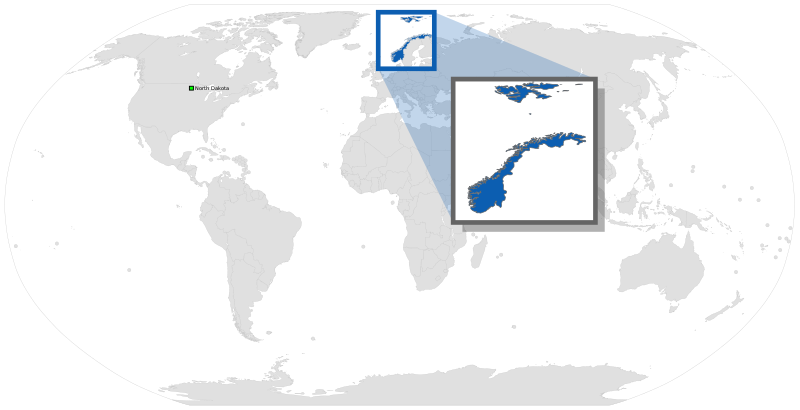
Norwegian
North Germanic language spoken in Norway

Azerbaijani
Oghuz Turkic language

Bulgarian
South Slavic language

Indonesian
official language of Indonesia
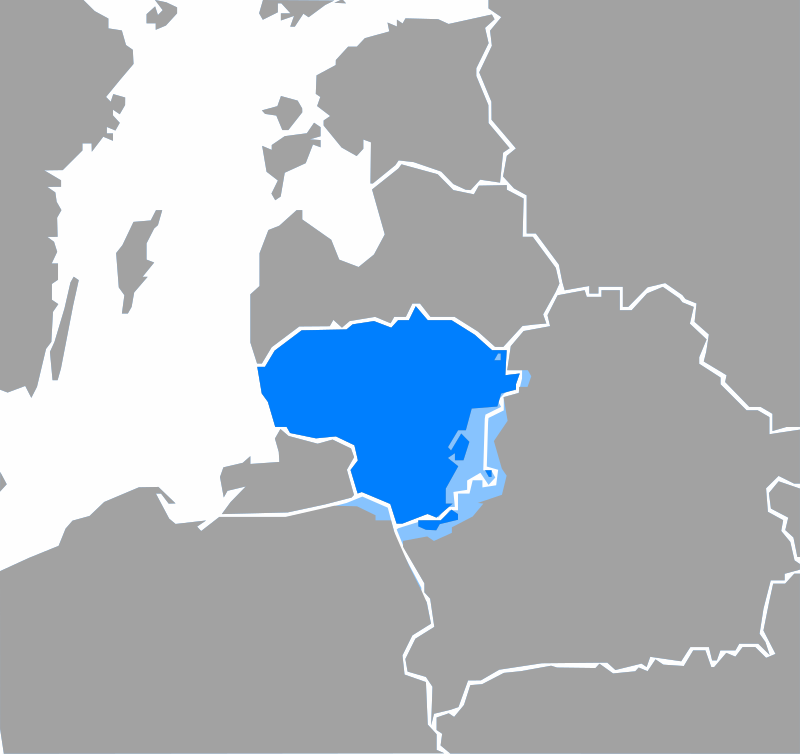
Lithuanian
Baltic language spoken in Lithuania

Slovak
West Slavic language spoken in Slovakia

Tamil
Dravidian language native to South India and Sri Lanka
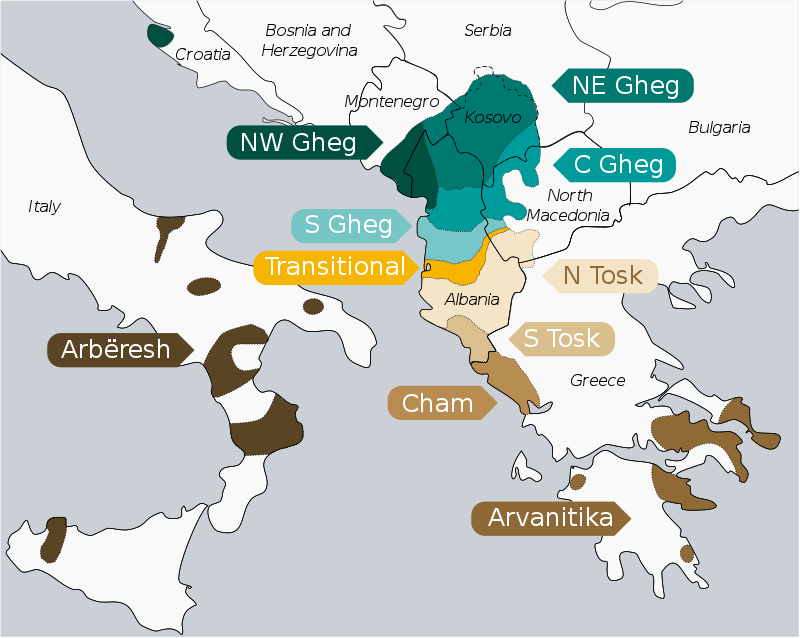
Albanian
Indo-European language, spoken primarily in Albania, Kosovo, North Macedonia, and Montenegro
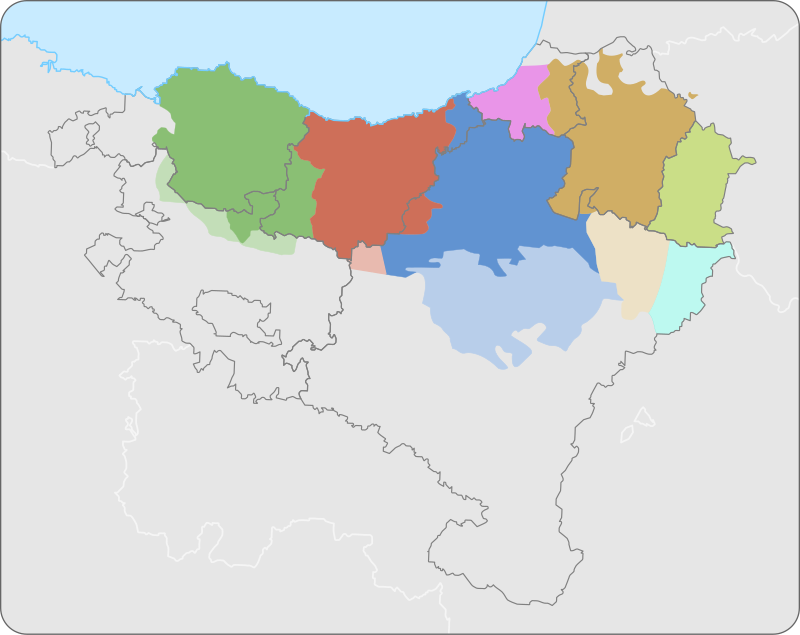
Basque
language of the Basque people

Georgian
Kartvelian language

Serbian
standardized variety of Serbo-Croatian language used by Serbs

Thai
Tai language

Slovene
South Slavic language spoken primarily in Slovenia

Kazakh
Turkic language in Central Asia, state language of Kazakhstan

Malay
Austronesian macrolanguage, basis for Malaysian Malay and Indonesian

Yiddish
thumb|The opening page of the 1828 Yiddish-written Jewish holiday of Purim play Esther, oder die belohnte Tugend from [[Fürth (by Nürnberg), Bavaria]]
Q35934
Interlingua (, ) is an international auxiliary language (IAL) developed between 1937 and 1951 by the American International Auxiliary Language Association (IALA). It is a constructed language of the "naturalistic" variety, whose vocabulary, grammar, and other characteristics are derived from natural languages. Interlingua literature maintains that (written) Interlingua is comprehensible to the billions of people who speak Romance languages, though it is actively spoken by only a few hundred.

Macedonian
South Slavic language mostly spoken in North Macedonia

Kurdish
language of Kurds
Maltese
Semitic language spoken mostly in Malta

Mongolian
official language of Mongolia

Telugu
Dravidian language native to South India

Tatar
Turkic language spoken by Tatars

Pashto
Pashto (, ; , ) is an Eastern Iranian language in the Indo-European language family, natively spoken in northwestern Pakistan and southern and eastern Afghanistan. It has official status in Afghanistan. It was also known in historical Persian literature as Afghani ().

Uzbek
Turkic language

Punjabi
Indo-Aryan language spoken in the Punjab region of Pakistan and India
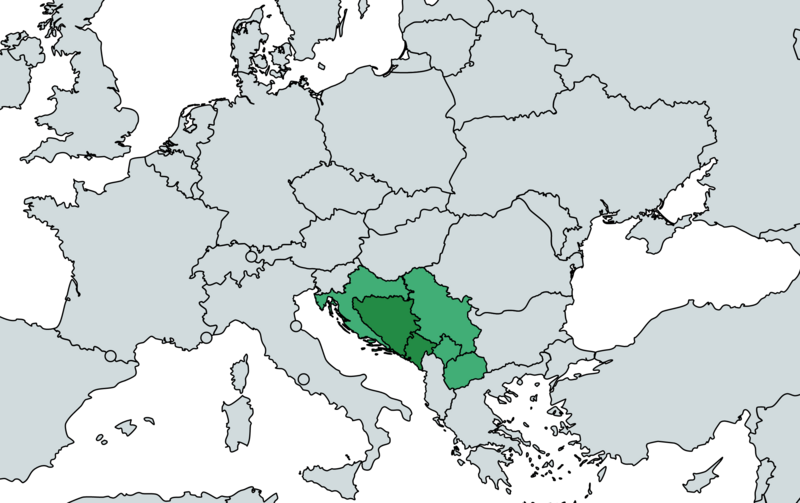
Bosnian
South Slavic language; a standardized variety of the Serbo-Croatian pluricentric language

Nepali
official language of Nepal

Scottish Gaelic
Goidelic Celtic language of Scotland
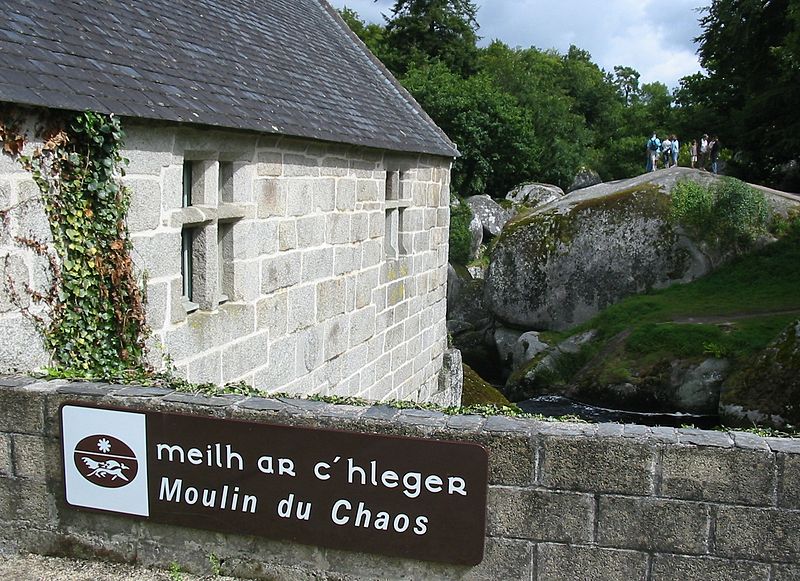
Breton
Celtic language spoken in France

Mandarin
major branch of Chinese spoken across most of northern and southwestern China
%20in%20amharic.jpg)
Amharic
Amharic is an Ethio-Semitic language, which is a subgrouping within the Semitic branch of the Afroasiatic languages. It is spoken as a first language by the Amhara people, and also serves as a lingua franca for all other metropolitan populations in Ethiopia.

Kannada
Kannada () is a Dravidian language spoken predominantly in the state of Karnataka in southwestern India, and spoken by a minority of the population in all neighbouring states. It has 44 million native speakers, and is additionally a second or third language for 15 million speakers in Karnataka. It is the official and administrative language of Karnataka. It also has scheduled status in India and has been included among the country's designated classical languages.

Marathi
Indo-Aryan language
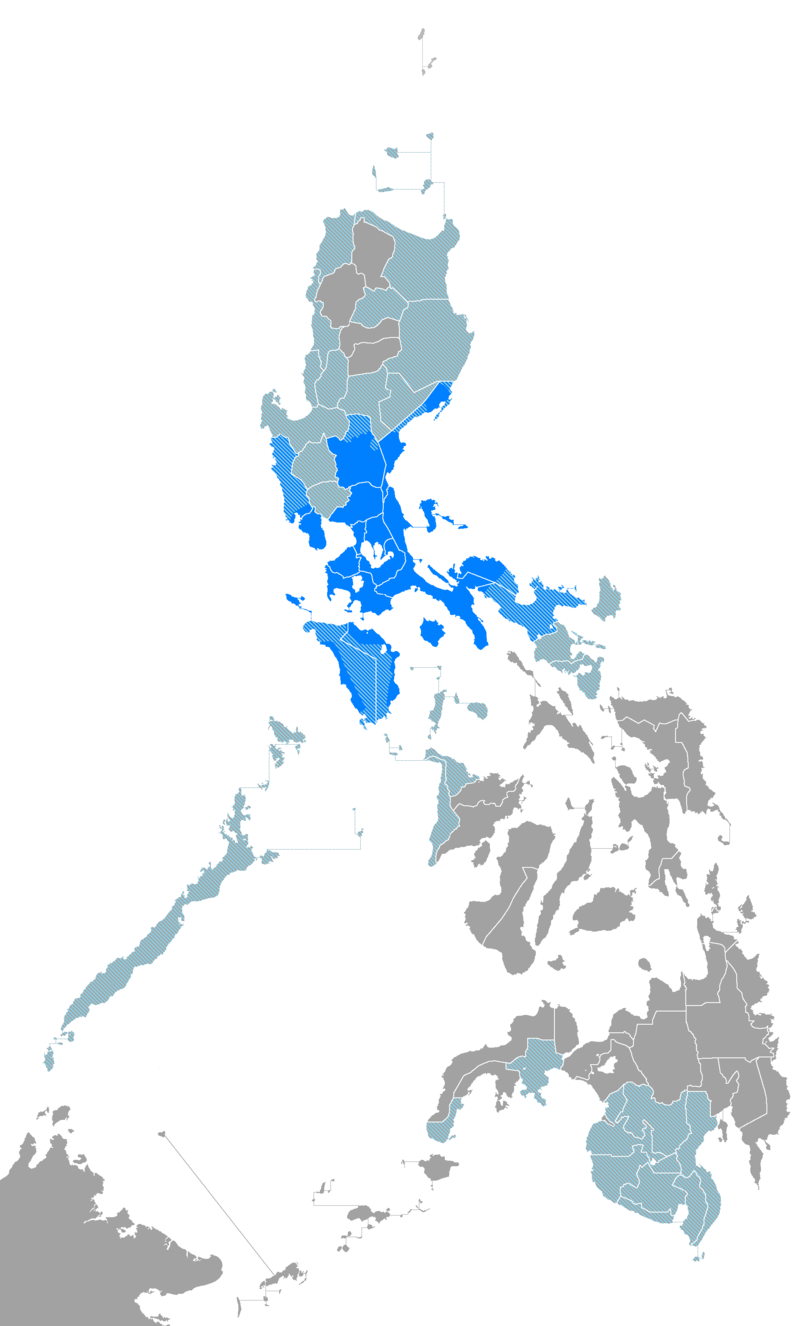
Tagalog
Austronesian language; native language of the Tagalog ethnic group

Romansh
Romance language spoken in the Swiss canton of Grisons (Graubünden)
Malayalam
thumb|A Malayalam speaker, recorded in South Africa
Malayalam (, ) is a Dravidian language, primarily spoken by the Malayali people, native to the Indian state of Kerala and the union territories of Lakshadweep and Puducherry (Mahé district). It is one of 22 scheduled languages, as well as one of 11 classical languages, of India. Malayalam has official language status in Kerala, Lakshadweep and Puducherry (Mahé).