Category
page 1Korean cuisine
soybean
The soybean, soy bean, or soya bean (Glycine max) is a species of legume native to East Asia, widely grown for its edible bean. Soy is a staple crop, the world's most grown legume, and an important animal feed.

tofu
or bean curd is a food prepared by pressing the curds of coagulated soy milk into solid white blocks of varying softness: silken, soft, firm, and extra (or super) firm.
.jpg)
Kimchi
Kimchi (; ), also written as kimchee, is a traditional Korean side dish (banchan) consisting of salted and fermented vegetables, most often napa cabbage or Korean radish. A wide selection of seasonings are used, including gochugaru (Korean chili powder), spring onions, garlic, ginger, and jeotgal (salted seafood). Kimchi is also used in a variety of soups and stews. Kimchi is a staple food in Korean cuisine and is eaten as a side dish with almost every Korean meal.

curry
thumb|upright=1.2|Lamb Madras curry, Anglo-Indian, c. 1850
Curry is a dish with a spicy sauce, initially in Indian cuisine, then modified by interchange with the Portuguese, followed by the British, and eventually thoroughly internationalised. Many curries are found in the cuisines of countries in Southeast Asia and East Asia.
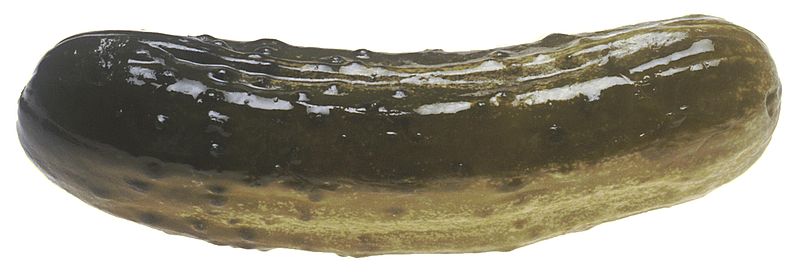
pickled cucumber
cucumber preserved in vinegar

bibimbap
Bibimbap ( ; ), sometimes romanised as bi bim bap or bi bim bop, is a Korean rice dish. It is served as a bowl of warm white rice topped with namul (sautéed or blanched seasoned vegetables) and gochujang (chili pepper paste). Egg and sliced meat (usually beef) are common additions, stirred together thoroughly just before eating. The term bibim means "mixing" and bap is cooked rice.

Korean cuisine
culinary traditions of Korea

cabbage roll
dish of cabbage leaves with a filling

glutinous rice
type of rice grown mainly in Southeast and East Asia, with opaque grains, very low amylose content; especially sticky when cooked; does not contain gluten

gimbap
Gimbap (; ), also romanized as kimbap, is a Korean dish made from bap (cooked rice), vegetables, and optionally, cooked seafood or meat rolled in gim—dried sheets of seaweed—and served in bite-sized slices. Reference works describe gimbap as developing from Japanese norimaki, introduced to Korea during the period of Japanese colonial rule, while also noting that Korea had earlier traditions of wrapping rice and side dishes in seaweed, such as bokssam, from the Joseon era, which are sometimes cited as precursors rather than direct equivalents. However, the style of rolling seaweed into a ball o

cooked rice
rice that has been cooked either by steaming or boiling

rice flour
form of flour made from finely milled rice

Vigna angularis
species of plant

bulgogi
Bulgogi ( , , ; , ) is a gui (Korean-style grilled or roasted dish) made of thin, marinated slices of meat, most commonly beef, grilled on a barbecue or on a stove-top griddle. It is also often stir-fried in a pan in home cooking. Sirloin and rib eye are frequently used cuts of beef for the dish. Bulgogi is a very popular dish in South Korea, where it can be found anywhere from upscale restaurants to local supermarkets as pan-ready kits.

tteokbokki
' ( ; , ) or simmered rice cake', is a Korean food made from small-sized (long, white, cylinder-shaped rice cakes) called () or commonly (). Eomuk (fish cakes), boiled eggs, and scallions are some common ingredients paired with tteokbokki in dishes. It can be seasoned with either spicy gochujang (chili paste) or non-spicy ganjang-based (soy sauce) sauce; the former is the more common form, while the latter is less common and sometimes called gungjung-tteokbokki (royal court tteokbokki).

gochujang
Gochujang or red chili paste is a savory, sweet, and spicy fermented condiment popular in Korean cooking. It is made from gochugaru (red chili powder), chapssal (glutinous rice), meju (fermented soybean) powder, yeotgireum (barley malt powder), and salt. The sweetness comes from the starch of cooked glutinous rice, cultured with saccharifying enzymes during the fermentation process. Traditionally, it would be naturally fermented over years in jangdok (earthenware) on an elevated stone platform called jangdokdae in the backyard.

Pacific saury
species of fish
blood as food
food, often in combination with meat
%2001.jpg)
tteok
Tteok () is a general term for Korean rice cakes. They are made with steamed flour of various grains, both glutinous and non-glutinous rice. Steamed flour can also be pounded, shaped, or pan-fried to make tteok. In some cases, tteok is pounded from cooked grains.
black garlic
aged garlic

Galbi
Galbi (), kalbi, galbi-gui (), or grilled ribs is a type of gui (grilled dish) in traditional Korean cuisine. "Galbi" is the Korean word for "rib", and the dish is usually made with beef short ribs. When pork spare ribs or another meat is used instead, the dish is named accordingly. Galbi is served raw, then cooked on tabletop grills usually by the diners themselves. The dish may be marinated in a sweet and savory sauce usually containing soy sauce, garlic, and sugar. Both non-marinated and marinated galbi are often featured in Korean barbecue. In Japan, this and many other dishes in Korean ba
san-nakji
thumb|right|Video of San-nakji
San-nakji () is a variety of hoe (raw dish) made with long arm octopus (Octopus minor), a small octopus species called nakji in Korean and is sometimes translated into "baby octopus" due to its relatively small size compared to the giant octopus (Enteroctopus dofleini). The octopus is most commonly killed before being cut into small pieces and served, with the nerve activity in the octopus's tentacles making the pieces move posthumously on the plate while served. The octopus's highly complex nervous system, with two-thirds of its neurons localised in the nerve co
mung bean sprout
sprout of the mung bean

Banchan
Banchan ( ; ; ) are small side dishes served along with cooked rice in Korean cuisine. Banchan are often set in the middle of the table to be shared. At the center of the table is the secondary main course, such as galbi or bulgogi, and a shared pot of jjigae. Bowls of cooked rice and guk (soup) are set individually. Banchan are served in small portions, meant to be finished at each meal and replenished during the meal if not enough. Usually, the more formal the meals are, the more banchan there will be. Jeolla Province is particularly famous for serving many different varieties of banchan in
chili powder
dried, pulverized fruit of one or more varieties of chili pepper
green laver
type of edible green seaweed

hotteok
' (), sometimes called ', is a type of filled pancake known as a popular street food in South Korea. It originated in Qing-dynasty China and was first brought into Joseon Korea during the 19th century.
pork ribs
pieces of meat from the ribcage of a pig
pollock roe
eggs of the Pollock fish
Muk
jelly-like Korean food from starch
squid as food
squid used as food, commonly eaten in the Mediterranean, in East Asia, and elsewhere

pajeon
Pajeon () is a variety of jeon with scallion as its prominent ingredient, as pa () means 'scallion'. It is a Korean dish made from a batter of eggs, wheat flour, rice flour, scallions, and often other ingredients depending on the variety. Beef, pork, kimchi, shellfish, and other seafood are mostly used. If one of these ingredients, such as squid, dominates the jeon, the name will reflect that; e.g. ojingeo jeon () is 'squid jeon'.
Korean fried chicken
fried chicken dishes created in South Korea
roasted sweet potatoes
popular street food in East Asia
Gim
Korean edible seaweed
Korean barbecue
Korean method of grilling meat

namul
Namul () refers to either a variety of edible greens or leaves or seasoned herbal dishes made of them. Wild greens are called san-namul (), and spring vegetables are called bom-namul (). On the day of Daeboreum, the first full moon of the year, Koreans eat boreum-namul () with five-grain rice. It is believed that boreum namuls eaten in winter help one to withstand the heat of the summer to come.
== Preparation and serving ==

Satsuma-age
is a fried fishcake originating from Kagoshima, Japan. Surimi and flour are mixed to make a compact paste that is solidified through frying. It is a specialty of the Satsuma region. It is known by a variety of regional names throughout Japan.
dak-galbi
Dak-galbi (), or spicy stir-fried chicken, is a popular South Korean dish made by stir-frying marinated diced chicken in a gochugaru-based sauce with sweet potatoes, cabbage, perilla leaves, scallions, tteok (rice cake), and other ingredients. In Korean, galbi means rib, and usually refers to braised or grilled short ribs. Dak-galbi is not made with chicken ribs, however, and the dish gained this nickname during the post-War era when chicken was used as a substitute for pork ribs. Many dak-galbi restaurants have round hot plates that are built into the tables. Lettuce and perilla leaves are se

Halocynthia roretzi
species of sea squirt
ssam
'''''''''' () are dishes in Korean cuisine where one food is wrapped in another. A common variety is meat such as pork wrapped in a leafy vegetable. It is often accompanied by the condiment and can also be topped with raw or cooked garlic, onion, green pepper, or a (small side dish) such as kimchi. is usually bite-sized to prevent spilling of the fillings.

Oriental melon
Type of melon, grown and eaten in East Asia.
kimchi fried rice
kimchi fried rice
Hot Chicken Flavor Ramen
instant dish
chopstick rest
tableware that chopsticks may rest on
Hanu
The Hanwoo (), also Hanu or Korean Native, is a breed of small cattle native to Korea. It was formerly used as a working animal, but is now raised mainly for meat. It is one of four indigenous Korean breeds, the others being the , the and the Jeju Black.
sweet bean paste
bean paste used in several Asian cuisines
sujebi
Sujebi (; South Korean name), ttŭdŏguk (; North Korean name), or hand-pulled dough soup, or Korean-style pasta soup, is a Korean traditional soup consisting of dough flakes roughly torn by hand, with various vegetables. The flavor and recipe resemble kalguksu, except that the latter is made with noodles rather than wheat flakes. It is commonly considered a dish to consume on rainy days, along with bindaetteok.
tianmianjiang
Chinese sauce in the form of a thick brown paste
yaksik
Yaksik () or yakbap () is a sweet Korean dish made by steaming glutinous rice, and mixing with chestnuts, jujubes, and pine nuts. It is seasoned with honey or brown sugar, sesame oil, soy sauce, and sometimes cinnamon. It is traditionally eaten on Jeongwol Daeboreum (), a Korean holiday which falls on the 15th day of the 1st month of the Korean calendar (lunisolar), but also for weddings and hwangap festivities.
Sujeo
'''''' () is the Korean term for the set of eating utensils commonly used to eat Korean cuisine. The word is a portmanteau of the words (, 'spoon') and (, 'chopsticks'). The set includes a pair of metal (often stainless steel) chopsticks with an oval or rounded-rectangular cross-section, and a long handled shallow spoon of the same material. One may use both at the same time, but this is a recent way to eat quicker. It is not considered good etiquette to hold the spoon and the chopstick together in one hand especially while eating with elders. More often food is eaten with chopsticks alone. So
Yangnyeom chicken
Korean fried chicken with spicy sauce
soybean sprout
culinary vegetable
dosirak
Dosirak () refers to a packed meal, often for lunch. It usually consists of bap () and several banchan (side dishes). The lunch boxes, also called dosirak or dosirak-tong (dosirak case), are typically plastic or thermo-steel containers with or without compartments or tiers. Dosirak is often home-made, but is also sold in train stations, convenience stores, and some restaurants.

Peucedanum japonicum
species of plant
kudzu powder
east-Asian cuisine ingredient
anju
food accompanying alcohol

patjuk
Patjuk () is a type of Korean juk consisting of red beans and rice. It is commonly eaten during the winter season in Korea, and it is associated with dongji (winter solstice), as people used to believe that the red color of patjuk drives off baneful spirits.

fried shrimp
type of food
Jjim
Jjim (; ) is a Korean cuisine term referring to dishes made by steaming or boiling meat, chicken, fish, or shellfish which have been marinated in a sauce or soup. The cooking technique originally referred to dishes cooked in a siru (시루, earthenware steamer mainly used for making tteok) by steaming. However, the name jjim has now come to imply a finished dish with a steamed appearance. The cooking method for most jjim dishes nowadays has changed to boiling the ingredients in broth and reducing the liquid. Pressure cookers are popular for making jjim as well.