Category
page 1Mammal genera
.jpg)
Bison
A bison (: bison) is a large bovine in the genus Bison (from Greek, meaning 'wild ox') within the tribe Bovini. Two extant and numerous extinct species are recognised.
.jpg)
Giraffa
Giraffes (genus Giraffa) are large African hoofed mammals. They are the tallest living terrestrial animals and the largest ruminants on Earth. They are classified under the family Giraffidae, along with their closest extant relative, the okapi. Traditionally, giraffes have been thought of as one species, Giraffa camelopardalis, with nine subspecies. Most recently, researchers proposed dividing them into four extant species, with seven subspecies, which can be distinguished morphologically by their fur coat patterns. Six valid extinct species of Giraffa are known from the fossil record.

Sus
genus of mammals in the family Suidae

Capra
genus of mammals
.jpg)
Tapirus
Tapirus is a genus of tapir which contains the living tapir species. The Malayan tapir is usually included in Tapirus as well, although some authorities have moved it into its own genus, Acrocodia.

Equus
genus of perissodactyls

Ovis
Ovis is a genus of mammals, part of the Caprinae subfamily of the ruminant family Bovidae. Its seven species are highly sociable, and are known as sheep or ovines. Domestic sheep are members of the genus, and are thought to be descended from the wild mouflon of central and southwest Asia.

Manis
Manis ("spirit") is a genus of South Asian and East Asian pangolins, the Asiatic pangolins, from the subfamily Maninae, within the family Manidae.
.jpg)
Bubalus
Bubalus is a genus of Asiatic bovines that was proposed by Charles Hamilton Smith in 1827. Bubalus and Syncerus form the subtribe Bubalina, the true buffaloes.

Bos
Bos (from Latin bōs: cow, ox, bull) is a genus of bovines, which includes, among others, wild and domestic cattle.

Cervus
Cervus is a genus of deer that primarily are native to Eurasia, although one species occurs in northern Africa and another in North America. In addition to the species presently placed in this genus, it has included a whole range of other species now commonly placed in other genera. Additionally, the species-level taxonomy is in a state of flux.
.jpg)
Oryx
Oryx ( ) is a genus consisting of four large antelope species called oryxes. Their pelage is pale with contrasting dark markings in the face and on the legs, and their long horns are almost straight and annulated. The exception is the scimitar oryx, which lacks dark markings on the legs, only has faint dark markings on the head, has an ochre neck, and has horns that are clearly decurved. All oryx species prefer near-desert conditions and can survive without water for long periods.

Lama panchitoe
genus of mammals

Erinaceus
Erinaceus is a genus of hedgehog from the family of Erinaceidae. There are four main species of Erinaceus. The range is all across Europe, throughout the Middle East, parts of Russia, and extending to northern China and Korea. The European hedgehog (Erinaceus europaeus) has been introduced to New Zealand.

Elephas
Elephas is a genus of elephants and one of two surviving genera in the family Elephantidae, with only a single living species, the Asian elephant (E. maximus). Several extinct species have been identified as belonging to the genus, extending back to the Pliocene or possibly the late Miocene.
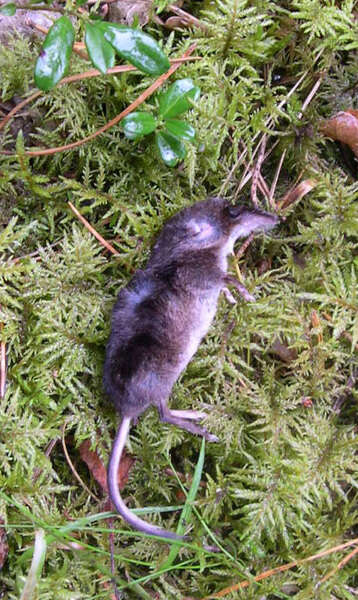
Sorex
The genus Sorex includes many of the common shrews of Eurasia and North America, and contains at least 142 known species and subspecies. Members of this genus, known as long-tailed shrews, are the only members of the tribe Soricini of the subfamily Soricinae (red-toothed shrews). They have 32 teeth.

Talpa
genus of mammals

Capreolus
thumb|Young roe deer
.jpg)
Tragelaphus
Tragelaphus is a genus of medium-to-large-sized spiral-horned antelopes. It contains several species of bovines, all of which are relatively antelope-like. Species in this genus tend to be large in size and lightly built, and have long necks and considerable sexual dimorphism. Elands, including the common eland (Taurotragus oryx), are embedded within this genus, meaning that Taurotragus must be subsumed into Tragelaphus to avoid paraphyly. Alternatively, Taurotragus could be maintained as a separate genus, if the nyala and the lesser kudu are relocated to their own monospecific genera, respect

Rhinoceros
genus of mammals

Taurotragus
Taurotragus is a genus of giant antelopes of the African savanna, commonly known as elands. It contains two species: the common eland T. oryx and the giant eland T. derbianus.
%20male.jpg)
Hippotragus
Hippotragus is a genus of antelopes which includes two living and one recently extinct species, as well as some fossil relatives. The genus name comes from Ancient Greek ἵππος (híppos), meaning "horse", and τράγος (trágos), meaning "he-goat", and thus, "horse goat".
{| class="wikitable"
|-
! Image !! Scientific name !! Common name !! Distribution
|-
|120px || H. equinus || Roan antelope || West, Central, East and Southern Africa
|-
|120px || H. niger || Sable antelope || East Africa, south of Kenya, and Southern Africa
|-
|120px || H. leucophaeus || †Bluebuck or blue antelope || the southweste

Pudú
The pudus (Mapudungun püdü or püdu, , ) are two species of South American deer from the genus Pudu, and are the world's smallest deer. The chevrotains (mouse-deer; Tragulidae) are smaller, but they are not true deer. The name is a loanword from Mapudungun, the language of the indigenous Mapuche people of central Chile and south-western Argentina. The two species of pudus are the northern pudu (Pudu mephistophiles) from Venezuela, Colombia, Ecuador, and Peru, and the southern pudu (Pudu puda; sometimes incorrectly modified to Pudu pudu) from southern Chile and south-western Argentina. Pudus ran
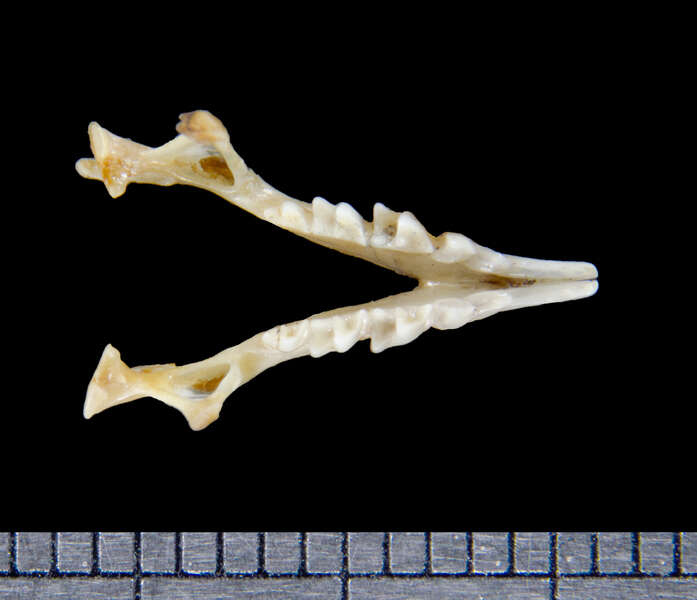
Crocidura
The genus Crocidura is one of nine genera of the shrew subfamily Crocidurinae. Members of the genus are commonly called white-toothed shrews or musk shrews, although both also apply to all of the species in the subfamily. With over 180 species, Crocidura contains the most species of any mammal genus. The genus name Crocidura comes from Ancient Greek κροκύς (krokús), meaning "piece of wool", and οὐρά (ourá), meaning "tail", and thus, "woolly tail", referring to the species' tails being covered in short hairs interspersed with longer ones.

Tamandua
Tamandua is a genus of anteaters in the Myrmecophagidae family with two species: the southern tamandua (T. tetradactyla) and the northern tamandua (T. mexicana). They live in forests and grasslands, are semiarboreal, and possess partially prehensile tails. They mainly eat ants and termites, but they occasionally eat bees, beetles, and insect larvae. In captivity, they will eat fruits and meat.

Rupicapra
Rupicapra is a genus of two species of goat-antelope called chamois. They belong to the bovine family of hoofed mammals, the Bovidae.

Solenodon
genus of mammals

Kobus
genus of mammals
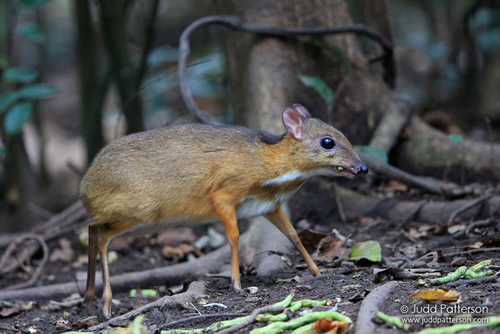
Tragulus
Tragulus is a genus of even-toed ungulates in the family Tragulidae that are known as mouse-deer. In Ancient Greek τράγος (tragos) means a male goat, while the Latin diminutive –ulus means 'tiny'. With a weight of and a length of , they are the smallest ungulates in the world, though the largest species of mouse-deer surpass some species of Neotragus antelopes in size. The mouse-deer are restricted to Southeast Asia from far Southern China (south Yunnan) to the Philippines (Balabac) and Java.

Hippopotamus
genus of mammals

Damaliscus
The genus Damaliscus, commonly known as damalisks, is a genus of antelope in the family Bovidae, subfamily Alcelaphinae, found in Africa.

Odocoileus
Odocoileus is a genus of medium-sized deer (family Cervidae) containing three species native to the Americas. The name, sometimes spelled odocoeleus, is a contraction of the Greek root odont-, meaning "tooth," and -coelus, New Latin for "hollow".
%20in%20the%20camp%20...%20(31489633423).jpg)
Potamochoerus
Potamochoerus (from Ancient Greek ποταμός (potamós), meaning "river", and χοῖρος (khoîros), meaning "pig") is a genus in the pig family (Suidae). The two species are restricted to sub-Saharan Africa, although the bushpig, possibly due to introduction by humans, also occurs in Madagascar and nearby islands. Early in the 20th century, there were considered to be as many as five different species within the genus. These were gradually consolidated, until, in the 1970s, it was generally agreed that all were representatives of just a single species (P. porcus). The bushpig was again recognised as a
Procapra
Procapra is a genus of Asian gazelles, including three living species:
Mongolian gazelle P. gutturosa
Tibetan gazelle P. picticaudata
Przewalski's gazelle P. przewalskii

Chaetophractus
Chaetophractus is a small genus of armadillos in the family Chlamyphoridae. It contains the following three species:
{| class="wikitable"
|-
! Image !! Scientific name !! Common name !! Distribution
|-
|120px || Chaetophractus vellerosus || Screaming hairy armadillo|| Central and southern parts of South America
|-
|120px || Chaetophractus villosus || Big hairy armadillo || The Pampas and Patagonia as far south as Santa Cruz, Argentina and Magallanes, Chile
|-
|120px || Chaetophractus nationi || Andean hairy armadillo || Bolivia, in the region of the Puna; the departments of Oruro, La Paz, and
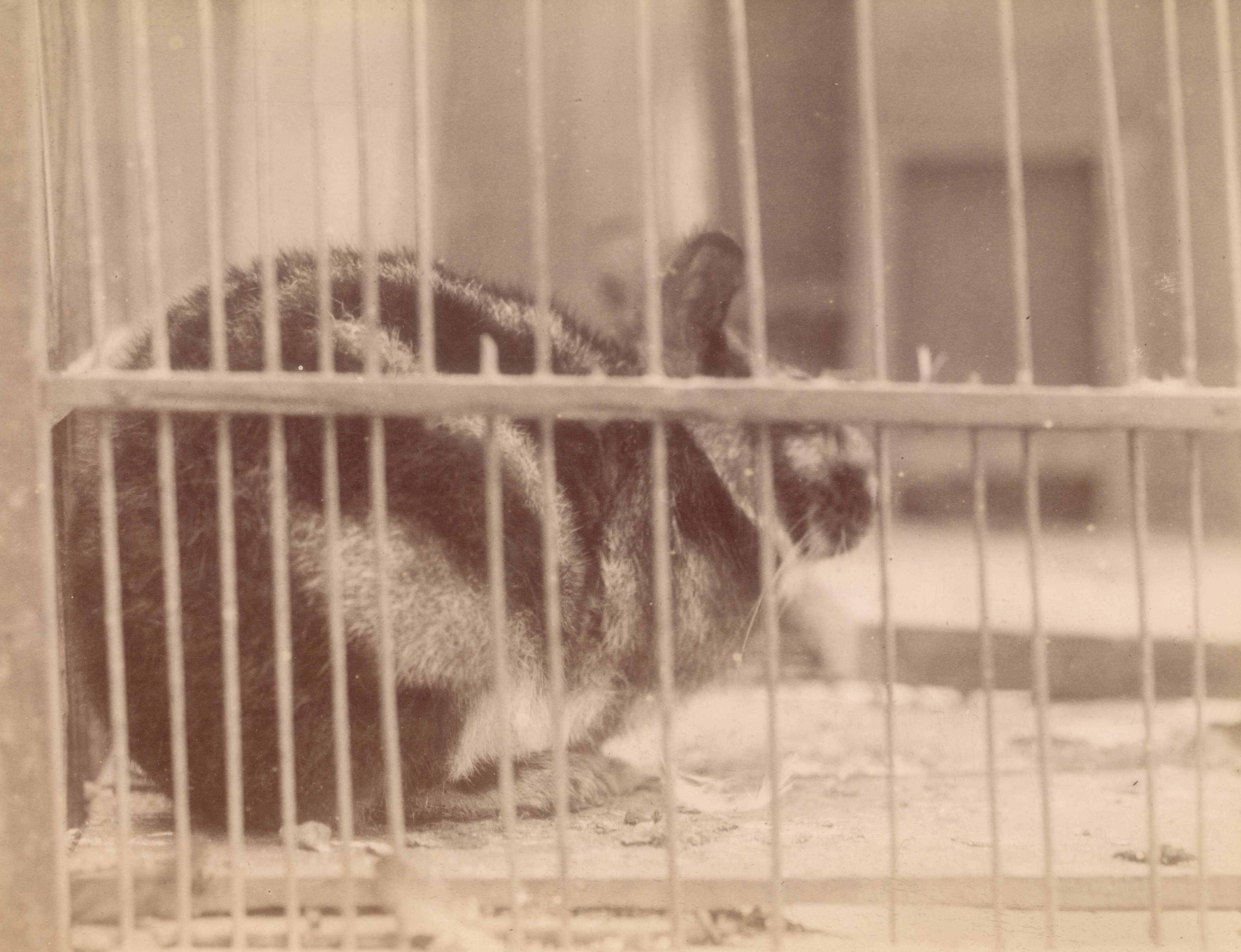
Nesolagus
Nesolagus is a genus of rabbits containing three species of striped rabbit: the Annamite striped rabbit, the Sumatran striped rabbit, and the extinct N. sinensis. Overall there is very little known about the genus as a whole, most information coming from the Sumatran rabbit.
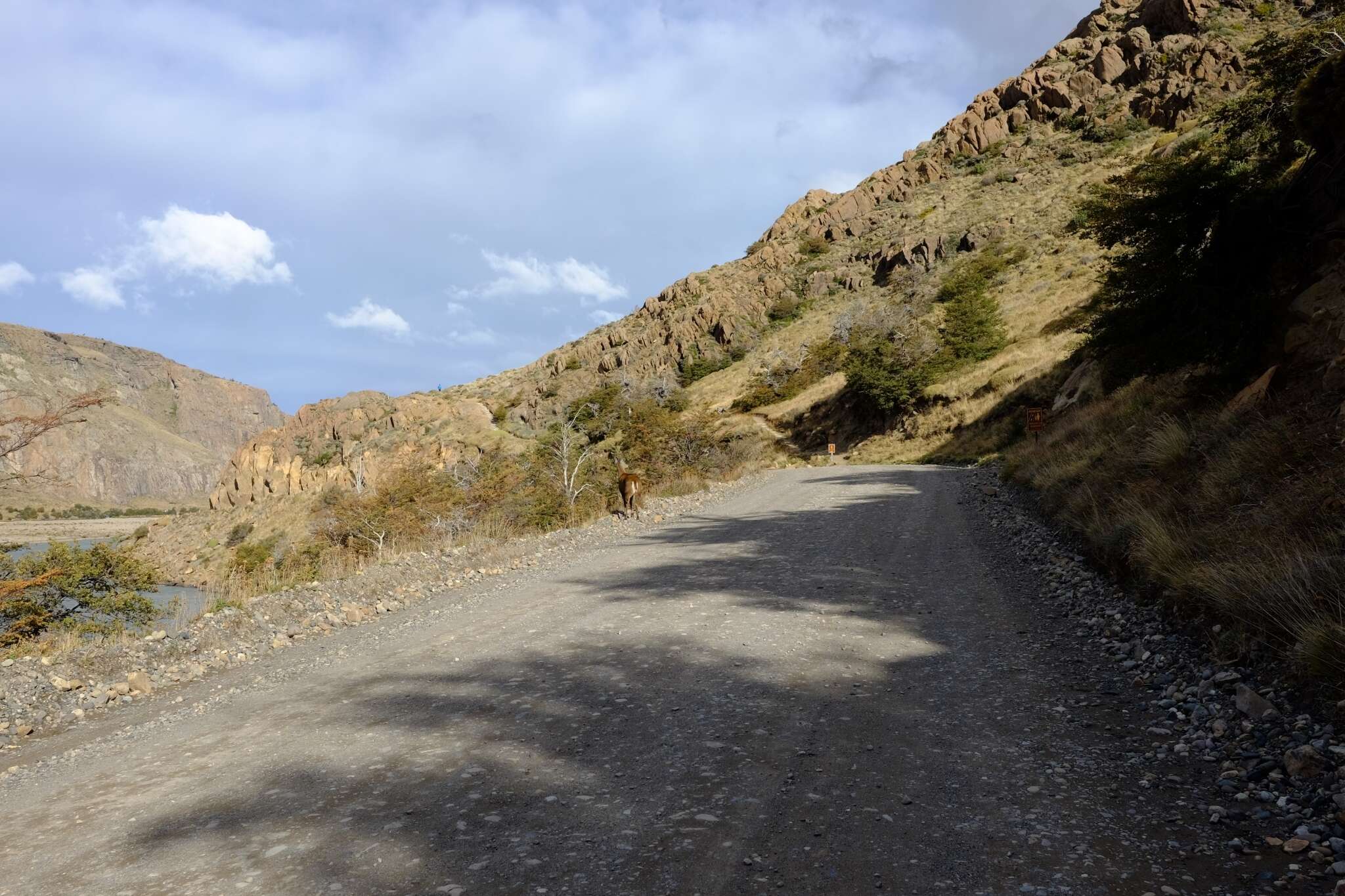
Hippocamelus
Hippocamelus is a genus of Cervidae, the deer family. It comprises two extant Andean and two fossil species. The living members are commonly known as the huemul (from the Mapuche language), and the taruca, also known as the northern huemul.

Neomys
The genus Neomys is a group of four Eurasian water shrews from the subfamily Soricinae of the family Soricidae. These shrews are found in most of Europe and parts of northern Asia, as well as Turkey and Iran. Its member species are:

Cabassous
Cabassous is a genus of South and Central American armadillos. The name is the Latinised form of the Kalini word for "armadillo".

Axis
genus of mammals

Raphicerus
Raphicerus is a genus of small antelopes of the tribe Neotragini (subfamily Antilopinae).
.jpg)
Dasypus
Dasypus is the only extant genus in the family Dasypodidae. Its species are known as long-nosed or naked-tailed armadillos. They are found in South, Central, and North America, as well as on the Caribbean islands of Grenada, Trinidad and Tobago. Members of Dasypus are solitary and primarily nocturnal to avoid temperature extremes and predation. They exist in numerous habitats ranging from brush to grassland areas and are mainly insectivorous. The name is derived from the Ancient Greek words (), meaning "hair", and (''''), meaning "foot".
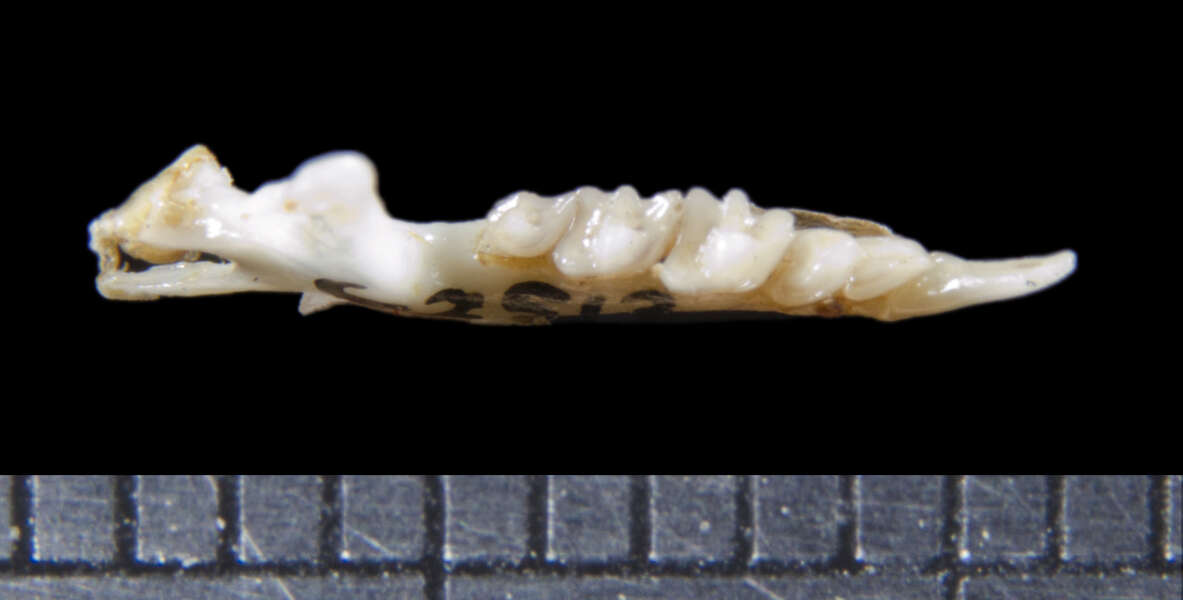
Suncus
Suncus is a genus of shrews in the family Soricidae.
Neotragus
Neotragus is a genus of dwarf antelope, native to Africa.
The genus includes only a single species without any dispute, namely Neotragus pygmaeus. This species, the royal antelope, is the smallest antelope in the world, usually weighing around 5 to 7 pounds. They live in conditions that are warm and moist and are found in the tropical forests of Western Africa. The royal antelope's diet consists of high-nutrient food sources, such as leaves, flowers, plants, fruits, and the growing tips of shoots. Recent nucleic acid studies now suggest that the other two species formerly included in the genus

Tupaia
genus of mammals

Rhynchocyon
Rhynchocyon is a genus of elephant shrews in the family Macroscelididae. Members of this genus are known colloquially as giant sengis.
They are a ground-dwelling mammal, significantly larger than their relatives in the order Macroscelidea that live primarily in dense forests across eastern Africa. Habitats range from eastern Africa's coastal forests, Rift Valley highlands, and the Congo basin. The species is widely threatened, with two of four assessed by the International Union for Conservation of Nature's Red List of Threatened Species. Habitat fragmentation from the growth of human settleme
Uropsilus
The shrew moles or shrew-like moles (Uropsilus) are shrew-like members of the mole family of mammals endemic to the forested, high-alpine region bordering China, Myanmar, and Vietnam. They possess a long snout, a long slender tail, external ears, and small forefeet unspecialized for burrowing. Although they are similar to shrews in size, external appearance, and, presumably, ecological habits, they are nevertheless talpids and considered true moles, as they share a full zygomatic arch with all other moles, while this arch is completely absent in shrews.

Tolypeutes
The genus Tolypeutes contains the two species of three-banded armadillos. They are restricted to open and semi-open habitats in South America.
Atelerix
Atelerix is a genus of hedgehog in the family Erinaceidae. It contains four species, all native to Africa.
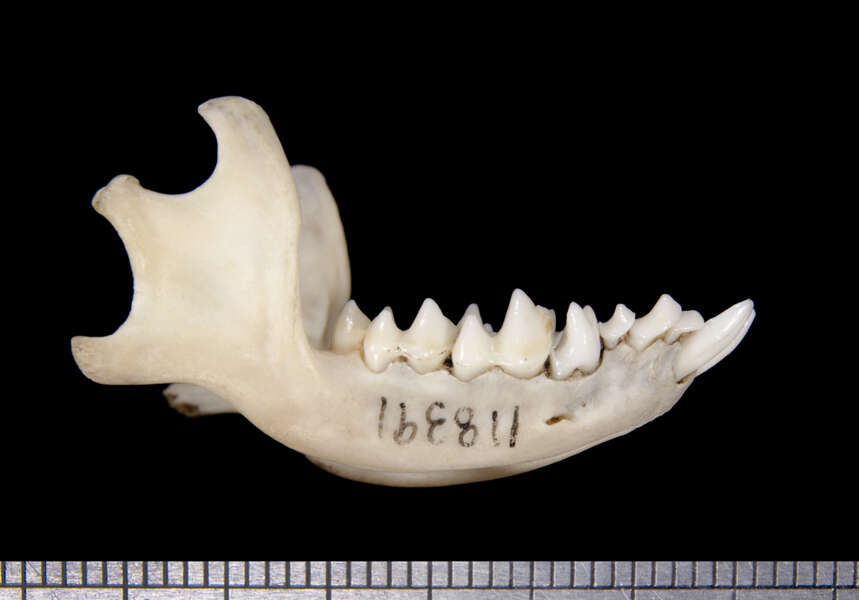
Hemiechinus
Hemiechinus is a genus of hedgehogs. It contains two species, found in Central and South Asia.
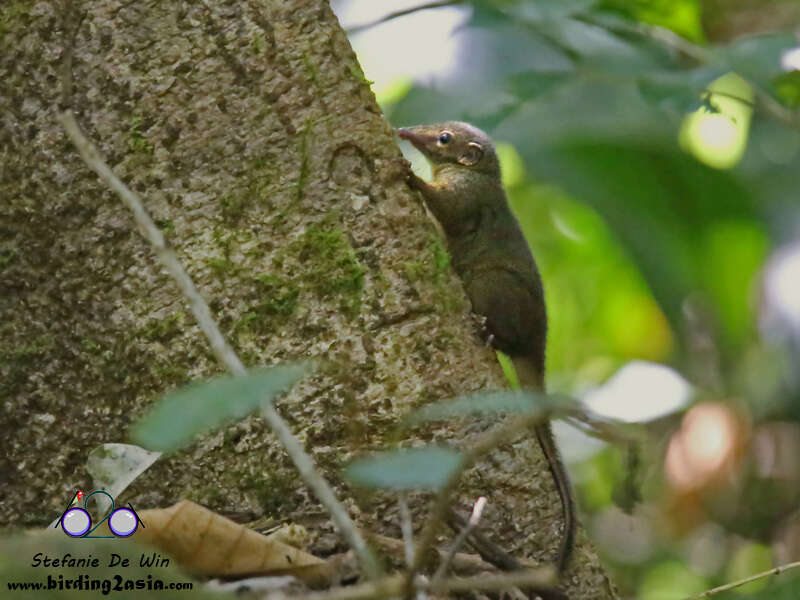
Dendrogale
Dendrogale is a genus of treeshrew in the family Tupaiidae found in Southeast Asia and Borneo. It contains these species:
Bornean smooth-tailed treeshrew (D. melanura)
Northern smooth-tailed treeshrew (D. murina)

Rusa
genus of mammals

Nanger
Nanger is a genus of antelopes, commonly called gazelles. It was originally considered a subgenus within the genus Gazella, but has since been elevated to genus status. The three living species within the genus Nanger are:
{| class="wikitable"
|-
! Image !! Scientific name !! Common name !! Distribution
|-
|120px || Nanger dama || Dama gazelle || Chad, Mali, and Niger
|-
|120px || Nanger granti || Grant's gazelle || northern Tanzania to South Sudan and Ethiopia, and from the Kenyan coast to Lake Victoria
|-
|120px || Nanger soemmerringii || Soemmerring's gazelle || Horn of Africa
|-
|}
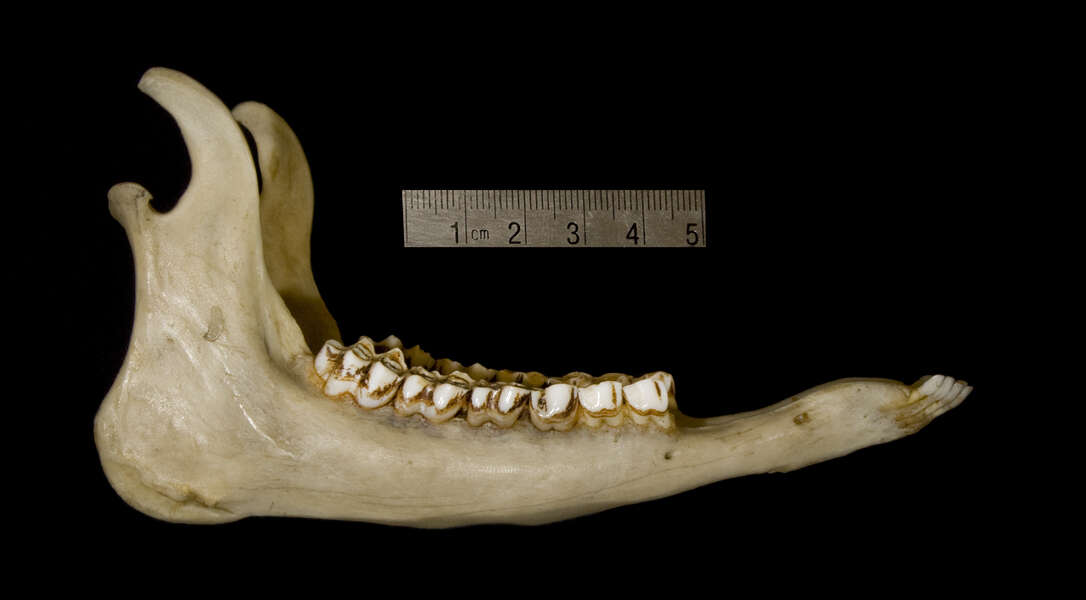
Cephalophus
Cephalophus is a mammal genus which contains at least fifteen species of duiker, a type of small antelope.

American short-tailed shrew
The genus Blarina, commonly called short-tailed shrews, is a genus of relatively large shrews with relatively short tails found in North America.

Eudorcas
Eudorcas is a genus of antelope; the species are commonly called gazelles. Eudorcas was originally considered a subgenus of the genus Gazella but has since been elevated to generic status. The five species within the genus Eudorcas are:
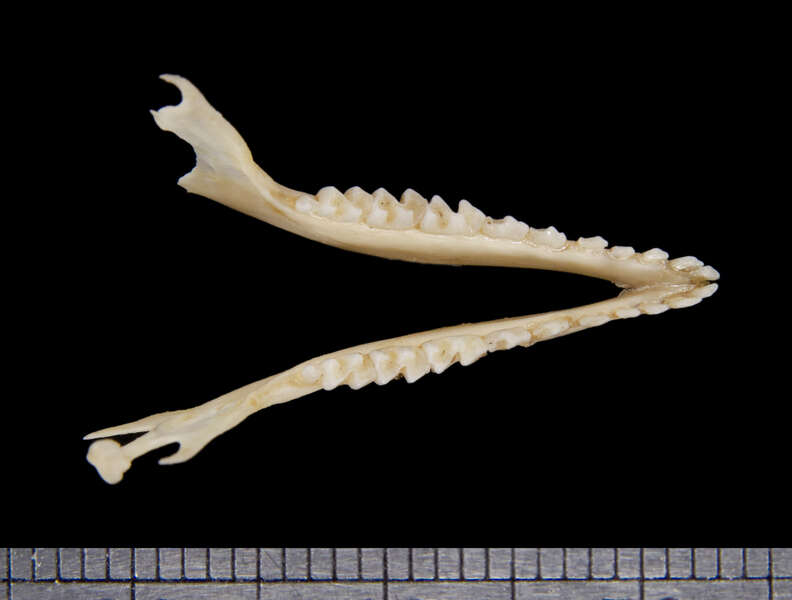
Elephantulus
Elephantulus is a genus of elephant shrew in the family Macroscelididae.
It contains the following species:
Short-snouted elephant shrew (E. brachyrhynchus)
Cape elephant shrew (E. edwardii)
Dusky-footed elephant shrew (E. fuscipes)
Dusky elephant shrew (E. fuscus)
Bushveld elephant shrew (E. intufi)
Eastern rock elephant shrew (E. myurus)
Karoo rock elephant shrew (E. pilicaudus)
Western rock elephant shrew (E. rupestris)
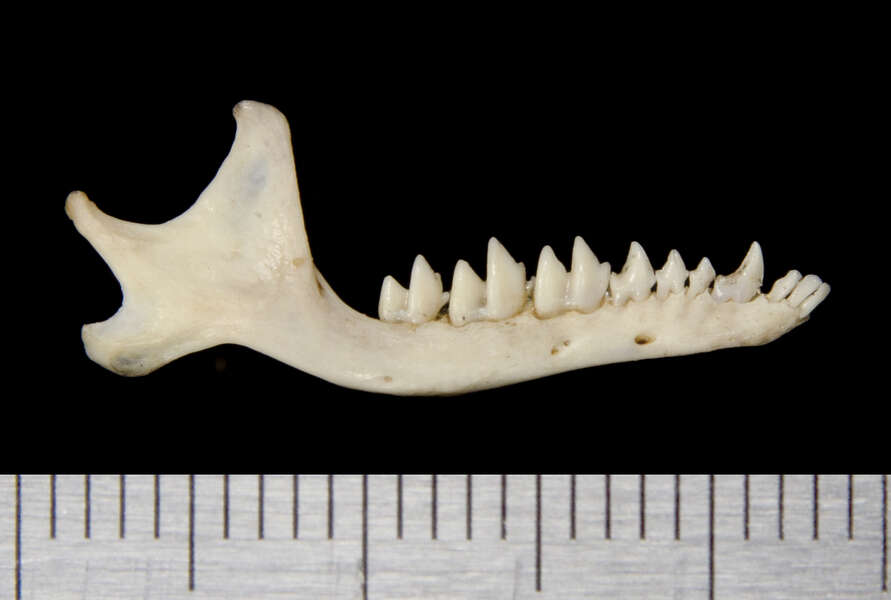
Mogera
Mogera is a genus of mole in the tribe Talpini. They are native to East Asia.
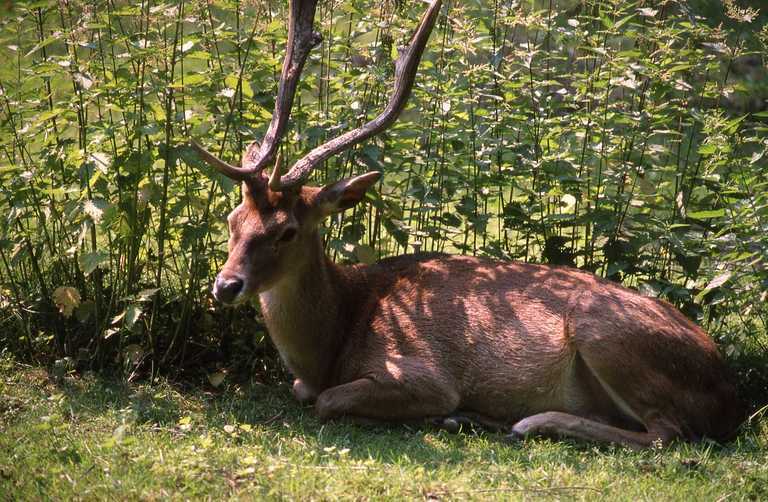
Rucervus
Rucervus is a genus of deer from India, Nepal, Indochina, and the Chinese island of Hainan. The only extant representatives, the barasingha or swamp deer (R. duvaucelii) and Eld's deer (R. eldii), are threatened by habitat loss and hunting; another species, Schomburgk’s deer (R. schomburgki), went extinct in 1938. Deer species found within the genus Rucervus are characterized by a specific antler structure, where the basal ramification is often supplemented with an additional small prong, and the middle tine is never present. The crown tines are inserted on the posterior side of the beam and m
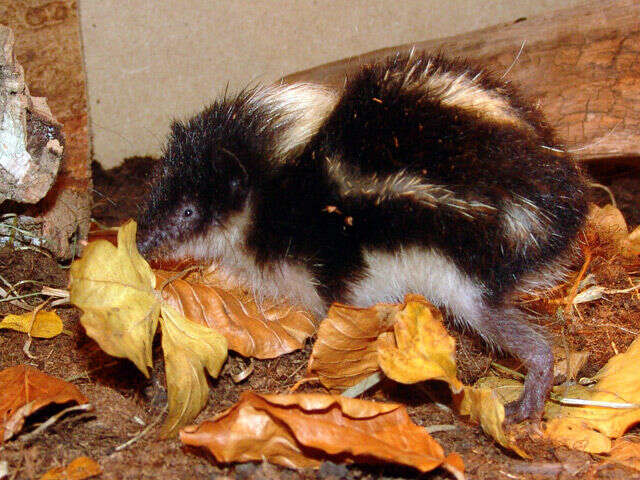
Hemicentetes
Hemicentetes is a genus of tenrec with two species, present on the island of Madagascar.