Category
page 1Mammals described in 1758
.png)
dog
The dog (Canis familiaris or Canis lupus familiaris) is a domesticated descendant of wolves. Also called the domestic dog, it was selectively bred during the Late Pleistocene by hunter-gatherers. Dogs and the modern gray wolf share a common ancestor. Dogs were the first species to be domesticated over 14,000 years ago, before the development of agriculture, though genetic studies suggest the domestication process may have begun over 25,000 years ago. Due to their long association with humans, dogs have gained the ability to thrive on a starch-rich diet that would be inadequate for other canids

Cat

horse
thumb|External anatomy of a horse|upright=1.5|alt=Diagram of a horse with some parts labeled.

human
Humans (Homo sapiens, meaning "thinking man" or "wise man") are the most common and widespread species of primate, and the only extant species of the genus Homo. They are great apes characterized by hairlessness, obligate bipedality, manual dexterity with opposable thumbs, precision grip, and high intelligence. Humans have large brains compared to body size (a high encephalization quotient), enabling more advanced cognitive skills that facilitate successful adaptation to varied environments, development of sophisticated tools, and formation of complex social structures and civilizations. Human

lion
The lion (Panthera leo) is a large cat of the genus Panthera, currently ranging only in Sub-Saharan Africa and India. It has a muscular, broad-chested body; a short, rounded head; round ears; and a dark, hairy tuft at the tip of its tail. It is sexually dimorphic; adult male lions are larger than females and have a prominent mane that which extends from the head to the shoulders and chest.

cattle
Cattle (Bos taurus) are large, domesticated, bovid ungulates widely kept as livestock. They are prominent modern members of the subfamily Bovinae and the most widespread species of the genus Bos. Mature female cattle are called cows and mature males are called bulls.
tiger
The tiger (Panthera tigris) is a large cat and a member of the genus Panthera native to Asia. It has a powerful, muscular body with a large head and paws, a long tail and orange fur with black, mostly vertical stripes. It is traditionally classified into nine recent subspecies, though some recognise only two subspecies, mainland Asian tigers and the island tigers of the Sunda Islands.

sheep
Sheep (: sheep) or domestic sheep (Ovis aries) are a domesticated, ruminant mammal typically kept as livestock. Although the term sheep can apply to other species in the genus Ovis, in everyday usage it almost always refers to domesticated sheep. Like all ruminants, sheep are members of the order Artiodactyla, the even-toed ungulates. There are around 1.2 billion domestic sheep as of 2019, making them easily the most common species of sheep. An adult female is referred to as a ewe ( ); an intact male as a ram, occasionally a tup; a castrated male as a wether; and a young sheep as a lamb.
Canis lupus
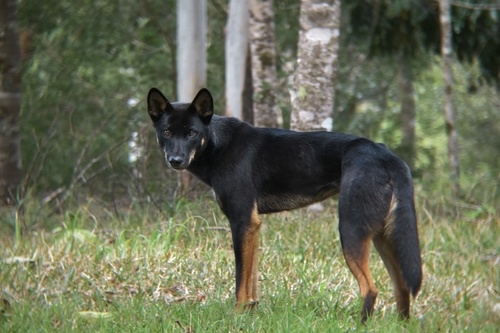
The wolf (Canis lupus; : wolves), also known as the grey wolf or gray wolf, is a canine native to Eurasia and North America. More than thirty subspecies of Canis lupus have been recognized, including the dog and dingo, though grey wolves, as popularly understood, include only naturally occurring wild subspecies. The wolf is the largest wild extant member of the family Canidae, and is further distinguished from other Canis species by its less pointed ears and muzzle, as well as a shorter torso and a longer tail. The wolf is nonetheless related closely enough to smaller Canis species, such as th

goat
The goat or domestic goat (Capra hircus) is a species of goat-antelope that is mostly kept as livestock. It was domesticated from the wild goat (C. aegagrus) of Southwest Asia and Eastern Europe. The goat is a member of the family Bovidae, meaning it is closely related to the sheep. It was one of the first animals to be domesticated, in Iran around 10,000 years ago.

Panthera pardus
The leopard (Panthera pardus) is one of the five extant cat species in the genus Panthera. It has a pale yellowish to dark golden fur with dark spots grouped in rosettes. Its body is slender and muscular, reaching a length of with a long tail and a shoulder height of . Males typically weigh , and females .

donkey
The donkey or ass is a domesticated equine. It derives from the African wild ass, Equus africanus, and may be classified either as a subspecies thereof, Equus africanus asinus, or as a separate species, Equus asinus. It was domesticated in Africa some years ago, and has been used mainly as a working animal since that time.

Sus scrofa
omnivore species of mammal

Red Fox
species of mammal

Nile hippopotamus
The hippopotamus (Hippopotamus amphibius; ; : hippopotamuses), often shortened to hippo (: hippos), further qualified as the common hippopotamus, Nile hippopotamus and river hippopotamus, is a large semiaquatic mammal native to sub-Saharan Africa. It is one of only two extant species in the family Hippopotamidae, the other being the pygmy hippopotamus (Choeropsis liberiensis or Hexaprotodon liberiensis). Its name comes from the Ancient Greek for "river horse" ().

giraffe
umbrella species of Giraffa

Ursus arctos
species of mammal
water buffalo
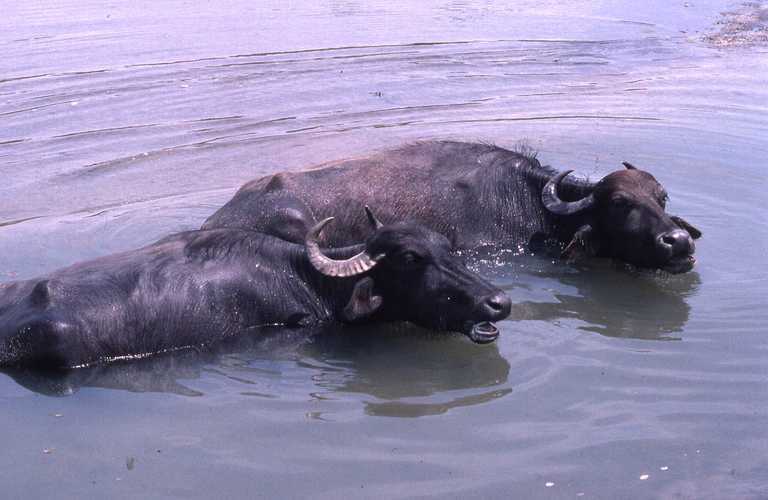
species of large bovid originating in South Asia
jaguar
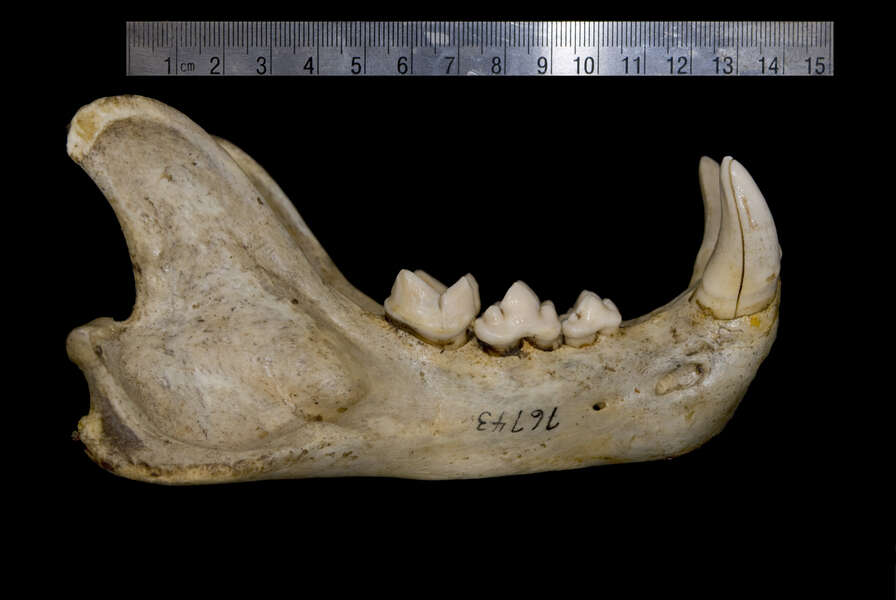
The jaguar (Panthera onca) is a large cat species and the only living member of the genus Panthera that is native to the Americas. Its distinctively marked coat features pale yellow to tan colored fur covered by spots that transition to rosettes on the sides, although a melanistic black coat appears in some individuals. With a body length of up to and a weight of up to , it is the biggest cat species in the Americas and the third largest in the world. The jaguar's powerful bite allows it to pierce the carapaces of turtles and tortoises, and to employ an unusual killing method: it bites directl

Alces alces
The moose (: moose; used in North America) or elk (: elk or elks; used in Eurasia) (Alces alces) is the world's tallest, largest and heaviest extant species of deer and the only extant species in the genus Alces. It is also the tallest, and the second-largest, land animal in North America, falling short only to the American bison in body mass. Most adult male moose have broad, palmate ("open-hand shaped") antlers; other members of the deer family have pointed antlers with a dendritic ("twig-like") configuration. Moose inhabit the circumpolar boreal forests or temperate broadleaf and mixed fore

Eurasian badger
species of mammal

Eurasian otter
species of otter

Rangifer tarandus
The reindeer or caribou (Rangifer tarandus) is a species of deer with circumpolar distribution, native to Arctic, subarctic, tundra, boreal, and mountainous regions of Northern Europe, Siberia, and North America. It is the only representative of the genus Rangifer. More recent studies suggest the splitting of reindeer and caribou (North American terminology). "All caribou and reindeer throughout the world are considered to be the same species, but there are 7 subspecies."
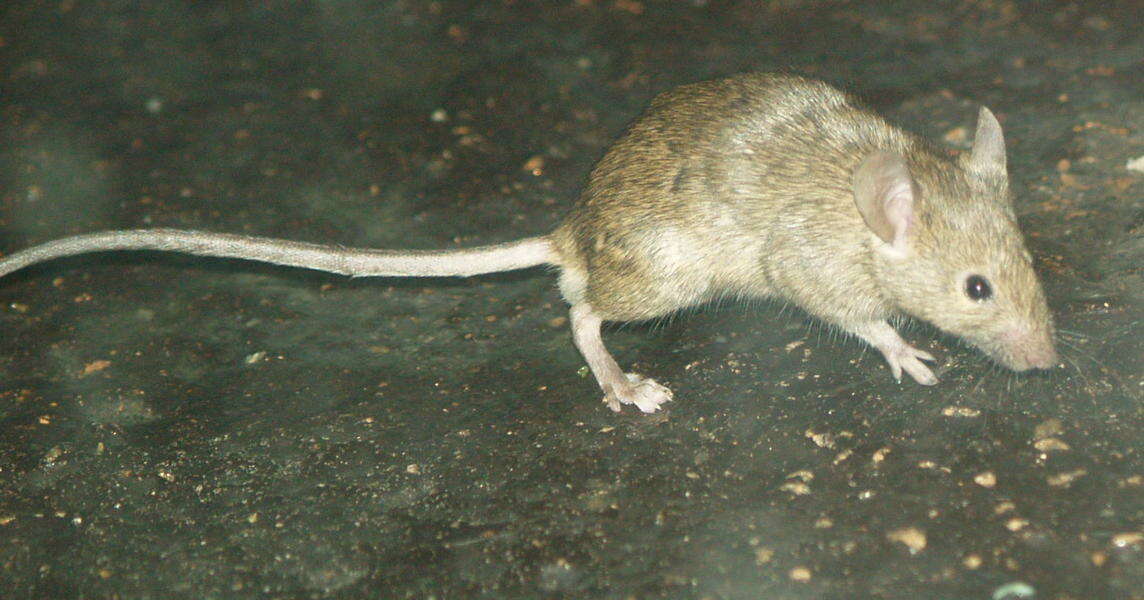
house mouse
species of mammal

walrus
The walrus (Odobenus rosmarus; plural walrus or walruses) is a large pinniped marine mammal with discontinuous distribution about the North Pole in the Arctic Ocean and subarctic seas of the Northern Hemisphere. It is the only extant species in the family Odobenidae and genus Odobenus. This species is subdivided into two subspecies: the Atlantic walrus (O. r. rosmarus), which lives in the Atlantic Ocean, and the Pacific walrus (O. r. divergens), which lives in the Pacific Ocean.
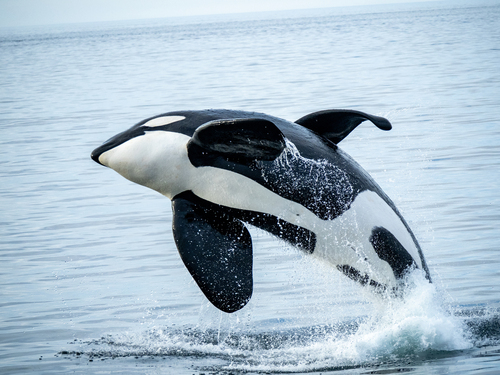
Orcinus orca
The orca (Orcinus orca), or killer whale, is a toothed whale and the largest member of the oceanic dolphin family. The only extant species in the genus Orcinus, it is recognizable by its distinct pigmentation; being mostly black on top, white on the bottom and having recognizable white eye patches. A cosmopolitan species, it inhabits a wide range of marine environments, from Arctic to Antarctic regions to tropical seas, but is more commonly documented in temperate or cooler coastal waters. Scientists have proposed dividing the global population into races, subspecies, or possibly even species.

Eurasian lynx
species of mammal

Balaenoptera musculus
species of marine mammal, largest living animal in the world
%202.jpg)
raccoon
The raccoon ( or , Procyon lotor), sometimes called the North American, northern or common raccoon (also spelled racoon) to distinguish it from other species of raccoon, is a mammal native to North America. It is the largest of the procyonid family, having a body length of , and a body weight of . Its grayish coat mostly consists of dense underfur, which insulates it against cold weather. The animal's most distinctive features include its extremely dexterous front paws, its facial mask, and its ringed tail, which are common themes in the mythologies of the Indigenous peoples of the Americas su
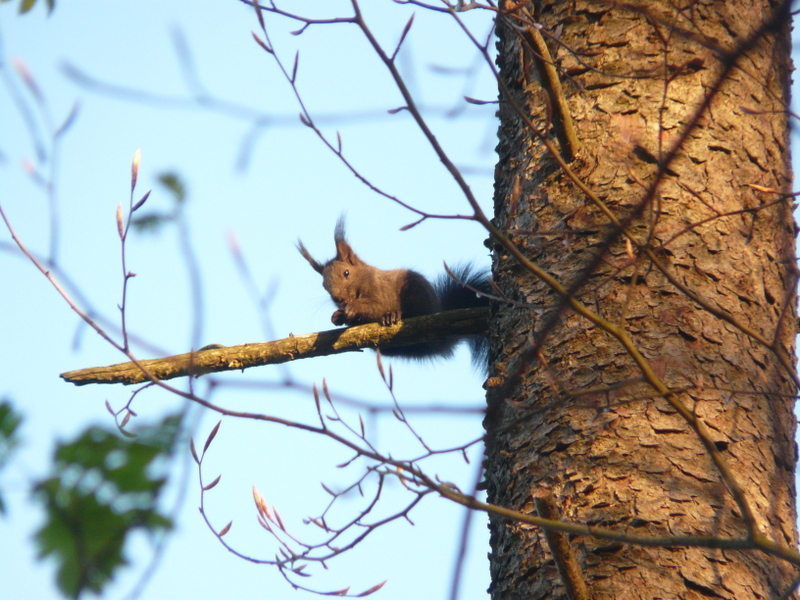
Eurasian Red Squirrel
species of tree squirrel common throughout Eurasia

red deer
species of mammal
guinea pig
domesticated rodent from South America
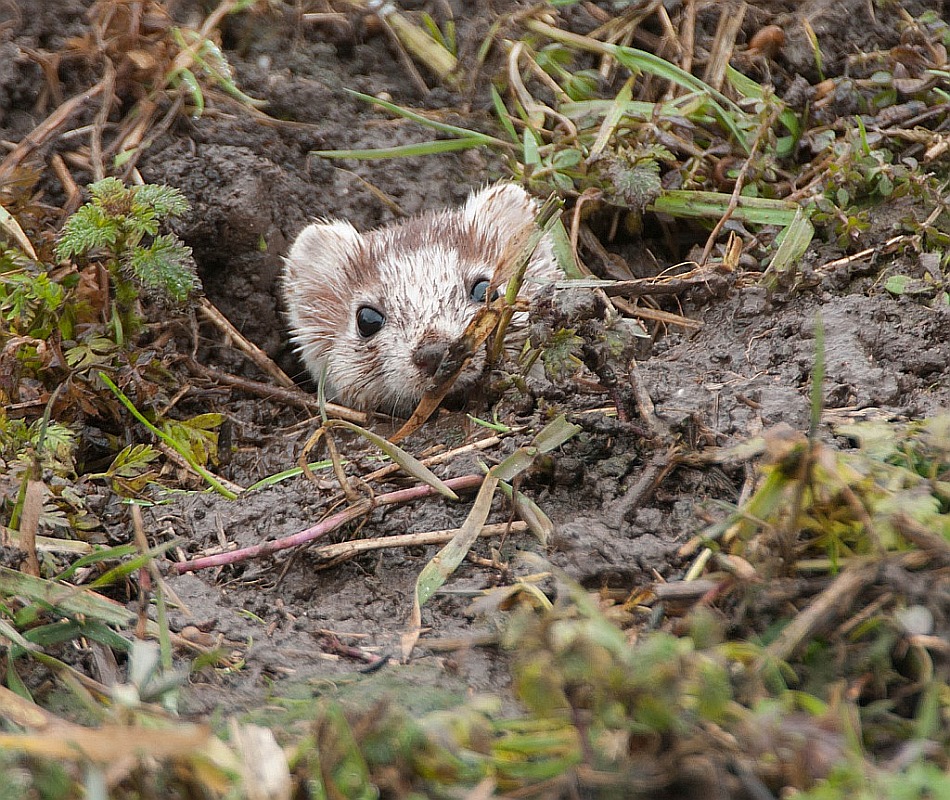
Mustela erminea
The stoat (Mustela erminea), also known as the Eurasian ermine or ermine, is a species of mustelid native to Eurasia and the northern regions of North America. Because of its wide circumpolar distribution, it is listed as Least Concern on the IUCN Red List. The name ermine () is used especially in its pure white winter coat of the stoat or its fur. Ermine fur was used in the 15th century by Catholic monarchs, who sometimes used it as the mozzetta cape. It has long been used on the ceremonial robes of members of the United Kingdom House of Lords. It was also used in capes on images such as the

roe deer
species of mammal

wolverine
The wolverine ( , ; Gulo gulo), also called the carcajou or quickhatch (from East Cree, kwiihkwahaacheew), is the largest land-dwelling member of the family Mustelidae. It is a muscular carnivore and a solitary animal. The wolverine has a reputation for ferocity and strength out of proportion to its size, with the documented ability to kill prey many times larger than itself.
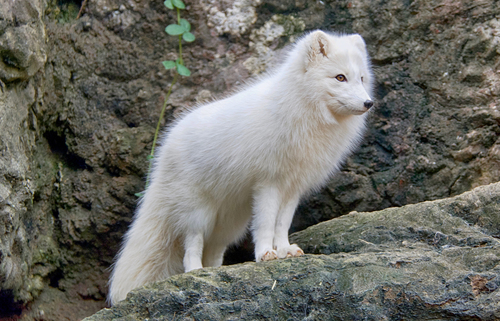
Vulpes lagopus
species of mammal
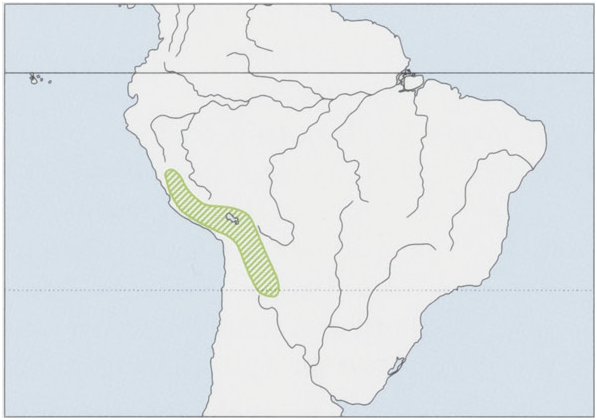
Lama glama
The llama (; or ) (Lama glama) is a domesticated South American camelid, widely used as a meat and pack animal by Andean cultures since the pre-Columbian era.
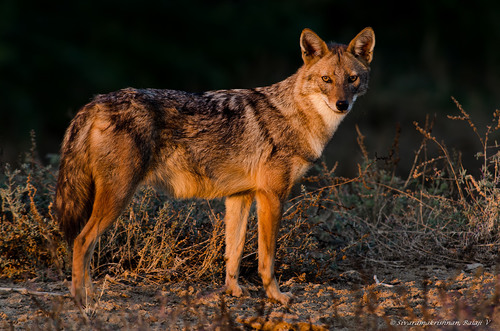
golden jackal
species of mammal

European Rabbit
species of lagomorphs (Lagomorpha)
jackal
Jackals are canids native to Africa and Eurasia. While the word has historically been used for many canines of the subtribe canina, in modern use it most commonly refers to three species: the closely related black-backed jackal (Lupulella mesomelas) and side-striped jackal (Lupulella adusta) of Central and Southern Africa, and the golden jackal (Canis aureus) of south-central Europe and Asia. The African golden wolf (Canis lupaster) was also formerly considered a jackal.
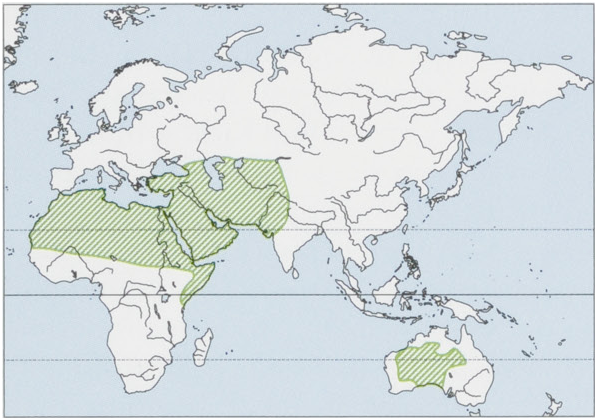
Camelus dromedarius
The dromedary (Camelus dromedarius), also known as the dromedary camel, Arabian camel and one-humped camel, is a large camel of the genus Camelus with one hump on its back. It is the tallest of the three camel species; adult males stand at the shoulder, while females are tall. Males typically weigh between , and females weigh between .
The dromedary's distinctive features include its long, curved neck, narrow chest, a single hump, and long hairs on the throat, shoulders, and hump. The coat is generally a shade of brown. The hump, tall or more, is made of fat bound together by fibrous tissue.
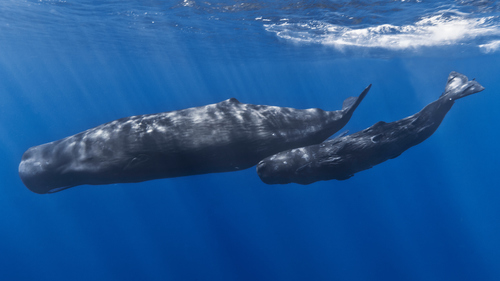
sperm whale
largest species of toothed whale
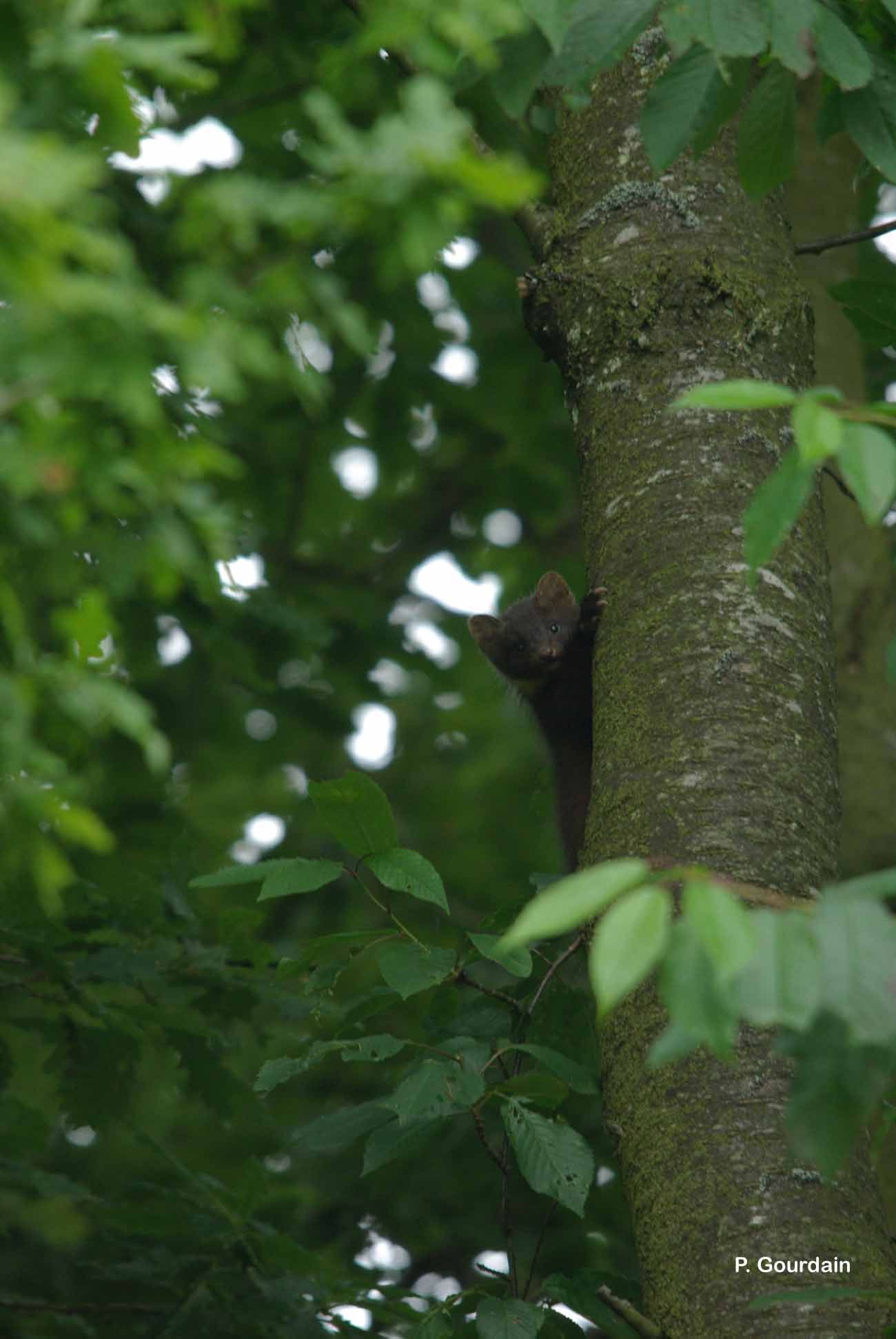
European pine marten
species of mammal

Sus
genus of mammals in the family Suidae

Camelus bactrianus
species of mammal
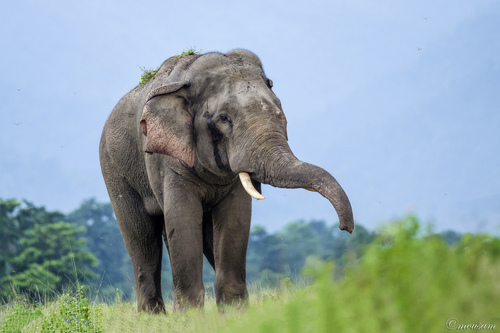
Asian elephant
species of mammal

Bison bonasus
species of mammal
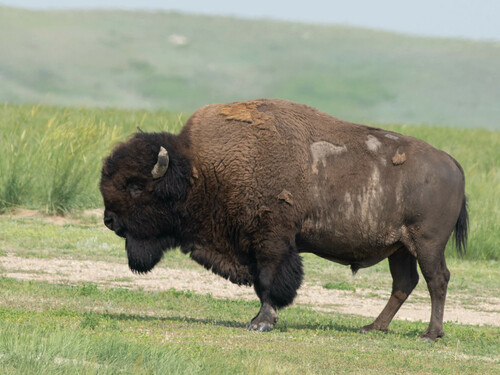
American bison
North American species of even-toed ungulates

ocelot
The ocelot (Leopardus pardalis) is a medium-sized spotted wild cat that reaches at the shoulders and weighs between on average. It is native to the southwestern United States, Mexico, Central and South America, and the Caribbean islands of Trinidad and Margarita. Carl Linnaeus scientifically described it in 1758. Two subspecies are recognized.

Bengal tiger
subspecies of tiger

narwhal
The narwhal (Monodon monoceros) is a species of toothed whale native to the Arctic. It is the only member of the genus Monodon and one of two living representatives of the family Monodontidae. The narwhal is a stocky cetacean with a relatively blunt snout, a large melon, and a shallow ridge in place of a dorsal fin. Males of this species have a spiralled tusk that is long, which is a protruding left canine thought to function as a weapon, a tool for feeding, in attracting mates or sensing water salinity. Specially adapted slow-twitch muscles, along with the jointed neck vertebrae and shallow d
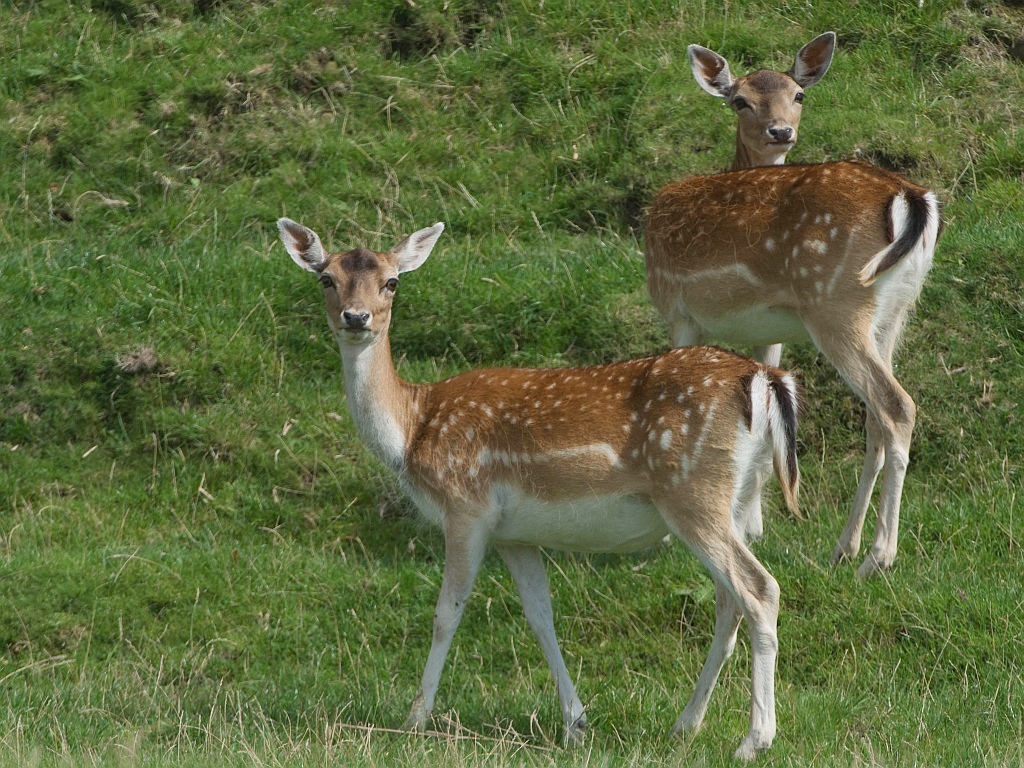
Dama dama
species of mammal
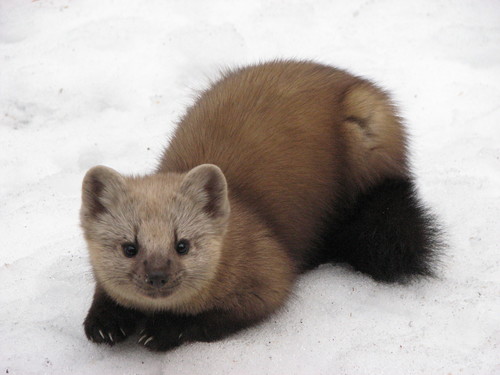
Martes zibellina
The sable (Martes zibellina) is a species of marten, a small omnivorous mammal primarily inhabiting the forest environments of Russia, from the Ural Mountains throughout Siberia, and northern Mongolia. Its habitat also borders eastern Kazakhstan, China, North Korea and Hokkaido, Japan.
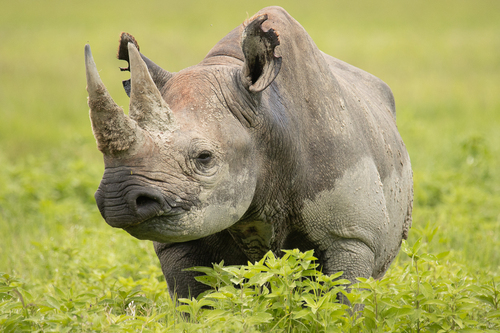
Diceros bicornis
species of mammal
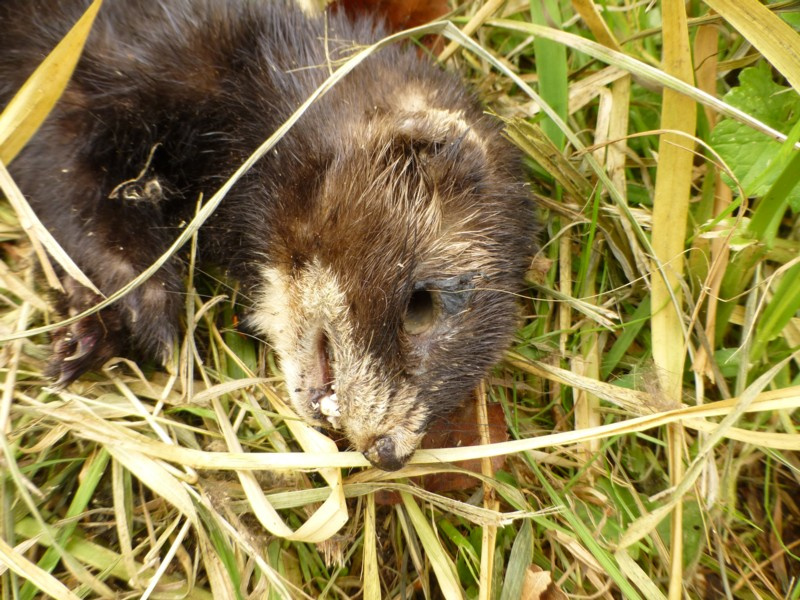
Mustela putorius
species of mustelid

Western European hedgehog
species of hedgehog found in northern and western Europe

chamois
The chamois (; ; Rupicapra rupicapra), or Alpine chamois, is a species of goat-antelope native to mountainous parts of Europe and Western Asia, from the Pyrenees, the Alps, the Apennines, the Dinarides, the Tatra to the Carpathian Mountains, the Balkan Mountains, the Rila–Rhodope massif, Pindus, the northeastern mountains of Turkey, and the Caucasus. It has also been introduced to the South Island of New Zealand. Some subspecies of chamois are strictly protected in the EU under the European Habitats Directive.
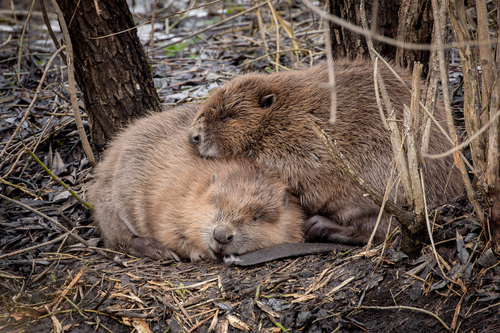
Castor fiber
species of beaver

zebu
The zebu (; Bos indicus), also known as indicine cattle and humped cattle, is a species or subspecies of domestic cattle originating in South Asia. Zebu, like many Sanga cattle breeds, differ from taurine cattle in the fatty hump on their shoulders, their large dewlap, and their sometimes-drooping ears. They are well adapted to high temperatures and are raised throughout the tropics.
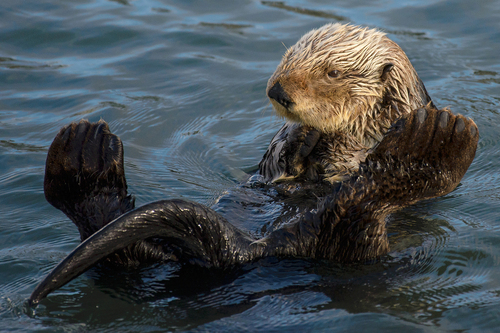
sea otter
species of marine mammal