Category
page 3Medicinal plants
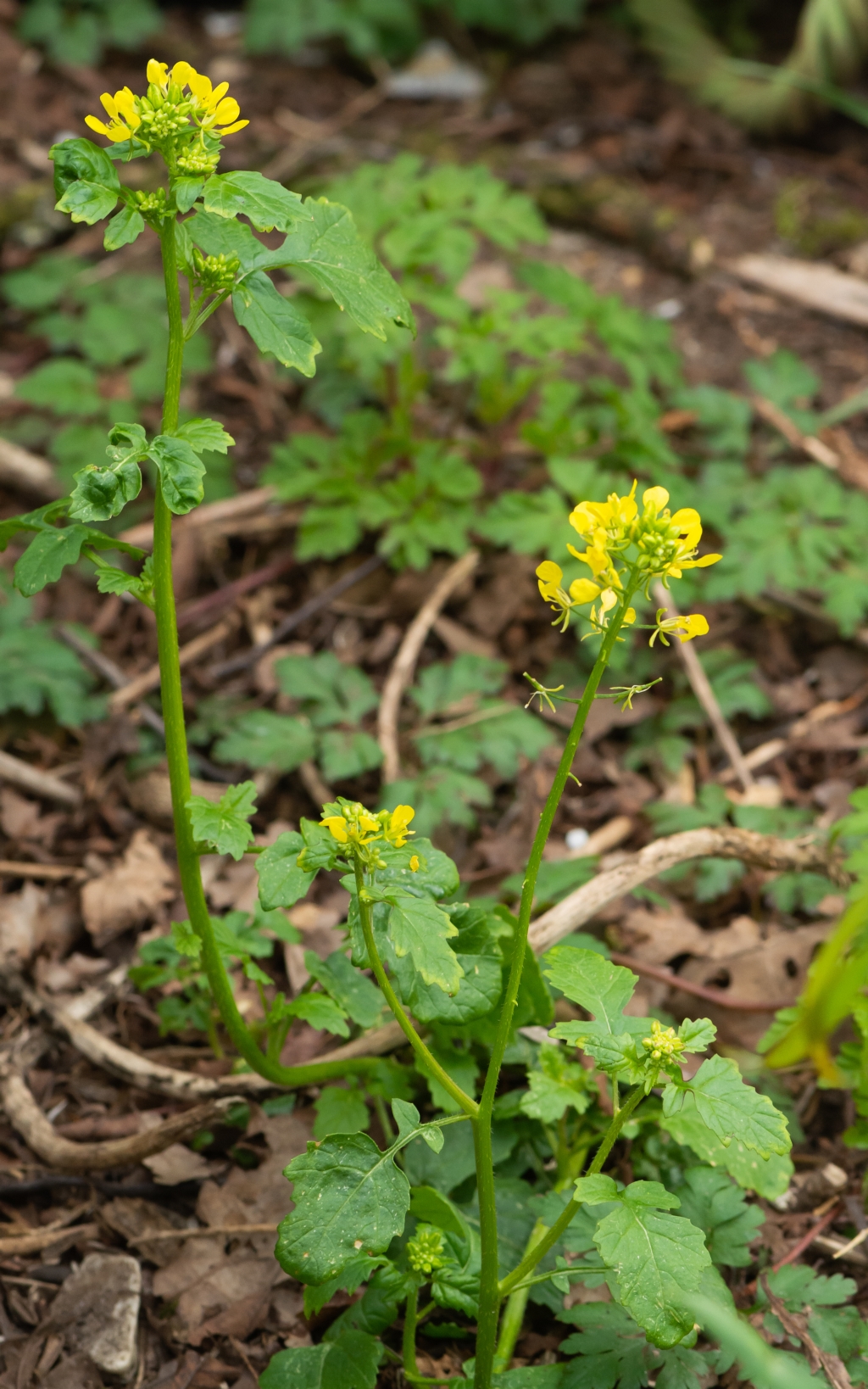
Sinapis alba
species of plant

blackberry
The blackberry is an edible fruit produced by many species in the genus Rubus in the family Rosaceae, hybrids among these species within the subgenus Rubus, and hybrids between the subgenera Rubus and Idaeobatus. The taxonomy of blackberries has historically been confused because of hybridization and apomixis so that species have often been grouped together and called species aggregates.

yerba mate
species of plant

Mentha pulegium
species of plant
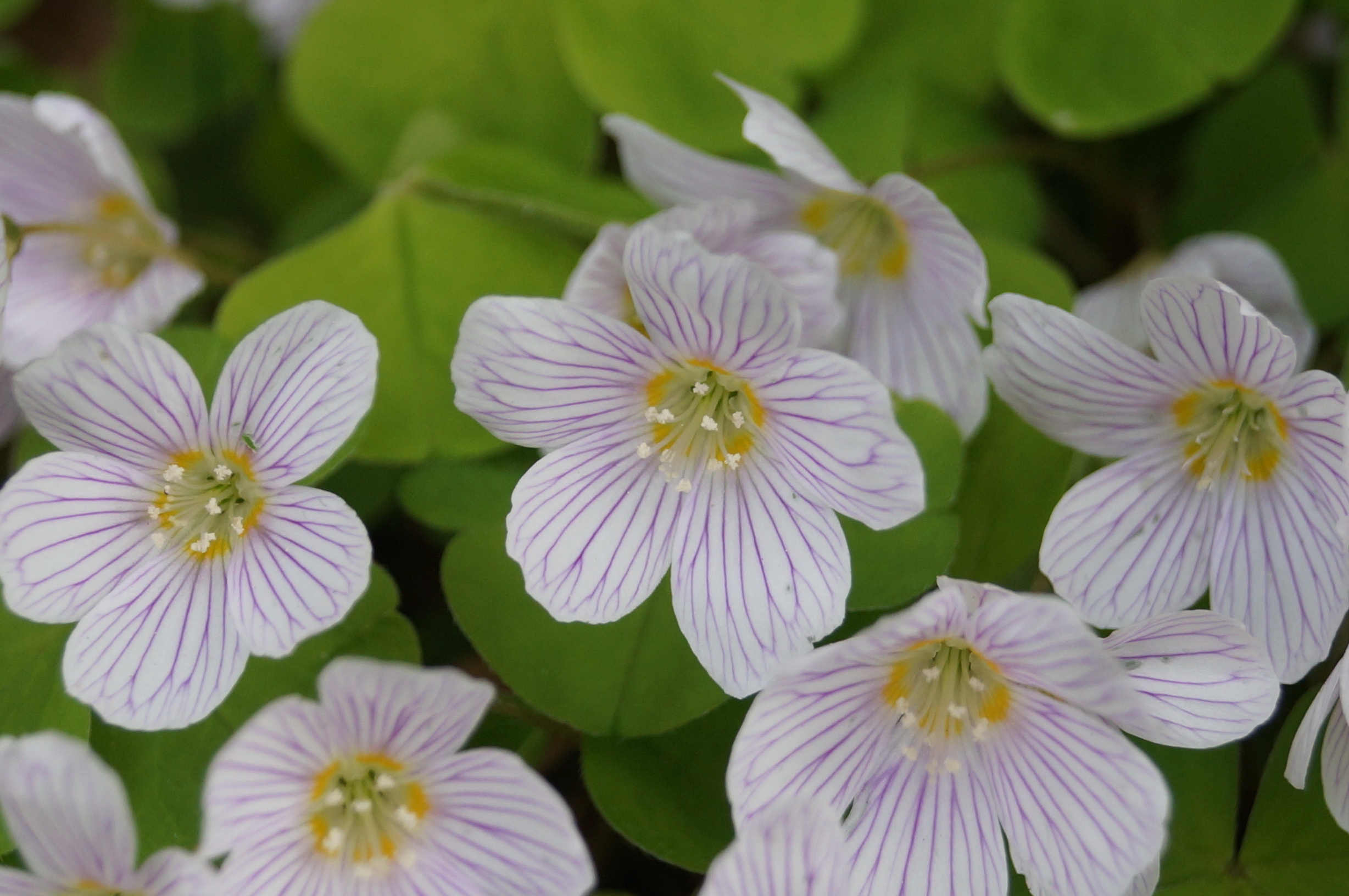
Oxalis acetosella
species of plant

Ephedra
genus of plants
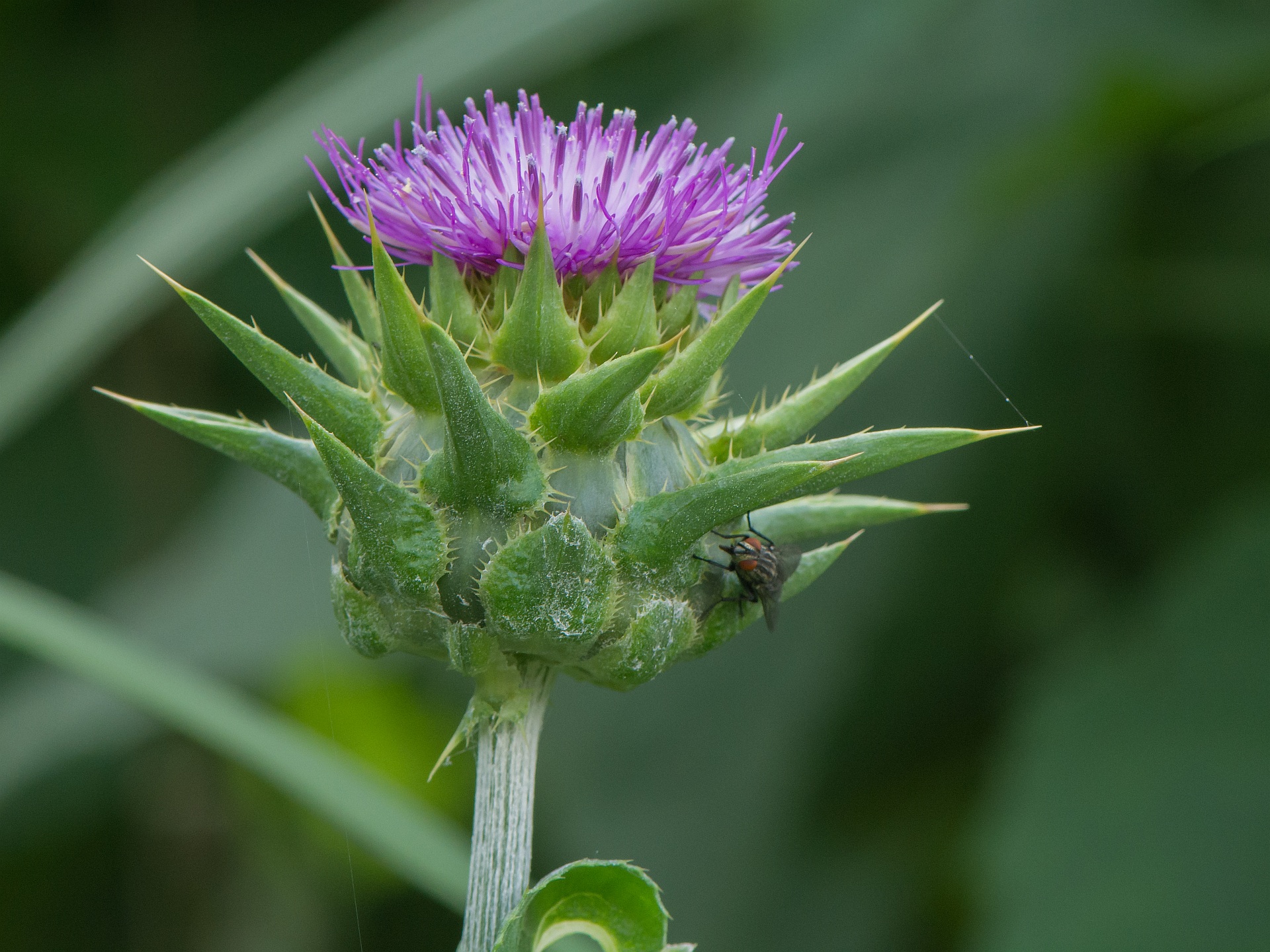
Silybum marianum
species of plant of genus Silybum in family Asteraceae
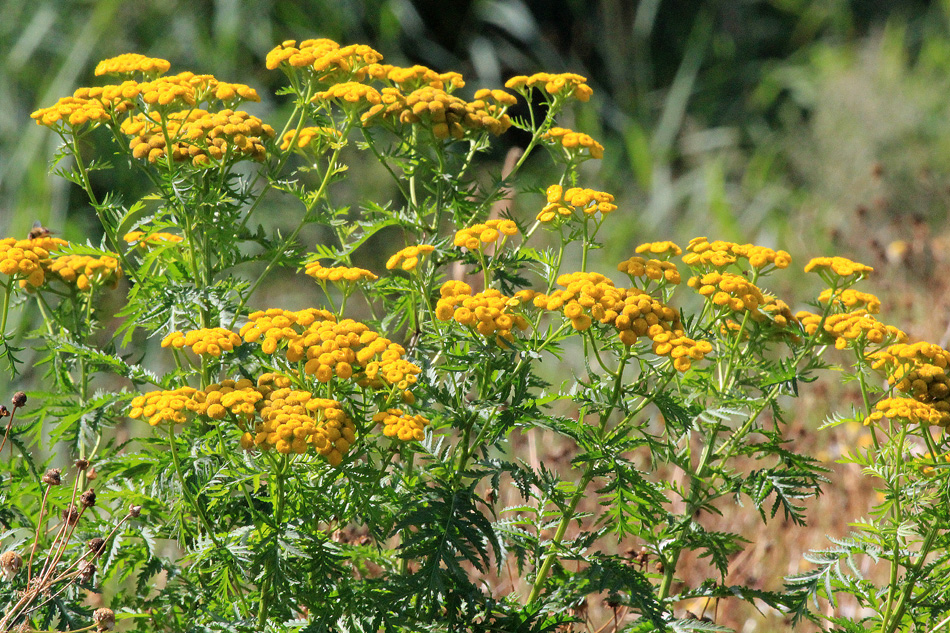
Tanacetum vulgare
thumb|240px|Illustration of a tansy
Tansy (Tanacetum vulgare) is a perennial, herbaceous flowering plant in the genus Tanacetum in the aster family, native to temperate Europe and Asia. It has been introduced to other parts of the world, including North America, and in some areas has become invasive. It is also known as common tansy, bitter buttons, cow bitter, or golden buttons. The Latin word vulgare means "common".

Melilotus officinalis
species of plant
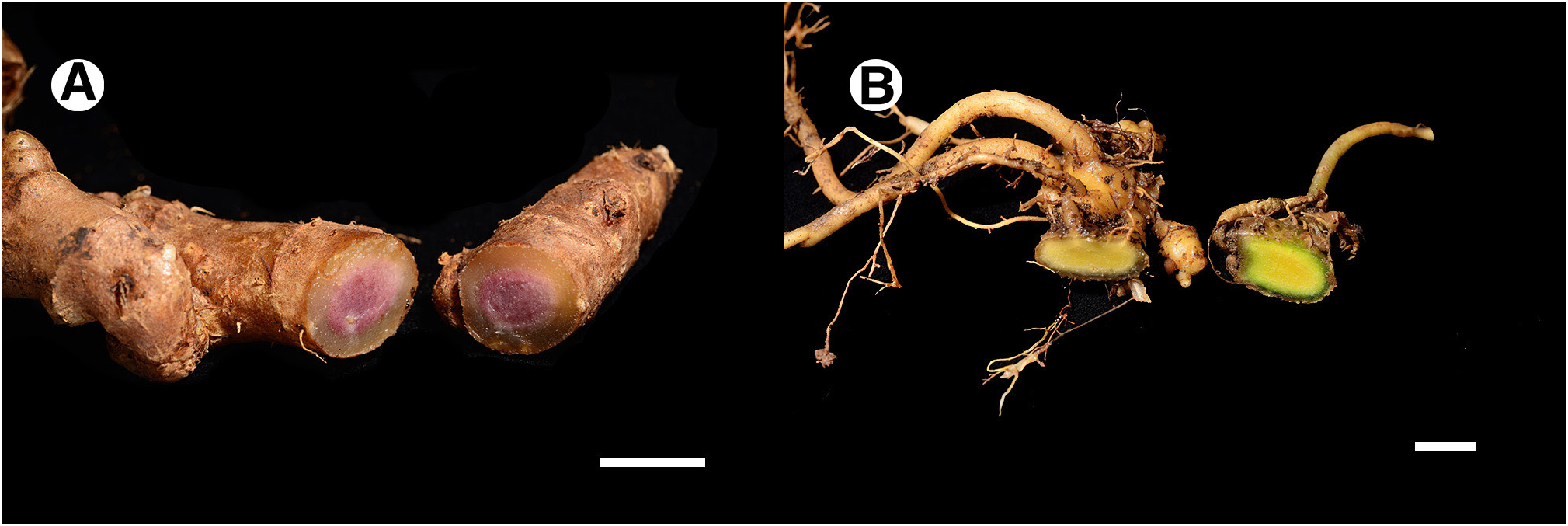
Zingiber
Zingiber is a genus of flowering plants in the family Zingiberaceae. It is native to China, the Indian subcontinent, New Guinea, and Southeast Asia, especially Thailand. It contains the true gingers, plants grown the world over for their culinary value. The most well known species are Z. officinale and Z. mioga, two garden gingers. The genus name comes from Latin borrowing the Tamil name for the first species.
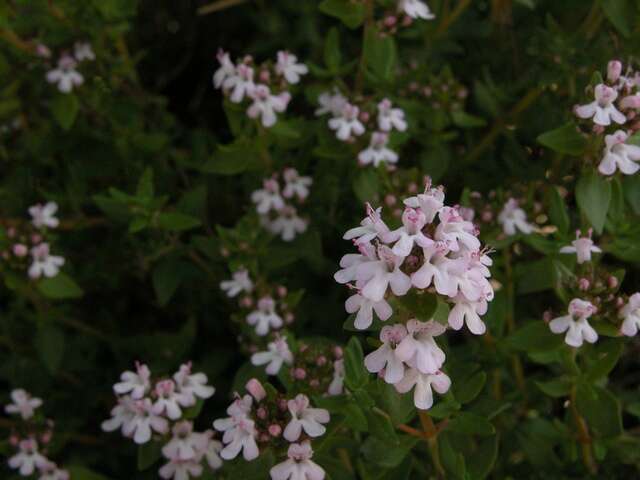
Thymus vulgaris
species of plant
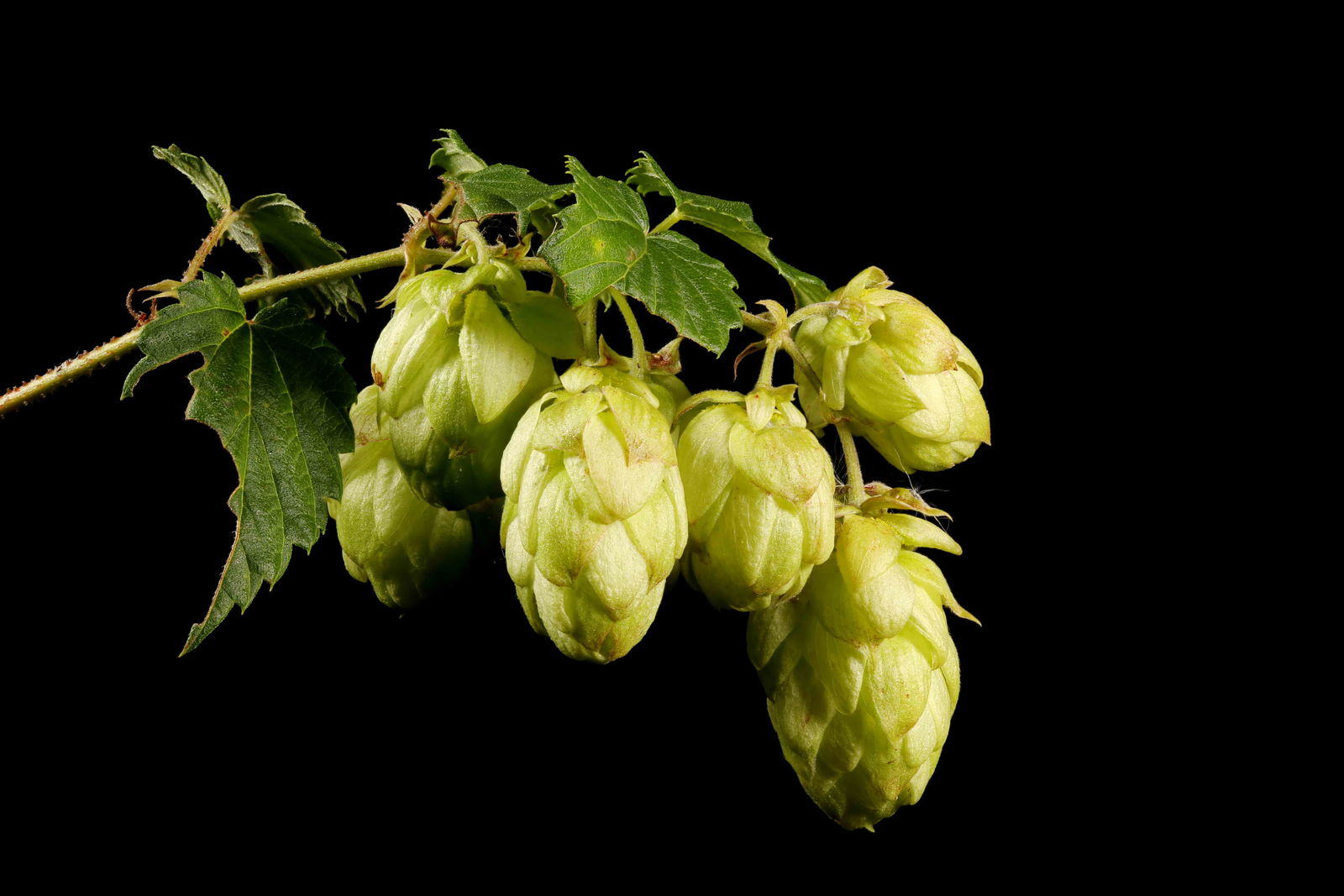
Humulus
Humulus, or hop, is a small genus of flowering plants in the family Cannabaceae. The hop is native to temperate regions of the Northern Hemisphere. Hops are the female flowers (seed cones, strobiles) of the hop species H. lupulus; as a main flavor and aroma ingredient in many beer styles, H. lupulus is widely cultivated for use by the brewing industry.

Levisticum officinale
Lovage ( ; Levisticum officinale) is a perennial plant, the sole species in the genus Levisticum in the family Apiaceae, subfamily Apioideae. It is native to Afghanistan and Iran.
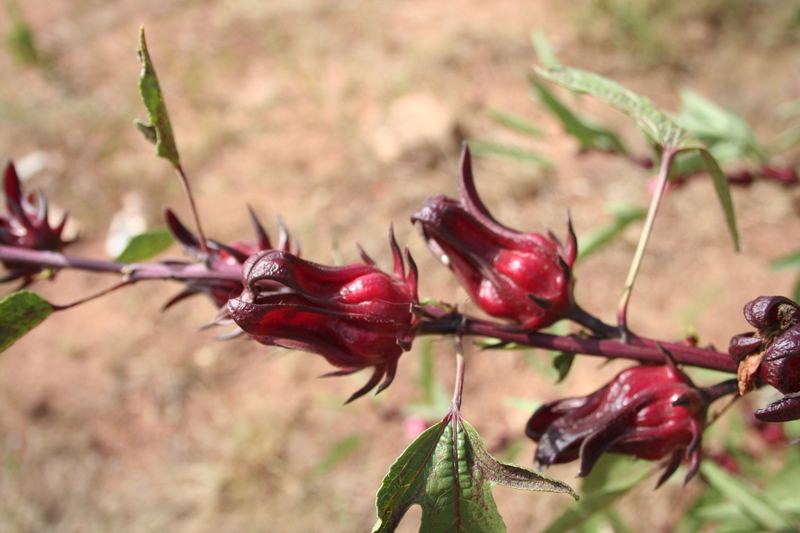
Hibiscus sabdariffa
species of plant, Roselle

Ranunculus repens
species of plant
Verbascum
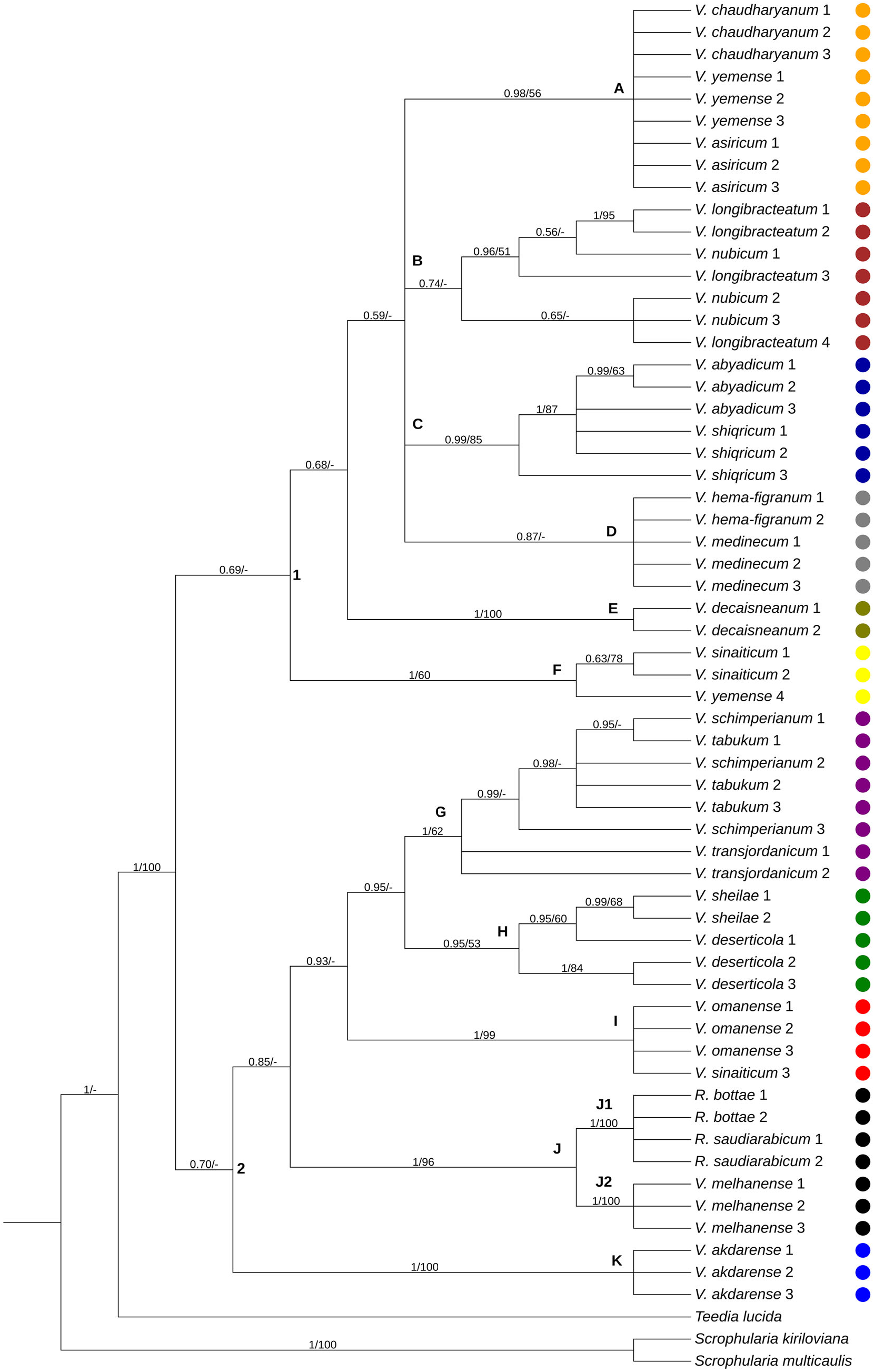
Verbascum is a genus of over 450 species of flowering plants, common name mullein (), in the figwort family Scrophulariaceae. They are native to Europe and Asia, with the highest species diversity in the Mediterranean.

Salvia hispanica
species of plant
Kalanchoe pinnata
succulent plant native to Madagascar

Rhamnus cathartica
species of plant
Verbascum thapsus
species of the plant genus Verbascum
Annonaceae
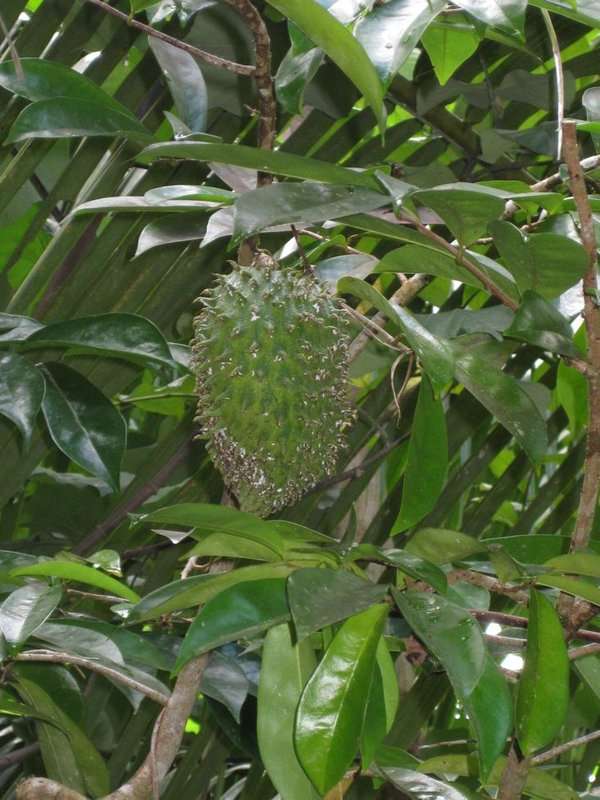
The Annonaceae are a family of flowering plants consisting of trees, shrubs, or rarely lianas commonly known as the custard apple family or soursop family. With 108 accepted genera and about 2400 known species, it is the largest family in the Magnoliales. Several genera produce edible fruit, most notably Annona, Anonidium, Asimina, Rollinia, and Uvaria. Its type genus is Annona. The family is concentrated in the tropics, with few species found in temperate regions. About 900 species are Neotropical, 450 are Afrotropical, and the remaining are Indomalayan.

Myrtus
thumb|Myrtus communis – MHNT

Syringa vulgaris
species of flowering plant
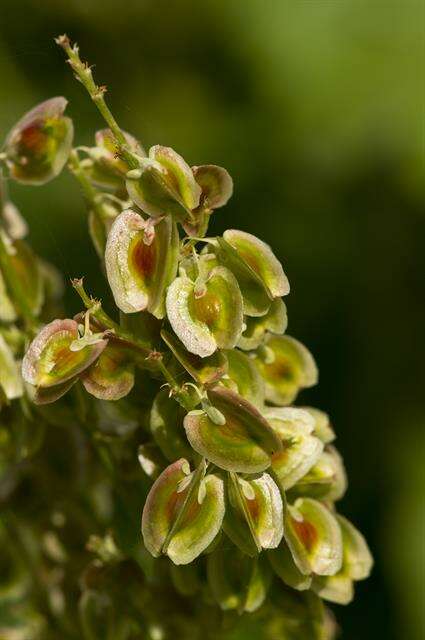
rhubarb
Rhubarb is the fleshy, edible stalks (petioles) of species and hybrids (culinary rhubarb) of Rheum in the family Polygonaceae, which are cooked and used for food. The plant is a herbaceous perennial that grows from short, thick rhizomes. Historically, different plants have been called "rhubarb" in English. The large, triangular leaves contain high levels of oxalic acid and anthrone glycosides, making them poisonous and therefore inedible. The small flowers are grouped in large compound leafy greenish-white to rose-red inflorescences.

Sedum
Sedum is a large genus of flowering plants in the family Crassulaceae, members of which are commonly known as stonecrops. The genus has been described as containing up to 600 species, subsequently reduced to 400–500. They are leaf succulents found primarily in the Northern Hemisphere, but extending into the southern hemisphere in Africa and South America. The plants vary from annual and creeping herbs to shrubs. The plants have water-storing leaves. The flowers usually have five petals, seldom four or six. There are typically twice as many stamens as petals. Various species formerly classified

Verbena officinalis
species of plant, herb

Verbena
Verbena (), also known as vervain or (in obsolete spelling) verveine, is a genus in the family Verbenaceae. It contains about 150 species of annual and perennial herbaceous or semi-woody flowering plants. The majority of the species are native to the Americas and Asia; however, Verbena officinalis, the common vervain or common verbena, is the type species and native to Europe.
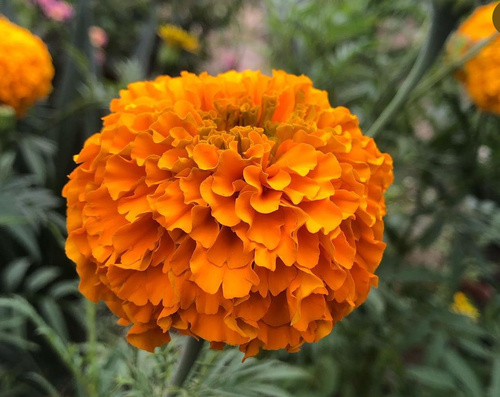
Tagetes erecta
species of plant
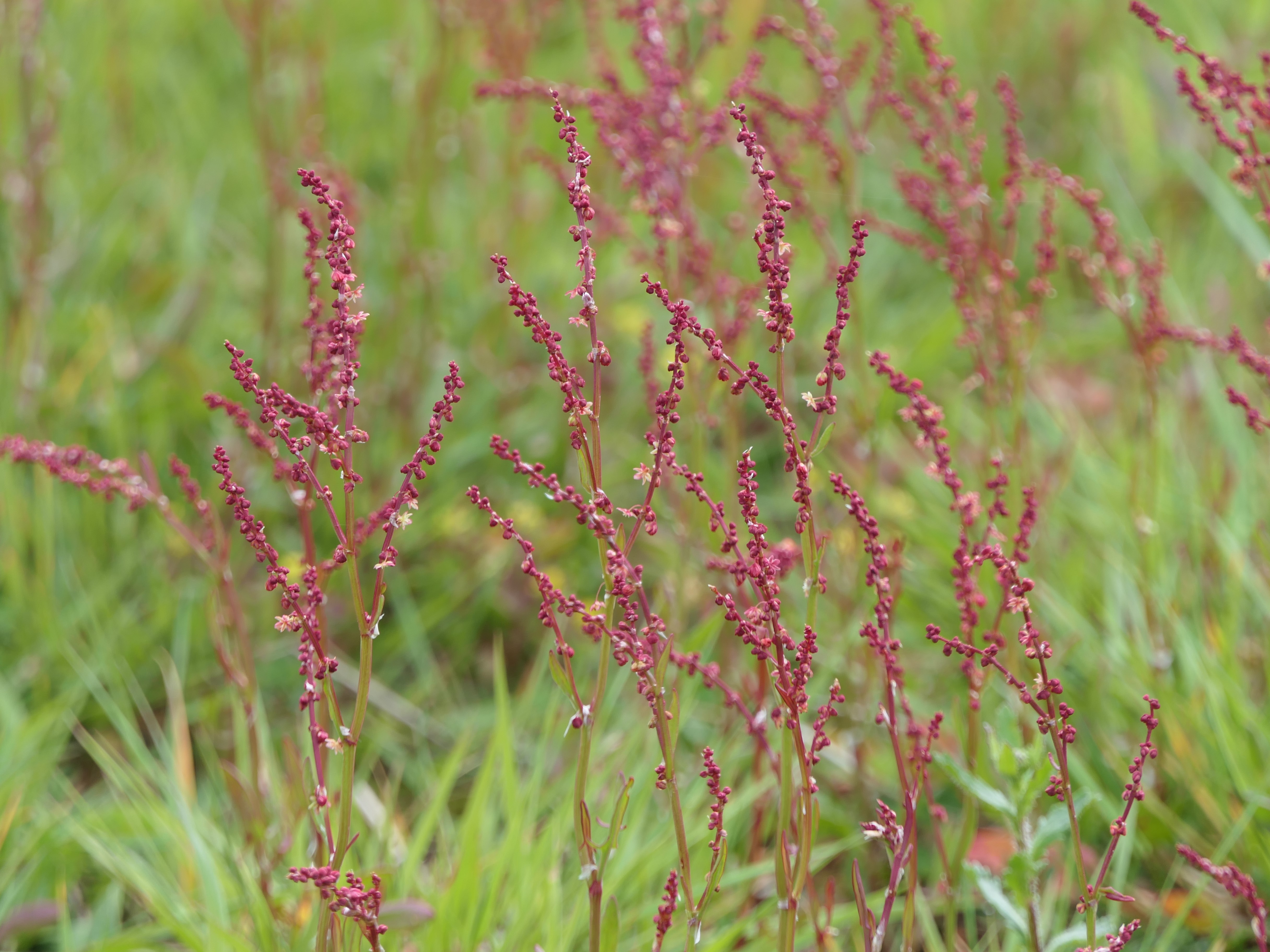
Rumex acetosella
species of plant
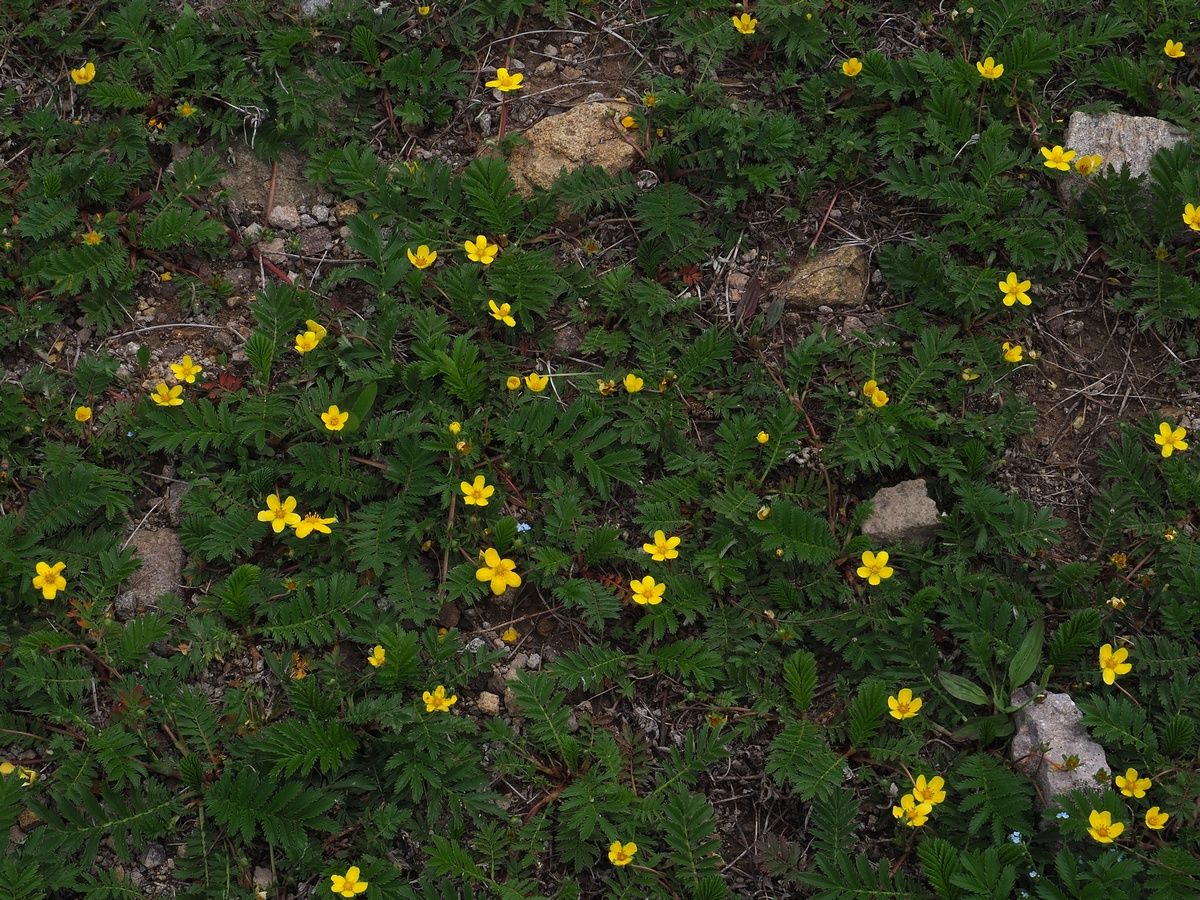
Argentina anserina
species of plant
Ipomoea
thumb|right|Flower and leaf of Ipomoea barbatisepala
thumb|Fruit and seed of Ipomoea setosa
thumb|right|Whitestar potato Ipomoea lacunosa
thumb|right|Flowering Ipomoea holubii with a thick caudex
thumb|right|Ipomoea pes-caprae growing in sand in Oman
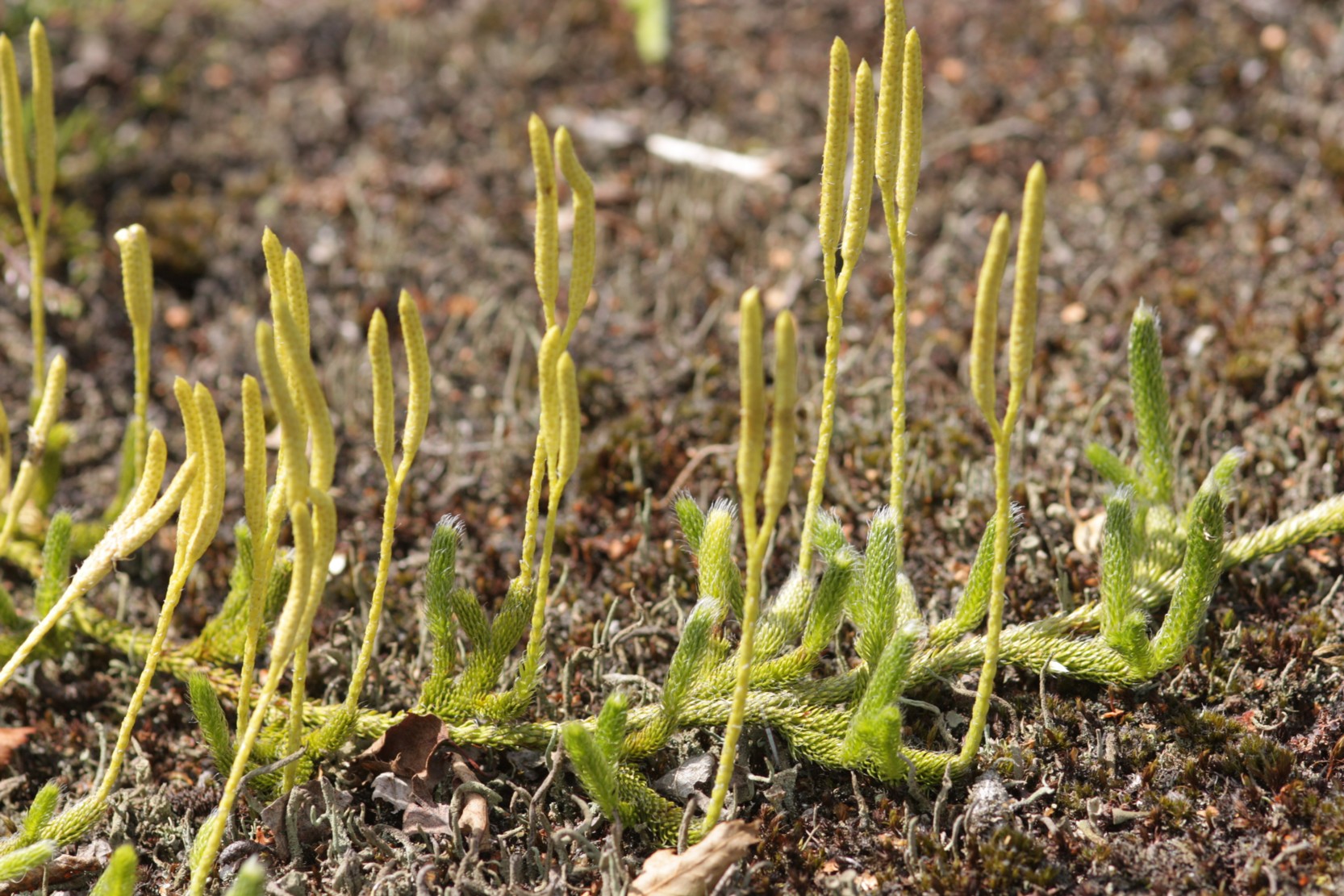
Lycopodium clavatum
species of plant
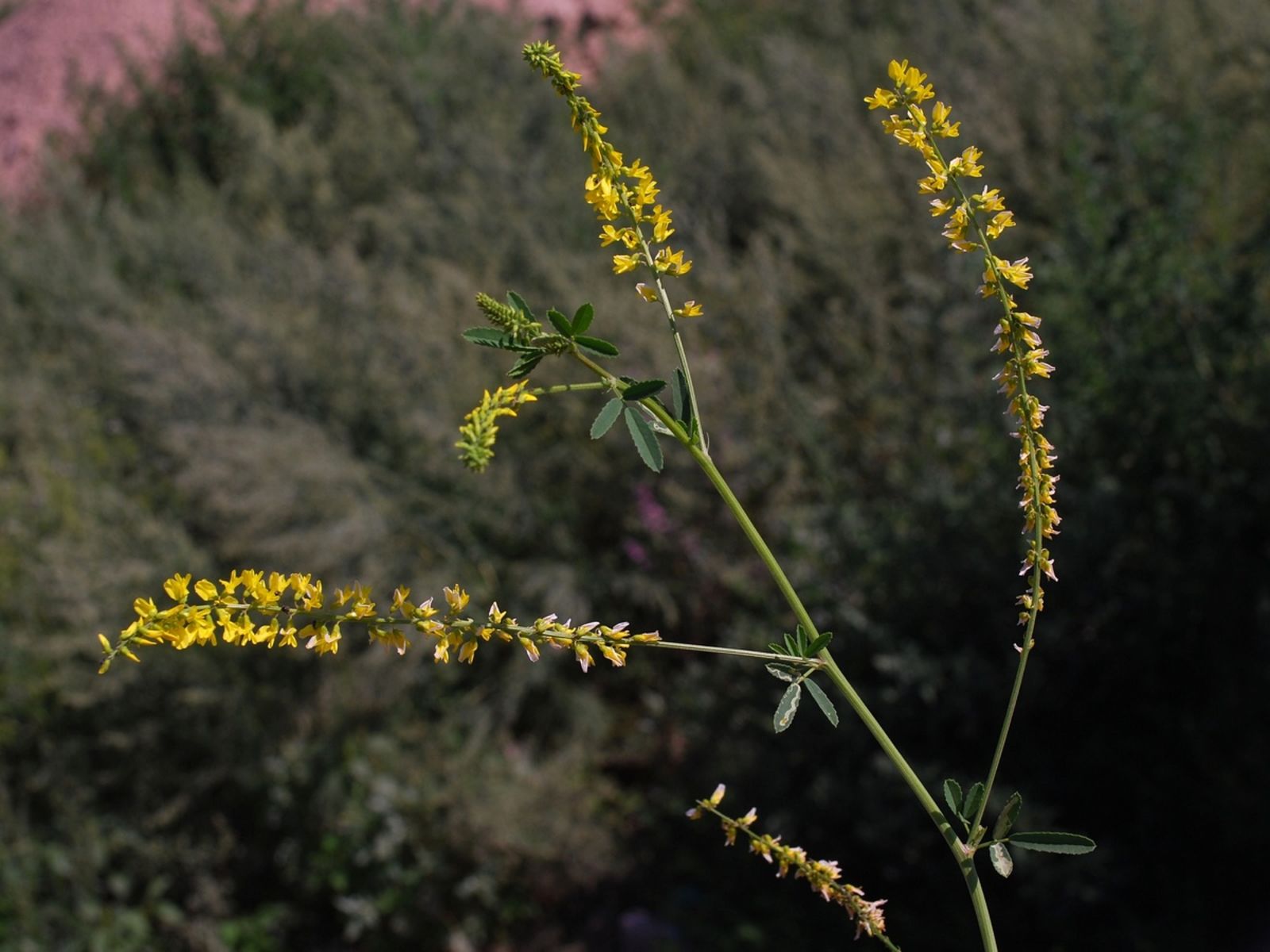
Melilotus
thumb|Melilotus albus
Melilotus, known as melilot or sweet clover is a genus of legumes in the family Fabaceae, native to Europe, Asia, and Africa. The genus is closely related to Trifolium (clovers). Several species are common grassland plants and weeds of cultivated ground, and some species are now found worldwide as naturalised plants.

Platycladus orientalis
species of plant
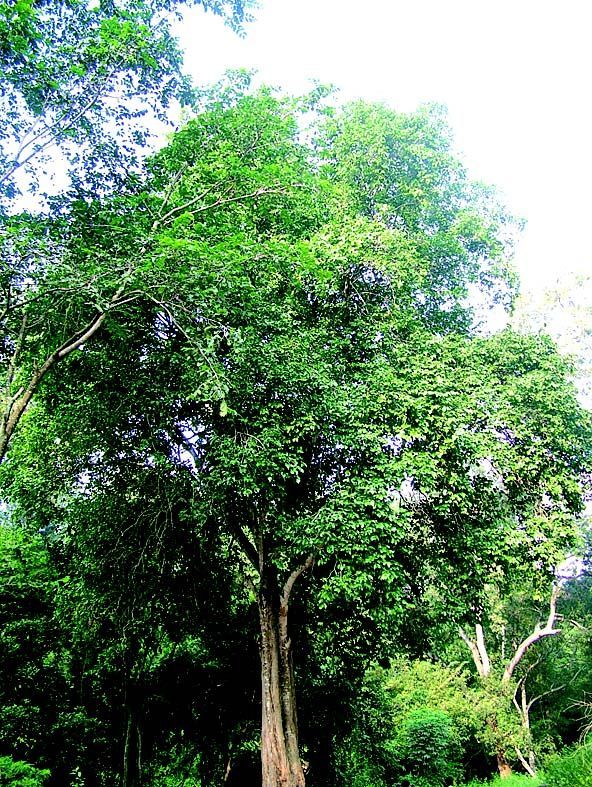
Strychnos nux-vomica
species of plant

Piper methysticum
Kava or kava kava (Piper methysticum: Latin 'pepper' and Latinized Greek 'intoxicating') is a plant in the pepper family, native to the Pacific Islands. The name kava is from Tongan and Marquesan, meaning 'bitter'. Kava can refer to either the plant or a psychoactive beverage made from its root. The beverage is a traditional ceremonial and recreational drink from Polynesia, Micronesia, and Melanesia. Nakamals and kava bars exist in many countries. Traditional kava is made by grinding fresh or dried kava root, mixing it with water or coconut milk, and straining it into a communal bowl. Outside

Rhodiola rosea
species of plant
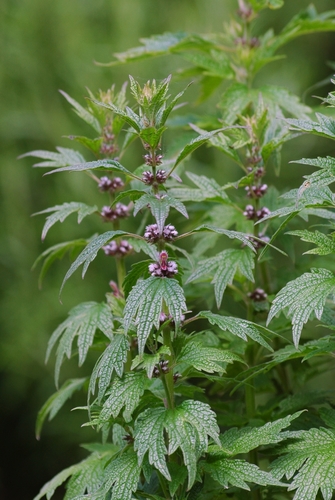
Leonurus cardiaca
species of plant

Hyssopus officinalis
species of plant

Pandanus
Pandanus is a genus of monocots with about 578 accepted species. They are palm-like, dioecious trees and shrubs native to the Old World tropics and subtropics. Common names include pandan, screw palm and screw pine. The genus is classified in the order Pandanales, family Pandanaceae, and is the largest in the family.
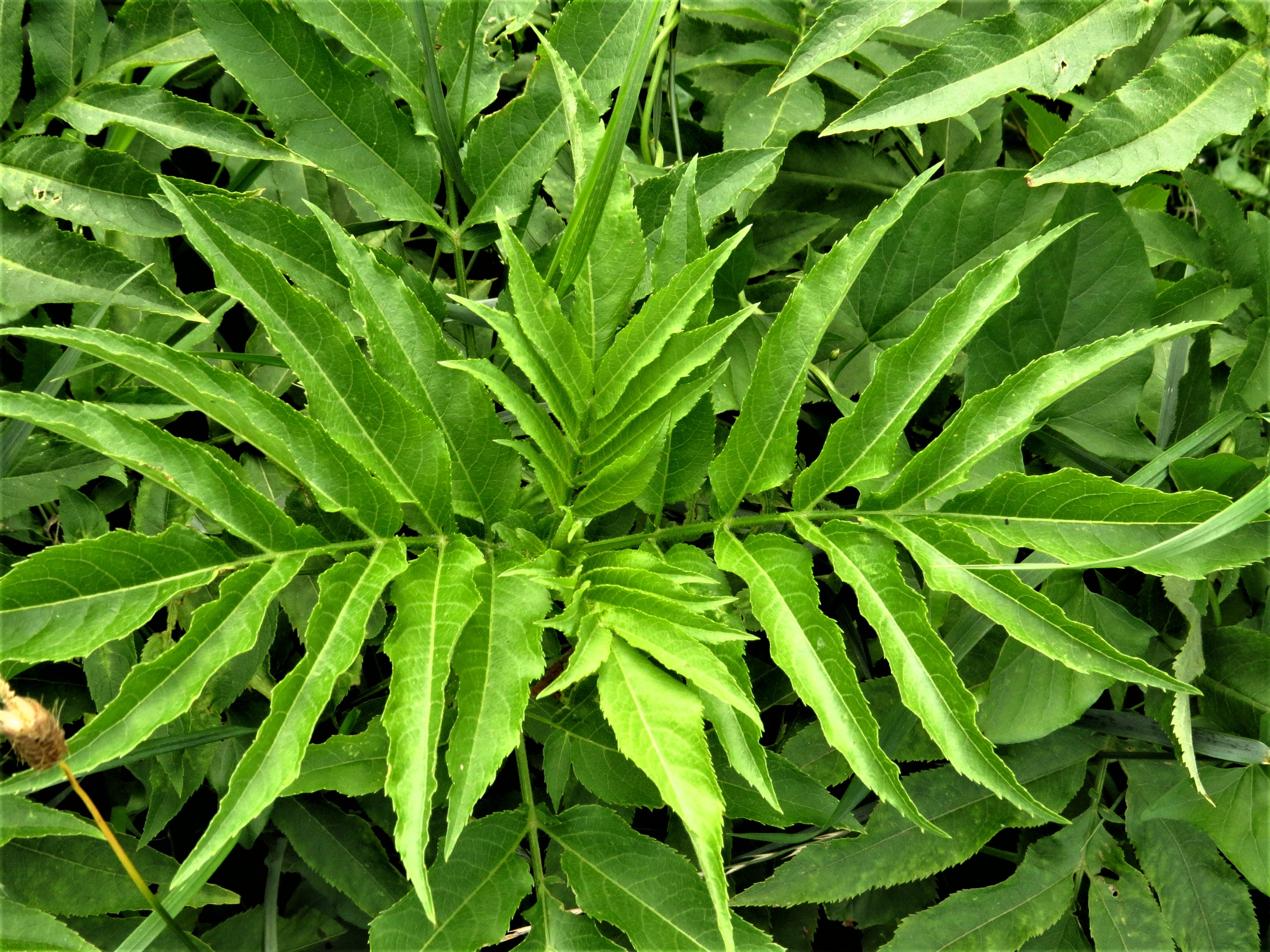
Sambucus ebulus
species of plant, danewort

Ficaria verna
species of plant

Barbados nut
species of plant

Scutellaria
Scutellaria is a genus of flowering plants in the mint family, Lamiaceae. They are known commonly as skullcaps. The generic name is derived from the Latin scutella, meaning "a small dish, tray or platter", or "little dish", referring to the shape of the calyx. The common name alludes to the resemblance of the same structure to "miniature medieval helmets". The genus has a subcosmopolitan distribution, with species occurring nearly worldwide, mainly in temperate regions.

Colchicum
Colchicum ( or ) is a genus of perennial flowering plants containing around 160 species which grow from bulb-like corms. It is a member of the botanical family Colchicaceae, and is native to West Asia, Europe, parts of the Mediterranean coast, down the East African coast to South Africa and the Western Cape. In this genus, the ovary of the flower is underground. As a consequence, the styles are extremely long in proportion, often more than . All species in the genus are toxic.

Agrimonia
Agrimonia (from the Greek ), commonly known as agrimony, is a genus of 12–15 species of perennial herbaceous flowering plants in the family Rosaceae, native to the temperate regions of the Northern Hemisphere, with one species also in Africa. The species grow to between tall, with interrupted pinnate leaves, and tiny yellow flowers borne on a single (usually unbranched) spike.
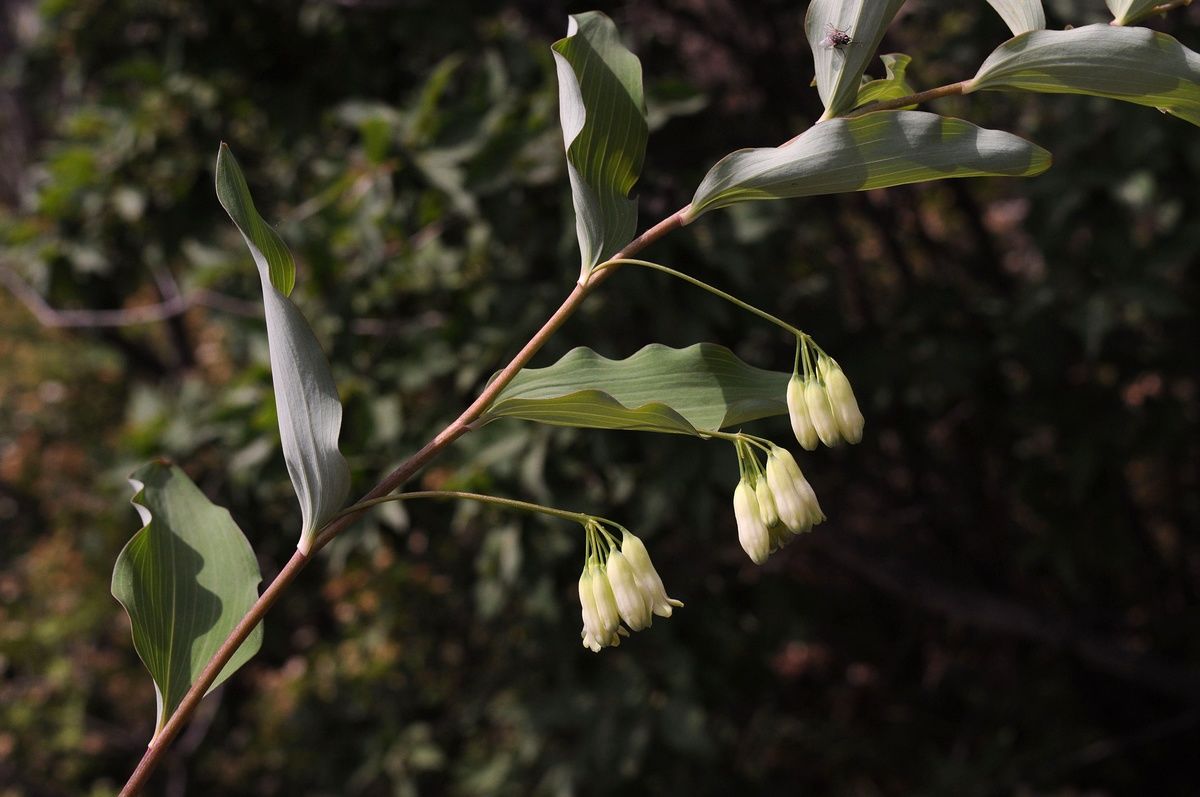
Polygonatum
Polygonatum , also known as '''King Solomon's-seal, Solomon's seal, or sealwort''', is a genus of flowering plants. In the APG III classification system, it is placed in the family Asparagaceae, subfamily Convallarioideae (formerly the family Ruscaceae). It has also been classified in the former family Convallariaceae and, like many lilioid monocots, was formerly classified in the lily family, Liliaceae. The genus is distributed throughout the temperate Northern Hemisphere. Most of the approximately 63 species occur in Asia, with 20 endemic to China.
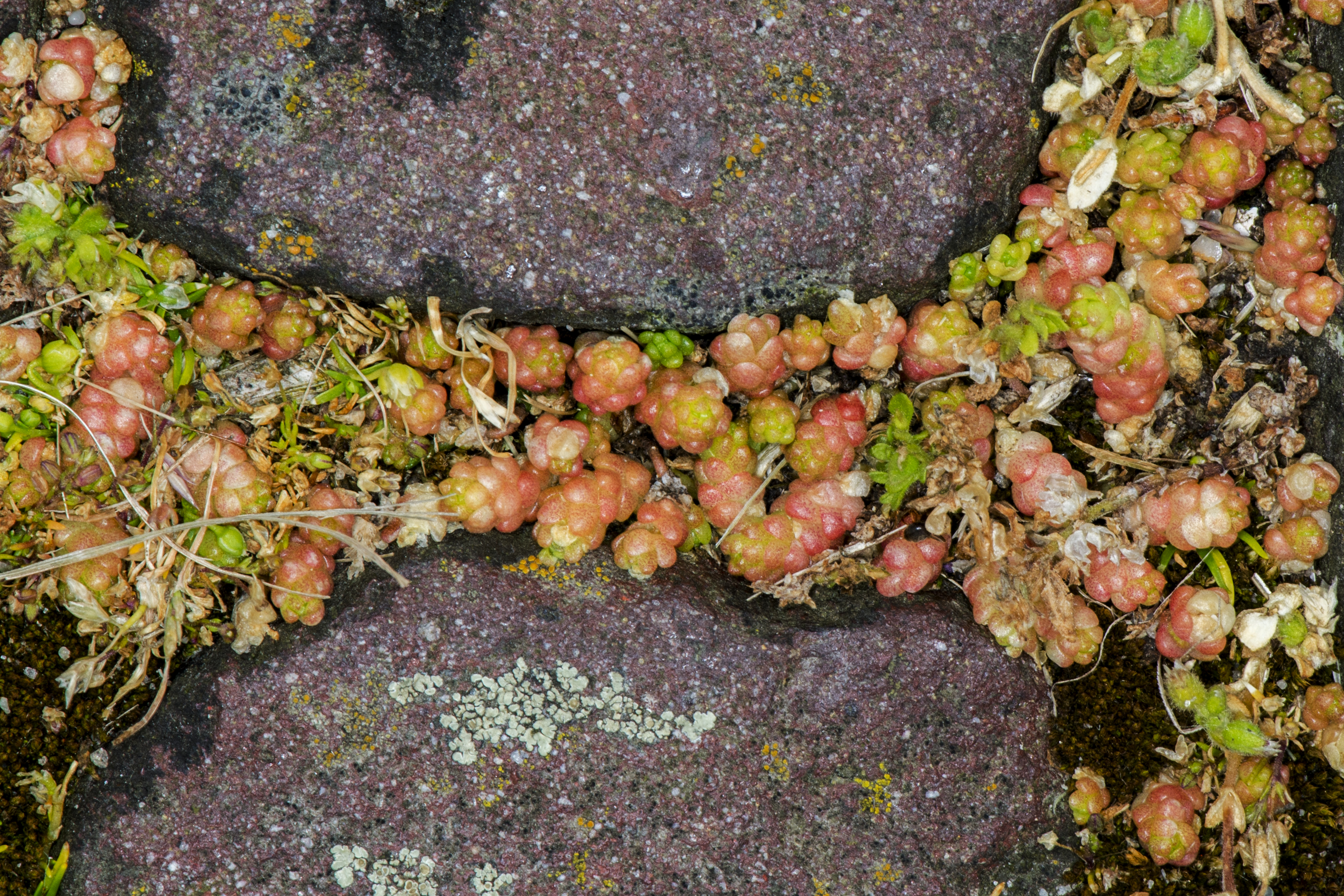
Sedum acre
species of plant

Marrubium vulgare
species of plant
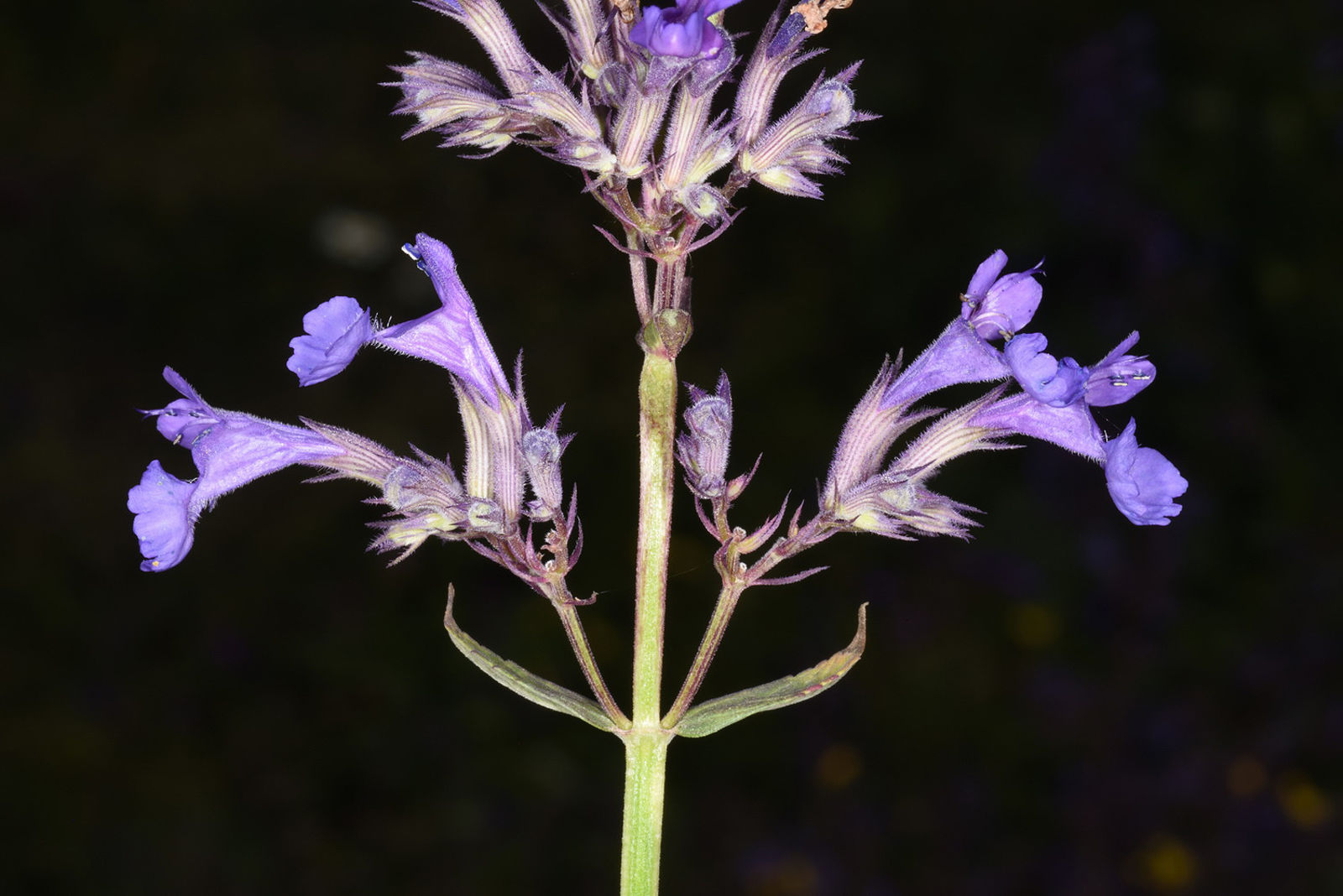
Nepeta
Nepeta is a genus of flowering plants in the family Lamiaceae. The genus name, from Latin (“catnip”), is reportedly in reference to Nepete, an ancient Etruscan city. There are 295 accepted species.
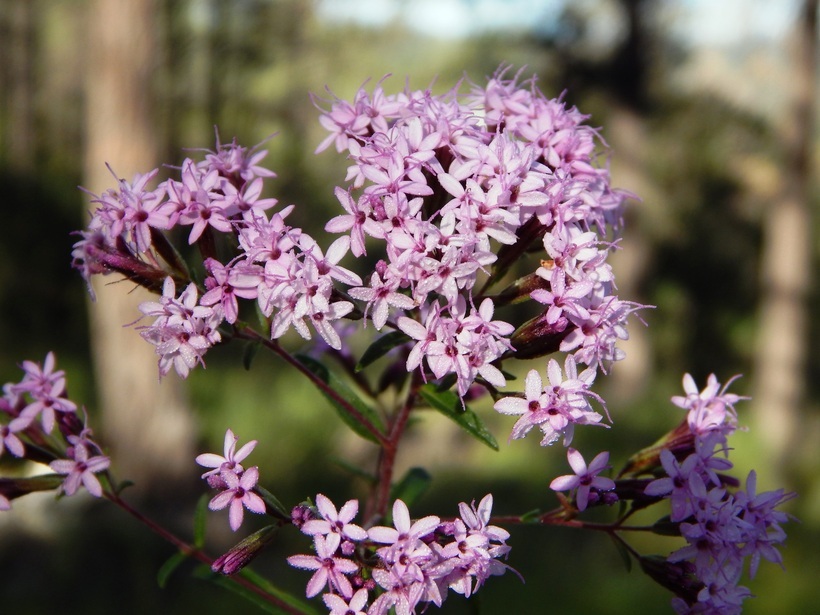
Stevia
genus of plants

Daphne
genus of plants
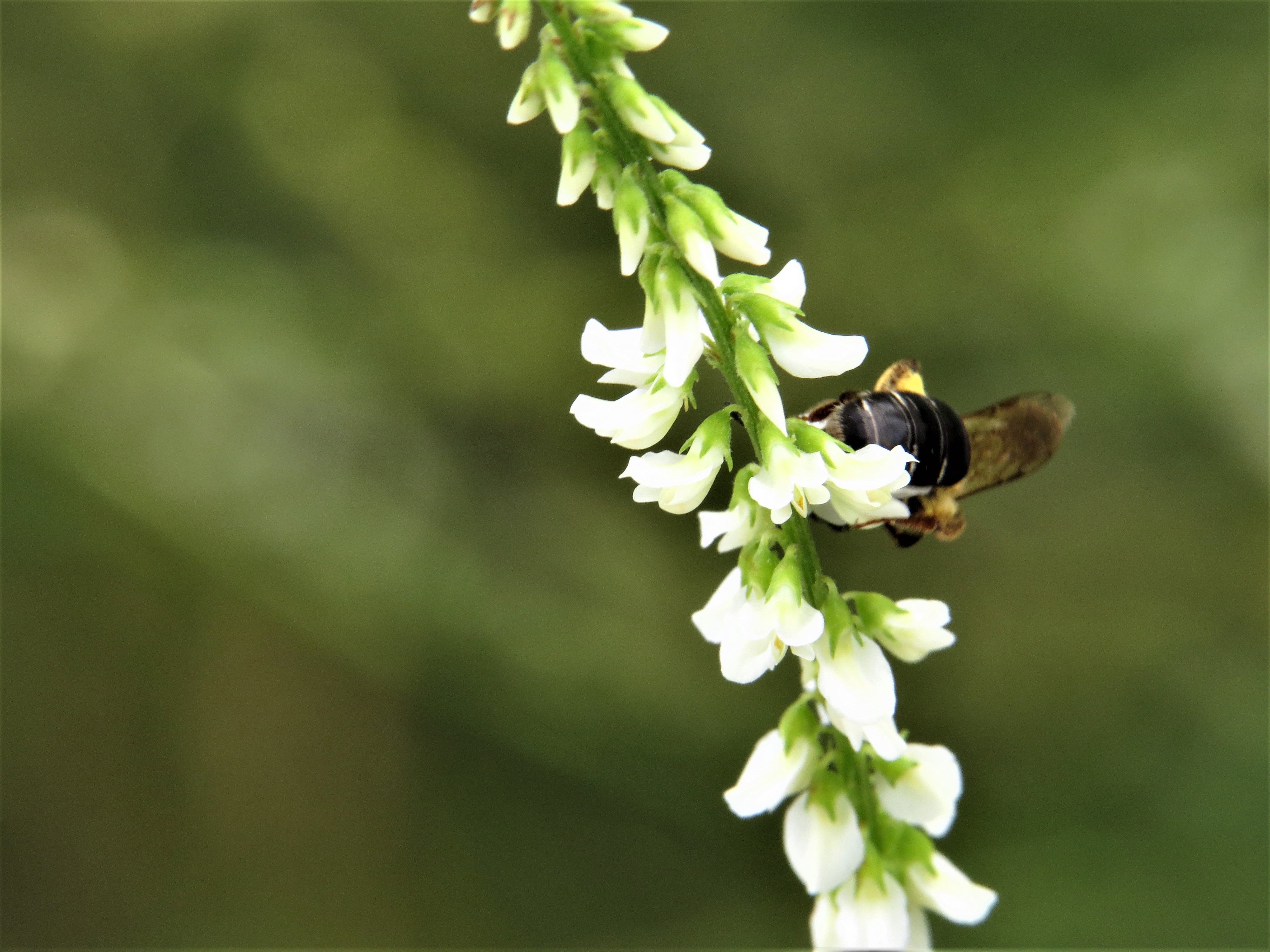
Melilotus albus
species of plant

Aristolochia
Aristolochia () is a large plant genus with over 500 species that is the type genus of the family Aristolochiaceae. Its members are commonly known as birthwort, pipevine or '''Dutchman's pipe' and are widespread and occur in diverse climates. Some species, like A. utriformis and A. westlandii'', are threatened with extinction.

Linaria vulgaris
species of plant

Alliaria petiolata
species of plant
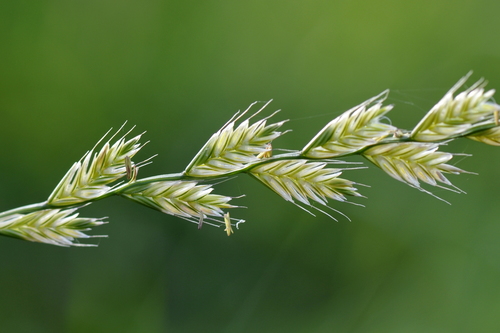
Lolium temulentum
species of plant
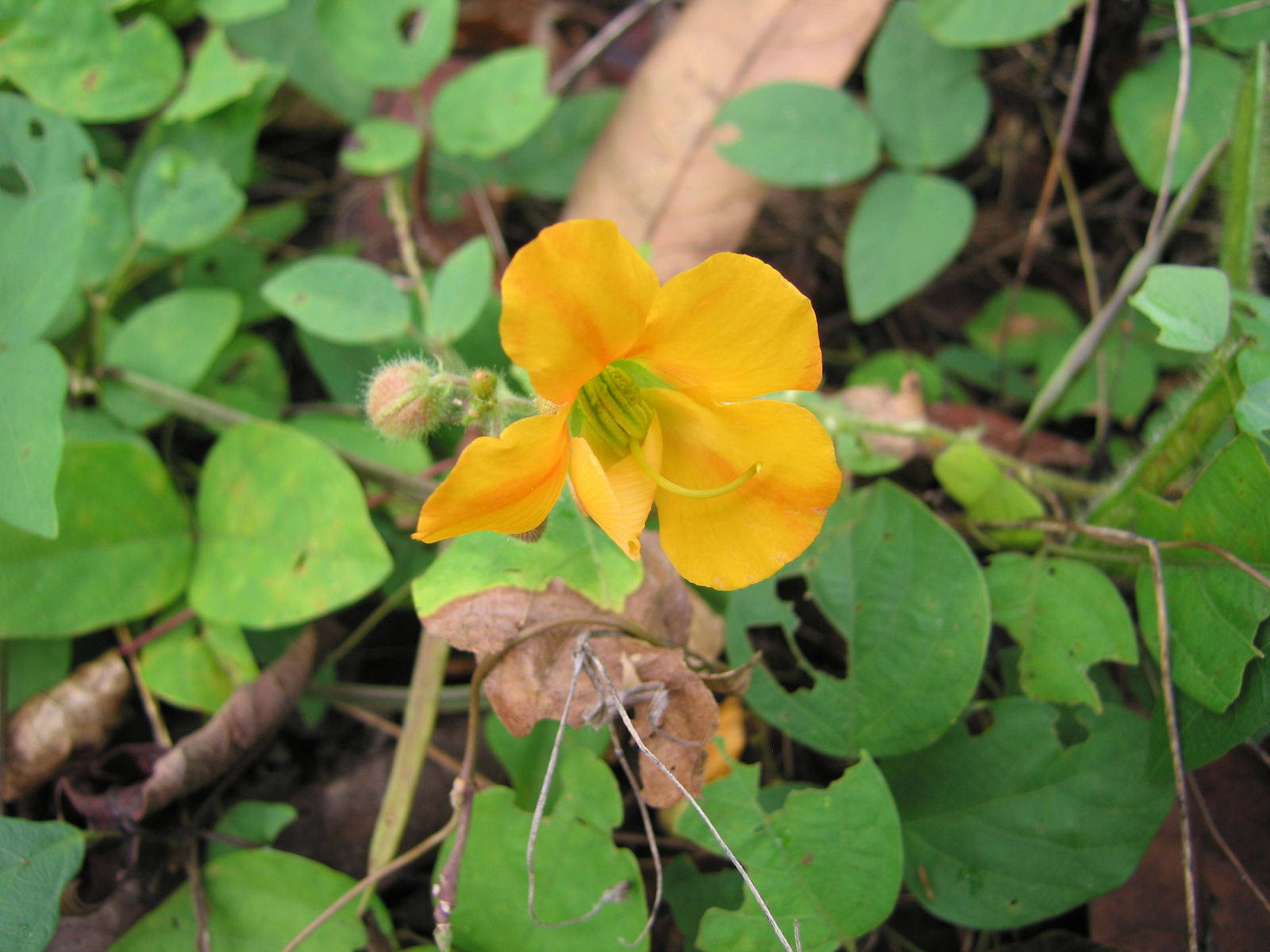
Senna
genus of plants
Pulsatilla
Pulsatilla is a genus that contains about 40 species of herbaceous perennial plants native to meadows and prairies of North America, Europe, and Asia. Common names include pasque flower (or pasqueflower), wind flower, prairie crocus, Easter flower, and meadow anemone. Several species are valued ornamentals because of their finely-dissected leaves, solitary bell-shaped flowers, and plumed seed heads. The showy part of the flower consists of sepals, not petals.

Styphnolobium japonicum
species of plant