Category
page 2Medicinal plants

Salix alba
species of plant
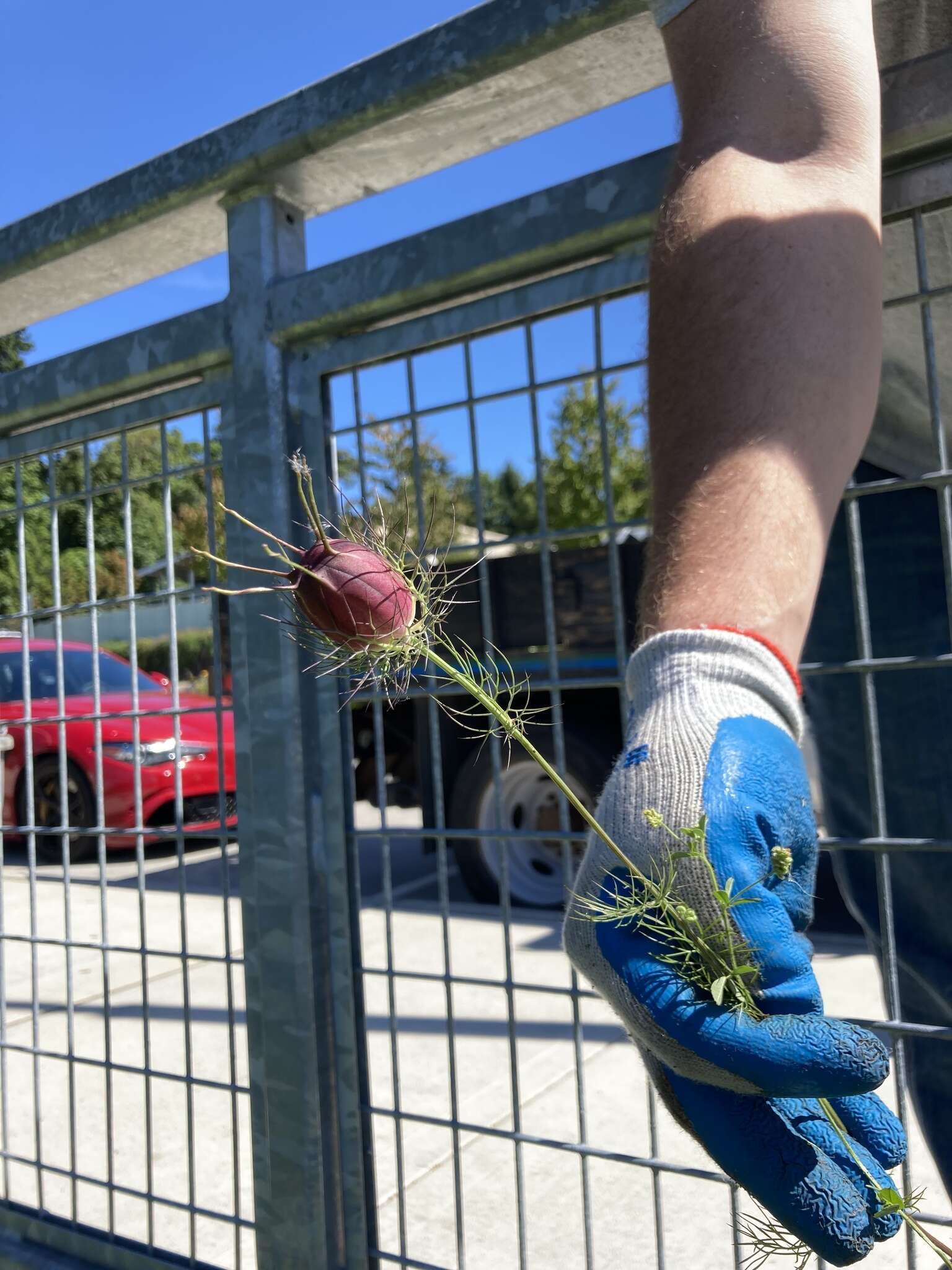
Nigella sativa
species of annual flowering plant in the family Ranunculaceae

Plantago
Plantago is a genus of about 200 species of flowering plants in the family Plantaginaceae, commonly called plantains or fleaworts. The common name plantain is shared with the unrelated cooking plantain. Most are herbaceous plants, though a few are subshrubs growing to tall.

Sambucus nigra
species of plant

Armoracia rusticana
thumb|right|Sections of roots of the horseradish plant
thumb|upright|Foliage of the horseradish plant

Nymphaea
Nymphaea () is a genus of hardy and tender aquatic plants in the family Nymphaeaceae. The genus has a cosmopolitan distribution. Many species are cultivated as ornamental plants, and many cultivars have been bred. Some taxa occur as introduced species where they are not native, and some are weeds. Plants of the genus are known commonly as water lilies, or waterlilies in the United Kingdom.
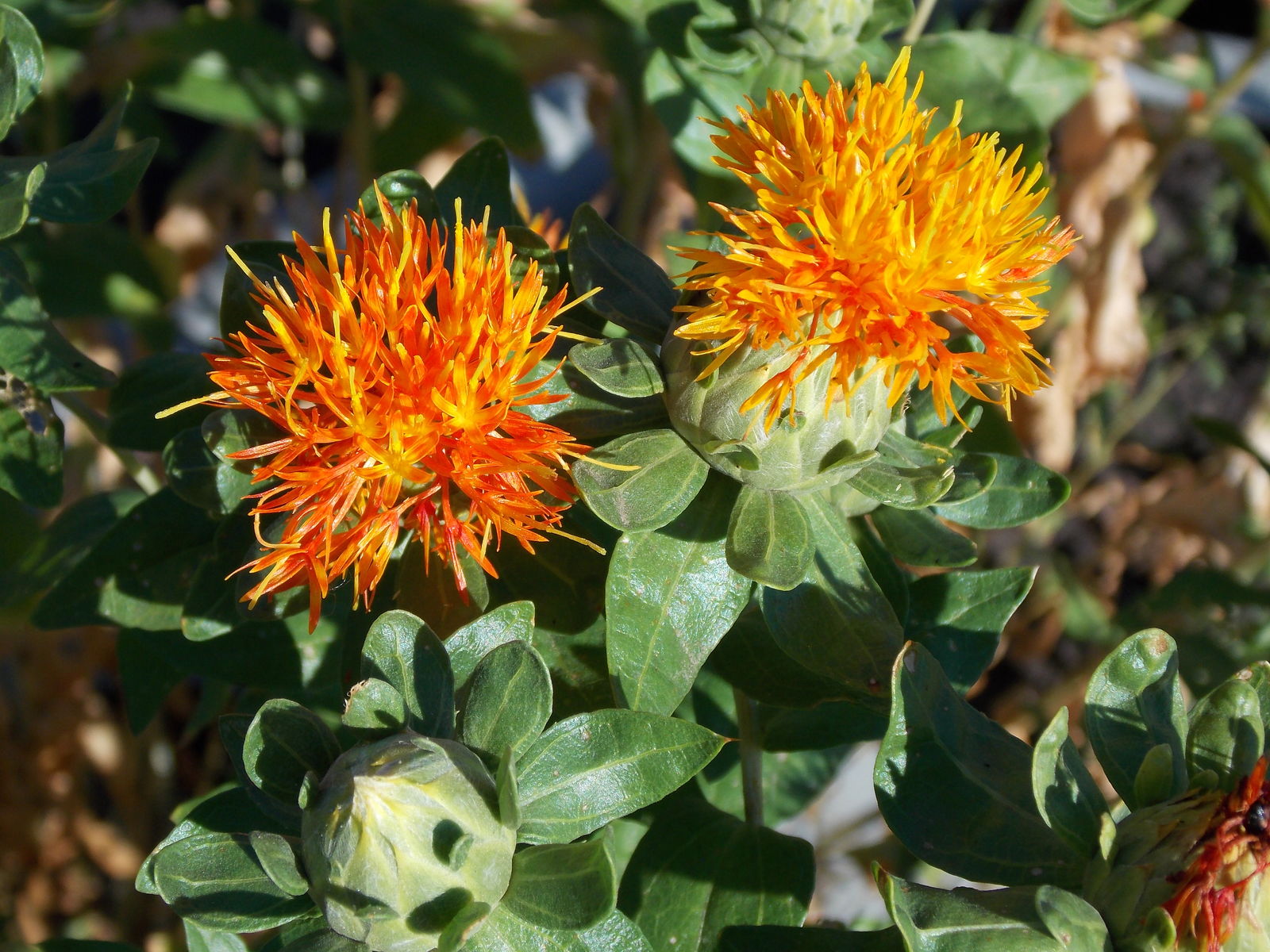
Carthamus tinctorius
thumb|right|250px|Carthamus tinctoriusthumb|300px|right|Worldwide safflower production
thumb|Carthamus tinctorius - MHNT
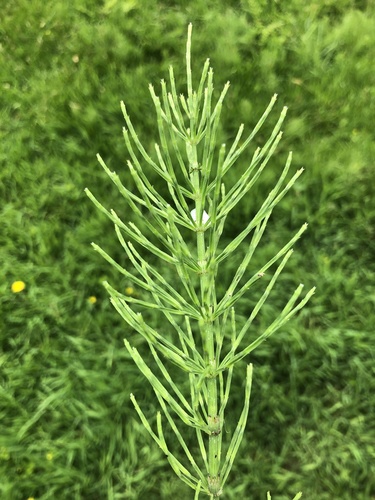
Equisetum
Equisetum (; horsetail) is the only living genus in Equisetaceae, a family of vascular plants that reproduce by spores rather than seeds.
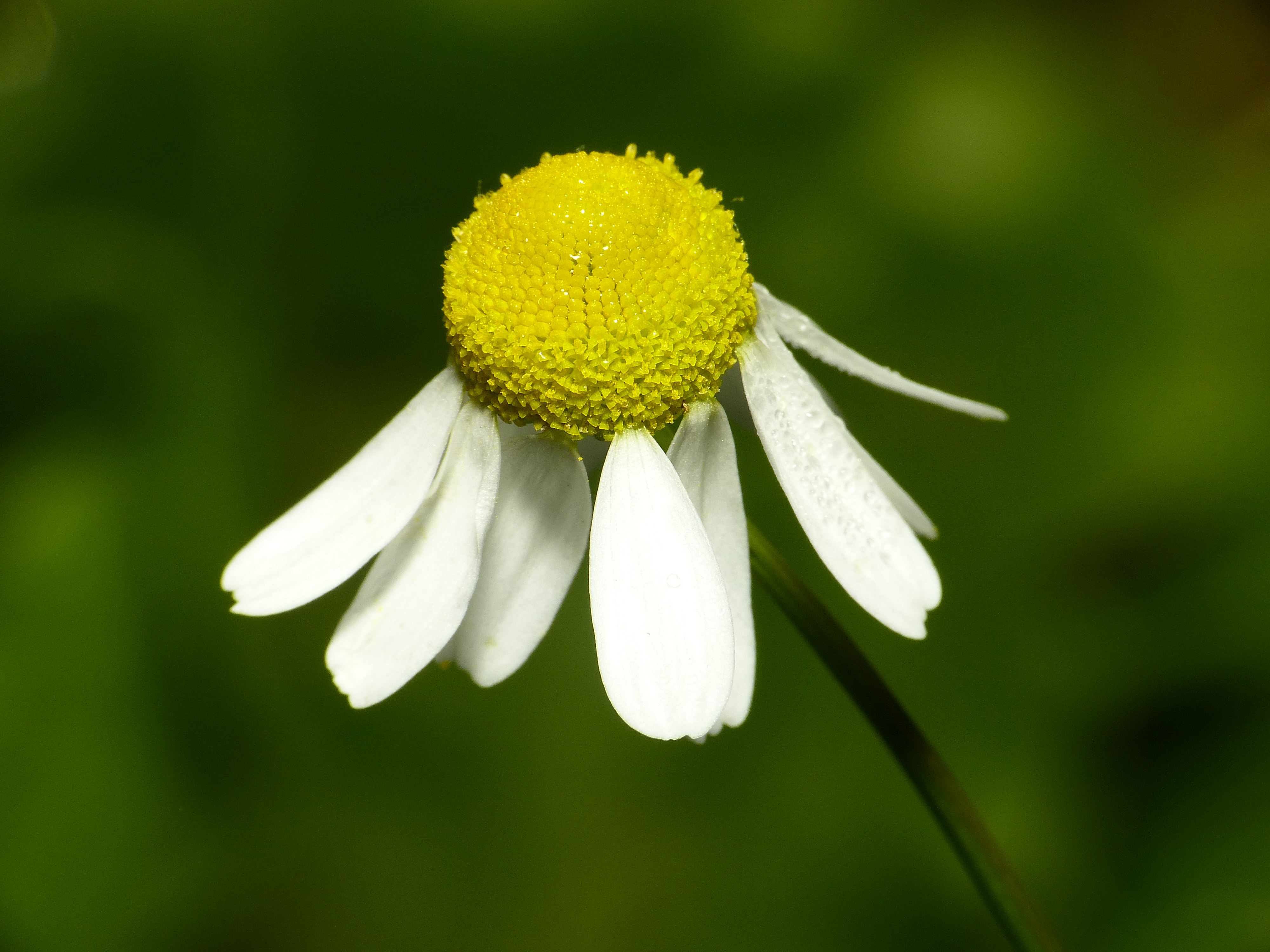
Matricaria chamomilla
species of plant

Prunus padus
species of plant

tarragon
Tarragon (Artemisia dracunculus), also known as estragon, is a species of perennial herb in the family Asteraceae. It is widespread in the wild across much of Eurasia and North America and is cultivated for culinary and medicinal purposes.
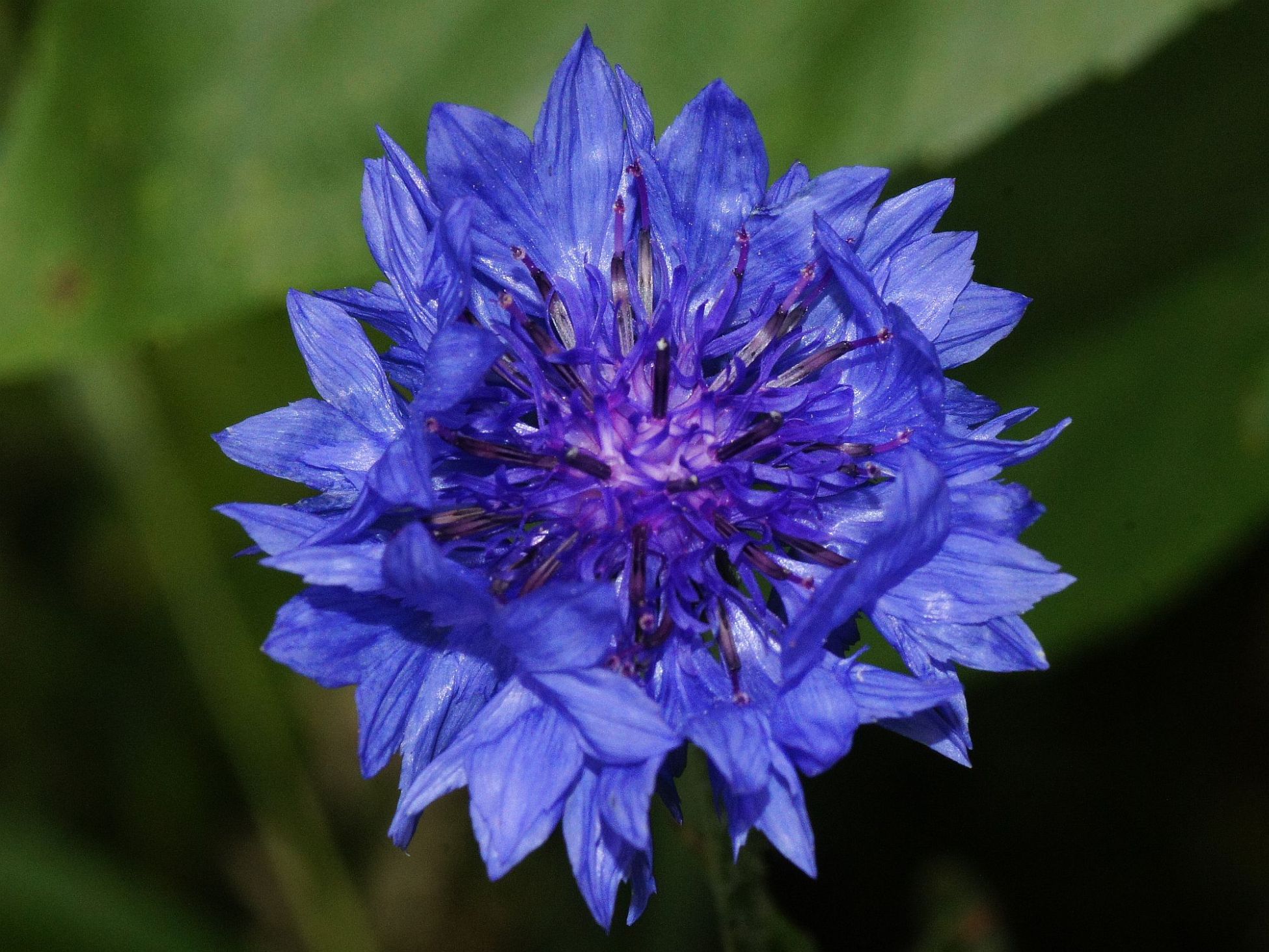
Centaurea cyanus
species of flowering plant

Euphorbia
thumb|right|Euphorbia as a small tree: Euphorbia dendroides

Valeriana officinalis
species of flowering plant in the family Caprifoliaceae
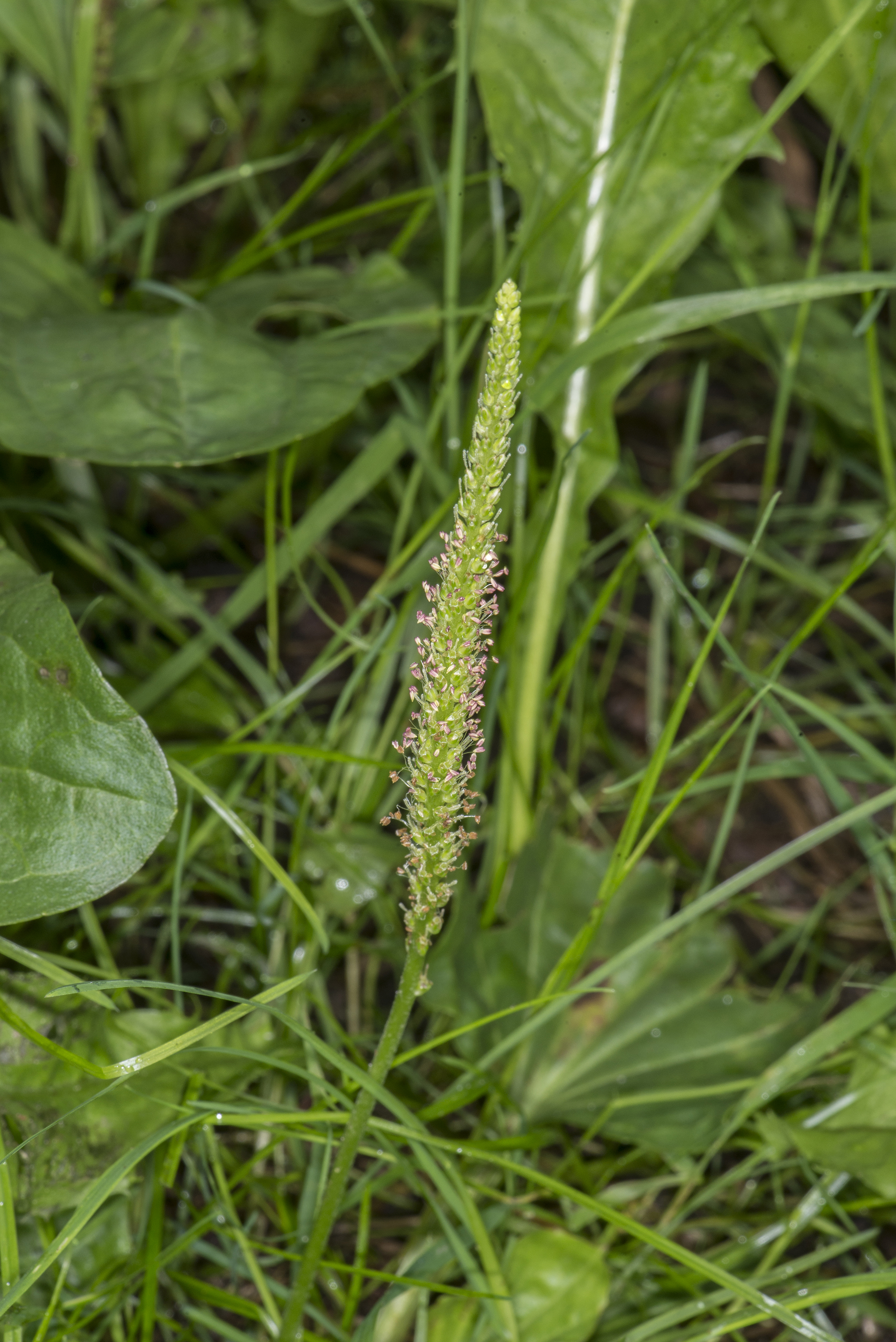
Plantago major
species of plant
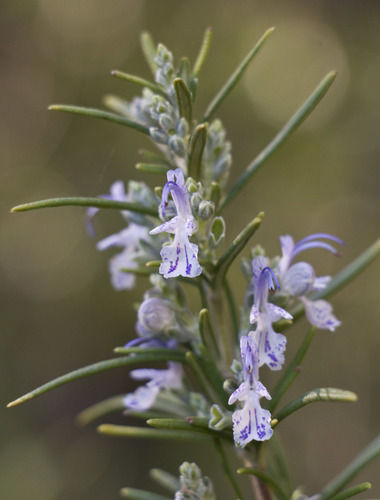
Salvia
Salvia () is the largest genus of plants in the sage family Lamiaceae, with just under 1,000 species of shrubs, herbaceous perennials, and annuals. Within the Lamiaceae, Salvia is part of the tribe Mentheae within the subfamily Nepetoideae. One of several genera commonly referred to as sage, it includes two widely used herbs, Salvia officinalis (common sage, or just "sage") and Salvia rosmarinus (rosemary, formerly Rosmarinus officinalis).
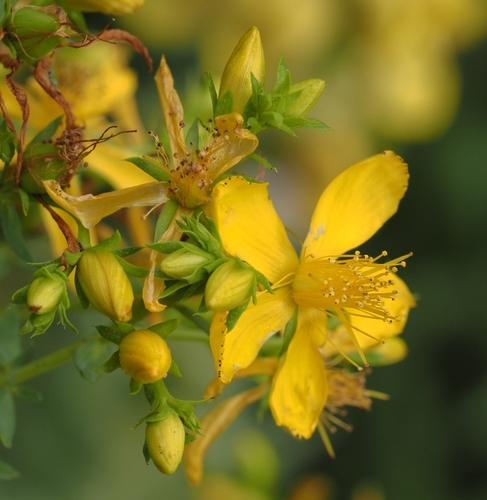
Hypericum perforatum
species of plant

Solanum
thumb|Unripe fruit of Solanum lycopersicum (tomato)
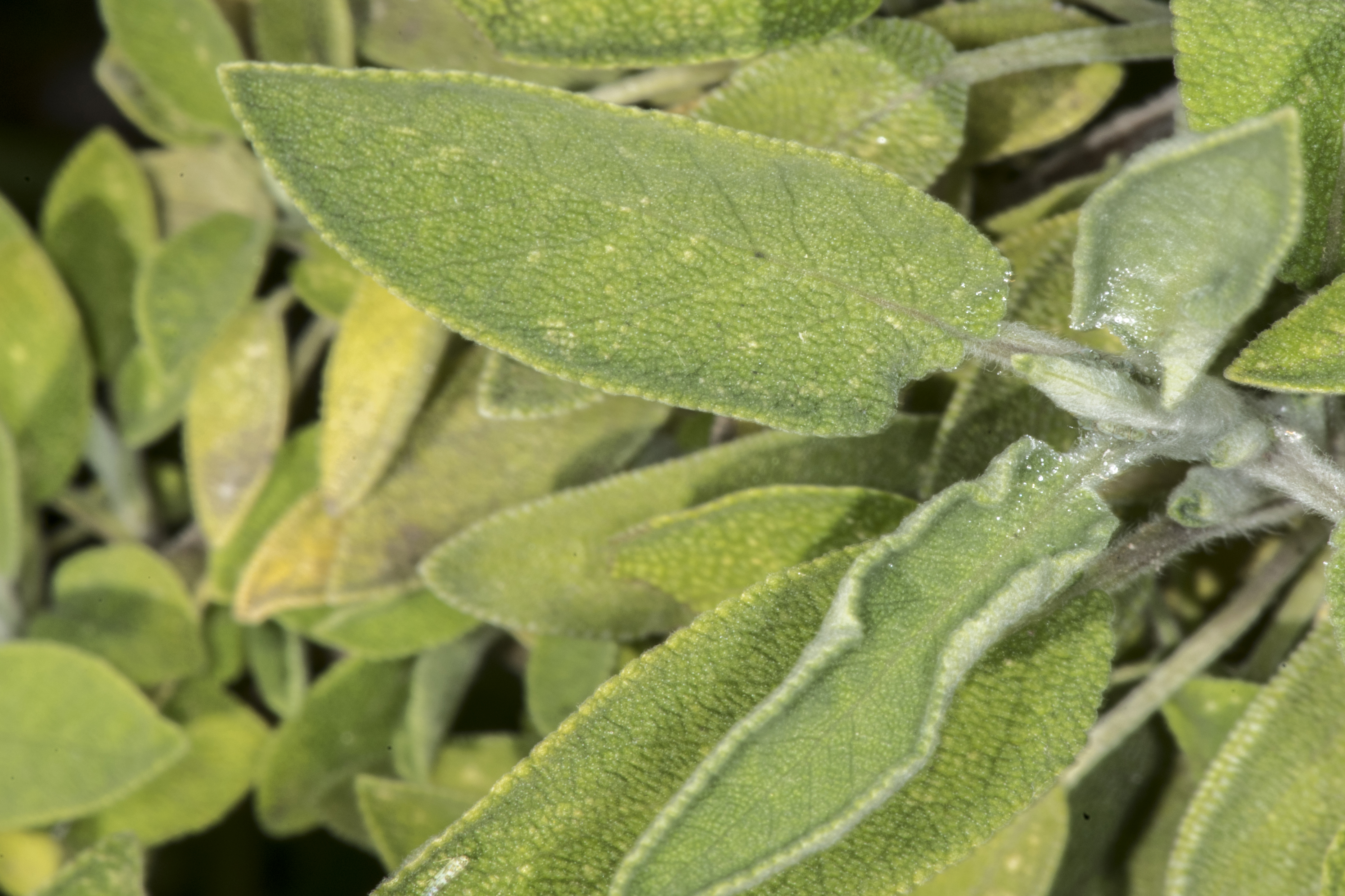
Salvia officinalis
species of plant, for the culinary/medicinal herb use Q67206399

medicinal plant
plants or derivatives used to treat medical conditions in humans or animals

Lepidium sativum
species of plant
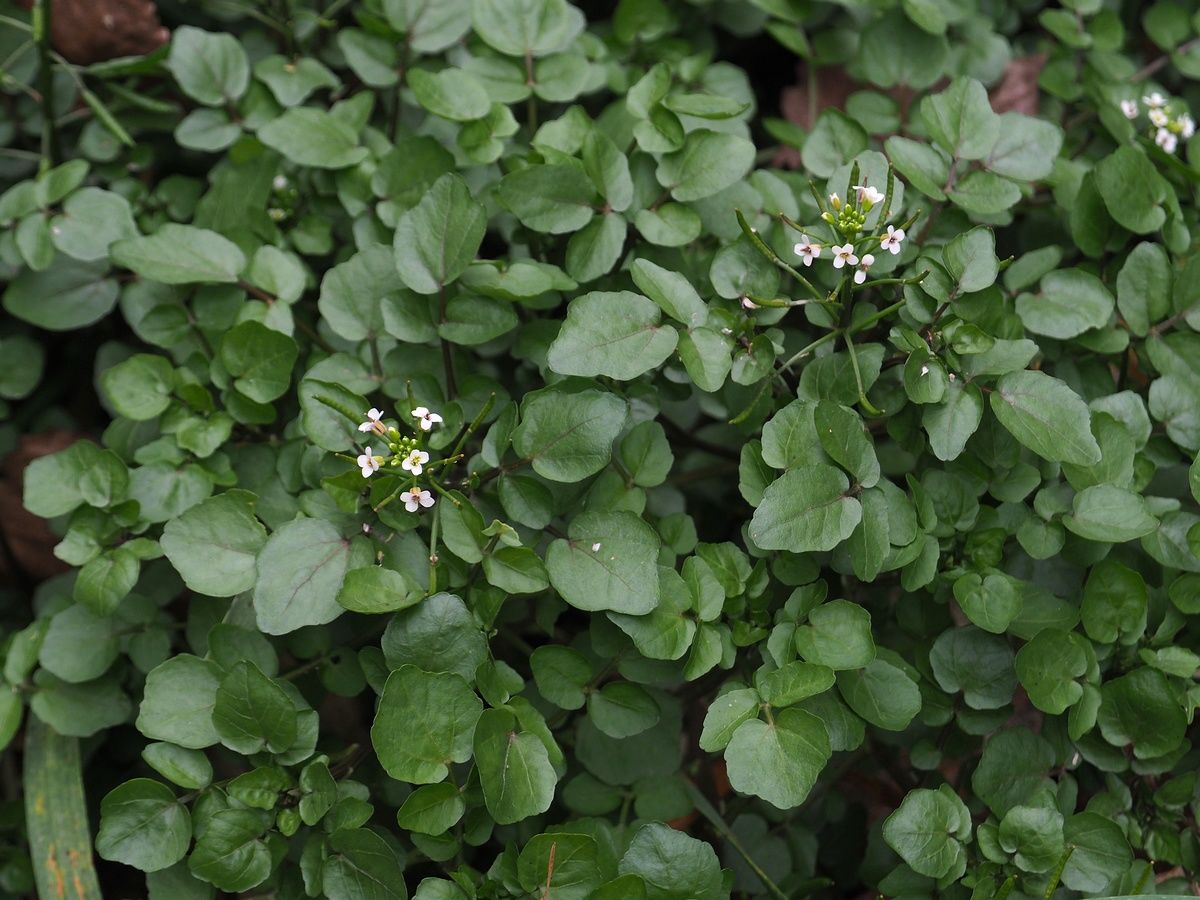
Nasturtium officinale
Watercress or yellowcress (Nasturtium officinale) is a species of aquatic flowering plant in the cabbage family, Brassicaceae.
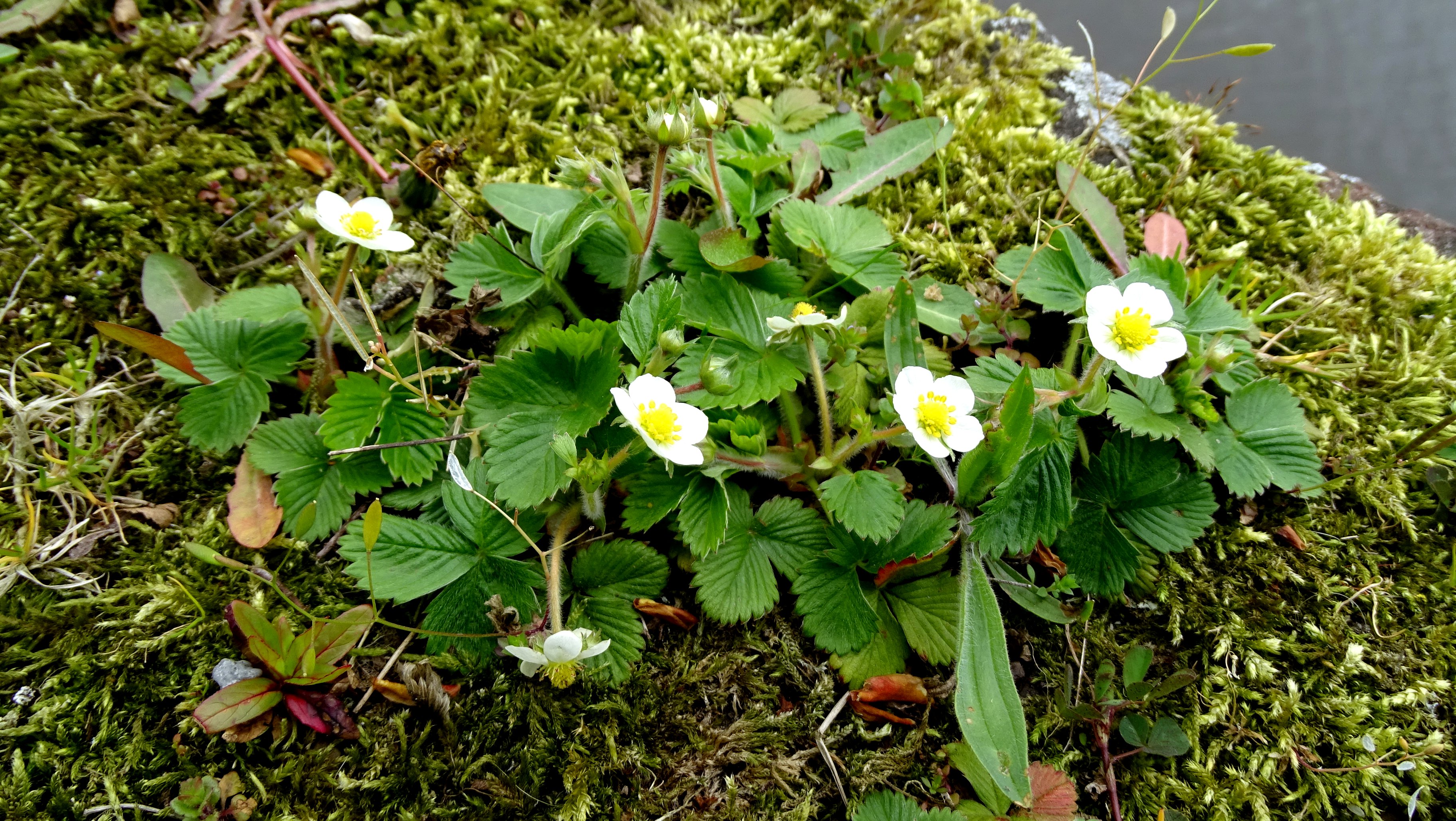
Fragaria vesca
species of plant

Syzygium cumini
species of tree

Mentha × piperita
Peppermint ('''Mentha × piperita''') is a hybrid species of mint, a cross between watermint and spearmint. Indigenous to Europe and the Middle East, the plant is now widely spread and cultivated in many regions of the world. It is occasionally found in the wild with its parent species.
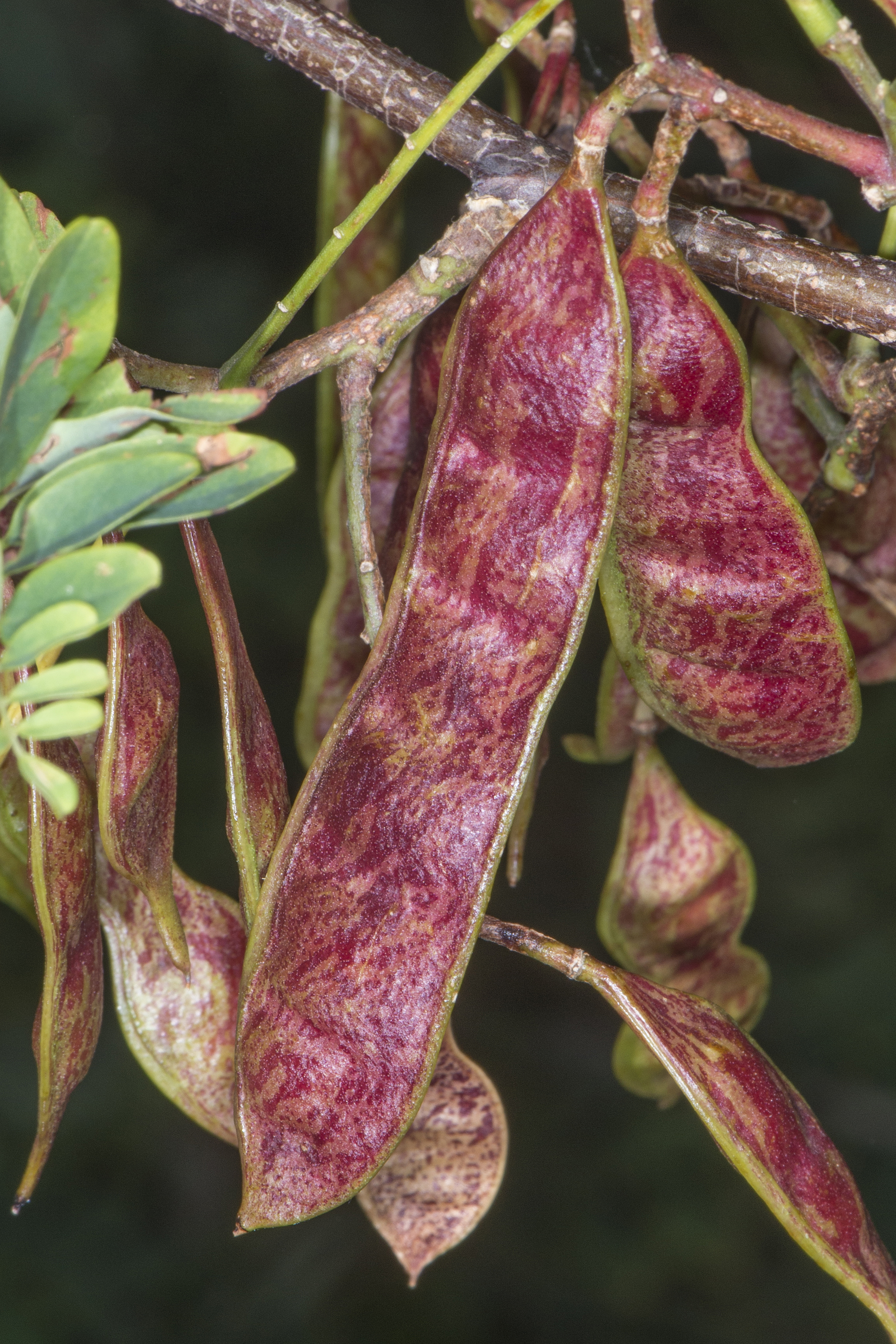
Robinia pseudoacacia
species of poisonous deciduous tree

Galanthus

Cymbopogon
Cymbopogon, also known as lemongrass, barbed wire grass, silky heads, oily heads, Cochin grass, Malabar grass, citronella grass or fever grass, is a genus of Asian, African, Australian, and tropical island plants in the grass family.
Some species (particularly Cymbopogon citratus) are commonly cultivated as culinary and medicinal herbs because of their scent, resembling that of lemons (Citrus limon).
The name Cymbopogon derives from the Greek words (, 'boat') and (, 'beard') "which mean [that] in most species, the hairy spikelets project from boat-shaped spathes." Lemongrass and its oil are be

Plantago lanceolata
species of plant

Arctostaphylos uva-ursi
one of several related bearberry species
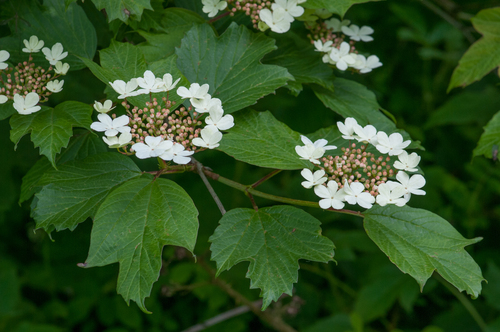
Viburnum opulus
species of plant

Thuja
Thuja ( ) is a genus of coniferous tree or shrub in the Cupressaceae (cypress family). There are five species in the genus, two native to North America and three native to eastern Asia. The genus is monophyletic and sister to Thujopsis. Members are commonly known as arborvitaes (from the Latin term for 'tree of life'), thujas, or New World false cedars.
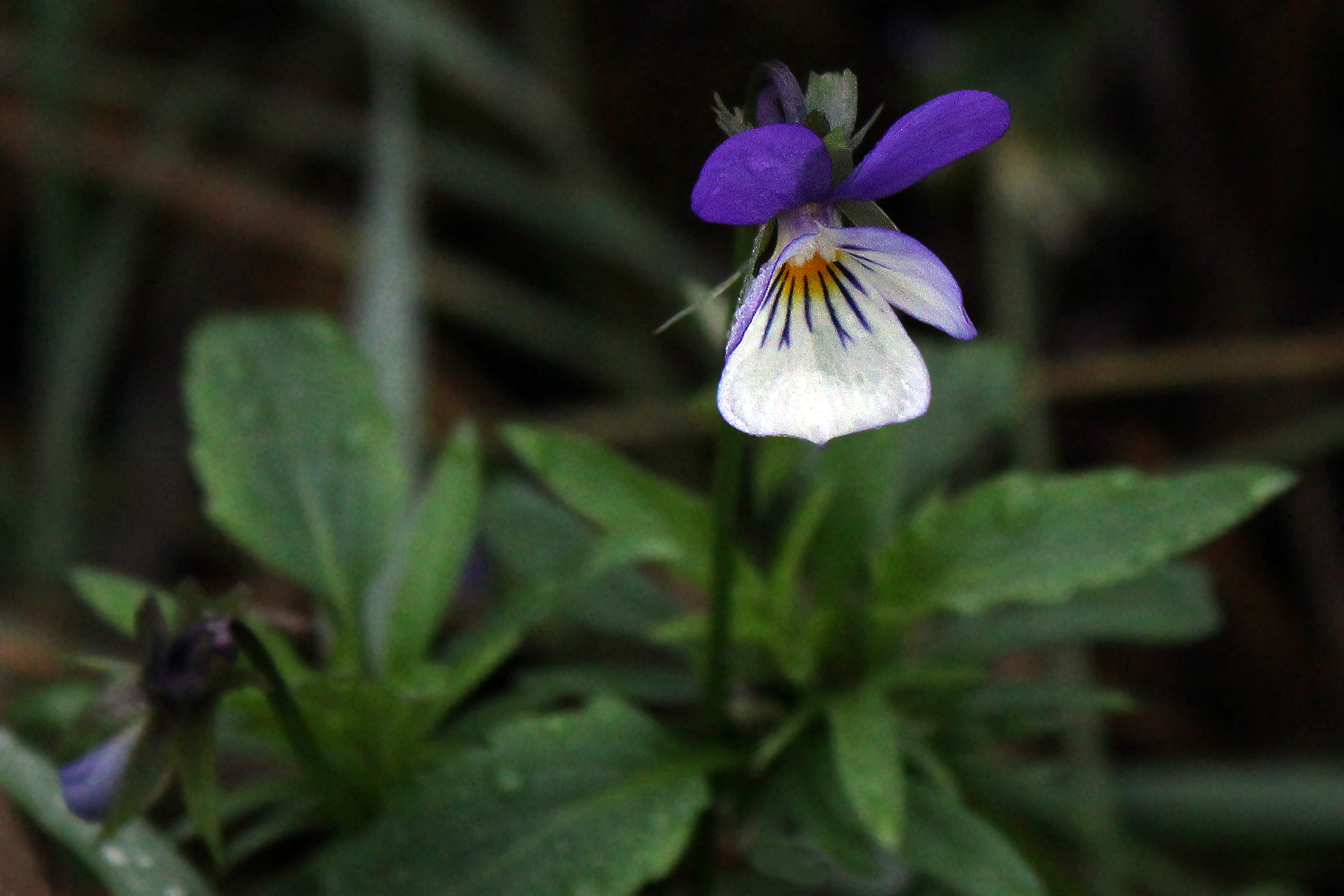
Viola tricolor
species of plant

Eutrema japonicum
Wasabi (Japanese: , , or , ) or Japanese horseradish (Eutrema japonicum syn. Wasabia japonica) is a plant of the family Brassicaceae, which also includes horseradish and mustard in other genera. The plant is native to Japan, the Russian Far East including Sakhalin, and the Korean Peninsula. It grows naturally along stream beds in mountain river valleys in Japan.

Wax gourd
species of plant, winter melon
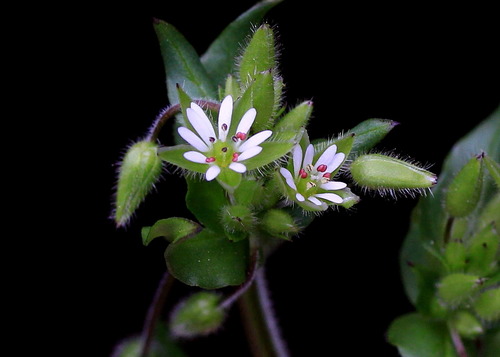
Stellaria media
species of plant

Astragalus
genus of plants

Viola odorata
species of plant
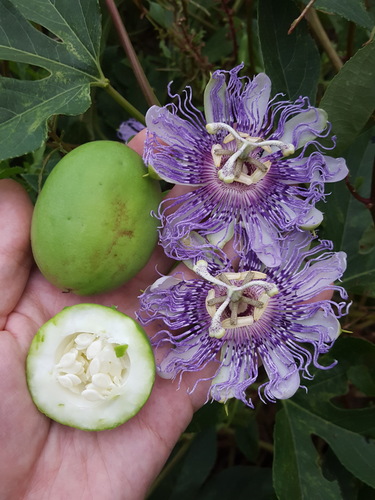
Passiflora
Passiflora, known also as the passion flowers or passion vines, is a genus of about 550 species of flowering plants, and the type genus of the family Passifloraceae.

Ilex
Ilex () or holly is a genus of over 570 species of flowering plants in the family Aquifoliaceae, and the only living genus in that family. Ilex has the most species of any woody dioecious angiosperm genus. The species are evergreen or deciduous trees, shrubs, and climbers from tropics to temperate zones worldwide. The type species is Ilex aquifolium, the common European holly used in Christmas decorations and cards.

Arctium
Arctium is a genus of biennial plants commonly known as burdock, family Asteraceae. Native to Europe and Asia, several species have been widely introduced worldwide. Burdock's clinging properties, in addition to providing an excellent mechanism for seed dispersal, led to the invention of the hook-and-loop fastener.
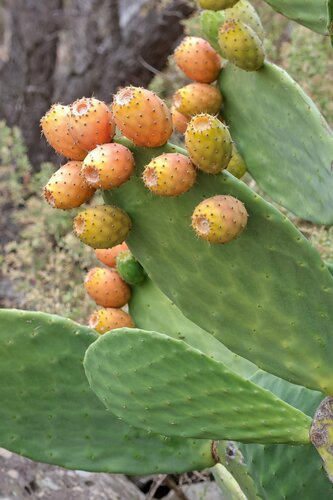
Opuntia
Opuntia, commonly called the prickly pear cactus, is a genus of flowering plants in the cactus family Cactaceae, many known for their flavorful fruit and showy flowers. Cacti are native to the Americas, and are well adapted to arid climates; however, they are still vulnerable to alterations in precipitation and temperature driven by climate change. The plant has been introduced to Australia, southern Europe, the Middle East, and parts of Africa.
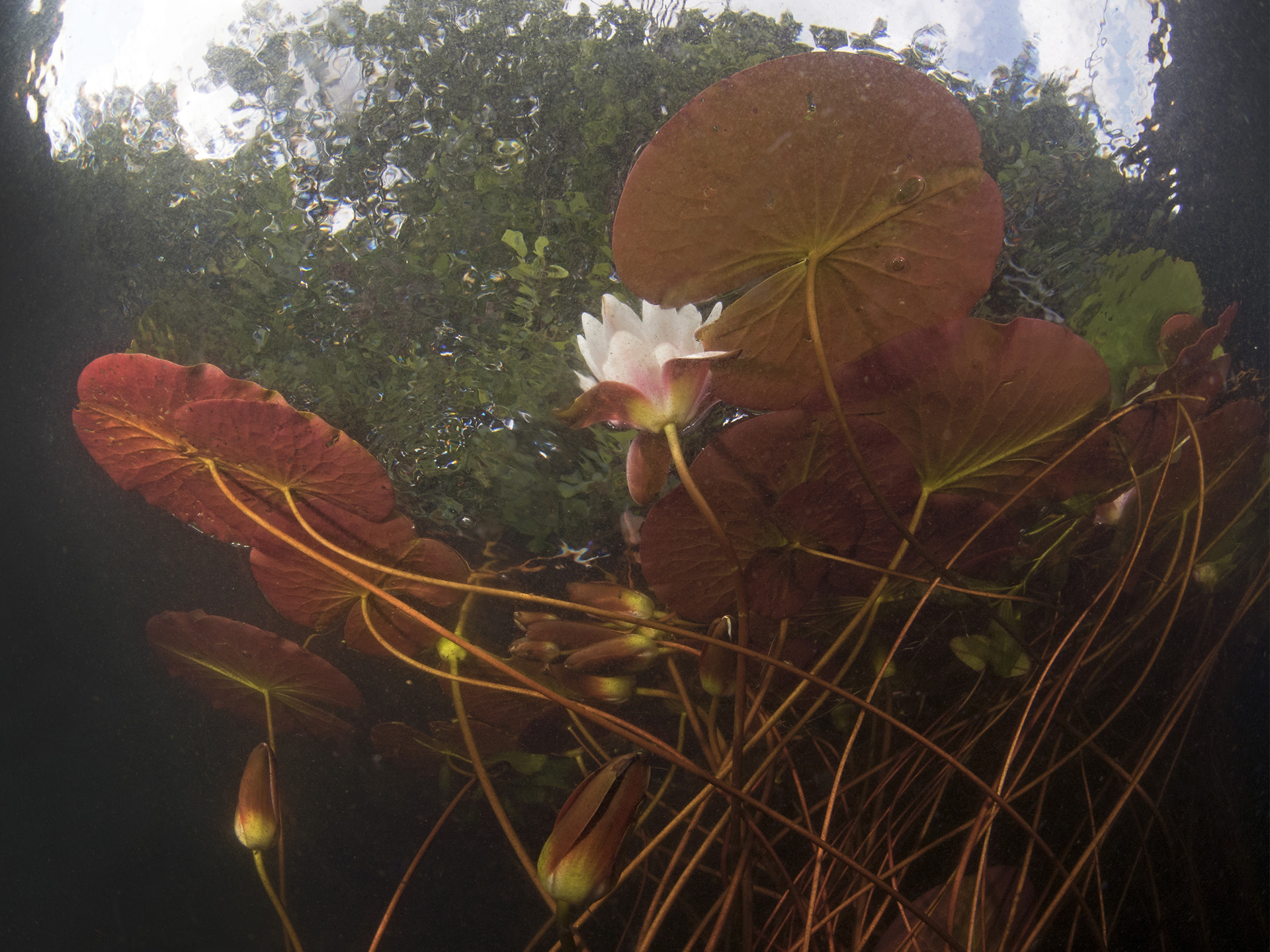
Nymphaea alba
species of plant
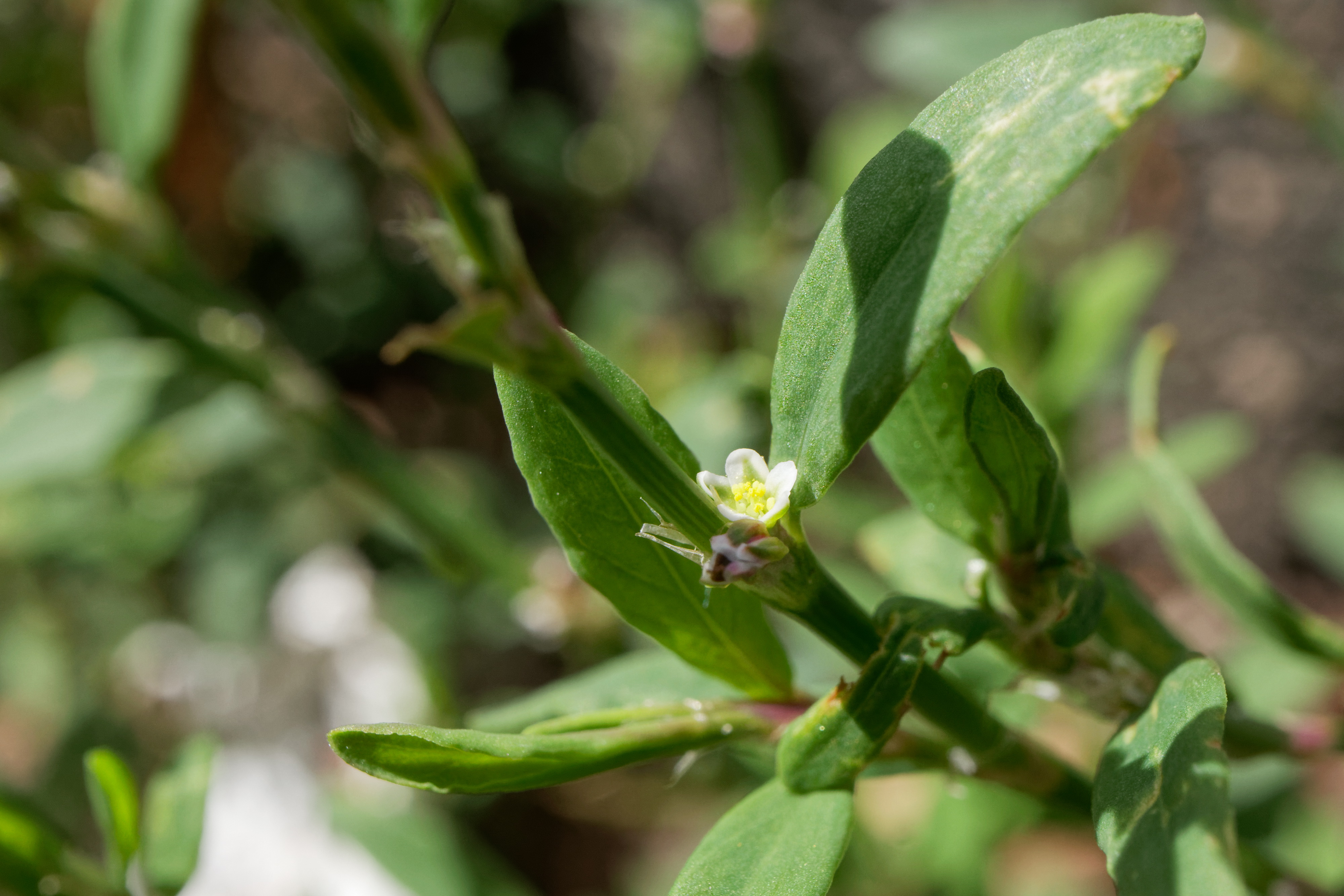
Polygonum aviculare
species of plant

Digitalis
thumb|right|upright|Digitalis lutea
thumb|middle|Pink common foxglove with bumblebee
thumb|Digitalis blossoms and immature flowers
%2002.jpg)
Aquilegia
Aquilegia, commonly known as columbines, is a genus of perennial flowering plants in the family Ranunculaceae (buttercups). The genus includes between 70 and 400 taxa (described species and subspecies) with natural ranges across the Northern Hemisphere. Natural and introduced populations of Aquilegia exist on all continents but Antarctica. Known for their high physical variability and ease of hybridization, columbines are popular garden plants and have been used to create many cultivated varieties.

Opuntia ficus-indica
species of plant
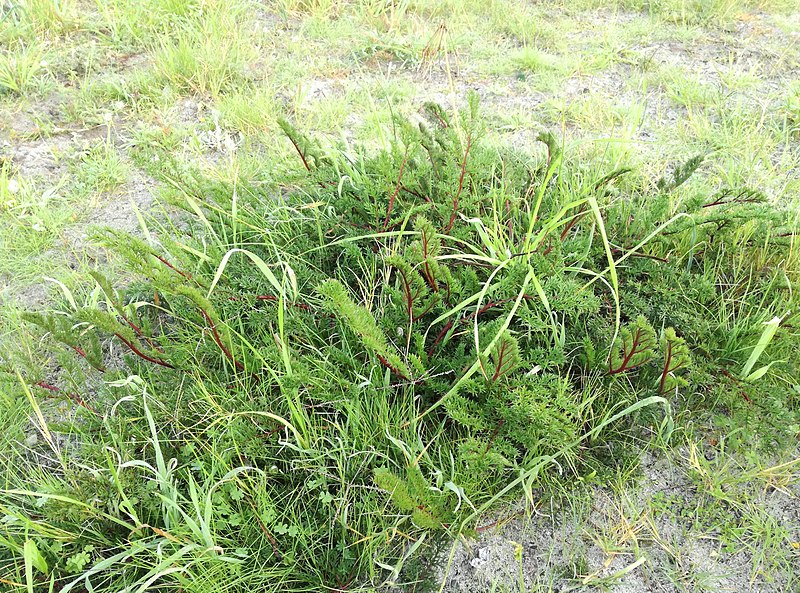
Pelargonium
Pelargonium () is a genus of flowering plants commonly called geraniums, pelargoniums, or storksbills. It includes about 280 species of perennials, succulents, and shrubs. Taxonomist Carl Linnaeus originally included all the species of Pelargonium and Geranium under the latter name. In 1789, Charles Louis L'Héritier de Brutelle separated them into two genera.

Primula veris
species of plant

Calendula
Calendula () is a genus of about 15–20 species of annual and perennial herbaceous plants in the daisy family, Asteraceae that are often known as marigolds. They are native to Europe, North Africa, Macaronesia, West Asia and Western Himalayas and have their center of diversity in the Mediterranean Region. Other plants known as marigolds include corn marigold, desert marigold, marsh marigold, and plants of the genus Tagetes.
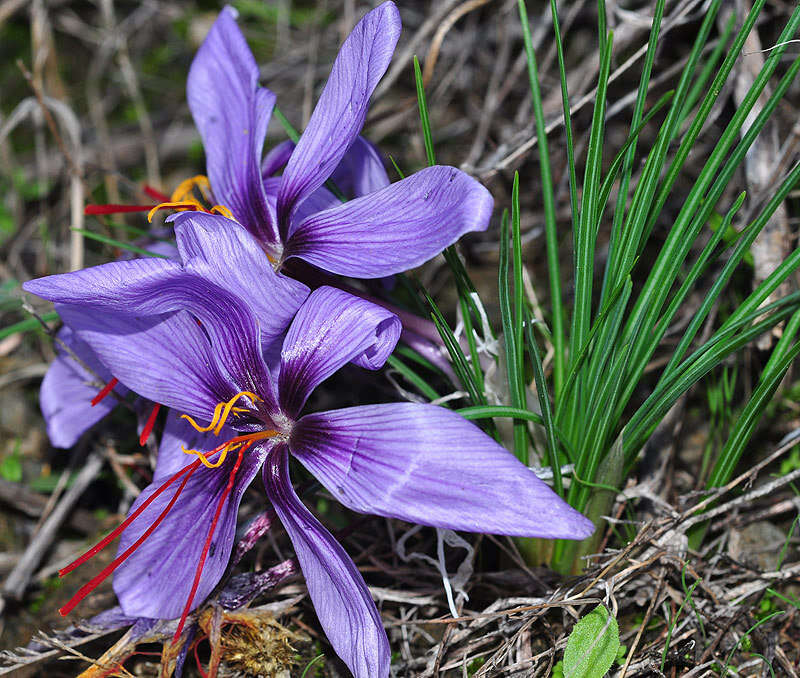
Crocus sativus
species of plant

Catha edulis
Khat (Catha edulis), also known as '''Bushman's tea, especially in South Africa, is a species of flowering plant in the family Celastraceae, and the sole species in genus Catha'''. It is a shrub or tree native to eastern and southern Africa, ranging from Ethiopia and South Sudan to Angola and the Cape Provinces of South Africa. It grows in montane riverine and evergreen forests from 1,100 to 2,400 metres elevation.

Viscum album
species of plant
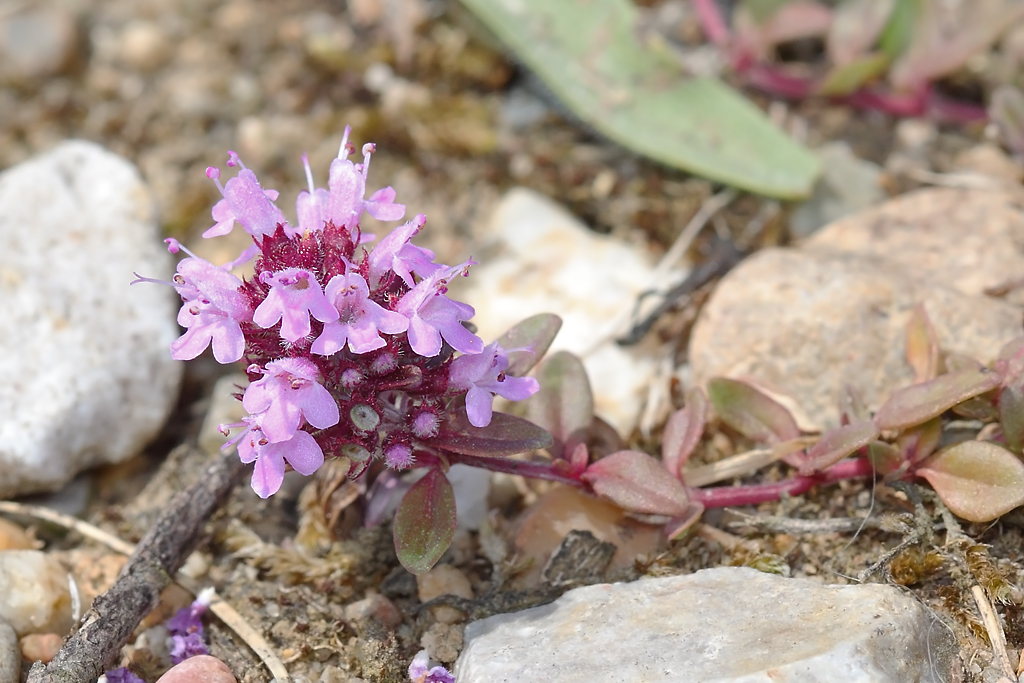
Thymus serpyllum
species of plant

Ruta graveolens
species of plant in the Rutaceae family
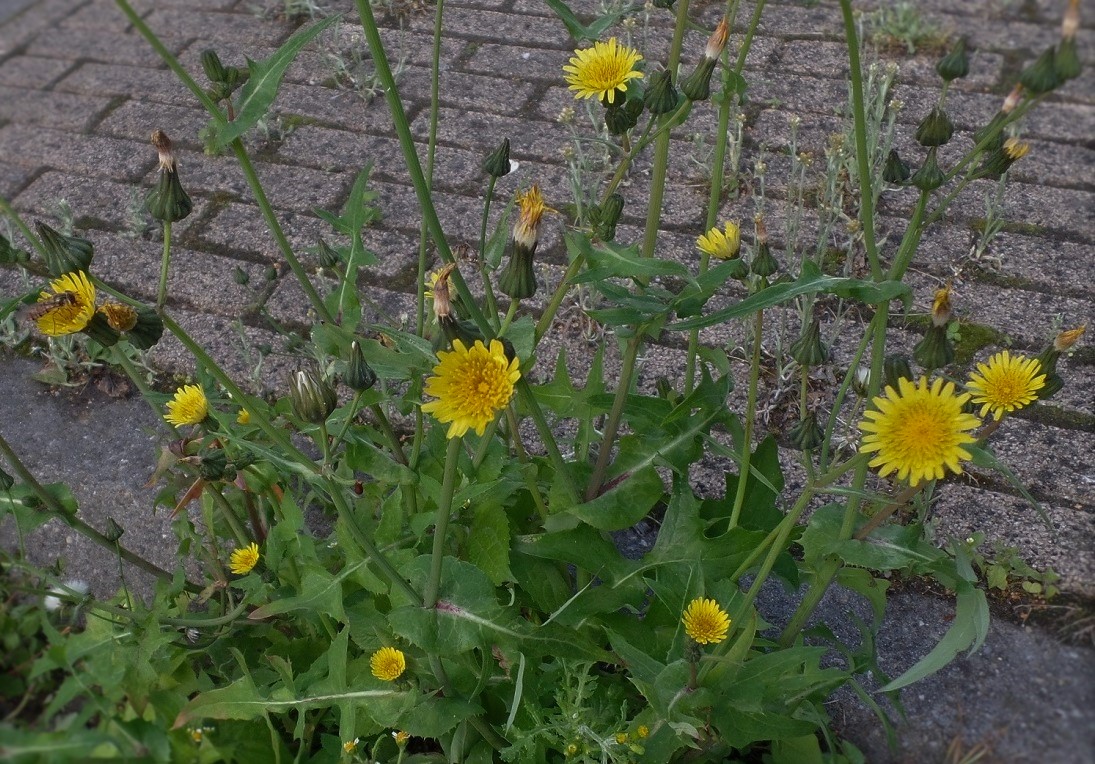
Sonchus oleraceus
species of plant
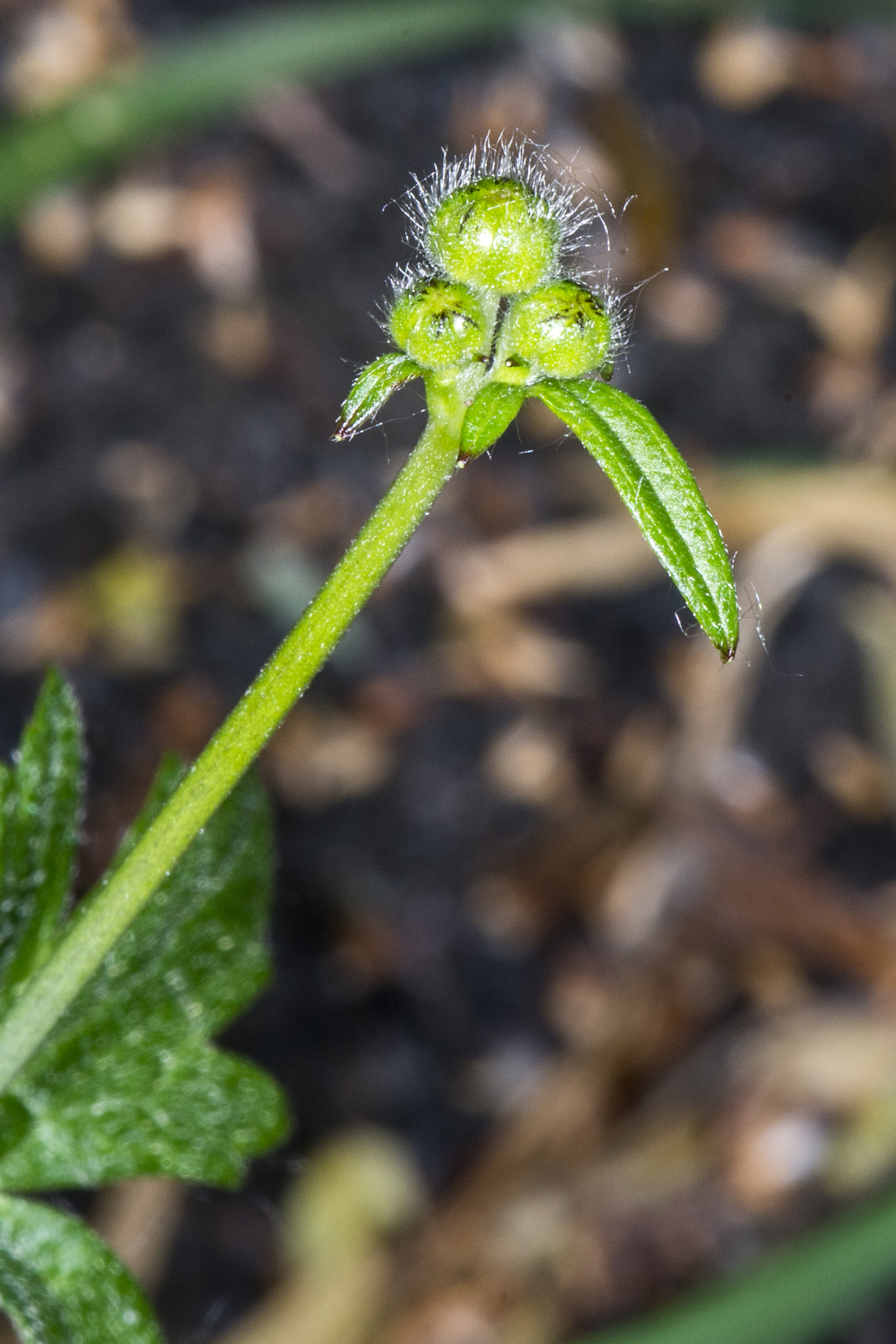
Ranunculus acris
species of plant
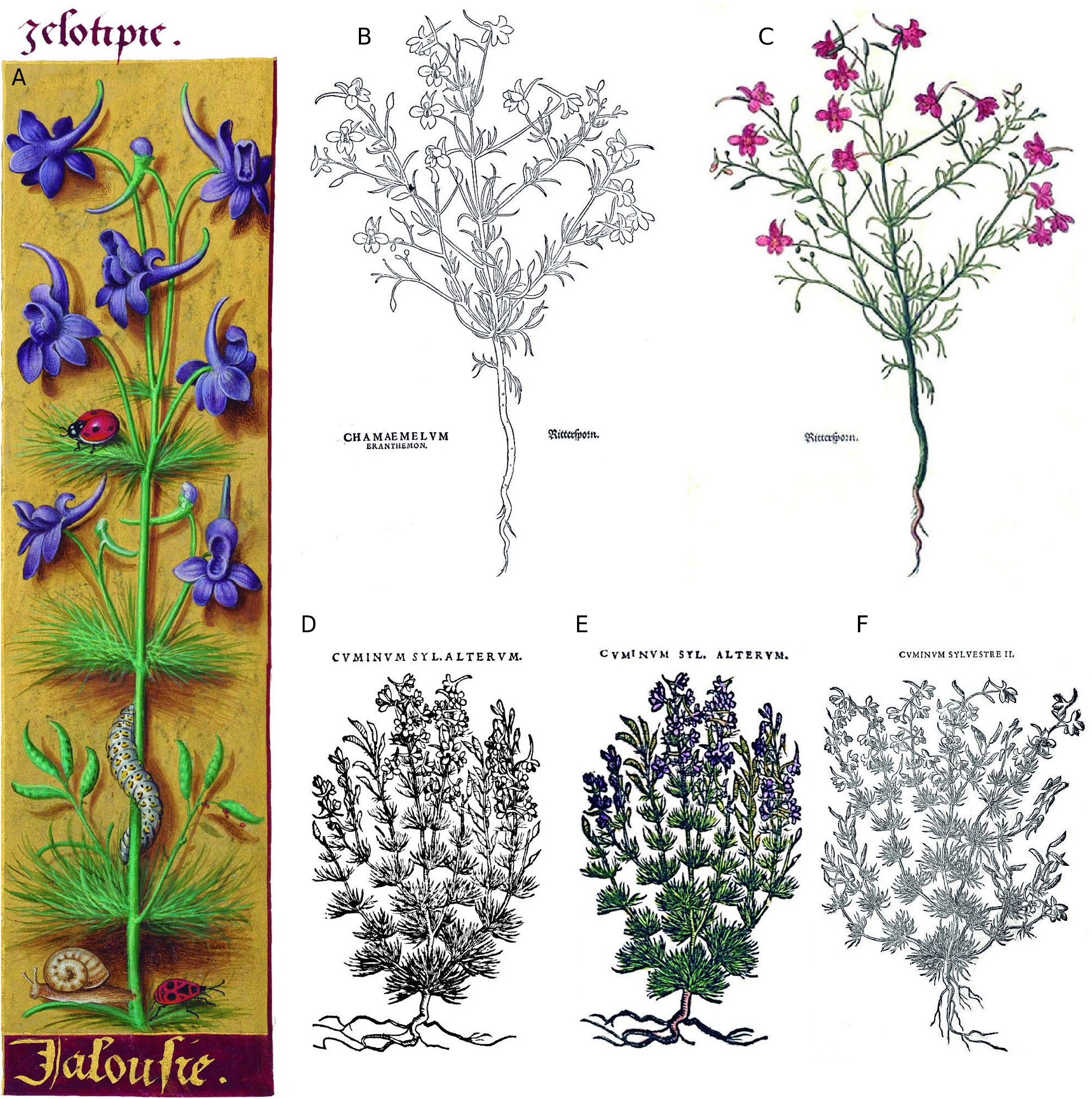
Delphinium
Delphinium is a genus of about 300 species of annual and perennial flowering plants in the family Ranunculaceae, native throughout the Northern Hemisphere and also on the high mountains of tropical Africa. The genus was erected by Carl Linnaeus.

blackberry
The blackberry is an edible fruit produced by many species in the genus Rubus in the family Rosaceae, hybrids among these species within the subgenus Rubus, and hybrids between the subgenera Rubus and Idaeobatus. The taxonomy of blackberries has historically been confused because of hybridization and apomixis so that species have often been grouped together and called species aggregates.
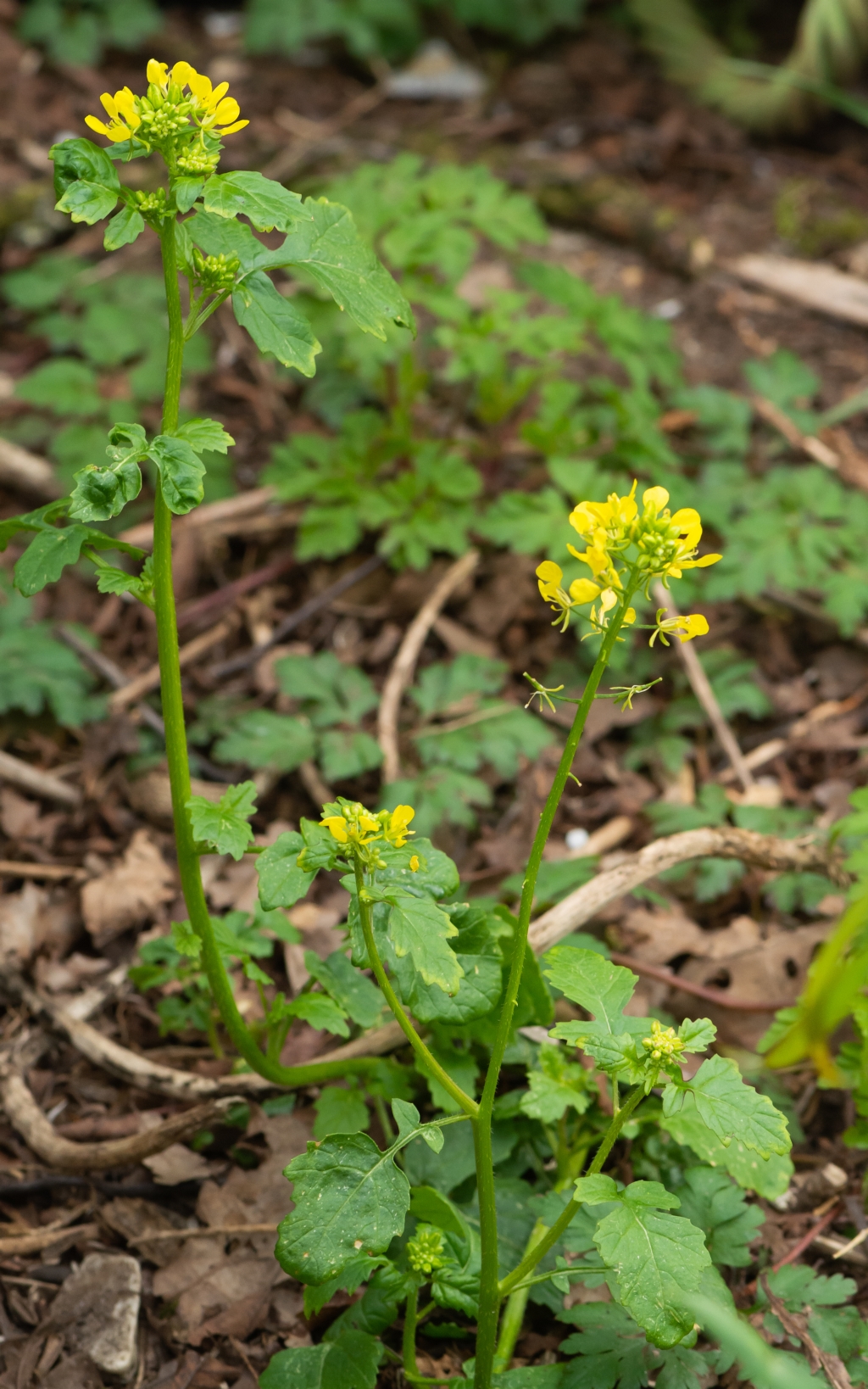
Sinapis alba
species of plant