Category
page 1Medieval legends
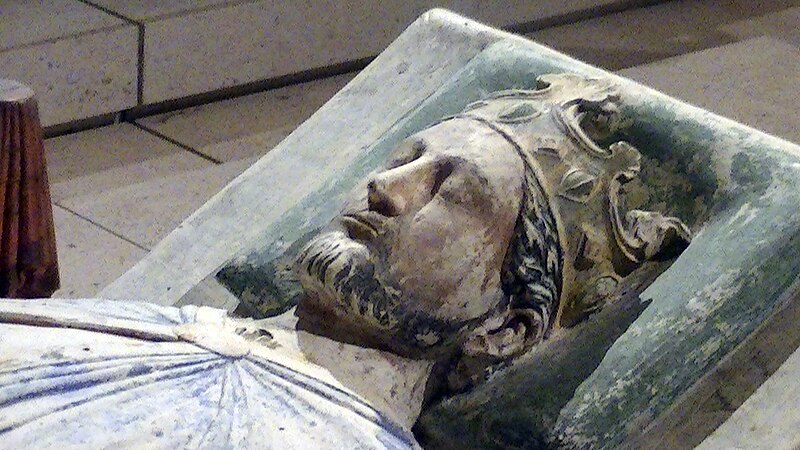
Richard I of England
King of England from 1189 to 1199 (1157–1199)

mermaid
In folklore, a mermaid is an aquatic creature with the head and upper body of a female human and the tail of a fish. Mermaids appear in the folklore of many cultures worldwide, including Europe, Latin America, Asia, and Africa.

All Saints' Day
Christian feast day

Nasreddin
thumb|A 17th-century miniature of Nasruddin, from the collection of the Topkapı Palace Museum|205x205px

Theodoric the Great
king of the Germanic Ostrogoths and ruler of Italy (493–526)

Rodrigo Diez de Vida
11th century Castilian nobleman and military leader
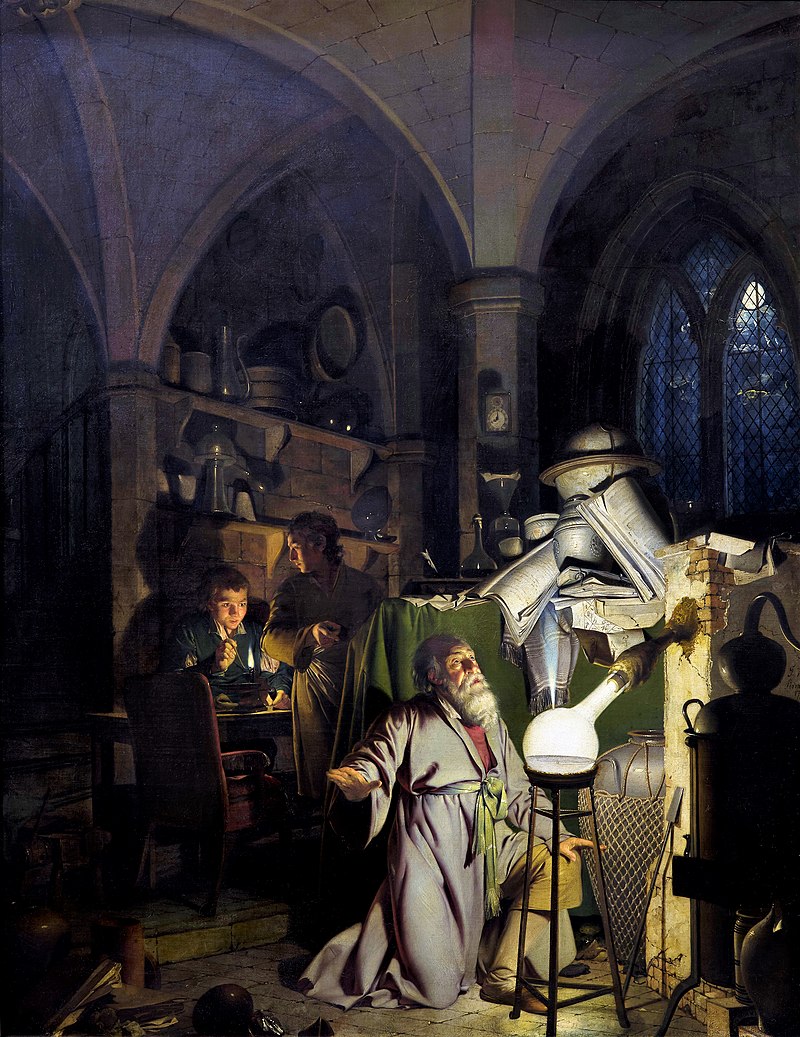
philosopher's stone
legendary alchemical substance

All Souls' Day
feast day in some Christian denominations

Robert I of Scotland
King of Scotland (1306–1329)

William Tell
folk hero of Switzerland

Saint Valentine
Saint Valentine was a 3rd-century Roman saint, commemorated in Western Christianity on February 14 and in Eastern Orthodoxy on July 6. From the High Middle Ages, his feast day has been associated with a tradition of courtly love. He is also a patron saint of Terni, epilepsy, and beekeepers. Saint Valentine was a clergyman – either a priest or a bishop – in the Roman Empire who ministered to persecuted Christians. He was martyred and his body buried on the Via Flaminia on February 14, which has been observed as the Feast of Saint Valentine since at least the eighth century.
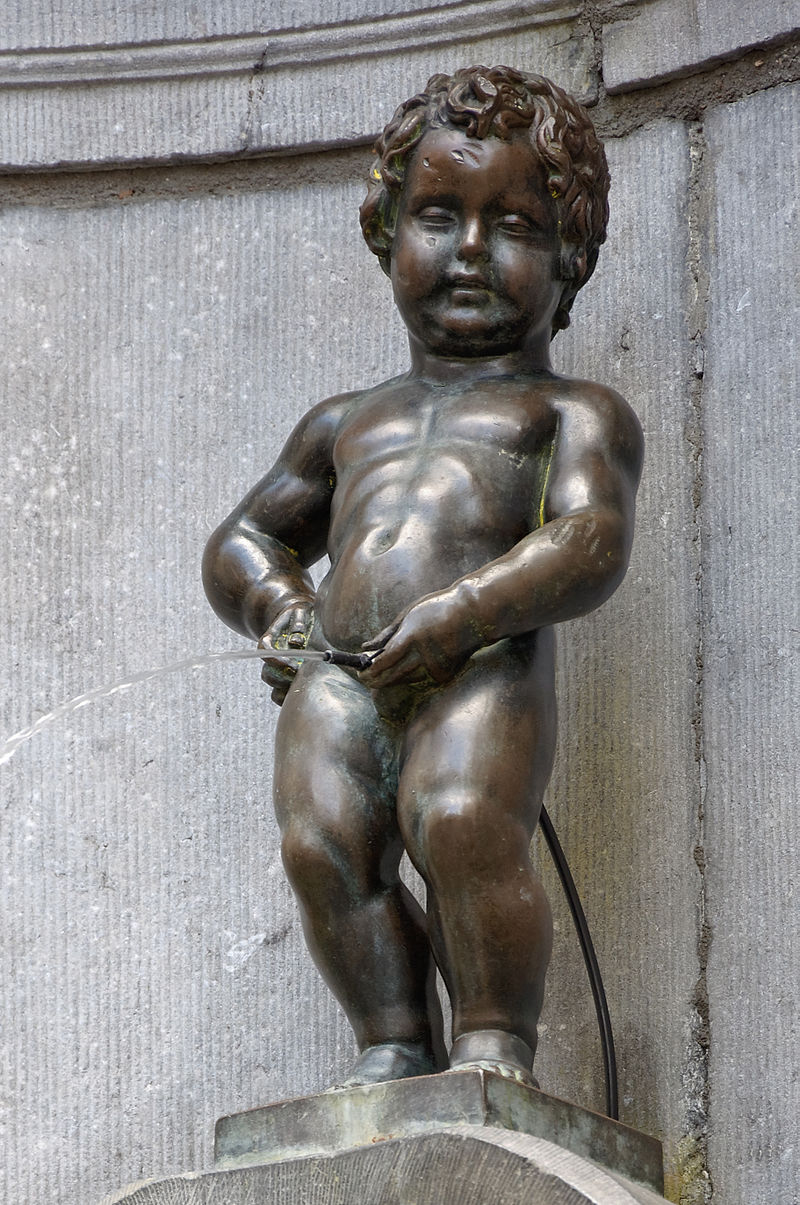
Manneken Pis
bronze sculpture and fountain by Jérôme Duquesnoy the Elder in Brussels, Belgium

Nibelungenlied
250px|thumb|First page from Manuscript C ( 1230)
The ' (, or ; or ), translated as The Song of the Nibelungs''', is an epic poem written around 1200 in Middle High German. Its anonymous poet was likely from the region of Passau. The is based on an oral tradition of Germanic heroic legend that has some of its origin in historic events and individuals of the 5th and 6th centuries and that spread throughout almost all of Germanic-speaking Europe. Scandinavian parallels to the German poem are found especially in the heroic lays of the Poetic Edda and in the Völsunga saga''.

Walpurgis Night
Germanic festival celebrating the start of summer

Roland
Roland (; ; or Rotholandus; or Rolando; died 15 August 778) was a Frankish military leader under Charlemagne who became an epic hero and one of the principal figures in the literary cycle known as the Matter of France. The historical Roland was military governor of the Breton March, responsible for defending Francia's frontier against the Bretons. His only historical attestation is in Einhard's Vita Karoli Magni, which notes he was part of the Frankish rearguard killed in retribution by the Basques in Iberia at the Battle of Roncevaux Pass.

Don Juan
legendary, fictional libertine

Sinbad the Sailor
fictional sailor

Scheherazade
Sheherazade ( also spelled Scheherazade, Shahrazad, or Šahrzād) is the legendary narrator and central framing character of One Thousand and One Nights (), a collection of Middle Eastern, South Asian, and North African folktales compiled in Arabic between roughly the 8th and 14th centuries. Sheherazade is the wife of King Shahryar and saves herself, and ultimately the women of the kingdom, from execution by recounting a continuous sequence of interlinked stories over the course of 1,001 nights.

Pope Joan
legendary female pope

Children's Crusade
attempted crusade by European Christians to expel Muslims from the Holy Land

Seven Sleepers
story in Christian folklore and the Qur'an

Columba
Columba () or Colmcille (7 December 521 – 9 June 597 AD) was an Irish abbot and missionary evangelist credited with spreading Christianity in what is today Scotland at the start of the Hiberno-Scottish mission. He founded the important abbey on Iona, which became a dominant religious and political institution in the region for centuries. He is the patron saint of Derry. He was highly regarded by both the Gaels of Dál Riata and the Picts, and is remembered today as a Catholic saint and one of the Twelve Apostles of Ireland.

Pelagius
first king of Asturias

Saint Boniface
missionary who propagated Christianity in the Frankish Empire

Nicolas Flamel
French scrivener

Saint Wenceslaus I, Duke of Bohemia
duke and saint
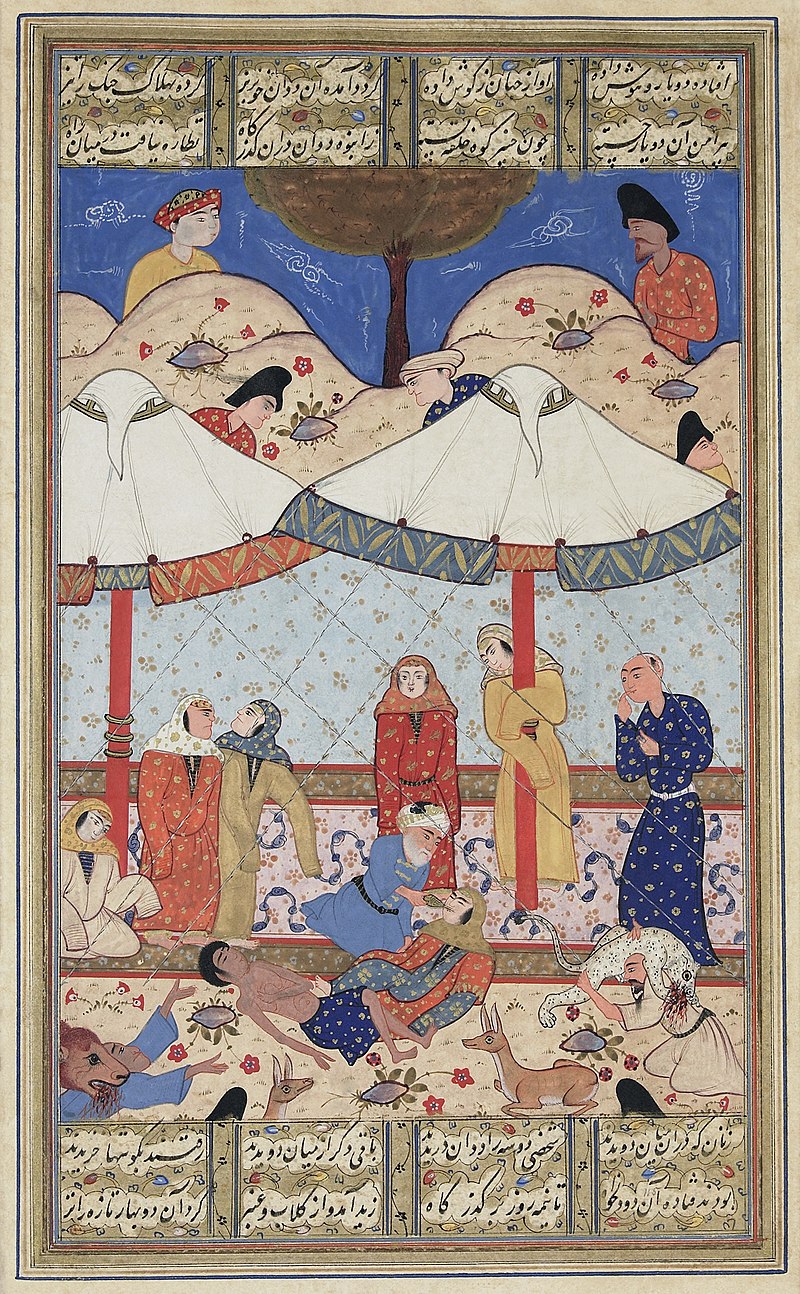
Layla and Majnun
story of Arab origin, about the 7th-century Arabic poet Qays ibn al-Mulawwah and his lover Layla bint Mahdi
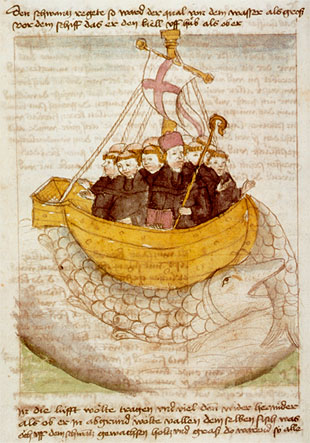
Brendan the Navigator
Irish monastic saint

Sigurd
thumb|The death of Siegfried. Hagen stands to the right of Siegfried with a bow. From the Hundeshagenscher Kodex.
thumb|"Sigurd proofs the sword gram (mythology)|Gram" (1901) by Johannes Gehrts.
thumb|Siegfried's Departure from Kriemhild, by Julius Schnorr von Carolsfeld, c. 1843
%20-%20Portrait%20of%20an%20Unidentified%20Man%20as%20Mephistopheles%20-%20PPHC000206%20-%20Royal%20College%20of%20Music.jpg)
Mephistopheles
thumb|Mephistopheles by Paul Mathey, 1888
Mephistopheles ( , ), also known as Mephostophilis or Mephisto, is a demon featured in German folklore, originating as the chief devil in the Faust legend. He has since become a stock character appearing in other works of arts and popular culture. Mephistopheles never became an integral part of traditional magic.

Loreley
The Lorelei ( ; or , or ; also found as Loreleï, Lore Lay, Lore-Ley, Lurley, Lurelei and Lurlei throughout history) is a , steep slate rock on the right bank of the River Rhine in the Rhine Gorge (or Middle Rhine) at Sankt Goarshausen in Germany, part of the Upper Middle Rhine Valley UNESCO World Heritage Site. The 1930s Loreley Amphitheatre is on top of the rock.

Alamut Castle
castle in Qazvin County, Iranian national heritage site
chanson de geste
medieval narrative in poetic form

Eric IX of Sweden
12th-century Swedish King and Saint
droit du seigneur
alleged legal right in medieval Europe allowing feudal lords to have sexual relations with subordinate women

Fountain of Youth
mythological theme in art and literature, a spring that supposedly restores the youth of anyone who drinks or bathes in its waters

Golden Legend
collection of hagiographies compiled by Jacobus de Voragine c.1264

bylina
thumb| Dobrynya Nikitich rescues Zabava Putyatichna from the dragon Gorynych, by [[Ivan Bilibin (1941)]]
Wild Hunt
motif in northern European folk myth
Wandering Jew
European Christian legendary figure of a Jew who taunted Jesus and was cursed to immortally walk the Earth until the Second Coming
Saint Ursula
Frankish saint

elixir of life
magical potion

paladin
thumb|upright=1.35|The death of Roland at the Battle of Roncevaux (manuscript illustration c. 1455–1460)
The Paladins, also called the Twelve Peers (), are twelve legendary knights, the foremost members of Charlemagne's court in the 8th century. They first appear in the medieval (12th century) chanson de geste cycle of the Matter of France, where they play a similar role to the Knights of the Round Table in Arthurian romance. In these romantic portrayals, the chivalric paladins represent Christianity against a Saracen (Muslim) invasion of Europe. The names of the paladins vary between sources,

Alexander Romance
ancient Greek literary work

cynocephaly
thumb|250px|right|A cynocephalus. From the Nuremberg Chronicle (1493).
The characteristic of cynocephaly, or cynocephalus (), having the head of a canid, typically that of a dog or jackal, is a widely attested mythical phenomenon existing in many different forms and contexts. The literal meaning of cynocephaly is "dog-headedness"; however, that this refers to a human body with a dog head is implied. Such cynocephalics are known in mythology and legend from many parts of the world, including ancient Egypt, Libya, Greece, India and China. Further mentions come from the medieval East and Europe.
Ilya Muromets
Russian legendary hero
Tír na nÓg
Land of Eternal Youth in Irish mythology

Sinterklaas
Sinterklaas () or Sint-Nicolaas () is a legendary figure based on Saint Nicholas, patron saint of children. Other Dutch names for the figure include De Sint ("The Saint"), De Goede Sint ("The Good Saint") and De Goedheiligman (derived from goed hylickman meaning "good marriage man", alluding to his historical reputation as a Saint who can help you find a good life partner). Many descendants and cognates of "Sinterklaas" or "Saint Nicholas" in other languages are also used in the Low Countries, nearby regions, and former Dutch colonies.

Melusine
thumbnail|upright=1.3|Melusine's secret discovered, from Le Roman de Mélusine by Jean d'Arras, . Bibliothèque nationale de France.
Ten Lost Tribes
tribes of Israel that were said to have been deported from the Kingdom of Israel after its conquest by the Neo-Assyrian Empire circa 722 BCE

Jaufré Rudel
Prince of Blaye and troubadour
Ogier the Dane
fictional character; legendary knight of Charlemagne

Sigurd Snake-in-the-Eye
legendary King of Denmark
Brutus of Troy
legendary descendant of the Trojan hero Aeneas
Khosrow and Shirin
Persian tragic romance by Nizami Ganjavi
green children of Woolpit
medieval English legend
Green Man
sculpture or other representation of a face surrounded by or made from leaves
Reynard the Fox
cycle of Old French fables

Cockaigne
thumb|upright=1.2|Pieter Bruegel the Elder: Luilekkerland ("The Land of Cockaigne "), oil on panel (1567; [[Alte Pinakothek, Munich)]]

Sadko
thumb|Sadko, Palekh miniature