Category
page 1Muhajir cuisine
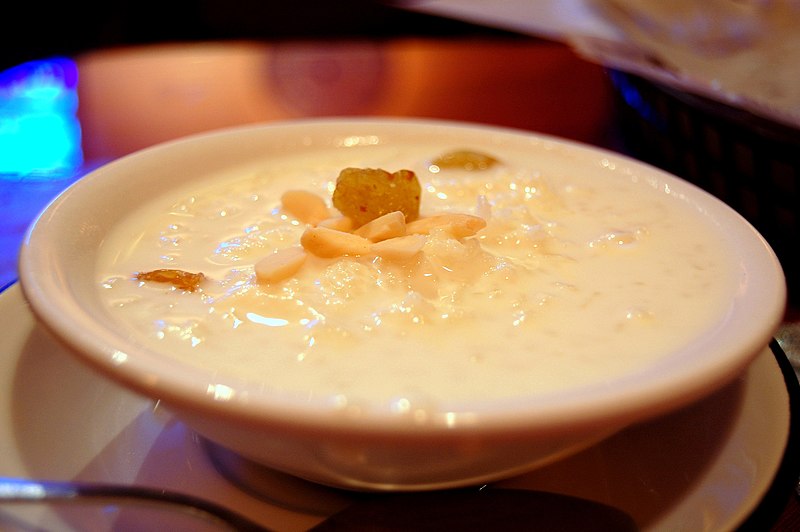
kheer
Kheer, khir, payesh, fenni or payasam is a pudding or porridge (specifically rice pudding) popular in the Indian subcontinent, usually made by boiling milk, sugar or jaggery, and rice. It can be additionally flavoured with dried fruits, nuts, cardamom and saffron. Instead of rice, it may contain cracked wheat, vermicelli (sevai), sago or tapioca (sabudana).
.jpg)
dal
In Indian cuisine, dal (also spelled daal or dhal pronunciation: ) are dried, split pulses (e.g., lentils, peas, and beans) that do not require soaking before cooking. India is the largest producer of pulses in the world. The term is also used for various soups prepared from these pulses. These pulses are among the leading staple foods in South Asian countries, and form an important part of the cuisines of the Indian subcontinent.

korma
Korma, kurma, qorma or qurma (; ; ; ; ) is a curry dish originating in the Indian subcontinent influenced by Mughlai cuisine, versions of which later were modified to Anglo-Indian and then to British tastes. It consists of meat or vegetables braised with yogurt, water or stock, and spices to produce a thick sauce or gravy. The flavours of kormas are less intense than those of meat-containing dishes, and the fragrances more aromatic.
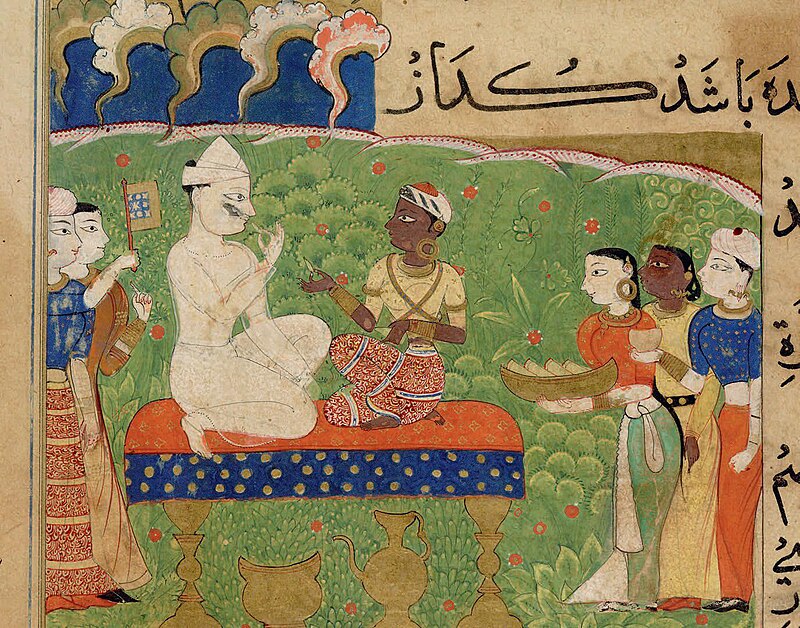
Paan
Hindi word for betel used for a stimulating and psychoactive preparation combined with areca nut and/or cured tobacco
Ras malai
Bengali sweet made with Indian cheese

Haleem
Haleem or halim is a type of stew that is widely consumed in South Asia, the Middle East and Central Asia. Although the dish varies from region to region, it optionally includes wheat or barley, lentils and meat. It is made by slow cooking the meat in lentils and spices. It is served hot with flat breads or on its own. Popular variations of haleem include keşkek (in Turkey, Tajikistan, Uzbekistan, Azerbaijan and Northern Iraq); harisa (in the Arab world and Armenia); halim (in Afghanistan, Iran, West Bengal, Mauritius, Pakistan and Bangladesh); and Hyderabadi haleem (in India).
Dahi vada
Indian snack
Hyderabadi biryani
form of biryani, from Hyderabad, India

nihari
Nihari (Hindi: , Urdu: ) is a stew of the Indian subcontinent, which consists of slow-cooked meat, mainly a shank cut of beef, lamb and mutton, or goat meat, as well as chicken and bone marrow. The two most common theories of origin postulate that nihari originated either in the Indian cities of Lucknow or Delhi. It is flavoured with long pepper (pippali), a relative of black pepper and is often served with naan, roti or rice.

Dopiaza
Dopiaza (, , , meaning "two onions") is a curry that contains onions as a major ingredient. It is recorded in Mughlai cuisine in the 16th century, and occurs in both Iranian and South Asian cuisine. It has become widespread in South Asia and in British Indian cuisine.
Shami kebab
variety of kebab, originating from the Indian subcontinent; consists of a small patty of minced meat (often lamb or mutton, occasionally chicken), with ground chickpeas, egg to hold it together, and spices
Rumali Roti
Types of flatbreads
zarda
traditional South Asian sweet dish

Hyderabadi haleem
type of haleem popular in the Indian city Hyderabad
Double ka meetha
Indian bread pudding
Aloo gosht
Curry with meat and potatoes
Dum pukht
Cooking technique
Awadhi cuisine
culinary traditions of Awadh
Lukhmi
Luqmi (; pronounced lukhmi in Deccani Urdu) is a typical mince savoury or starter of the cuisine of Hyderabad, Deccan. The snack's authentic preparation includes stuffing with mutton-mince qeema (ground meat). The luqmi is a flat square pastry.
Magaj
Maghaz (, Urdu: , ), also known as Bheja (, ), is an offal dish, originating from the Indian subcontinent, popular in Pakistani, Bangladeshi, and Indian cuisine. It is the brain of a cow, goat or sheep served with gravy.
Qubani ka meetha
Indian dessert made from dried apricots
Shahi Tukra
mughlai cuisine bread pudding
Baghara baingan
Baghaar-e-baingan, also spelled Baghare baingan, Bhagaray Baigan and Bagara baingan, is an eggplant (brinjal) curry from Hyderabadi cuisine, originating in Hyderabad, India. It is commonly served as a side dish with Hyderabadi biryani.
Chakna
Chakna or chaakna is a spicy stew, originating from the Indian subcontinent, made out of goat tripe and other animal digestive parts. It is a speciality among Hyderabadi Muslims. In all other parts of India, chakna refers to any snacks/finger foods for consumption with alcohol. The tripe stew includes chunks of liver and kidneys. It is usually taken with liquors throughout India.