Category
page 1Perfume ingredients

camphor
Camphor () is a waxy, colorless solid with a strong aroma. It is classified as a terpenoid and a cyclic ketone. It is found in the wood of the camphor laurel (Cinnamomum camphora), a large evergreen tree found in East Asia; and in the kapur tree (Dryobalanops sp.), a tall timber tree from South East Asia. It also occurs in some other related trees in the laurel family, notably Ocotea usambarensis. Rosemary leaves (Rosmarinus officinalis) contain 0.05 to 0.5% camphor, while camphorweed (Heterotheca) contains some 5%. A major source of camphor in Asia is camphor basil (the parent of African blue

ambergris
thumb|upright=1.3|Ambergris in dried form

1H-indole
Indole is an organic compound with the formula . Indole is classified as an aromatic heterocycle. It has a bicyclic structure, consisting of a six-membered benzene ring fused to a five-membered pyrrole ring. Indoles are derivatives of indole where one or more of the hydrogen atoms have been replaced by substituent groups. Indoles are widely distributed in nature, most notably as amino acid tryptophan and neurotransmitter serotonin.. In plants, IAA is a common plant hormone which is a derivative of Indole.

musk
thumb|Musk deer of Tibet in an 1835 illustration

Pogostemon cablin
Patchouli (also spelled patchouly or pachouli; ; Pogostemon cablin) is a species of flowering plant in the family Lamiaceae, commonly called the mint or deadnettle family. The plant grows as a bushy perennial herb, with erect stems reaching up to in height and bearing small, pale, pink-white flowers.

vanillin
Vanillin is an organic compound with the molecular formula . It is a phenolic aldehyde. Its functional groups include aldehyde, hydroxyl, and ether. It is the primary component of the ethanolic extract of the vanilla bean. Synthetic vanillin is now used more often than natural vanilla extract as a flavoring in foods, beverages, and pharmaceuticals.
benzyl alcohol
chemical compound
geraniol
Geraniol is a monoterpenoid and an alcohol. It is the primary component of citronella oil and is a primary component of rose oil and palmarosa oil. It is a colorless oil, although commercial samples can appear yellow. It has low solubility in water, but it is soluble in common organic solvents.
eugenol
Eugenol is an allyl chain-substituted guaiacol, a member of the allylbenzene class of chemical compounds. It is a colorless to pale yellow, aromatic oily liquid extracted from certain essential oils especially from clove, nutmeg, cinnamon, basil and bay leaf. It is present in concentrations of 80–90% in clove bud oil and at 82–88% in clove leaf oil. Containing eugenol, clove essential oil is obtained from unopened clove buds. Eugenol has a pleasant, spicy, clove-like scent. The name is derived from Eugenia caryophyllata, the former Linnean nomenclature term for cloves. The currently accepted n

(+/-)-linalool
Linalool (), also called linalol refers to two enantiomers of a naturally occurring terpene alcohol found in many flowers and spice plants. Together with geraniol, nerol, and citronellol, linalool is one of the rose alcohols. Linalool has multiple commercial applications, the majority of which are based on its pleasant scent (floral, with a touch of spiciness).

sandalwood
thumb|Santalum paniculatum ), Hawaii (island)|Hawaii
Sandalwood is a class of woods from trees in the genus Santalum. The woods are heavy, yellow, and fine-grained, and, unlike many other aromatic woods, they retain their fragrance for decades. Sandalwood oil is extracted from the woods. Sandalwood is often cited as one of the most expensive woods in the world. Both the wood and the oil produce a distinctive fragrance that has been highly valued for centuries. Consequently, some species of these slow-growing trees have suffered over-harvesting in the past.

agarwood
Agarwood, aloeswood, eaglewood, gaharuwood, commonly referred to as oud or oudh (from , ), is a fragrant, dark and resinous wood used in incense, perfume, and small hand carvings.
citral
Citral is an acyclic monoterpene aldehyde. Being a monoterpene, it is made of two isoprene units. Citral is a collective term which covers two geometric isomers that have their own separate names; the E-isomer is named geranial (trans-citral; α-citral) or citral A. The Z-isomer is named neral (cis-citral; β-citral) or citral B. These stereoisomers occur as a mixture, often not in equal proportions; e.g. in essential oil of Australian ginger, the neral to geranial ratio is 0.61.
phenylacetic acid
chemical compound
skatole
Skatole (also spelled skatol) or 3-methylindole is an organic compound belonging to the indole family. It occurs naturally in the feces of mammals and birds and is the primary contributor to fecal odor. At high to moderate conentrations, its aroma is described as "animal, fecal, naphthyl, civet". In low concentrations, it has a flowery smell and is found in several flowers and essential oils, including those of orange blossoms, jasmine, and Ziziphus mauritiana. It has also been identified in certain cannabis varieties.

thujone
Thujone () is a ketone and a monoterpene that occurs predominantly in two diastereomeric (epimeric) forms: (−)-α-thujone and (+)-β-thujone.
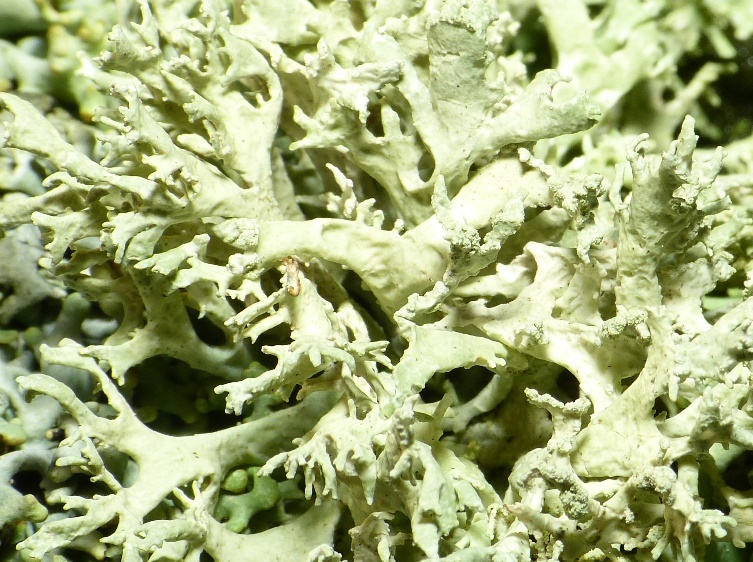
Evernia prunastri
Oakmoss (scientific name Evernia prunastri) is a species of lichen. It can be found in many mountainous temperate forests throughout the Northern Hemisphere. Oakmoss grows primarily on the trunk and branches of oak trees, but is also commonly found on the bark of other deciduous trees and conifers such as fir and pine. The thalli of oakmoss are short and bushy, and grow together on bark to form large clumps. Oakmoss thallus is flat and strap-like. They are also highly branched, resembling the form of antlers. The colour of oakmoss ranges from green to a greenish-white when dry, and dark olive-

(2E/Z,6E/Z)-farnesol
Farnesol is a natural 15-carbon organic compound which is an acyclic sesquiterpene alcohol. Under standard conditions, it is a colorless liquid. It is hydrophobic, and thus insoluble in water, but miscible with oils. As the pyrophosphate ester, farnesol is a precursor to many terpenes and terpenoids. It is a constitutional isomer of Nerolidol.

ionone
The ionones, from greek ἴον ion "violet", are a series of closely related chemical substances that are part of a group of compounds known as rose ketones, which also includes damascones and damascenones. Ionones are aroma compounds found in a variety of essential oils, including rose oil. β-Ionone is a significant contributor to the aroma of roses, despite its relatively low concentration, and is an important fragrance chemical used in perfumery. The ionones are derived from the degradation of carotenoids.

Pelargonium graveolens
species of plant
benzyl benzoate
chemical compound

safrole
Safrole is a possibly-carcinogenic, organic compound with the formula CH2O2C6H3CH2CH=CH2. It is a colorless oily liquid, although impure samples can appear yellow. A member of the phenylpropanoid family of natural products, it is found in sassafras plants, among others. Small amounts are found in a wide variety of plants, where it functions as a natural antifeedant. Ocotea pretiosa, which grows in Brazil, and Sassafras albidum, which grows in eastern North America, are the main natural sources of safrole. It has a characteristic "sweet-shop" aroma.
methyl benzoate
chemical compound
benzoin resin
balsamic resin obtained from trees in the genus Styrax

cyclopentanone
Cyclopentanone is the organic compound with the formula (CH2)4CO. This cyclic ketone is a colorless volatile liquid.

camphene
Camphene is a bicyclic organic compound. It is one of the most pervasive monoterpenes. As with other terpenes, it is insoluble in water, flammable, colorless, and has a pungent smell. It is a minor constituent of many essential oils such as turpentine, cypress oil, camphor oil, citronella oil, neroli, ginger oil, valerian, and mango. It is produced industrially by isomerization of the more common alpha-pinene using a solid acid catalyst such as titanium dioxide.
phenylethyl alcohol
chemical compound
benzyl acetate
chemical compound

myrcene
Myrcene, or β-myrcene, is a monoterpene. A colorless oil, it occurs widely in essential oils. It is produced mainly semi-synthetically from Myrcia, from which it gets its name. It is an intermediate in the production of several fragrances. A less-common isomeric form, having one of the three alkene units in a different position, is α-myrcene.
aroma compound
chemical compound that has a smell or odor
nerol
Nerol is a monoterpenoid alcohol found in many essential oils such as lemongrass and hops. It was originally isolated from neroli oil, hence its name. This colourless liquid is used in perfumery. Like geraniol, nerol has a sweet rose odor but it is considered to be fresher. Esters and related derivatives of nerol are referred to as neryl, e.g., neryl acetate.
diethyl malonate
chemical compound
(RS)-acetoin
Acetoin, also known as 3-hydroxybutanone or acetyl methyl carbinol, is an organic compound with the formula CH3CH(OH)C(O)CH3. It is a colorless liquid with a pleasant, buttery odor. It is chiral. The form produced by bacteria is (R)-acetoin.
(±)-β-citronellol
Citronellol, or dihydrogeraniol, is a natural acyclic monoterpenoid. Both enantiomers occur in nature. (+)-Citronellol, which is found in citronella oils, including Cymbopogon nardus (50%), is the more common isomer. (−)-Citronellol is widespread, but particularly abundant in the oils of rose (18–55%) and Pelargonium geraniums.
ethyl benzoate
chemical compound
civetone
Civetone is a macrocyclic ketone and the main odorous constituent of civet oil. It is a pheromone sourced from the African civet. It has a strong musky odor that becomes pleasant at extreme dilutions. Civetone is closely related to muscone, the principal odoriferous compound found in musk; the structure of both compounds was elucidated by Leopold Ružička. Today, civetone can be synthesized from precursor chemicals found in palm oil.
(E)-cinnamyl alcohol
chemical compound
estragole
Estragole ('''p-allylanisole, methyl chavicol''') is a phenylpropene, a natural organic compound. Its chemical structure consists of a benzene ring substituted with a methoxy group and an allyl group. It is an isomer of anethole, differing with respect to the location of the double bond. It is a colorless liquid, although impure samples can appear yellow. It is a component of various trees and plants, including turpentine (pine oil), anise, fennel, bay, tarragon, and basil. It is used in the preparation of fragrances. Its aroma is described as "sweet, sassafras, anise, spicy, green, herbal, fe
ethyl maltol
chemical compound

ethyl vanillin
Ethylvanillin is the organic compound with the formula (C2H5O)(HO)C6H3CHO. This colorless solid consists of a benzene ring with hydroxyl, ethoxy, and formyl groups on the 4, 3, and 1 positions, respectively. It is a homologue of vanillin, differing on the 3 position.
methyl butyrate
chemical compound

(±)-muscone
Muscone is a macrocyclic ketone, an organic compound that is the primary contributor to the odor of deer musk. Natural muscone is obtained from musk, a glandular secretion of the musk deer, which has been used in perfumery and medicine for thousands of years. Since obtaining natural musk requires killing the endangered animal, nearly all muscone used in perfumery and for scenting consumer products today is synthetic. It has the characteristic smell of being "musky" (described as "musk, animal, powdery").
Menthone
Menthone is a chemical compound of the monoterpene class of naturally occurring organic compounds found in a number of essential oils, one that presents with minty flavor. It is a specific pair of stereoisomers of the four possible such isomers for the chemical structure, 2-isopropyl-5-methylcyclohexanone. Of those, the stereoisoomer '''l-menthone'—formally, the (2S,5R)-trans'' isomer of that structure, as shown at right—is the most abundant in nature. Menthone is structurally related to menthol, which has a secondary alcohol (>C-OH) in place of the carbon-oxygen double bond (carbonyl group) p
raspberry ketone
chemical compound
levomenol
Bisabolol, or more formally α-(−)-bisabolol or also known as levomenol, is a natural monocyclic sesquiterpene alcohol. It is a colorless viscous oil that is the primary constituent of the essential oil from German chamomile (Matricaria recutita) and Myoporum crassifolium. High concentrations of bisabolol can also be found in certain medicinal cannabis cultivars. It is poorly soluble in water and glycerine, but soluble in ethanol. The enantiomer, α-(+)-bisabolol, is also found naturally but is rare. Synthetic bisabolol is usually a racemic mixture of the two, α-(±)-bisabolol. It is the terpenoi
geranyl acetate
chemical compound
beta-pinene
β-Pinene is a monoterpene, an organic compound found in plants. It is the less abundant of the two isomers of pinene, the other being α-pinene. It is a colorless liquid soluble in alcohol, but not water. It has a woody-green pine-like smell.

Valeriana celtica
species of plant
chavicol
Chavicol ('''p-allylphenol''') is a natural phenylpropene, a type of organic compound. Its chemical structure consists of a benzene ring substituted with a hydroxy group and a propenyl group. It is a colorless liquid found together with terpenes in betel oil.
pulegone
Pulegone is a naturally occurring organic compound obtained from the essential oils of a variety of plants such as Nepeta cataria (catnip), Mentha piperita, and pennyroyal. It is classified as a monoterpenoid, which means that it is an oxidized derivative of a terpene, a large class of naturally occurring C10 hydrocarbons.
cuminaldehyde
Cuminaldehyde (4-isopropylbenzaldehyde) is a natural organic compound with the molecular formula C10H12O. It is a benzaldehyde with an isopropyl group substituted in the 4-position.
ocimene
Ocimenes are a group of isomeric hydrocarbons. The ocimenes are monoterpenes found within a variety of plants and fruits. α-Ocimene and the two β-ocimenes differ in the position of the isolated double bond: it is terminal in the alpha isomer. α-Ocimene is cis-3,7-dimethyl-1,3,7-octatriene. β-Ocimene is trans-3,7-dimethyl-1,3,6-octatriene. β-Ocimene exists in two stereoisomeric forms, cis and trans, with respect to the central double bond.
balsam of Peru
herbal preparation

Cyperus articulatus
species of plant in Cyperaceae family
ambrein
Ambrein is a triterpene alcohol that is the chief constituent of ambergris, a secretion from the digestive system of the sperm whale. It has been suggested as the possible active component producing the supposed aphrodisiac effects of ambergris. Although ambrein itself is odorless, it serves as the biological precursor for aromatic derivatives such as ambroxide and is thought to possess fixative properties for other odorants.

Artemisia pallens
aromatic herb
heptyl acetate
chemical compound
(2EZ)-α-n-hexylcinnamaldehyde
α-Hexylcinnamaldehyde (hexyl cinnamal) is a common additive in the perfume and cosmetic industry as aroma substance. It is found naturally in the essential oil of chamomile. It is a pale yellow to yellow liquid to solid, which is nearly insoluble in water but soluble in oils. The commercial material often contains low levels of 2,6-di-tert-butyl-4-methoxyphenol as a stabilizer. It is a derivative of cinnamaldehyde with a hexyl substituent.

phellandrene
Phellandrenes are organic compounds with the formula . They have a similar molecular structure and similar chemical properties. α-Phellandrene and β-phellandrene are cyclic monoterpenes and are double-bond isomers. In α-phellandrene, both double bonds are endocyclic, and in β-phellandrene, one of them is exocyclic. Both are insoluble in water, but miscible with organic solvents.
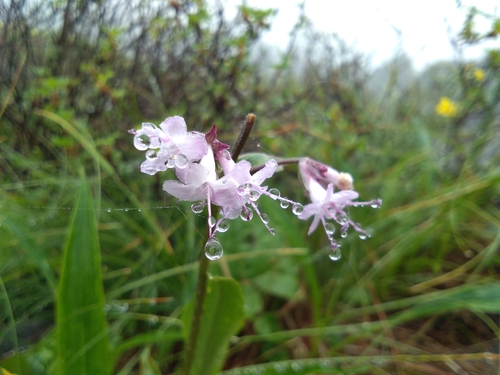
Nardostachys
Nardostachys is a genus of flowering plant in the honeysuckle family (Caprifoliaceae). Nardostachys jatamansi is the sole species in genus.