Category
page 2Taxa named by John Edward Gray

pygmy right whale
species of mammal
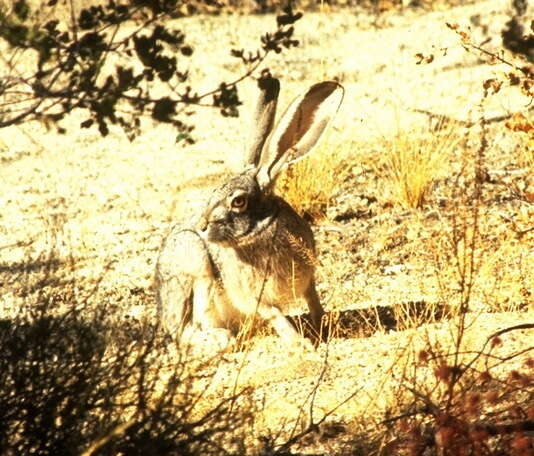
Lepus californicus
common hare of the western United States and Mexico

Frill-necked Lizard
species of reptile

White-beaked dolphin
species of mammal
%20(48445413157).jpg)
Snowcock
The snowcocks or snowfowl are a group of bird species in the genus Tetraogallus of the pheasant family, Phasianidae. They are ground-nesting birds that breed in the mountain ranges of southern Eurasia from the Caucasus to the Himalayas and western China. Some of the species have been introduced into the United States. Snowcocks feed mainly on plant material.
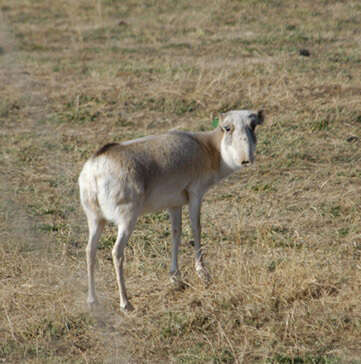
Antilopinae
Antilopinae is a subfamily of even-toed ungulates in the family Bovidae. The members of tribe Antilopini are often referred to as true antelopes, and include the gazelles, blackbucks, springboks, gerenuks, dibatags, and Central Asian gazelles. True antelopes occur in much of Africa and Asia, with the highest concentration of species occurring in East Africa in Sudan, Eritrea, Ethiopia, Somalia, Kenya, and Tanzania. The saiga (tribe Saigini) inhabits Central and Western Asia, mostly in regions from the Tibetan Plateau and north of the Indian subcontinent. The dwarf antelope species of tribe Neo
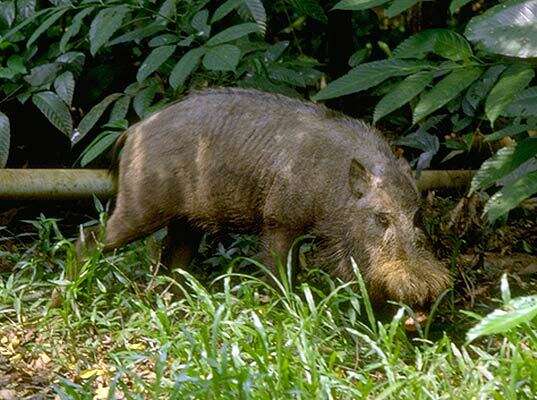
Suina
Suina (also known as Suiformes) is a suborder of omnivorous, non-ruminant artiodactyl mammals that includes the domestic pig and peccaries. A member of this clade is known as a suine. Suina includes the family Suidae, termed suids, known in English as pigs or swine, as well as the family Tayassuidae, termed tayassuids or peccaries. Suines are largely native to Africa, South America, and Southeast Asia, with the exception of the wild boar, which is additionally native to Europe and Asia and introduced to North America and Australasia, including widespread use in farming of the domestic pig subs

Arvicolinae
The Arvicolinae are a subfamily of rodents that includes the voles, lemmings, and muskrats. They are most closely related to the other subfamilies in the Cricetidae (comprising the hamsters and New World rats and mice). Some authorities place the subfamily Arvicolinae in the family Muridae along with all other members of the superfamily Muroidea. Some refer to the subfamily as the Microtinae (yielding the adjective "microtine") or rank the taxon as a full family, the Arvicolidae.
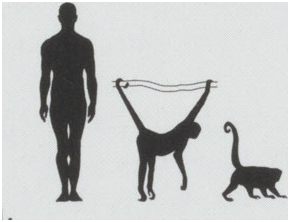
Atelidae
The Atelidae are one of the five families of New World monkeys now recognised. It was formerly included in the family Cebidae. Atelids are generally larger monkeys; the family includes the howler, spider, woolly, and woolly spider monkeys (the latter being the largest of the New World monkeys). They are found throughout the forested regions of Central and South America, from Mexico to northern Argentina.

South American gray fox
species of mammal

Giant eland
species of mammal
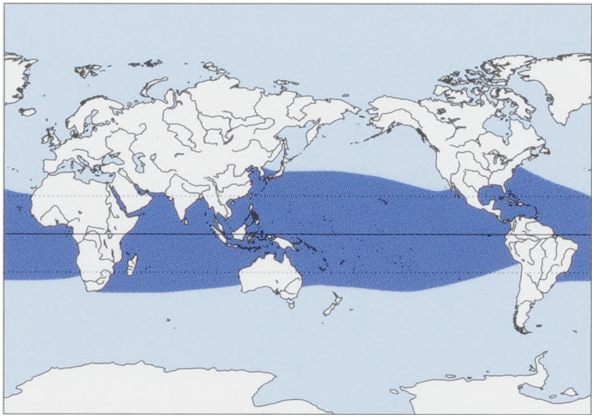
Stenella longirostris
species of dolphin

cottontail rabbit
genus of mammals

Little Swift
species of bird

Ornithorhynchidae
The Ornithorhynchidae are one of the two extant families in the order Monotremata, and contain only the platypus and its extinct relatives. The other family is the Tachyglossidae, or echidnas.
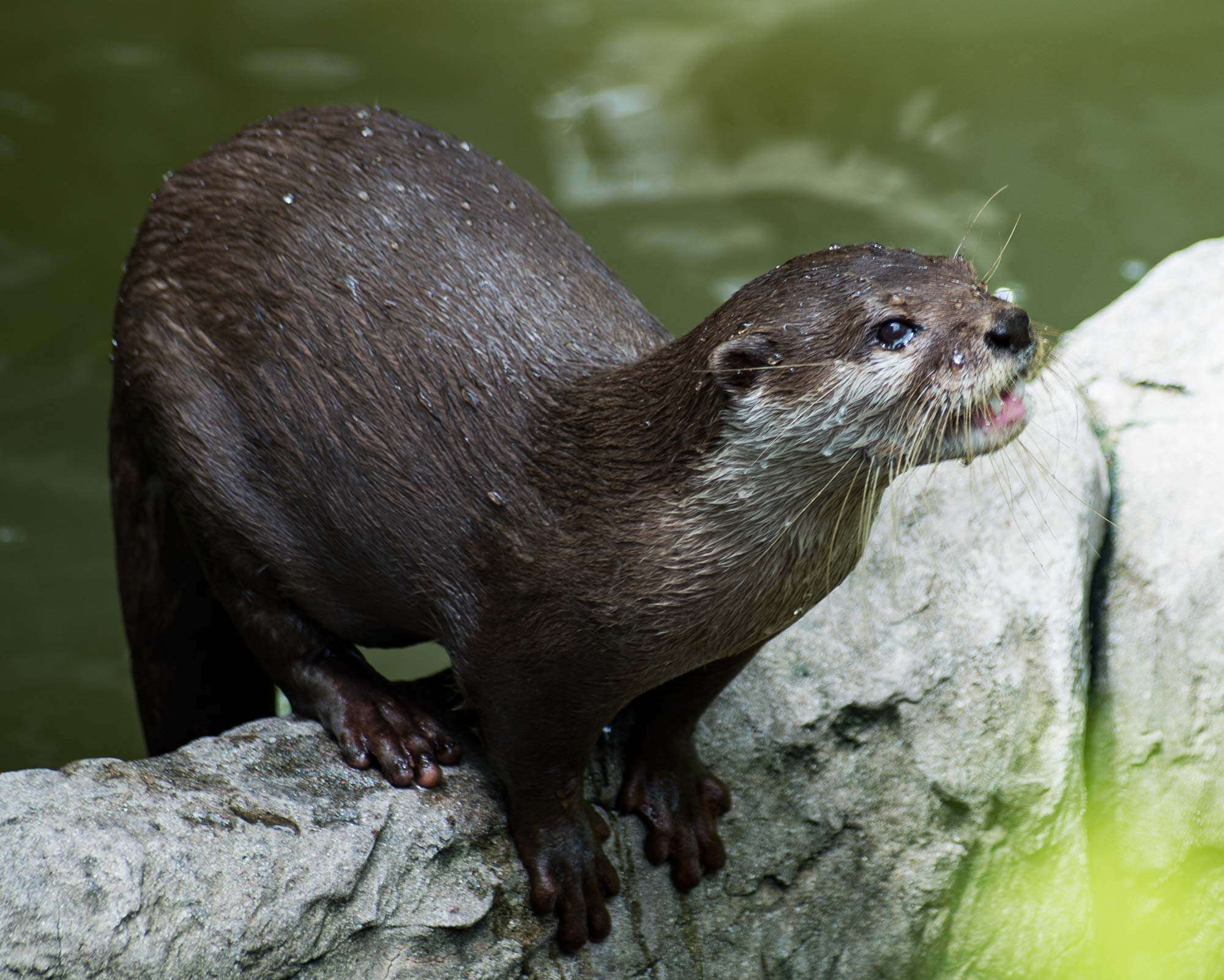
Hairy-nosed otter
species of mammal

Orycteropodidae
Orycteropodidae is a family of afrotherian mammals. Although there are many fossil species, the only species surviving today is the aardvark (Orycteropus afer). Orycteropodidae is recognized as the only family within the order Tubulidentata, (), referring to the tubule-style teeth, so the two are effectively synonyms.

Pantropical spotted dolphin
species of mammal
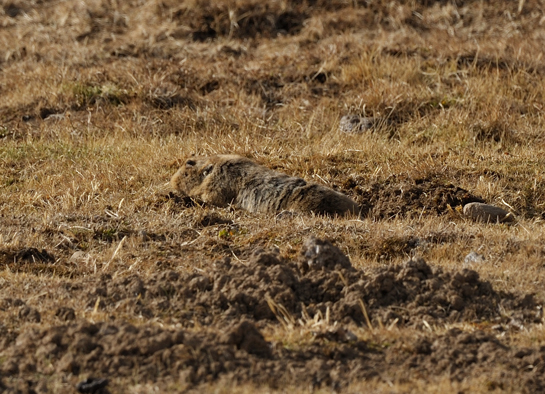
Spalacidae
The Spalacidae, or spalacids, are a family of rodents in the large and complex superfamily Muroidea. They are native to eastern Asia, the Horn of Africa, the Middle East, and southeastern Europe. It includes the blind mole-rats, bamboo rats, mole-rats, and zokors. This family represents the oldest split (excluding perhaps the Platacanthomyidae) in the muroid superfamily, and comprises animals adapted to a subterranean way of life. These rodents were thought to have evolved adaptations to living underground independently until recent phylogenetic studies demonstrated they form a monophyletic gr

Capreolus
thumb|Young roe deer

Atlantic white-sided dolphin
species of mammal

pygmy killer whale
species of mammal
.jpg)
Moschidae
Moschidae is a family of pecoran even-toed ungulates, containing the musk deer (Moschus) and its extinct relatives. They are characterized by long "saber teeth" instead of horns, antlers or ossicones, modest size (Moschus only reaches ; other taxa were even smaller) and a lack of facial glands. While various Oligocene and Miocene pecorans were previously assigned to this family, recent studies find that most should be assigned to their own clades, although further research would need to confirm these traits. As a result, Micromeryx, Hispanomeryx, and Moschus are the only undisputed moschid mem
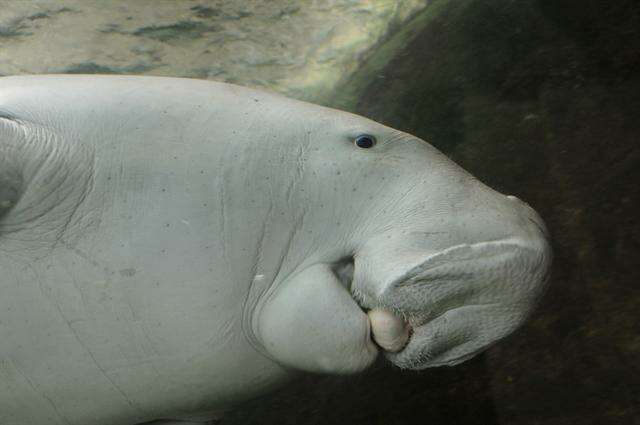
Dugongidae
Dugongidae is a family in the order of Sirenia. The family has one surviving species, the dugong (Dugong dugon), one recently extinct species, Steller's sea cow (Hydrodamalis gigas), and a number of extinct genera known from fossil records.
thumb|Dugong skeleton displayed at Philippine National Museum

New Zealand sea lion
species of mammal

Bovini
The tribe Bovini or wild cattle are medium to massive bovines that are native to Eurasia, North America, and Africa. These include the enigmatic, antelope-like saola, the African and Asiatic buffaloes, and a clade that consists of bison and the wild cattle of the genus Bos. Not only are they the largest members of the subfamily Bovinae, they are the largest species of their family Bovidae. The largest species is the gaur (Bos gaurus), weighing up to .
Caribbean monk seal
species of mammal (fossil)

River Tern
species of bird

Right whale
genus of mammals

Heteromyidae
Heteromyidae is a family of rodents consisting of kangaroo rats, kangaroo mice, pocket mice and spiny pocket mice. Most heteromyids live in complex burrows within the deserts and grasslands of western North America, though species within the genus Heteromys are also found in forests and their range extends as far south as northern South America. They feed mostly on seeds and other plant parts, which they carry in their fur-lined cheek pouches to their burrows.

Ross Seal
species of mammal

short-finned pilot whale
species of Oceanic dolphins

melon-headed whale
species of mammal

Peramelidae
The marsupial family Peramelidae contains the extant bandicoots. They are found throughout Australia and New Guinea, with at least some species living in every available habitat, from rainforest to desert. Four fossil peramelids are described. One known extinct species of bandicoot, the pig-footed bandicoot, was so different from the other species, it was recently moved into its own family.

painted turtle
species of reptile

Pudú
The pudus (Mapudungun püdü or püdu, , ) are two species of South American deer from the genus Pudu, and are the world's smallest deer. The chevrotains (mouse-deer; Tragulidae) are smaller, but they are not true deer. The name is a loanword from Mapudungun, the language of the indigenous Mapuche people of central Chile and south-western Argentina. The two species of pudus are the northern pudu (Pudu mephistophiles) from Venezuela, Colombia, Ecuador, and Peru, and the southern pudu (Pudu puda; sometimes incorrectly modified to Pudu pudu) from southern Chile and south-western Argentina. Pudus ran
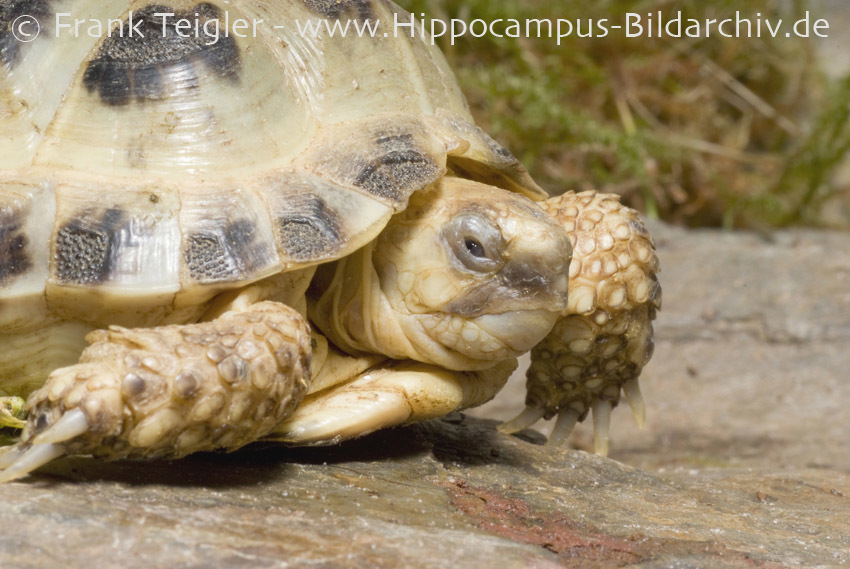
Russian tortoise
species of reptile

seedsnipe
thumb|A skull of a grey-breasted seedsnipe, in the collections of the [[Royal Ontario Museum]]
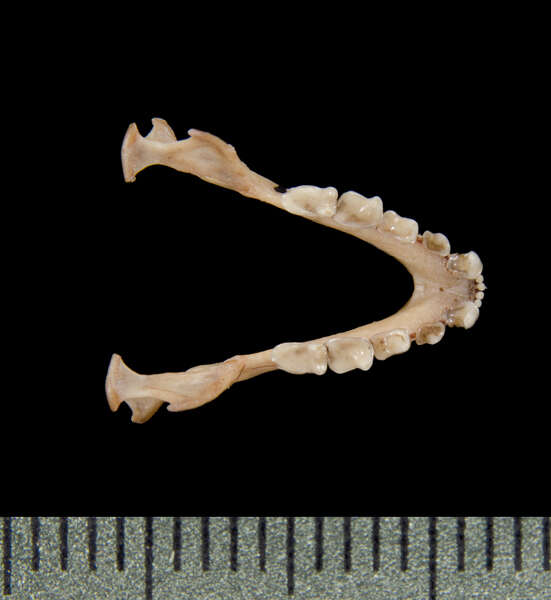
Phyllostomidae
family of bats

Chelydridae
The Chelydridae is a family of turtles that has seven extinct and two extant genera. The extant genera are the snapping turtles, Chelydra and Macrochelys. Both are endemic to the Western Hemisphere. The extinct genera are Acherontemys, Chelydrops, Chelydropsis, Emarginachelys, Macrocephalochelys, Planiplastron, and Protochelydra.

Lontra
Lontra is a genus of otters from the Americas.

Plethodontidae
Plethodontidae, or lungless salamanders, are a family of salamanders. With over 500 species, lungless salamanders are by far the largest family of salamanders in terms of their diversity. Most species are native to the Western Hemisphere, from British Columbia to Brazil. Only two extant genera occur in the Eastern Hemisphere: Speleomantes (native to Sardinia and mainland Europe south of the Alps) and Karsenia (native to South Korea).

Chelidae
Chelidae is one of three living families of the turtle suborder Pleurodira, and are commonly called Austro-South American side-neck turtles. The family is distributed in Australia, New Guinea, parts of Indonesia, and throughout most of South America. It is a large family of turtles with a significant fossil history dating back to the Cretaceous. The family is entirely Gondwanan in origin, with no members found outside Gondwana, either in the present day or as a fossil.

Haviside's dolphin
species of mammal
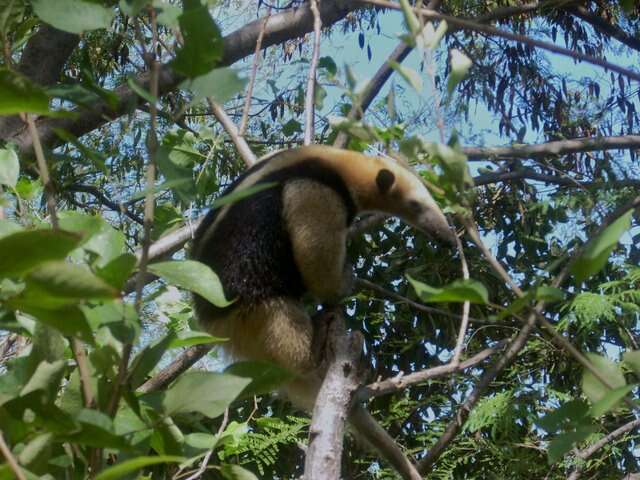
Tamandua
Tamandua is a genus of anteaters in the Myrmecophagidae family with two species: the southern tamandua (T. tetradactyla) and the northern tamandua (T. mexicana). They live in forests and grasslands, are semiarboreal, and possess partially prehensile tails. They mainly eat ants and termites, but they occasionally eat bees, beetles, and insect larvae. In captivity, they will eat fruits and meat.

Thylogale
Pademelons () are small marsupials in the genus Thylogale, found in Australia, New Guinea, and surrounding islands. They are some of the smallest members of the macropod family, which includes the similar-looking but larger kangaroos and wallabies. Pademelons are distinguished by their small size and their short, thick, and sparsely haired tails. Like other marsupials, they carry their young in a pouch.

Pipidae
The Pipidae are a family of basal, tongueless frogs. There are 41 species in the family, found in tropical South America (genus Pipa) and sub-Saharan Africa (the three other genera).

Subantarctic fur seal
species of mammal

Australian Brushturkey
species of bird

Caracal
genus of mammals

Cynogale bennettii
species of mammal

Teiidae
Teiidae is a family of lacertoidean lizards native to the Americas. Members of this family are generally known as whiptails or racerunners; however, tegus also belong to this family. Teiidae is sister to the Gymnopthalmidae, and both families comprise the Teiioidea. The Teiidae includes several parthenogenic species – a mode of clonal reproduction. Presently, the Teiidae consists of approximately 150 species in eighteen genera.
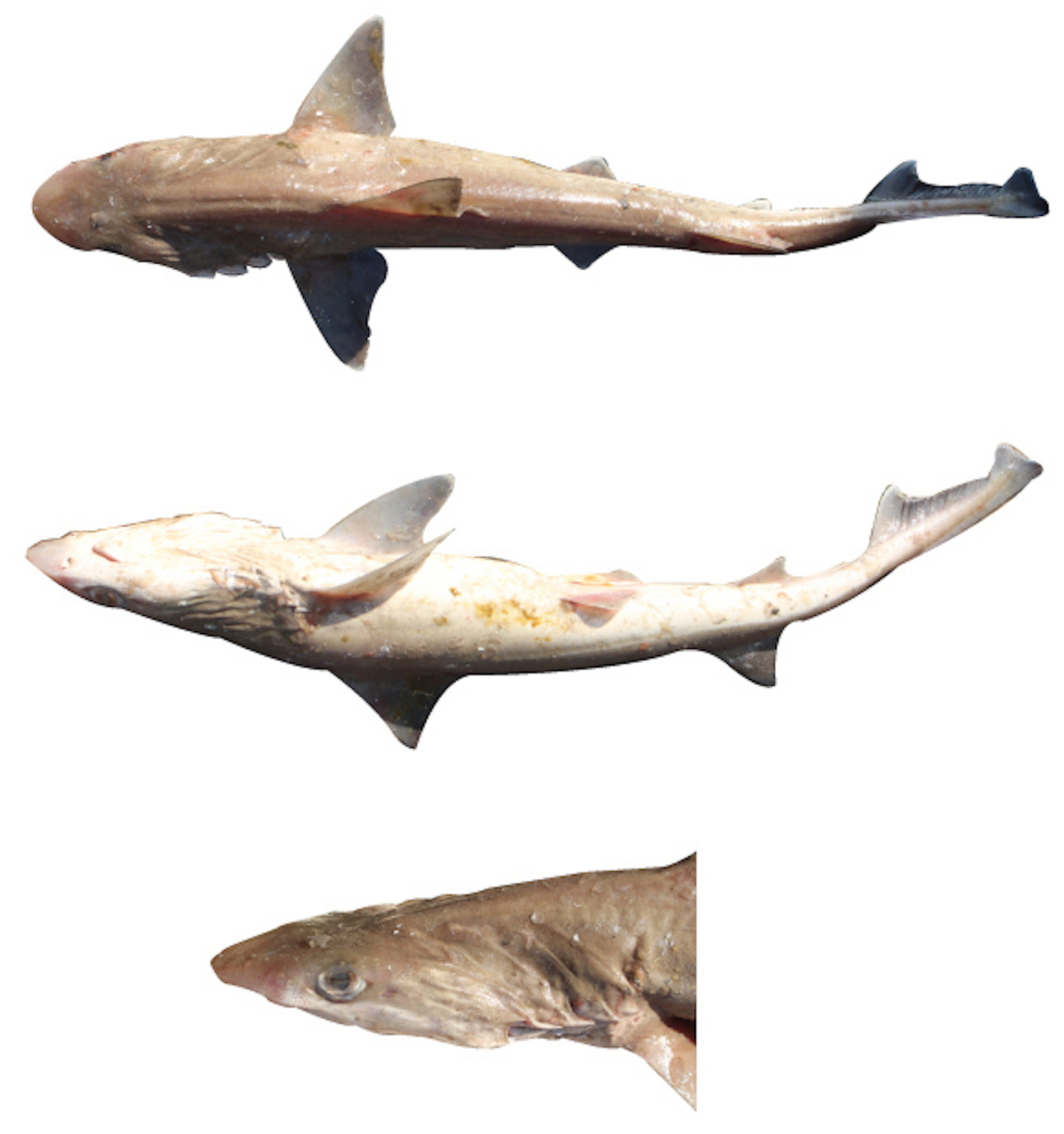
Triakidae
The Triakidae or houndsharks are a family of ground sharks, consisting of about 40 species in nine genera. In some classifications, the family is split into two subfamilies, with the genera Mustelus, Scylliogaleus and Triakis in the subfamily Triakinae, and the remainders in the subfamily Galeorhininae.

Melogale moschata
species of mammal

Banded palm civet
species of mammal

Dusky dolphin
species of marine mammal
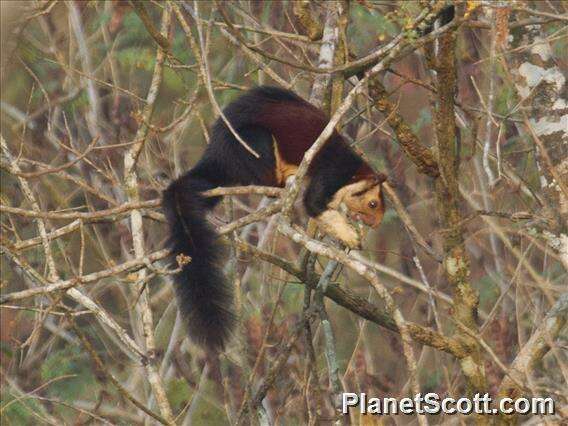
Oriental giant squirrel
genus of the squirrels
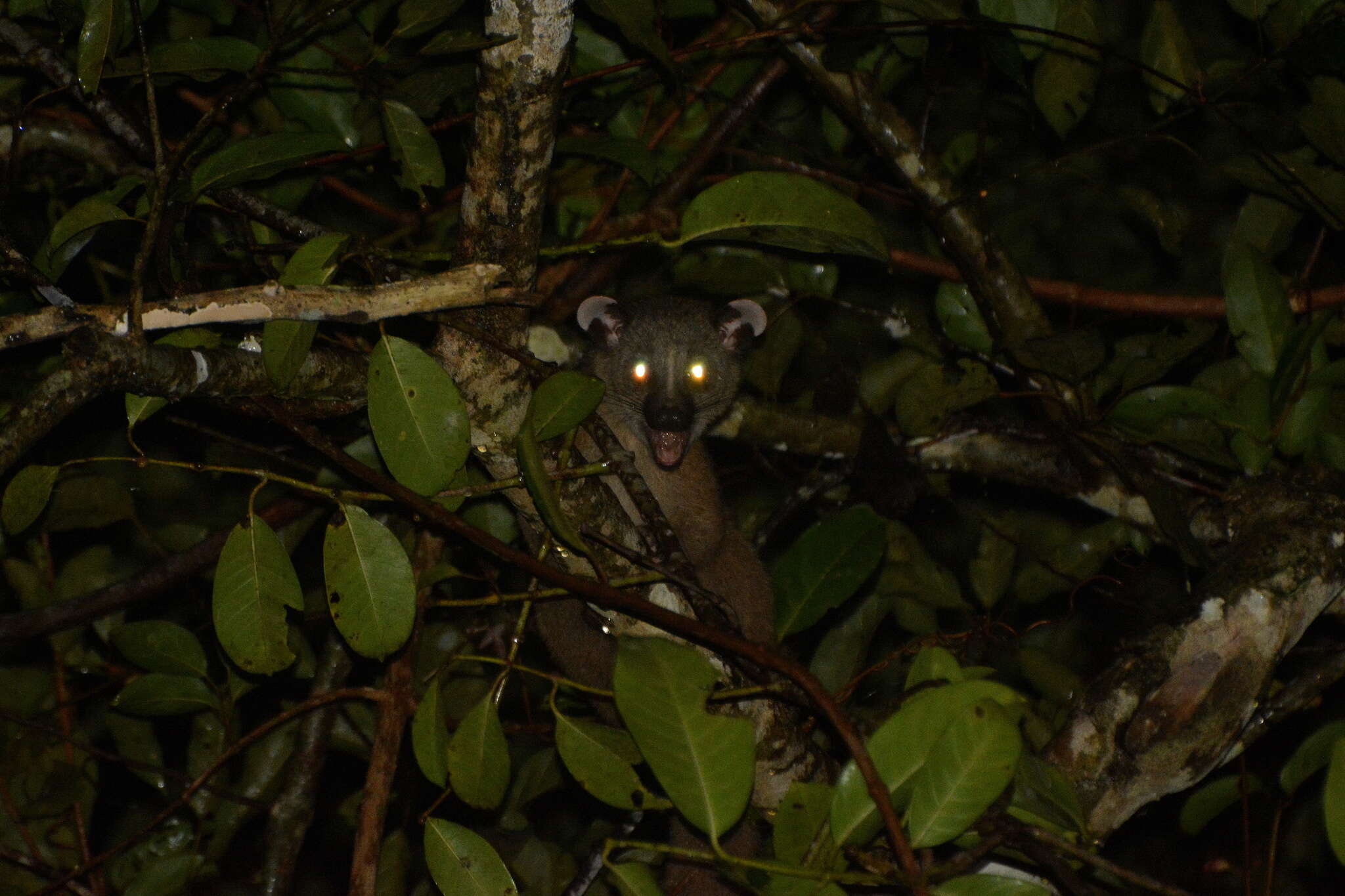
small-toothed palm civet
species of mammal
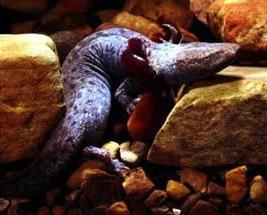
mudpuppy
The family Proteidae is a group of aquatic salamanders found today in the Balkan Peninsula and North America. The range of the genus Necturus (commonly known as waterdogs or mudpuppies) runs from southern central Canada, through the midwestern United States, east to North Carolina and south to Georgia and Mississippi. The range of the olm, the only extant member of the genus Proteus, is limited to the Western Balkans. The fossil record of the family extends back to the Late Cretaceous, with Paranecturus being known from the Maastrichtian of North America, and Bishara from the Santonian-Campani

tapir
Tapirs ( ) are large herbivorous mammals belonging to the family Tapiridae. They are similar in shape to a pig, with a short, prehensile nose trunk (proboscis). Tapirs inhabit jungle and forest regions of South and Central America and Southeast Asia. They are one of three extant branches of Perissodactyla (odd-toed ungulates), alongside equines and rhinoceroses. Only a single genus, Tapirus, is extant. Tapirs migrated into South America during the Pleistocene epoch from North America after the formation of the Isthmus of Panama as part of the Great American Interchange. Tapirs were present acr