Category
page 1Tropical fruit

banana
A banana is an elongated, edible fruit—botanically a berry—produced by several kinds of large treelike herbaceous flowering plants in the genus Musa. In some countries, cooking bananas are called plantains, distinguishing them from dessert bananas. The fruit is variable in size, color and firmness, but is usually elongated and curved, with soft flesh rich in starch covered with a peel, which may have a variety of colors when ripe. It grows upward in clusters near the top of the plant. Almost all modern edible seedless (parthenocarp) cultivated bananas come from two wild species – Musa acuminat

Solanum melongena

Carica papaya
The papaya (, ), papaw, () or pawpaw () is the plant species Carica papaya, one of the 21 accepted species in the genus Carica of the family Caricaceae. Papaya is also the name of its fruit. It was first domesticated in Mesoamerica, within modern-day southern Mexico and Central America. It is grown in several countries in regions with a tropical climate. In 2024, India was the leading producer, accounting for 36% of the world total.

Cocos nucifera
The coconut (Cocos nucifera) is a member of the palm family (Arecaceae) and the only living species of the genus Cocos. The term "coconut" (or the archaic "cocoanut") can denote the whole coconut palm tree or the large hard fruit. Originally native to Central Indo-Pacific, they are ubiquitous in coastal tropical regions.

Ananas comosus
The pineapple (Ananas comosus) is a tropical plant with an edible fruit; it is the most economically significant plant in the family Bromeliaceae.

Aguacate
The avocado, alligator pear or avocado pear (Persea americana) is an evergreen tree in the laurel family (Lauraceae). It is native to the Americas, with archaeological evidence of early human avocado use dating back thousands of years across various regions of Central and South America. It was prized for its large and unusually oily fruit. The native range of avocado (Persea americana) extends from Mexico to Peru, encompassing much of Central America and parts of northern and western South America.

Tamarindus indica
Tamarind (Tamarindus indica) is a leguminous tree bearing edible fruit that is indigenous to tropical Africa and naturalized in Asia. The genus Tamarindus is monotypic, meaning that it contains only this species. It belongs to the family Fabaceae.
.jpg)
Artocarpus heterophyllus
The jackfruit, jakfruit or nangka (Artocarpus heterophyllus) is a species of tree in the fig, mulberry, and breadfruit family (Moraceae).

Litchi chinensis
Lychee ( , ; Litchi chinensis; ) is a monotypic taxon and the sole member in the genus Litchi in the soapberry family, Sapindaceae.
The fruit is edible and has a sweet, mildly tart flavor and a distinctive floral aroma often described as rose-like.

breadfruit
Breadfruit (Artocarpus altilis) is a species of flowering tree in the mulberry and jackfruit family (Moraceae) believed to have been selectively bred in Polynesia from the breadnut (Artocarpus camansi). Breadfruit was spread into Oceania via the Austronesian expansion and to further tropical areas during the Colonial Era. British and French navigators introduced a few Polynesian seedless varieties to Caribbean islands during the late 18th century.

Nephelium lappaceum
Rambutan ( ; ;Nephelium lappaceum) is a medium-sized tropical tree in the family Sapindaceae. The name also refers to the edible fruit produced by this tree. The rambutan is native to Southeast Asia. It is closely related to several other edible tropical fruits, including the lychee, longan, pulasan, and quenepa.

Eriobotrya japonica
The loquat (Eriobotrya japonica, Chinese: 枇杷; Pinyin: pípá) is a large evergreen shrub or tree grown commercially for its orange coloured fruits. It is also cultivated as an ornamental plant.

Garcinia mangostana
Mangosteen (Garcinia mangostana), sometimes rendered mangostan, and commonly known as the purple mangosteen, is a tropical evergreen tree with edible fruit native to the Malay Peninsula and Borneo. It has been cultivated extensively in tropical Asia since ancient times. It is grown mainly in Southeast Asia, southwest India and other tropical areas such as Colombia, Puerto Rico and Florida, where the tree has been introduced. The tree grows from tall.

dragon fruit
frameless|right|alt=Ripe, longitudinal section
thumb|Dragon fruit sold in a market in Chiayi, Taiwan|alt=Market stall in [[Taiwan]]

Passiflora edulis
species of plant

Annona muricata
Soursop (also called graviola, guyabano, and in Hispanic America '''') is the fruit of Annona muricata, a broadleaf, flowering, evergreen tree. It is native to the tropical Americas and is widely propagated. It is in the same genus, Annona'', as cherimoya and is in the Annonaceae family.

Manilkara zapota
evergreen tree

Syzygium cumini
species of tree

durian
thumb|upright=1.35|Durian fruit cut open to show the edible flesh

Morinda citrifolia
species of plant

Dimocarpus longan
Dimocarpus longan, commonly known as the longan () and '''dragon's eye''', is a tropical tree species that produces edible fruit. It is one of the better-known tropical members of the soapberry family Sapindaceae, to which the lychee and rambutan also belong. The fruit of the longan is similar to that of the lychee, but is less aromatic in taste.

Passiflora
Passiflora, known also as the passion flowers or passion vines, is a genus of about 550 species of flowering plants, and the type genus of the family Passifloraceae.

Annona cherimola
The cherimoya (Annona cherimola), also spelled cherimoyer and chirimoya, and called chirimuya by the Quechua people, is a species of edible fruit-bearing plant in the genus Annona, within the family Annonaceae, which also includes the closely related sweetsop and soursop. Native to mountainous regions of Honduras and Guatemala, the plant has a long history of cultivation in the Andes and Central America
Annona
Annona or Anona (from Taíno annon) is a genus of flowering plants in the pawpaw/sugar apple family, Annonaceae. It is the second largest genus in the family after Guatteria, containing approximately 166 species of mostly Neotropical and Afrotropical trees and shrubs.

cooking banana
banana cultivars commonly used in cooking

Annona reticulata
species of plant

Borassus flabellifer
species of plant
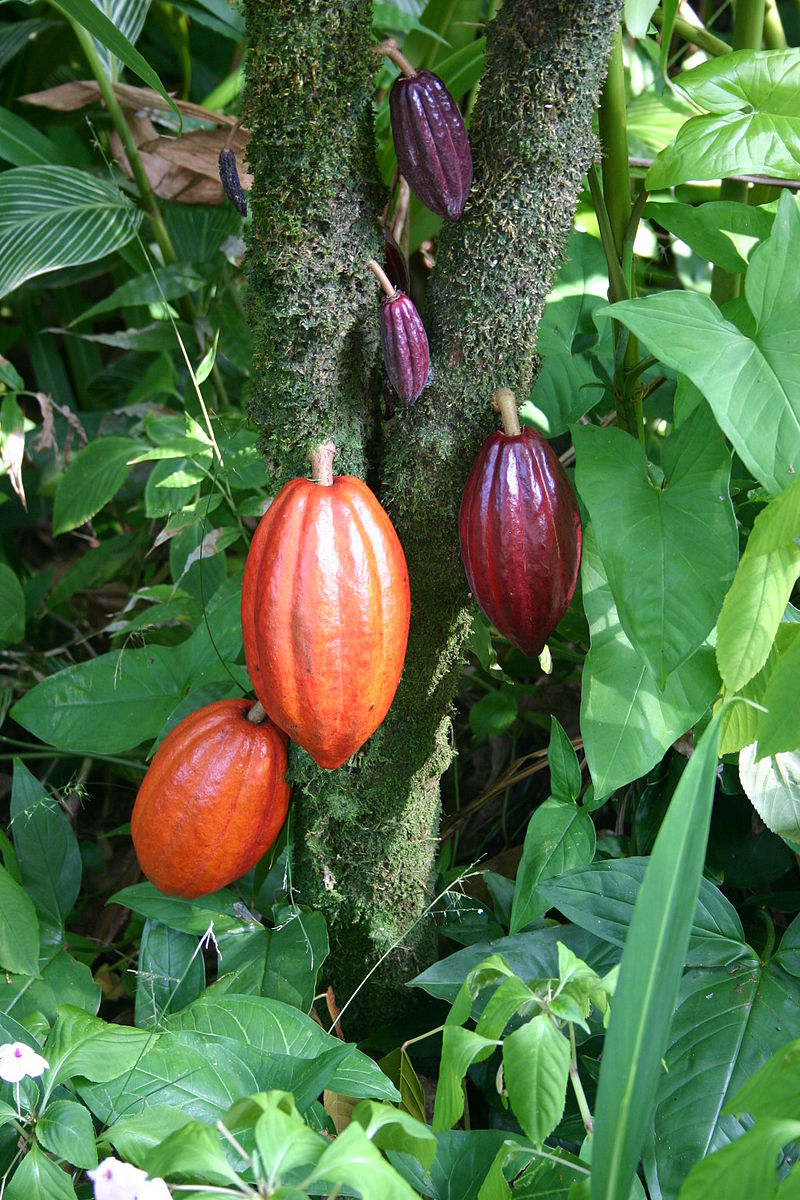
cocoa bean
fatty seed of Theobroma cacao which is the basis of chocolate

Plinia cauliflora
A jaboticaba () or jabuticaba () is a round, edible fruit produced by a jaboticaba tree (Plinia cauliflora), also known as Brazilian grapetree. The purplish-black, white-pulped fruit grows directly on the trunk of the tree, making it an example of 'cauliflory'. It is eaten raw or used to make jellies, jams, juice or wine. The tree, of the family Myrtaceae, is native to the states of Rio de Janeiro, Minas Gerais, Goiás and São Paulo in Brazil. Related species in the genus Myrciaria, often referred to by the same common names, are native to Brazil, Argentina, Paraguay, Peru and Bolivia.

Lansium domesticum
species of plant

Salacca zalacca
Salak (Salacca zalacca) is a species of palm tree (family Arecaceae) native to Java and Sumatra in Indonesia. It is cultivated in other regions of Indonesia as a food crop or snack, and popularly grown in Bali, Lombok, Timor, Maluku, Sulawesi and Papua.

Spondias dulcis
species of plant

Blighia sapida
The ackee (Blighia sapida), also known as acki, akee, or ackee apple, is a fruit of the Sapindaceae (soapberry) family, as are the lychee and the longan. It is native to tropical West Africa. The scientific name honours Captain William Bligh who took the fruit from Jamaica to the Royal Botanic Gardens in Kew, England, in 1793. The English common name is derived from the West African Akan-language name .

Monstera deliciosa
species of plant

Arenga pinnata
species of plant

Nypa fruticans
species of palm native to the coastlines and estuarine habitats of the Indian and Pacific Oceans

Durio zibethinus
species of plants producing the Durian fruit

Syzygium samarangense
species of flowering plant

Theobroma grandiflorum
Species of plant

Pouteria caimito
species of flowering plant

Solanum quitoense
species of plant

Spondias purpurea
species of plant

Crescentia cujete
species of plant

Garcinia indica
plant in the mangosteen family

Caryota urens
species of plant

star fruit
thumb|Unripe carambolas on the tree
thumb|Carambola before pruning
thumb|Carambola after pruning
Carambola, also known as star fruit, is the fruit of Averrhoa carambola, a species of tree native to tropical Southeast Asia. The edible fruit has distinctive ridges running down its sides (usually 5–6). When cut in cross-section, it resembles a star, giving it the name of star fruit. The entire fruit is edible, usually raw, and may be cooked or made into relishes, preserves, garnish, and juices. It is commonly consumed in Southeast Asia, South Asia, the South Pacific, Micronesia, parts of East Asi
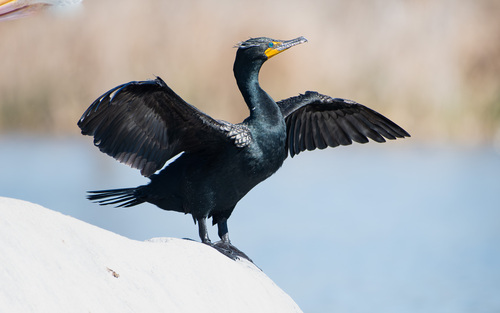
Marang
species of plant
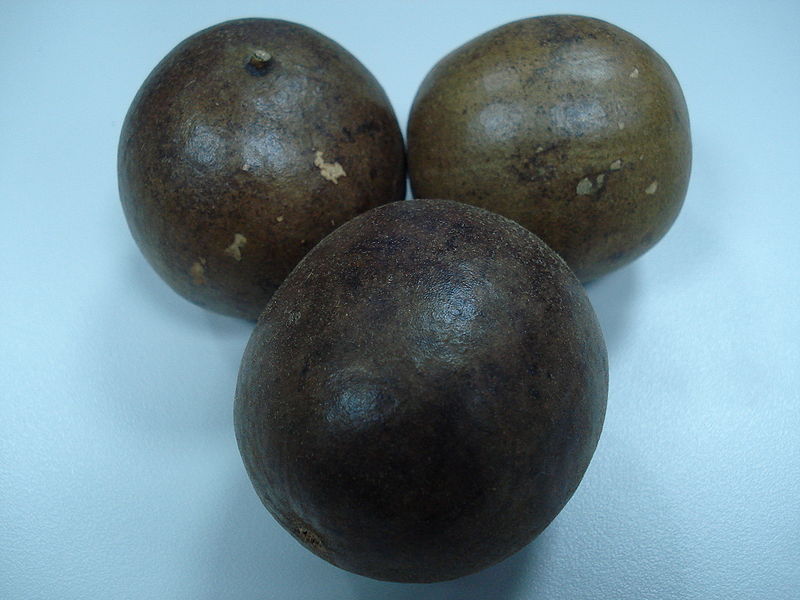
Siraitia grosvenorii
species of plant whose fruit extract is 300 times sweeter than sugar

White sapote
species of tree

Malpighia emarginata
species of plant

Byrsonima crassifolia
species of plant

Passiflora quadrangularis
species of plant
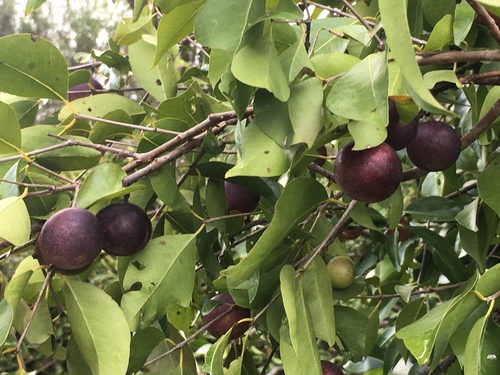
Myrciaria dubia
species of plant

Spondias mombin
species of plant
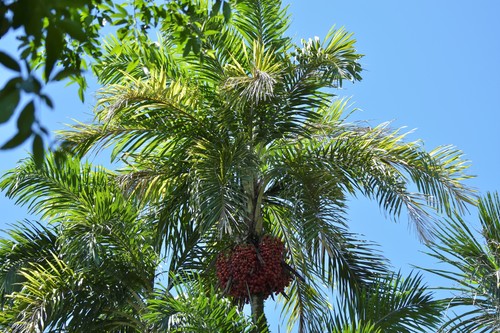
Bactris gasipaes
species of plant

Annona glabra
species of plant

Melicoccus bijugatusss
species of plant

atemoya
The atemoya, Annona × atemoya, or Annona squamosa × Annona cherimola is a hybrid of two fruits – the sugar-apple (Annona squamosa) and the cherimoya (Annona cherimola) – which are both native to the American tropics. This fruit is popular in Taiwan, where it is known as the "pineapple sugar apple" (), so it is sometimes wrongly believed to be a cross between the sugar-apple and the pineapple. In Cuba it is known as anón, and in Venezuela chirimorinon. In Lebanon, the fruit is called achta. In Tanzania it is called stafeli dogo ("mini soursop"). In Brazil, the atemoya became popular and in 2011

Selenicereus undatus
species of cactus

Annona mucosa
Species of tropical flowering plant